Tag: Interior Design

  • What Are the Best Wooden Wall Shelves?

    There are many home fixtures that look simple but require some thought before you buy. The wrong wood, support, or wall anchor can turn a nice shelf into a sagging mess in a matter of months.
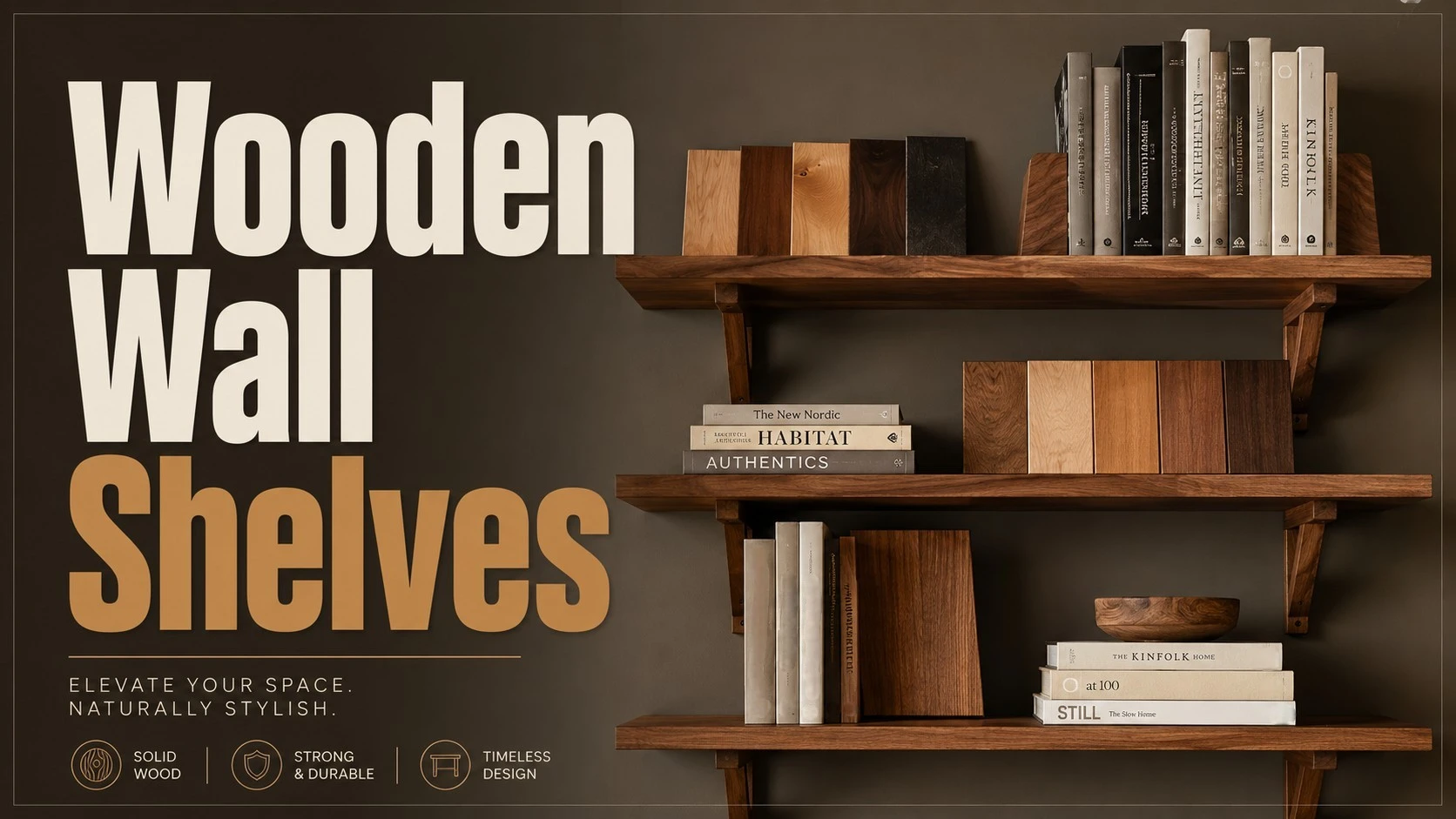
    This guide takes you through everything you need to know, from wood varieties to pricing, so you can make the right choice for your space.

    What Kind of Wood Is Best for Wall Shelves?

    The best wood for wall shelves depends on three things: how much weight the shelf needs to hold, your budget, and what look you want for your home.

    • Oak is a popular choice. It is very durable , readily available , stains well , and can support heavy loads such as books or dishware . Red oak in particular is a solid choice for most people .
    • Maple is slightly harder than oak and holds up great in high-traffic areas like kitchens. It has a smoother grain, making it a great choice if you intend to paint the shelf.
    • Pine is an affordable option. It is a softer wood, so it can get dents and scratches more easily, but it works well for lighter items such as framed photos, small plants or decorations. Many people like the rustic look of pine, especially in living rooms and bedrooms.
    • Walnut is a premium option. It has a rich, dark color that complements mid-century modern and contemporary spaces perfectly, but it costs significantly more than oak or pine.
    • Birch plywood deserves a mention, too. It isn’t solid wood, yet it delivers surprising strength and resists warping better than many softwoods. For long shelves where sagging is a concern, ¾-inch birch plywood is a smart, budget-friendly choice.

    Note

    Avoid MDF for wall shelves that need to hold heavy objects. MDF looks smooth when painted, but it absorbs moisture easily, sags under heavy weight, and does not hold screws well near the edges. It works for very light decor, but fails for anything heavier.

    What Is the Best Wood for Shelves That Won’t Sag?

    The most common complaint people have with wooden wall shelves is that they sag, and it usually comes down to two things: using the wrong type of wood or trying to span too wide a space without adding any support.

    Hard maple and red oak rank among the stiffest and most easily found wood types, and they are the best choice if sag concerns you. Their natural strength means they resist bowing under pressure far better than softer woods.

    Baltic birch plywood at ¾ inch thickness provides another strong option for wider shelves. Thanks to its cross-banded layers, it resists sagging across long spans more effectively than solid softwoods of equivalent thickness.

    A good rule of thumb is to limit the span for shelves carrying significant weight to under 30 inches without middle support. No matter the type of wood, every additional foot beyond that increases the likelihood of sagging.

    Shelf thickness is important, too. ¾ inch for weight-bearing shelves and 1 inch for spans over 36 inches. Pine shelves are okay for small loads, but if you want to store heavy books, electronics, or anything else that weighs more than 20 to 25 pounds, it’s always best to upgrade to a strong hardwood or birch plywood.

    Is It Cheaper to Build or Buy Shelves?

    In most cases, building your own wooden wall shelves is significantly cheaper than buying pre-made options of similar quality.

    A 36-inch solid pine shelf made from raw lumber generally costs $15 to $30 in materials. The same length in red oak could run $35 to $60. Compare that to store-bought solid wood shelves, which frequently start at $60 to $80 for plain designs and go well over $150 for anything with a high-end finish or included floating hardware.

    The catch is factoring in your tools and effort. If you already own a saw, drill, and sander, making your own shelves makes sense. If you have to buy or rent equipment, the savings aren’t that great. For just one shelf, buying ready-made is usually simpler and only slightly more expensive.

    Another factor is the quality of materials. Plenty of bargain store shelves, even those advertised as “real wood,” rely on MDF cores, thin veneers, or hollow cores. When you build your own, you control the materials. A handmade pine shelf stays true to solid pine, while a $40 store shelf might be mostly particleboard.

    The bottom line

    Building costs less and often offers better quality if you have the tools and time.

    Tips for Installing Wood Shelves on a Wall

    If not properly attached, even the best shelf can fall. Here are a few things to keep in mind before you start drilling:

    • Find the studs: Whenever possible, fasten into wall studs instead of just drywall. Studs are usually spaced 16 or 24 inches apart. A stud finder speeds this up. If you don’t have one, knocking on the wall and listening for a solid sound instead of a hollow echo can work in a pinch.
    • Use the right anchors: If your shelf doesn’t line up with the studs, use toggle bolts or heavy-duty hollow-wall anchors rated for the weight you plan to store. For anything beyond the lightest decorative shelves, ordinary plastic drywall plugs will fail.
    • Level carefully: A shelf that sits even slightly crooked will look off and can cause round objects to roll off. Take extra time with a level before drilling your pilot holes. It saves headaches down the road.
    • Match brackets to the load: For floating wooden wall shelves, concealed hardware works well for lighter items and gives you a clean look. For heavy shelves, exposed L-brackets anchored into studs offer greater reliability and much more support.

    Frequently Asked Questions

    Q: Can I use pine for heavy wall shelves?

    Pine works better for small, light decor. Oak or maple will hold up much better if you plan on storing heavy items.

    Q: How much weight can a wood wall shelf hold?

    A 3/4-inch oak shelf supported by brackets screwed into wall studs will typically hold between 50 and 80 pounds across a 2-foot span.

    Q: How deep are wall shelves?

    Wall shelves are generally 8-12” deep. Bookshelves usually need 10-12” of depth and decorative shelves only need 6-8”.

    Q: Do floating shelves hold as much as bracket shelves?

    Not usually. Good quality floating hardware will support standard weights but for heavy duty shelving the safest way to go is to use L-brackets that are screwed directly into studs.

    Q: How can I stop wooden wall shelves from wobbling?

    The most common reason for wobbling is anchors that have missed the studs or hardware that has come loose over time. Make sure all screws are tight and at least some anchors are drilled securely into solid studs.

    Q: Can wooden wall shelves be used in a bathroom?

    Yes, but you need to seal them properly. Teak is naturally water-resistant, but oak and pine need a good waterproof finish, or else they will warp in damp settings.

    Q: How far apart should wall shelves be spaced?

    Books normally need a 10 to 12-inch gap between shelves. With bigger items , more space is required . 12 to 15 inches is ideal for display or storage , so you have enough room to store taller objects .
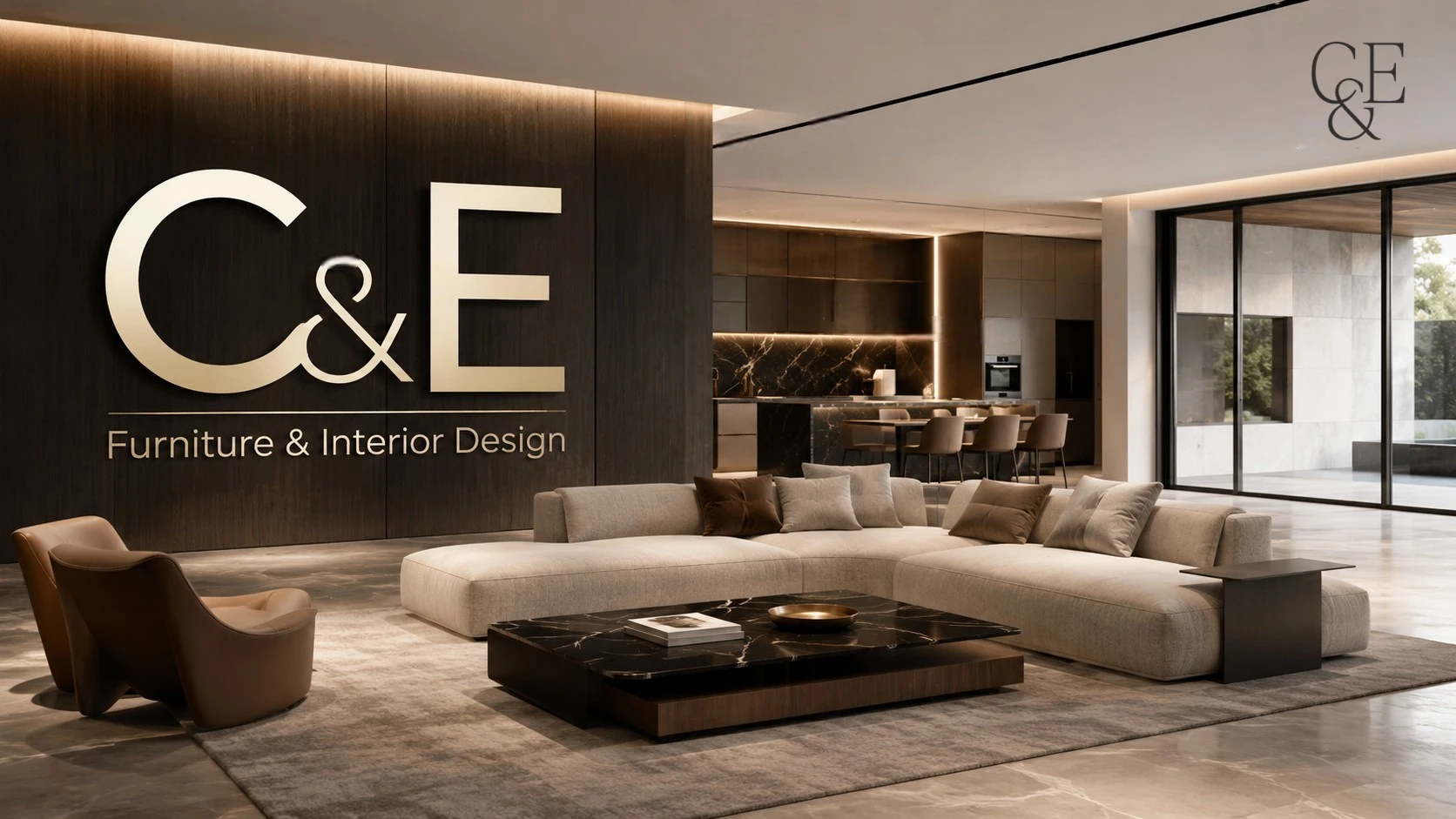
  • How Furniture Shapes the Experience of Interior Design

    When we think about interior design, we often think about the architectural layout, finishes, the color scheme, and the organization of space within the home. While these all describe the framework of a home, they don’t show us the full experience of a space. That is the job of the furniture. Furniture shows how people move within space, how comfortable the space is, the atmosphere, and how people connect emotionally with the space.

    In the field of interior design, the role of furniture is much more connected and integrated than most people realize. A room can have beautiful architectural detailing and can have well thought out materials, and the room is still incomplete without the furniture that supports appropriate uses of the space. On the other hand, the most beautiful and well-thought-out furniture can elevate the balance and functionality of the most simple interior spaces.

    The most beautiful interior spaces are defined by more than the beauty of their appearance. The most beautiful interior spaces are defined by the simplicity and beauty of their livability.

    Key Takeaway: Furniture Structures Interior Design

    While interior design establishes the framework of a livable space, the furniture determines how that space functions, the ease of everyday use, and how it supports everyday living. The way a space is experienced is defined by the balance of the furniture & interior design.

    Furniture Shapes Usable Space Design

    In interior design, one of the most important impacts of furniture is defining how a space is meant to be used. Spatial design may define boundaries, separate functions, and a layout, but furniture design creates spaces for living and working.

    Furniture placement becomes one of the few ways to divide a space in open plan spaces. A sectional sofa, for example, can define a living area. Accent chairs can create conversational areas.

    In an open-plan layout, even the best space can feel cluttered or undefined without the correct furniture.

    Furniture makes an impact on the design and layout of a space. The right size furniture affects comfort and circulation. The correct size furniture affects the function and organization of the furniture.

    Designing a space does not mean that the space has to be filled with the best furniture. It can be designed in a way that the furniture supports the way the homeowner wants to use a particular space.

    Key Takeaway: The Function of the Spaces is Determined by the Furniture

    Furniture can take an empty layout and create a livable space. The scale, placement, and the ability of the furniture to function properly all make a space usable.

    Design a space that delights the eye by harmonising the scale of the furniture with the space.

    The design of the space, including furnishings and layout, relies heavily on proportion. The height of the walls, placement of furniture, and the layout of the space, all affect how balanced the space feels.

    Large, open plan spaces need large, weighty furniture to prevent the space from feeling empty. Large furniture can overwhelm smaller rooms, which likely need smaller, well-scaled furniture.

    This balance extends beyond just the large pieces. The height of the coffee table, the proportions of the dining chair, the placement of side tables, and even the thickness of the upholstery can affect the overall harmony found in a room.

    Designers look at the furniture in the room as individual pieces to an overall larger puzzle that is a room.

    Key Takeaway: Scale is Key for Balance

    Furniture needs to relate to the room’s proportions and the architecture. Scale and balance help a room feel cohesive and comfortable rather than disjointed and cluttered.

    Furniture Presents Warmth to the Design

    The architecture holds the structure, but furniture brings the humanity. It warms and softens the structure of a room and presents an atmosphere that welcomes and invites.

    Spaces with little or poor furniture integration can feel cold, even when highly polished and structured. Spaces with well-integrated furniture can feel warm and cozy, even on a minimalist architectural structure.

    Furniture is representation of the emotions housed in that particular space of a room. It presents contrast to architectural elements that can feel cold. Layer of textiles help large rooms feel more intimate and inviting.

    This emotional layer of dimension is especially important in large residential design, where large rooms can become overwhelming. Furnishings of design can help large spaces feel cozy.

    Architecture of a room creates the structure. The furniture presents the humanity. It creates the atmosphere to let people engage with a space, both physically and emotionally via the placement of the furniture.

    Key Takeaway: Furniture Offers Comfort and Connection

    Furniture adds softness and dimension to spaces. It can also enhance the emotional appeal of a room by making it feel more inviting and comfortable.

    Impact of Material on Design

    Furniture is one of the key elements responsible for the material language of a design. Although the finishes of an interior define the basic principles of the design language, furniture carries the language further and more precisely throughout the space.

    Materials selected without a unified vision can result in a fragmented and disorganized design. Rooms can feel out of balance with cool finishes juxtaposed to warm furnishings. Large, heavy cabinets can clash with a delicate, slender furniture.

    Balance and harmony of materials, textures, and finishes can create a fully integrated and cohesive design.

    Wood finishes can be unified vertically with the upholstery. Metal finishes in the furniture can be the same as the architectural hardware or light fixtures.

    There is no expectation of a perfect match between materials, but creating a unified vision in your home through tonal and textural consistency is key.

    Key Takeaway: Material Coordination Creates Visual Flow

    In order to achieve a sense of balance and cohesion in a room, the materials used in furniture design should be in sync with the broader design of the architecture.

    Furniture design is a critical element of the room design process.

    While furniture may be seen as the last decor item added to a space, it affects the design of many elements that come before it.

    The placement of lights is highly dependent on the arrangement of furniture which can also dictate the placement of electrical outlets. Fixtures, built-ins, and free standing furniture affect the design of a space and the circulation flow and space clearances.

    Without proper furniture planning, compromises become more frequent.

    That’s why, in most full service interior design projects, the furnishing strategy is built as an early stage within the design process. Rather than treating furniture as an afterthought, it is woven into the home’s structural logic.

    This method of integrating planning enables both the furnishing and the structural design to develop concurrently, creating spaces that are more intentional.

    Key takeaway: Furniture Planning Design Coordination

    Furniture placement should be a part of the early planning of a project. The placement of furniture dictates the layout of the space, the lighting and the placement of the electrical. It also dictates how the space will function.

    Furniture Establishes Experience

    Interior design extends beyond photos. In reality, it is a part of our daily experiences, month after month, year after year.

    Furniture has a huge impact on that. The comfort, durability, and usability of furniture all determines how successful the design of the space will be over time.

    Furniture that is designed around the latest trends will likely become outdated within an otherwise timeless design. Poorly thought layouts may become frustrating to the users of the design. Furniture made with low-quality materials can compromise the design.

    Careful selection offers a lot of utility and beauty.

    This is especially valuable for homes built with the understanding they will be occupied for the long term in order to meet the goal that the whole space will last for as long as the occupants without the need for a redesign.

    Key takeaway: Furniture Impacts Usability of Interiors

    Furniture impacts the long-term comfort and usability of a home. The best furniture helps maintain a balance between functionality and aesthetics over time.

    Because furniture captures human emotions, it commands great value in any living or working setting.

    Thoughtfully chosen furniture enables furniture to transcend its function as a container of objects, transforming a room into a space where people desire to spend time.

    Effective use of furniture directs the free flow of people in a space and encourages the use of the space to its maximum potential.

  • Style Without Compromise: Why Boutique Rugs Makes Rug Shopping Easier

    Image Source: Amazon.com

    For years, buying a beautiful rug meant accepting a trade-off. You could have style or practicality, but rarely both. Gorgeous hand-knotted rugs often needed professional cleaning and careful handling. Large rugs were difficult to source, expensive to ship, and nearly impossible to return. When washable rugs were an option, they often looked like cheap mats made for a laundry room, not a living room.

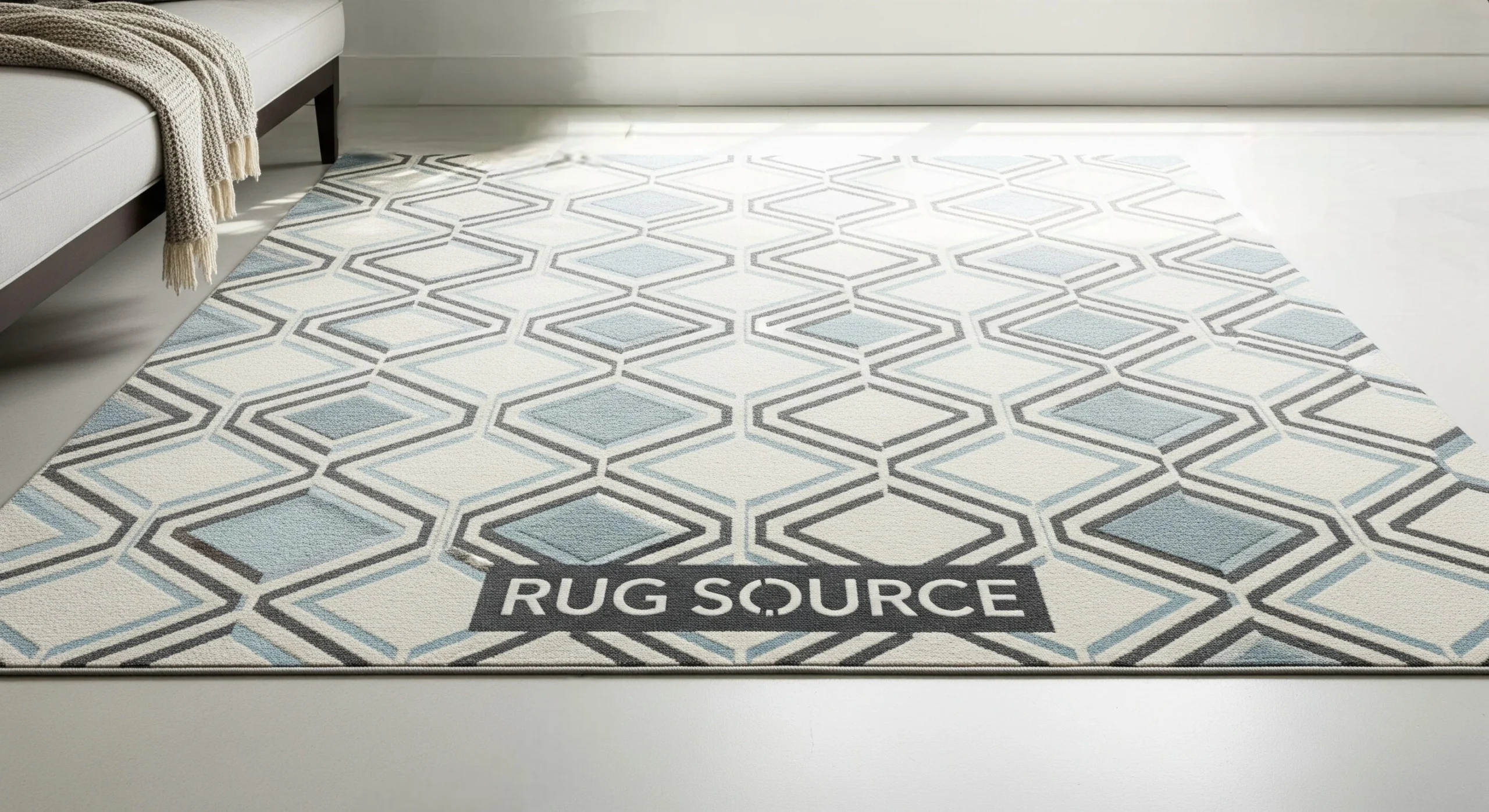
    Boutique Rugs solves these everyday rug-buying problems. Its machine washable rug collection proves that easy care and great design can go hand in hand. Its area rug range shows that quality and variety can coexist at accessible price points. And its extra large rug collection solves a common design problem: finding a beautifully designed rug in the right oversized dimensions without having to compromise.

    Backed by free shipping and a 60-day return window, Boutique Rugs proves that buying a rug online can feel as good as living with one.

    Machine Washable Rugs That Make Decorating Easier

    The machine washable rug is one of the most significant innovations in home textiles of the past decade and also one of the most misunderstood. Many shoppers still associate washable rugs with thin, plasticky mats that flatten after a few months and look nothing like the product photo. Boutique Rugs’ washable rug collection is built to change that perception.

    These are real rugs with a more substantial feel, proper pile, and enough weight to look polished in a finished room. The difference is in the construction. The fibers and weave structures are made to hold up through repeated wash cycles without easily shrinking, fading, losing shape, or losing texture. The result is a rug that can still look fresh after multiple washes when cared for properly.

    For families with young children, a washable rug in the playroom or living area means that crayon marks, juice spills, and muddy footprints are not ruined rugs. They are just another load of laundry. For pet owners, a washable rug means you don’t have to choose between a stylish home and your pets. For renters who need to move frequently, a washable rug that can be cleaned and reused in a new space is far more practical than one that requires specialist care.

    High-traffic areas benefit particularly from washable rugs. Entryways, kitchen floors, and dining areas are all spots where a beautiful rug adds style, but daily foot traffic makes maintenance a real concern. Boutique Rugs’ washable collection covers all these bases with designs ranging from geometric neutrals that complement any interior palette to bolder patterns that make a visual statement.

    A rug that can be properly cleaned every few months can help retain its color, texture, and shape better than one that collects dirt deep in its fibers for years. From a long-term value perspective, a quality washable rug is often the more economical choice, not just the more convenient one.

    Area Rugs That Pull a Room Together

    At the center of Boutique Rugs is its area rug collection. This range is so broad and thoughtfully assembled that it feels more like a curated design resource. Whether a shopper arrives with a clear vision or no idea where to start, the collection provides both the options and the context to make a confident decision.

    The variety of materials on offer is one of the collection’s greatest strengths. Wool rugs bring natural resilience, temperature regulation, and the classic feel of a fiber that has been prized by rug makers for centuries. Jute rugs introduce organic texture and an earthy warmth that complements natural interiors. Synthetics offer durability, stain resistance, and the ability to achieve color and pattern effects that natural fibers cannot match at the same price point. Shoppers are not forced to choose one material type and settle. The breadth of the collection makes it possible to find the right balance of material, design, and budget for any given space.

    The collection ranges from restrained and minimal solid colors, simple geometric grids, and tone-on-tone textures to richly decorative options. These include traditional Persian and oriental patterns, intricate floral motifs, and expressive abstract designs. Color-specific browsing options make it easy to shop around an existing palette.

    You can find gray rugs for cool, contemporary interiors, cream and beige for warm, layered aesthetics, black and white for graphic, high-contrast schemes, and colorful options for rooms designed to make a bold statement.

    The handmade rug category within the collection deserves special mention. Each handmade rug carries the unique touch of the artisan, showing subtle variations in pile height, slight asymmetries in pattern, and a depth of texture that machine production simply cannot replicate. For buyers who want a rug that is a true statement piece, the handmade selection represents a meaningful step up.

    Large Area Rugs for Big Rooms That Need Balance

    Finding a beautiful rug in an extra-large format that can anchor an open-plan living space, a great room, or a large dining area is a different challenge entirely. Most retailers stock a narrow selection of oversized rugs, often in limited patterns and at prices that rise quickly as sizes get larger.

    Boutique Rugs has built its extra large rug collection to solve this exact issue. The selection of oversized and extra large area rugs covers the formats that large rooms actually require, including 9×12 rugs for substantial living and dining areas, and even larger options for truly expansive spaces. The collection is not a handful of token large-format pieces. It is a proper range with the same design variety, material quality, and style coverage as the standard area rug collection.

    A rug that is too small for its space is one of the most common decorating mistakes in larger rooms. It floats in the middle of the floor, making furniture arrangements feel disconnected and the room feel unsettled. An appropriately scaled large area rug pulls a seating group together, anchors a dining space, and gives the room itself a visual structure that makes it feel deliberately designed rather than accidentally assembled.

    Because extra-large rugs take up so much visual space, pattern and color matter even more. A large geometric rug becomes the main visual element in a room. A large neutral-toned rug becomes the foundation everything else builds upon. The Boutique Rugs extra large collection includes options across both ends of this spectrum. You will find statement pieces with bold patterns and colors, and quieter foundational rugs in naturals, grays, and creams that serve as an elegant backdrop for other design decisions.

    Shipping oversized rugs can come with significant freight charges when retailers pass on the full cost. Boutique Rugs’ free shipping policy applies across the collection, including extra-large formats. This is a meaningful advantage that makes the listed price closer to the actual price, regardless of the size being ordered.

    Shopping Smarter with Boutique Rugs

    Whether you are shopping for a washable mat or a massive area rug, the Boutique Rugs experience is built on a few core principles.

    High Design for Every Budget

    Great design isn’t treated as a luxury reserved for huge budgets. Whether a shopper is spending modestly on a machine-washable dining room rug or investing in an extra large handmade piece for a formal living space, the design standard remains high throughout the collection.

    Clear Pricing and Flexible Returns

    Free shipping means no hidden freight costs at checkout. A 60-day return window means a shopper can live with a rug and test it out in their actual space, in their actual lighting, alongside their actual furniture before committing fully.

    Policies That Make Online Rug Shopping Easier

    These policies are not just promotional perks. They reflect a retailer confident enough in its products to let customers take their time, and clear enough to make the return process straightforward when a rug does not ultimately fit.

    The Right Rug for Every Room

    The homes that feel genuinely well put together are not necessarily the most expensive ones. They are the ones where every decision, down to the rug on the floor, has been made with both intention and awareness of how the space will actually be used. If a beautiful rug can’t handle everyday family life, it’s the wrong rug.

    An extra large rug that arrives with a shipping charge larger than expected is a budget problem before it is a design solution. A gorgeous area rug that cannot be returned if the scale or color is off is a gamble rather than a purchase.

    Boutique Rugs builds its collections and its policies around the reality of how people actually live. It provides a collection that delivers on both the aesthetic and practical expectations of modern homeowners.

  • Interior Design Services in Singapore That Enhance Comfort and Productivity

    In the professional world, looking the part is often a prerequisite for opportunity. This principle applies as much to your physical environment as it does to your personal presentation. It’s not just about aesthetics; it’s about performance.

    When your office design matches your brand’s identity and includes inspiring details, you naturally boost team productivity. The concept is simple: working in a sterile, uninspired environment is exhausting. Your team needs a workspace that recharges them and serves as a daily source of inspiration.

    Singapore’s Standout Interior Design Services

    It’s hard to beat what a top commercial interior design consultant Singapore has to offer. Creating a workspace that hums along smoothly is no small feat, so it pays to work with a seasoned design firm. In Singapore, the top companies have been around for more than twenty years and know how to marry construction know‑how with thoughtful design. Their goal is simple: build offices that feel good and function even better.

    [wpchtmlp id=522651]

    Whether you’re refreshing a corporate headquarters or a specialized lab, a good team will sit down with you, get to know how you work, and propose solutions that support your people now and as your business grows. A well‑designed space can boost productivity and morale. To get a feel for what’s possible, stop by a local showroom or ask for a detailed quote.

    Designs That Work for Everyday Living

    Shifting gears from the office to the home, you’re often your own best designer. You know your tastes better than anyone, but a few strategic tips can help you shape a living room that handles remote work, entertaining, and relaxation with equal ease.

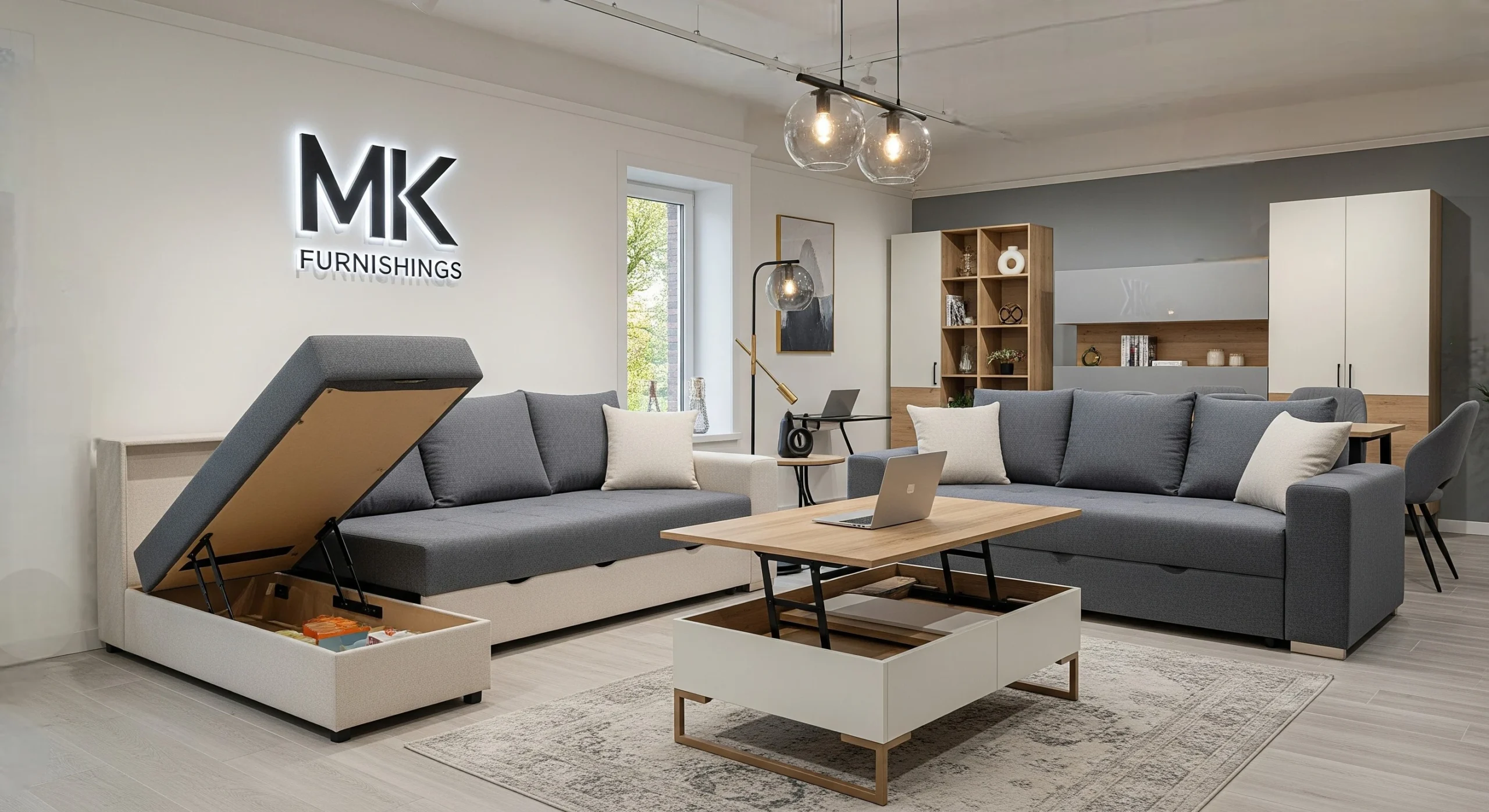
    The demands on Singapore homes have changed; your living space now needs to serve multiple purposes. Consider your sofa the room’s anchor. It should provide comfort and support, but if you choose durable, light fabrics and flexible shapes, it can also double as a temporary sleeping spot for guests.

    Don’t overlook how useful your coffee table can be, either. A model with built-in storage lets you tuck away books, chargers, and remotes, keeping the top clear for drinks and conversation.

    Rules and Regulations in Singapore

    If you’re updating a home or office in Singapore, do your homework on local rules and regulations. HDB flats and private condos have strict guidelines on when work can take place, what you can modify structurally, and how much noise is acceptable.

    Talk with your designer or building management early in the process so your project meets all the requirements. Investing in your space, whether it’s a business headquarters or a cozy living room, pays off in comfort and productivity.

    Conclusion

    The spaces where you work and live should help you, not hold you back. Choosing the right design team in Singapore, respecting local rules, and making a few smart choices at home can go a long way.

    When your office runs smoothly and your living room feels easy and welcoming, you’re not just upgrading a property, you’re improving daily life for yourself and everyone who walks through the door.

  • Hotel Paintings Selection Guide: Choosing Artwork and Wall Art That Elevates Guest Experience

    In hospitality, a great stay is about more than a comfy bed and friendly staff. What guests see the moment they walk in shapes how they feel and, ultimately, whether they return. The right artwork can turn plain spaces into memorable destinations people talk about.

    Why Hotel Artwork Matters

    Artwork pulls real weight for your business, it’s not just decoration. It builds your brand, sets you apart from the hotel down the street, and creates the photo-worthy moments guests love to share on social media. A thoughtful collection also lifts your property’s perceived value, making premium rates easier to justify and supporting better overall satisfaction scores.

    Selecting the right hotel painting collection starts with understanding your audience, your brand, and the mood you want to set in each space. Boutique hotels, for example, can lean into local artists to highlight community connection. Luxury resorts might showcase museum-level pieces that signal exclusivity. Properties focused on business travelers often do well with calming, professional work that helps road warriors unplug after a long day.

    Visuals influence how large a room feels and how relaxed a guest becomes and that first impression happens in seconds. Color, contrast, and subject matter steer emotions quickly, making art a huge part of that snap judgment. Biophilic imagery or art focused on nature, often lowers stress, which is invaluable for lobbies, guest rooms, and spas.

    Curating Art for Different Hotel Zones

    Every zone in your hotel has a specific job, and the art should support it.

    • The Lobby: This is your opening statement. This high-traffic, high-visibility area deserves bold work that tells your brand’s story immediately. Large pieces, striking sculptures, or a strong series can anchor the space and create an easy, on-brand “selfie spot.”
    • Guest Rooms: These spaces need a softer touch, as the space is personal. Choose art that promotes rest without pushing a narrow, specific taste, and keep the palettes easy on the eyes. Abstracts, landscapes, and subtle cultural nods tend to reach a wide audience while still feeling upscale. It’s wise to skip controversial themes or overt religious imagery so that no guest feels excluded.
    • Corridors: Hallways are traveled all day and shouldn’t feel like an afterthought. Use a gallery-style run or a themed series that unfolds as guests walk, but be sure to avoid clutter. To comply with accessibility guidelines (like the ADA), keep frames from protruding more than four inches into the path. This rule generally applies to objects mounted between 27 and 80 inches off the floor. Finally, pick tempered glass or museum-grade acrylic so the pieces are safer and easier to clean.
    • Amenities: Dining rooms, bars, and recreation spaces can handle bolder choices that invite conversation. Local artwork in a restaurant strengthens its sense of place, and energizing pieces in fitness areas can be highly motivating. Small details, like QR codes linking to artist bios, make the entire experience feel more curated and human.

    Practical Considerations for Hotel Art

    Durability is critical in hospitality. Your materials must handle frequent cleaning, humidity shifts, and the occasional bump from luggage. Ask suppliers for sealed canvases, scrub-resistant topcoats, and UV protection for any pieces near sunlight so the colors hold up. If you print on-demand, choose low-odor inks with third-party indoor air quality certifications (like GREENGUARD) so a new installation doesn’t smell like a paint shop.

    Fire and insurance rules vary significantly by city. You must confirm all requirements with your local fire marshal and insurance carrier before you purchase. Frames, substrates, and hanging systems may all need specific fire ratings, especially in corridors and public assembly areas. A quick code check early on can save you significant rework and fees later.

    Your budget plan needs to go beyond the sticker price of the art itself. Be sure to include costs for professional installation, security hardware, insurance riders, and a small reserve for future repairs or rotation. Leasing and art rotation programs can keep your spaces feeling fresh without a huge annual spend. Licensing limited editions from emerging artists is another great strategy to get unique work at an approachable cost while supporting the creative community.

    Building a Cohesive Story with Your Wall Art

    Consistency reads as professional, so you should set a clear theme; however, variety is what keeps it from getting boring. Repeat a few key colors or subjects across different zones to make the property feel connected, while still allowing each space to have its own voice. Regional landscapes, local culture, or craft motifs work very well when they are handled with care and authenticity.

    Let the art carry your brand story in specific ways. A beach resort can go beyond stock-image seashells and instead commission local photographers to capture real shoreline life, or partner with marine artists for original takes on sea life. Mountain and city properties can do the same with artistic trail maps, vintage transit line diagrams, or pieces from neighborhood makers who bring the area to life.

    Historic hotels can create a dynamic feel by mixing period-appropriate pieces with contemporary art that plays off the architecture. Urban boutiques can showcase street art, modern illustration, or industrial textures that directly reflect the block outside the door.

    Best Practices for Sourcing and Installation

    Build relationships with local galleries and arts districts. This helps you find new talent and keeps money circulating in the community. Hospitality-focused art consultants can speed up the shortlisting process, manage logistics, and keep you on-brand and on-budget. While online marketplaces expand your reach, you must always secure written usage rights, image licenses, and reproduction permissions for anything you print or promote.

    Professional installation is a must; it protects your guests, your property, and the artwork itself. Use security mounts, the proper anchors for your specific wall type, and anti-theft hardware in any area where guests can easily touch the work. Confirm safe mounting heights for corridors and public areas. Always choose safety glazing (tempered glass) or acrylic where impact is possible, and use safety cables in seismic zones.

    Document everything from day one so you can manage the collection like the valuable asset it is. Photograph each piece, and log its condition, location, size, medium, and cost. Save artist bios and all licenses, noting any renewal dates. This file makes insurance claims, appraisals, and simple guest questions infinitely easier to handle.

    Measuring Success and Evolving Your Collection

    Track what the art is doing for you. Monitor guest surveys, review keywords (“love the lobby paintings”), and see which pieces show up most often in social media posts and photo tags. Don’t be afraid to swap or move underperformers. You can even run small A/B tests by floor or room type, and you should always plan to refresh art sets during major renovations or when your key guest profiles shift.

    Investing in art is ultimately a business decision. It directly shapes how people feel about your brand and what they are willing to pay. Thoughtful, strategic curation turns a quick overnight stay into a lasting memory, which is what brings people back and drives real revenue.

  • The Design Detail That Instantly Makes a Bathroom Look Modern

    The Design Detail That Instantly Makes a Bathroom Look Modern

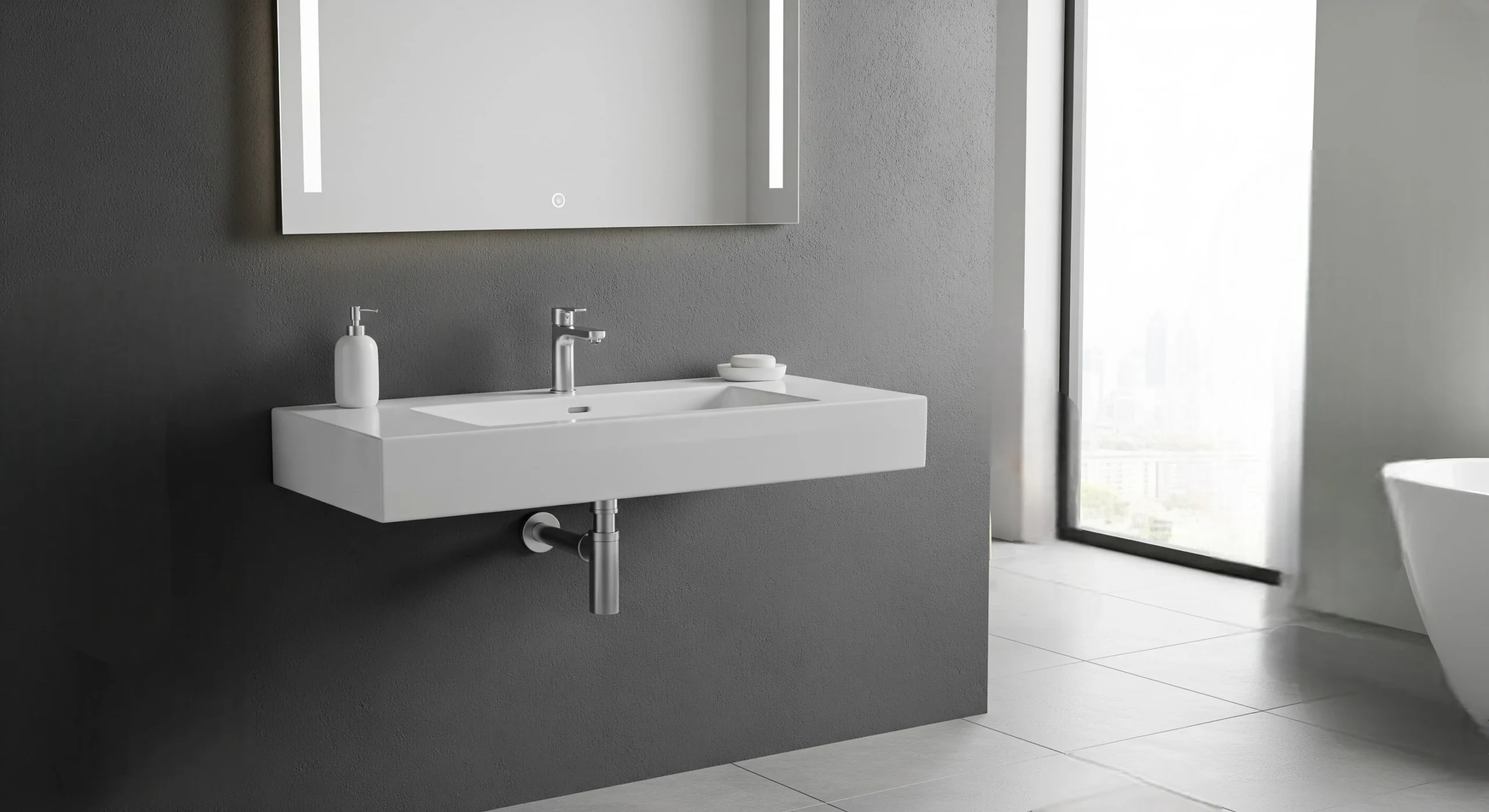
    When it comes to updating a bathroom, most people think of big-ticket items like tiles, showers, or vanities. But often, it’s the smaller details that make the biggest difference. One of the simplest ways to give your bathroom a fresh, contemporary edge is by updating your tapware. Choosing sleek and stylish options — like Winnings basin taps — can instantly transform the space without the need for a full renovation.

    Why Tapware Matters More Than You Think

    Tapware might seem like a minor element compared to larger fixtures, but it sets the tone for the entire room. Old or dated taps can drag down an otherwise clean bathroom, while modern designs elevate even the simplest layouts. The finish, shape, and placement of taps all contribute to the overall aesthetic, making them one of the most effective ways to modernize your bathroom.

    Sleek Lines and Minimalist Shapes

    Modern bathrooms are defined by clean lines and uncluttered design. Taps that feature minimalist shapes, flat edges, or smooth curves align perfectly with this look. Pairing simple tapware with a streamlined vanity or basin helps the bathroom feel cohesive and contemporary.

    The Power of Finishes

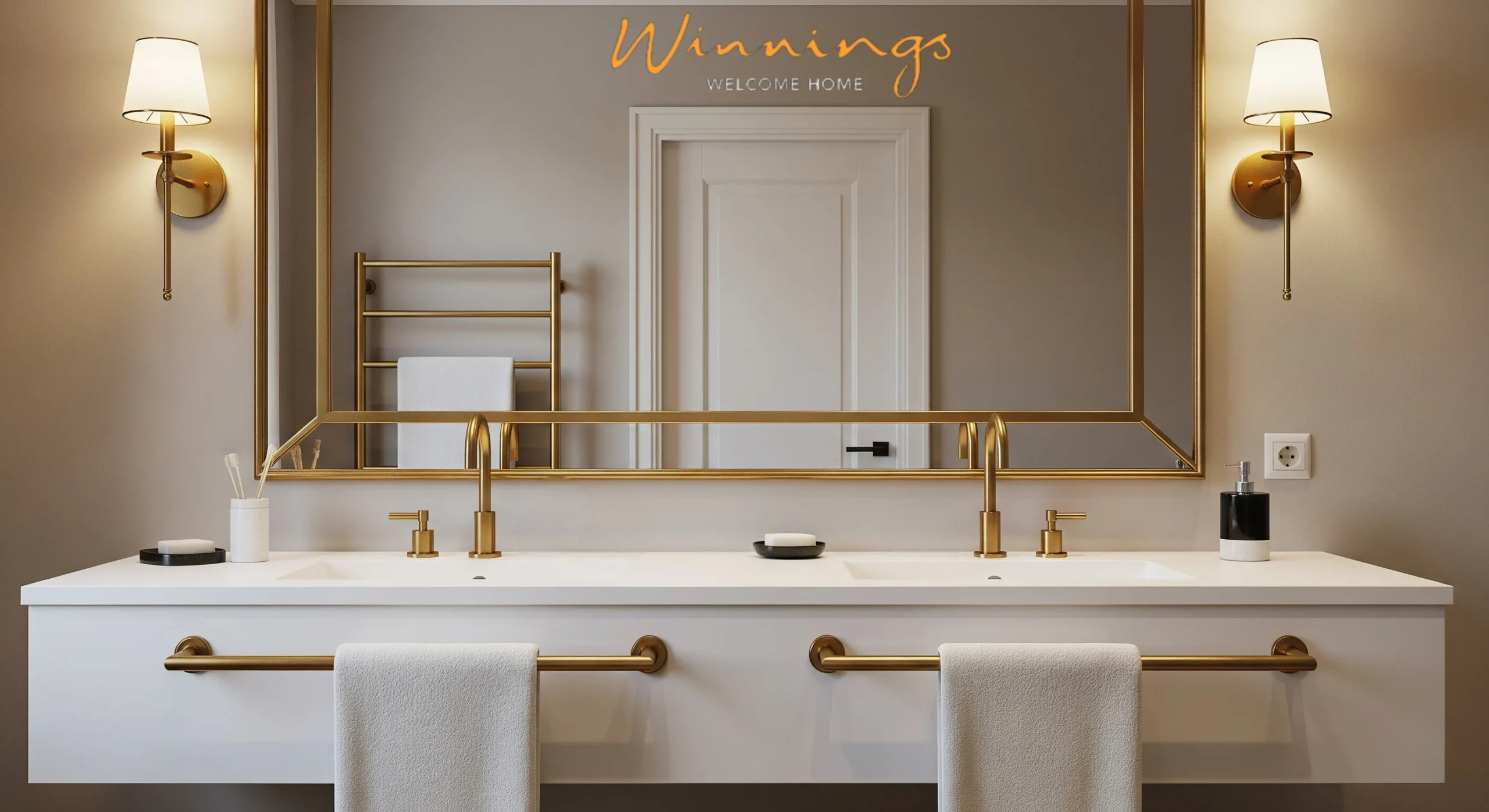
    While chrome remains a classic choice, today’s modern bathrooms often feature alternative finishes. Matte black adds bold contrast, brushed brass or gold brings warmth, and gunmetal or stainless steel offers industrial chic. Matching tapware finishes with shower fittings, towel rails, and cabinet handles ties everything together seamlessly.

    Function Meets Style

    A modern bathroom isn’t just about looks, it’s also about functionality. Mixer taps, for example, are both practical and stylish, offering easy control of water temperature and pressure. Wall-mounted taps free up basin space, making the area look clean and open. These design choices enhance convenience while maintaining a modern aesthetic.

    Bringing It All Together

    Tapware shines brightest when combined with other thoughtful design tweaks:

    • Lighting: Pair your taps with sleek wall sconces or under-vanity LED strips for a contemporary glow.
    • Mirrors: A frameless or backlit mirror complements the clean lines of modern tapware.
    • Storage: Floating vanities paired with minimalist taps create a sense of space and openness.
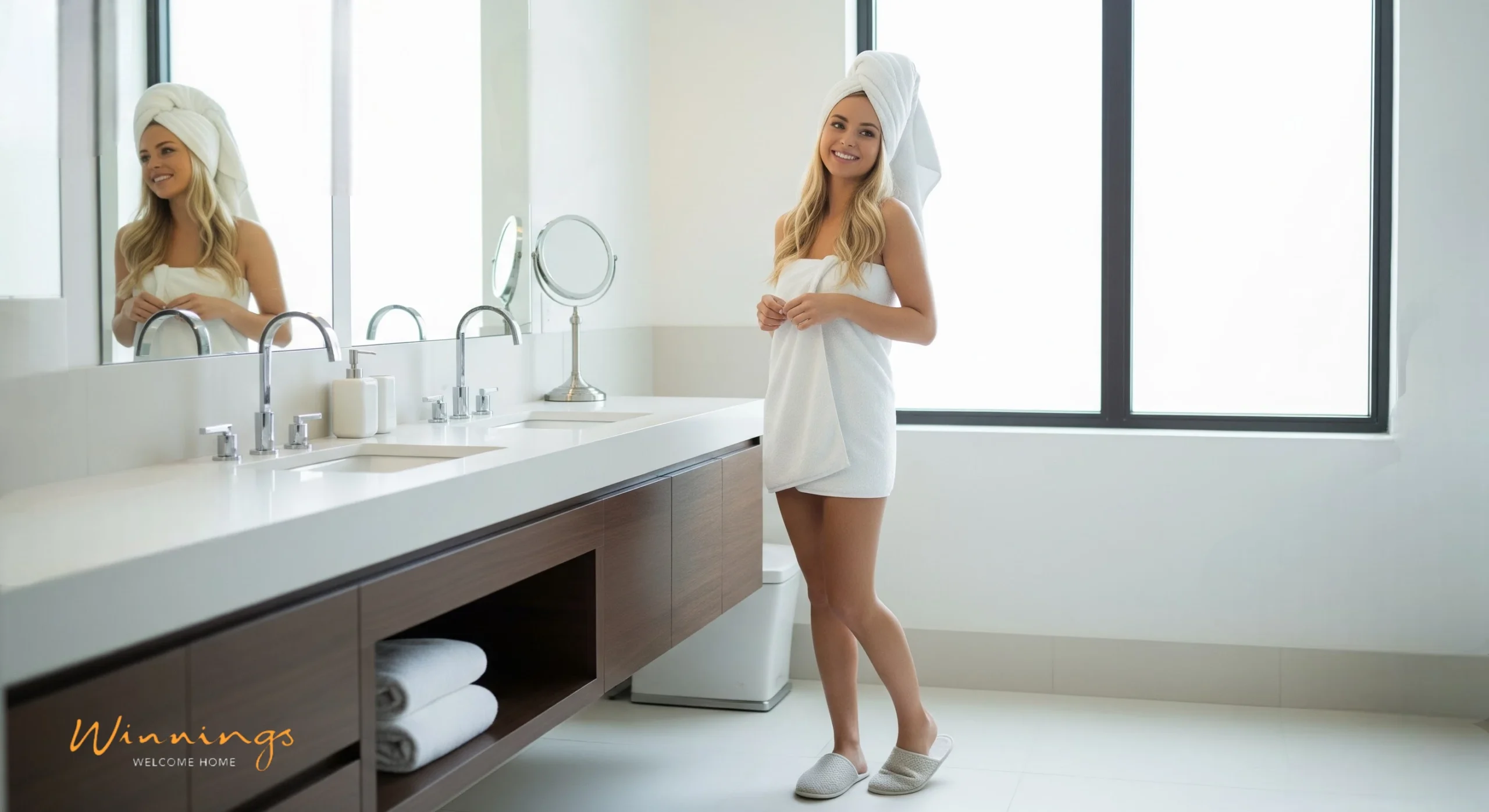
    • Textiles: Crisp towels in neutral tones allow your tapware to stand out as a design feature.

    Easy Upgrade, Big Impact

    Unlike a full renovation, updating tapware is a relatively simple and affordable project. It doesn’t require weeks of construction or a massive budget, yet it has the power to refresh the bathroom’s look instantly. This makes it an ideal starting point for anyone wanting to modernise their space.

    Transforming the Everyday

    At its core, a bathroom is about everyday use — washing hands, brushing teeth, or starting and ending the day. But those daily routines feel different in a space that looks considered and stylish. By focusing on small but impactful details like tapware, you turn everyday routines into moments that feel modern, polished, and enjoyable.

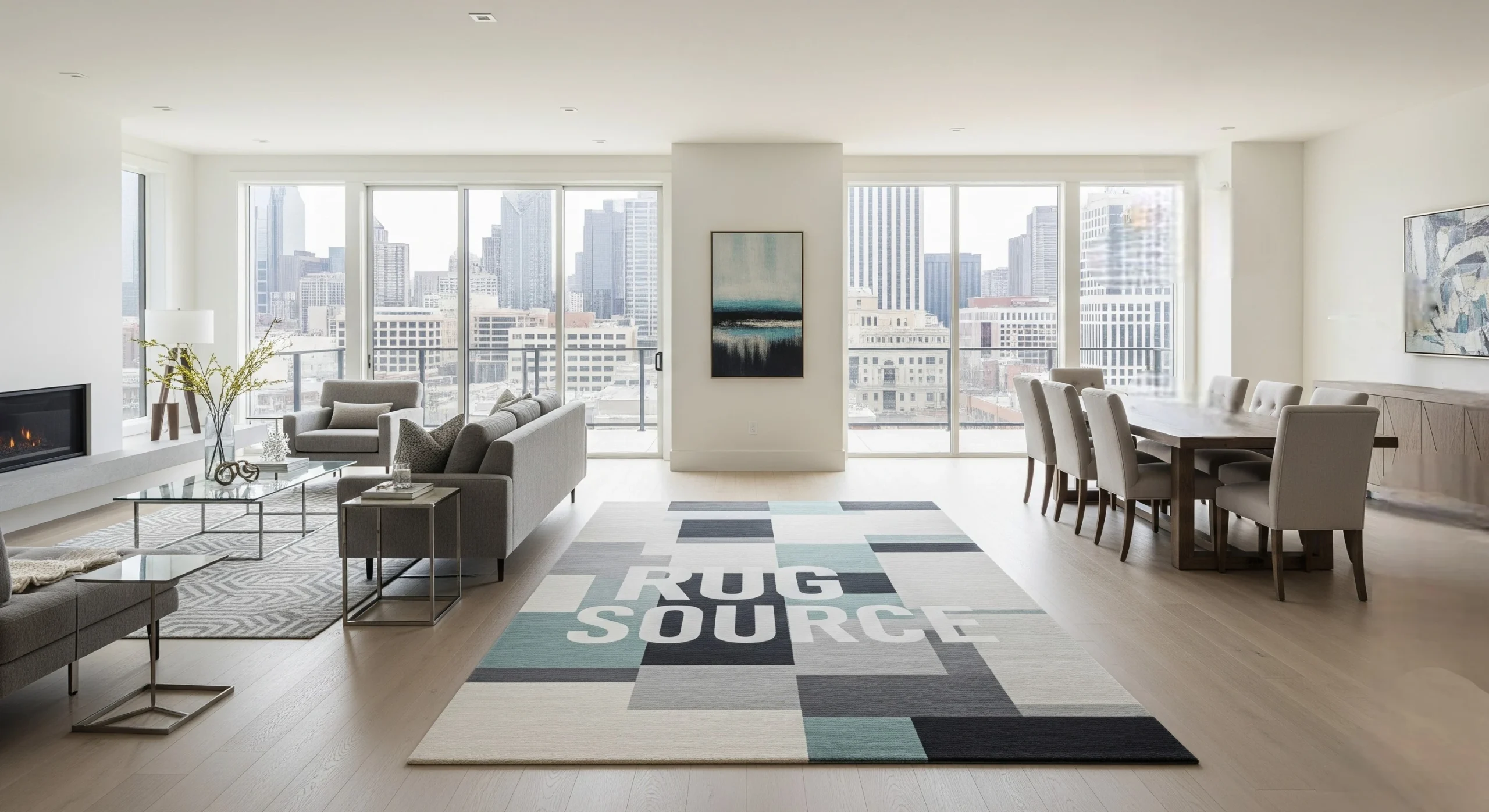
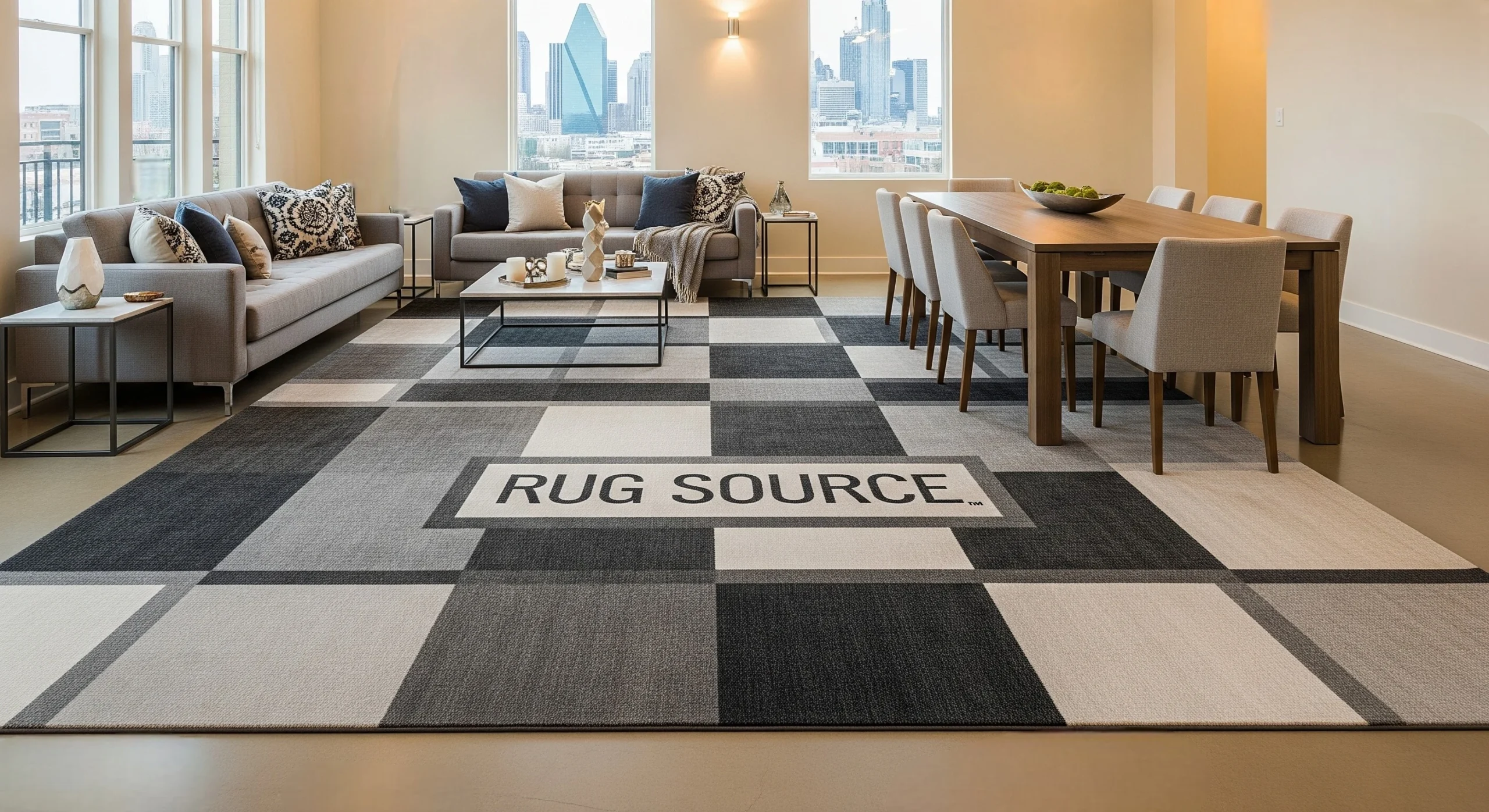
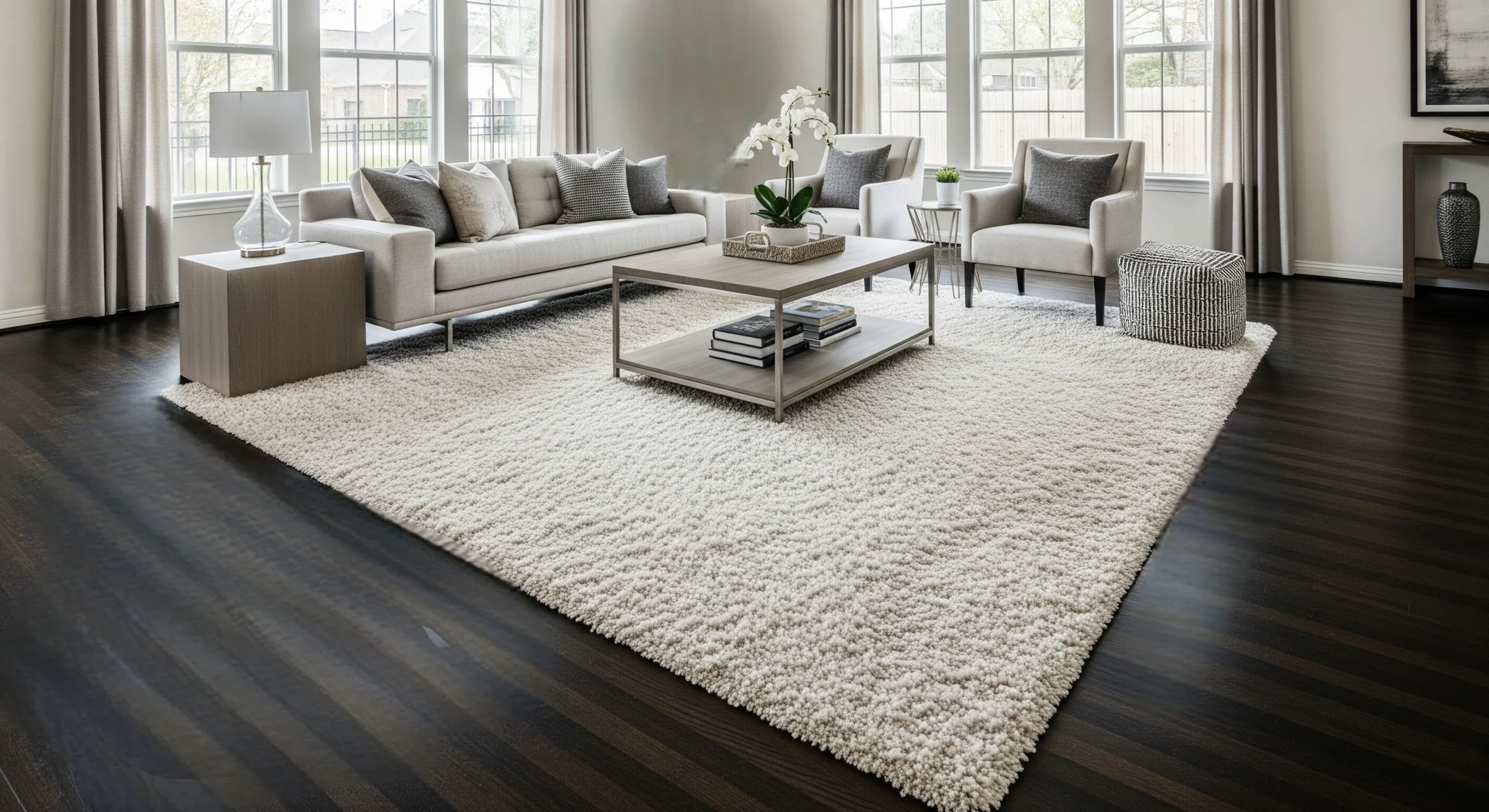
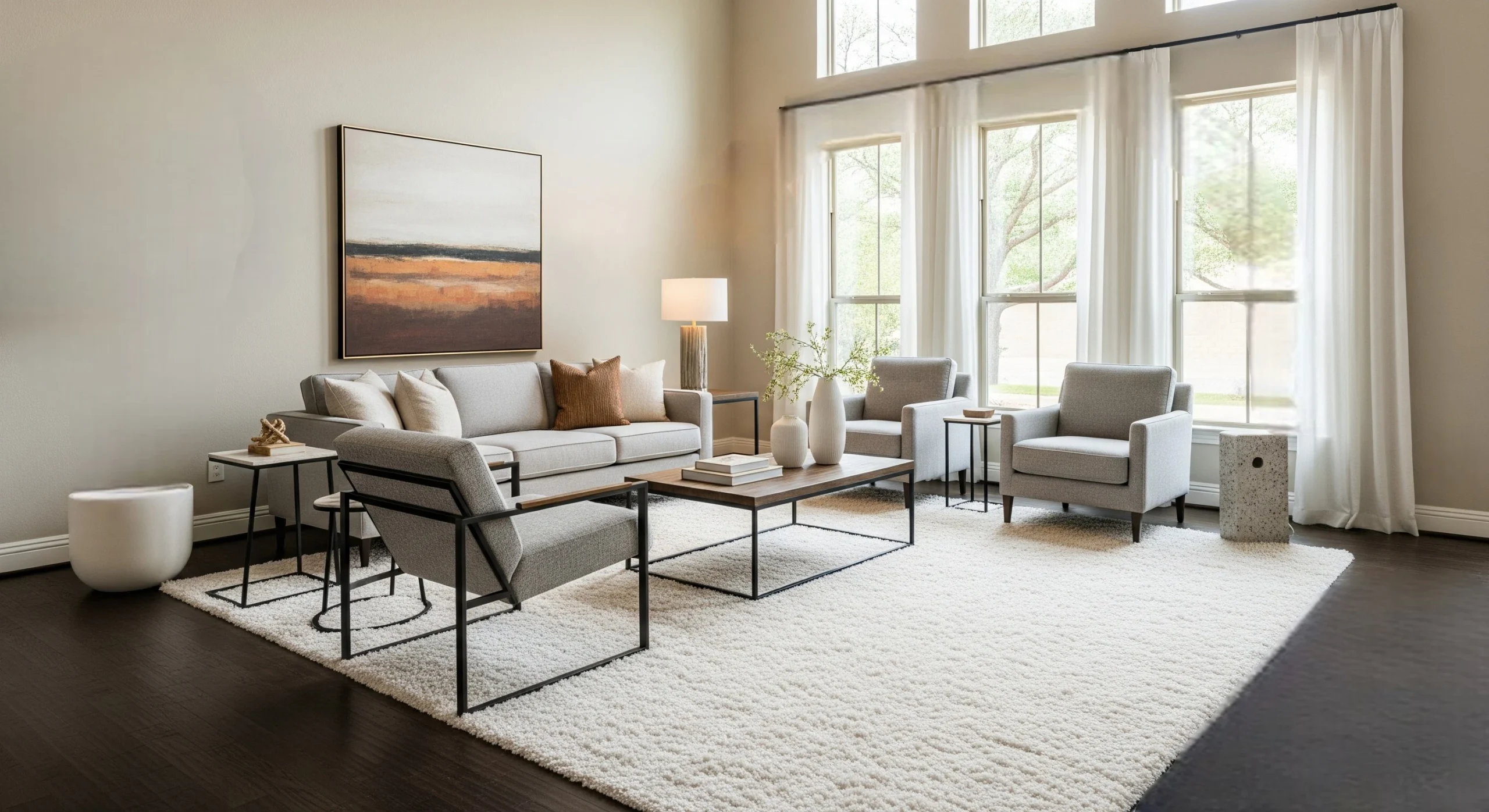
  • How Living Room Rugs Can Boost Your Dallas Home Staging

    How Living Room Rugs Can Boost Your Dallas Home Staging

    There’s absolutely no denying how competitive the real estate market is here in Dallas, and this is only getting much worse as a record number of sellers outnumber homebuyers.

    That means first impressions matter more than ever for today’s sellers, and it’s important to remember how potential buyers will formulate opinions of your property within minutes.

    Home staging is now essential for selling in Dallas, and one often-overlooked element is area rugs.

    The good news in this regard is that finding high-quality, affordable living room area rugs online is now easier than ever, and below you’ll see how living room rugs can boost your home’s overall staging appeal.

    Creating Clearly Defined Spaces

    Open-concept floor plans are very popular in many modern Dallas homes, but these layouts can make it harder for buyers to see how they’ll use the space with their existing furniture and décor.

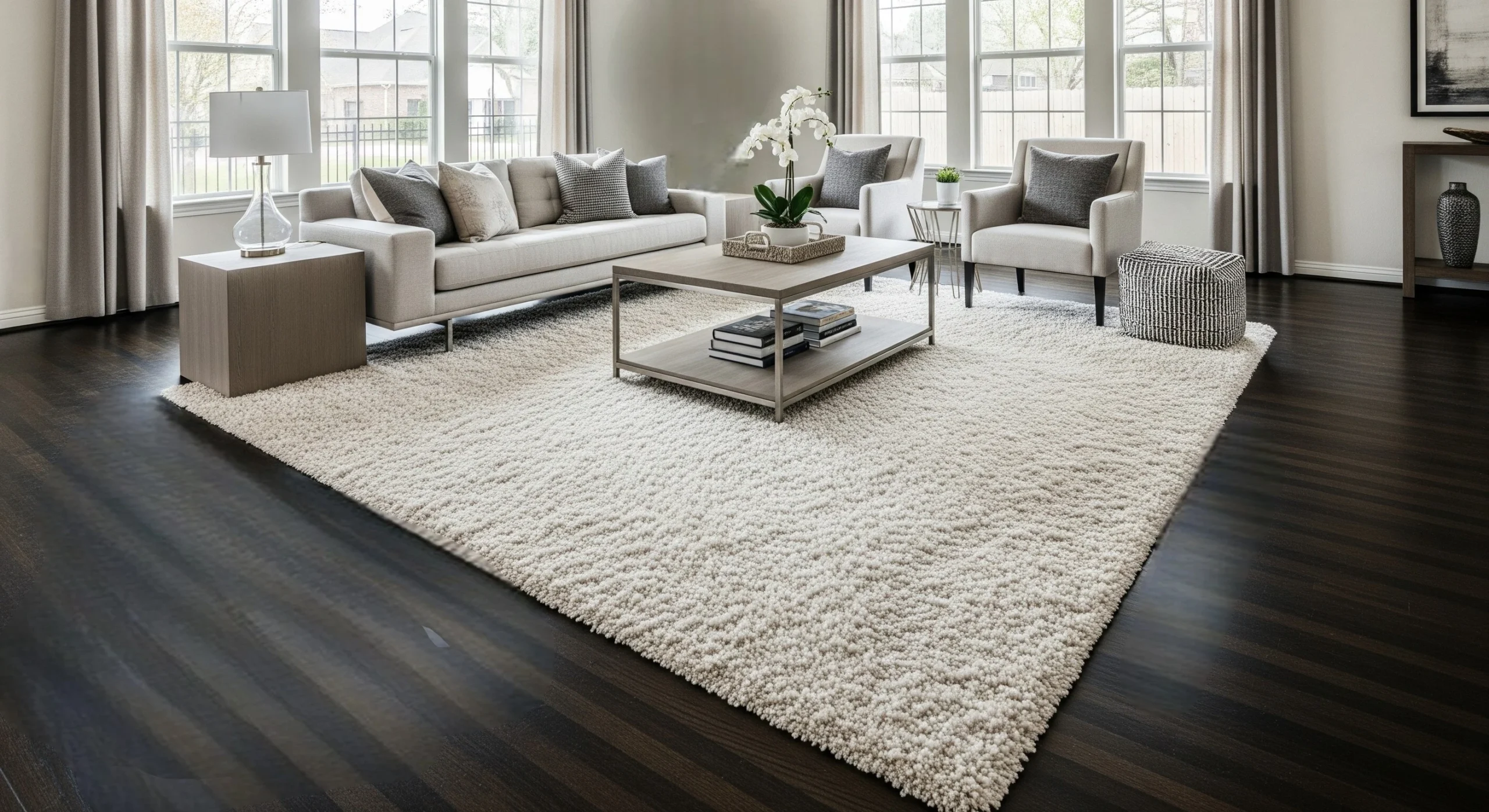
    A strategically placed rug goes a long way toward anchoring the living room and separating it from adjacent kitchen or dining areas. This creates a clearer visual flow, making it easier for buyers to picture themselves living there and boosting their overall impression.

    Adding Comfort and Warmth

    Even in the most minimalist homes, homebuyers want a feeling of comfort and warmth.

    Living room rugs add color, texture, and softness that make a space feel more inviting—especially when your home features tile, hardwood, or carpet. Buyers often tour multiple properties on any given day, so your home should project comfort and warmth to leave a lasting, competitive impression.

    Showcasing Personality and Style

    Most Dallas-area buyers want homes that feel both practical and stylish. Buyers are more likely to make an offer when a home feels stylishly curated.

    A well-chosen rug can highlight your furniture, tie together existing décor, and showcase your home’s unique aesthetic. Whether you choose a traditional or modern look depends on your layout, but aligning the rug with your home’s overall aesthetic enhances your listing’s personality and sparks buyer interest.

    Enhancing Light and Color

    Rugs can significantly improve a home’s balance of color and light. In rooms with abundant sun, a neutral rug helps soften harsh sunlight. In smaller spaces in your home that get less light, subtle patterns and lighter tones visually brighten the room. This adds energy and visual interest throughout the home and helps you avoid first-glance turnoffs.

    Hiding Your Home’s Imperfections

    Area rugs also serve many practical purposes for Dallas listings, including covering up any flooring imperfections.

    This includes things like dated tile, hardwood floor scratches, and worn-out carpeting that could potentially turn off buyers.

    Replacing scratched hardwood floors can be expensive. Simply covering them with an area rug is a cost-effective way to refresh the room’s appearance and keep your listing appealing.

    Increasing Your Listing’s Perceived Value

    Home staging helps buyers see your property’s potential, which is why it focuses on thoughtful décor details and making your home look move-in ready.

    Good staging naturally increases perceived value, which often translates into stronger offers from multiple buyers.

    High-Quality Living Room Rugs Help Dallas Homes Sell Faster

    Every detail counts when you’re selling in the Dallas area, and a beautiful living room rug is a staging element that shouldn’t be overlooked.

    By choosing the right style, color, and size, you’ll create a home ambiance that’s alluring and capable of resonating with busy buyers touring quickly. Often, subtle touches make the biggest difference and thoughtful rug choices may be the finishing touch that sets your home apart before it hits the market.

  • 5 Reasons Architects & Interior Designers Recommend Victura Fans

    5 Reasons Architects & Interior Designers Recommend Victura Fans

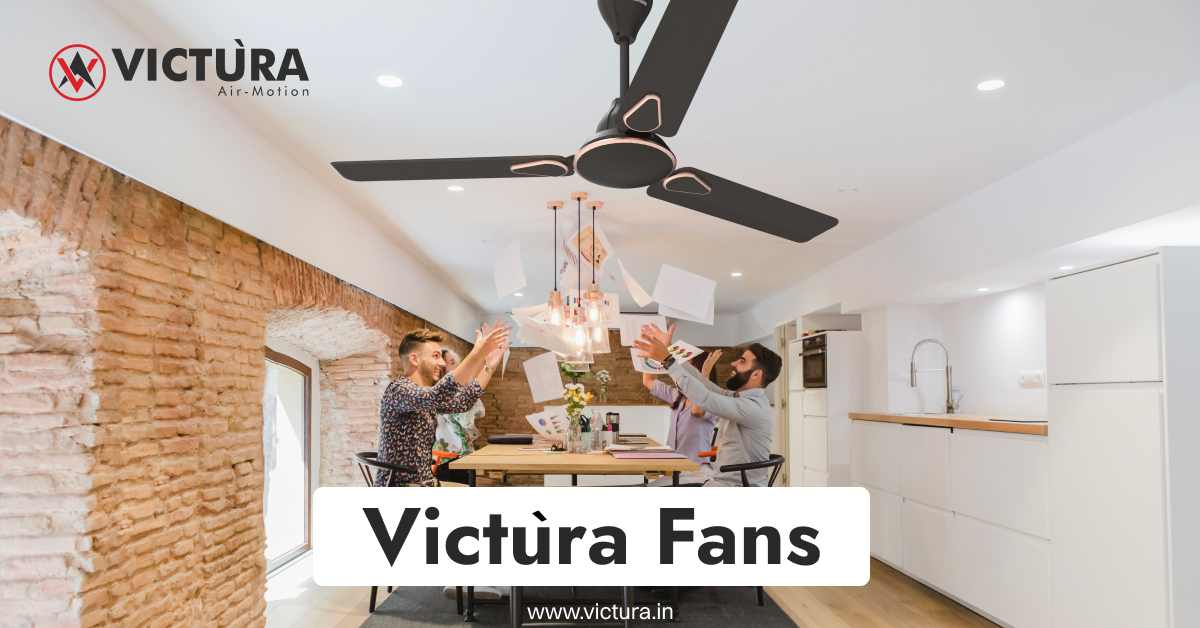
    Once a purely functional object, the modern fan has become a design statement. And leading this evolution is Victùra Airmotion, not just a fan, but a philosophy in motion. These fans don’t merely circulate air; they elevate ambience.

    It’s no wonder then that architects and interior designers, the silent authors of every elegant home and dynamic commercial space, repeatedly recommend Victùra.

    So what makes Victùra their top choice?

    Let’s hear it from the people who shape our spaces.

    How the Right Fan Elevates Your Space

    A fan isn’t just about airflow. It’s about feeling.

    The right fan complements your design narrative. It disappears into a minimal Scandinavian ceiling or takes center stage in a luxe tropical-themed living room. It moves quietly in a cozy study and adds drama in an atrium lobby. It connects the architecture with the atmosphere, literally and emotionally.

    And that’s where Victùra Airmotion steps in.

    These fans, with their soft hum, cool shapes, and smart build, are essentials for design.

    Minimal Maintenance, Maximum Impact

    Designers and architects don’t just design for today; they design for longevity. A fan might look good on Day 1, but what about five years down the line? That’s where Victùra stands out.

    Built with high-grade finishes and dust-resistant coatings, Victùra fans are made to look fresh with minimal upkeep. No rusting. No paint peeling. No endless cleaning cycles. For home and work spots alike, this means less fixing work and less cost over time. Interior designers like that the outer layer stays bright, even in wet spots or open areas.

    Architects appreciate how the fan’s build integrity holds up in both coastal and urban environments. It’s one of those rare cases where low effort meets high return, a quiet performer that keeps the style sharp and the environment serene, year after year.

    From the Point of View of an Architect: Function, Form, and Future

    We spoke to several architects across India, and here’s what they had to say. Across cities, scales, and sensibilities, they agree on one thing: Victùra fits seamlessly into their vision.

    1. Design Harmony

    Architects don’t just build; they balance. Balance between structure and soul. And with Victùra’s minimalist yet bold designs, they get a fan that enhances rather than interrupts the architectural flow.

    Whether it’s a villa in Alibaug with open beams and natural textures, or a contemporary penthouse in Gurugram with clean lines and glass walls, Victùra fans blend effortlessly.

    2. Scale Versatility

    Not all things work for everyone, and architects know this very well. Victùra fans are available in multiple sizes and blade spans to fit different ceiling heights, room sizes, and building designs.

    From double-height ceilings to compact modular homes, Victùra ensures the proportions are perfect. Architects appreciate how easily these fans slot into diverse blueprints without compromising airflow dynamics or aesthetic rhythm.

    3. Material Integrity

    Victùra makes their fans from high-quality materials, like ABS blades and aluminium bodies that last a long time. They use finishes that don’t change much with time. Architects like this because it fits with their plans for places that last and don’t need much care over time.

    4. Sustainable Design Compatibility

    Green buildings are no longer optional; they’re essential. Victùra fans are energy-efficient, BEE-certified, and designed to reduce the load on HVAC systems. This makes them an architect’s ally in achieving green certification goals.

    Add to that the fans’ BLDC motors, which consume up to 65% less energy, and you’ve got a performance-driven choice that ticks every sustainability box.

    5. Technical Collaborations Made Easy

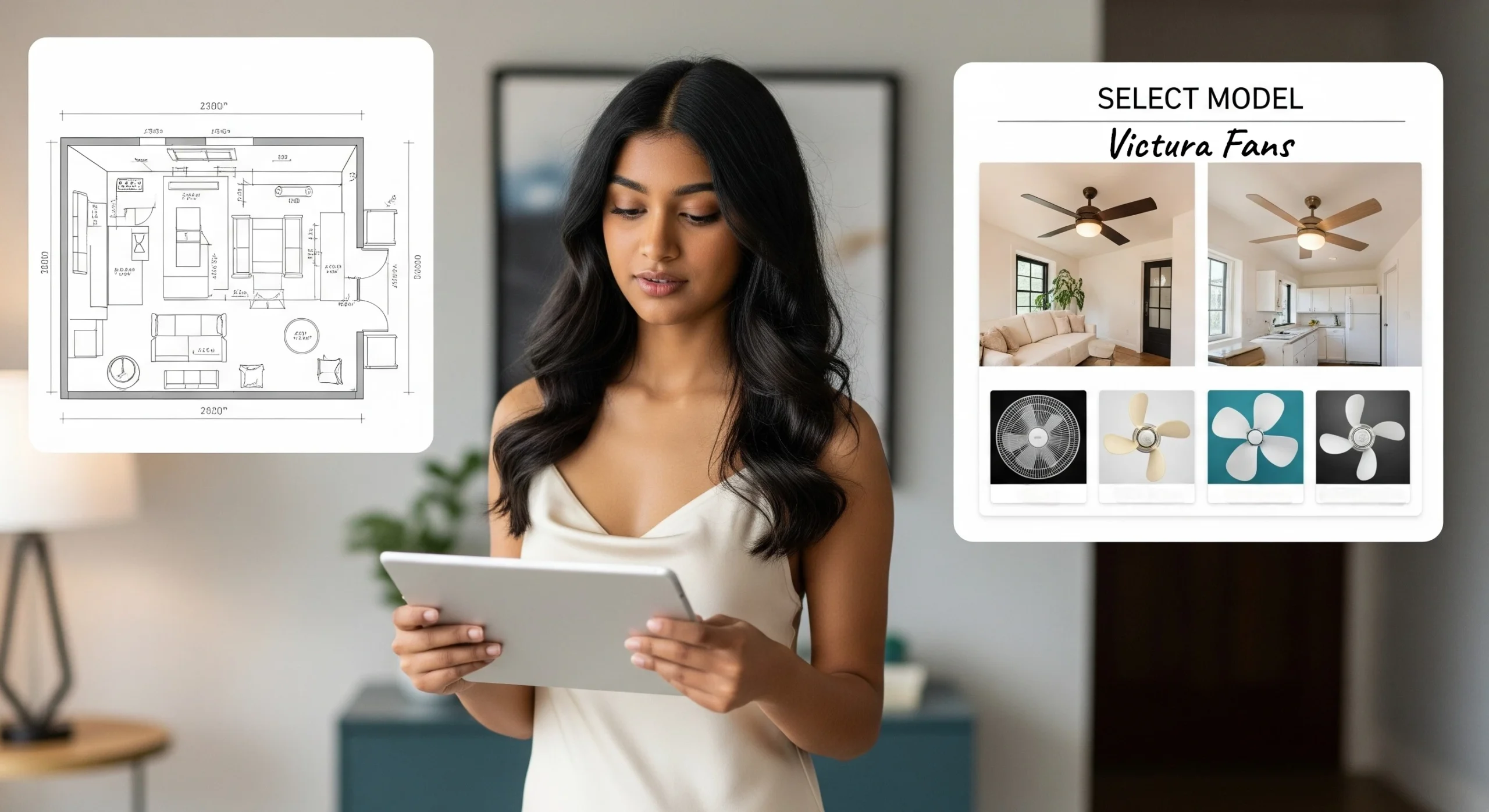
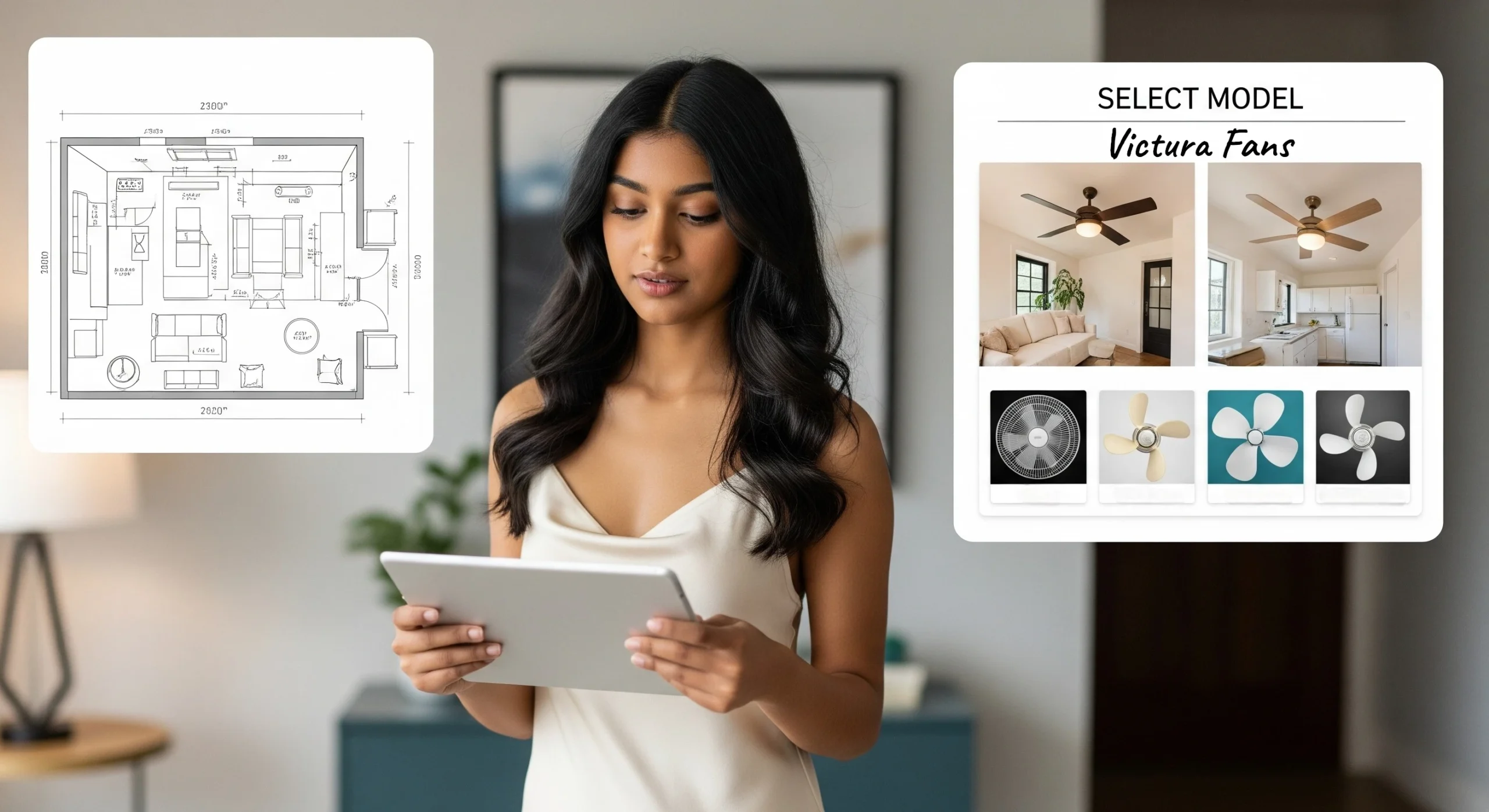
    Architects often coordinate with MEP consultants and electrical planners. Victùra provides detailed technical documentation, CAD blocks, and spec sheets, making planning and integration frictionless.

    Why Interior Designers Love Victùra Airmotion Fans: The Aesthetic Advantage

    Interior designers don’t just decorate. They choreograph emotion, atmosphere, and experience.

    They’re storytellers too, and for them, Victùra fans are part of the plot.

    1. Style That Speaks

    Victùra fans come in finishes that cater to every palette, matte black for industrial chic, antique brass for colonial charm, and white oak for Nordic serenity. These aren’t just fans. They’re accents, centerpieces, and talking points.

    2. Silent Elegance

    One of the biggest challenges in designing serene spaces, be it a spa, a luxury suite, or a meditation room, is noise.

    Victùra’s whisper-quiet operation is a game-changer. Their brushless DC motors and vibration-dampening mounts ensure you hear nothing but your own thoughts.

    3. Smart & Seamless

    Interior designers like tech, but not when it disrupts the aesthetic. Victùra’s smart fan perks, like remote, are well put in, fitting right in the hip, neat homes.

    4. Customizable Finishes

    Designers often work with unique themes. Rustic barn-style kitchens. Eclectic Boho living rooms. Ultra-modern monochrome lounges.

    Victùra’s custom finish options allow interior designers to stay authentic to their theme without compromise.

    From woodgrain textures to matte metallics, every fan can be tailored to enhance the moodboard.

    5. Layered Lighting Compatibility

    Many Victùra models have built-in or added LED lights, letting designers make rich light setups. Be it soft mood lights in a lounge or bright lights for work in a bedroom, the fan adds to the whole light plan.

    Victùra in Commercial Spaces: Where Function Meets Flair

    Victùra isn’t only a star in homes; it’s also big in business spots. From boutique hotels, art galleries, co-working spaces, and restaurants, those who build and design pick Victùra to lift up normal places.

    Why? Because these spaces demand more than just cooling, they need atmosphere. A poorly chosen fan can throw off the entire design narrative. But Victùra’s sculptural silhouettes and noise-free performance blend seamlessly into curated commercial settings. It’s the fan that cools a café corner without disturbing the acoustic playlist, or keeps guests comfortable in a lobby without dominating the aesthetic.

    Add energy efficiency and long-life components, and you’ve got a commercial-grade solution with designer appeal. It’s beauty with backbone.

    How to Choose the Best Victùra Airmotion for Your Home

    Feeling inspired but unsure where to start?

    Here’s a quick guide to help you pick the perfect fan:

    1. Know Your Room Size

    Victùra offers different blade spans for compact rooms, standard rooms, and large open layouts. Measure your space before choosing.

    2. Match the Mood

    Want calm elegance? Go for a white or wood finish. Love bold drama? Try matte black or antique bronze. Your fan should echo your room’s personality.

    3. Ceiling Height Matters

    Higher ceilings need longer downrods for proper air circulation. Victùra provides options for varied ceiling heights, so don’t settle for generic.

    4. Lighting or No Lighting?

    Some fans come with LED kits built in. If your fan doubles as a light source, make sure the brightness (lumens) and tone (warm vs cool) fit your needs.

    5. Tech Features You’ll Use

    App controls, smart assistants, and remote operation, go for what fits your lifestyle. Not all features are necessary for everyone, but they’re great to have.

    Conclusion

    There’s an old saying—“God is in the details.” Architects and interior designers know that better than anyone.

    From the grain of a wooden panel to the sheen of a marble slab, from the placement of a window to the pitch of a roof—every choice matters.

    And fans? They’re no longer background players. With Victùra Airmotion, they become co-creators of space, style, and soul.

    Whether you’re designing a home that hugs you back, or a café that people never want to leave—a Victùra fan completes the story.So next time you look up and feel the breeze, ask yourself—is it just air?
    Or is it air in motion, designed to move you?

  • Relaxation at Home: What Homeowners Are Looking For

    A national survey from CopperSmith shows that more people see their home as more than just a place to live. It has become the space where they expect to recharge. The study found that most Americans struggle to relax in their own homes, and in Texas, where big houses and busy routines often meet, the results highlight something important for buyers, sellers and homeowners to think about.

    How Often Do Americans Truly Relax at Home?

    The CopperSmith survey of 1,000 U.S. adults found that just 26% of Americans feel they truly relax at home daily. For most, it doesn’t happen right away. About 42% said they need at least thirty minutes after getting home before they feel settled, while just 14% said they can relax as soon as they walk in.

    Generational differences showed up as well. Only 9% of Gen Z respondents said they could relax immediately. Women also reported more difficulty than men: 45% said they need at least half an hour, compared to 39% of men.

    For many Dallas households dealing with long workdays, Central Expressway traffic, and family obligations, these numbers reflect a familiar reality, finding calm at home often takes extra effort.

    Home Size and Everyday Stress

    Texas is known for bigger houses, but the survey shows that extra square footage doesn’t always make life calmer. About 39% of people said clutter or crowded rooms are a main reason they can’t relax.

    Other common obstacles included:

    • 45% said they feel too busy
    • 30% said they feel guilty about “doing nothing”
    • 30% said noise or too much stimulation gets in the way

    Even in larger Dallas homes, the way a space is designed and used matters. A big living room full of clutter can feel just as stressful as a small apartment.

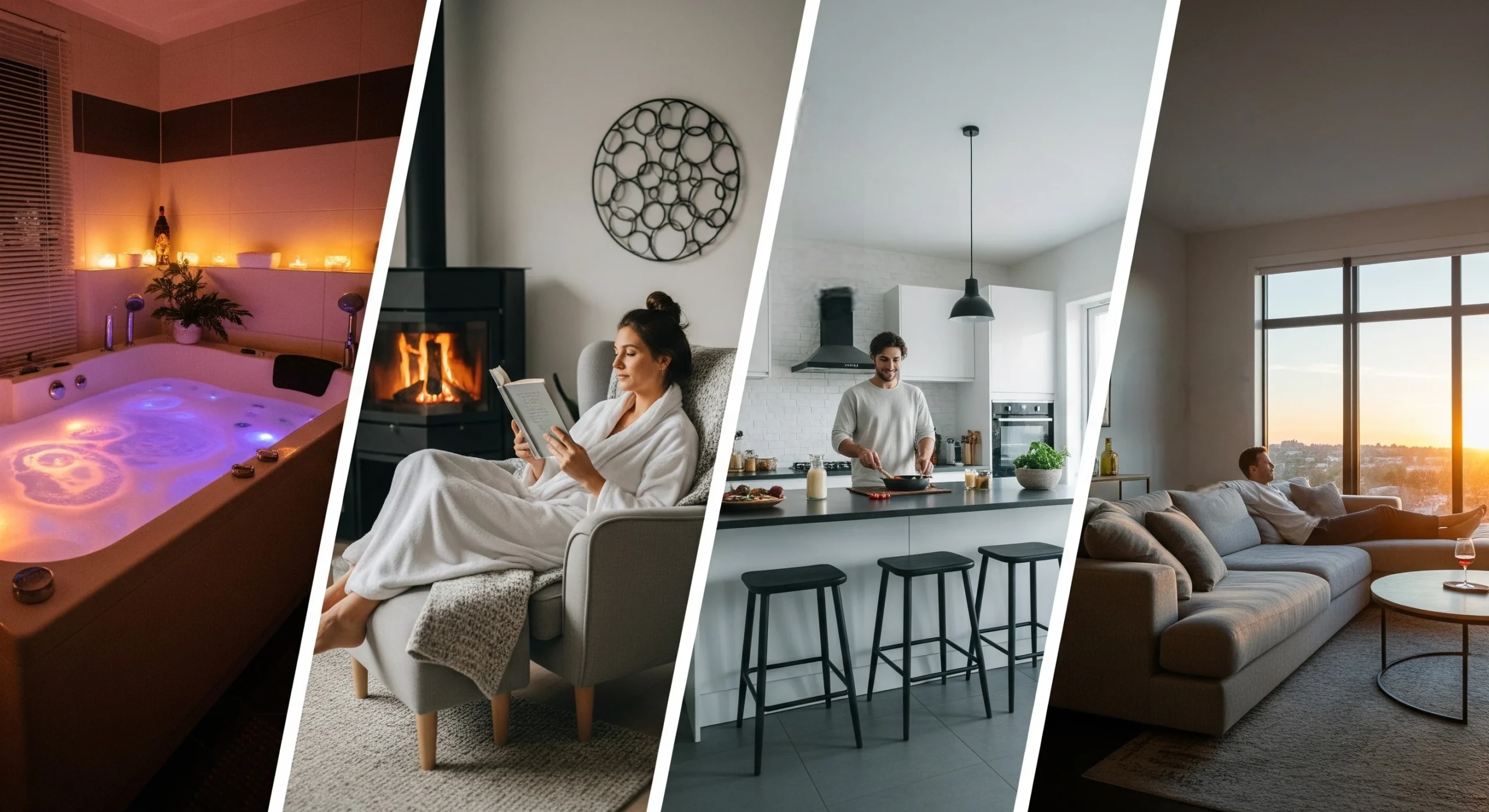
    Ways People Relax at Home

    Most Americans still choose simple activities to relax. In the survey:

    • 51% said lying in bed or on the couch
    • 48% said watching TV or streaming
    • 29% said scrolling on a phone
    • 19% said taking a bath or shower

    The living room was the most common place to relax (64%), followed by the bedroom (49%). Outdoor areas came in at 28% and kitchens at 27%.

    For homeowners in Dallas, these results point to the value of open family rooms, comfortable outdoor patios, and bathrooms that feel more like a spa. These features support relaxation and can also add value to a home.

    Types of Relaxation at Home

    The study pointed to six main ways people prefer to relax. Each group shows a different habit or focus:

    • Slowdweller (33%) – likes stillness and downtime.
    • Hushitect (20%) – pays attention to calming design.
    • Soulsoaker (15%) – enjoys baths and water routines.
    • Hearthmind (12%) – sees home as part of personal identity.
    • Glowmad (10%) – relies on light, candles, or scent.
    • Simmercrafter (10%) – relaxes through cooking.

    For Texas, these groups matter. They hint at what buyers may notice when walking through a house. A Glowmad may be drawn to accent lighting or a fireplace. A Soulsoaker may look first at the bathroom.

    What This Means for Dallas Homes

    Relaxation is now part of the selling story. Homes with spa-style bathrooms stand out. Outdoor features like covered patios, a pool, or a small garden space are in demand.

    Inside the home, clutter-free rooms make a difference. They look better in photos and help create a calm feeling during showings. Multi-use spaces also matter. A home office that can work as a yoga room, or a guest room that doubles as a reading corner, adds value.

    For sellers, presenting the home as a place to recharge can be a simple but strong advantage. For buyers, it’s a reminder that square footage alone is not enough.

    Practical Tips for Homeowners

    The study shows that creating a more relaxing home does not always require a major remodel. Small adjustments can have a noticeable effect. Some practical steps include:

    • Upgrading lighting to set a calmer mood.
    • Adding outdoor furniture or shade to make patios more usable.
    • Using open layouts or rearranging furniture to reduce clutter.
    • Staging rooms with neutral colors and minimal décor for a clean look.

    In a city known for long workdays and busy traffic, these changes can make a home easier to live in and easier to market.

    Key Takeaways

    The survey makes clear that many Americans are looking for calm at home, and not all houses deliver it. For Dallas residents, this can be seen both as a challenge and an opportunity. Homes with spa-style bathrooms, outdoor spaces, or organized layouts support daily comfort and stand out in the housing market.

    As buyers continue to look for properties that provide a sense of retreat, homes that emphasize relaxation will carry more appeal.

  • Top Furniture Trends for Young Families Buying Their First Home

    Starting fresh in a first home often means more than unpacking boxes. It’s a new chapter filled with big ideas, changing routines, and a blank canvas ready to be made a home. For young families, the real goal lies in shaping a home that feels warm, works well, and grows gracefully alongside its people. Furniture becomes part of that foundation—supporting childhood milestones, shared meals, spontaneous dance parties, and quiet evenings that stretch into memories.

    The most relevant furniture trends right now revolve around flexibility, endurance, and thoughtful design, all of which are key for modern households managing space, time, and budget with equal care.

    Multifunctional, Space-Saving, and Storage-Smart

    Smaller homes are becoming more common, with nearly 60 percent of first-time buyers choosing compact footprints. Every inch counts, and furniture that serves more than one purpose is no longer just convenient—it’s essential. Think dining tables that expand, sofas with hidden compartments, and beds with built-in storage help maximize space without adding clutter.

    L-designed bunk bed bring smart use of corners into shared kids’ rooms, creating space below for reading, storage, or play. Modular benches and lift-top coffee tables add even more function without compromising style.

    Durable Materials That Go the Distance

    The best family furniture works hard behind the scenes. Solid hardwood continues to shine for its strength and timeless appeal. It holds up beautifully over the years and can even be refinished for a second life. Metal accents are being used more often for added structure and a modern edge.

    Finishes that resist scratches and clean easily are gaining ground, especially in high-use areas. Pieces with reinforced joints and tough coatings help maintain a polished look, even in homes with pets, playdates, and everyday activity.

    Comfy Meets Stylish in the Living Room

    Living rooms see everything from game nights to naps, so seating needs to feel good and wear well. Sectionals in performance fabrics like chenille and velvet hit the sweet spot between cozy and durable. They bring texture, color, and comfort into the heart of the home.

    Modular sofas continue to gain popularity for their adaptability. These flexible seating systems can shift with the layout, accommodate extra guests, or even double as temporary beds. They reflect how modern families use their space—fluid, informal, and always changing.

    Designed for Open-Plan Living

    Modern layouts often blend kitchen, dining, and lounge areas into one open space, so furniture must help define function without interrupting flow. Lightweight poufs, nesting tables, and rolling carts allow a space to transition quickly from play to meals to hosting.

    Repeating materials and color palettes across these open zones keeps everything feeling cohesive. Clean-lined furniture with slender legs preserves a sense of airiness while still offering comfort and practicality.

    Sustainable Choices with Staying Power

    Today’s families are thinking long term. Furniture made from responsibly sourced wood, recycled metals, and non-toxic finishes is now in high demand. Recent data shows more than 75 percent of buyers prefer eco-conscious options, with many willing to pay more for them.

    Timeless designs that outlast fleeting trends help reduce waste and support sustainability. Vintage pieces and reclaimed materials add character while honoring the values behind a more mindful approach to consumption.

    Personalized Touches That Evolve with the Family

    Homes reflect the lives happening inside them. Neutral base tones paired with layered textures, bold art, and greenery help families shape spaces that feel personal and flexible. Interchangeable covers and modular units allow easy updates without major overhauls.

    Rounded corners, soft edges, and child-safe materials are becoming go-to choices, creating spaces that feel open and inviting without compromising style.

    Laying the Groundwork for a Well-Furnished Home

    The moving process itself can influence how furniture choices take shape. A smooth transition sets the tone for thoughtful space planning. Hiring moving professionals and partnering with reliable movers helps protect key pieces and allows more focus on turning an empty house into something meaningful.

    Final Thoughts

    Furnishing a first family home is about more than aesthetics. It’s a balancing act between comfort, function, and longevity. Today’s most influential trends point toward smart storage, sustainable materials, and adaptable pieces like the modern bunk bed that evolve with the family. Each choice becomes part of a bigger story—one built on togetherness, creativity, and a space designed to grow alongside the people who call it home.