Tag: HVAC Tips

  • How to Troubleshoot Uneven Heating in Multi-Story Homes

    A woman fanning herself due to the uncomfortable temperature of her home.

    Image Source: dreamstime.com

    If you live in a two or three-story home, you probably know how tricky it can be to keep every floor at the same comfortable temperature. It’s one of those things about home ownership that quietly drives you nuts, right?

    Now, uneven heating can be caused by a bunch of things, some simple and some not so obvious. But before you call in the pros for full HVAC or electrical services, it helps to know what might be going on. Let’s walk through how you can troubleshoot the problem and what steps you can take to make your indoor temperature balanced again.

    Why Multi-Story Homes Heat Unevenly

    A man insulating a window frame with rubber insulation

    Image Source: dreamstime.com

    Believe it or not, it’s a simple science. Heat rises. That’s it.

    So in a two-story or three-story home, warm air from your heater tends to naturally move upward. And that’s why upstairs often ends up warmer, while your downstairs might feel chilly, especially if your heating system isn’t distributing air evenly.

    But there are other reasons too, such as:

    1. Poor Airflow or Blocked Vents – Sometimes the issue is as simple as a blocked vent or a dirty air filter. If air can’t move freely through your ducts, it can’t spread heat evenly.
    2. Leaky Ductwork – If your ducts have gaps or cracks, warm air might escape before it reaches certain rooms. 
    3. Insulation Problems – Older homes often have poor insulation, especially in the attic or around windows. That means heat can escape easily, and rooms farther from your heating unit will feel it first.
    4. Thermostat Placement – If your thermostat sits near a warm area, like a kitchen or sunny window, it might think the whole house is warmer than it really is.
    5. Old or Inefficient Heating System – Sometimes, your heating unit just can’t keep up anymore. If your furnace or heat pump is over 10 to 15 years old, it might not be distributing air efficiently anymore.

    Step-by-Step: How to Troubleshoot Uneven Heating

    A homeowner adjusting her thermostat

    Image Source: dreamstime.com

    Step 1: Check the Simple Stuff First

    Go around your home and make sure all vents are open and not blocked by furniture, curtains, or rugs. You’d be surprised how often that’s the problem.

    Next, check your air filter. If it’s clogged, replace it. A dirty filter makes it harder for your system to push warm air through, and that alone can mess with airflow between floors.

    Step 2: Look at Your Thermostat

    Where your thermostat is placed really matters. If it’s in a warm part of your house, like near a big window, it might shut your system off too soon. That leaves other rooms colder than they should be.

    Try relocating it to a more central area. Or, if you have a large home, think about upgrading to a smart thermostat that can read temperatures in more than one zone.

    Step 3: Inspect Your Ductwork (or Have Someone Do It)

    Ductwork leaks are sneaky. You can’t always see them, but you can often feel them.

    If you have access to your basement or attic, turn your heat on and see if you feel warm air escaping from any ducts. If you do, sealing those leaks can help a lot.

    There’s special duct tape or mastic sealant you can use.

    But if it’s more than a few small spots, it’s better to call a pro to inspect, seal, and balance your ducts properly.

    Step 4: Add or Adjust Zoning

    Zoning means different areas of your home have their own temperature control. So instead of one thermostat for everything, each floor (or area) can have its own.

    That way, you can keep your upstairs cooler and your downstairs warmer without constantly fighting with one system.

    If you don’t already have a zoning setup, it’s a bit of an upgrade. But it’s one of the best long-term fixes for uneven heating.

    Step 5: Check Insulation and Windows

    Cold air likes to sneak in through weak spots like old windows, unsealed doors, or thin insulation. Walk around and see if you feel drafts, especially near windows and room corners.

    You can use weather stripping or draft stoppers to help.

    Attic insulation also makes a big difference since that’s where most heat escapes. Adding more insulation there can make your whole home feel more balanced and save on energy bills.

    When It Might Be More Than Just Airflow

    An electrical technician rewiring an outdoor HVAC unit

    Image Source: dreamstime.com

    Sometimes the issue isn’t about air at all. Heating systems rely on electrical parts like the thermostat, blower motor, and control boards.

    If any of those stop working right, your system might turn on and off unevenly or fail to push air to certain areas. That’s when it’s smart to bring in help.

    A skilled HVAC technician who also provides electrical services can test connections, wiring, and voltage to make sure everything is safe and working as it should.

    Companies like A-One Air do both, which makes troubleshooting easier because they can check the whole system in one visit.

    Quick Fixes You Can Try Right Away

    If you want to make things a bit better today, here are a few simple things that can help even out the heat:

    • Open doors between rooms so air can move around better.
    • Flip your ceiling fans to reverse mode (most have a small switch). This helps push warm air down in the winter.
    • Close vents slightly in the warmer rooms upstairs to push more air to the cooler rooms below.
    • Use thicker curtains to keep heat in at night, then open them during the day to let sunlight help.

    These small tweaks might not solve everything, but they can make your home a lot more comfortable while you plan for bigger fixes.

    When to Call in the Pros

    Two electrical technicians showing thumbs up against their service truck

    Image Source: dreamstime.com

    If you’ve tried all the easy fixes and your home still feels uneven, it’s probably time to bring in professionals. They can test air pressure, inspect ductwork, and make sure your system is running like it should.

    They can even use thermal cameras to spot where heat is escaping or where airflow is weak. It’s actually kind of cool to see, and it helps you understand where the problem really is.

    Getting things fixed properly doesn’t just make your home feel better. It can also lower your energy bills and keep your system running longer.

    Final Thoughts
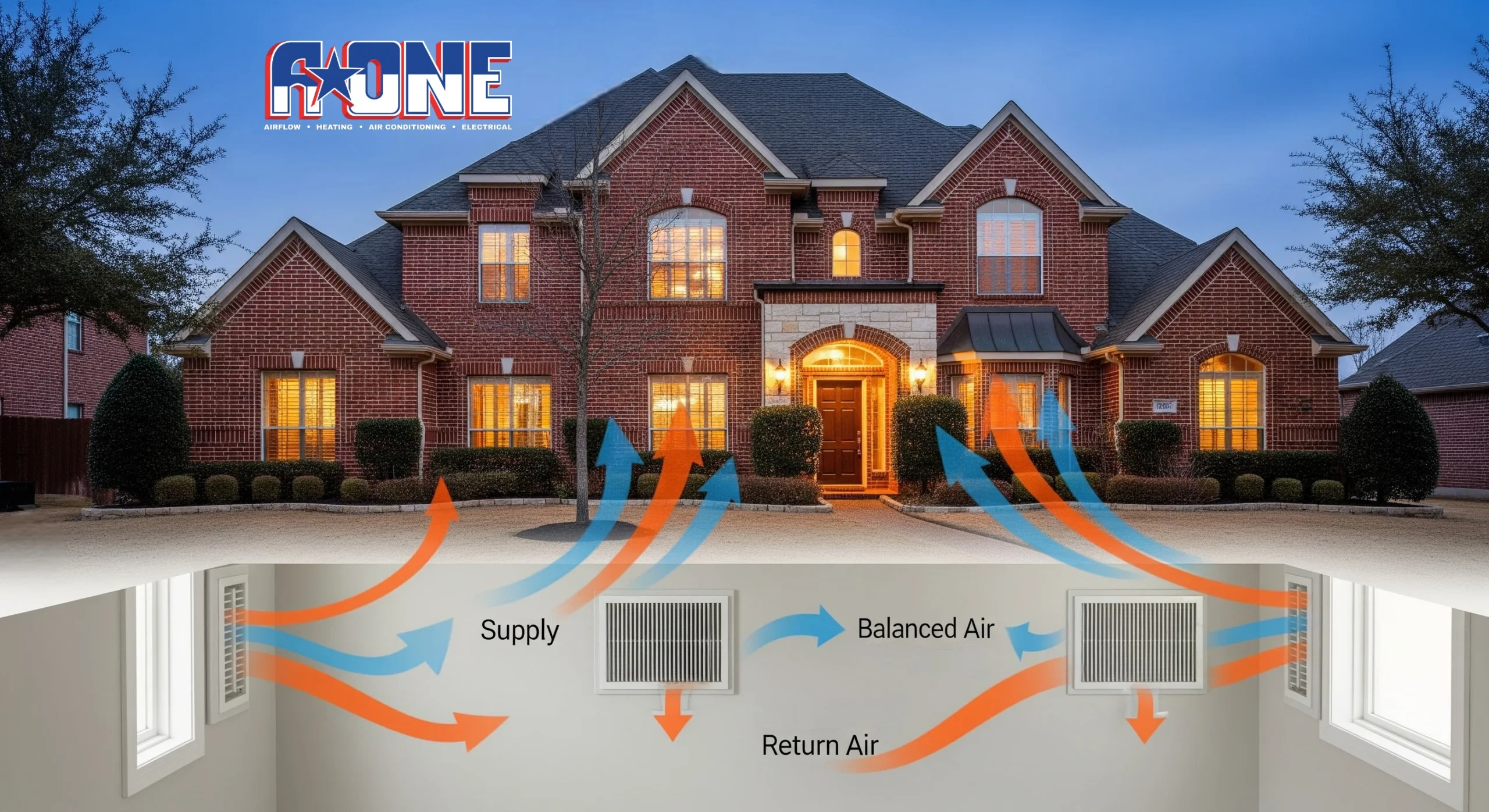
    Uneven heating in multi-story homes doesn’t have to be a mystery. Most of the time, it comes down to airflow, insulation, or thermostat placement.

    Start with the easy stuff. Test vents and filters. Check your thermostat. Then move up to inspecting ducts or insulation if needed.

    And if it turns out to be more complicated, don’t stress. Whether it’s adjusting your duct system or calling for professional HVAC and electrical technicians like A-One Air, there’s always a solution.

  • What Smart Property Owners Ask Before Hiring an HVAC Pro

    Heating and cooling might not be flashy, but when things go wrong, you feel it. Whether your tenants are calling about freezing bedrooms or your building’s system sounds like it’s about to lift off into space, you know that HVAC problems can turn into expensive ones—fast. That’s why hiring the right HVAC contractor matters. And if you own property—whether that’s a couple of rental units, a small commercial building, or something bigger—you need someone who actually knows what they’re doing and treats your building like it’s theirs.

    But let’s be honest. Everyone says they’re certified. Everyone shows up with a logo on their van. And everyone throws around words like “energy efficient” and “inspection included.” So how do you actually know who to trust? Here’s how to look past the sales pitch and figure out who’s worth calling back.

    Licenses Aren’t Just Paperwork—They Protect You

    The first thing you want to check is licensing, but not just because someone told you it’s the right thing to do. Licensed HVAC contractors have been tested on their knowledge. They’ve had to pass state exams and usually have insurance and bonding as well. That means if something goes sideways—like a tech damages your building or forgets to pull the right permits—you’re not left holding the bag.

    But there’s more to it than just checking a license number. Ask about ongoing education. HVAC systems change, especially with tighter energy standards and more eco-friendly tech becoming the norm. You want a contractor who isn’t stuck in the 1990s. If they’re keeping up with training, chances are they care enough to do things right the first time.

    Also, if you’re dealing with anything beyond a basic home setup—say, rooftop units or multi-zone buildings—make sure they’ve worked on properties like yours. There’s a big difference between installing a single furnace and managing a whole building’s climate control.

    Reputation Still Matters, Even in a Review-Flooded World

    You can find a thousand reviews for any service these days, but the good ones still stand out. Look for patterns. If five different property owners all say a company shows up late, that’s probably not a fluke. On the flip side, if someone writes a three-paragraph review about how a contractor saved them money by spotting a code issue the last guy missed, that’s worth paying attention to.

    Call a few past clients if possible—especially ones who’ve had similar work done. Ask how long the job took, whether the price stayed the same, and how the crew treated their building. A good HVAC contractor doesn’t just finish the job. They leave your place cleaner than they found it and answer your 10pm question when your heat randomly shuts off.

    Also, pay attention to how they treat you in the early stages. Are they walking through your space with care? Asking thoughtful questions? Talking through not just what you want but why you want it? That kind of communication is golden—especially if you’re planning on upgrading an HVAC system in a property you manage long-term.

    Modern Contractors Use Tools That Make Your Life Easier

    If a contractor still writes quotes by hand and shuffles paper invoices in a metal clipboard, that might be fine for small jobs. But if you’re running a building, or even several, you need someone who knows how to keep things smooth and efficient. That’s where their tech setup can really help—or hurt—you.

    Today’s best HVAC contractors use streamlined tools behind the scenes that make things run faster and with less confusion. Ask what kind of systems they use to track service calls, schedule appointments, and handle billing. If they shrug or say, “we just kind of wing it,” that’s a red flag.

    The contractors worth working with know that their HVAC software will streamline the communication with techs and you as well as make paperwork a breeze. No more wondering when someone’s going to show up or digging through old emails to find an invoice. When systems are organized, jobs get done faster, mistakes are fewer, and you get to focus on bigger things—like your next building acquisition or just getting through the week without five maintenance calls.

    Pricing Should Be Clear, Not a Puzzle

    Let’s talk about the money part. You should never feel like you’re guessing. A good HVAC contractor will walk you through their estimate, explain why they’re recommending certain repairs or replacements, and tell you where you have options. They won’t pressure you into replacing a whole unit when a tune-up would do. And if you do need a big upgrade, they’ll show you the numbers behind the why—like projected energy savings or longer equipment lifespan.

    Watch out for vague language in contracts, too. “Miscellaneous fees” should raise a red flag. Ask them to spell it out. The best pros are transparent because they’ve got nothing to hide. And if they offer financing or service plans, those should be explained clearly. Not every landlord needs a monthly plan, but if it helps avoid surprise repairs, it might be worth it.

    Also, don’t fall for the lowest bid just because it’s cheap. Sometimes that number means corners are being cut, or worse, the work won’t be up to code. Remember, heating and cooling problems often hit at the worst time—like the middle of summer or during a January cold snap. You don’t want to be left with a contractor who ghosts when things get messy.

    Long-Term Relationships Beat One-Off Fixes

    An HVAC system isn’t a set-it-and-forget-it kind of deal. You’re going to need someone to call when things stop working—and they will, eventually. That’s why it pays to build a long-term relationship with a contractor who already knows your building. They’ve seen your system before. They’ve got notes on your past repairs. They can spot patterns that save you money down the road.

    Ask contractors if they offer ongoing maintenance plans or regular inspections. Even something as simple as twice-a-year checks can catch problems early, extend the life of your equipment, and keep tenants happy. It’s not just about avoiding big repairs—it’s about keeping your property running smoothly and avoiding the stress of emergency calls.

    A contractor who sticks around and gets to know your property becomes part of your operations team. And when you’ve got someone you trust, those late-night calls feel a lot less stressful.

    In the end, picking an HVAC contractor shouldn’t feel like a gamble. When you ask the right questions, pay attention to the details, and watch how someone treats your property from day one, you’ll be able to tell who’s the real deal. And once you’ve got the right pro on your side, you’ll wonder how you ever managed without them.