Tag: Housing Affordability

  • Dallas Builder Offers up to $15K in Crypto to Homebuyers

    MPP The MegPrime Token

    A Dallas homebuilder is testing whether crypto can help with the cost of waiting for a new home. MegPrime, a payments platform tied to Megatel Homes, said it launched its app on April 15 and is offering buyers up to $15,000 in monthly token-based rewards while their new homes are being built. Megatel is the first builder using this program.

    Buyers who route their current rent or mortgage payments through the MegPrime app can receive $1,500 a month in MPP tokens during construction, up to a $15,000 maximum program cap.

    The company is focusing the offer on the period between contract signing and move-in. This is a time when buyers are often still paying to live somewhere else with little financial upside.

    What stands out about the rollout is the regulatory clearance behind it. On January 15, the SEC’s Division of Corporation Finance said it would not recommend enforcement action if MegPrime offers and sells the tokens the way the company described. This allows them to operate without registering them under Section 5 of the Securities Act or as a class of equity securities under Section 12(g) of the Exchange Act.

    However, that is not the same thing as a broad federal blessing for crypto in housing. The SEC said its position was based on the specific facts in MegPrime’s submission and warned that different facts could produce a different result. The agency also said the letter reflects only the staff’s enforcement position and is not a sweeping legal conclusion.

    MegPrime’s lawyers told the SEC the token is meant to function as a consumer rewards and payments tool rather than an investment product. In the filing, they said holders would not get dividends, profit rights, or an ownership stake. Instead, they described a system built around spending, payments, and rewards tied to everyday household costs.

    The policy bet here is pretty clear. If housing is getting harder to afford, builders are going to look for new ways to subsidize the waiting period before closing. The real test is whether buyers see this as usable money or just extra hassle wrapped in crypto language. If it feels easy, other builders may copy it. If it feels complicated, it probably stays a niche incentive.
  • Making $50K? You Can’t Even Access 9% of Homes for Sale

    Many Americans still can’t afford to buy a home. Home sales are up nearly 20% from a year ago, but overall sales remain well below pre-pandemic levels—underscoring the nation’s ongoing affordability crisis.

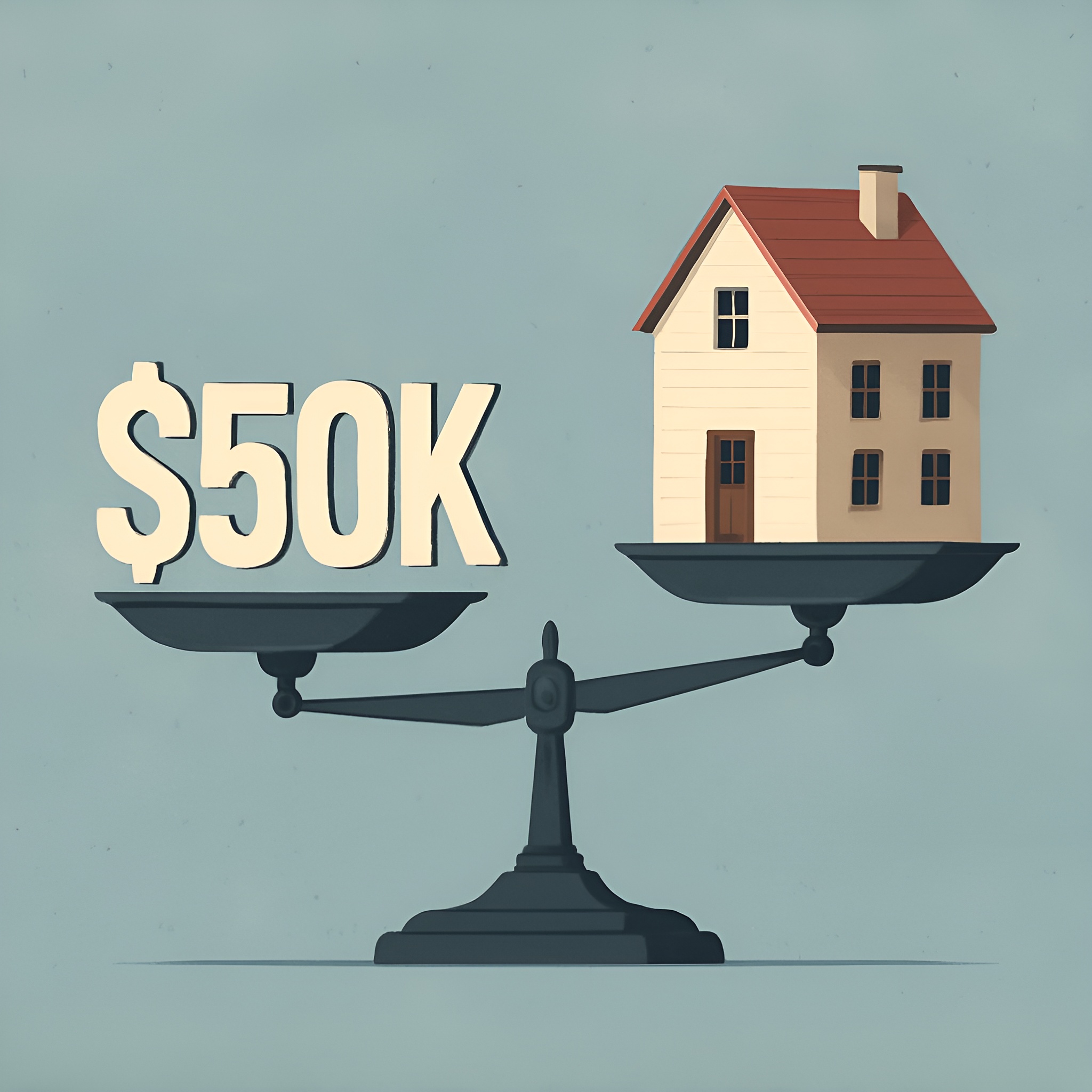
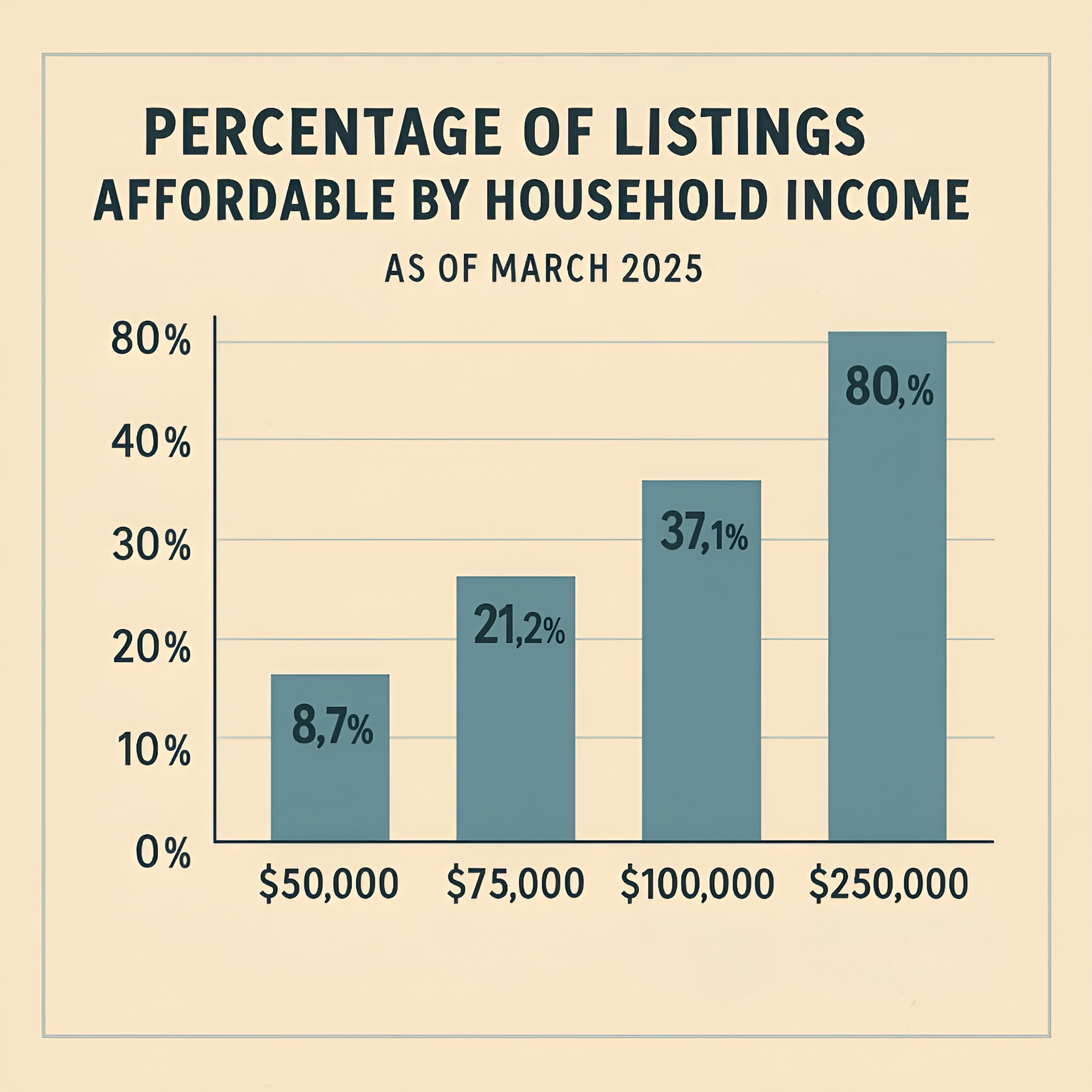
    As of March 2025, lower-income households earning $50,000 annually could afford just 8.7% of available listings—down from 9.4% a year prior. The market would need an additional 367,000 homes priced below $170,000 to achieve a balanced supply.

    Households earning $75,000 a year could afford just 21.2% of homes on the market, up slightly from 20.8% in March 2024. Despite this marginal improvement, the affordability gap continues to widen. Before the pandemic, this group could afford nearly 49% of homes for sale. To reach a balanced market, they would need access to 48.1% of listings, which means about 416,000 more homes priced up to $255,000 are needed.

    Meanwhile, households earning $100,000 or more can afford 37.1% of listings, up slightly from 36.9% a year ago. However, this remains far below the 64.7% they could afford in 2019. Achieving equilibrium would require about 364,000 additional homes priced below $340,000.

    In contrast, households earning $250,000 or more can afford at least 80% of homes for sale, highlighting a sharp disparity in affordability among income groups.

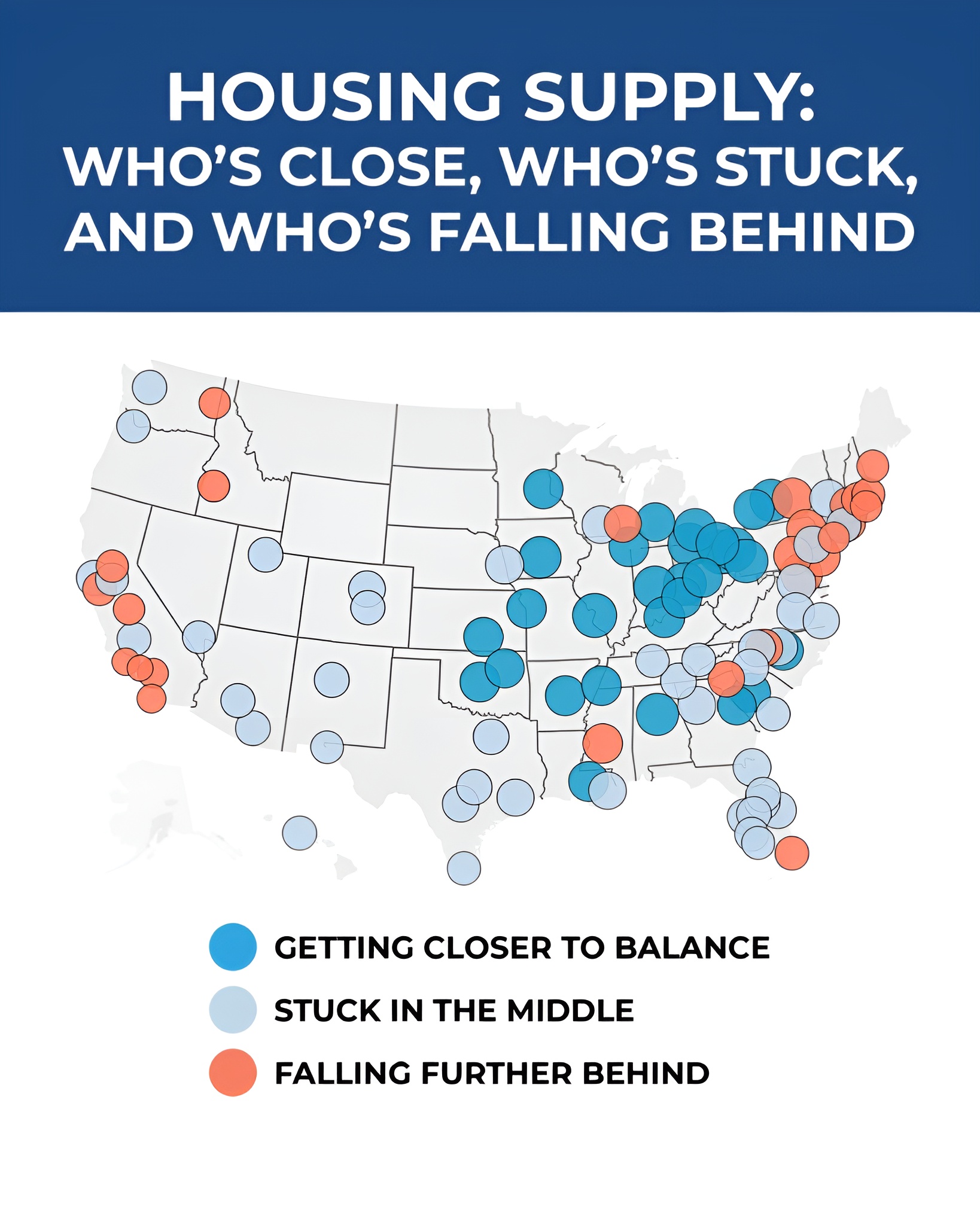
    Nationally, the number of homes for sale increased nearly 20% from March 2024 to March 2025. While this is a positive sign, total inventory remains well below pre-pandemic levels. About 30% of the nation’s 100 largest metropolitan areas now fall into the “Areas Getting Closer to Balance” category, where housing affordability has improved for all income levels. Cities including Akron (Ohio), St. Louis (Missouri), Youngstown (Ohio), Pittsburgh (Pennsylvania), Raleigh (North Carolina), Des Moines (Iowa), and Grand Rapids (Michigan) are beginning to see more balanced markets.

    Meanwhile, 44% of metropolitan areas are categorized as “Areas Stuck in the Middle,” where supply and demand remain out of sync. Some cities, such as Seattle and Washington, D.C., are making progress, with affordability increasing by 4 percentage points, but the gap remains significant.

    Likewise, Austin, Texas; Salt Lake City, Utah; and Denver, Colorado, have all made significant progress, with average affordability gains of 20 percentage points. San Francisco, California, has already surpassed pre-pandemic affordability levels.

    Alarmingly, 26% of metropolitan areas are now classified as “Areas Falling Further Behind,” meaning affordability in these regions is getting worse. Major cities like Los Angeles and San Diego, California; New York, New York; and Spokane, Washington, are among the hardest hit by the shortage of affordable housing.

    Source: NAR.realtor

    At the state level, Iowa, Ohio, Indiana, Illinois, and West Virginia continue to lead in housing market balance. In these states, households earning $75,000 still have access to more than 45% of available homes. By contrast, states such as Montana, Idaho, California, and Massachusetts—despite increasing inventory—still face significant challenges in achieving market balance.

    The housing market is at a turning point, with more homes coming onto the market and middle-income earners beginning to see an increase in supply. However, the gap remains wide—especially for first-time homebuyers. Meanwhile, Danielle Hale, chief economist at Realtor.com, notes that although the number of affordable homes is rising, progress has been uneven and is largely concentrated in the Midwest and South.

    Homeownership is increasingly out of reach for low- and middle-income households. Building smaller, more affordable homes could help narrow the gap. While some regions are showing signs of improvement, the national housing market still needs time to achieve true parity and affordability for all income groups.