Tag: home protection

  • Understanding Your Rights in a Property Damage Dispute

    Understanding Your Rights in a Property Damage Dispute

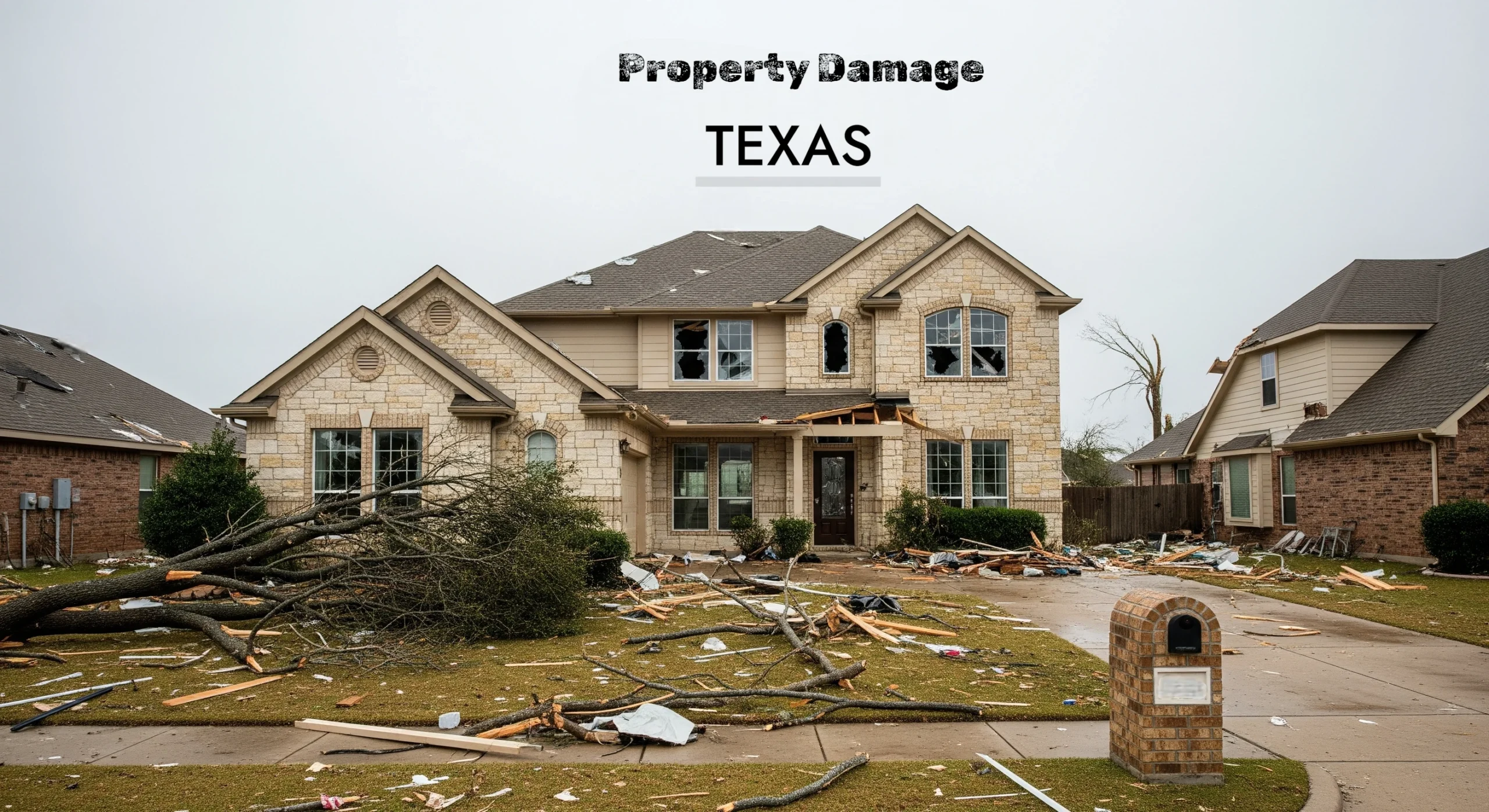
    Image Source: istockphoto.com

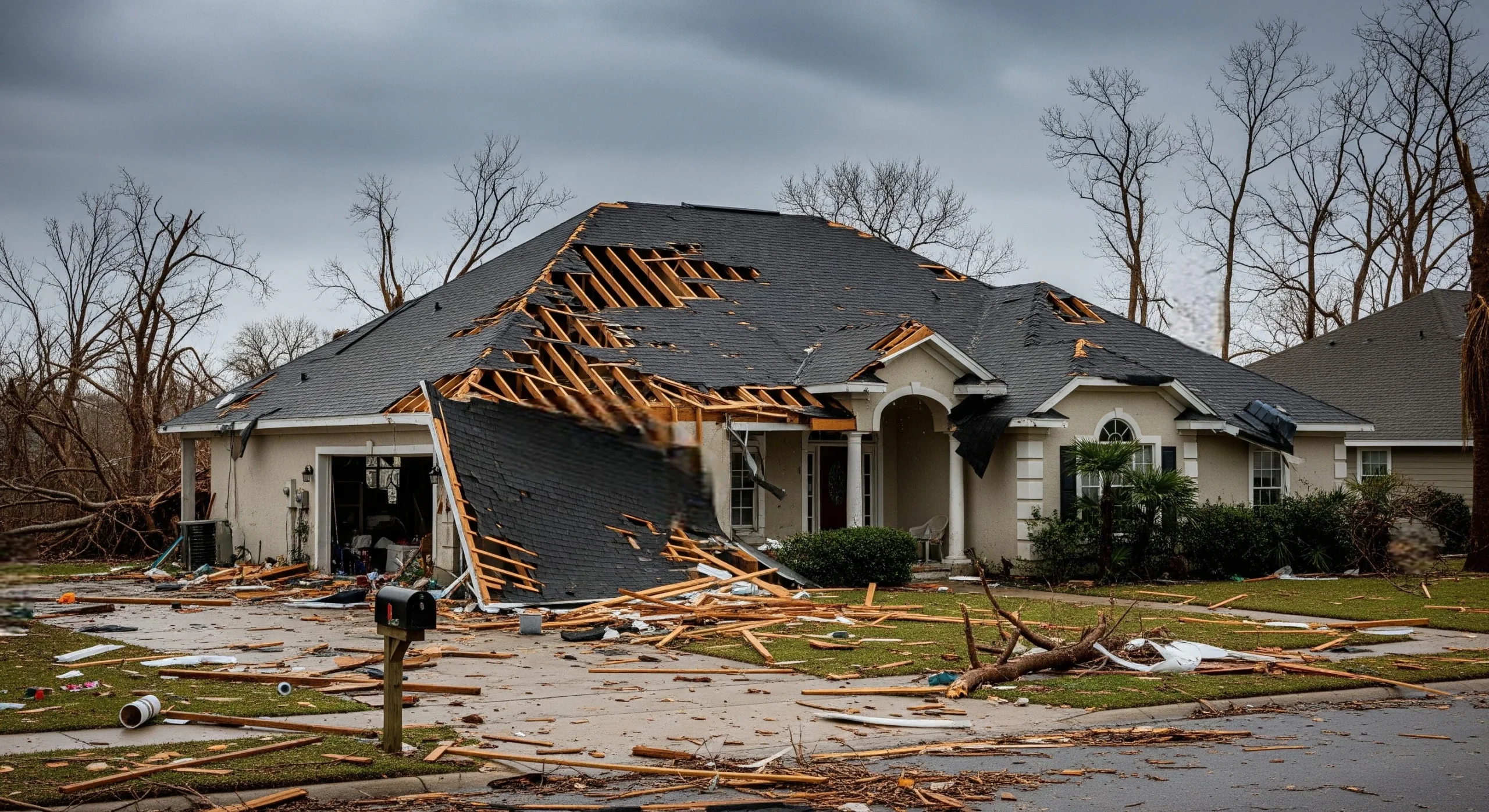
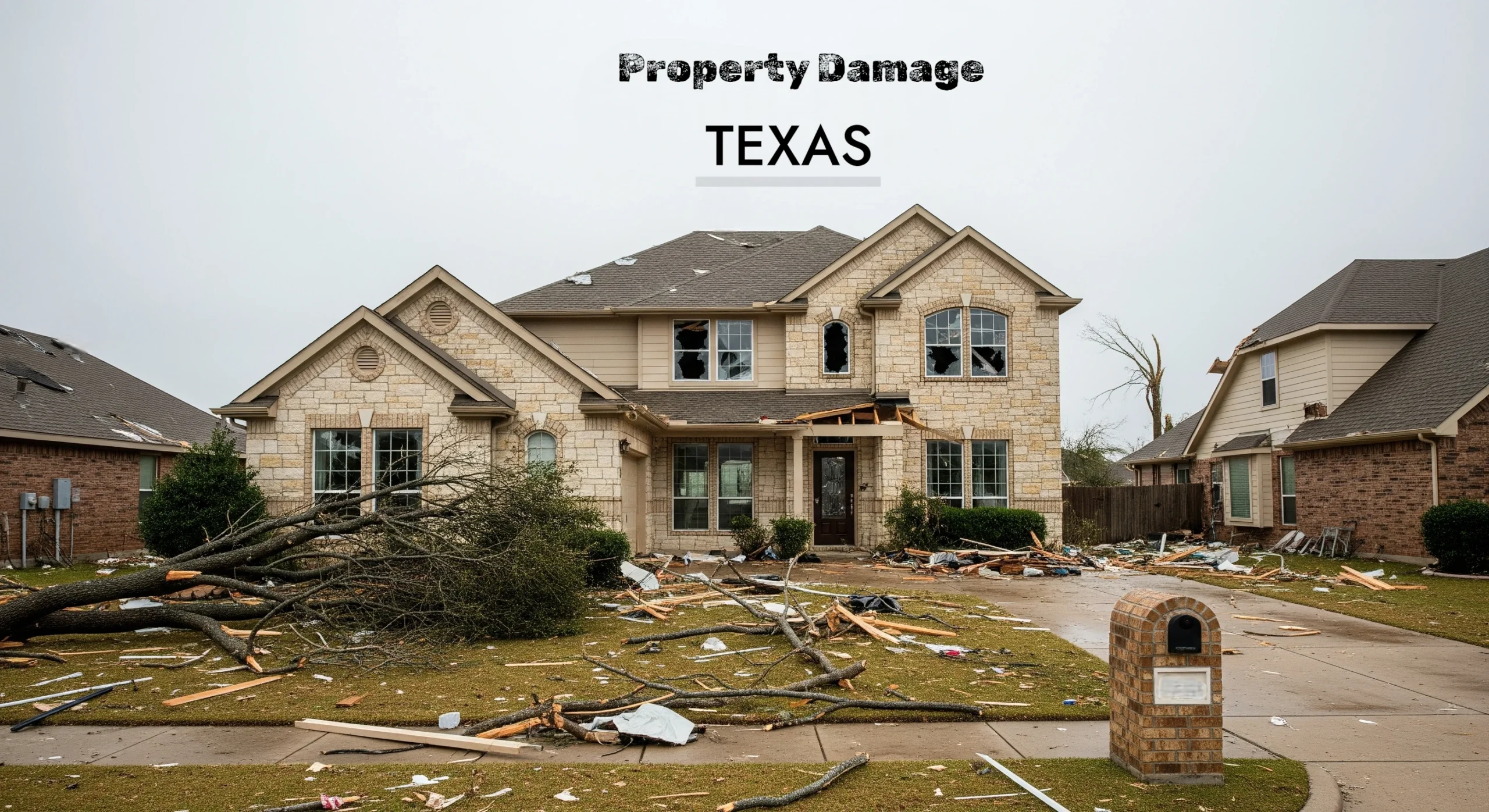
    Property damage often results from accidents, storms, or other unanticipated events. They can cause financial stress and an urgent need to rebuild or repair. Understanding your rights in these disputes can help you prevent delays, unjust treatment, and uncompensated losses.

    Lawyers play an important role in protecting your rights. With the proper support, you can respond swiftly, deal with insurance effectively, and protect your claim without jeopardizing your future stability.

    What Counts as Property Damage?

    Property damage refer to the harm done to personal or real property. It includes the destruction of physical structures, cars, or valuables caused by catastrophes such as car accidents, fires, or natural disasters. In these cases, insurance companies often reimburse certain damages while disputing others.

    Understanding what constitutes property damage allows you to determine what you can claim and where problems may develop. That clarity is the first step toward fair compensation.

    What Rights Do You Have in a Dispute?
    Your rights depend on the cause of the damage, insurance policies, and state laws. In most cases, you are entitled to:

    1. The right to legal action

    If negotiations with an insurer or responsible party fail, you are entitled to take the matter to court. This right ensures that unresolved disputes can be addressed before a judge or jury, where evidence and testimony can be fairly weighed.

    2. The right to legal representation

    You are never required to face a dispute on your own. A lawyer can guide you through paperwork, negotiate with insurers, and present your case if litigation becomes necessary. Having representation balances the power dynamic between you and insurance companies or at-fault parties.

    3. The right to fair compensation

    You are entitled to pursue payment that reflects the true cost of repairs or replacement, not just what an insurer initially offers. Fair compensation covers not only the damage itself but may also include related expenses such as temporary housing or loss of use.

    4. The right to a fair investigation

    Insurance companies and involved parties must investigate your claim thoroughly and without bias. A fair investigation means considering all evidence, including independent assessments, and not rushing to deny or undervalue your claim.

    5. Filing a claim without intimidation or unfair pressure

    You have the right to submit a claim without being threatened, discouraged, or pressured into accepting a lower payout. Insurers cannot retaliate against you for filing, even if your claim is later denied.

    6. Receiving a timely response from insurers

    Insurance companies must act within deadlines set by state law. They cannot delay their review indefinitely. You are entitled to clear updates about whether your claim is accepted, denied, or still under review.

    7. Independent assessments of the loss value

    If you believe an insurer’s estimate undervalues your damage, you can request an independent evaluation. This right protects you from being locked into one-sided numbers that benefit the insurer instead of reflecting actual repair costs.

    8. Pursuing recovery from the at-fault party

    Beyond your own insurer, you may seek compensation directly from the responsible party. That could be a negligent driver, a contractor whose work caused damage, or another party found legally liable.

    These rights help keep the process fair, but only if you enforce them. A lawyer ensures those protections are respected.

    How Courts View Property Damage Disputes

    If settlement talks fail, the case may be presented in a court. Courts often decide whether the damage was caused by negligence or an inevitable accident. They also consider the value of the loss and whether insurance exclusions apply.

    In some areas, comparative negligence regulations may limit your recovery if you are found partially responsible. Strong documentation and expert testimony often determine the outcome of these sessions.

    Key Takeaways

    Property damage disputes are stressful, but you are not powerless. By knowing your rights, collecting strong evidence, and seeking legal help when necessary, you increase the chances of fair compensation.

    • Property damage can include vehicles, homes, and personal belongings
    • Insurers may undervalue or deny claims
    • Lawyers protect your rights in negotiations and court
    • Evidence is critical for a fair outcome
    • State laws and insurance policies shape your rights
  • Protecting Your Texas Home From Water Damage

    Protecting Your Texas Home From Water Damage

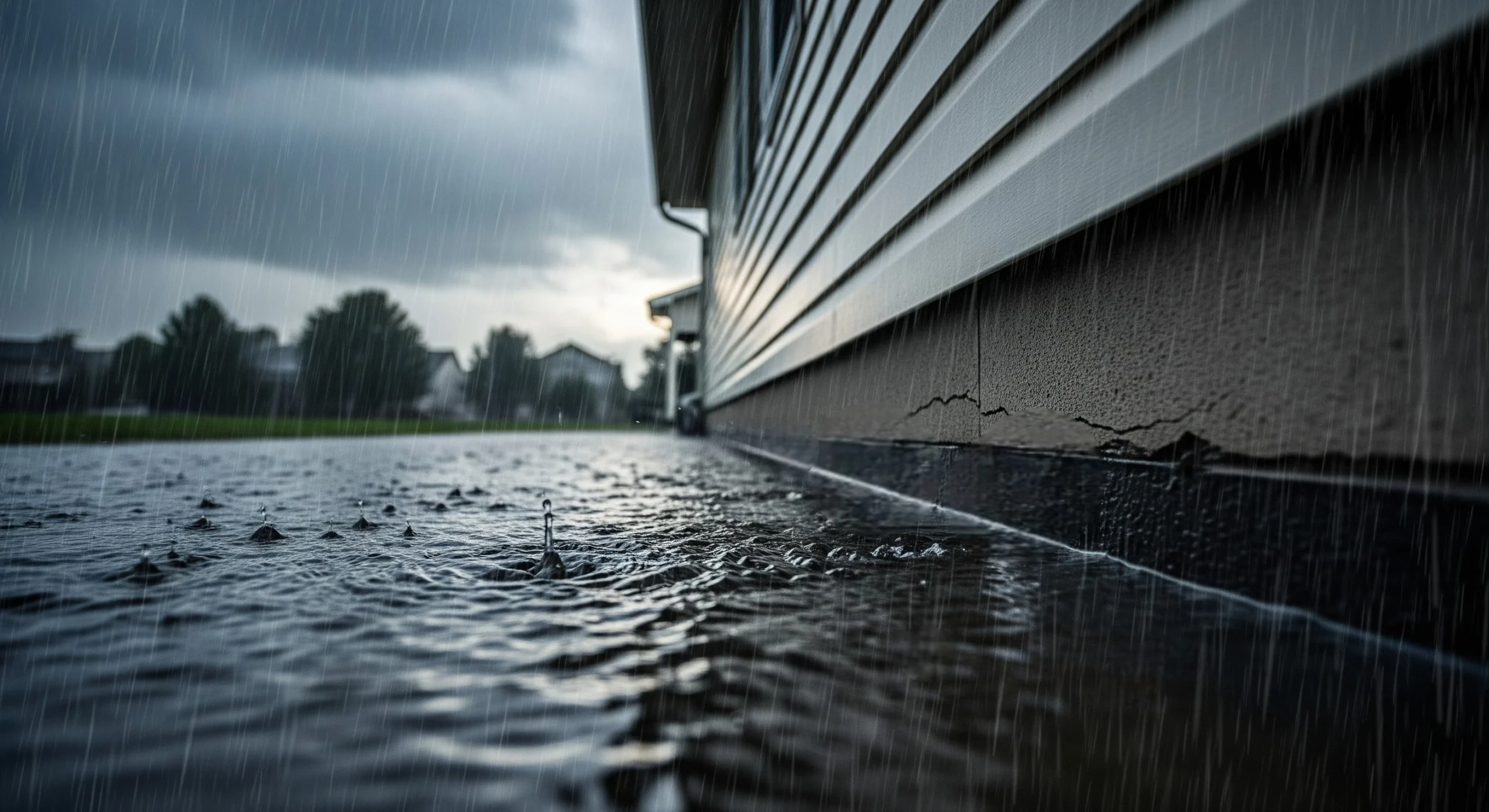
    Texas mornings may be clear and dry, yet by evening the weather can shift dramatically to heavy rain. Along with plumbing leaks, roof problems, and high humidity, this makes water damage one of the most significant risks for homeowners in the region. When water seeps in and sits, it doesn’t just leave a mess. It can drive up repair costs, create mold issues, and even weaken the structure of your house.

    These are steps you can take right now to minimize the risk and prevent small problems from escalating.

    Why Water Damage Is a Big Deal in Texas

    Across the country, water damage is one of the most common reasons people file home insurance claims. In fact, it makes up close to a third of all claims each year. In Texas, the threat is higher because of the state’s storm cycles, flash flooding, and older infrastructure in certain neighborhoods. That mix makes prevention and quick action especially important for Texas homeowners.

    Common Causes of Water Damage

    To stay ahead of water problems, it helps to know where they usually start. In Texas, some of the biggest trouble spots include:

    • Heavy rain and flooding: Fast-moving storms and flash floods are common across the state, especially in low-lying areas.
    • Plumbing failures: A burst pipe, clogged drain, or failing water heater can cause damage in a matter of minutes.
    • Roof leaks: Hail, strong winds, and long stretches of heat can wear down shingles and flashing, letting water seep in.
    • Foundation cracks: Texas soil shifts with weather changes, which can lead to cracks that allow water inside.
    • Poor drainage: If your yard slopes the wrong way or the grading isn’t right, water can pool at the base of your home and find its way indoors.

    Knowing these common causes makes it easier to spot small issues before they become costly repairs.

    How Texas Homeowners Can Prevent Water Damage

    You can’t change the weather, but you can take practical steps to protect your property:

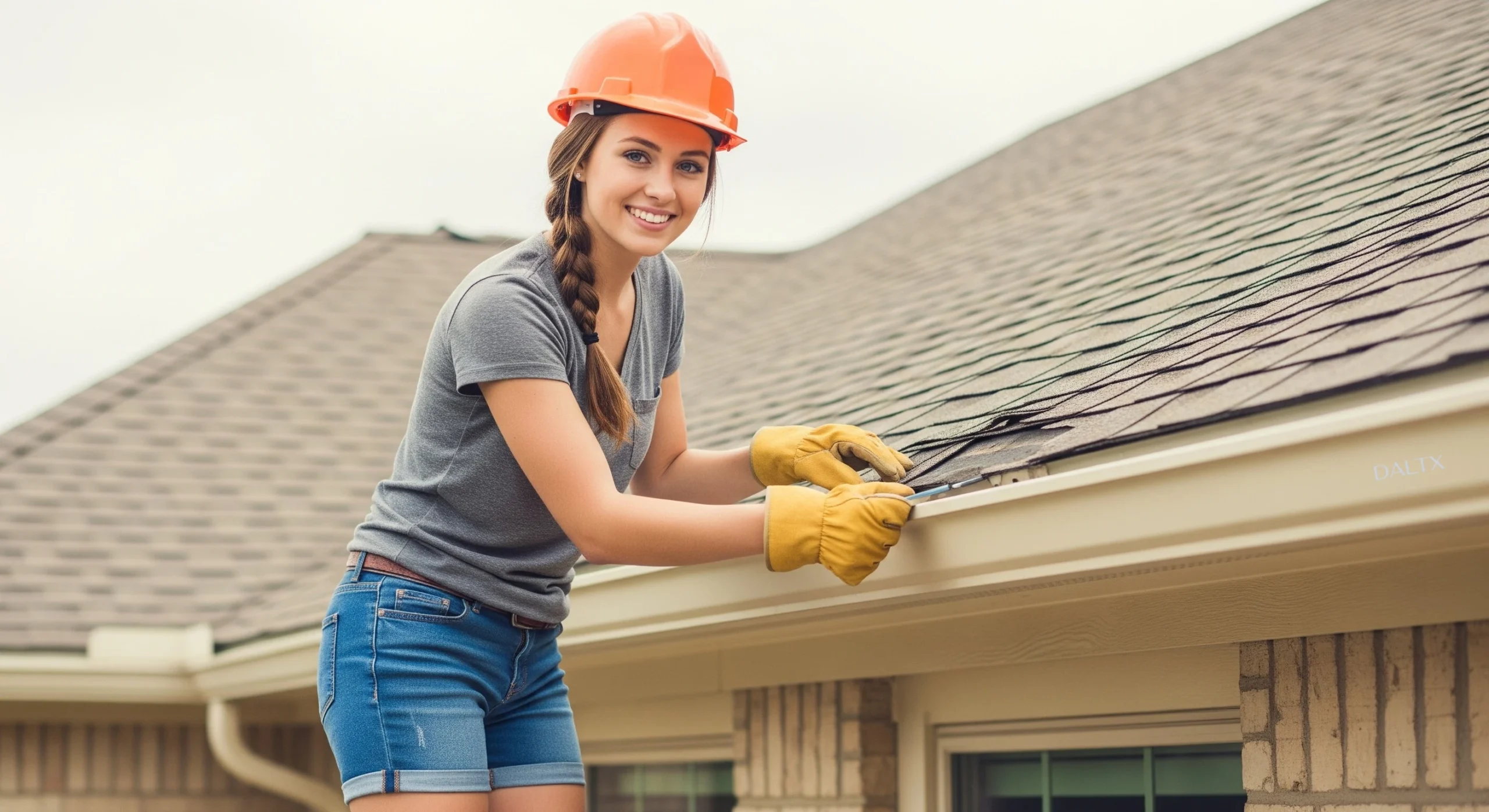
    • Inspect and maintain your roof: Look over shingles, flashing, and gutters a few times a year, and always after a heavy storm. Addressing damage early helps prevent leaks.
    • Keep gutters and downspouts clear: When gutters clog, water overflows and settles near your foundation. Regular cleaning keeps water flowing away from your house.
    • Seal windows and doors: Caulk or weatherstrip around openings so rain stays outside where it belongs.
    • Maintain your plumbing: Schedule routine checks for pipes, water heaters, and drains so minor issues don’t turn into emergencies.
    • Improve drainage around your home: Regrading your yard or adding French drains can help move water away from your foundation.
    • Use smart leak detectors: Placing sensors near sinks, water heaters, or in basements gives you an early warning if water starts to collect where it shouldn’t.

    When to Call a Pro for Water Damage

    No matter how careful you are, a heavy storm or plumbing mishap can still cause trouble. Once water gets inside, it doesn’t take long for damage to set in. Floors can swell, drywall can start crumbling, and furniture may be ruined in just a few hours. Give it another day or two and mold can take hold. That’s when a professional water damage restoration service makes all the difference.

    Restoration crews don’t just show up with a shop vac. They bring heavy-duty pumps, industrial fans, and moisture meters that reach places you can’t see. They’ll dry out walls, pull damp insulation, and check whether the structure has been compromised. Having pros handle the cleanup gives you peace of mind that the house is not only dry but also safe to live in again.

    Why Quick Action Saves Money

    With water damage, every hour counts. A small drip under the sink today could turn into mold removal, damaged flooring, or structural repairs that cost thousands. The longer you wait, the higher the bill climbs. Insurance companies may also push back if they decide you didn’t act soon enough. Calling for help right away is the best way to protect your home.

    Final Thoughts

    Texas weather keeps you guessing. One week it’s dry, the next it’s thunderstorms and flooded streets. That unpredictability is part of living here, and it’s why homeowners have to stay one step ahead.

    Taking care of the basics, like keeping gutters clear and fixing small leaks. And if water does get in, calling a restoration team right away is the smart move. They’ll dry things out, deal with hidden damage, and help you get back to normal quicker.

    Owning a home here comes with challenges, sure, but with a little preparation you’ll be ready for whatever rolls through.

  • Why You Should Get a Roof Inspection in Austin After Every Texas Storm

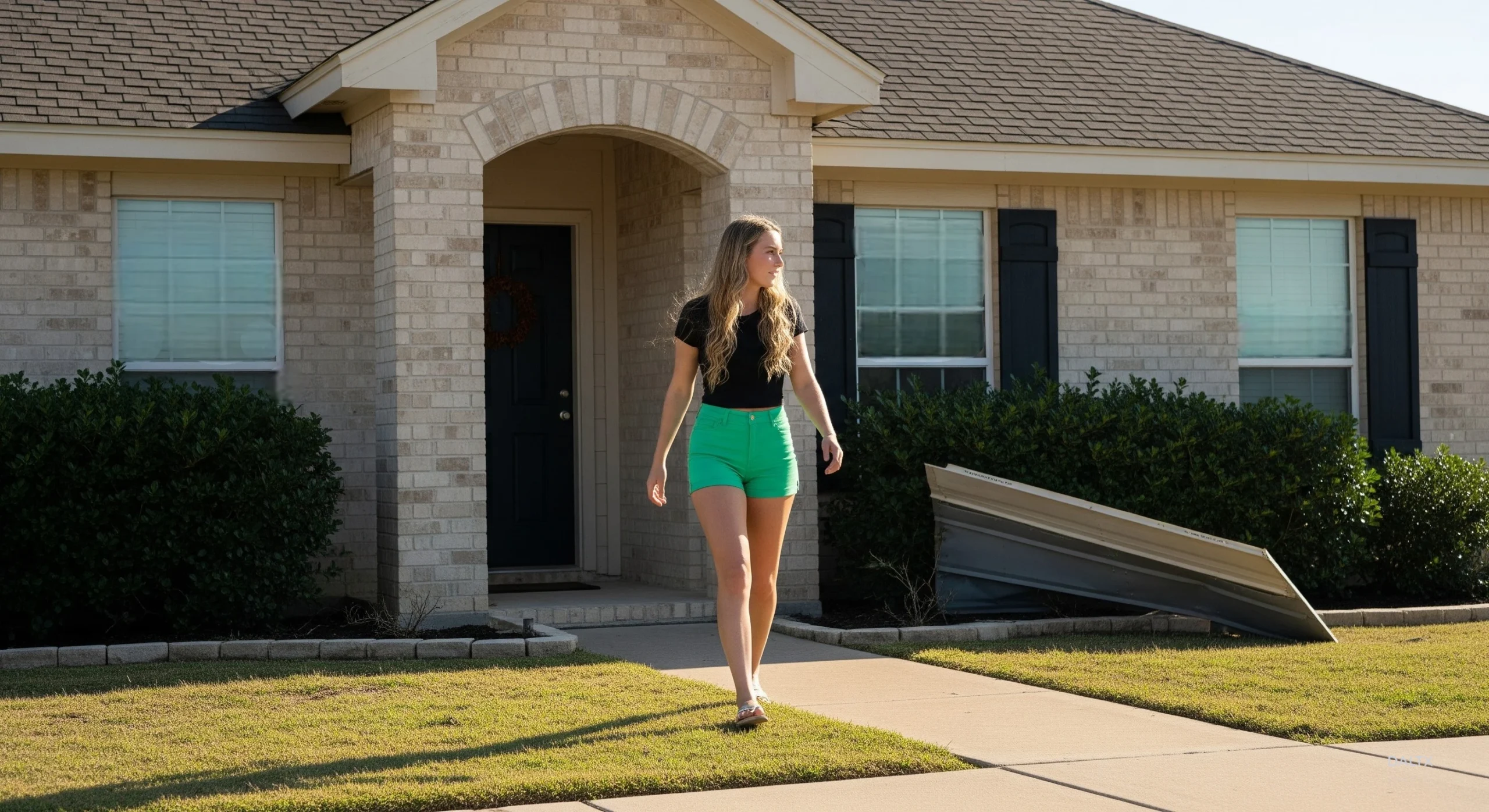
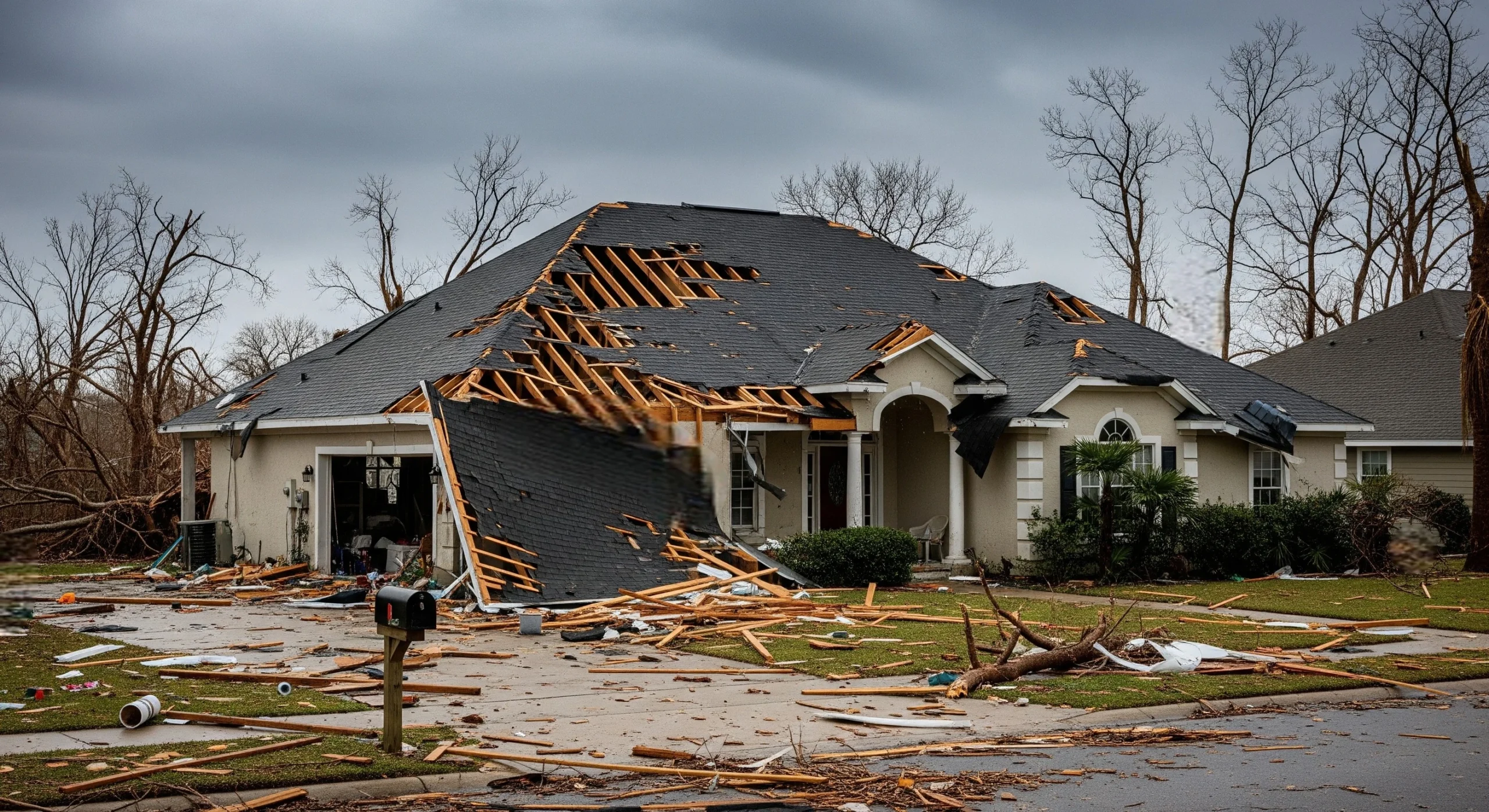
    Texas storms are rough on roofs. The damage isn’t always obvious, wind might lift a shingle, hail could dent flashing, or gutters might shift just enough to cause problems later. You won’t always see it from the ground, but that doesn’t mean it’s not there.

    That’s why a quick post-storm inspection matters. It’s not about panic, it’s about staying ahead of expensive repairs. A good roofer can spot small issues before they turn into leaks, mold, or water damage. It’s a 15-minute check that could save you thousands.

    Check Your Roof Right After the Storm Ends

    You don’t need to climb a ladder to spot trouble. After the storm clears, take a slow walk around your home. Look up and scan for anything out of place.

    Here’s what to watch for:

    • Missing or damaged shingles.
    • Bent, loose, or sagging gutters.
    • Tree branches resting on the roof.
    • Ceiling stains or damp spots inside your home.

    If you spot any of these, don’t wait. Call a roofing pro to take a closer look. Catching damage early is the best way to avoid bigger problems later.

    Don’t Ignore Small Roof Issues—They Get Worse Over Time

    Most roof problems don’t start big. One loose shingle can let in water, and that moisture doesn’t stay put. It can spread through insulation, rot the decking, and lead to mold inside your walls before you even notice it.

    That’s why timing matters. Fixing a minor issue now costs far less than repairing water damage later. After a storm, the smartest move is to get your roof checked before small problems turn into big expenses.

    Schedule a Free Roof Inspection from a Local Expert

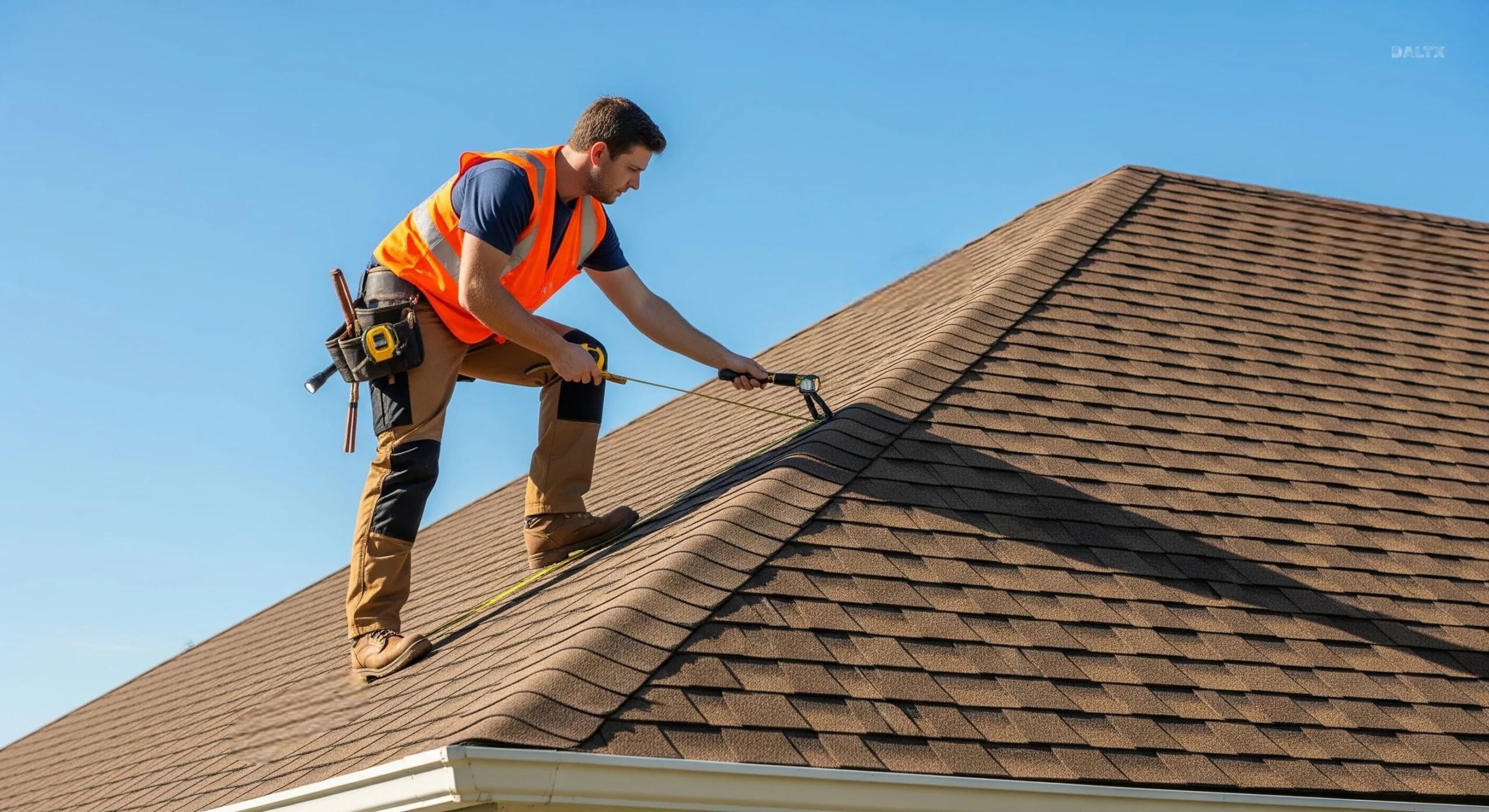
    The best way to know your roof is still in good shape after a storm is to bring in a pro. An experienced roofing contractor knows where to look, what to check, and how to spot damage that most homeowners miss. In Texas, many companies like Falcon Roofing offer these inspections for free, so there’s no upfront cost.

    A typical inspection covers all the critical areas of your roof, including:

    • Roof surface – This includes the shingles or tiles you see on top. The inspector will look for cracks, curling edges, missing sections, or any signs that water could seep through.
    • Flashing and vents – Flashing is the metal material around chimneys, vents, and roof seams. If it’s loose, rusted, or pulled away from the surface, it can easily become a source of leaks.
    • Gutters and drainage – Drainage is just as important as the roof itself. A roofer will check that gutters are clear, firmly attached, and channeling water away from the home, not backing it up under the roofline.
    • Signs of leaks or hidden damage – Not all problems are visible from the outside. Roofers will check inside the attic and ceiling areas for moisture, stains, soft spots, or early signs of mold and rot.

    What looks like a solid roof from the driveway might have problems hiding just beneath the surface. That’s why a full inspection from a trained expert is worth doing, even if you don’t see anything obviously wrong.

    Know the Hidden Damage a Storm Might Leave Behind

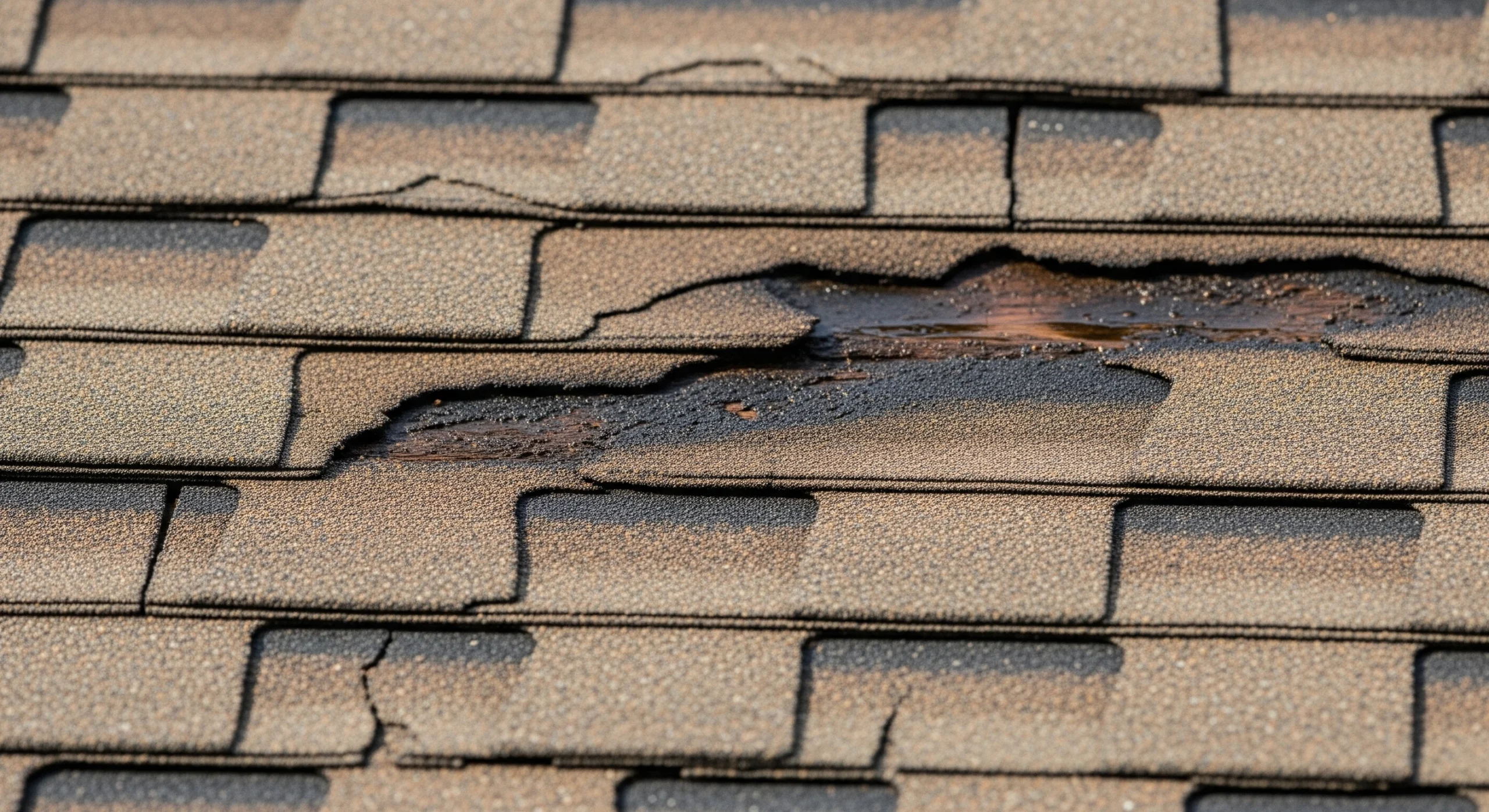
    Not all roof damage shows up right away. A quick glance from the driveway might not reveal much, but hail can leave small dents in shingles, and wind can lift or shift them just enough to break the seal. That’s the kind of subtle damage that doesn’t leak today, but might during the next heavy rain.

    Experienced roofers know where to look and what warning signs matter. They don’t just inspect the surface. They check under shingles, around seals, and inside the attic for signs of moisture, stains, or sagging areas that point to hidden problems.

    What makes storm damage tricky is that it’s often delayed. By the time water shows up on your ceiling, the damage is already deeper and more expensive. That’s why even if everything looks fine from the outside, a professional inspection is still a smart move.

    Protect Your Insurance Claim with Proof of Inspection

    If your roof gets damaged in a storm, your homeowner’s insurance may cover the repairs, but only if you can prove the damage came from that storm. That’s where a professional Roof Inspection Austin becomes more than just peace of mind.

    Roofers can provide a detailed report with photos, notes, and timestamps that clearly show what was damaged and how recent it is. That kind of evidence helps your insurance adjuster connect the damage to the weather event, not wear and tear from years past.

    Having that inspection report in hand can speed up your claim, reduce back-and-forth with the insurer, and improve your chances of getting full coverage. Without it, you’re relying on guesswork and guesswork doesn’t get claims approved.

    Save on Future Repairs by Acting Fast Today

    Roof problems rarely stay small. What starts as a minor leak can spread quickly, soaking insulation, damaging drywall, and even affecting electrical systems. And once water gets in, repair costs go up fast.

    That’s why quick action matters. The sooner a roofer finds the problem, the easier and cheaper it is to fix. A free inspection gives you a no-risk way to stay ahead of serious damage. If everything checks out, you’ve got peace of mind. If not, at least you’ll catch the issue early, while it’s still manageable.

    Choose the Right Roofing Company in Texas for the Job

    Not all roofing contractors offer the same level of service and after a major storm, you want someone who knows the local conditions. Texas roofs take a beating from high winds, intense heat, and sudden downpours. Your roofer should know how to spot storm-specific damage and recommend the right fix.

    Look for a company that’s licensed, insured, and experienced with post-storm repairs. Local contractors understand the building codes, weather patterns, and roofing materials common in your area.

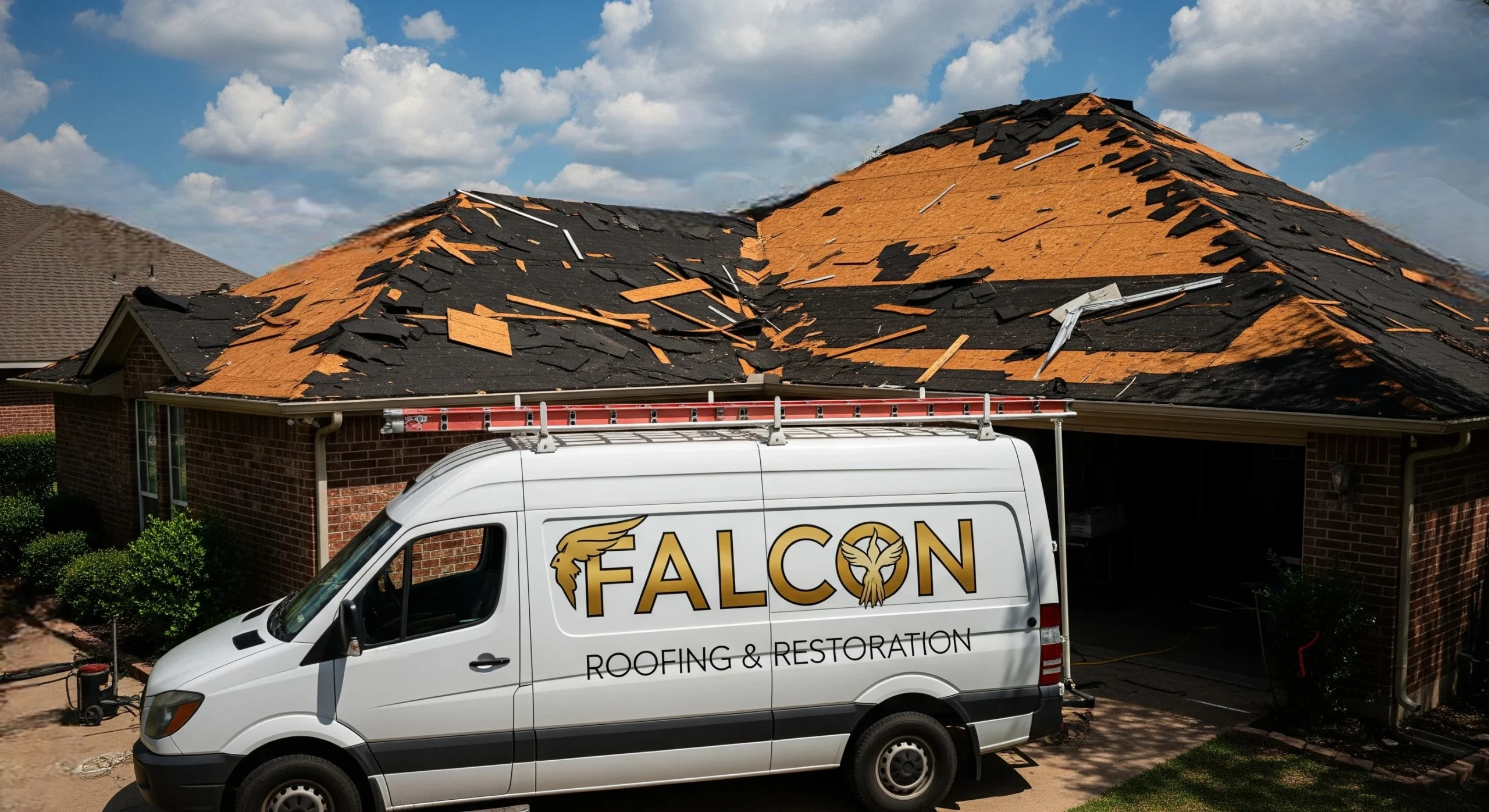
    Falcon Roofing is one example. They offer free inspections, quick response times, and honest assessments. They don’t push work you don’t need and that’s exactly what you want when your home’s on the line.

    Conclusion

    Texas storms don’t just shake your windows, they quietly wear down your roof. Even when everything looks fine, minor damage can build up fast and lead to bigger, more expensive problems.

    That’s why a roof inspection after every storm isn’t overkill, it’s smart maintenance. It gives you real answers, real documentation, and a real shot at avoiding surprise repairs or denied insurance claims. Call a local roofing contractor like Falcon Roofing and get ahead of the next storm before it gets ahead of you.

  • 8 Signs It Might Be Time to Buy a Home Safe

    Source: Amazon.co.uk

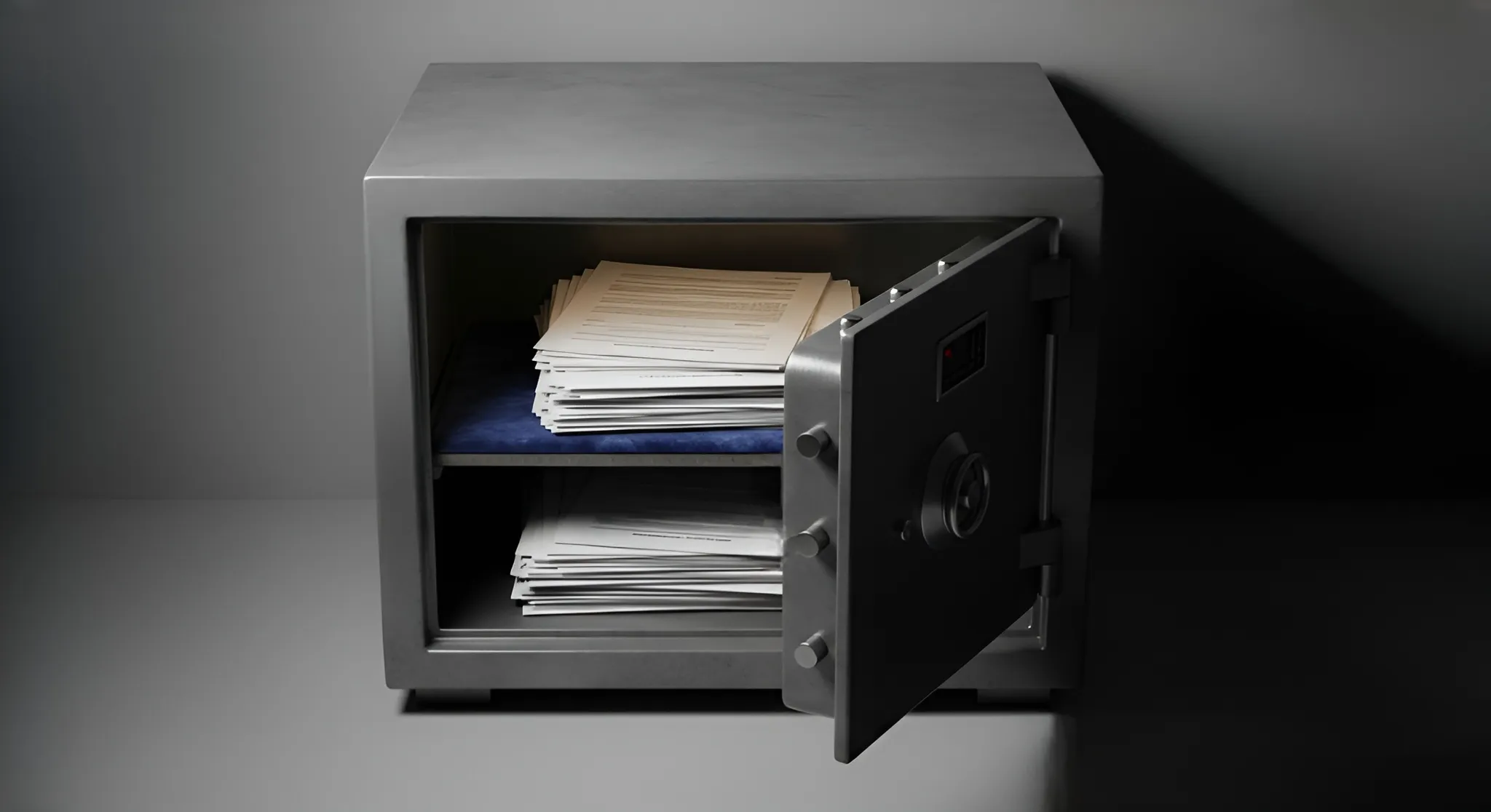
    If you’re wondering whether a home safe is worth the investment, you’re not alone. For many homeowners, the idea of installing a safe sounds like something reserved for rare coin collectors or people who sleep next to briefcases full of bearer bonds. But in reality, the need for a secure place to store your valuables is far more common than most people think.

    A Home Safes isn’t just about preventing theft. It’s about controlling access, protecting from fire or flood, and keeping important items exactly where you left them. Whether you’re in the suburbs or smack in the middle of the city, here are eight clear signs that it might be time to make room for a home safe.

    1. You Own Items That Are Irreplaceable or Extremely Valuable

    This one sounds obvious, but it’s often overlooked. Jewelry, family heirlooms, a wedding ring passed down for three generations, a signed baseball card collection, if something would be difficult, impossible, or outrageously expensive to replace, it probably doesn’t belong in a sock drawer or nightstand.

    According to the FBI, the average dollar loss per home burglary is just under $2,700. That figure doesn’t count emotional value, and it also doesn’t account for opportunistic grabs. Most burglars spend less than 10 minutes inside, and they’re looking for anything they can grab fast, typically in the master bedroom.

    If you’ve already bought a high-quality safe deposit box at the bank, great. But consider this: a home safe gives you 24/7 access to the things you may need unexpectedly, like passports, spare keys, or emergency funds.

    2. You Keep Important Documents at Home

    Think of how many important documents are sitting in your filing cabinet—or worse, your kitchen junk drawer:

    • Birth certificates
    • Social Security cards
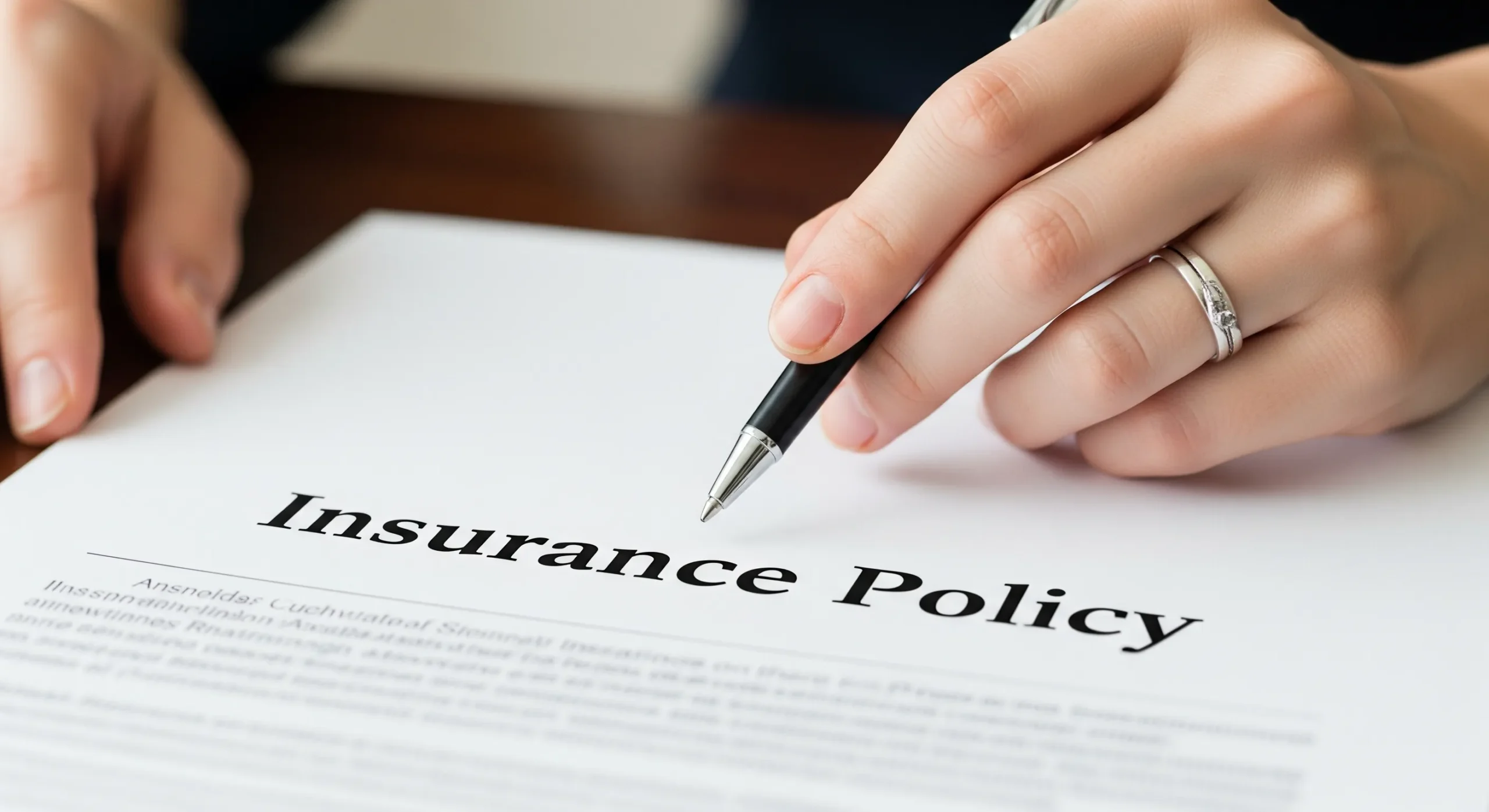
    • Insurance policies
    • Property deeds
    • Wills and medical directives

    If any of those go missing or are damaged in a fire or flood, replacing them can be a total bureaucratic nightmare or straight-up impossible.

    Better solution: A fire-rated safe (look for a UL 1-hour fire rating) that protects paper at up to 350°F for at least 60 minutes. This buys time during a house fire, which typically reaches peak temperatures within 10–20 minutes.

    3. You Own Firearms

    Every state has different laws around firearm storage, but if you have children in the house or expect visitors who bring kids, a secure, tamper-proof is essential. Even if you live alone, a proper gun safe protects against theft, unauthorized access, and liability.

    What to look for:

    • CA DOJ approval (California Department of Justice) for locking mechanisms.
    • Anchor points (can be bolted to floor or studs)
    • Fire resistance and biometric entry, if budget allows.

    Avoid using a glass display case or soft gun bag as your only line of defense.

    4. You’re Away from Home Often

    Frequent travel? Long work hours? Own a second property? Any time a home sits empty for extended periods, it becomes more appealing to would-be burglars. Even with a home security system, break-ins can still happen. A monitored alarm may scare off a thief, but a bolted-down safe can stop them from walking out with what matters most.

    A 2024 report by Deep Sentinel found that Homes left empty for more than four days saw a 32% increase in targeted theft attempts, particularly in mid-range neighborhoods.

    5. You Live in a High-Crime Area

    This isn’t about fearmongering, it’s about being realistic. Neighborhoods change. Construction brings new people in. Neighborhood crime can shift. If your neighborhood has seen an uptick in break-ins or if your home is easy to access from the street or alley, a safe is an extra layer of security.

    So what makes a home high-risk?

    • Single-entry homes with minimal fencing.
    • Properties with unlocked garages or sheds.
    • Homes with visible electronics or valuables from windows.

    A safe won’t prevent break-ins, but it minimizes losses and gives peace of mind when exterior security is limited.

    6. You Struggle to Stay Organized

    A safe isn’t just about security, it’s also about one secure spot or everything in one place. If you’re tired of hunting for your birth certificate every time you renew a license or can’t remember where you stashed that backup hard drive, a safe can help consolidate what matters.

    Many homeowners find that once they install a safe, they’re less likely to misplace essential documents or valuables simply because there’s a designated, locked location for them.

    Use fireproof file folders inside your safe to further organize contents. Label them clearly, and consider creating a laminated contents list (stored inside the safe) so you don’t forget what’s in there.

    7. Worried about fires, floods, or other disasters

    Burglary isn’t the only threat. House fires, water leaks, and natural disasters can destroy paper records and melt electronics in minutes. And while many homeowners think insurance will cover those losses, the reality is murkier, especially when it comes to Items that require paperwork like tax returns or proof that you own it.

    Consider:

    • A fire-rated safe (at least 1 hour at 1,700°F.)
    • Water resistance (look for UL or ETL verified safes submerged or sprayed for 15–30 minutes.)
    • Location: above basement level, off the floor, and never next to plumbing.

    If your safe’s in the basement, prop it up on paver blocks or bolted to a platform to avoid water damage from sump pump failures.

    8. Your Insurance Policy Rewards It

    Some home insurance providers offer lower premiums or higher contents coverage limits if you have a UL-rated safe installed. Others may waive documentation requirements for losses of items that were secured in a verified safe.

    Check with your insurer, you might find the safe pays for itself in a few years.

    Document valuables stored in the safe with photos, receipts, and serial numbers. Store this inventory on an encrypted USB drive inside the safe, or back it up to secure cloud backup with two-factor authentication.

    Final Thoughts: Should You Buy One?

    A home safe isn’t for everyone, but for many homeowners, it quietly solves several common problems:

    • Keeps valuables protected from quick-grab burglars.
    • Safeguards documents against fire and flood.
    • Offers secure, centralized storage.
    • Helps meet legal and insurance obligations.
    • Gives you peace of mind when you’re away.

    When you consider the average cost of a mid-range safe ($200–$700), it’s a relatively small investment for long-term security. And installation is usually straightforward, a floor bolt, a tucked-away spot in your closet, and you’re good to go.

    If two or more of these eight signs apply to you, it’s time to stop thinking of a safe as optional and start thinking of it as essential. Because protecting what matters shouldn’t be left to chance or the junk drawer.