Tag: Home preparation

  • How to Make an Empty Home Look More Attractive to Buyers

    Image Source: freepik.com

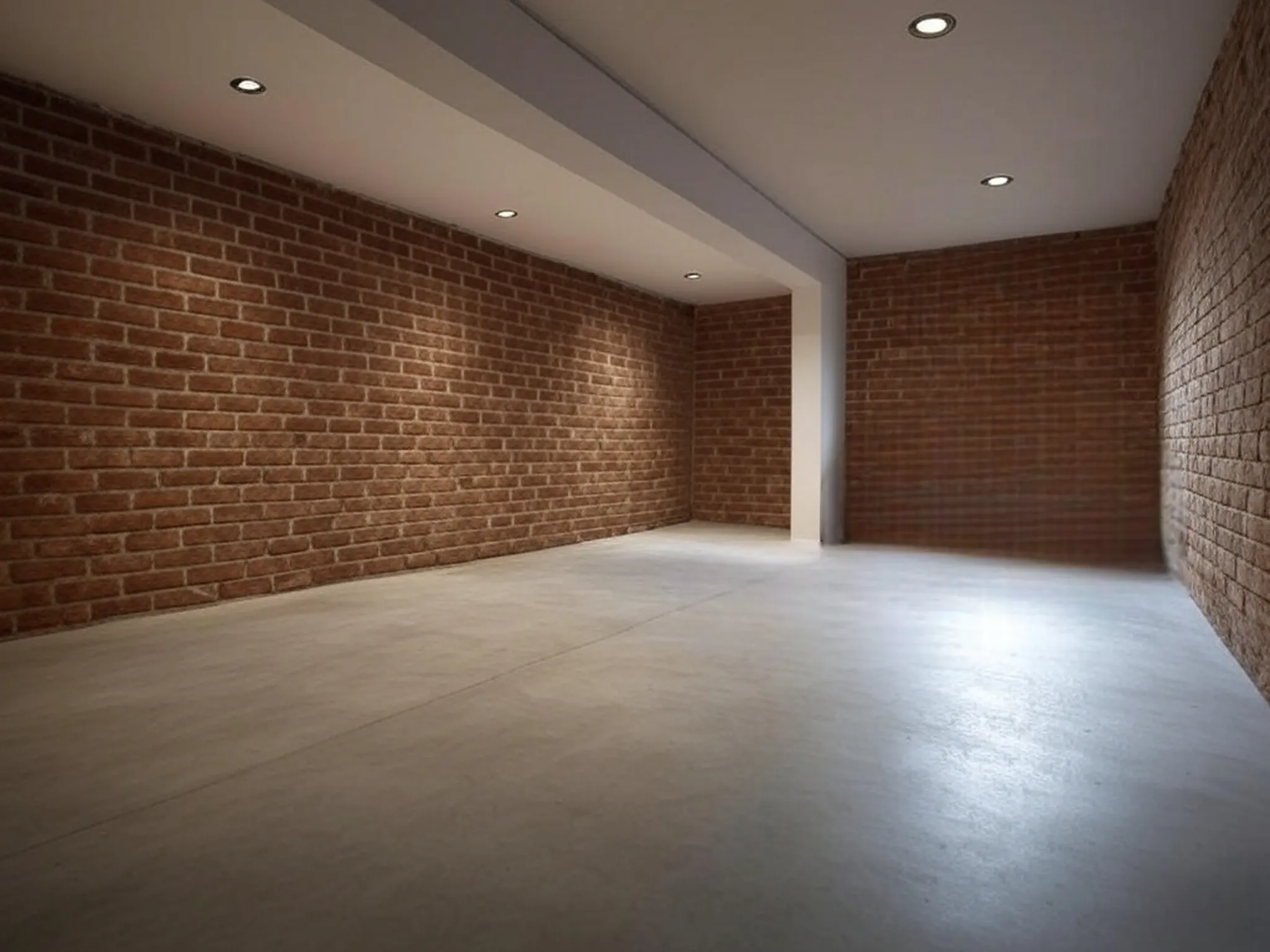
    Empty homes can seem easier to sell at first, but smart home staging tips matter more than many sellers expect. There is no clutter to manage, no strong decor choices to tone down, and no furniture to work around. But that same emptiness can create a different problem. In listing photos, a bare home often feels cold, flat, and harder for buyers to connect with.

    Before making major changes, focus on helping buyers take in the space more easily. When rooms are completely empty, it becomes harder to judge size, see how each area might function, and imagine what daily life in the home might look like. That uncertainty can weaken the first impression before a showing is ever scheduled.

    Simple visual improvements can make a noticeable difference. Better lighting, a cleaner presentation, and more definition in each room can help buyers see the home’s potential more quickly and feel more confident in what they are viewing.

    Why Empty Homes Are Harder for Buyers to Imagine Living In

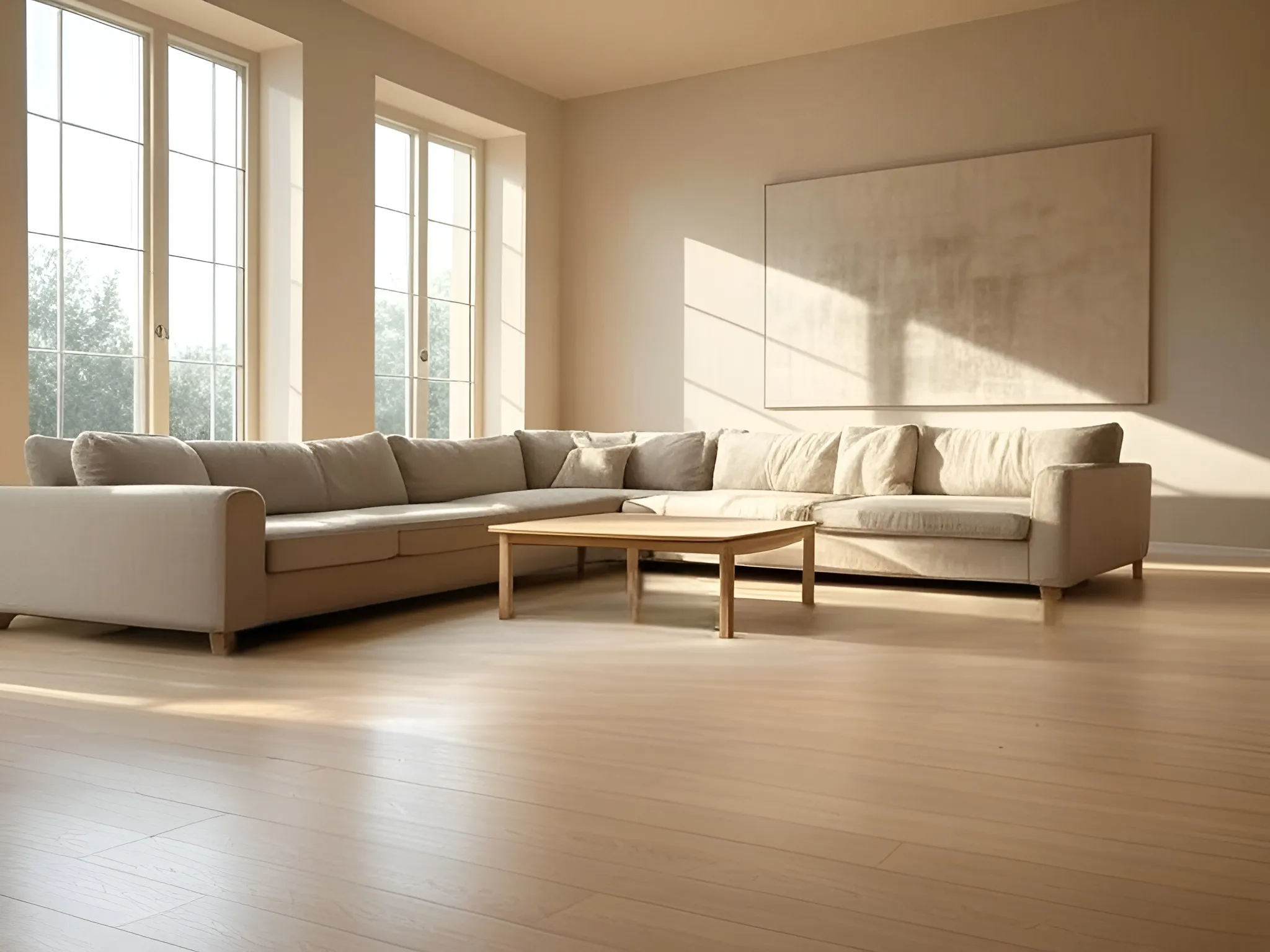
    An empty home makes buyers work harder to understand what they are seeing. Without a sofa, dining table, or bed in place, the purpose of each room becomes less obvious. A spare bedroom can feel smaller than it really is. A living room may seem harder to arrange, and a dining area can easily fade into the background.

    That is why staging matters. It is not only about making a home look finished. It is about making the space easier to understand. When buyers can tell how a room might be used, they can picture their life in it more easily.

    That added context changes how the home feels to buyers. It helps them grasp the layout, see what fits where, and picture how each area could be used.

    Start With Cleaning and Removing Distractions

    Start with a deep clean and clear out anything that does not belong. In an empty home, there is nowhere for flaws to hide. Every smudge, loose cord, leftover item, or worn blind becomes more noticeable when the room is bare. 

    Buyers notice those details quickly, and they can shape how well the home seems to have been cared for.

    If you are thinking about how to prepare a home before selling, this is the right place to begin. Before listing photos are taken, remove anything unnecessary, fix obvious issues, and make sure the space feels fresh and well-maintained. 

    A clean home looks more inviting and gives buyers more confidence in what they are seeing.

    Even then, it is worth reviewing the final images carefully. Small distractions that seem minor in person can stand out much more once they appear in listing photos.

    Improve Lighting and Help Buyers Understand Each Space

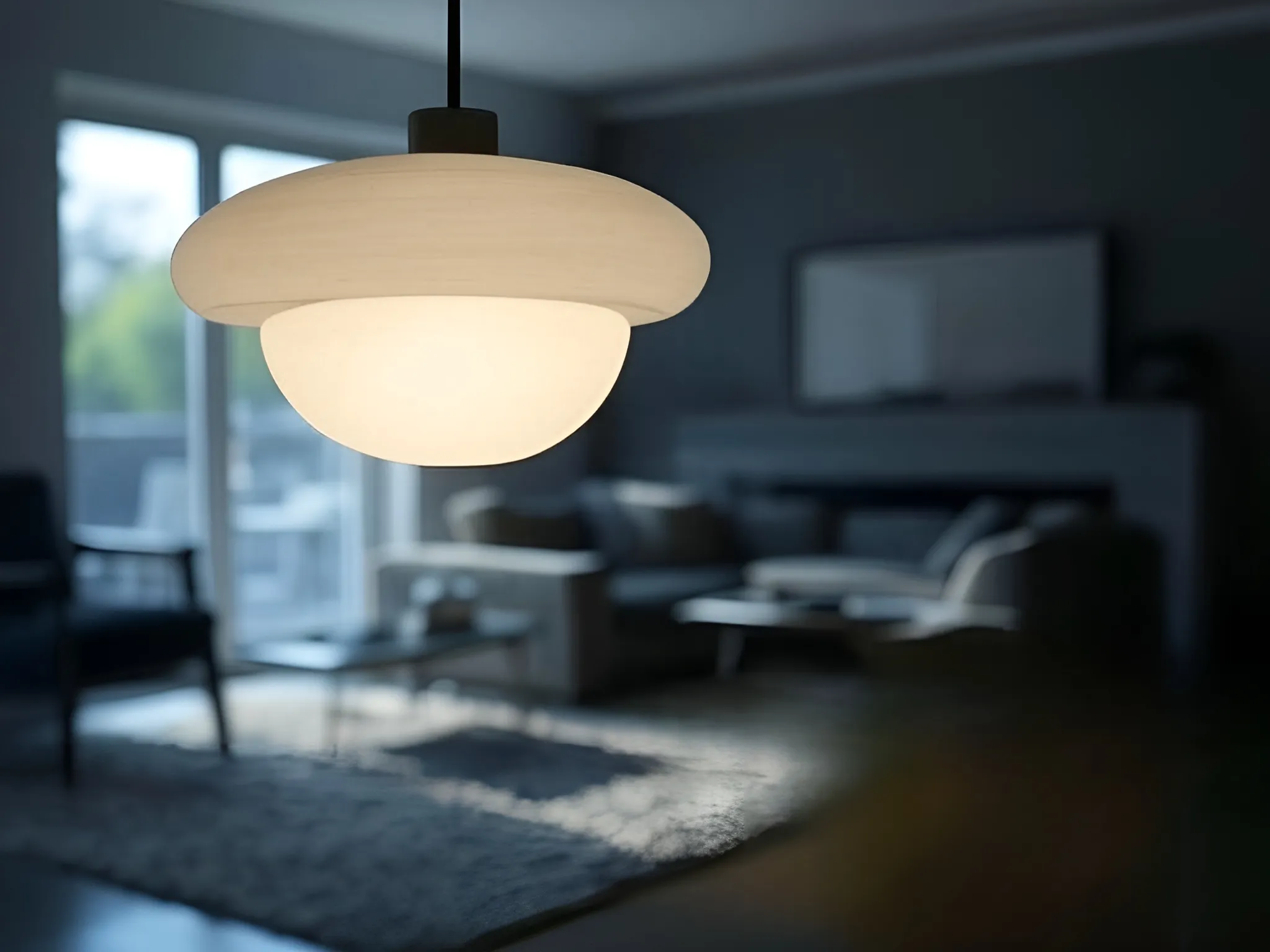
    A home can be clean and well-presented, but if the lighting is poor, the listing can still feel underwhelming. Dark rooms often look smaller than they really are, while brighter spaces feel more open, more inviting, and easier to read. 

    Corners become more visible, the connection between rooms makes more sense, and the layout feels easier to follow.

    Lighting does more than make a photo look better. It helps the layout come through more clearly. In an empty home, that matters even more because there is less in the room to guide the eye.

    Open the blinds, replace weak bulbs, and take photos when the natural light makes the home look its best.

    It is also worth checking the final images carefully before the listing is published. Sometimes a room looks darker or less defined in photos than it does in person, and small adjustments can make the space feel much clearer.

    Add Visual Context With Staging

    The point of staging is not just to make a room look finished. It is to help buyers see how the space works.

    In an empty home, that usually comes down to three things: scale, layout, and room purpose. A staged bedroom shows that a bed fits comfortably. A staged living room helps buyers see where seating would go and how the room could actually be used.

    Some sellers bring in furniture, while others use AI home staging to show how the rooms might look once they are furnished. That can help buyers picture the room more realistically without the cost and hassle of traditional staging.

    For many sellers, virtual staging for real estate is a practical way to make empty rooms feel more complete and easier to picture. Among the more useful empty house staging ideas, it helps buyers picture how the space could work in everyday life.

    Don’t Forget Exterior First Impressions

    The exterior photo often sets the tone for the whole listing. If the front of the home looks dark, flat, or neglected, buyers may lose interest before they even reach the inside photos. That is why curb appeal still matters, even when the focus is on the interior.

    Before listing photos are taken, tidy up the yard, clear the entry, wash the driveway, and remove anything that makes the front of the home look overlooked. Small details outside can influence how the entire property is perceived.

    It is also worth thinking about when the exterior is photographed. Harsh midday light can make a home look flat, while softer light later in the day often creates a warmer and more inviting first impression.

    Small Visual Improvements Can Make a Big Difference

    Most empty homes do not need major upgrades before listing. What they do need is a presentation that feels clean, inviting, and easy to connect with. Better lighting, fewer distractions, stronger exterior photos, and a little more context inside the rooms can make a big difference in how buyers respond.

    That is why some sellers use tools and platforms such as  AI HomeDesign to help prepare listing visuals. Used well, they can make a vacant home feel more polished and approachable without turning the process into something complicated or expensive.

    Conclusion

    If you want an empty home to attract more buyer interest, start by making it easier to understand. Buyers respond better when a space feels clear, inviting, and easy to picture themselves in.

    Empty rooms often feel less appealing because they give buyers less to work with. Without those cues, it becomes harder to judge how a room should function, follow the layout, and feel any real connection to the space. That is why home staging tips matter. They are not just about decoration. They help buyers picture the home with more confidence.

    A cleaner presentation, better lighting, thoughtful staging, and stronger photos can all make a vacant home feel warmer, more complete, and easier to respond to at first glance.

  • A Complete Guide to Pre-Listing Home Improvements

    Selling your home is more than just sticking a “for sale” sign out front and hoping for the best. Most people wonder if they should redo the kitchen, fix up the bathrooms, or just make the front of the house look nicer before listing. Knowing which projects actually get you the most bang for your buck can save you from wasting time and money on stuff buyers don’t really care about or won’t pay more for. Lately, some renovations have been shown to pay off way better than others when it’s time to sell. Here are the upgrades that’ll really help your place stand out and bring in serious buyers—and hopefully, top dollar.

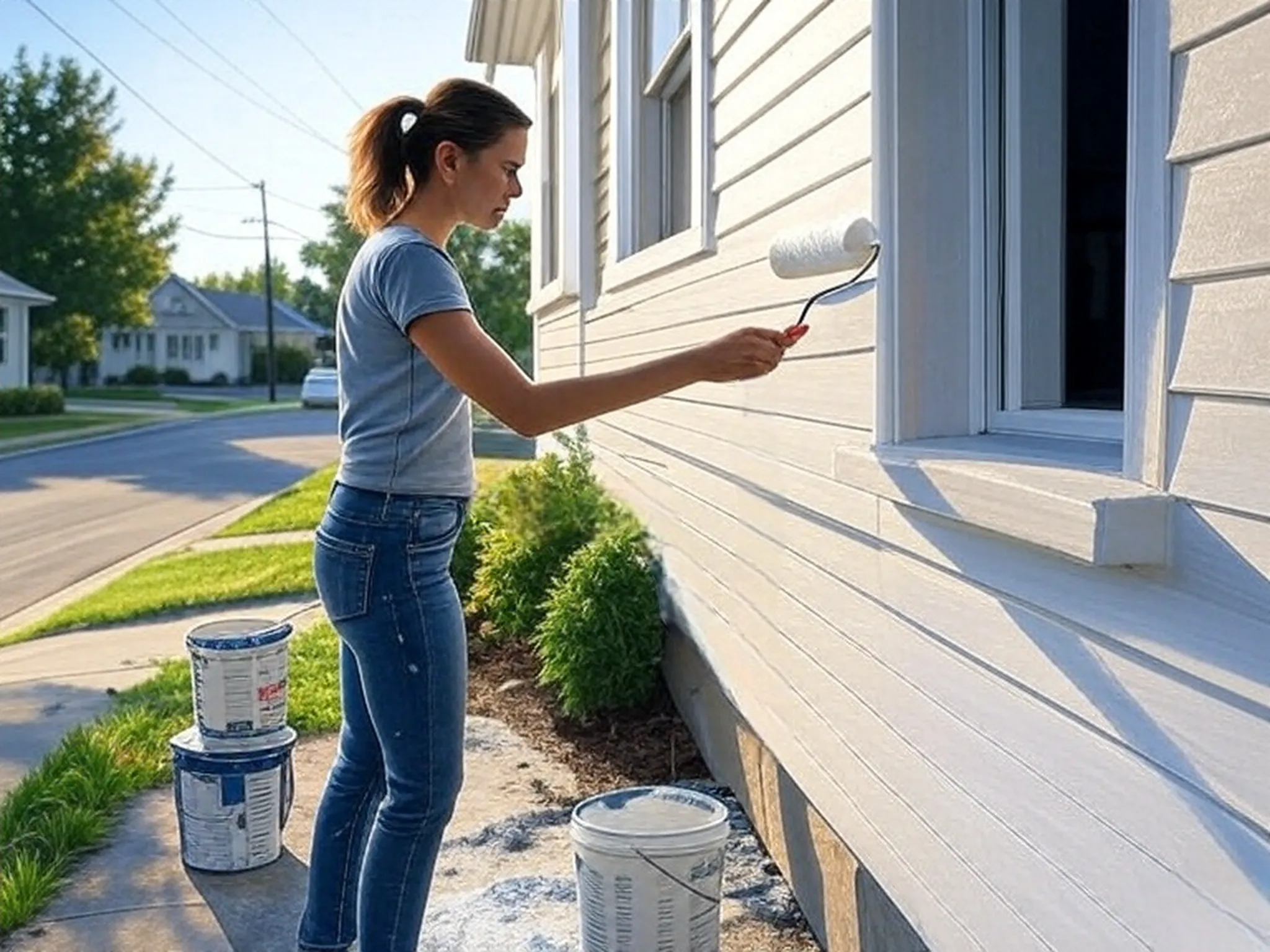
    1. Paint Your Home’s Exterior

    The first thing buyers notice is how your house looks from the outside, so exterior house painting can make a huge difference. It really makes your place look clean and well taken care of. Same goes for the inside—painting the walls can totally change the vibe and help buyers picture themselves living there. You don’t have to spend a ton either; just picking the right colors can make your home way more appealing without breaking the bank.

    2. Clean Up and Check Your Roof

    Before you put your house up for sale, make sure to check your roof for any issues—like missing shingles, moss, or dark spots. If buyers see stuff like that, they’ll probably worry about having to fix the roof soon. Taking care of roof repairs now saves you trouble later and keeps home inspectors from flagging anything. Even just getting the roof professionally cleaned can make it look way newer. Buyers will feel a lot better knowing they won’t have to deal with roof problems right after they move in.

    3. Make Sure Your Basement Is Dry

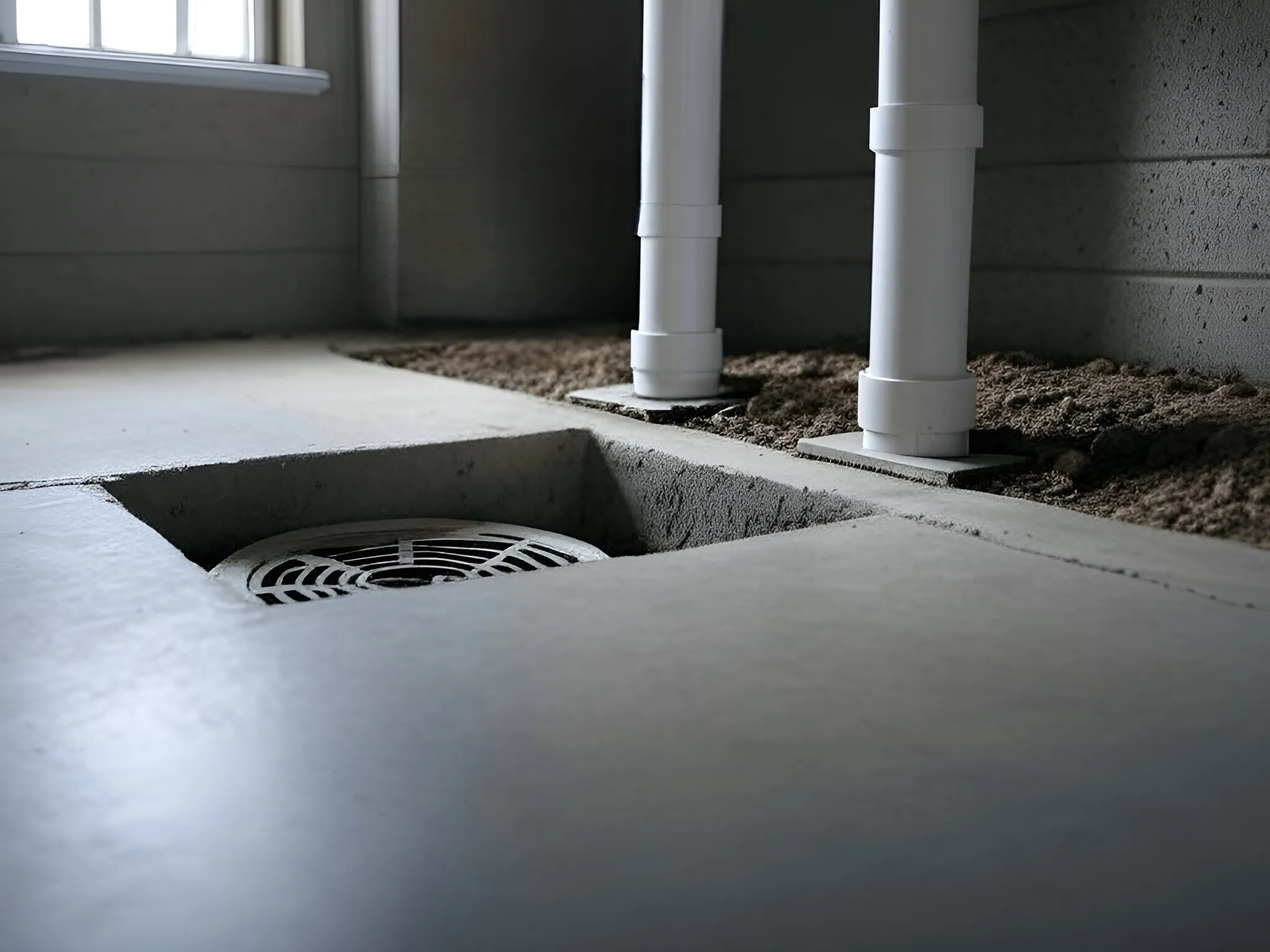
    If your basement smells musty or feels damp, most buyers will walk away fast. Stuff like water stains, mold, or weird spots on the walls are big red flags. With professional basement waterproofing, you are protecting the foundation and preventing future issues like mildew or rot. Plus, a dry basement means more space that actually feels usable, and it shows buyers you’ve taken good care of the place. It also makes the air in your house a lot healthier.

    4. Fixing Foundation Issues

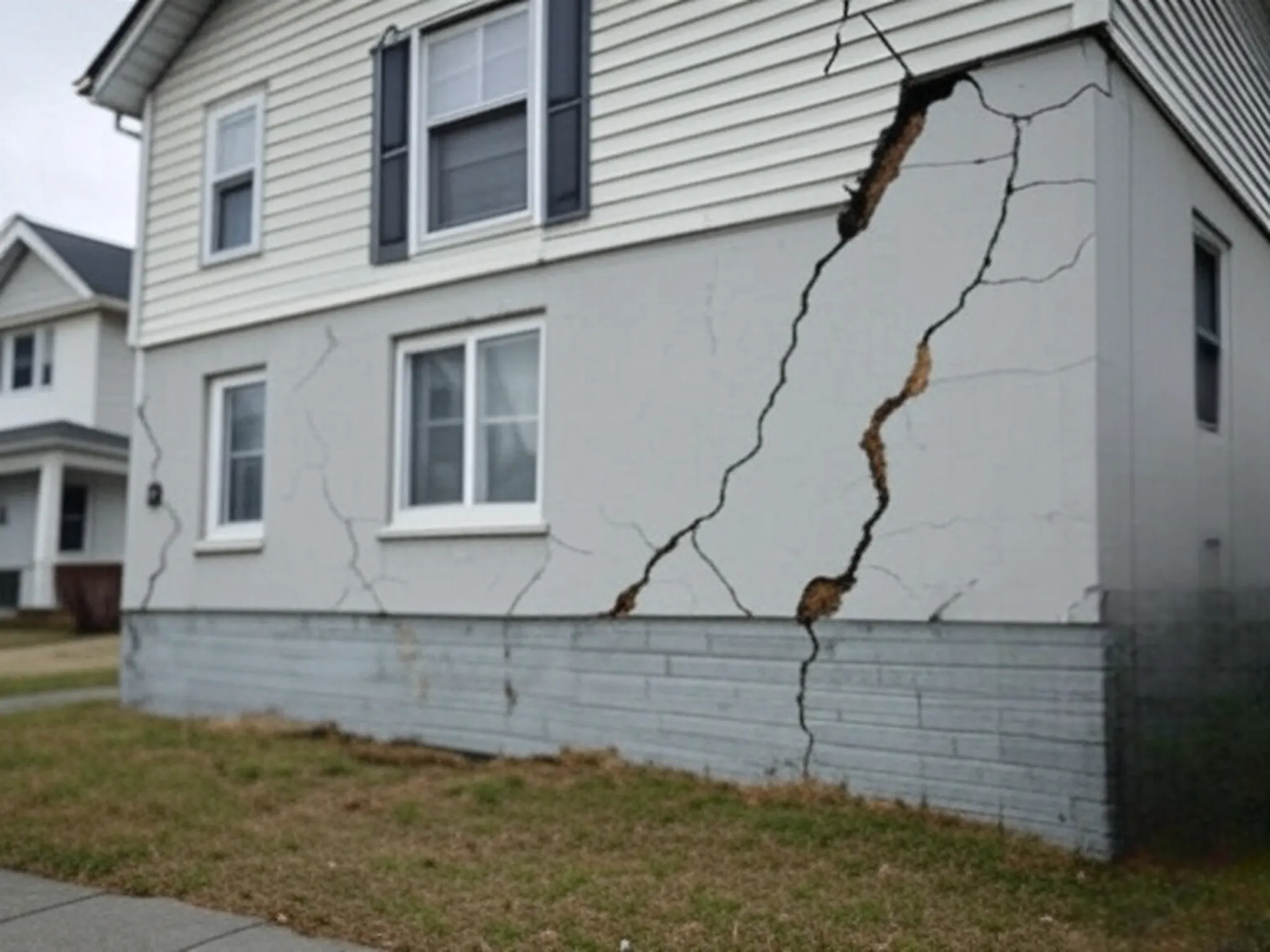
    Foundation issues are a huge red flag for buyers—they’ll run if they see cracks in the walls, doors that won’t close right, or floors that feel uneven. Fixing the foundation is super important, and you might need to waterproof the basement too. It’s a good idea to get a pro to check it out so you know exactly what needs fixing. Taking care of these problems up front can save you from having to drop your price later and makes your home way more attractive to buyers.

    5. Get Rid of Pests

    Nobody wants to buy a house that has bugs or mice. Even if you don’t see any during a showing, things like droppings or bug traps can freak people out. It’s smart to get your place treated for pests and block off any spots where they might get in. Having a pro come out before you list your home gives buyers peace of mind and keeps everything clean for showings. People are way more likely to make a good offer if they know the house is pest-free.

    6. Put In New Floors

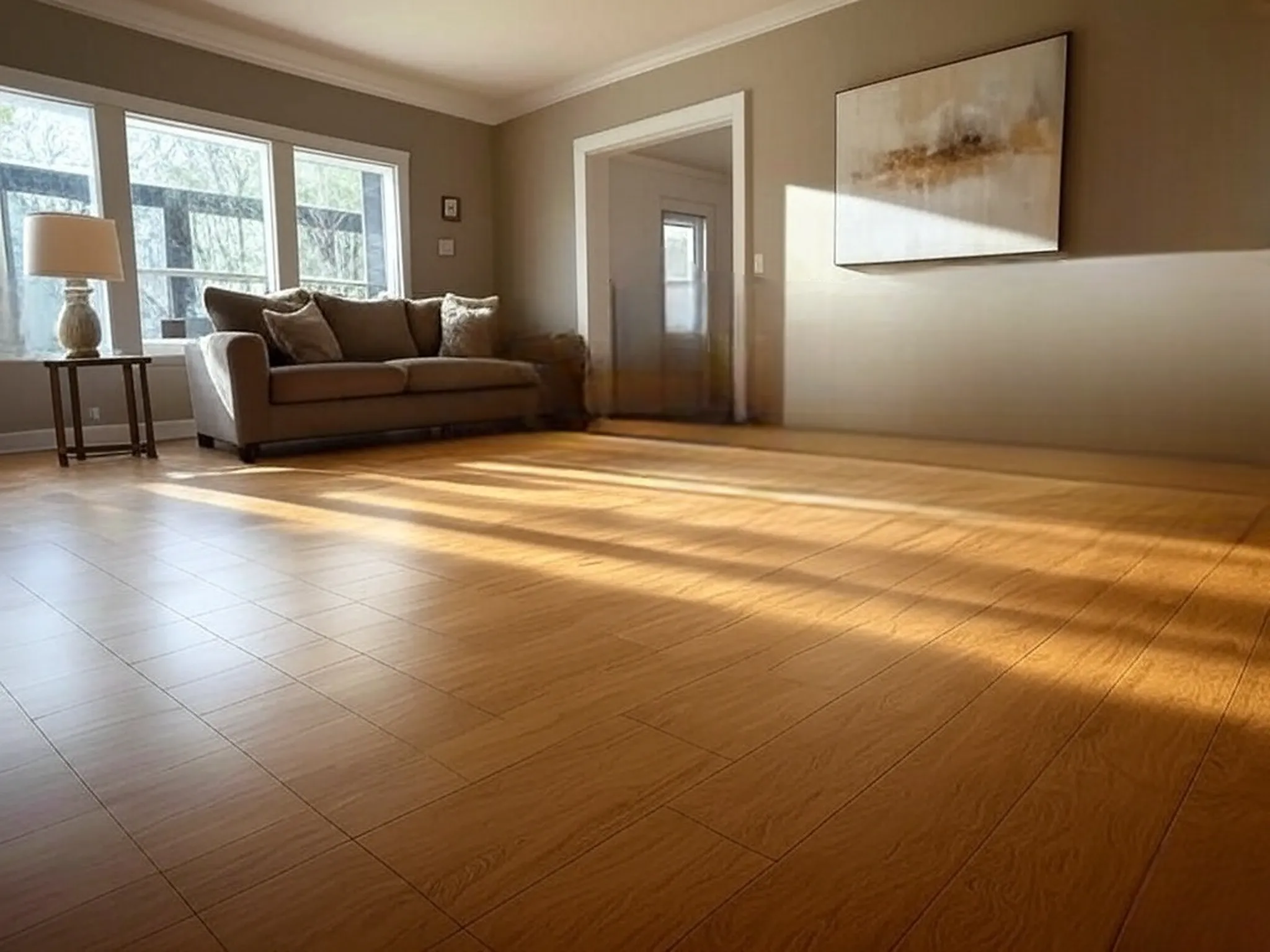
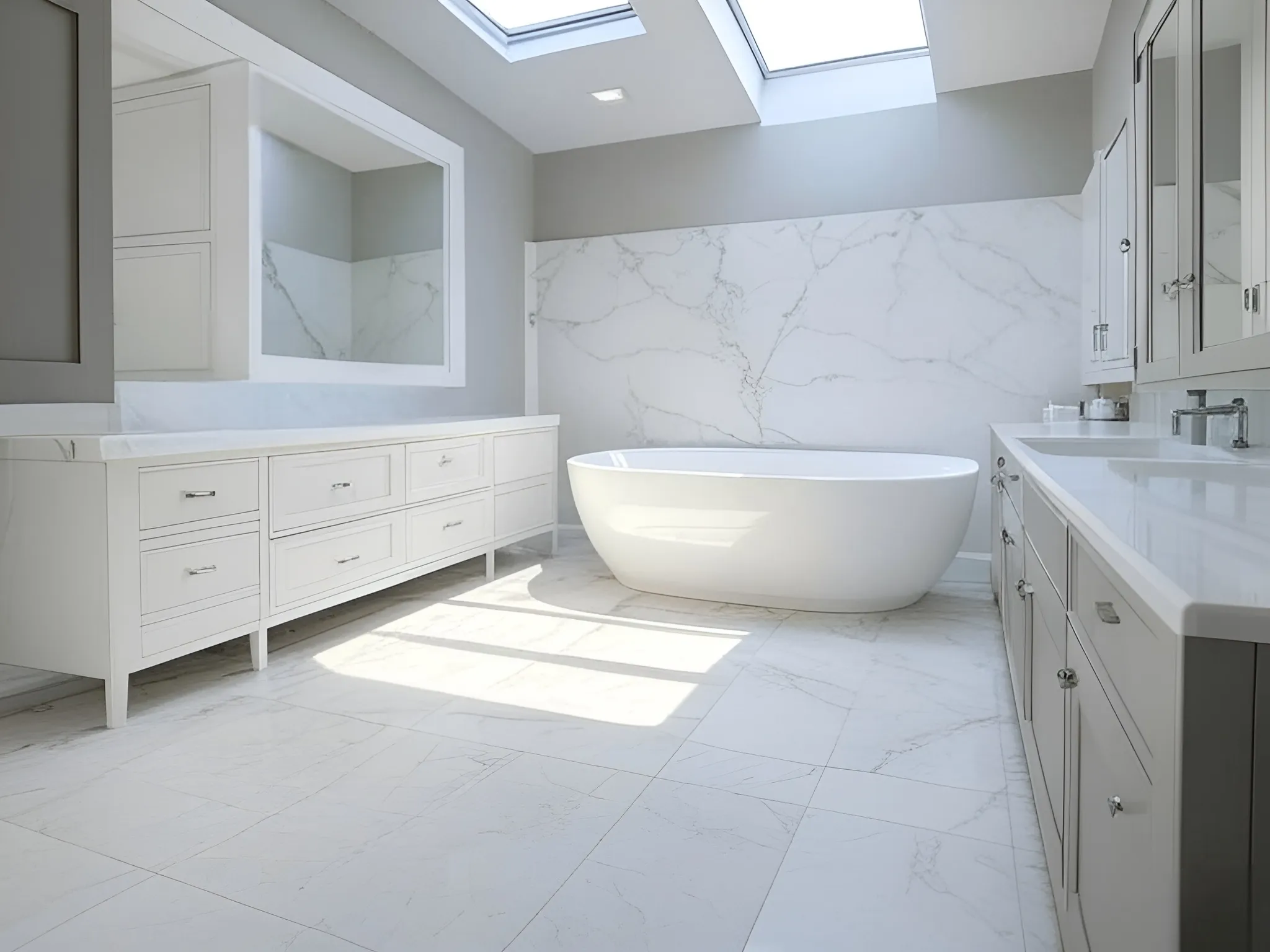
    Old, stained, or worn-out floors can make your whole house feel dated. Putting in new flooring is an easy way to instantly update your place and make it look a lot more inviting. Hardwood is usually the top pick for most buyers since it looks great and lasts forever. Other options like marble, granite, or tile all have their own style and care needs, too. The right flooring can even make rooms look bigger and brighter, and really catch buyers’ eyes. Upgrading your floors is one of those fixes that can pay off big when you sell.

    7. Take Care of the Plumbing

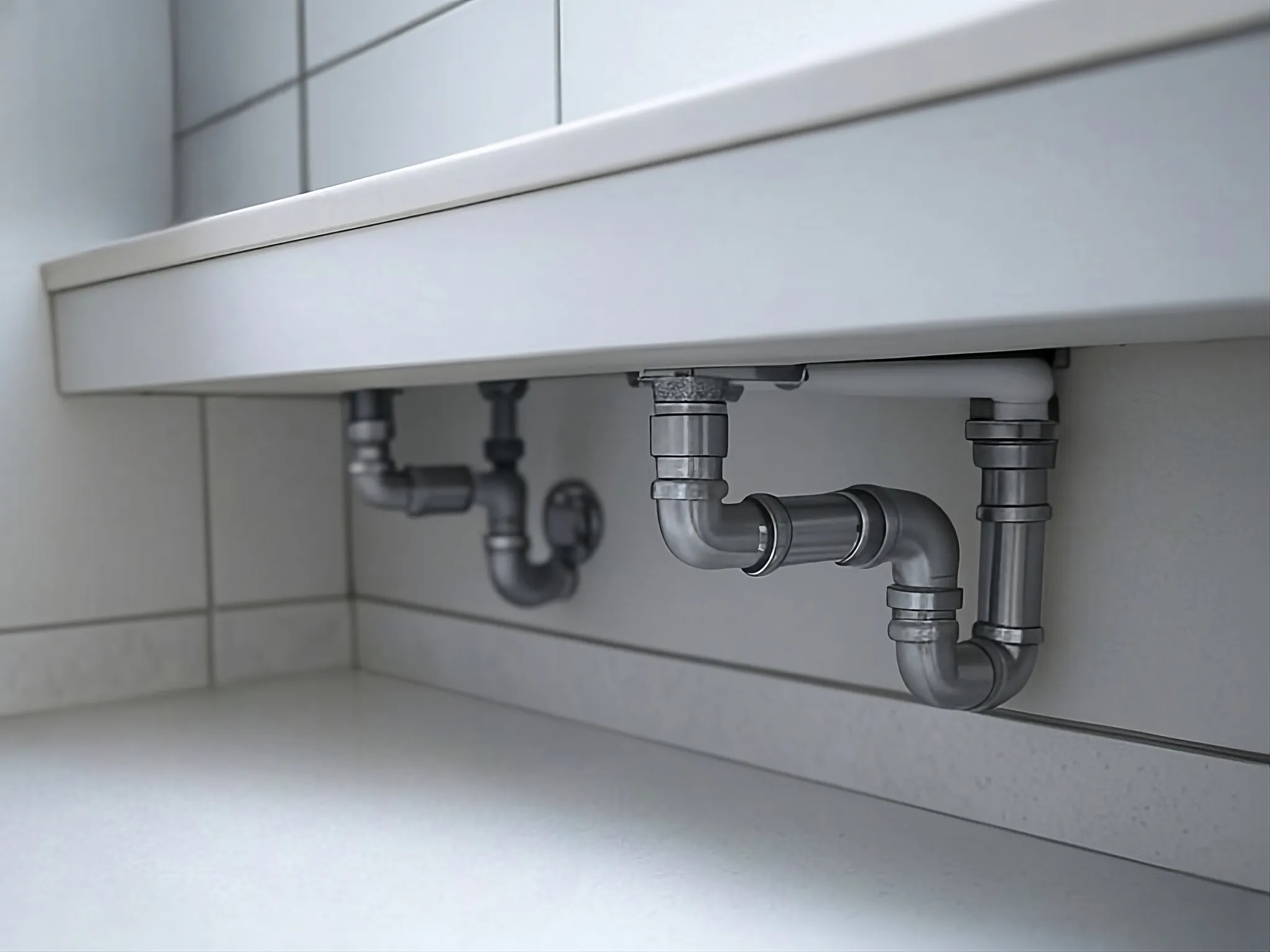
    Buyers love to test the water pressure and peek under sinks during a showing. If they see things like low pressure, slow drains, or leaks, they’ll start to worry there are bigger problems hiding. Fixing any obvious plumbing issues and updating old faucets or fixtures can make your home feel newer and more solid. Plus, good plumbing helps you ace the home inspection. It’s one of those small details that really shows buyers you’ve taken care of the place.

    8. Update the Electrical

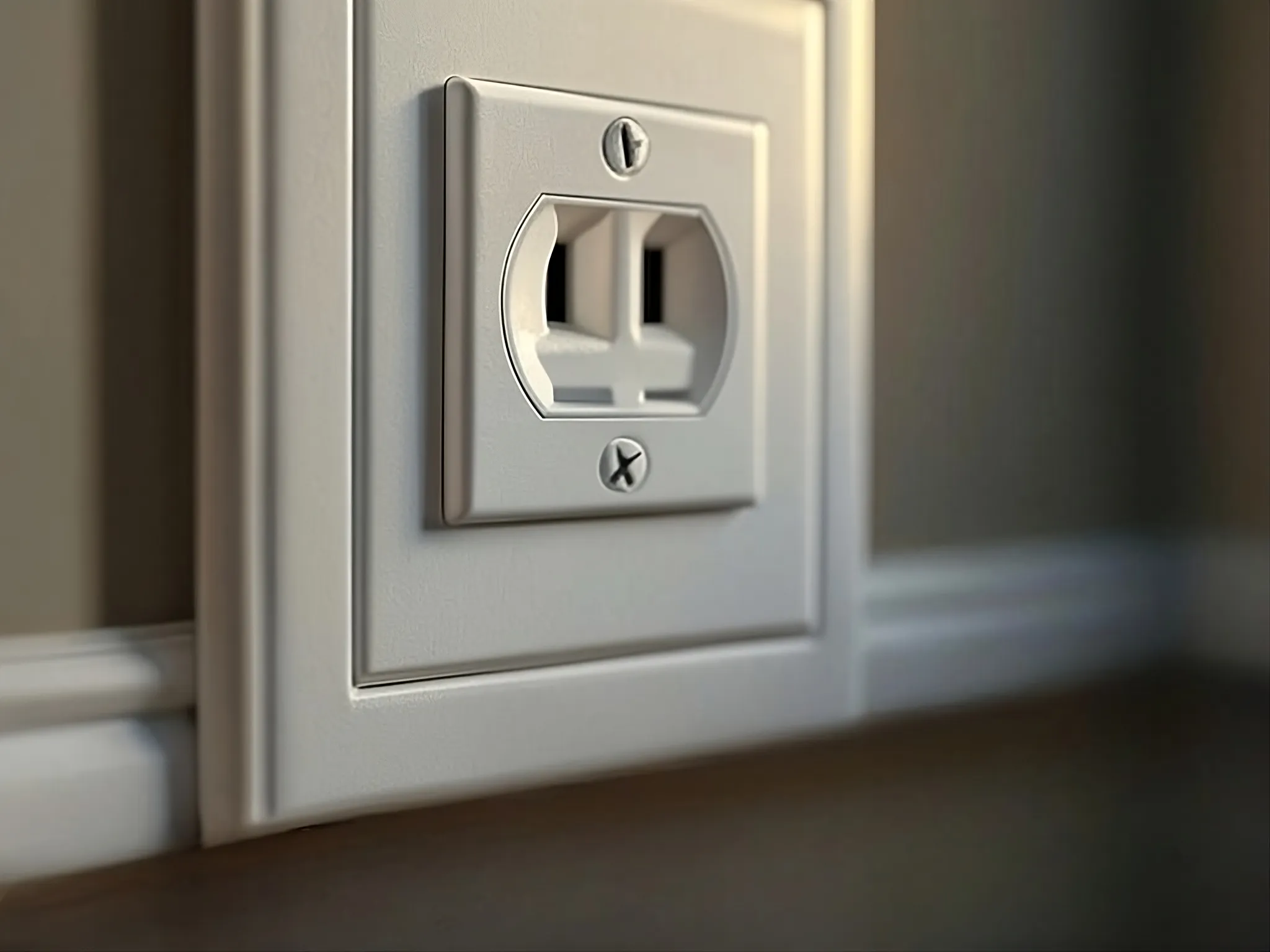
    Electrical stuff is something buyers really care about—they want to know the house is safe and everything works like it should. Little things, like a flickering light or a dead outlet, are easy to fix and show buyers you’ve kept up with maintenance.

    If your place is older, you might need to update the wiring so everything’s safe and up to code. It sounds like a big job, but it can really boost buyer confidence. Little upgrades—like adding more outlets or swapping in new light fixtures—also make your home look way more modern and help you breeze through the inspection.

    9. Replacing Windows

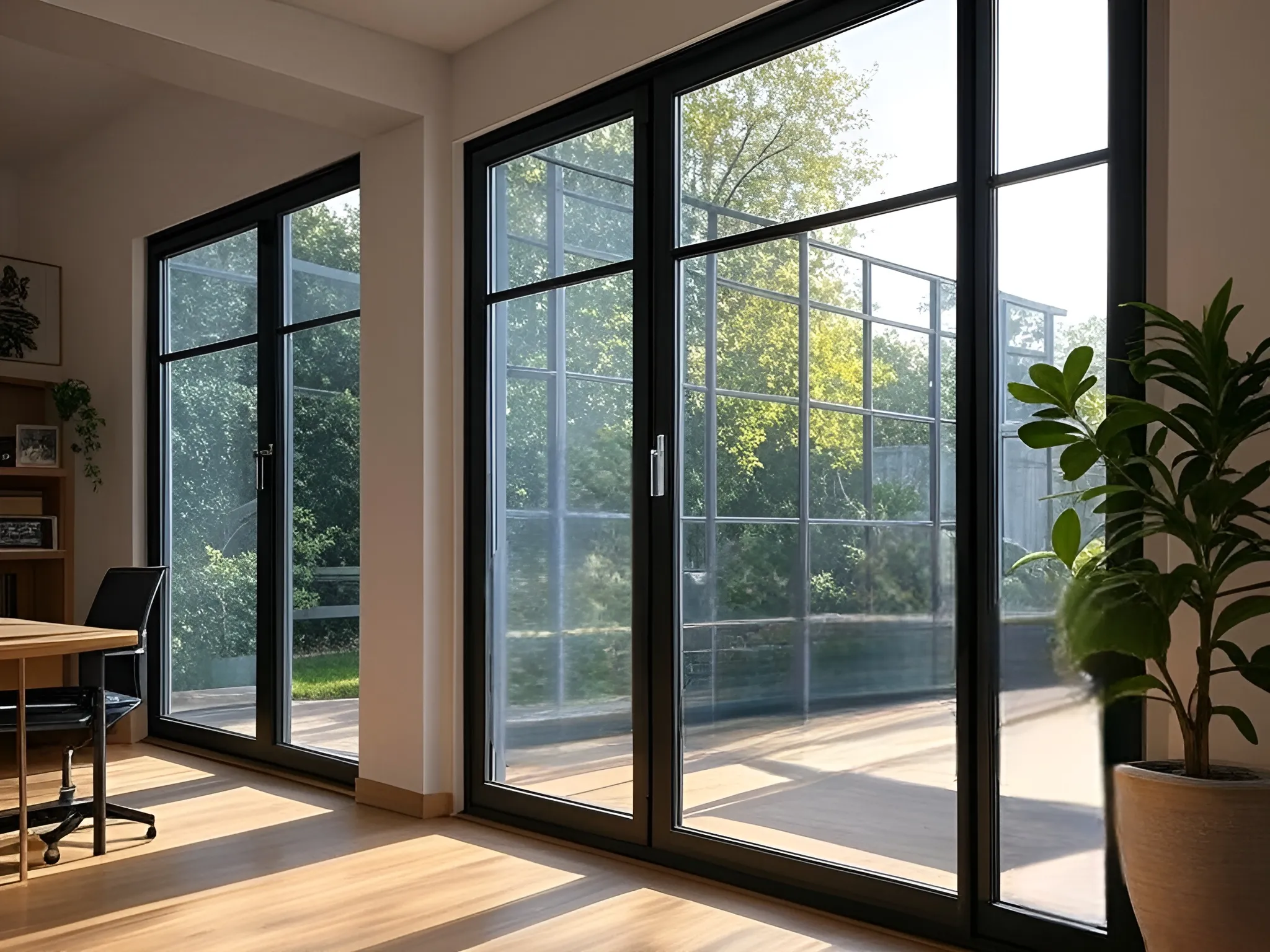
    Swapping out old windows for energy-efficient has several advantages, especially for buyers who care about saving money on bills. Getting them professionally installed means you don’t have to worry about drafts or leaks. Plus, new windows help keep your home comfy all year and can actually lower your energy costs. If you pick styles that match the look of your house, it’ll all come together and make your place look even better.

    10. Remodel Your Kitchen

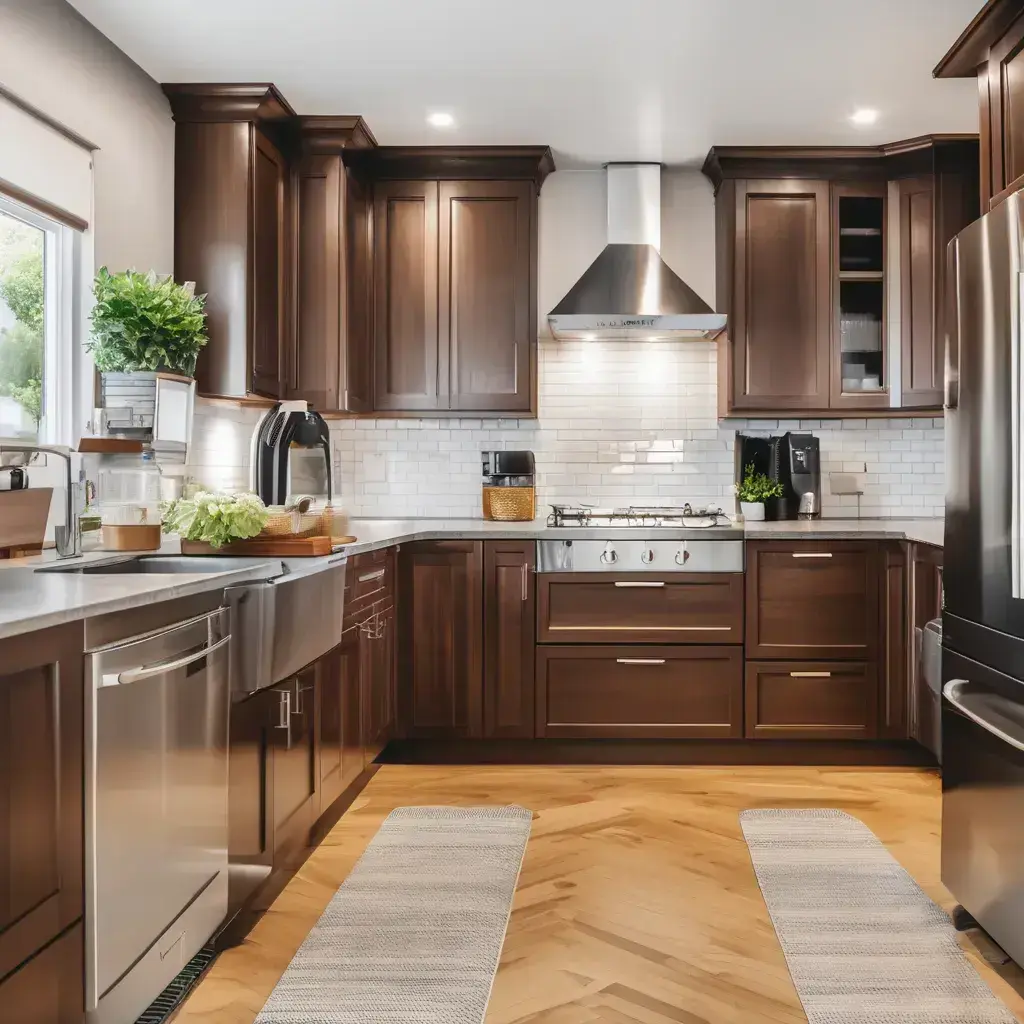
    Kitchen makeovers almost always pay off, since the kitchen is really the heart of the home. Even simple updates—like new countertops, fresh cabinets, or better lighting—can totally change how your kitchen feels and make it way more appealing to buyers. These days, people want kitchens that are great for cooking and hanging out, with open layouts and plenty of counter space. A pro can help you get the most out of whatever space you have. Even small changes in the kitchen can make a huge difference in how buyers see your home—and how much they’re willing to pay for it.

    11. Upgrade the Bathroom

    A nice bathroom can really help buyers fall in love with your home. Swapping out old fixtures, adding some stylish finishes, or putting in better storage can turn a boring bathroom into a relaxing spot. Even little upgrades—like a rain showerhead or good lighting—can make the space feel much more comfortable and a bit fancy. And if your bathroom’s on the small side, smart changes can help it feel bigger and way more inviting.

    12. Proper Landscaping

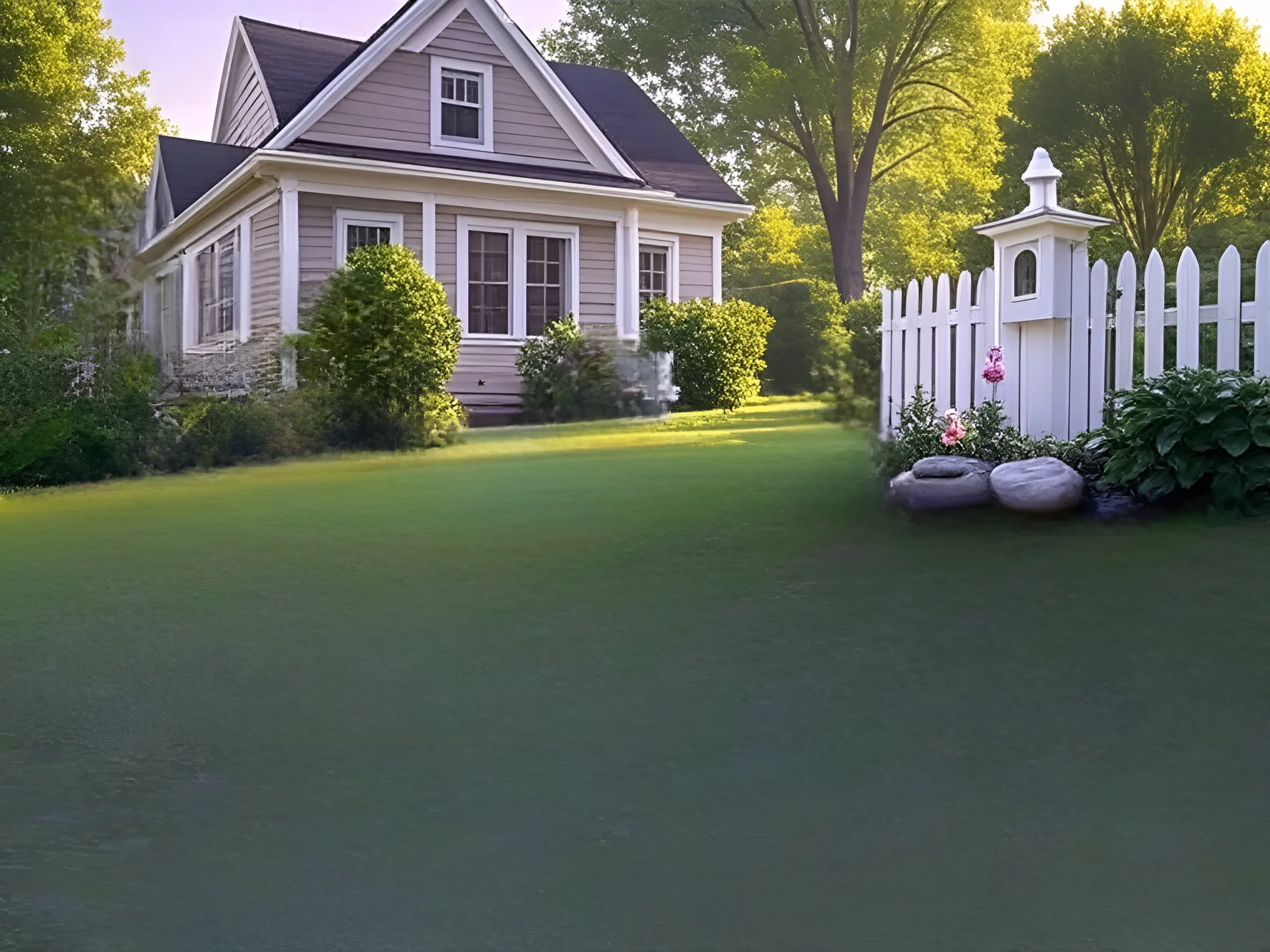
    First impressions really matter, and your yard is the first thing buyers see. Keeping the lawn mowed, bushes trimmed, and walkways clear goes a long way in making your place look inviting. If you bring in a pro, they can design a great-looking yard that’s also easy to take care of. Regular yard work keeps your home looking its best for every showing. Remember, buyers decide how they feel about your place in just a few seconds—so great curb appeal can make all the difference.

    13. Maintain Proper Drainage

    If you notice water pooling near your house, it usually means the drainage isn’t great—and that can be bad news for your foundation. Make sure your gutters and downspouts are clear and actually direct water away from the house. Sometimes you might need to regrade the yard so water naturally flows away. Things like grading, French drains, or a sump pump all help keep water from collecting around your foundation. When buyers see good drainage, it tells them the home’s been well cared for over the years.

    14. Decluttering and Cleaning

    Remove extra furniture, storage boxes, and personal items so your home feels more open and makes it easier for buyers to picture themselves living there. When everything’s clean—including baseboards, vents, and light switches—the whole place feels fresh and new. Keeping rooms neutral and free of personal touches gives buyers a blank slate to work with. Plus, a tidy, clutter-free home always looks better in listing photos.

    15. Lighting Upgrades

    Swap out old light fixtures for something more modern to freshen up your rooms. Check that all the bulbs work and sort out any little electrical issues—these small fixes really show you’ve looked after the place. Natural light is always a win, but don’t forget how much good lighting helps. Daylight bulbs (5000K–5500K) can really brighten things up and set a nice mood. Mix up your lighting—overhead, lamps, and accent lights—for a balanced look. Smart lights are a nice touch, and make sure the outside is well-lit too. Great exterior lighting makes your home look inviting right from the curb.

    The Better You Prep, the Better You Sell

    After getting your home ready, it’s time to find an agent you trust. A good agent makes selling much easier, gives you straight advice about what’s worth fixing, and takes care of everything—from marketing to showings and handling offers. Choose someone who understands your goals and knows your area well.

    The better you prepare, the better your home will sell. A little effort goes a long way—smart upgrades and a well-kept space make your place stand out, attract serious buyers, and can even boost your sale price. Good prep means less time on the market and a smoother selling process overall.

  • Here’s How to Declutter Your San Antonio Home Before Selling

    The last thing you need to worry about when selling a house in San Antonio is a home filled with unused items. But here’s the reality: creating an organized space that’s free of clutter isn’t as easy as it sounds. So how do you get rid of the clutter without feeling overwhelmed? Here are some practical methods that actually work.

    1. Start with a Clear Plan

    Start by creating a timeline that aligns with your planned listing date. Make sure you have plenty of time to finish each section of your home, and avoid rushing through any part of the process. Breaking the task into manageable stages—like tackling one area each day or each week—can make decluttering less overwhelming. If you expect to get rid of a large amount of stuff, consider arranging a dumpster rental in San Antonio ahead of time to make disposal easier.

    2. Sort and Categorize

    Use the “keep, donate, trash” method. Work your way through each area of your house, sorting items into keep, donate, toss, or sell. This step-by-step approach takes the emotion out of decision-making and helps you let go more easily. What you choose to keep should really serve a purpose or have real sentimental value. For everything else, ask yourself: Can someone else use it? Is it time to just let it go?

    3. Clear Surfaces and Storage

    Buyers are drawn to homes that feel tidy and spacious. Clear off kitchen counters, straighten up shelves, and make sure closets aren’t stuffed full. As a rule of thumb, aim to keep storage areas about half empty—it’ll make your place look bigger and show buyers there’s plenty of room for their own things. Consider renting a temporary self-storage unit to keep your belongings out of sight until after your move.

    4. Remove Personal Items

    Put away personal photos, artwork, and keepsakes so buyers can picture themselves living in your home. While your home’s personality makes it special, buyers need to be able to imagine it as their own. Tuck away family pictures, collections, and anything too unique. The goal is to create a neutral but inviting space that appeals to as many people as possible.

    5. Address Each Room

    Starting with the kitchen, bathrooms, or closets is a great idea. Focusing on a single space will help you stay organized and keep things from feeling overwhelming. In the kitchen, for example, clear off the counters and tuck away small appliances so your workspace really shines.

    6. Declutter Regularly

    Decluttering is an ongoing task throughout the house. Make it a habit to regularly go through each room and clear things out, especially as showings or open houses get closer. Keeping up with this routine means your home will always be in great shape.

    7. Organize Closets

    Clean out the closet by removing about half of what’s in there and neatly organizing whatever remains. This helps the space look bigger and more functional. When buyers see an organized closet, it’s easier for them to picture their own things fitting in. A tidy closet doesn’t just make the home feel more inviting—it also highlights how much storage you have, which is a big selling point for most buyers.

    8. Clear Kitchen

    Declutter the kitchen by removing small appliances and other superfluous items from the countertops, freeing up a neat and unencumbered space. This alone makes the kitchen appear larger, more welcoming, and easier for a potential buyer to imagine using—which can be highly attractive when showing a home.

    9. Declutter Windowsills

    Clear out windowsills by removing extra plants and decorations that block sunlight. Keeping windowsills simple lets in more daylight and makes the room feel brighter, more open, and inviting—which is key when you want your home to stand out to buyers.

    10. Clean Thoroughly

    Make sure your house gets a really good deep clean before you put it up for sale. Get rid of any dirt, grime, or clutter, both inside and outside. Just straightening up isn’t enough—buyers want to walk into a place that feels fresh, welcoming, and obviously well taken care of. When your home is spotless, from the living room all the way to the front yard, it really stands out and makes a great impression.

    11. Consider a Yard Sale

    A yard sale is a simple way to get rid of things you don’t use anymore and make a little money at the same time. Just put everything you want to clear out up for sale, and you’ll have less clutter and more space—perfect if you’re moving or selling your house. It’s a lot easier than donating or throwing things out one by one.

    12. Stop Buying More Clutter

    Try not to buy things you don’t actually need. The less stuff you bring home, the less clutter you’ll have to deal with later. Being a little picky about what you buy keeps your place cleaner and cozier, and makes it way easier to stay organized—especially if you’re planning to move or sell.

    By following these steps to declutter your San Antonio home, you’ll have a home that looks more appealing to potential buyers who can envision themselves in it. Not only does it make your home more attractive but also streamlines the entire sale process and makes it more efficient, raising your odds of a quick sale.

  • The Essential Checklist for Preparing Your Home for Sale in Dallas

    Welcome, future seller, to the ultimate strategy guide for staging and selling your Dallas home. Whether you are getting ready to sell a sprawling estate or a simple mobile home, you’ve got a goal: list, impress, and sell for top dollar. The challenge? Turning your lived-in space into an irresistible showpiece. But don’t worry. This checklist is designed to help you navigate the selling process with ease and confidence, transforming your space and maximizing value.

    Let’s dive in, level by level.

    Level 1: Declutter and Depersonalize – The Great Purge Begins

    Before you even think about painting walls or rearranging furniture, it’s time to declutter. Imagine you’re creating a blank canvas. Buyers want to envision their lives in your home, not be reminded of yours. So, remove personal items, clear countertops, and streamline every space.

    Start with the easy stuff: toss out or donate items you don’t need, pack up family photos, and clear off surfaces. Less is more here. The goal? Give every room a clean, spacious feel.

    Level 2: Make Necessary Repairs – Fix It or Lose It

    Think of Level 2 as the “damage control” phase. Buyers notice everything, from cracked tiles to dripping faucets. You may have learned to live with the quirks, but buyers will see them as extra costs. This is your chance to fix the little issues that could turn into big red flags.

    So, patch up holes, tighten handles, repair leaky faucets, and replace burnt-out bulbs. A well-maintained home reassures buyers they won’t be facing unexpected repair bills.

    Level 3: Deep Clean Every Corner – Sparkling or Nothing

    Cleaning is non-negotiable in the home-selling game. We’re talking about a top-to-bottom, every-nook-and-cranny kind of clean. Your goal here is to give every room a fresh, like-new feel, especially high-traffic areas like the kitchen and bathrooms.

    Hire professionals if you can. Clean the carpets, wipe down baseboards, scrub the grout. A sparkling home is a show-stopper, and it sends a message to buyers: this place has been cared for. Don’t underestimate the power of a spotless space.

    Level 4: Amp Up the Curb Appeal – First Impressions Matter

    Buyers start forming opinions the second they pull up to your property. This is your chance to make a winning first impression. The front yard, walkway, and entryway need to look inviting and well-kept.

    Trim bushes, mow the lawn, plant some fresh flowers, and maybe add a new welcome mat or porch light. The goal here is simple: make buyers want to see what’s inside. A home with strong curb appeal sets a positive tone for the entire showing.

    Level 5: Stage Strategically – It’s All About the Vibe

    Staging is where the magic happens. Here, your goal is to arrange furniture and décor in a way that maximizes space, enhances natural light, and creates an inviting atmosphere. This is about crafting a mood, a vision of the lifestyle buyers could have in your home.

    Keep it simple and modern. Use neutral colors, add fresh flowers or a few tasteful decorations, and let each room’s purpose be clear. The key? Don’t overwhelm with personal style. Instead, think clean, cohesive, and universally appealing. The perfect stage can take a home from nice to irresistible.

    Level 6: Set the Right Price – Strategic, Not Sentimental

    Pricing is a crucial factor in attracting buyers, and it requires a dose of objectivity. This isn’t about what you wish it would sell for, but what the Dallas market will bear. Do your research, look at recent sales in the neighborhood, and work with an experienced agent to land on a competitive price.

    Overpricing can drive buyers away, but underpricing risks leaving money on the table. Find the sweet spot to attract interest without underselling. Remember, the right price gets people through the door.

    Level 7: Market Like a Pro – Beyond the Basics

    It’s not enough to list your home and call it a day. In today’s market, you need a marketing strategy. High-quality photos, virtual tours, open houses—buyers expect it all. Work with your agent to create an attractive listing that showcases your home’s best features.

    Consider a professional photographer to capture your home in its best light, and think about social media posts and online ads to reach a broader audience. The more people see it, the faster it’ll sell.

    Final Thoughts: The Path to Selling Success

    Selling your home isn’t just about sticking a sign in the yard and hoping for the best. It’s a strategic process, and each level builds on the last. Declutter, repair, clean, stage, and market your space until it’s an irresistible opportunity buyers can’t wait to snag.

    Stick to this checklist, level up each phase, and watch as your Dallas home transforms from “for sale” to “sold.” Good luck, future seller. You’ve got this.