Tag: Home Improvements

  • Which Home Improvements Deliver the Best Return on Investment?

    It’s easy to get pulled toward the projects that look the most dramatic. A luxury kitchen, a custom pool, or a full backyard makeover can make a house feel completely different. But when you’re thinking about resale value, the flashiest upgrades are not always the ones that pay you back the most.

    The best home improvements usually do two things at once. They make the home easier to live in now, and they make it easier to sell later. Whether you’re getting ready to list your house or just trying to spend your renovation budget wisely, it helps to know which upgrades tend to give homeowners the strongest return on investment.

    1. Exterior Upgrades Usually Bring the Highest Return

    Curb appeal still matters a lot. Buyers start forming an opinion before they ever step inside, and a clean, updated exterior can make the whole property feel better maintained.

    Some of the strongest ROI projects are exterior improvements, especially garage door replacement, front door replacement, manufactured stone veneer, siding updates, exterior paint, outdoor lighting, and basic landscaping cleanup.

    These projects are not always the most exciting, but they are highly visible. A new garage door or fresh front entry can change the way a house looks in one afternoon, and that first impression can carry through the rest of the showing.

    2. Minor Kitchen Remodels Are Still a Smart Bet

    The kitchen is still one of the first places buyers look. It is where people imagine cooking, gathering, helping kids with homework, or having friends over. That makes kitchen updates one of the safer places to spend money.

    The key is not to overdo it. A full luxury kitchen remodel can get expensive fast, and you may not get every dollar back when you sell. In many homes, a lighter update makes more sense.

    Painting cabinets, replacing cabinet hardware, adding modern lighting, updating countertops, replacing old faucets, and switching to energy-efficient appliances can make the kitchen feel fresh without turning the project into a money pit.

    A clean, functional kitchen with finishes that most buyers can live with will usually do more for resale than a very personal, high-end remodel.

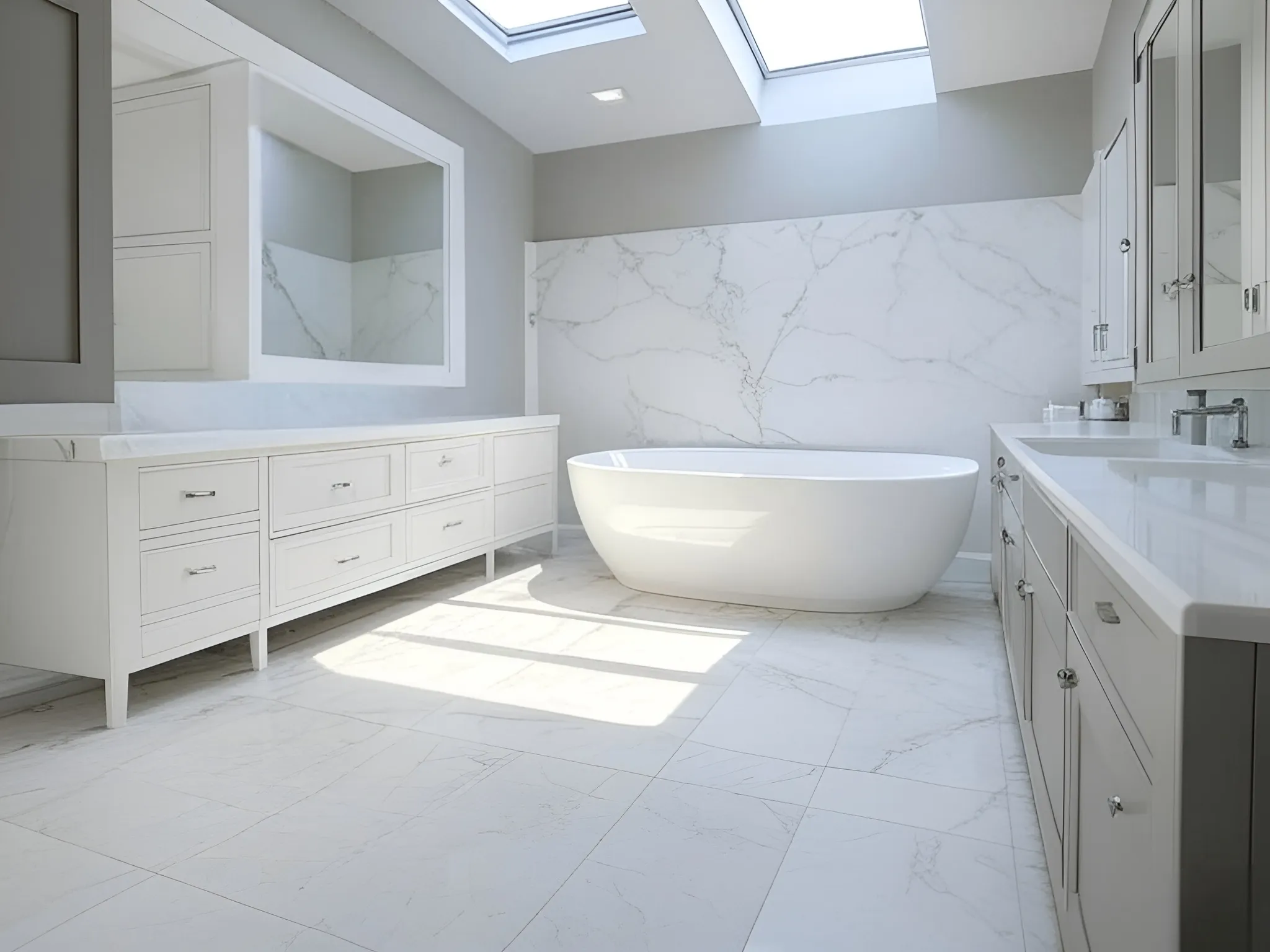
    3. Bathroom Updates Can Make the Home Feel Much Newer

    Bathrooms are small, but buyers pay close attention to them. An outdated bathroom can make the whole house feel older than it really is.

    You do not always need to move plumbing or tear everything out. A new vanity, updated mirror, better lighting, fresh paint, new tile, or water-efficient fixtures can make a big difference.

    The goal is simple. Make the bathroom feel clean, bright, and easy to use. Buyers do not need every bathroom to feel like a hotel spa, but they do want it to feel taken care of.

    4. Fresh Paint Is Still One of the Easiest Wins

    Painting may not sound like a major improvement, but it can completely change how a home feels.

    Fresh paint makes rooms look cleaner, brighter, and better maintained. Neutral colors also make it easier for buyers to picture their own furniture and style in the space.

    If you are getting ready to sell and only have room in the budget for a few updates, paint should usually be near the top of the list. It is relatively affordable, fast, and easy for buyers to notice.

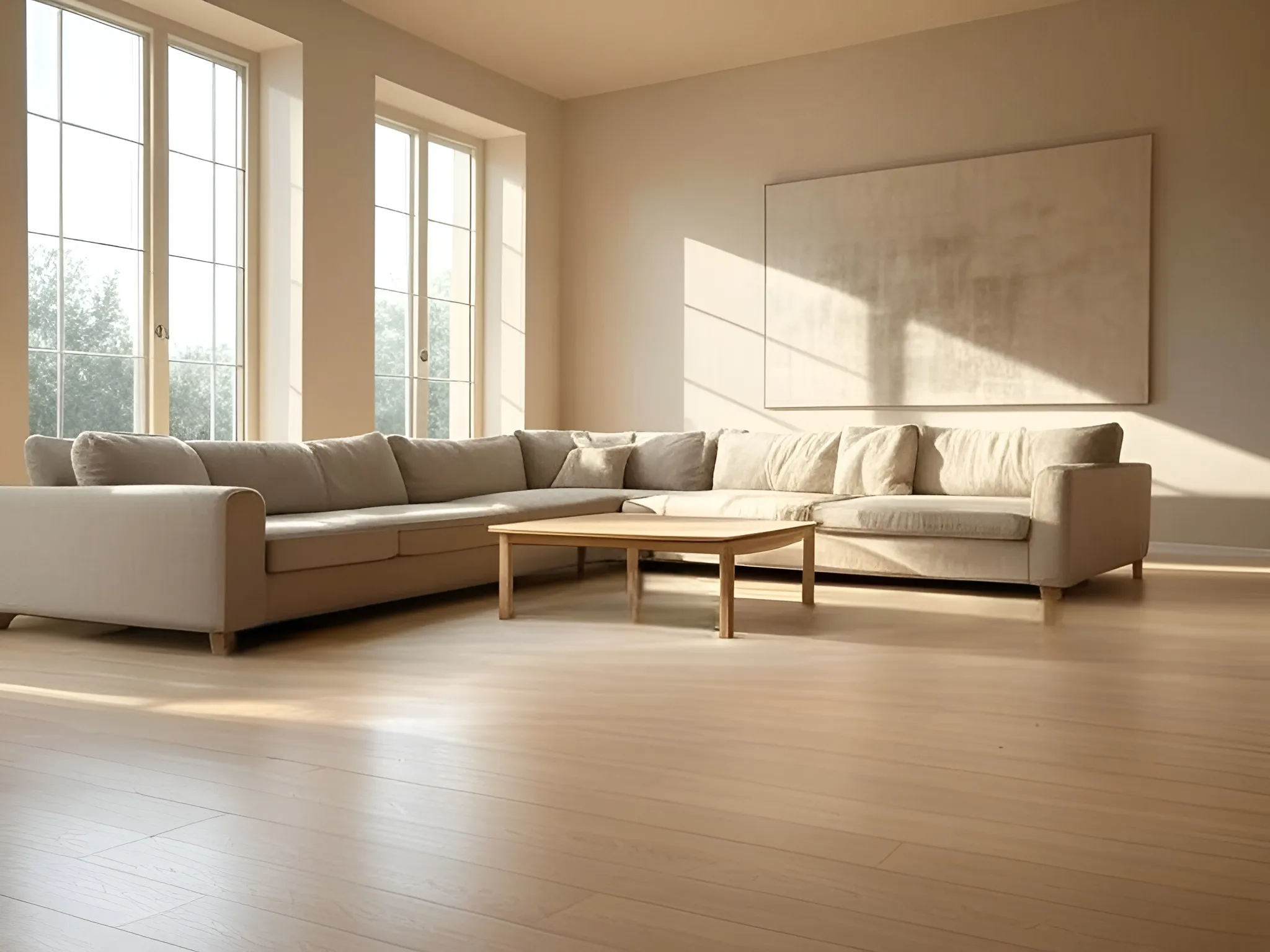
    5. New Flooring Can Change the Whole Feel of a Home

    Old carpet, cracked tile, or mismatched flooring can drag down an otherwise nice house. Flooring is one of those things buyers notice right away, even if they cannot always explain why the home feels dated.

    Luxury vinyl plank, engineered hardwood, hardwood flooring, and modern tile are all popular options, depending on the home and the price point.

    The biggest thing is consistency. A house with flooring that flows well from room to room often feels more polished than a house with a different material in every space.

    6. Energy-Efficient Upgrades Are Becoming More Important

    Buyers are paying more attention to monthly costs. A home that looks good is one thing. A home that is cheaper and more comfortable to run is even better.

    Energy-efficient windows, better insulation, smart thermostats, LED lighting, updated HVAC systems, and efficient appliances can all help.

    Not every buyer will sit down and calculate the exact savings, but most people like the idea of lower utility bills. These upgrades can also make the home feel more modern.

    7. Outdoor Living Space Still Has Real Appeal

    You do not need a resort-style backyard to make outdoor space valuable. A simple, usable backyard can be enough.

    A clean patio, a better deck, a seating area, a fire pit, shade, and low-maintenance landscaping can make the home feel larger because they extend the living space outside.

    The best outdoor upgrades are the ones people can actually picture using. A place to drink coffee, grill dinner, sit with friends, or let the kids play will usually matter more than an expensive feature that only looks good in photos.

    8. A Dedicated Home Office Can Help the Right Buyer Say Yes

    Remote and hybrid work changed what a lot of buyers look for. Not everyone needs a full office, but many buyers want at least one quiet, usable space where they can work.

    That could mean turning a spare bedroom into an office, adding built-in storage, improving lighting, or making sure the room has strong internet access.

    The space does not have to be fancy. It just needs to feel practical. A buyer should be able to walk in and immediately understand how the room could work for daily life.

    9. Primary Bedroom Updates Are More About Comfort Than ROI

    A primary bedroom can help sell the feeling of the home. Buyers want a space that feels calm, comfortable, and separate from the busier parts of the house.

    That said, this is not always the place to spend heavily if your only goal is return on investment. Smaller updates usually make more sense.

    Many homeowners are also investing innovative sleep comfort systems to create a more luxurious bedroom experience. Fresh paint, better lighting, updated window treatments, improved closet organization, and a more comfortable sleep setup can make the room feel more finished without turning it into an expensive remodel.

    10. Basic Maintenance May Matter More Than Anything Else

    Some of the most important home improvements are the least exciting.

    A new roof, an updated HVAC system, plumbing repairs, electrical work, foundation repairs, and water damage remediation may not give you a dramatic before-and-after photo. But buyers absolutely care about them.

    Big maintenance problems scare buyers because they see future bills. A house with solid systems feels safer, cleaner, and easier to move into. That can be just as important as a beautiful kitchen or fresh paint.

    The Bottom Line

    The home improvements with the best return on investment are usually practical. They improve how the home looks, how it functions, or how confident a buyer feels about the property.

    Instead of chasing the most expensive trends, focus on the things buyers notice right away: curb appeal, kitchens, bathrooms, paint, flooring, energy efficiency, outdoor space, and basic maintenance.

    A good renovation does not have to be flashy. It just has to make the home feel cleaner, easier to live in, and better cared for. That is usually where the real return is.

  • 15 Clever Ways to Upgrade Your Home on Any Budget in Australia

    I have spent years helping homeowners figure out which upgrades actually make a difference. Most people spend heavily on cosmetic changes when simple fixes could cut their bills and boost comfort. Use these ideas to choose projects that deliver real results, whether you have a few hundred or tens of thousands to spend.

    Why These Upgrades Work So Well in Australian Homes

    Australia’s harsh UV and climate extremes mean certain upgrades pay off much faster here than in milder countries. I have organized the ideas into Save, Smart, and Splurge tiers so you can start small and scale up when ready. Where it matters, you will see notes on National Construction Code rules and Water Efficiency Labelling and Standards ratings so your plans stay compliant.

    What You Will Get From This Guide

    • Fifteen high impact projects, from quick weekend jobs to larger renovations
    • Budget options for each idea, so you can start with the lowest cost fix
    • Clear pointers on when to DIY and when to call licensed trades

    Seal and Insulate First for Maximum Savings

    Stopping air leaks before adding insulation is the single smartest move you can make. Ceilings and roofs account for about 25 to 35 percent of winter heat loss, so ceiling insulation gives you the biggest gain. Air leakage alone can add 15 to 25 percent to your heating bills.

    Save Tier

    • Install quality door and window seals, especially on older timber frames
    • Seal gaps with caulk or silicone at skirting boards and around service penetrations
    • Use an incense stick or smoke pencil on windy days to spot hidden drafts

    Smart Tier

    Top up ceiling batts to climate appropriate R values, which measure how well insulation resists heat flow. Insulate suspended timber floors, and add sealed attic hatches so warm air cannot escape into your roof space.

    Splurge Tier

    Add wall insulation during recladding projects, when the framing is already exposed, and commission a blower door test to pinpoint exactly where you are losing air. Plan for controlled make up ventilation if you achieve very low leakage rates, so the house stays healthy as well as efficient.

    Upgrade Your Lighting for Fast Payback

    LED lighting upgrades usually pay for themselves in under a year. LEDs use about 75 percent less energy than halogen bulbs and last five to ten times longer. Map your circuits before swapping fittings, and choose reputable brands with clear colour and lumen specifications.

    Quick Wins

    • Replace halogen globes with LED lamps that match the same base type
    • Choose warm white for living spaces and cool white for kitchens, laundries, and studies
    • Add motion sensors in garages, hallways, and outdoor entries so lights switch off automatically

    The Fast Kitchen Facelift

    You do not need to gut your kitchen to make it feel new. Keep the layout and refresh high touch surfaces to control costs while improving daily usability. Induction cooktops transfer energy at roughly 85 percent efficiency, compared with about 32 percent for gas.

    Save Tier

    Deep clean and repaint cabinet doors using a coating system suited to laminate or timber. Swap tired handles, refresh grout, and add LED strips under cabinets for an instant visual lift.

    Smart Tier

    Replace the benchtop, sink, and mixer. Fit soft close hinges, and upgrade to an induction cooktop on adequate electrical circuits. Convert to a ducted rangehood that vents outside for better air quality.

    Splurge Tier

    This tier suits homeowners ready to invest a bit more in function. Order new doors and drawer fronts on existing carcasses for a near new look. Bundle mid range appliances, and measure carefully for benchtop templates. Melbourne renovators who want design led help without committing to a full gut can explore kitchens Melbourne from Mint Kitchen Group. You get custom storage, durable finishes, and project management from design through to installation.

    Bathroom Refresh That Saves Water

    Targeted fixture and ventilation upgrades cut water and energy bills and prevent moisture damage. Australia’s WELS program estimates bill savings of about 243 dollars a year for a four person home that upgrades to efficient fittings. Always ventilate to the outside with an exhaust fan that is large enough to prevent mould. This also helps prevent damp smells from building up in adjoining bedrooms and halls.

    Quick Wins

    • Fit WELS 4 to 6 star shower heads and basin mixers to cut water use
    • Replace silicone around trays and basins, and upgrade to bright, low glare LED lighting
    • Install an exhaust fan ducted outside with a run on timer so it keeps clearing steam after showers

    Exterior Repaint and Street Appeal

    Australia’s extreme UV levels mean proper surface preparation and UV stable coatings are essential for a long lasting finish. Light coloured, reflective surfaces lower heat gain and support your insulation. Check heritage overlays and bushfire attack level requirements before starting any facade work.

    When to Hire a Professional

    Two storey work, heritage homes, or extensive prep usually justify professional painters with proper safety equipment. Ask for a written specification that details prep levels, primers, coats, and brand lines. If you are in SA and want UV stable prep and coatings tuned to local conditions, speak with AJ Blunt Painting’s exterior painters Adelaide for a quote and heritage safe colour advice.

    Better Glazing and Shading

    Improving glazing and shading turns your windows from energy leaks into assets. Up to 40 percent of heating energy can be lost, and up to 87 percent of unwanted heat is gained through glazing. Double glazed windows reduce heat loss by up to 30 percent compared with single glazing.

    Add exterior awnings to west and north facing windows for summer comfort. Use close fitted blinds with pelmets to trap a still air layer in winter. For best results, specify double glazing with low emissivity coatings and thermally broken frames that reduce heat transfer through the metal. Thoughtful window treatments here often transform both comfort and the way rooms feel and photograph.

    Cooling and Heating That Costs Less

    Ceiling fans make rooms feel about 3 degrees cooler, yet cost around 2 cents per hour to run. Reverse cycle heat pumps, which can both heat and cool, deliver three to six times the heat output per unit of electricity compared with resistive heaters. Choose the right diameter fan for your room, and use winter reverse mode to push warm air back down from the ceiling.

    Hot Water That Sips Power

    Hot water often represents about a quarter of household energy use. Heat pump water heaters use roughly 30 percent of the energy of conventional electric storage units. Insulate exposed hot water lines, especially in unconditioned spaces, and replace end of life units with heat pumps to claim available Small Scale Technology Certificates.

    Once services are efficient and reliable, you can shift focus to how your home looks and weathers outside.

    Frequently Asked Questions

    What order should I tackle projects with a limited budget?

    Start with sealing, LED upgrades, and bathroom exhaust improvements. These deliver the fastest comfort improvements per dollar spent. Add ceiling fans and insulation next, before moving to larger projects.

    Which upgrades help most in Adelaide’s heat versus Melbourne’s cold?

    Adelaide homes benefit most from shading, ceiling fans, and lighter external colours. Melbourne should prioritise insulation, draught sealing, and double glazing. Both climates benefit from heat pump hot water and LEDs.

    Do I need council approval for a deck or repaint?

    Simple repaints usually need no permit, but heritage overlays can control colours. Decks typically require permits if they are elevated or in bushfire prone areas. Always confirm requirements with your local council first.

    How do I check for asbestos before starting work?

    Homes built or renovated before 1990 may contain asbestos. Never drill or sand suspect materials. Arrange sampling by a competent person, such as a licensed asbestos assessor, and use licensed removalists for any confirmed asbestos.

  • A Complete Guide to Pre-Listing Home Improvements

    Selling your home is more than just sticking a “for sale” sign out front and hoping for the best. Most people wonder if they should redo the kitchen, fix up the bathrooms, or just make the front of the house look nicer before listing. Knowing which projects actually get you the most bang for your buck can save you from wasting time and money on stuff buyers don’t really care about or won’t pay more for. Lately, some renovations have been shown to pay off way better than others when it’s time to sell. Here are the upgrades that’ll really help your place stand out and bring in serious buyers—and hopefully, top dollar.

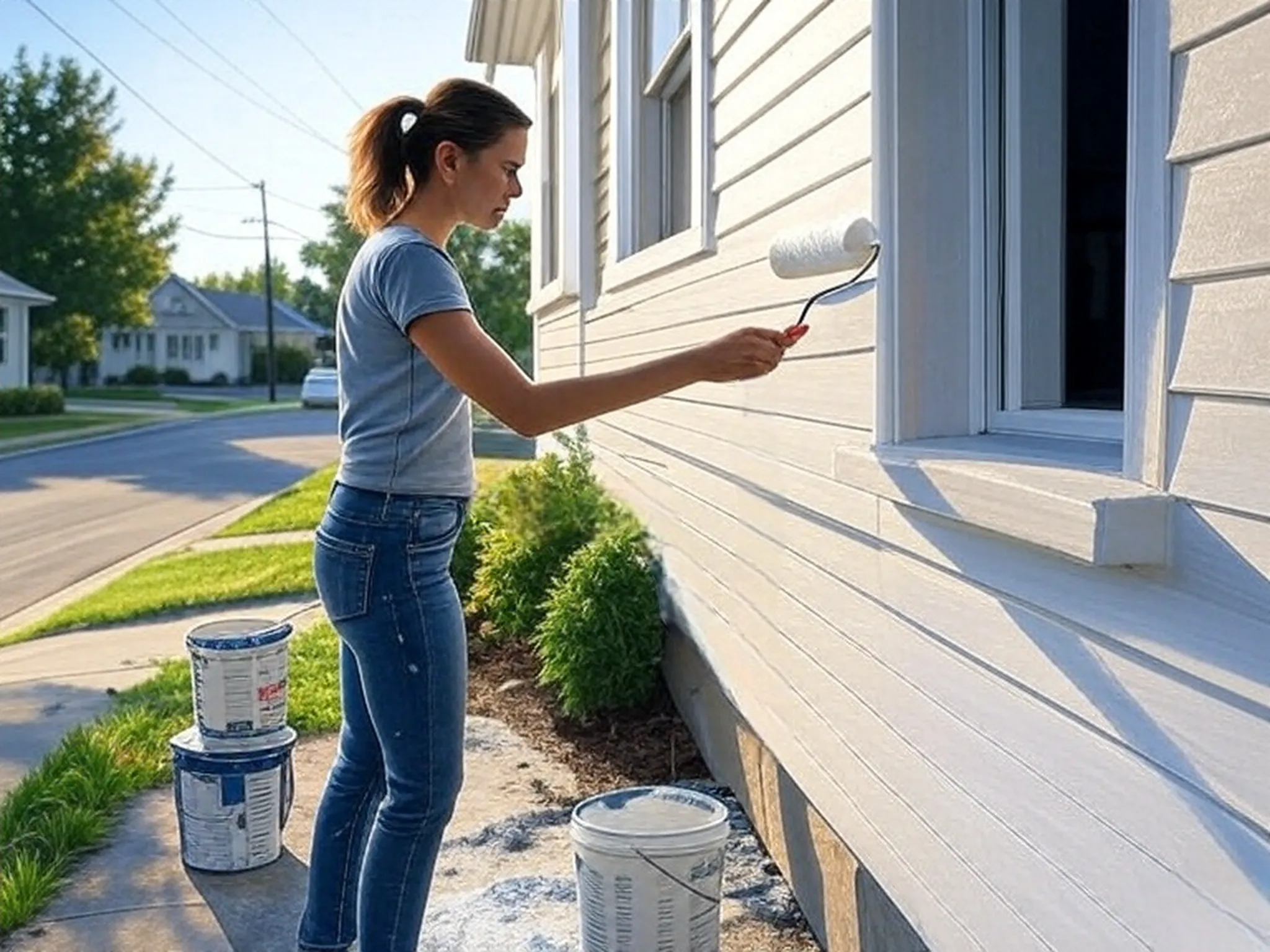
    1. Paint Your Home’s Exterior

    The first thing buyers notice is how your house looks from the outside, so exterior house painting can make a huge difference. It really makes your place look clean and well taken care of. Same goes for the inside—painting the walls can totally change the vibe and help buyers picture themselves living there. You don’t have to spend a ton either; just picking the right colors can make your home way more appealing without breaking the bank.

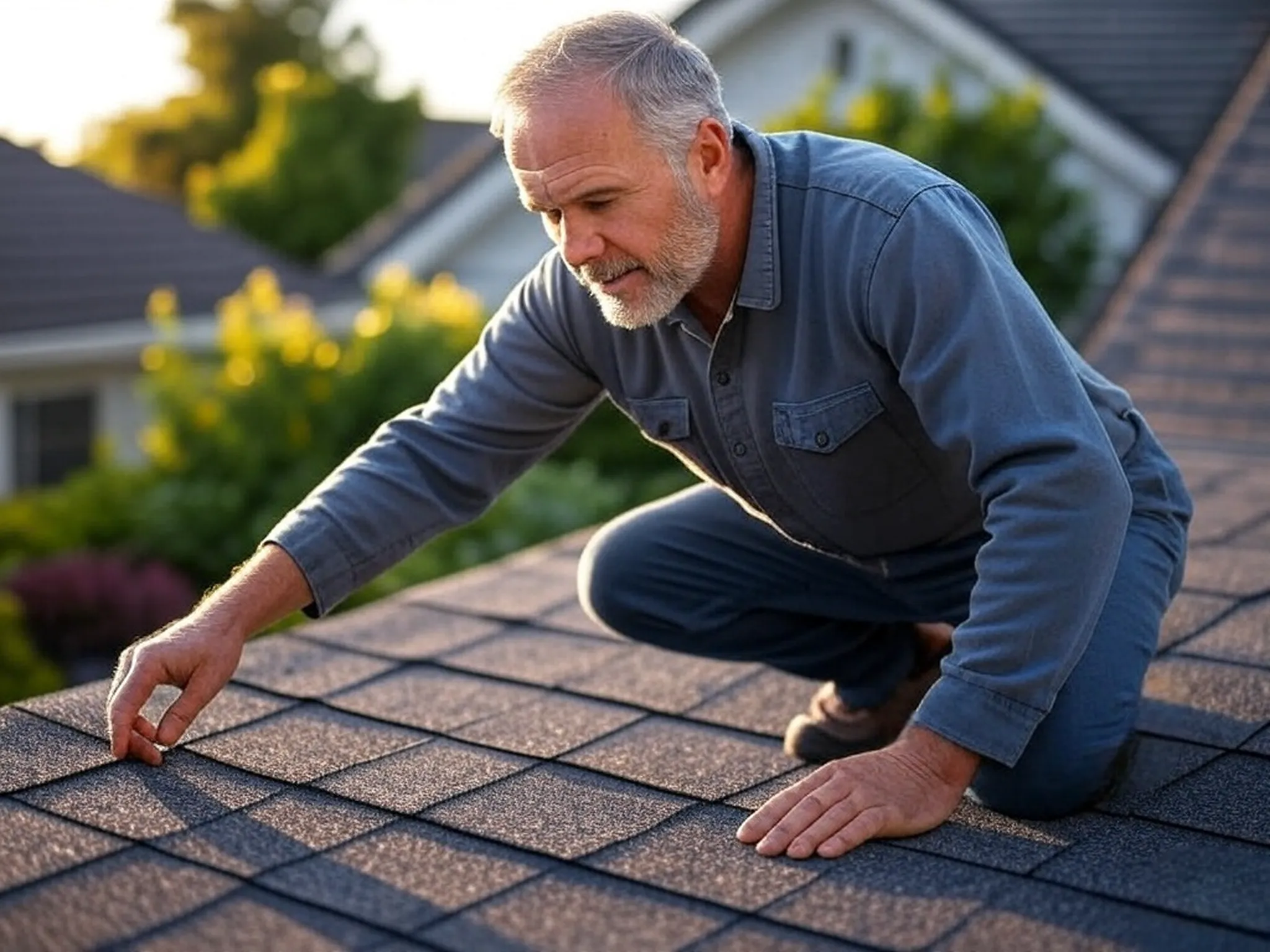
    2. Clean Up and Check Your Roof

    Before you put your house up for sale, make sure to check your roof for any issues—like missing shingles, moss, or dark spots. If buyers see stuff like that, they’ll probably worry about having to fix the roof soon. Taking care of roof repairs now saves you trouble later and keeps home inspectors from flagging anything. Even just getting the roof professionally cleaned can make it look way newer. Buyers will feel a lot better knowing they won’t have to deal with roof problems right after they move in.

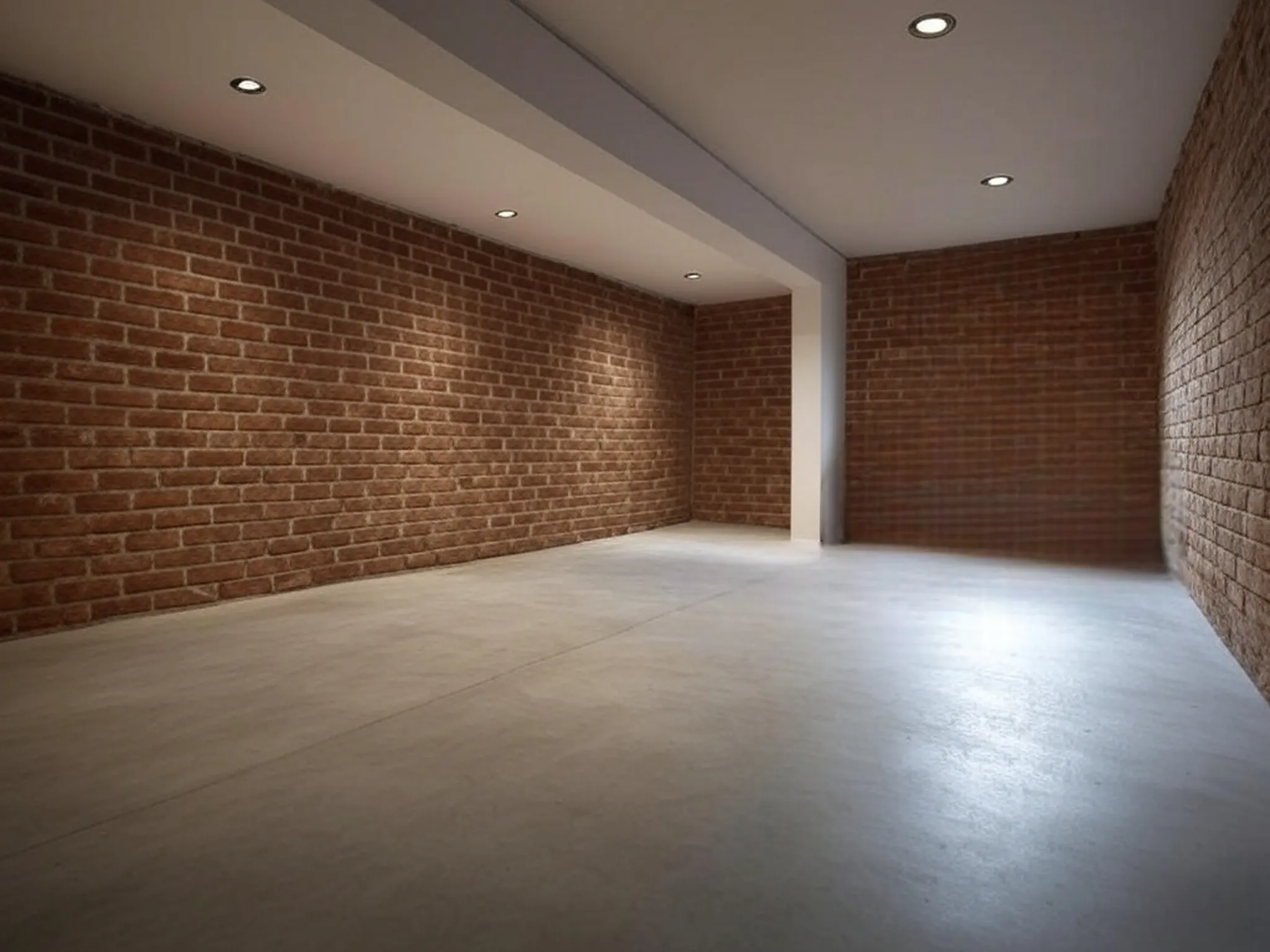
    3. Make Sure Your Basement Is Dry

    If your basement smells musty or feels damp, most buyers will walk away fast. Stuff like water stains, mold, or weird spots on the walls are big red flags. With professional basement waterproofing, you are protecting the foundation and preventing future issues like mildew or rot. Plus, a dry basement means more space that actually feels usable, and it shows buyers you’ve taken good care of the place. It also makes the air in your house a lot healthier.

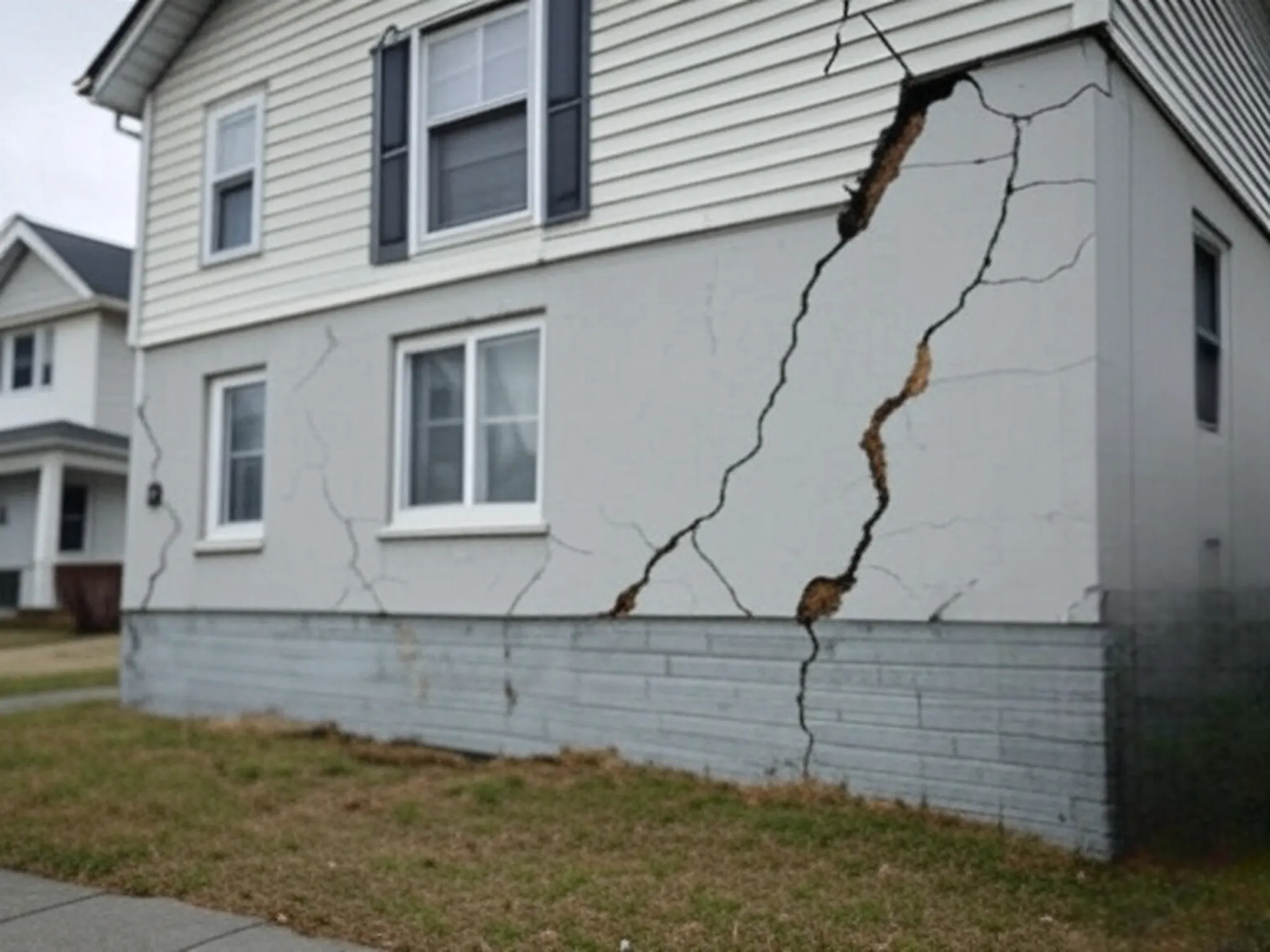
    4. Fixing Foundation Issues

    Foundation issues are a huge red flag for buyers—they’ll run if they see cracks in the walls, doors that won’t close right, or floors that feel uneven. Fixing the foundation is super important, and you might need to waterproof the basement too. It’s a good idea to get a pro to check it out so you know exactly what needs fixing. Taking care of these problems up front can save you from having to drop your price later and makes your home way more attractive to buyers.

    5. Get Rid of Pests

    Nobody wants to buy a house that has bugs or mice. Even if you don’t see any during a showing, things like droppings or bug traps can freak people out. It’s smart to get your place treated for pests and block off any spots where they might get in. Having a pro come out before you list your home gives buyers peace of mind and keeps everything clean for showings. People are way more likely to make a good offer if they know the house is pest-free.

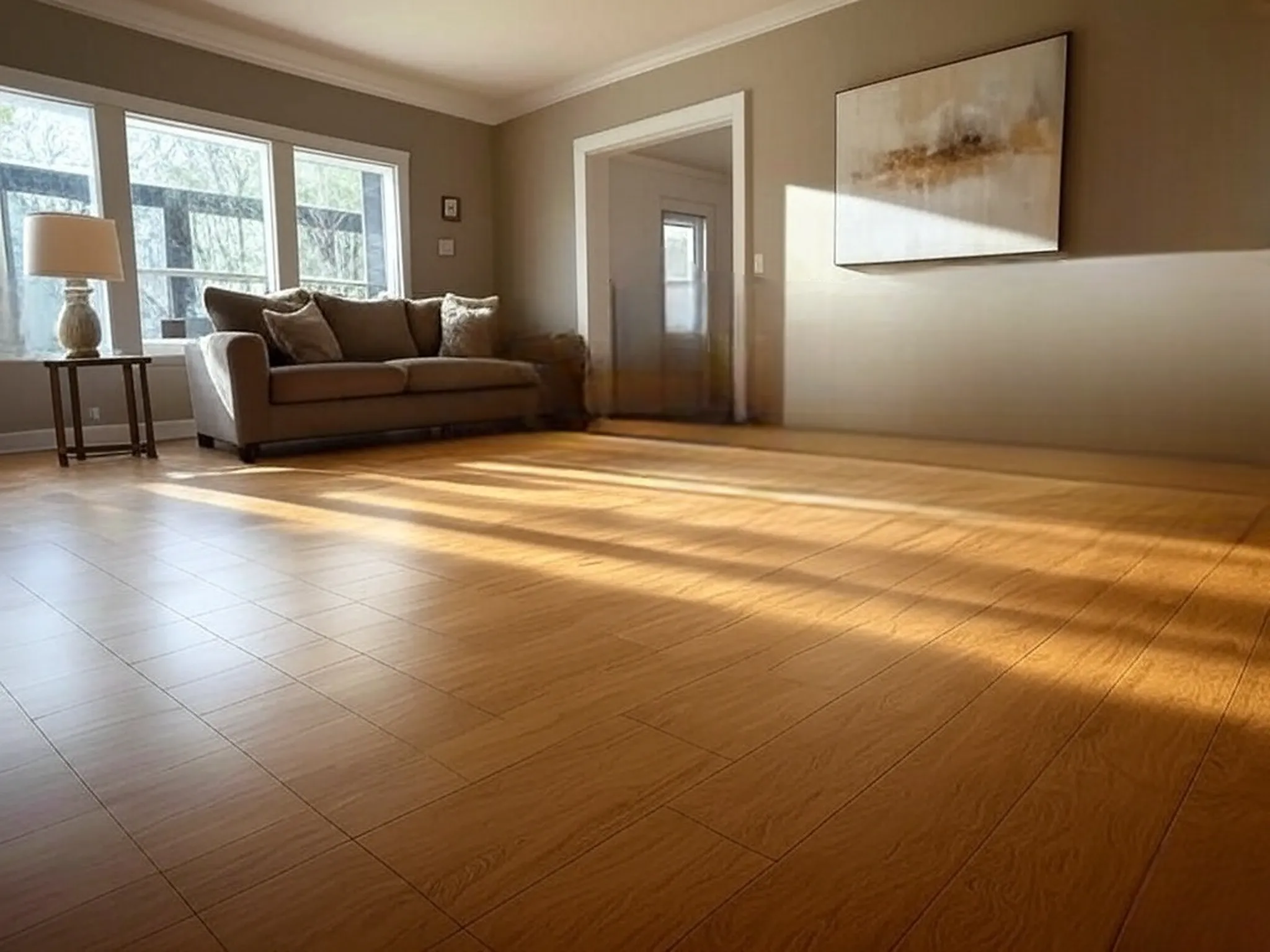
    6. Put In New Floors

    Old, stained, or worn-out floors can make your whole house feel dated. Putting in new flooring is an easy way to instantly update your place and make it look a lot more inviting. Hardwood is usually the top pick for most buyers since it looks great and lasts forever. Other options like marble, granite, or tile all have their own style and care needs, too. The right flooring can even make rooms look bigger and brighter, and really catch buyers’ eyes. Upgrading your floors is one of those fixes that can pay off big when you sell.

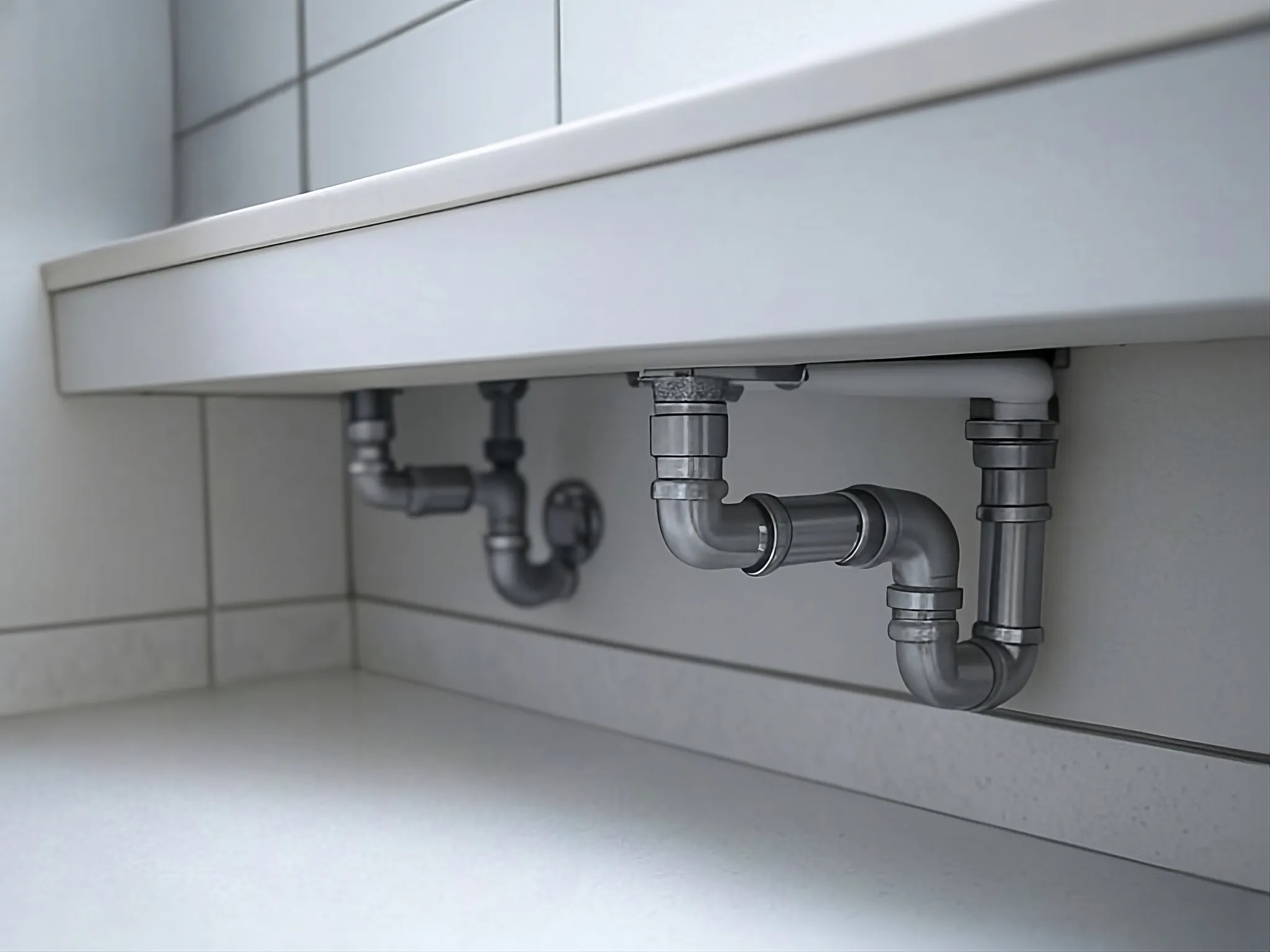
    7. Take Care of the Plumbing

    Buyers love to test the water pressure and peek under sinks during a showing. If they see things like low pressure, slow drains, or leaks, they’ll start to worry there are bigger problems hiding. Fixing any obvious plumbing issues and updating old faucets or fixtures can make your home feel newer and more solid. Plus, good plumbing helps you ace the home inspection. It’s one of those small details that really shows buyers you’ve taken care of the place.

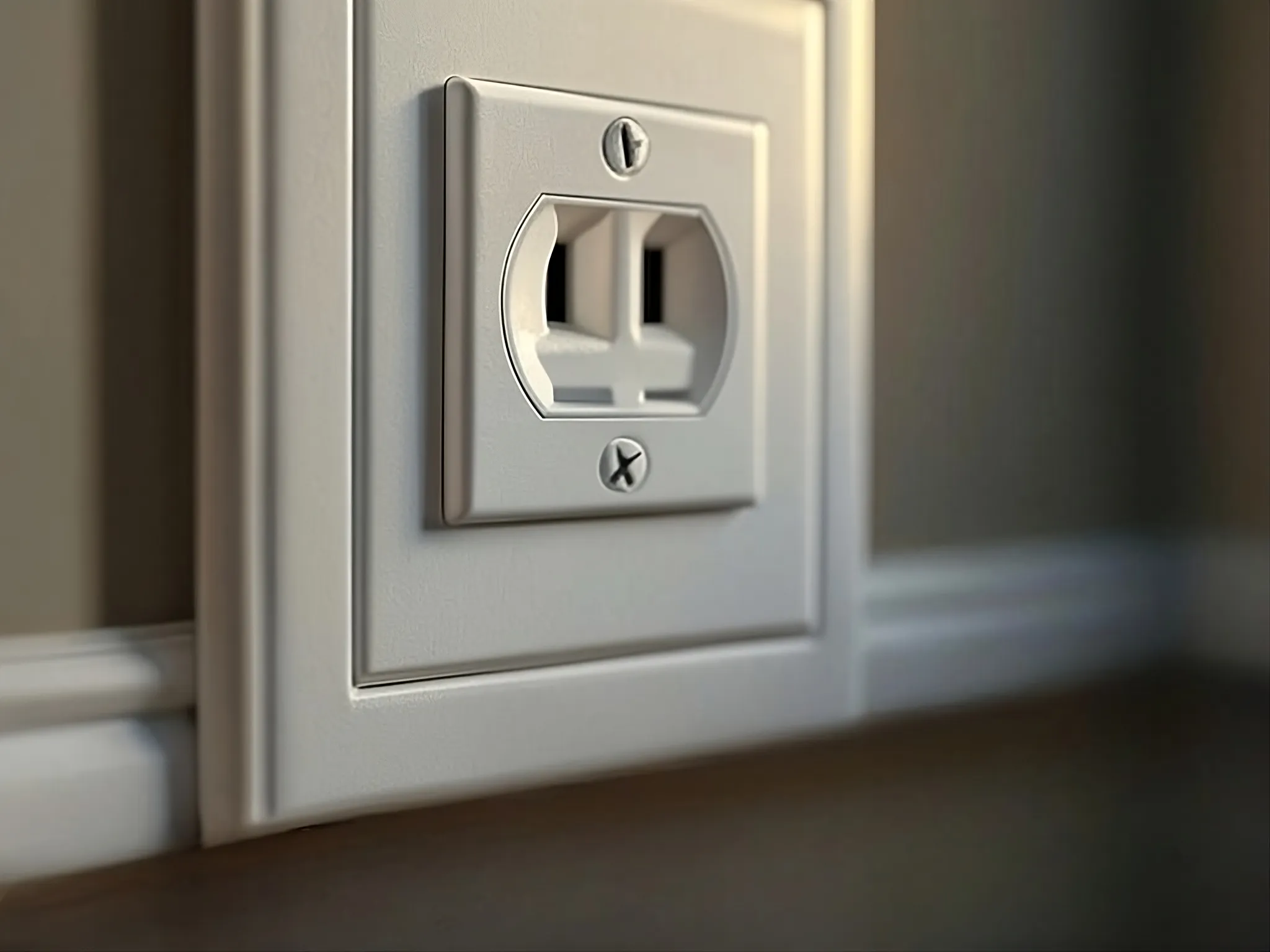
    8. Update the Electrical

    Electrical stuff is something buyers really care about—they want to know the house is safe and everything works like it should. Little things, like a flickering light or a dead outlet, are easy to fix and show buyers you’ve kept up with maintenance.

    If your place is older, you might need to update the wiring so everything’s safe and up to code. It sounds like a big job, but it can really boost buyer confidence. Little upgrades—like adding more outlets or swapping in new light fixtures—also make your home look way more modern and help you breeze through the inspection.

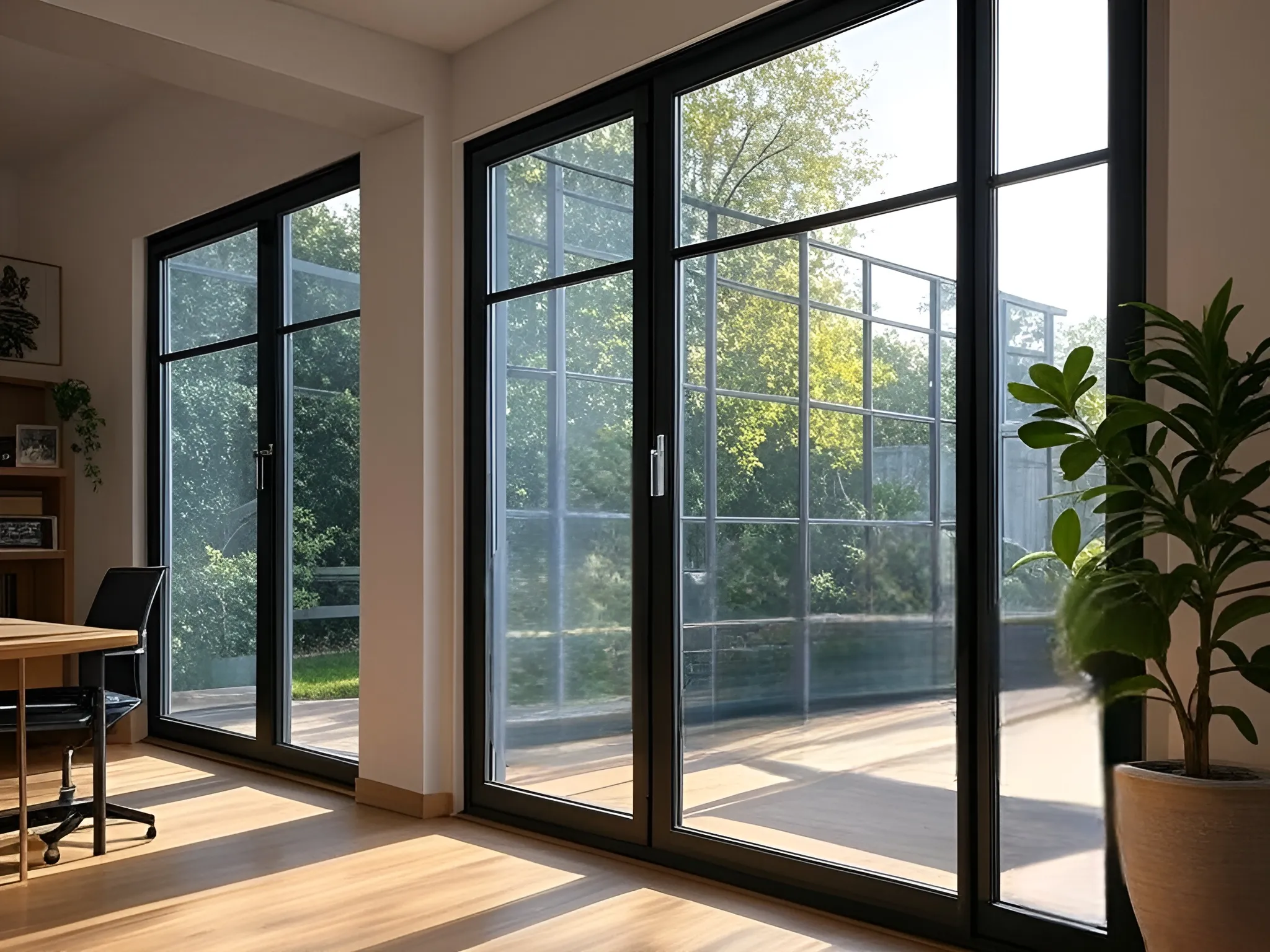
    9. Replacing Windows

    Swapping out old windows for energy-efficient has several advantages, especially for buyers who care about saving money on bills. Getting them professionally installed means you don’t have to worry about drafts or leaks. Plus, new windows help keep your home comfy all year and can actually lower your energy costs. If you pick styles that match the look of your house, it’ll all come together and make your place look even better.

    10. Remodel Your Kitchen

    Kitchen makeovers almost always pay off, since the kitchen is really the heart of the home. Even simple updates—like new countertops, fresh cabinets, or better lighting—can totally change how your kitchen feels and make it way more appealing to buyers. These days, people want kitchens that are great for cooking and hanging out, with open layouts and plenty of counter space. A pro can help you get the most out of whatever space you have. Even small changes in the kitchen can make a huge difference in how buyers see your home—and how much they’re willing to pay for it.

    11. Upgrade the Bathroom

    A nice bathroom can really help buyers fall in love with your home. Swapping out old fixtures, adding some stylish finishes, or putting in better storage can turn a boring bathroom into a relaxing spot. Even little upgrades—like a rain showerhead or good lighting—can make the space feel much more comfortable and a bit fancy. And if your bathroom’s on the small side, smart changes can help it feel bigger and way more inviting.

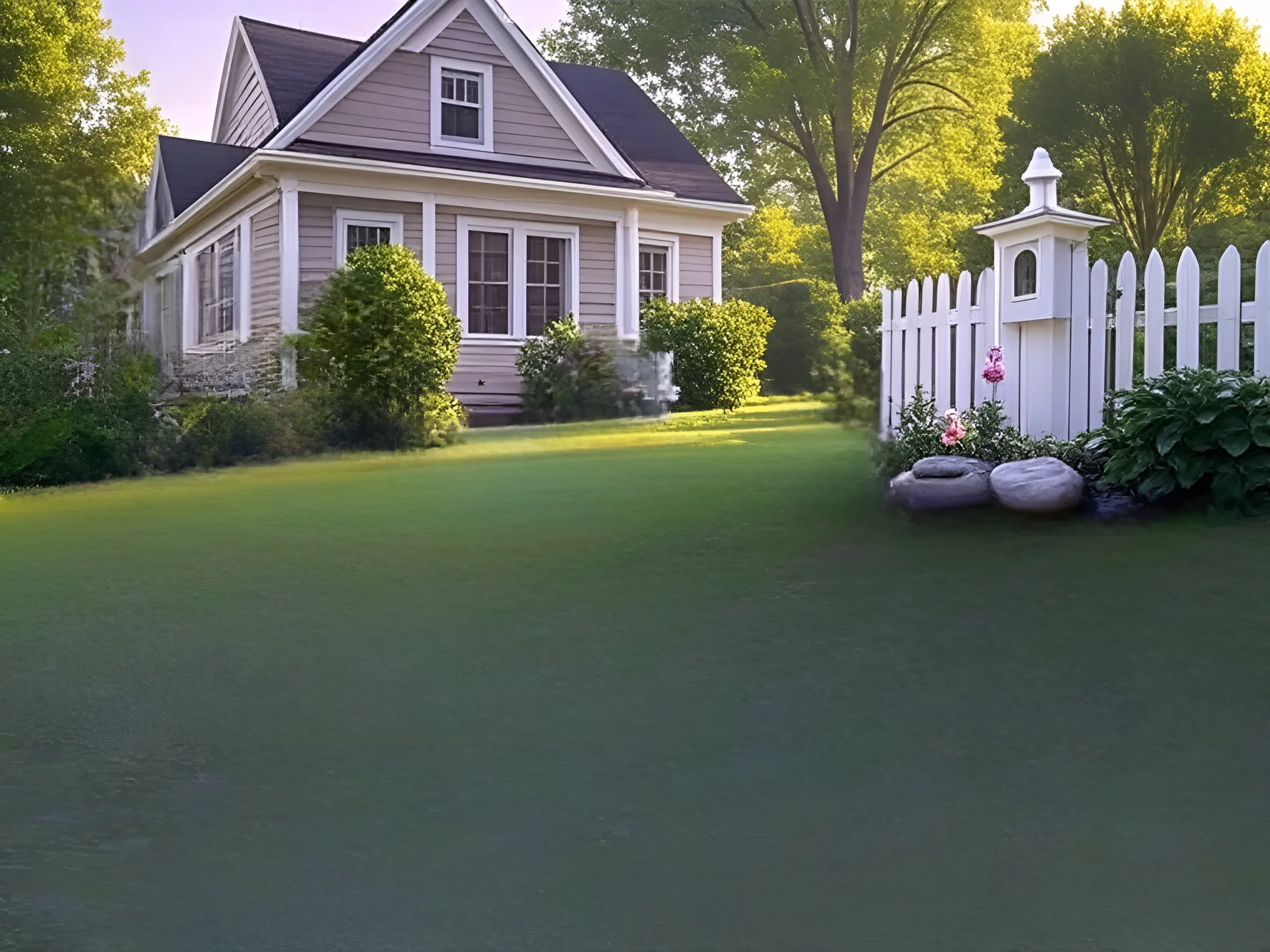
    12. Proper Landscaping

    First impressions really matter, and your yard is the first thing buyers see. Keeping the lawn mowed, bushes trimmed, and walkways clear goes a long way in making your place look inviting. If you bring in a pro, they can design a great-looking yard that’s also easy to take care of. Regular yard work keeps your home looking its best for every showing. Remember, buyers decide how they feel about your place in just a few seconds—so great curb appeal can make all the difference.

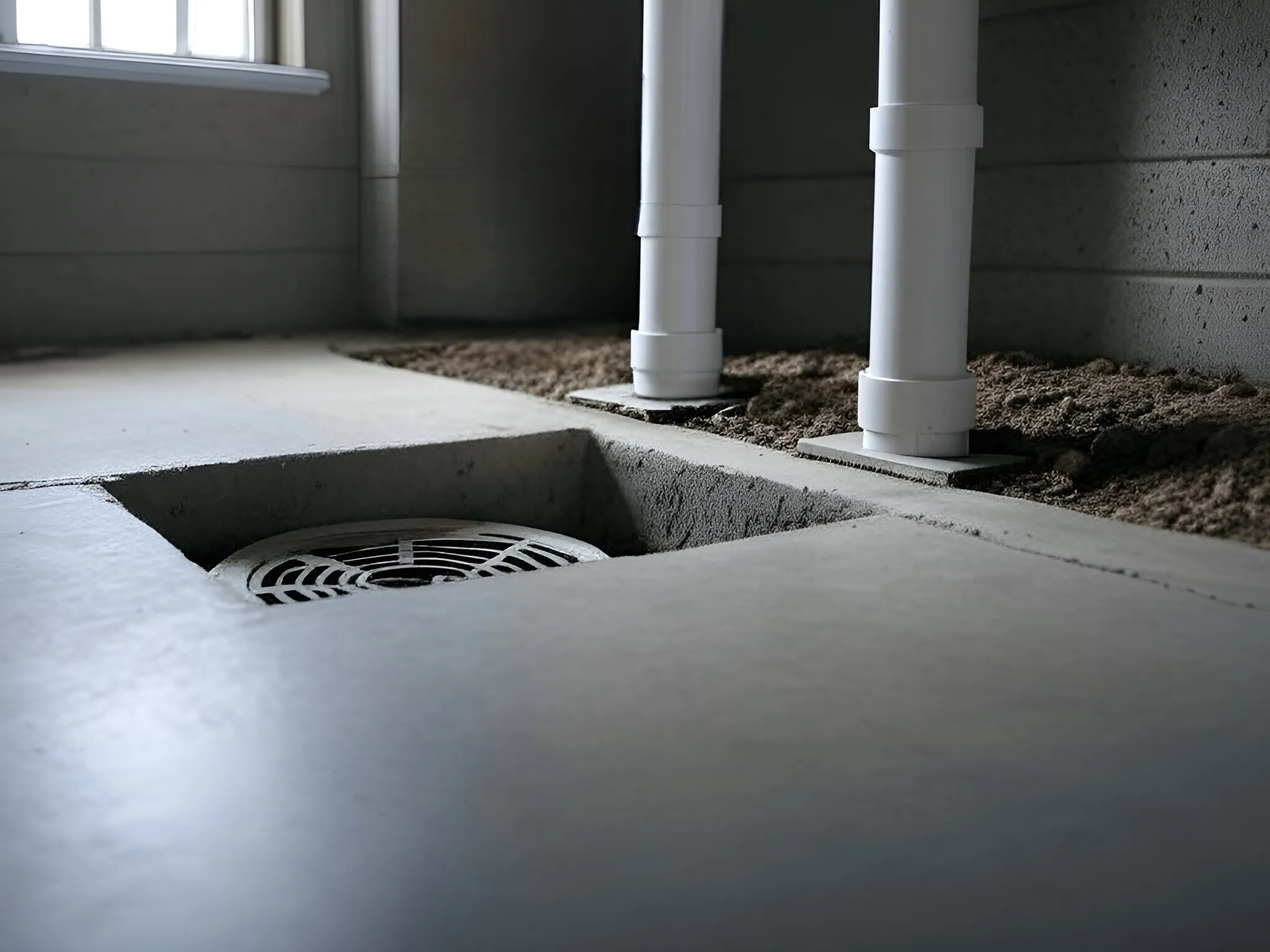
    13. Maintain Proper Drainage

    If you notice water pooling near your house, it usually means the drainage isn’t great—and that can be bad news for your foundation. Make sure your gutters and downspouts are clear and actually direct water away from the house. Sometimes you might need to regrade the yard so water naturally flows away. Things like grading, French drains, or a sump pump all help keep water from collecting around your foundation. When buyers see good drainage, it tells them the home’s been well cared for over the years.

    14. Decluttering and Cleaning

    Remove extra furniture, storage boxes, and personal items so your home feels more open and makes it easier for buyers to picture themselves living there. When everything’s clean—including baseboards, vents, and light switches—the whole place feels fresh and new. Keeping rooms neutral and free of personal touches gives buyers a blank slate to work with. Plus, a tidy, clutter-free home always looks better in listing photos.

    15. Lighting Upgrades

    Swap out old light fixtures for something more modern to freshen up your rooms. Check that all the bulbs work and sort out any little electrical issues—these small fixes really show you’ve looked after the place. Natural light is always a win, but don’t forget how much good lighting helps. Daylight bulbs (5000K–5500K) can really brighten things up and set a nice mood. Mix up your lighting—overhead, lamps, and accent lights—for a balanced look. Smart lights are a nice touch, and make sure the outside is well-lit too. Great exterior lighting makes your home look inviting right from the curb.

    The Better You Prep, the Better You Sell

    After getting your home ready, it’s time to find an agent you trust. A good agent makes selling much easier, gives you straight advice about what’s worth fixing, and takes care of everything—from marketing to showings and handling offers. Choose someone who understands your goals and knows your area well.

    The better you prepare, the better your home will sell. A little effort goes a long way—smart upgrades and a well-kept space make your place stand out, attract serious buyers, and can even boost your sale price. Good prep means less time on the market and a smoother selling process overall.