Tag: home improvement

  • Boost Your Property’s Value With These 9 Stunning Landscaping Ideas

    Landscaping is more than just making your yard look pretty; it can significantly boost the value of your property. It plays a vital role in how potential buyers and guests perceive your property. It’s a simple fact: curb appeal matters, and investing in landscaping can yield a fantastic return on investment.

    In this article, we’ll explore nine landscaping ideas that can transform your property and increase its value. 

    1. Create a Welcoming Entrance

    First impressions are everything, and the entrance to your home sets the tone for the rest of your property. A well-designed and maintained entryway gives off an immediate sense of warmth and care.

    • Add a Decorative Front Door: A fresh coat of paint or a unique design on your front door can immediately make your home feel more inviting. Consider bold colors that complement the rest of your home’s exterior.
    • Install Pathways and Lighting: Simple stone pathways or a paved walkway can add a charming and welcoming touch. Install lights along the path to make the entrance stand out even at night.
    • Add Potted Plants or Flower Boxes: Decorative plants at the entrance make it feel lively and welcoming. Use a mix of seasonal flowers or low-maintenance plants that add color and texture.

    2. Build A Stunning Garden Area

    A well-maintained garden brings beauty, color, and freshness to your property. Gardens add life to your space and can be a major selling point for potential buyers who enjoy outdoor activities.

    • Plant a Variety of Flowers and Shrubs: Include a variety of flowers that bloom throughout the year to ensure constant color. Pair these with evergreen shrubs to create a balance of colors in every season.
    • Use Raised Beds: Raised garden beds are a great way to add visual interest while also improving soil quality. These structures help create an organized and well-kept appearance.
    • Incorporate Native Plants: Native plants are not only beautiful but also low-maintenance. They are well-suited to the local climate and attract wildlife, such as butterflies and birds.

    3. Add Water Features To Your Landscape

    Water features are an exceptional way to create a peaceful ambiance in your outdoor space. They can add a touch of luxury and calmness to your landscape, and there are a variety of styles to choose from.

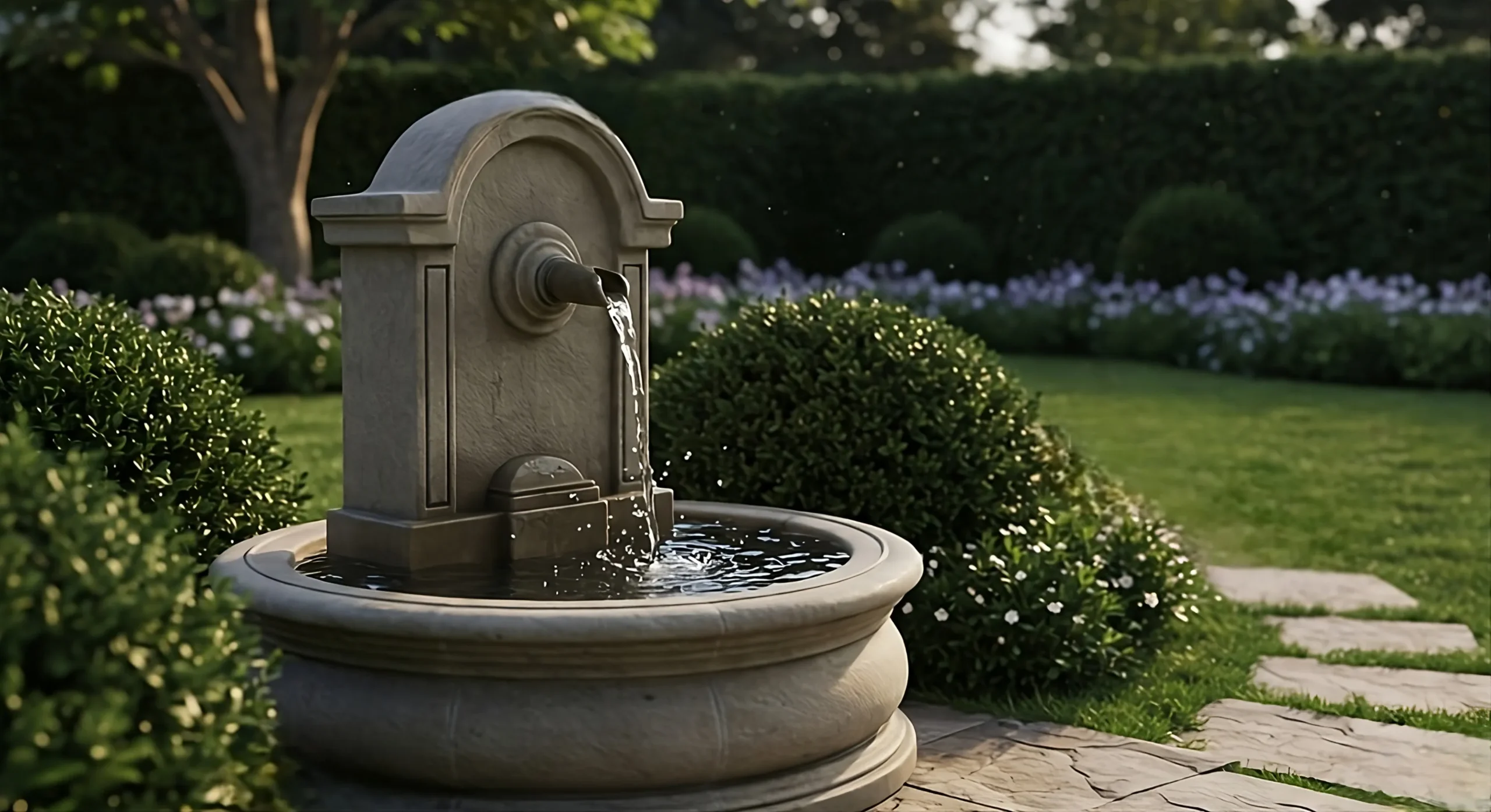
    • Install a Fountain: A fountain can bring a sense of tranquility with the soothing sound of running water. For ponds or larger water features, floating fountains add graceful spray patterns while improving water circulation and visual appeal.
    • Create a Pond: Adding a pond with koi fish or water lilies creates an elegant and serene atmosphere. Ponds are often the centerpiece of a landscape, making them a great way to attract attention.
    • Get Quality pond kits: If you’re thinking about adding a pond, consider pond kits from Your Pond Pros. These kits have everything you need to create a stunning water feature, including filtration systems and pumps.

    4. Plant Trees For Shade And Beauty

    Trees are a valuable addition to any landscape. They provide shade, improve air quality, and add long-term value to your property.

    • Plant Shade Trees: Plant trees that provide shade in your backyard. Large trees, such as oaks and maples, can help cool your home in the summer and reduce energy bills.
    • Use Ornamental Trees: Consider planting ornamental trees that bloom seasonally for added beauty. Trees like dogwoods or cherry blossoms add stunning color to your landscape.
    • Plant Fruit Trees: Fruit trees like apple, peach, or lemon trees not only provide shade but also the potential for fresh, homegrown fruit. These trees are perfect for a functional and beautiful landscape.

    5. Create Defined Outdoor Living Spaces

    Defined outdoor living spaces extend your home’s usable square footage and offer a great way to entertain and relax.

    • Build a Deck or Patio: A well-built deck or patio gives you a designated outdoor space for dining, lounging, or entertaining guests. You can personalize this area with comfortable furniture and accessories.
    • Install a Fire Pit: Fire pits add warmth and ambiance to your outdoor space. They are great for socializing and can be used year-round for cozy evenings under the stars.
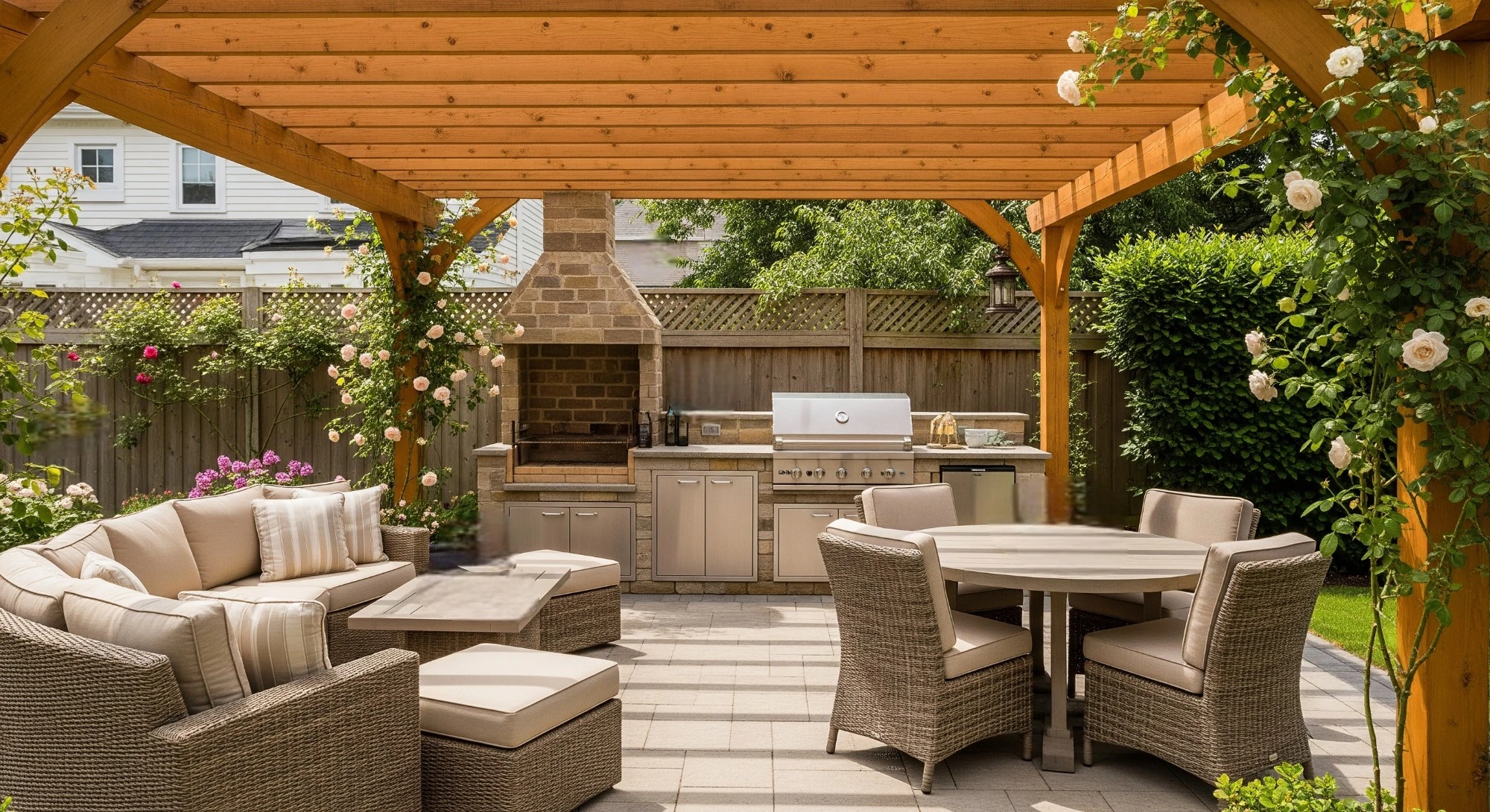
    • Add Outdoor Kitchens or Bars: Consider installing an outdoor kitchen or bar if you enjoy cooking or entertaining. These features create a functional space that allows you to host barbecues and parties without leaving the comfort of your yard.

    6. Improve Lawn Care And Maintenance

    A well-maintained lawn is one of the easiest ways to enhance your property’s curb appeal. A lush, green lawn shows that you care about your property and invest in keeping it in good shape.

    • Regular Mowing And Trimming: Keep your lawn neat by mowing it regularly and trimming the edges. A manicured lawn helps create a polished look that appeals to potential buyers.
    • Fertilize And Water Consistently: Fertilize your lawn to ensure it stays healthy and vibrant. Consistent watering and proper drainage are key to maintaining a thick, green lawn.
    • Add Sod or Grass Seed: If your lawn has bare patches, consider laying down sod or seeding the area. This will help fill in any gaps and create a lush, full lawn.

    7. Use Colorful And Creative Outdoor Lighting

    Outdoor lighting doesn’t just serve a functional purpose; it also adds drama and appeal to your property. It can make your home look more inviting and highlight the best features of your landscape.

    • Install Landscape Lights: Use low-voltage landscape lighting to illuminate paths, gardens, and trees. This will not only improve safety but also enhance the beauty of your property at night.
    • Add Spotlights for Trees or Water Features: Spotlights can highlight trees, sculptures, or water features, creating a dramatic focal point after dark.
    • Use String Lights: String lights are an easy and inexpensive way to create a cozy, magical atmosphere in your yard. Hang them along fences, around decks, or over patios for a whimsical feel.

    8. Create A Sustainable Landscape

    Sustainability is more important than ever, and creating a sustainable landscape is good for the environment. However, it can also be appealing to potential buyers who value eco-friendly practices.

    • Use Native Plants: Native plants require less water and maintenance, making them perfect for creating a sustainable landscape. They’re also well-suited to your local climate and attract pollinators.
    • Install a Rain Garden: A rain garden helps manage stormwater runoff while adding beauty to your landscape. These gardens collect rainwater and allow it to soak into the ground, reducing the need for irrigation.
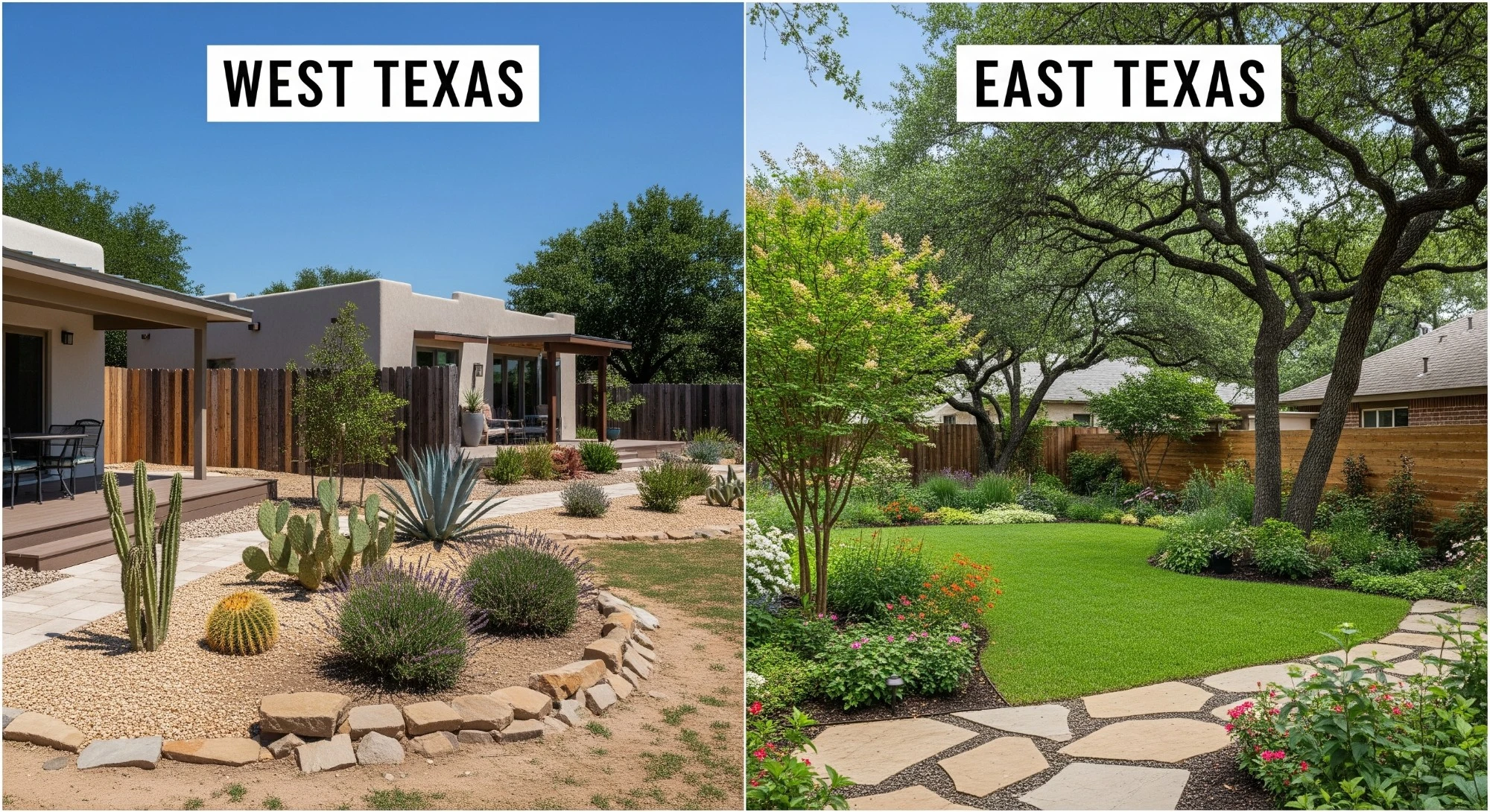
    • Utilize Xeriscaping: Xeriscaping uses drought-tolerant plants and minimizes water use. This landscaping technique is especially beneficial in areas with water restrictions or dry climates.

    9. Add Fencing Or Privacy Screens

    Fencing and privacy screens offer both security and aesthetic value to your property. They can also help create a sense of enclosure and privacy, which is highly desirable for many homeowners.

    • Install a Decorative Fence: A decorative fence adds charm to your property while providing privacy. Choose materials like wood, vinyl, or wrought iron that complement your landscape.
    • Use Lattice or Bamboo Screens: For a more modern look, consider using lattice or bamboo screens. These elements can add texture and style while still offering a level of privacy.
    • Create Natural Barriers with Hedges: Planting dense hedges along the perimeter of your yard can serve as a natural privacy screen. They also enhance the overall appearance of your landscape.

    Conclusion

    By implementing these nine landscaping ideas, you can make your property stand out and increase its value. Whether you’re looking to sell or just improve your outdoor space, these ideas will help you create a stunning and functional landscape that appeals to buyers and visitors alike.

  • What Smart Property Owners Ask Before Hiring an HVAC Pro

    Heating and cooling might not be flashy, but when things go wrong, you feel it. Whether your tenants are calling about freezing bedrooms or your building’s system sounds like it’s about to lift off into space, you know that HVAC problems can turn into expensive ones—fast. That’s why hiring the right HVAC contractor matters. And if you own property—whether that’s a couple of rental units, a small commercial building, or something bigger—you need someone who actually knows what they’re doing and treats your building like it’s theirs.

    But let’s be honest. Everyone says they’re certified. Everyone shows up with a logo on their van. And everyone throws around words like “energy efficient” and “inspection included.” So how do you actually know who to trust? Here’s how to look past the sales pitch and figure out who’s worth calling back.

    Licenses Aren’t Just Paperwork—They Protect You

    The first thing you want to check is licensing, but not just because someone told you it’s the right thing to do. Licensed HVAC contractors have been tested on their knowledge. They’ve had to pass state exams and usually have insurance and bonding as well. That means if something goes sideways—like a tech damages your building or forgets to pull the right permits—you’re not left holding the bag.

    But there’s more to it than just checking a license number. Ask about ongoing education. HVAC systems change, especially with tighter energy standards and more eco-friendly tech becoming the norm. You want a contractor who isn’t stuck in the 1990s. If they’re keeping up with training, chances are they care enough to do things right the first time.

    Also, if you’re dealing with anything beyond a basic home setup—say, rooftop units or multi-zone buildings—make sure they’ve worked on properties like yours. There’s a big difference between installing a single furnace and managing a whole building’s climate control.

    Reputation Still Matters, Even in a Review-Flooded World

    You can find a thousand reviews for any service these days, but the good ones still stand out. Look for patterns. If five different property owners all say a company shows up late, that’s probably not a fluke. On the flip side, if someone writes a three-paragraph review about how a contractor saved them money by spotting a code issue the last guy missed, that’s worth paying attention to.

    Call a few past clients if possible—especially ones who’ve had similar work done. Ask how long the job took, whether the price stayed the same, and how the crew treated their building. A good HVAC contractor doesn’t just finish the job. They leave your place cleaner than they found it and answer your 10pm question when your heat randomly shuts off.

    Also, pay attention to how they treat you in the early stages. Are they walking through your space with care? Asking thoughtful questions? Talking through not just what you want but why you want it? That kind of communication is golden—especially if you’re planning on upgrading an HVAC system in a property you manage long-term.

    Modern Contractors Use Tools That Make Your Life Easier

    If a contractor still writes quotes by hand and shuffles paper invoices in a metal clipboard, that might be fine for small jobs. But if you’re running a building, or even several, you need someone who knows how to keep things smooth and efficient. That’s where their tech setup can really help—or hurt—you.

    Today’s best HVAC contractors use streamlined tools behind the scenes that make things run faster and with less confusion. Ask what kind of systems they use to track service calls, schedule appointments, and handle billing. If they shrug or say, “we just kind of wing it,” that’s a red flag.

    The contractors worth working with know that their HVAC software will streamline the communication with techs and you as well as make paperwork a breeze. No more wondering when someone’s going to show up or digging through old emails to find an invoice. When systems are organized, jobs get done faster, mistakes are fewer, and you get to focus on bigger things—like your next building acquisition or just getting through the week without five maintenance calls.

    Pricing Should Be Clear, Not a Puzzle

    Let’s talk about the money part. You should never feel like you’re guessing. A good HVAC contractor will walk you through their estimate, explain why they’re recommending certain repairs or replacements, and tell you where you have options. They won’t pressure you into replacing a whole unit when a tune-up would do. And if you do need a big upgrade, they’ll show you the numbers behind the why—like projected energy savings or longer equipment lifespan.

    Watch out for vague language in contracts, too. “Miscellaneous fees” should raise a red flag. Ask them to spell it out. The best pros are transparent because they’ve got nothing to hide. And if they offer financing or service plans, those should be explained clearly. Not every landlord needs a monthly plan, but if it helps avoid surprise repairs, it might be worth it.

    Also, don’t fall for the lowest bid just because it’s cheap. Sometimes that number means corners are being cut, or worse, the work won’t be up to code. Remember, heating and cooling problems often hit at the worst time—like the middle of summer or during a January cold snap. You don’t want to be left with a contractor who ghosts when things get messy.

    Long-Term Relationships Beat One-Off Fixes

    An HVAC system isn’t a set-it-and-forget-it kind of deal. You’re going to need someone to call when things stop working—and they will, eventually. That’s why it pays to build a long-term relationship with a contractor who already knows your building. They’ve seen your system before. They’ve got notes on your past repairs. They can spot patterns that save you money down the road.

    Ask contractors if they offer ongoing maintenance plans or regular inspections. Even something as simple as twice-a-year checks can catch problems early, extend the life of your equipment, and keep tenants happy. It’s not just about avoiding big repairs—it’s about keeping your property running smoothly and avoiding the stress of emergency calls.

    A contractor who sticks around and gets to know your property becomes part of your operations team. And when you’ve got someone you trust, those late-night calls feel a lot less stressful.

    In the end, picking an HVAC contractor shouldn’t feel like a gamble. When you ask the right questions, pay attention to the details, and watch how someone treats your property from day one, you’ll be able to tell who’s the real deal. And once you’ve got the right pro on your side, you’ll wonder how you ever managed without them.

  • 5 Affordable Upgrades That Instantly Make Your Home Feel More Inviting

    Source: tumblr.com

    When you’re preparing to sell your home, making it feel warm and welcoming really pays off. First impressions totally matter, potential buyers often decide how they feel about a property within just a few moments of walking through the door. Fortunately, creating that inviting feel doesn’t have to be expensive. In fact, with a few thoughtful upgrades, you can completely change the way your home feels, both for guests and future buyers.

    Here are five home upgrades that can instantly make your space feel more inviting.

    1. Improve Your Lighting for Warmth and Function

    Source: pexels.com

    Lighting totally sets the mood in a space. You can have the prettiest room, styled to perfection, but if the lighting’s cold and harsh? Nope. It’ll still feel off , kind of like being in a doctor’s office. But add a few warm, layered light sources (think: table lamps, sconces, maybe even a dimmer), and suddenly the whole space feels cozy, calm, and super inviting. It’s honestly one of the easiest ways to make your home feel like, well, home.

    Start by switching out bright white or blue-toned bulbs for warm white LED options. Add floor lamps or table lamps to areas that feel dim or shadowy, especially corners and hallways. Don’t forget accent lighting, under-cabinet lights in the kitchen, pendant lights above a dining table, or a statement chandelier can immediately elevate the mood of a room.

    This small change can give your entire home a high-end, curated feel.

    2. Refresh the Entryway to Set the Right First Impression

    Your entryway is basically your home’s first impression , the little hello before you even say a word. A quick update here can go a long way. Try a fresh coat of paint on the front door (navy, deep green, and classic black never go out of style). Add a new doormat, something clean and unfussy, and keep the décor simple, maybe a planter, a lantern, or something with a bit of texture.

    If you’ve got the space, a small bench or table gives guests a spot to drop bags or take off shoes without awkward juggling. And a mirror always a good idea. It bounces light around and makes even the tiniest entry feel open and bright. Just a few little changes, and suddenly your home says, “Come on in.”

    Most importantly, keep it clean and clutter-free. A tidy, thoughtfully decorated entry makes your home feel well cared for, something every buyer would love to see.

    3. Use Flower Vases to Add Life and Color

    Source: pexels.com

    You know what instantly makes a room feel more alive? Flowers. Not the artificial kind gathering dust in a corner, but real, fresh, beautifully-scented flowers. A few stems of eucalyptus in the bathroom, a bold, messy bouquet on the dining table, it doesn’t have to be fancy. It just has to be there.

    The thing is, the vase matters just as much as the flowers, maybe even more. But people forget about it! You could have the most stunning peonies ever, but if they’re sitting in an old water bottle… yeah, not quite the vibe.

    You don’t have to spend half your paycheck on designer ceramics, either. There are plenty of affordable, stylish vases out there. One of my favorite go-tos is www.jamaligarden.com, they’ve got everything from sleek modern glass to vintage-inspired ceramics. Whatever your style, chances are they have something that fits—and won’t leave your wallet feeling empty.

    4. Upgrade Hardware for a Quick Style Boost

    One of the fastest ways to modernize your home is by taking out outdated hardware. That includes drawer pulls, cabinet knobs, and even door handles. These small details play a big role in how polished and current your home feels.

    Brushed brass, matte black, sleek nickel, these finishes aren’t just trendy; they actually work with a bunch of different styles, from minimalist to traditional. And while you’re at it, here’s a tiny upgrade that makes a weirdly big difference: light switch covers and outlet plates.

    Most people don’t even notice them… until they’ve been swapped out. Suddenly the whole room feels more intentional, like someone actually thought about the details. These small upgrades might not seem like much, but buyers notice. A space that feels fresh and cared for sends a message: this home has been loved. And that quiet, emotional signal? It matters more than you think.

    5. Add Texture with Soft Furnishings

    Source: pexels.com

    To truly make a space feel welcoming, think of cozy throw blankets, cushy pillows, and soft rugs under your feet. These little details don’t just add comfort—they add character. The kind that quietly says, “Yep, you can actually relax here.”

    Choose fabrics that feel good to the touch, linen, cotton, velvet, or chunky knit. Layering these elements in living rooms and bedrooms makes the space feel complete and cozy. A neutral base with pops of color works well for wide appeal, especially if you’re staging your home for sale.

    Don’t forget the rug. It helps define the space and ties your furniture together in a way that feels both intentional and effortless.

    Final Thoughts: The Little Things Make the Biggest Impact

    You don’t need a full renovation or massive budget to make your home feel more inviting. Often, it’s the small, thoughtful upgrades that matter most. Good lighting, a welcoming entryway, natural touches like flowers in stylish vases updated hardware, and cozy textures can dramatically change the way your home looks and feels.

    These changes won’t just make you love your home more, they’ll make buyers intrigued as well. And in today’s real estate market, that emotional connection is everything.

  • Get a Wood-Burning Stove to Boost Your Home’s Value

    Wood Burner

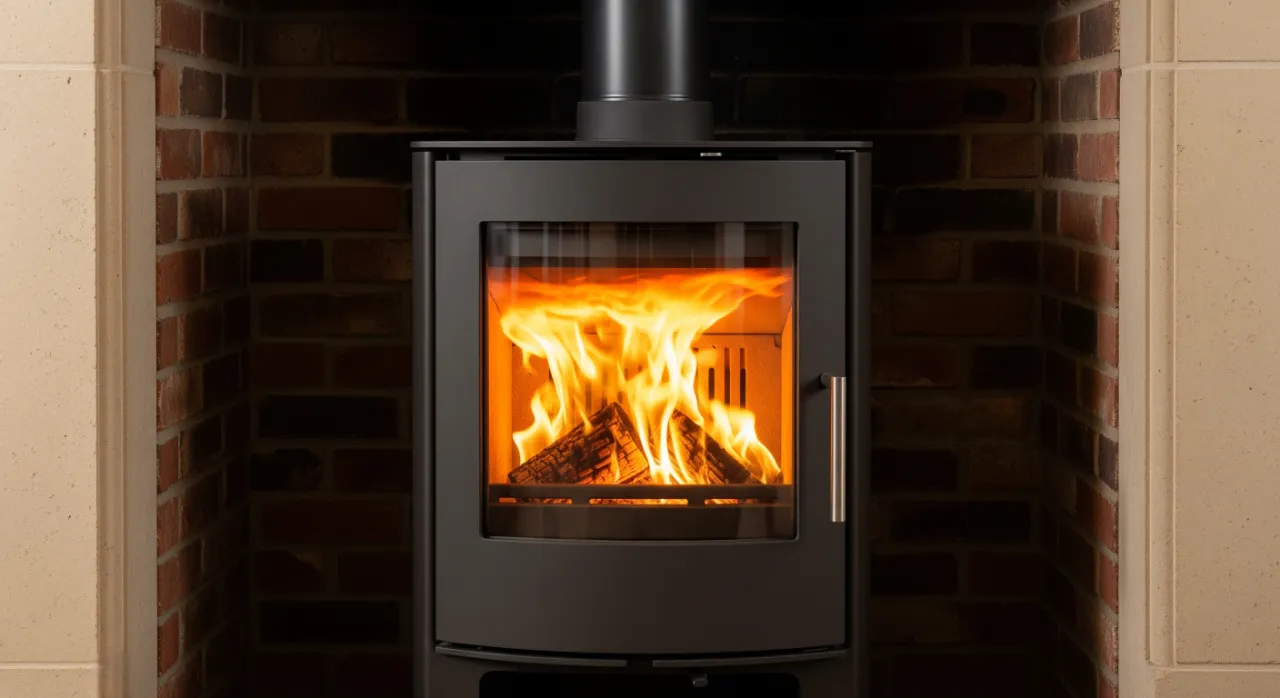
    If you’re fixin’ to raise the worth of your home, don’t go fussin’ over fancy countertops or machines that talk back like they know your business. Truth is, none of that matters much when the cold comes through the walls and all you’ve got is silence. What you need, truly need, is a wood-burning stove—the kind that crackles when it’s working and glows like a heartbeat. That’s warmth you can count on, not just in dollars, but in soul. Sounds ridiculous? Great. You’re paying attention.

    This ain’t about living off the grid or bracing for the end of the world—though, Lord knows, times being what they are, it wouldn’t hurt. No, this is simpler than that. It’s about good sense, the quiet pull of beauty, and that deep-down comfort we feel when something speaks to an old part of ourselves we don’t often hear from anymore.

    Let’s break this down.

    On Heat, Honesty, and the Price We Pay to Stay Warm

    Wood Stove Styles and Installation

    Energy’s never been free, but these days, you’d swear the bills were written by pirates. Come winter, folks open their mailboxes only to learn they’ve been paying for someone else’s comfort—maybe even a yacht docked somewhere far from the snow.

    Modern EPA-certified wood stoves can hit efficiency ratings of 70–80%, meaning less heat is lost up the chimney and more stays in your house where it belongs. For comparison, older non-certified stoves hover around 40–50%. Furnaces? Sure, the high-efficiency ones are decent, but they come with circuit boards, sensors, annual maintenance contracts, and the constant threat of your HVAC system going into “mystery error mode” the second the temperature drops below 20°F.

    Unlike a furnace with its blinking lights and wires that panic at the first snowflake, a wood stove doesn’t whine, doesn’t wait. It works. Especially if you live where power lines snap like twigs and neighbors are counted in miles, not steps. For many, it ain’t a luxury—it’s a lifeline.

    And if you live in a rural or off-grid area? A wood stove isn’t just efficient—it might be your only real option. According to the U.S. Census Bureau, around 2 million American homes still use wood as a primary heat source, and the number’s been trending upward since energy costs started doing their inflation-fueled somersaults in the 2020s.

    The wood is changing too. People burn cleaner now using Sawdust RUF Briquettes, Swedish torch logs, leftover timber, waste turned into warmth. It’s honest heat. The kind that reminds you we’ve still got choices in this world, and not all of them come with a monthly bill.

    Of Hearths and Heartstrings: What Warmth Really Sells

    Folks don’t fall in love with square footage. They fall for the feeling.

    Scroll through any real estate listing. What gets highlighted? “Cozy reading nook.” “Rustic charm.” “Inviting fireplace.” You don’t see listings bragging about “adequate ductwork” or “functional thermostat interface.” People want to imagine themselves drinking mulled wine in flannel, not fiddling with Nest settings while their feet freeze.

    In fact, realtors have long known: a fireplace adds more than just charm. According to the National Association of Realtors, homes with fireplaces or wood-burning stoves consistently fetch higher resale values and spend less time on the market. We’re talking 6–12% value bumps in some cases. In cities that crave rustic simplicity—Denver, Portland, Asheville—a crackling hearth can mean tens of thousands more on closing day. That’s not just décor. That’s desire.

    Truth is, we’re still creatures of instinct. Fire speaks to something old in us, something soft and deeply human. It whispers, “You’re safe here.” And sometimes, that whisper sells a house faster than any square foot ever could.

    Emily Oster

    Built to Last: Of Iron, Fire, and the Things That Stay

    Some things are made to last. Most aren’t. These days, it seems everything’s got a timer on it. Refrigerators hum their last breath before your warranty runs out. Heat pumps blink their way into confusion the moment the wind picks up. But a well-made wood stove? It just keeps on going.

    Modern wood stoves are engineering marvels in their own right. No circuit boards to fry. No WiFi to lose. Just heat, airflow, and time-tested materials. With basic maintenance—chimney cleaning, using dry hardwood, avoiding garbage logs from Craigslist—you’re looking at 20–30 years of solid performance.

    Compare that to the average gas furnace lifespan of 15 years—furnaces that wheeze after a decade or so, high-tech heat systems that need specialists just to say what’s wrong. A wood stove, on the other hand, doesn’t require a man in a van with a laptop. It just needs a steady hand and a bit of common sense.

    And when you do need a repair on a wood stove? It usually involves a wrench, not a technician with a $300 diagnostic tool and an “oops, that’s not under warranty.”

    The Numbers Don’t Lie: What the Fire Gives Back

    So let’s talk ROI—the stuff that actually matters when your bank account is gasping for breath.

    A decent EPA-certified wood stove will run you $2,500–$5,000 installed, depending on brand, chimney work, and your existing setup. That might sound like a lot until you realize this:

    • Homes with wood stoves routinely sell for 6–12% more than comparable listings.
    • The average U.S. home value is hovering around $400,000, meaning a potential gain of $24,000–$48,000.
    • Heating bills can be slashed by $500–$1,500 per year, depending on region and usage.

    Do the math. That’s a payback period of maybe 2–3 winters, max. After that, it’s all gravy—and by gravy, I mean firelit wine nights and lower power bills.

    But Isn’t Burning Wood “Bad”?

    Yes. And no. Like everything else in life, it depends on how you do it, and why.

    The old stoves? Dirty, smoky, and awful for urban air quality. But these newer models, built to EPA 2020 standards, are something else entirely. They burn cleaner—less than 2 grams of particulate matter per hour or less, compared to the 30–40 grams from older units. And if you go catalytic, emissions can drop even lower.

    Sure, if you live in a dense urban area where winter air hangs heavy and laws frown on smoke, it might not be ideal. But step out to the hills, the valleys, the quiet towns where wood is close and winters are long—and the story changes. Out there, a clean-burning stove can be gentler on the earth than all that piped-in gas or coal-fed electricity.

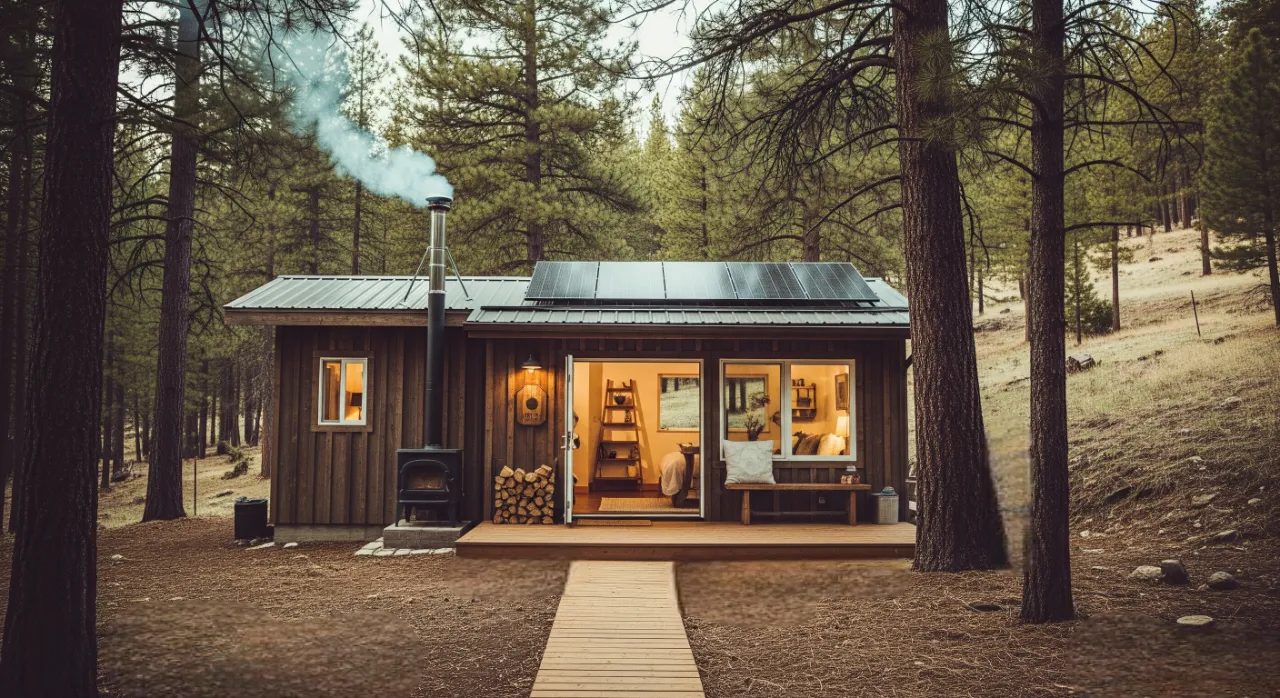
    And if you’re really serious about sustainability? Pair your stove with solar panels, and boom—you’re off-grid, warm, and quietly judging the rest of us from your forest cabin.

    So no, burning wood isn’t perfect. But neither is any other kind of heat. And sometimes, the old ways—done right—still make the most sense.

    Emily Oster

    What We’ve Always Needed

    The world keeps inventing new ways to complicate a house. Granite becomes gauche. Smart homes get hacked. Even open floor plans are starting to go out of style. But fire? Fire has been with us from the beginning. It asks for little: wood, air, a spark. And in return, it gives what no gadget ever could. It’s warmth, it’s comfort, it’s insurance against the grid, and it’s one of the few things that can genuinely increase your home’s value while also giving you an excuse to buy an axe.

    So maybe don’t tear down the kitchen. Don’t chase the next trend. Just light the fire. And let it remind you what home is really supposed to feel like.

  • The 5 Key Elements of Indoor-Outdoor Living in Australia

    Whenever you think about your dream home, you probably imagine something like this—a house with seamless indoor-outdoor living. Living in Australia, you know the climate is perfect for this kind of layout: you can take advantage of the country’s good weather, while still having an indoor retreat for privacy whenever you want it.

    But what exactly are the five elements that define indoor-outdoor living in Australia?

    1. Blending Nature Into the Architecture

    One of the key features of any home that is all about indoor-outdoor living is the existence of plenty of elements that seamlessly integrate with the house’s design. For example, you could install a water feature either indoors or outdoors to provide that peaceful atmosphere that enhances your living condition.

    Some homeowners in Australia prefer a small fountain or pond so that they get to hear the soothing sound of running water. Adding plants is also a good and cost-effective method to achieve indoor-outdoor living. Plants are inexpensive, and if well kept, they can thrive for many years without needing to be replaced.

    2. Multiple Access Points Around the Home

    The concept of indoor-outdoor living is all about letting your space seamlessly flow from the inside out. This is why it’s very important to create multiple openings around your house aside from just your doors or windows. For instance, a modern sliding door that opens up an entire wall in your kitchen allows you to entertain from both your formal dining area and outdoor dining setup.

    Many houses in Australia feature this type of opening because it provides flexible separation between indoor and outdoor spaces when desired and can open up a large area when needed.

    3. A Deck Becomes the Outdoor Living Space

    Whether you have a huge backyard or not, having a deck is a good way to extend your living space outside. This area can be anything from a living room, dining area or entertainment venue where you can have friends over for parties and dinners.

    If you’re lucky enough to have a large deck or patio, you can divide it into different zones, just like you would inside your home. Some Australian homeowners create a combined outdoor living and dining area on their deck, and even add a separate outdoor kitchen to make entertaining easier.

    4. Living the Open-Concept Lifestyle

    Another huge benefit of indoor-outdoor living is being able to enjoy an open floor concept. This is especially beneficial if you have a small space because eliminating walls can make your house look a lot bigger than it is. In fact, you can move the other areas of your house outdoors to really make use of your space well.

    For instance, instead of having a regular living room inside, you can convert that space into your kitchen and dining areas, and move your living room outdoors. With Australia’s weather being fair for most of the year, you can definitely enjoy lounging outside more than you would indoors.

    5. Bringing It All Together with Cohesive Decor

    If you’re planning on embracing indoor-outdoor living, it’s very important to make sure that all your decorative elements are cohesive for both spaces. This will help to create a more seamless flow in your house and not make it look like two separate spaces that will only create confusion.

    One of the best ways to do this is by selecting furniture in the same material or color scheme. For instance, consider using a beige sofa in your living area and rattan furniture out on the patio. If you have furniture you love and don’t want to part with, try adding similar decor and matching throw pillows to help coordinate both areas.

    Conclusion

    Creating a home that embraces indoor-outdoor living is a smart move—not only do you get to enjoy your space while you live there, but you’re also adding value if you ever decide to sell in the future. If you’re still in the process of building your home, reach out to us! We’d be happy to show you options for the perfect sliding doors to complete your future space.

  • Top Benefits of Buying Bulk Mulch in Cleveland

    Why Your Garden Needs Mulch (Assuming You Do It Right) - The New York Times

    Any landscaping or gardening project isn’t complete without mulch. The right mulch doesn’t just make your property look polished—it keeps your plants healthy and helps your landscape thrive, whether you’re sprucing up a rental, upgrading your own backyard, or managing a larger property.

    Most people just grab a few bags from the garden center, but buying in bulk really steps things up. For bigger projects or those spring and fall refreshes, bulk mulch saves you money, cuts down on waste, and makes delivery and spreading a whole lot easier.

    Significant Cost Savings Compared to Bagged Mulch

    Buying mulch in bulk is almost always a lot cheaper than picking it up by the bag. With bagged mulch, you’re paying extra for packaging, shipping, and what the store puts on top. Bulk mulch, on the other hand, usually costs a lot less per yard, so you’re really just paying for the mulch itself.

    That’s why bulk buying is such a great option for homeowners with big gardens or landscapers managing multiple properties. And in places like Cleveland, choosing to buy mulch in Cleveland straight from suppliers who deliver is an even bigger advantage.

    Reduces Environmental Impact

    Choosing bulk mulch instead of bagged mulch provides a variety of advantages, such as reducing plastic waste and pollution, encouraging sustainable practices, boosting plant health by retaining moisture and providing nutrients, and making disposal easier. This decision demonstrates a commitment to environmental stewardship while enhancing outdoor areas.

    Bulk Mulch Makes Big Projects Easier

    Purchasing mulch in bulk makes large landscaping projects easier by reducing the time and effort needed—one delivery means you don’t have to make multiple trips to the garden center.

    Having everything on hand right away streamlines the mulching process, so you can get landscaping tasks done faster, especially for big gardens, commercial properties, or community projects.

    Get a Uniform Look Across Your Landscape

    Buying mulch in bulk keeps your landscape looking consistent, without the color or texture differences you sometimes get from bagged mulch or mixing suppliers.

    When you stick with one vendor, everything looks more pulled together, giving your outdoor space a polished, inviting vibe.

    Fresher, Higher-Quality Mulch

    Bulk mulch often has less processing and can be of higher quality compared to certain bagged varieties, which might include artificial dyes or fillers.

    When buying mulch in Cleveland, verify the origin to ensure it’s natural and of premium quality, supporting your soil and plants without toxic chemicals, and resulting in improved landscaping results.

    Helping Local Businesses and Cut Down on Emissions

    Purchasing mulch in bulk supports local businesses and provides economic benefits. It helps reduce vehicle emissions and greenhouse gas emissions since fewer deliveries are needed, making it an environmentally friendly option. Moreover, it offers savings, convenience for large projects, and a wider variety of mulch options, which benefits both homeowners and landscapers while supporting environmental sustainability.


  • 9 Mistakes to Avoid When Hiring Kitchen Remodel Services

    Source: canva.com

    So, you’re finally ready to give your kitchen the makeover it desperately deserves?

    But, before you dive in and hire the first contractor who gives you a quote … pause! Kitchen revamping can become a budget-busting blunder if you don’t do your homework!

    Delays, wrong material choice, unexpected issues, hidden costs, a whole lot of stress, and whatnot – things can pile up real quick.

    To help you steer clear of the chaos, we’re breaking down nine common mistakes homeowners make when hiring kitchen remodeling services.

    Let’s take a look at each!

    1. Failing to Set a Realistic Budget

    If you don’t have realistic budgets before opting for kitchen remodeling, you may put yourself under financial stress.

    It’s pretty easy to get carried away with your dream kitchen, but remember that remodeling often comes with unforeseen costs!

    Instead, set practical budgets and leave room for unexpected expenses! Be honest with yourself about what you can afford.

    2. Not Checking for Proper Licensing and Insurance

    A huge mistake when picking a remodeling contractor is not verifying if they are licensed and insured. 

    Ensuring they are trained and adhere to local building codes is a must before trusting someone with the job. 

    This is a crucial step because, without the license, you can be held liable if something goes wrong on the job site. 

    3. Skipping the Research and Rushing the Decision

    Handing over the contract without digging deep first? Big mistake.

    Take your time to research potential contractors, including their experience, qualifications, and, most importantly, their reputation in the market. 

    A rushed decision today without proper analysis can turn into a long, expensive mess tomorrow. 
    4. Ignoring the Past Work Samples

    Would you buy a wedding dress without trying it on? No, right?

    So, how can you trust someone with your kitchen makeover without checking out their portfolio? 

    Instead of staying in the dark about their capabilities, ask to see photos or videos of the completed kitchen remodels they have worked on. This will give you an idea of whether their work aligns with your vision for your kitchen.

    5. Not Asking the Required Questions

    “How long will the entire remodel take?” “What will be the cost estimate for the entire project?” “What happens if something goes wrong while performing the job?”

    These are some of the must-ask questions you shouldn’t hesitate to ask your contractor. It’s your home and your money; feeling shy or hesitant may lead to irreversible losses. 

    6. Going for the Cheapest Option

    While it’s natural to want to save money, going for the cheapest service might end up as a costly mistake in the long run. 

    Contractors who provide you with a low-cost estimate may use subpar materials or might lack the experience necessary to complete the job to a high standard. This could lead to more breakdowns and repairs down the road.

    So, instead of focusing on the price, pay attention to the overall value, the contractor’s experience, skills, knowledge, and quality of material used. 

    7. Failing to Get a Detailed Written Contract

    Believing in verbal promises? A big-big no when hiring for kitchen remodeling service. 

    A written contract is essential for setting clear expectations between you and the contractor. Failing to do so can lead to misunderstandings between the parties regarding the scope of work, timeline, and cost.

    8. Choosing a Contractor Who Doesn’t Communicate Well

    How would you feel if, midway through the project, your chosen contractor decides to dodge your calls? 

    Imagine how they’ll be once the project is over? Sounds terribly unprofessional, right? 

    Therefore, to avoid this hassle, choose a contractor who keeps you informed on a regular basis. Good communication does not only mean providing regular updates; it also means giving prompt responses and ensuring full transparency when any issue arises.  

    9. Not Planning for the Unexpected

    Things can happen! Every remodeling project can have its own set of surprises – mold behind the walls, outdated wiring, hidden plumbing issues, and whatnot! 

    When choosing a remodeling service, ensure that your contractor always has a plan for the unexpected. Allow your contractor to build some flexibility into your project plan to accommodate unexpected situations. 

    The Bottom Line

    Kitchen remodeling should be exciting –  not exhausting!

    However, committing mistakes like skipping research or rushing the decision can turn your dream kitchen into a renovation disaster.

    Not only this, but these mistakes can also cost you significant time, money, effort, and even peace of mind. So, instead of frustrating and panicking, take a breath, research well, ask questions, and don’t rush your decisions!

    With the right contractor by your side, your dream kitchen is well within reach!

  • 5 Eco-Friendly Upgrades to Increase Your Connecticut Home’s Value

    More and more homeowners are going green and making their homes eco-friendly. One big reason? Eco-friendly upgrades can actually make your home more appealing to buyers when it’s time to sell. If you own a home in Connecticut and want to make it more eco-friendly, here are some great ways to make your home greener—and boost its value at the same time.

    1. Install Energy-Efficient Lighting

    Using energy-efficient lighting is one of the simplest ways to make your home more eco-friendly. LED bulbs use much less energy and last much longer than traditional bulbs. On top of that, they save you money on your electric bill. There are plenty of styles and brightness levels of modern LEDs to choose from, so finding the right one for each room is easy.

    2. Invest in Solar Panels

    Going solar can make your home more eco-friendly. Although the upfront cost of installing solar panels isn’t cheap, the long-term benefits are worth it. With solar power, you can generate your own electricity, and homes in the Connecticut area can benefit from tax incentives or deductions. Solar panels have many benefits and help reduce your household’s carbon footprint.

    3. Sealing Windows and Doors

    Sealing doors and windows is a process that involves caulking and weatherstripping to form airtight joints, minimizing drafts and saving energy. Caulk seals gaps and cracks along stationary frames, and weatherstripping seals gaps where parts move, such as doors and windows.

    4. Using Low-flow Plumbing Fixtures

    Low-flow fixtures use less water than standard fixtures without sacrificing performance. They include toilets, faucets, and showerheads, and are a major component of water-saving measures. These fixtures usually feature devices like aerators or flow restrictors that reduce water volume while maintaining water pressure.

    5. Install a Smart Thermostat

    Smart thermostats offer several benefits, from energy efficiency and convenience of remote control to customizable temperature settings. They can sense and automatically adjust temperatures based on your requirement and help reduce utility bills without compromising on comfort levels. Furthermore, they are able to interface with other smart household devices and give detailed reports on energy usage.

    Conclusion

    To increase your Connecticut home’s value, make your home eco-friendly. The benefits include reduced energy bills, a smaller environmental footprint, and greater comfort. Experts like Bluecrest Property Group have a team that can guide you on which eco-friendly upgrades will have the most impact. These improvements also help ensure a greener future by reducing waste, preserving resources, and supporting healthier living environments.

  • What Is Smart Furniture and Why Is It Important?

    Smart furniture means pieces of furniture that have built-in tech to make life easier. Think of a bed that tracks your sleep and adjusts its temperature to keep you comfortable all night, or a sofa with USB ports and wireless charging pads built right into the armrest. Some desks now come with adjustable heights and cable management systems—perfect for anyone working from home who wants a more ergonomic setup.

    The concept of “smart furniture” is quietly transforming the way we live, work, and relax. Far more than a fleeting trend or a tech-lover’s novelty, smart furniture represents a thoughtful fusion of design, engineering, and user-centric innovation. But what exactly is smart furniture—and why is it reshaping modern interiors?

    Imagine you have a desk that quietly keeps track of how long you’ve been sitting, then gives you a friendly nudge to stand up for a bit. Or a coffee table that charges your phone just by setting it down, plays your favorite songs, and even lights up when you get a text.

    Even beds are stepping up, with features like sleep tracking, built-in climate control, and gentle massage modes. You know, the magic of smart furniture is how the tech just disappears into the background.

    What makes it even cooler is how these pieces work with your other smart home gadgets. Whether it’s through Bluetooth, Wi-Fi, or their own apps, you can control everything from your phone or just by asking Alexa or Google. Suddenly, changing the lights or turning up the music is as easy as saying the word.

    Examples of Smart Furniture

    • Smart desks: These are height-adjustable, come with built-in cable management, and include charging stations—designed to boost productivity and support better ergonomics.
    • Smart Tables: Tables that may feature built-in charging and lighting or even touch-screen controls, enhancing functionality. Can be raised or lowered to suit different needs, such as working or dining.
    • Smart sofas: Outfitted with charging ports, wireless charging pads, and immersive audio, our smart sofas turn the living room into a true multimedia hub. Allow you to charge your devices without needing to search for a wall outlet.
    • Smart beds: Features like sleep tracking and temperature control promise a better night’s rest and a smarter start to your day.
    • Smart mirrors: These display the weather, news headlines, or even your health stats, giving you a glimpse into the future of personal wellness.
    • Smart wardrobes with integrated lighting: Automatically light up the section you’re looking at when choosing your outfit.

    If you’re interested in exploring or purchasing smart furniture, platforms like OJCommerce offer a wide range of innovative options to suit your needs.

    The Benefits of Smart Furniture

    As we said in the begin of this article the real value of smart furniture is to make life easier. For those living in smaller city apartments, multifunctional pieces help you make the most of your space. If you work from home, adjustable desks and ergonomic chairs can make long hours much more comfortable and productive.

    For us, smart furniture isn’t just about adding gadgets. It’s about thoughtful design that makes life simpler, healthier, and more enjoyable.

    Looking Ahead

    As smart homes become the norm, we see smart furniture playing an even bigger role in shaping how we live. The next generation of these furnishings is all about deeper integration, more sustainability, and greater personalization—making sure our spaces are just as dynamic and adaptable as we are.

    We believe the best smart furniture doesn’t just react to what you need—it anticipates it, creating a home that truly works for you.

  • 25 Proven Ways to Make Your Home Look Luxurious on a Budget

    Who says luxury homes always have to be expensive? With a few strategic upgrades and the right approach, even an ordinary home can feel elegant and upscale. Let’s take a look at 25 simple, proven ways you can try right away to make your home feel more luxurious—guaranteed!

    1. Choose Neutral Colors

    Use white, cream, or light gray wall paint. For example, white walls paired with a light gray sofa make the living room feel more open and elegant.

    2. Invest in Lighting

    Install a crystal chandelier in the dining room, a minimalist standing lamp in the corner of the family room, table lamps, and wall lamps with attractive designs. The right lighting instantly creates a luxurious vibe and enhances the room’s atmosphere.

    3. Use Quality Materials

    Apply materials such as marble to the coffee table or kitchen backsplash, and solid wood for the dining table. The use of marble, solid wood, or metal in various parts of the house not only gives an exclusive impression but is also durable and looks classy.

    4. Choose Minimalist and Elegant Furniture

    Choose furniture with a simple yet classy design, such as a plain-colored sofa without busy patterns, a dining table with slender metal legs, or a cupboard without many carvings. Avoid overly intricate shapes so that the room remains modern, neat, and elegant.

    5. Add a Large Mirror

    Place a gold-framed mirror in the living room or a tall mirror in the hallway. Besides opening up the space, the mirror also reflects light, making the room look brighter and more luxurious.

    6. Use a Carpet or Rug

    Place a neutral-colored shag carpet or a softly patterned rug under the coffee table, in the family room, or in the bedroom. A quality carpet adds comfort while giving a luxurious impression to the room.

    7. Decorate the Walls with Artwork

    Hang a large abstract painting, a simple framed black-and-white photo, or other artwork in the living room or hallway that complements the design of the house. Artwork will make the room look classy.

    8. Use Long Curtains

    Choose curtains made of velvet, linen, or other thick materials that hang from the ceiling to the floor. Tall curtains in the bedroom or main room will give the impression of a higher and more elegant ceiling.

    9. Add Decorative Plants

    Place indoor plants such as monstera in ceramic pots in the corner of the living room, snake plants in the bathroom, or other fresh plants in various rooms. Plants provide a natural feel and make the house look vibrant.

    10. Pay Attention to Decorative Details

    Use a metal tray as a base to arrange aromatherapy candles, small flower vases, or decorative accents on the table. These small touches make the room feel more refined.

    11. Choose Unique Handles and Knobs

    Replace kitchen cabinet handles, bedroom drawer knobs, or door handles with options in matte gold, ceramic, or pieces with gold accents. This small upgrade gives the space a more distinctive and modern look.

    12. Use Built-in Shelves

    Install built-in shelves on the TV wall, in the bathroom, or in other spaces to display books and decorations. Built-in shelves make the room tidier and maximize the functionality of the space.

    13. Arrange a Simple Layout

    Arrange the furniture layout so that the sofa faces the TV without too many furniture in front of it, and place the dining table in the middle of the room without extra chairs. A well-organized furniture layout will make the room feel spacious and easy to access.

    14. Add a Touch of Metal

    Choose a side table with gold iron legs, a table lamp with copper accents, or a black metal photo frame. Metal elements will provide an elegant, shiny reflection.

    15. Use Calming Scents

    Place an electric diffuser or aromatherapy candles scented with lavender, vanilla, or other soft fragrances in the living room or bedroom. A pleasant scent enhances the comfort and upscale feel of the space.

    16. Use High-Quality Flooring

    Use hardwood, marble, laminate, or elegantly patterned vinyl flooring—such as wood effect luxury vinyl tiles—in the family room or kitchen. Quality flooring like these options is easier to maintain, durable, and looks luxurious.

    17. Keep It Clean and Tidy

    Store small items in rattan baskets, organize cables with cable organizers, and regularly clean table surfaces. A clean and tidy home always looks better.

    18. Use Wallpaper or Wall Panels

    Install geometric or softly patterned wallpaper in the dining room, or vertical wood panels behind the headboard. Textured walls add character to the room.

    19. Create a Focal Point in Each Room

    Choose one main element, such as a blue velvet sofa, a large chandelier over the dining table, or an intriguing piece of art. Focal points give a room a sense of identity.

    20. Take Advantage of Smart Home Technology

    Add smart home features like app-controlled lighting, smart speakers, or a digital thermostat to give your home a more modern feel.

    21. Provide Hidden Storage

    Choose a bed with drawers underneath or a sofa with hidden storage space to store items. Hidden storage keeps your home neat and tidy.

    22. Layering Textures

    Combine materials like a linen sofa with velvet pillows, a wooden table with ceramic vases, or faux leather dining chairs. The combination of textures makes the room feel warm and elegant.

    23. Create a Special Area for Hobbies

    Designate a special room for reading, complete with comfortable chairs and bookshelves, a coffee corner with a coffee machine, or a small lounge tailored to your home’s layout. This personal area adds character to the house.

    24. Maximize Natural Lighting

    Incorporate large windows with minimal partitions, sliding glass doors in the dining room, or open curtains wide during the day. Natural light makes the house feel fresh and healthy.

    25. Create Open Sightlines to the Outdoors

    Install sliding glass doors leading to the backyard or large windows in the family room facing the yard. The view outside gives a spacious impression and connects the interior with nature.

    What do you think? Have you tried any of the tips above? Your home must be feeling more luxurious by now. If you’re happy with the results, feel free to share your experience on our guest post page. And if you haven’t tried them yet, give it a shot, these simple touches are sure to make your home look upscale and make you proud when guests come over!

    FAQ

    • Does making a house look luxurious have to be expensive?

    Not at all. Many upscale touches can be added without breaking the bank, like choosing neutral paint tones, picking up decor from local shops, or incorporating quality pre-owned pieces. The key is in the design choices, layout, and a bit of creativity.

    • How can you make a small house look luxurious without it feeling cramped?

    Use light colors, oversized mirrors, and versatile furniture. Take advantage of natural light to make the space feel open and inviting.

    • Do you have to replace all the furniture to achieve a luxurious look?

    Not at all. You can refresh the space by swapping out throw pillow covers, adding new area rugs, or repainting existing furniture with neutral shades or gold accents.

    • How do you pick decor that’s understated yet still elegant?

    Choose one or two statement pieces for each room, like a large painting or a floral arrangement. Skip the small accessories to keep the space neat and uncluttered.

    • Are houseplants really important for creating a luxurious feel?

    Houseplants are a great way to freshen up a space and make it look more put together. If you’re short on time, go for easy options like monstera, snake plants, or even a cactus.

    • What’s the best way to handle lighting if your place doesn’t get much natural light?

    Layer your lighting—try a mix of ceiling lights, table lamps, and wall sconces. Warm white bulbs can make the whole place feel cozy and a bit more high-end.

    • Is wallpaper a good idea for every room?

    Wallpaper works great in living rooms, bedrooms, or dining areas. For spots that get humid, like kitchens or bathrooms, just make sure to use waterproof wallpaper or go with wall panels instead.

    • What if you’re on a tight budget—what should you prioritize?

    Start with fresh paint, good lighting, and keeping everything clean. These three things can make a huge difference in making your home feel more upscale, even if you’re working with a small budget.

    • Can dark colors still make a home look luxurious?

    Definitely! Dark colors can actually make a place feel super classy, especially if you just use them here and there—like on one wall, some curtains, or a statement piece of furniture. Mix them with neutrals, and you’ll get that dramatic, high-end vibe without it feeling too heavy.

    • How do you keep your home easy to clean if you have a lot of decor?

    Go for decorations that are simple to move and wipe down. Keep smaller items in closed storage, use wall shelves, and try not to overcrowd table surfaces.