Tag: Home Features

  • Relaxation at Home: What Homeowners Are Looking For

    A national survey from CopperSmith shows that more people see their home as more than just a place to live. It has become the space where they expect to recharge. The study found that most Americans struggle to relax in their own homes, and in Texas, where big houses and busy routines often meet, the results highlight something important for buyers, sellers and homeowners to think about.

    How Often Do Americans Truly Relax at Home?

    The CopperSmith survey of 1,000 U.S. adults found that just 26% of Americans feel they truly relax at home daily. For most, it doesn’t happen right away. About 42% said they need at least thirty minutes after getting home before they feel settled, while just 14% said they can relax as soon as they walk in.

    Generational differences showed up as well. Only 9% of Gen Z respondents said they could relax immediately. Women also reported more difficulty than men: 45% said they need at least half an hour, compared to 39% of men.

    For many Dallas households dealing with long workdays, Central Expressway traffic, and family obligations, these numbers reflect a familiar reality, finding calm at home often takes extra effort.

    Home Size and Everyday Stress

    Texas is known for bigger houses, but the survey shows that extra square footage doesn’t always make life calmer. About 39% of people said clutter or crowded rooms are a main reason they can’t relax.

    Other common obstacles included:

    • 45% said they feel too busy
    • 30% said they feel guilty about “doing nothing”
    • 30% said noise or too much stimulation gets in the way

    Even in larger Dallas homes, the way a space is designed and used matters. A big living room full of clutter can feel just as stressful as a small apartment.

    Ways People Relax at Home
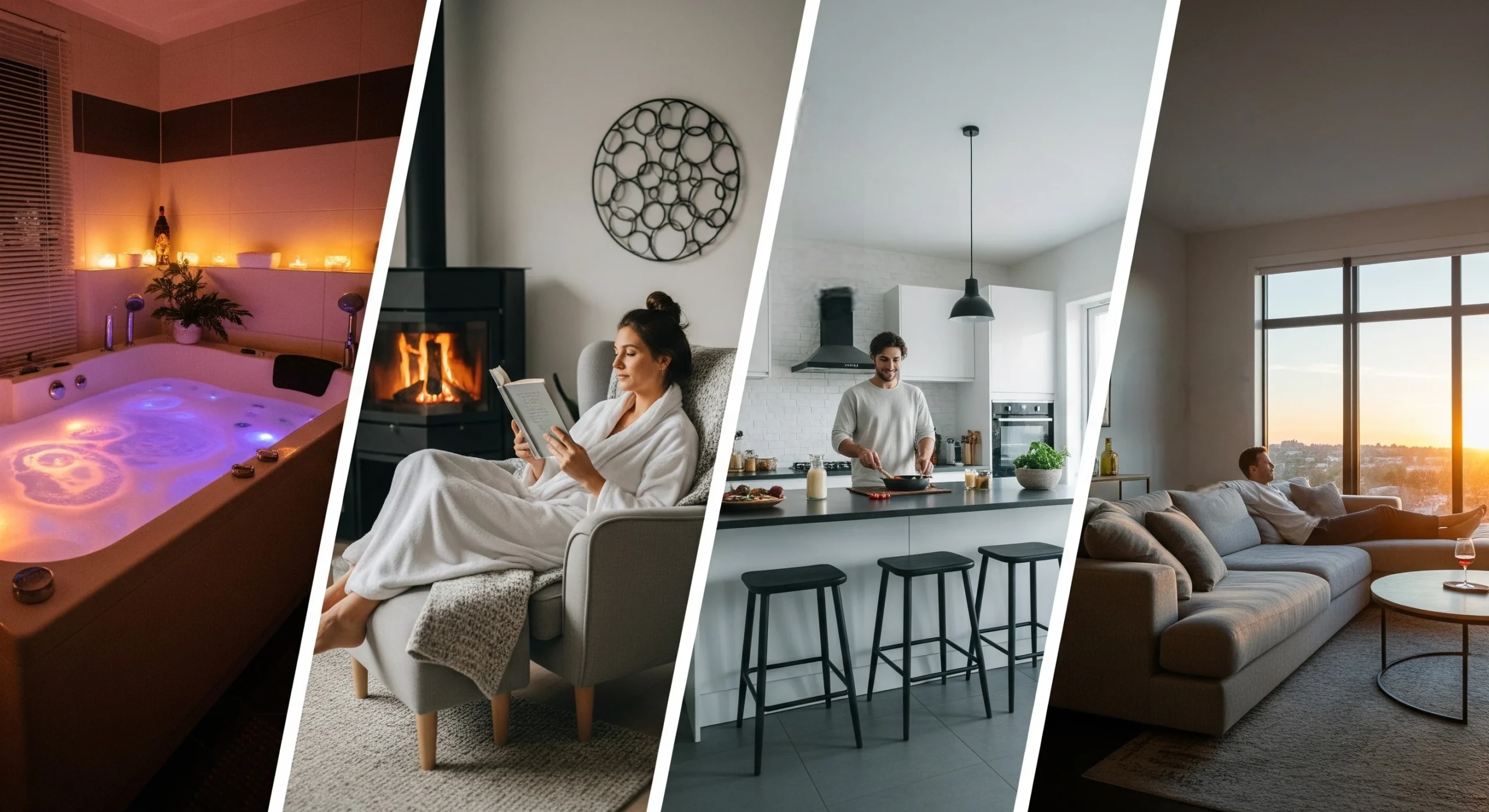
    Most Americans still choose simple activities to relax. In the survey:

    • 51% said lying in bed or on the couch
    • 48% said watching TV or streaming
    • 29% said scrolling on a phone
    • 19% said taking a bath or shower

    The living room was the most common place to relax (64%), followed by the bedroom (49%). Outdoor areas came in at 28% and kitchens at 27%.

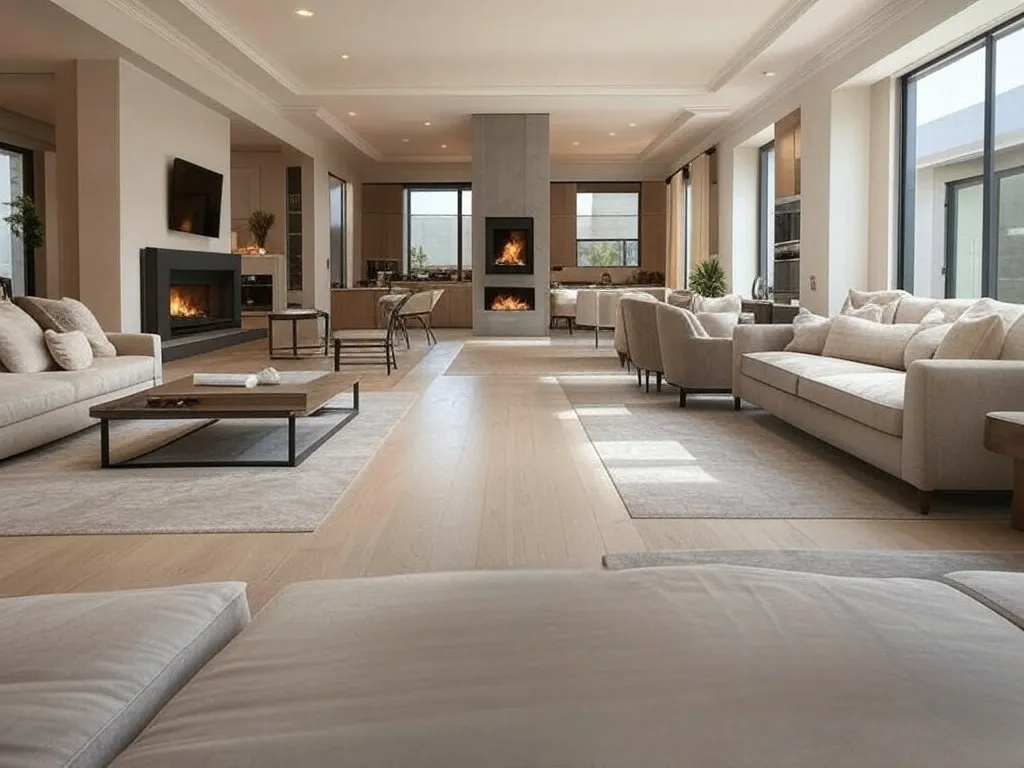
    For homeowners in Dallas, these results point to the value of open family rooms, comfortable outdoor patios, and bathrooms that feel more like a spa. These features support relaxation and can also add value to a home.

    Types of Relaxation at Home

    The study pointed to six main ways people prefer to relax. Each group shows a different habit or focus:

    • Slowdweller (33%) – likes stillness and downtime.
    • Hushitect (20%) – pays attention to calming design.
    • Soulsoaker (15%) – enjoys baths and water routines.
    • Hearthmind (12%) – sees home as part of personal identity.
    • Glowmad (10%) – relies on light, candles, or scent.
    • Simmercrafter (10%) – relaxes through cooking.

    For Texas, these groups matter. They hint at what buyers may notice when walking through a house. A Glowmad may be drawn to accent lighting or a fireplace. A Soulsoaker may look first at the bathroom.

    What This Means for Dallas Homes
    Relaxation is now part of the selling story. Homes with spa-style bathrooms stand out. Outdoor features like covered patios, a pool, or a small garden space are in demand.

    Inside the home, clutter-free rooms make a difference. They look better in photos and help create a calm feeling during showings. Multi-use spaces also matter. A home office that can work as a yoga room, or a guest room that doubles as a reading corner, adds value.

    For sellers, presenting the home as a place to recharge can be a simple but strong advantage. For buyers, it’s a reminder that square footage alone is not enough.

    Practical Tips for Homeowners

    The study shows that creating a more relaxing home does not always require a major remodel. Small adjustments can have a noticeable effect. Some practical steps include:

    • Upgrading lighting to set a calmer mood.
    • Adding outdoor furniture or shade to make patios more usable.
    • Using open layouts or rearranging furniture to reduce clutter.
    • Staging rooms with neutral colors and minimal décor for a clean look.

    In a city known for long workdays and busy traffic, these changes can make a home easier to live in and easier to market.

    Key Takeaways

    The survey makes clear that many Americans are looking for calm at home, and not all houses deliver it. For Dallas residents, this can be seen both as a challenge and an opportunity. Homes with spa-style bathrooms, outdoor spaces, or organized layouts support daily comfort and stand out in the housing market.

    As buyers continue to look for properties that provide a sense of retreat, homes that emphasize relaxation will carry more appeal.
  • 5 Factors To Consider Before Buying Luxury Real Estate

    Buying a luxury property takes more than just money, it requires thoughtful financial planning and strategy. Start by evaluating your financial health: look at your liquidity, debt-to-income ratio, credit score, and long-term investment goals. Create a clear budget that accounts for ongoing costs like maintenance fees, property taxes, and potential market fluctuations.

    You’ll need the right information, the right approach, and the right mindset. Location, architectural quality, and ownership costs are only part of the picture.

    The real question is whether the property fits your life, your goals, and your financial future. If you’re thinking about stepping into the luxury market, here’s what you need to look at before you buy.

    1. Location Will Always Be First

    If you’re buying luxury real estate, the first thing you should think about is location, because that’s where value starts and ends. Properties in established, high-demand neighborhoods almost always perform better over time. That’s true whether you’re looking at beachfront estates, urban penthouses, or gated suburban communities. You’ll want to pay attention to school zones, access to shopping and dining, proximity to private clubs or marinas, and even future zoning plans.

    These details affect your daily living, but they also impact resale potential and long-term appreciation. When you invest in the right location, you’re not just buying a property, you’re buying into a lifestyle that holds its value.

    2. Style, Layout, and Long-Term Livability

    Luxury doesn’t look the same for everyone, which is why the type of property you buy needs to match your lifestyle. Some buyers want privacy and land. Others want convenience and top-tier services. You might prefer a modern condo with concierge service, or maybe you’re after a classic estate with space for guests.

    Either way, look past the surface-level design. Is the layout practical? Does the flow of the home fit your daily routine? Are the materials built to last? You’ll want to look for details like high ceilings, large windows, quality flooring, and craftsmanship that shows in every corner. These aren’t just aesthetic choices, they directly impact comfort, value, and long-term satisfaction.

    3. Amenities That Actually Fit Your Life

    It’s easy to get swept up in features like smart home systems, imported stone kitchens, wine cellars, or outdoor pools, but are they actually useful to you? Luxury amenities should match how you live, not just what looks good on paper.

    If you entertain often, look at indoor-outdoor spaces, chef-grade kitchens, and guest accommodations. If you travel, prioritize built-in security systems and low-maintenance exteriors.

    Every feature adds to the cost, not just at closing but every year in upkeep and insurance. Choose amenities that you’ll enjoy and use, because you’re not just buying extras, you’re buying responsibilities, too.

    4. Know the Market Before You Jump In

    Before you make an offer, get familiar with local market conditions, because not all luxury markets move the same way. Prices in high-end neighborhoods can shift quickly based on inventory, economic trends, or development nearby. Work with a top realtor who helps in finding luxury homes and specializes in the high-end market.

    They’ll provide data on comparable sales, time on market, and price history. Look at how values have moved in the last 3 to 5 years. Is the area still growing? Are nearby properties being renovated or torn down? That kind of detail tells you whether the market is stable or just peaking.

    The more you know before you buy, the more confident you’ll be when the market changes.

    5. Understand the Full Cost of Ownership

    Luxury comes with a price beyond the mortgage and it adds up fast if you’re not ready for it. You’ll want to factor in property taxes, insurance, maintenance, utilities, and in some cases, homeowner association fees. Some homes may also require full-time staff or management services, particularly if it’s a second home.

    Ask for a breakdown of annual costs before you close, and review it with your financial advisor. If you’re paying cash, consider how this property fits into your overall investment portfolio.

    If you’re financing, make sure you’re prepared for higher requirements from the lender. A luxury property can be a powerful asset, but only if it’s handled with the right financial strategy from the start.

    Final Thoughts

    Buying luxury real estate is about more than prestige. It’s about choosing a home that works for you now and protects your investment in the long run.

    When you focus on location, lifestyle, value, and total cost, you’ll avoid expensive mistakes and make a decision you’ll be happy with for years to come. Whether you’re upgrading your main residence or looking for a second home, every smart luxury buyer starts with the same rule: know what you’re buying, and why.

  • Must-Have Home Features for Newlyweds: What to Look for in Your First House

    Source: pexels.com

    Having a new beginning with your soulmate may sound like a dream come true. And it should also be that way with your first home. Besides, your first home will always be special to you as newlyweds, it is also vital to search for some key features to make your home perfect for you.

    It’s crucial for newlyweds to take a balanced approach to house hunting and find a location that is financially, emotionally, and physically sound as they are planning for their future together while still making room for their immediate needs.

    We’ll examine some essential home features for newlyweds and strategies to improve your first-time home-buying experience in today’s blog.

    7 Must-Have Home Features For Newlyweds In Their First House

    If you’re unsure what elements to evaluate a potential home on, consider these seven features to streamline your homebuying process:

    1. Safe Neighborhood

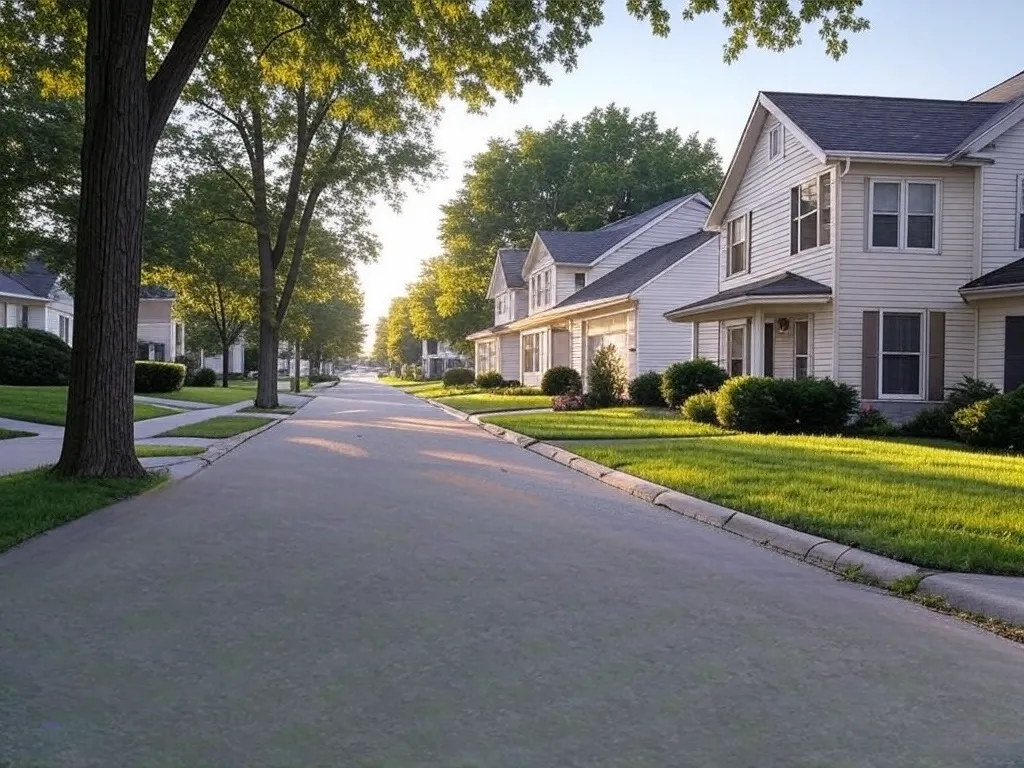
    A safe neighborhood is among the most crucial qualities to seek in a new home. A neighborhood with a low crime rate, established communities, and proximity to parks, restaurants, shops, and other everyday amenities can enhance the quality of your day-to-day life.

    Living in an area with reliable public transportation and strong access to major roads or transit hubs is worthwhile whether or not you own a car. Living in a school district with strong academic ratings will be quite helpful in the long run if you intend to have children.

    2. Open-Concept Floor Plan

    Once you have selected your desired area, it’s time to search for a home. Your first choice should be a home with an open floor design. You will need all the room you can get to build a home of your dreams as you are settling into your new life.

    An open plan gives you the flexibility to adapt your space to meet changing needs—whether that means adding extra bedrooms, a nursery, or even a dedicated workspace. Furthermore, open layouts tend to appeal to a wide range of buyers, making it a strong investment opportunity.

    3. Modern Kitchen Design

    Source: pexels.com

    Whether you’re building a pantry or keeping other kitchen supplies, a modern kitchen with a spacious and streamlined layout could be ideal for additional storage. Look for recently renovated kitchens with granite countertops and stainless steel appliances, as all of these require less upkeep and are easy to clean.

    4. Outdoor Living Space

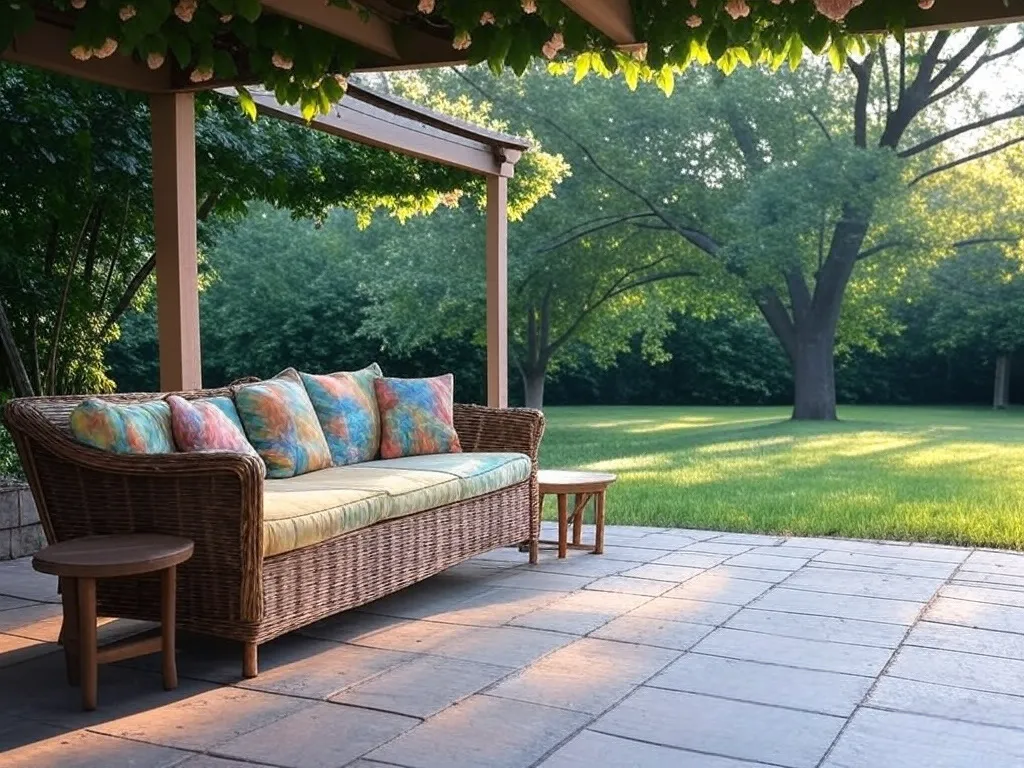
    An outdoor space can be transformed into a place for entertainment and for hosting visitors. If your budget permits, look for homes with a large outdoor space. Adding a deck or covered patio for weekend BBQs allows you to personalize the space however you see fit.

    This is particularly useful if you intend to host many visitors at your new house, or are discovering how to cook lobsters, fish, and red meat in grills, all of which are tasty but can dirty your kitchen. Alternatively, if you enjoy being surrounded by nature, you can design a landscaped garden to spend time interacting with nature.

    5. Home Office

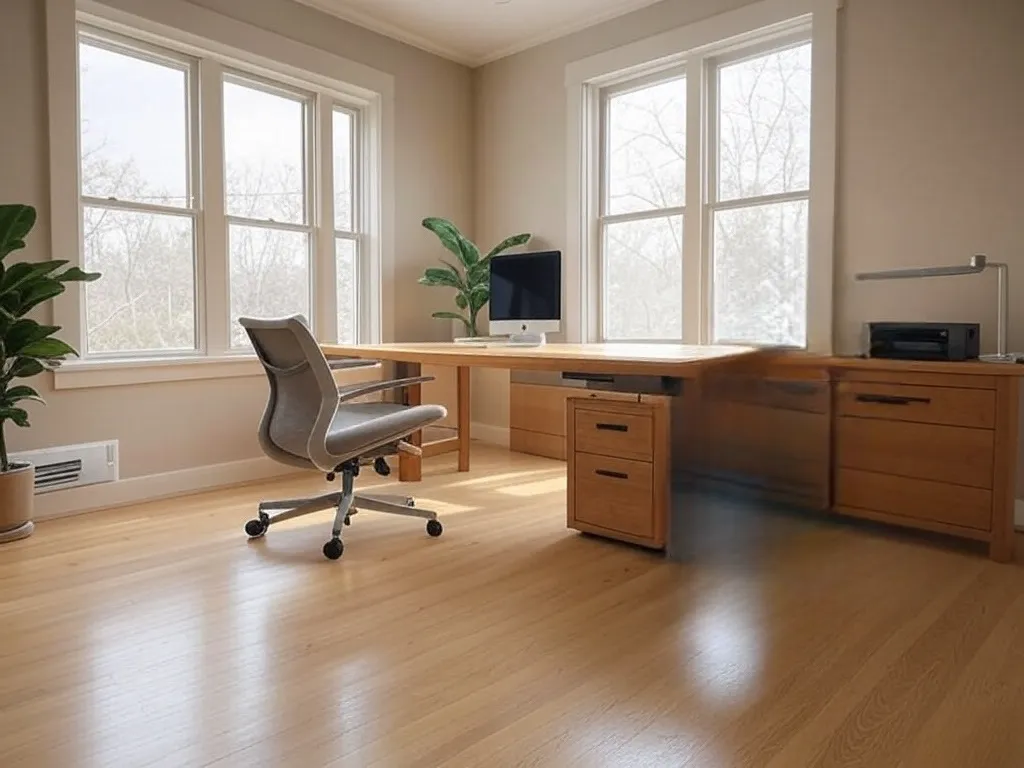
    The need for a dedicated workspace cannot be overlooked given the rising need for remote work. A dual workspace is absolutely necessary if both you and your spouse work from home often so that neither of you becomes sidetracked or interrupted during work. Although you can design a home office, some homes come with built-in storage and soundproofing for better focus and productivity.

    Choosing a workspace should involve natural light and ergonomic design to give comfort top priority even while working from home. A home office also helps to raise the future value of your house.

    6. Eco-Friendly Features

    One of the key qualities of modern houses now is sustainability. Whether you want your first home to be your forever home or you want to invest in it, look for energy-efficient elements to maximize your experience. Does the home offer features such as high-efficiency insulation and solar-powered systems to reduce your monthly utility costs?

    Are there controls for smart thermostats and lighting to make the process more convenient for the homeowner? Questioning and searching for sustainable elements could help your house to be profitable to live in and therefore raise its resale value.

    7. Pet-Friendly Area

    Source: pexels.com

    Finding a pet-friendly area is important if you have a small four-legged companion. Pet-friendly neighborhoods can help pet owners feel at home. Before buying a home, review the HOA policies on pets.

    Having parks and open spaces nearby for pet exercise is also something to consider. Built-in pet nooks or wash stations within the neighborhood can assist you with caring for your pet. Opt for a home with secure fencing to keep your pet safely on the property.

    Your Wedding Style Could Indicate Your Future Home Style

    Source: pexels.com

    Believe it or not, the way you organize your wedding can reveal a lot about the type of home you will desire as a newlywed couple. From color palettes to venue selections, your wedding often reflects your shared preferences, which can obviously carry over to your first home.

    For instance, couples who choose a nature-inspired wedding often look for homes with spacious yards and minimalist interiors. Meanwhile, those who prefer a luxurious indoor wedding may lean toward homes with an elegant, refined feel. In the end, both your wedding and your home reflect your shared taste.

    Things To Keep In Mind As a First-Time Home Buyer

    Source: pexels.com

    Buying your first house brings many major choices. Once you’ve chosen the newlywed qualities you desire, consider these additional factors:

    Investment and Resale Value

    Consider the home’s potential to retain or increase in value before making an offer. Properties in sought-after Dallas neighborhoods—especially those with versatile layouts and distinctive features—typically offer stronger long-term returns. If you’re buying for investment, consider new construction homes in emerging areas.

    Affordable Choice

    Developing a detailed budget for your new home—including down payment, closing costs, property taxes, insurance, and repairs or renovations—will show you how much you can afford. Dallas home prices have remained steady, and as a result, buyers have various options available to them. To stay within your budget, prioritize needs over wants.

    Finding the Right Mortgage

    As a first-time homebuyer, you should explore your mortgage options based on your financial situation. To qualify for better rates, begin by improving your credit score. A conventional loan with a low interest rate may be your best option if you have good credit and can put down twenty percent.

    Although it typically comes with a higher rate—around 7.35%—an FHA loan could be a more accessible choice if your credit needs improvement or you haven’t saved 20%. VA loans average around 6.38% and offer 0% down for active-duty military members, veterans, or eligible spouses.

    Getting pre-approved also helps you determine your price range, as well as communicate to sellers how ready you are to make a serious offer.

    Home Sweet Start!

    Choosing your first home as newlyweds is a matter of balancing today’s lifestyle with the goals of tomorrow. While considering long-term value, neighborhood safety, and flexibility for future plans, look for features that matter now—like a modern kitchen, open floor plan, outdoor space, and a home office.