Designing your dream home is an exciting journey. You are shaping rooms that match the way you live, not just picking paint colors. Flexible, customizable spaces give you everyday function and a personal touch, which helps your home grow with you through different life stages.
This guide walks you through why flexible design works, the features that matter, and the steps that make the process smooth from concept to closing. You’ll see practical ideas, cost notes, and simple ways to keep your project organized.
The Benefits of Customizable Living Spaces
Tailored to the way you live
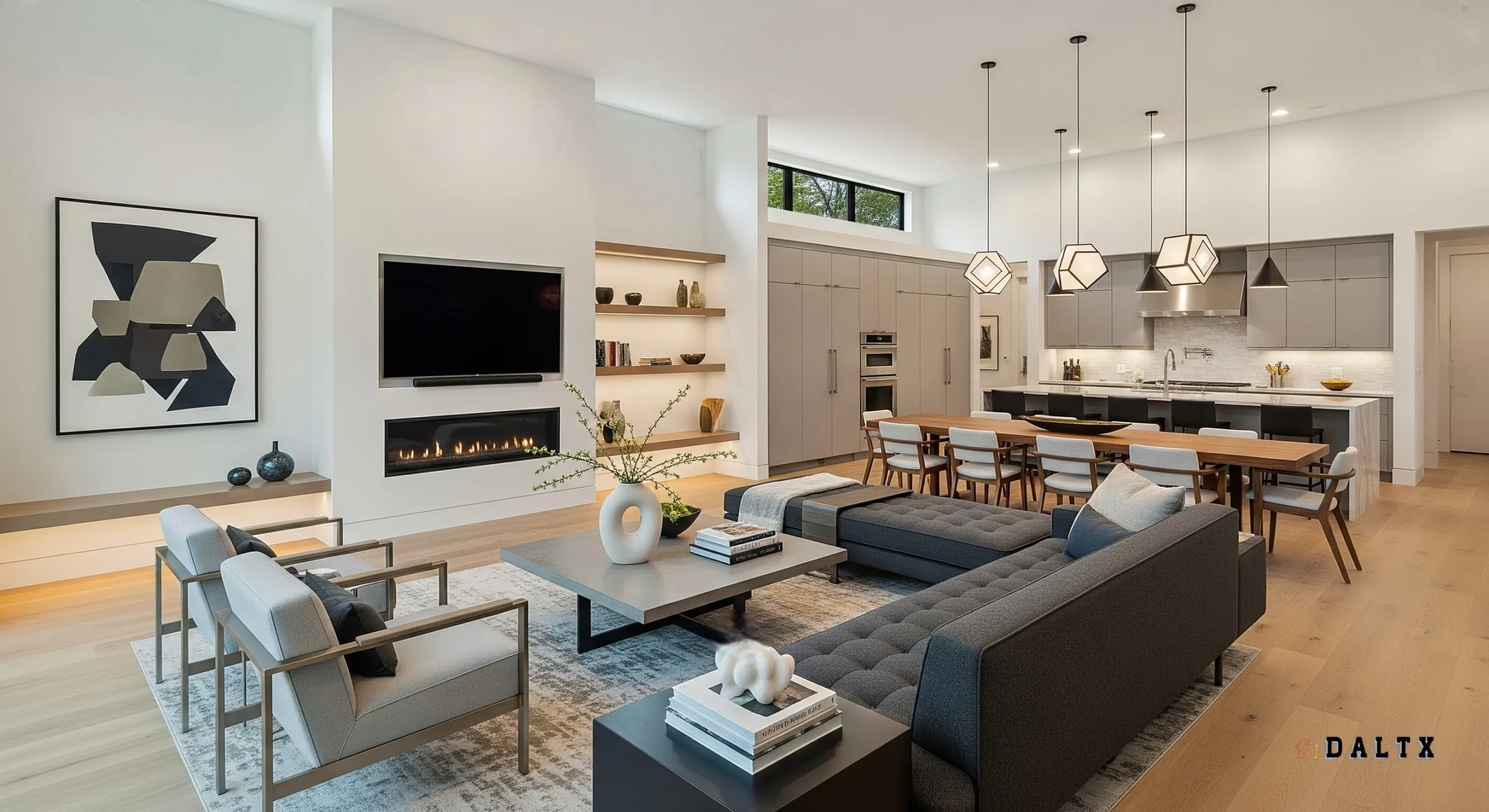
Every household has its own rhythm. When you plan rooms around your routine, you get more comfort and better use of space. A cook who loves to host can center the plan on a generous kitchen with a true work triangle, seating at the island, and a walk-through pantry. If you work from home, you can place a quiet office with natural light and built-in storage near the entry for easy client drop-ins. A well-planned layout makes your daily flow easier and more enjoyable.
Stronger long-term value
Thoughtful customization can lift appeal when you sell. Buyers respond to smart square footage, storage that actually functions, and floor plans that feel open yet purposeful. A home that photographs well, lives well, and shows well can support a stronger resale, especially when upgrades are timeless and maintenance is straightforward.
Future-ready choices
As life evolves, so do your needs. Planning flexible zones helps you adapt without costly remodels. A main-level suite can serve visiting parents now and become an aging-in-place bedroom later. A loft can start as a playroom, then convert to a study nook or gym. Wide hallways, minimal thresholds, and blocking inside walls for future grab bars are small moves that make a real difference over time.
Features That Make a Home Flexible
Open flow with purpose
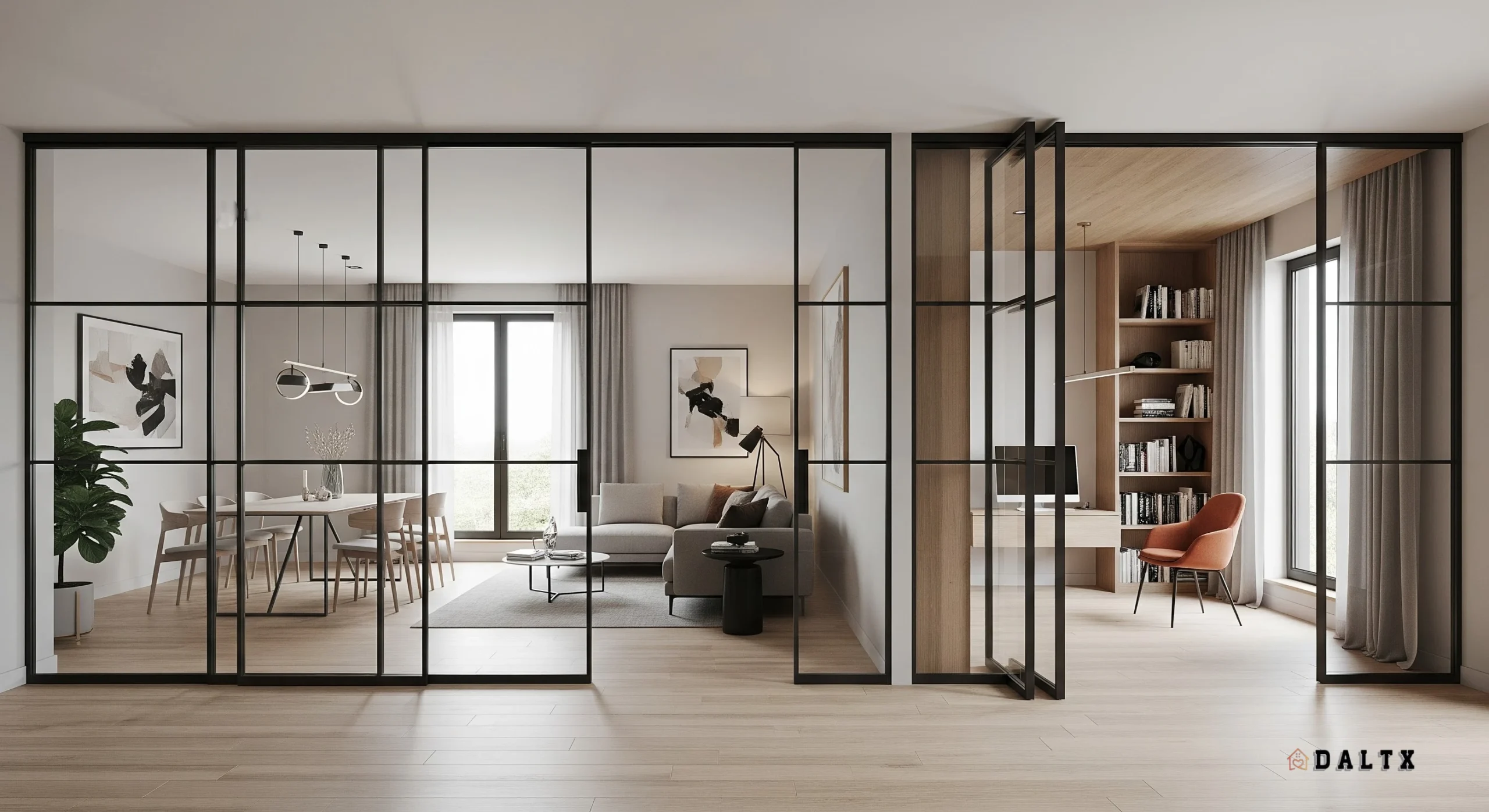
Open floor plans still shine when you define zones. Use ceiling detail, built-ins, and lighting to guide how you move from kitchen to dining to living. Add interior glass doors or a wide cased opening so a den can flex between media room, study space, or overflow guest room. Multi-use furniture and outlets in the right places keep rooms working hard without feeling cluttered.
Rooms that do more
Design a guest room with a wall bed and tall closets so it functions as an office most days. Add a pocket door between a bedroom and hall bath to create a quick en-suite during visits. Consider an alcove off the kitchen for homework, craft storage, or a compact workstation with a view to the backyard.
Natural light and indoor-outdoor connection
Large windows, clerestories, and sliding or folding glass doors pull in light and create an easy connection to patios and decks. A covered outdoor room with a ceiling fan and simple lighting extends living space for meals, reading, or small gatherings. Plan for shade, privacy, and durable flooring so the transition feels seamless.
Smart, efficient design
Energy-smart choices lower operating costs and boost comfort. Aim for tight insulation, efficient windows, and a right-sized HVAC system. Smart thermostats, occupancy sensors for lighting, and whole-house ventilation make the home easier to run. If solar is on your list, reserve roof area with minimal shading and place conduit during framing so the future install is simple.
Storage that actually helps
Built-ins near the entry for shoes and bags, a pantry with full-extension drawers, laundry cabinets with a folding counter, and garage storage for sports gear keep daily mess under control. When storage is planned up front, rooms stay calm and easy to clean.
Popular Styles You Can Personalize
Modern and Minimalist
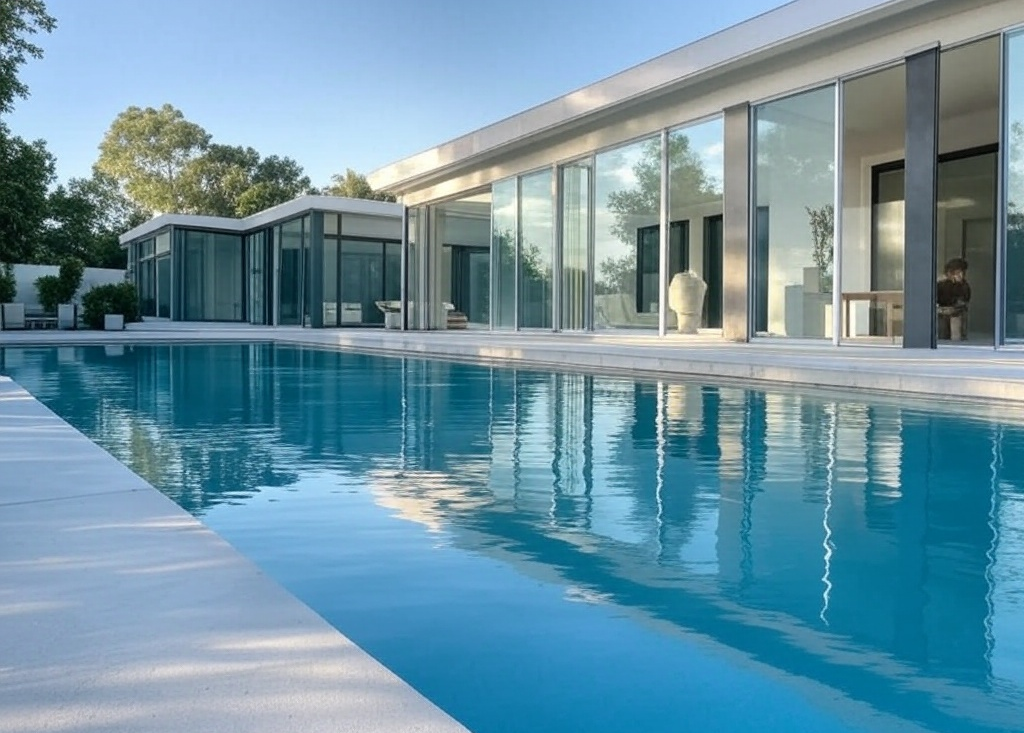
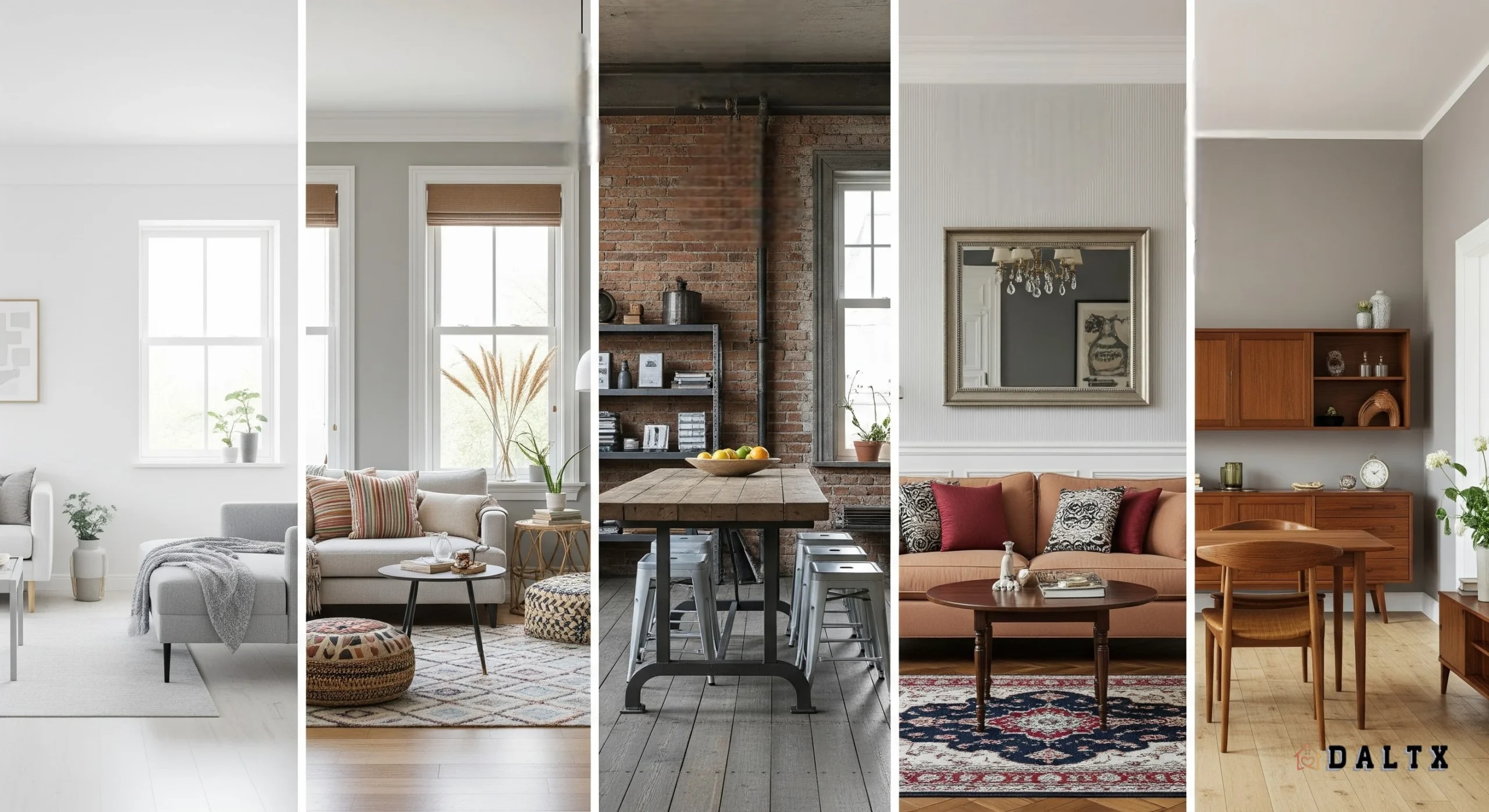
Clean lines, wide openings, and simple finishes keep spaces calm. You can warm this look with white oak floors, plaster-look walls, and textured tile. With fewer visual breaks, natural light carries farther, which makes modest square footage feel larger.
Rustic and Farmhouse
Natural wood, metal accents, and relaxed textures create a welcoming feel. Think generous porches, a big kitchen table, and a mudroom that truly works. Use durable finishes and classic hardware so the look ages well and maintenance stays easy.
Industrial and Urban
Industrial-style homes focus on raw materials like brick, metal, and wood. Exposed beams, large windows, and open spaces characterize this design, giving the home an urban, edgy feel. Many custom homes today incorporate industrial elements to create a unique blend of modern convenience and rustic aesthetics. This style works especially well in urban areas or for those seeking a home with character and a bit of an edge.
Transitional and Traditional
This blend of classic and contemporary stays timeless. Pair a traditional fireplace surround with streamlined cabinetry, or vintage-inspired lighting with flush inset kitchen doors. The mix is adaptable, which makes future updates straightforward.
How to Plan Your Custom Home
1) Define how you live
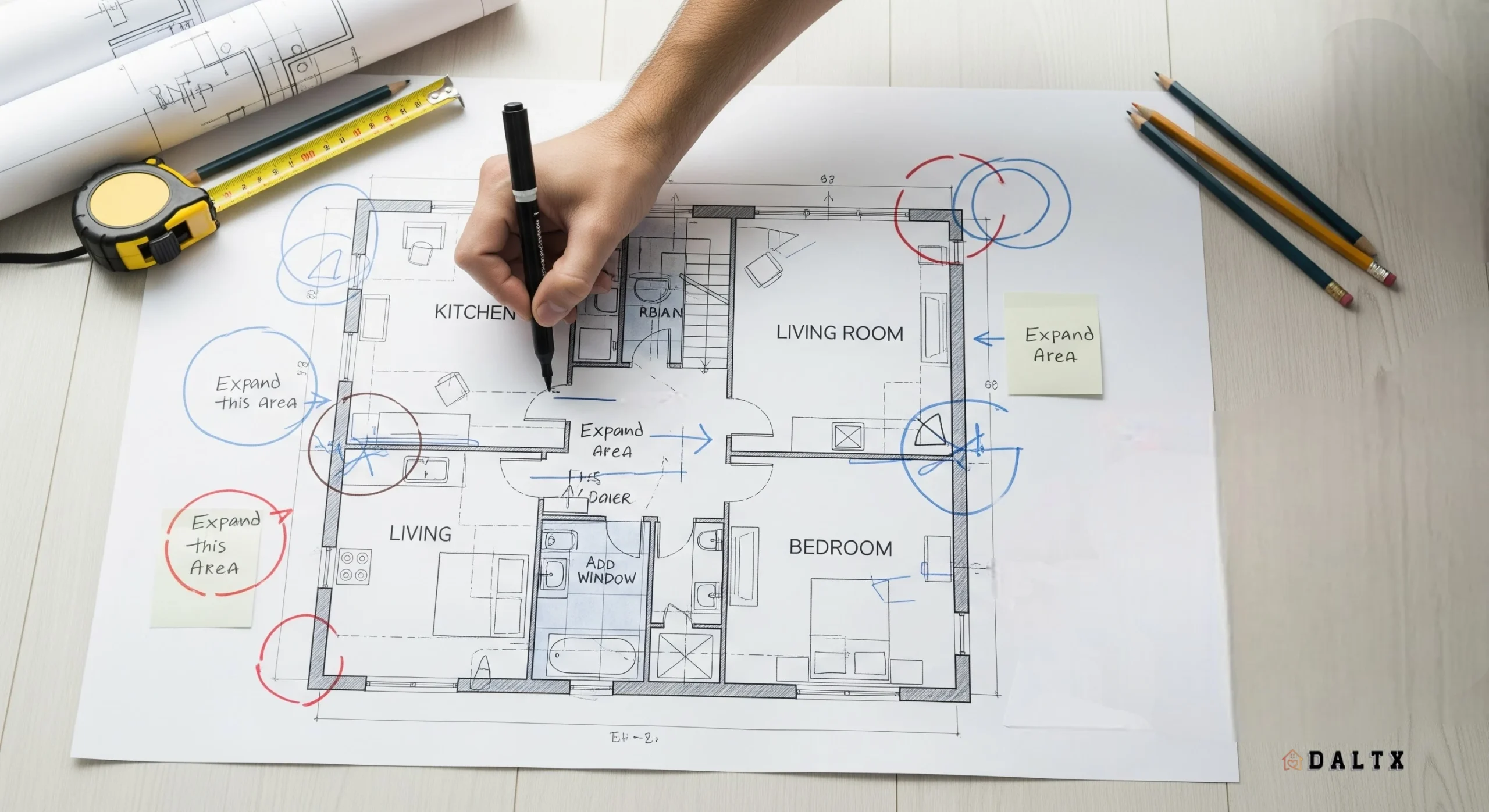
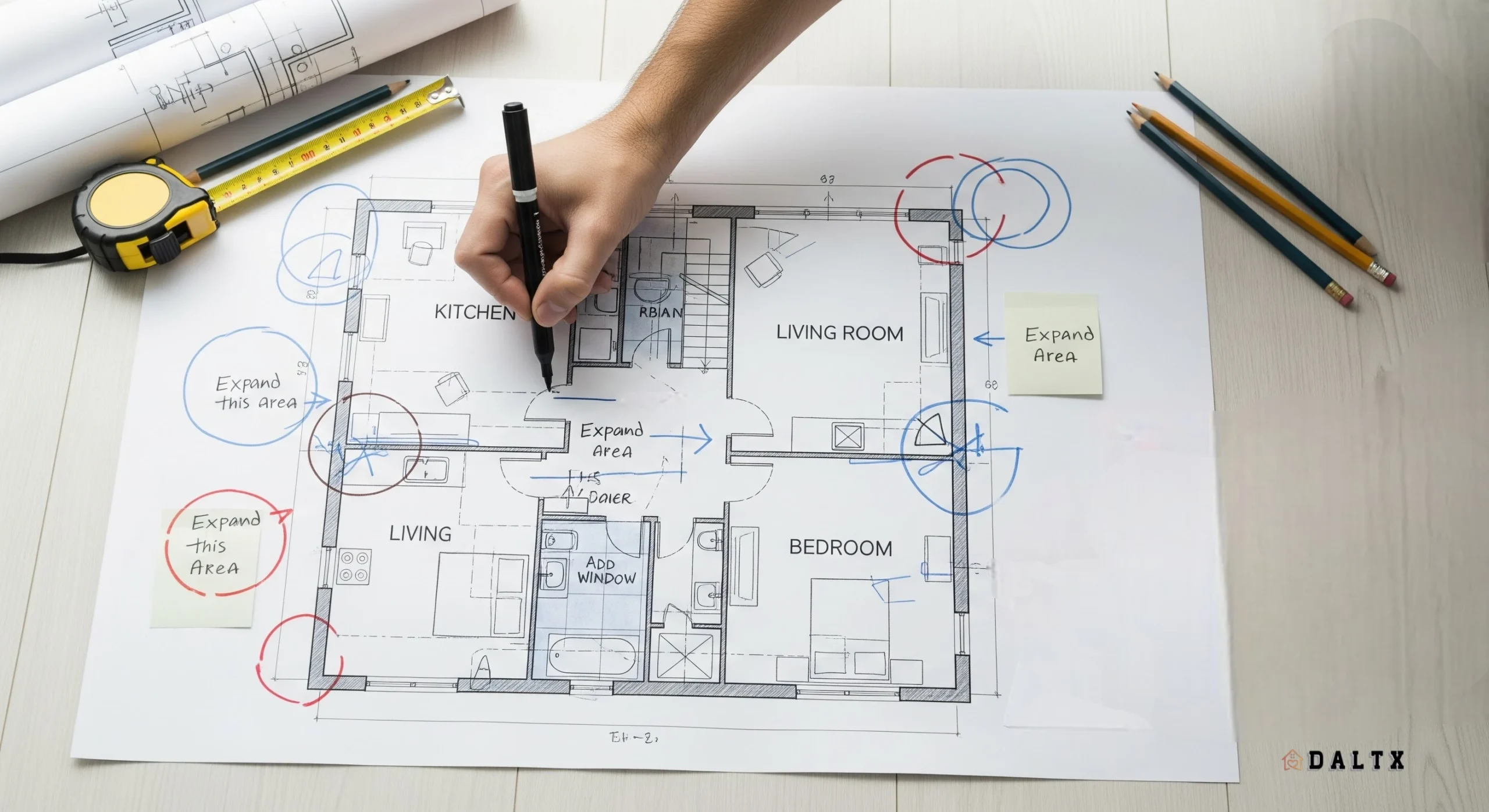
List your must-haves and nice-to-haves. Note how many people cook at once, where you drop bags and keys, how often you host, and what storage you never seem to have. This becomes your design brief and keeps decisions focused.
2) Set scope and budget early
Create a working budget that covers the build, site work, permits, design fees, contingency, and furnishings. Most owners set aside a 10%–15% contingency for changes or small surprises. Plan for closing costs at 3%–6% of the loan amount when you purchase land or close on a construction loan. Map a monthly number that fits your comfort level for the long run.
3) Line up your financing
Get preapproved before you finalize plans so you know your range. Your lender will review income, credit, and debt-to-income ratio. If you use a construction-to-permanent loan, you’ll close once, then roll into your permanent mortgage when the home is complete. Ask about draw schedules, interest-only periods during construction, and cash to close so timing stays clear.
4) Build the right team
Work with an architect or residential designer who listens, a builder with clear communication and transparent bids, and a local real estate pro if you’re purchasing land. Ask about permitting timelines, utility connections, soil conditions, and any review boards in the area. Visit model homes or recent projects to see workmanship up close.
5) Design for details you feel every day
Place outlets where you charge devices, add task lighting under cabinets, and keep hallways wide enough for moving furniture with ease. Choose flooring that matches your lifestyle, then select finishes that are durable and simple to maintain. Order long-lead items early so the schedule stays on track.
6) Plan inspections and walk-throughs
Schedule framing, mechanical, and insulation inspections as required. Do a detailed pre-drywall walk-through to confirm outlet heights, switch locations, and blocking for future features. At the end, complete a final walk-through with a clear punch list so small items get wrapped before move-in.
Materials and Finishes That Pay Off
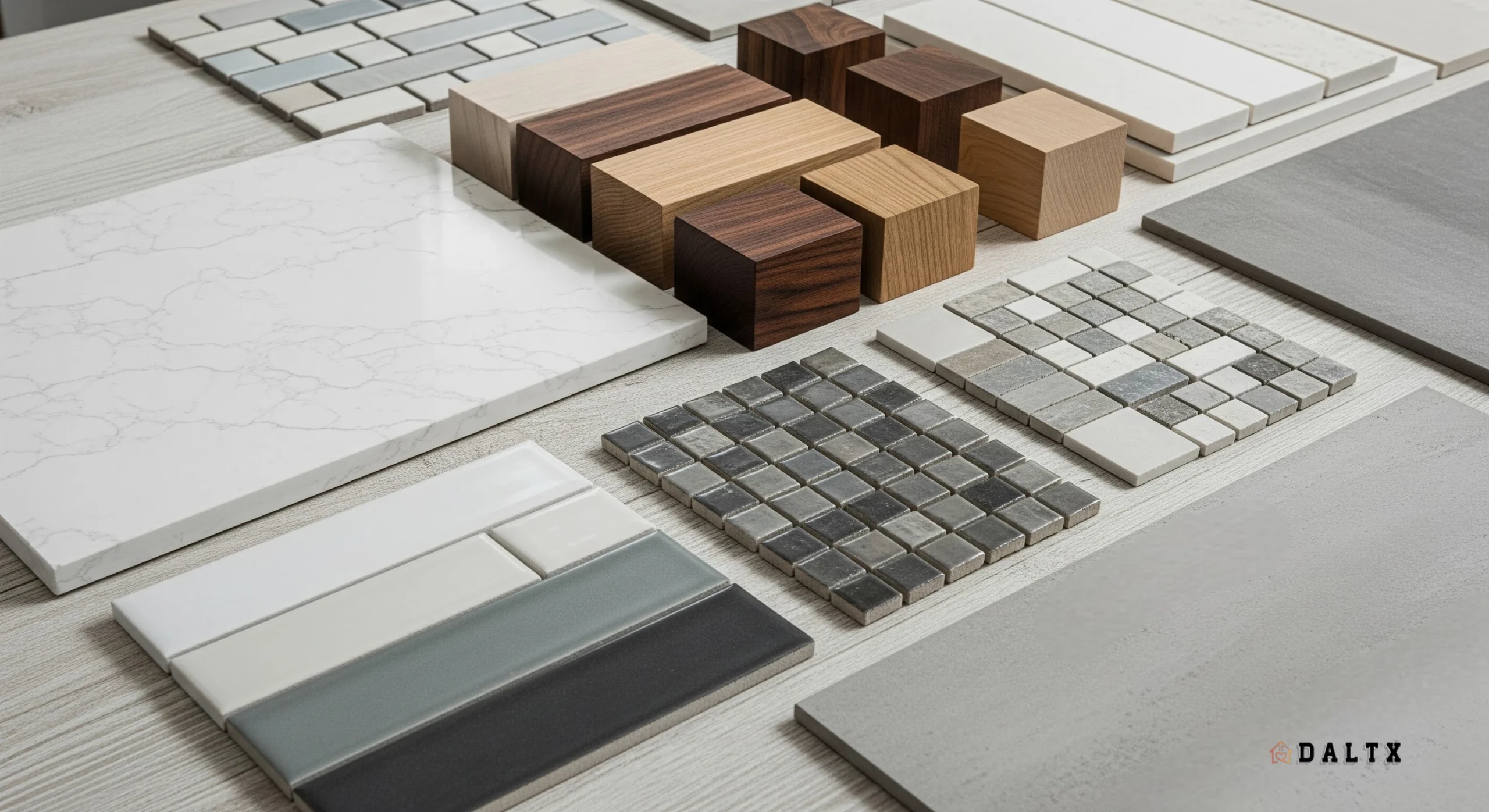
- Floors: Engineered hardwood or high-quality luxury vinyl in busy zones for durability and easy care.
- Counters: Quartz for low maintenance and a clean look in kitchens and baths.
- Tile: Porcelain for showers and high-traffic floors.
- Cabinetry: Full-overlay or inset doors with soft-close hardware for a tailored feel.
- Plumbing and lighting: Choose reliable brands with readily available parts, then use layered lighting so rooms feel balanced at any time of day.
Budget Notes and Value Plays

Prioritize where you live the most
Invest in kitchen layout, storage, and primary bath comfort. Keep secondary spaces simple, then upgrade later as you need.
Plan for operating costs
Set aside 1%–3% of the home’s value per year for maintenance. Energy upgrades such as better insulation and efficient HVAC can lower monthly costs, which supports long-term cash flow.
Know where customization adds value
Well-designed outdoor living, a functional mudroom, a walk-through pantry, and a main-level suite often deliver everyday comfort and strong resale appeal.
Conclusion
You have several options: work with an architect for a fully custom home, choose a semi-custom plan from a builder, or buy a new spec home and personalize the finishes. Each option has a different timeline, price point, and level of flexibility.
If you’re drawn to simple spans and versatile interiors, barndominiums in Indiana offer wide-open structural bays, straightforward finishes, and room to grow. Many owners appreciate the adaptability and cost efficiency, especially when they want large workshop space next to living areas.
Start with a solid plan: set your budget, get preapproval, and build a team that talks openly. After that, focus on what makes a house feel right, like natural light, storage that works, and spaces flexible enough to grow with you. Go for durable materials, show up for inspections and walk-throughs, and keep the schedule visible so no one’s left guessing.
When you move in, the house should feel like it was designed around you. That is the point of a custom plan: everyday comfort, smart function, and a look that stays fresh.