Tag: Home Comfort

  • How to Troubleshoot Uneven Heating in Multi-Story Homes

    A woman fanning herself due to the uncomfortable temperature of her home.

    Image Source: dreamstime.com

    If you live in a two or three-story home, you probably know how tricky it can be to keep every floor at the same comfortable temperature. It’s one of those things about home ownership that quietly drives you nuts, right?

    Now, uneven heating can be caused by a bunch of things, some simple and some not so obvious. But before you call in the pros for full HVAC or electrical services, it helps to know what might be going on. Let’s walk through how you can troubleshoot the problem and what steps you can take to make your indoor temperature balanced again.

    Why Multi-Story Homes Heat Unevenly

    A man insulating a window frame with rubber insulation

    Image Source: dreamstime.com

    Believe it or not, it’s a simple science. Heat rises. That’s it.

    So in a two-story or three-story home, warm air from your heater tends to naturally move upward. And that’s why upstairs often ends up warmer, while your downstairs might feel chilly, especially if your heating system isn’t distributing air evenly.

    But there are other reasons too, such as:

    1. Poor Airflow or Blocked Vents – Sometimes the issue is as simple as a blocked vent or a dirty air filter. If air can’t move freely through your ducts, it can’t spread heat evenly.
    2. Leaky Ductwork – If your ducts have gaps or cracks, warm air might escape before it reaches certain rooms. 
    3. Insulation Problems – Older homes often have poor insulation, especially in the attic or around windows. That means heat can escape easily, and rooms farther from your heating unit will feel it first.
    4. Thermostat Placement – If your thermostat sits near a warm area, like a kitchen or sunny window, it might think the whole house is warmer than it really is.
    5. Old or Inefficient Heating System – Sometimes, your heating unit just can’t keep up anymore. If your furnace or heat pump is over 10 to 15 years old, it might not be distributing air efficiently anymore.

    Step-by-Step: How to Troubleshoot Uneven Heating

    A homeowner adjusting her thermostat

    Image Source: dreamstime.com

    Step 1: Check the Simple Stuff First

    Go around your home and make sure all vents are open and not blocked by furniture, curtains, or rugs. You’d be surprised how often that’s the problem.

    Next, check your air filter. If it’s clogged, replace it. A dirty filter makes it harder for your system to push warm air through, and that alone can mess with airflow between floors.

    Step 2: Look at Your Thermostat

    Where your thermostat is placed really matters. If it’s in a warm part of your house, like near a big window, it might shut your system off too soon. That leaves other rooms colder than they should be.

    Try relocating it to a more central area. Or, if you have a large home, think about upgrading to a smart thermostat that can read temperatures in more than one zone.

    Step 3: Inspect Your Ductwork (or Have Someone Do It)

    Ductwork leaks are sneaky. You can’t always see them, but you can often feel them.

    If you have access to your basement or attic, turn your heat on and see if you feel warm air escaping from any ducts. If you do, sealing those leaks can help a lot.

    There’s special duct tape or mastic sealant you can use.

    But if it’s more than a few small spots, it’s better to call a pro to inspect, seal, and balance your ducts properly.

    Step 4: Add or Adjust Zoning

    Zoning means different areas of your home have their own temperature control. So instead of one thermostat for everything, each floor (or area) can have its own.

    That way, you can keep your upstairs cooler and your downstairs warmer without constantly fighting with one system.

    If you don’t already have a zoning setup, it’s a bit of an upgrade. But it’s one of the best long-term fixes for uneven heating.

    Step 5: Check Insulation and Windows

    Cold air likes to sneak in through weak spots like old windows, unsealed doors, or thin insulation. Walk around and see if you feel drafts, especially near windows and room corners.

    You can use weather stripping or draft stoppers to help.

    Attic insulation also makes a big difference since that’s where most heat escapes. Adding more insulation there can make your whole home feel more balanced and save on energy bills.

    When It Might Be More Than Just Airflow

    An electrical technician rewiring an outdoor HVAC unit

    Image Source: dreamstime.com

    Sometimes the issue isn’t about air at all. Heating systems rely on electrical parts like the thermostat, blower motor, and control boards.

    If any of those stop working right, your system might turn on and off unevenly or fail to push air to certain areas. That’s when it’s smart to bring in help.

    A skilled HVAC technician who also provides electrical services can test connections, wiring, and voltage to make sure everything is safe and working as it should.

    Companies like A-One Air do both, which makes troubleshooting easier because they can check the whole system in one visit.

    Quick Fixes You Can Try Right Away

    If you want to make things a bit better today, here are a few simple things that can help even out the heat:

    • Open doors between rooms so air can move around better.
    • Flip your ceiling fans to reverse mode (most have a small switch). This helps push warm air down in the winter.
    • Close vents slightly in the warmer rooms upstairs to push more air to the cooler rooms below.
    • Use thicker curtains to keep heat in at night, then open them during the day to let sunlight help.

    These small tweaks might not solve everything, but they can make your home a lot more comfortable while you plan for bigger fixes.

    When to Call in the Pros

    Two electrical technicians showing thumbs up against their service truck

    Image Source: dreamstime.com

    If you’ve tried all the easy fixes and your home still feels uneven, it’s probably time to bring in professionals. They can test air pressure, inspect ductwork, and make sure your system is running like it should.

    They can even use thermal cameras to spot where heat is escaping or where airflow is weak. It’s actually kind of cool to see, and it helps you understand where the problem really is.

    Getting things fixed properly doesn’t just make your home feel better. It can also lower your energy bills and keep your system running longer.

    Final Thoughts

    Uneven heating in multi-story homes doesn’t have to be a mystery. Most of the time, it comes down to airflow, insulation, or thermostat placement.

    Start with the easy stuff. Test vents and filters. Check your thermostat. Then move up to inspecting ducts or insulation if needed.

    And if it turns out to be more complicated, don’t stress. Whether it’s adjusting your duct system or calling for professional HVAC and electrical technicians like A-One Air, there’s always a solution.

  • How New Windows Can Transform Your Interior Spaces

    New windows can significantly enhance the aesthetic and functional aspects of any interior space. The right choice of windows not only improves natural light and energy efficiency but also elevates the overall design of a room.

    Homeowners often underestimate the impact that windows can have, both visually and practically.

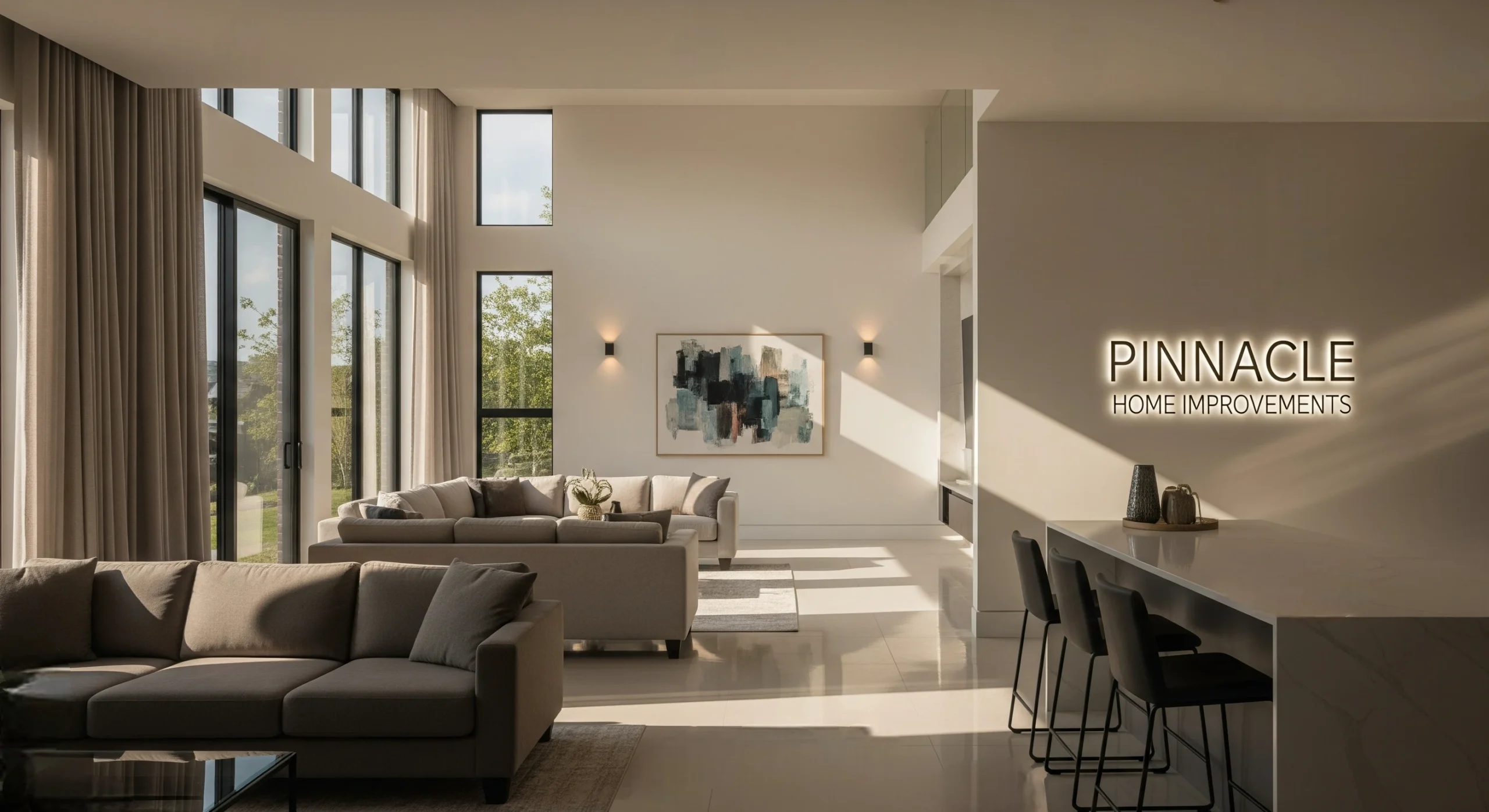
    Sunlight streams through new windows, illuminating a modern living room. The space feels open and airy, with a fresh and inviting atmosphere

    Installing new windows can create a fresh atmosphere, making spaces feel more open and inviting. By selecting styles and materials that complement the existing decor, individuals can achieve a seamless blend of functionality and appeal. Taking this step can lead to a remarkable transformation that revitalizes any area of the home.

    In addition to their visual benefits, modern windows offer advanced features such as better insulation and soundproofing. This contributes to a more comfortable living environment while also potentially lowering energy costs. Embracing new windows is not just about aesthetics; it’s a strategic investment in the quality of life within a home.

    The Impact of Natural Light on Interiors

    Natural light serves as a crucial element in enhancing interior spaces. Strategic window placement and the psychological benefits linked to increased light can significantly transform the atmosphere and functionality of a home.

    Maximizing Daylight with Strategic Window Placement

    The positioning of windows plays a vital role in optimizing natural light. Installing larger windows or skylights can capture sunlight throughout the day. You can get transformative window designs with Pinnacle Home Improvements that allow for better light flow.

    Consider the orientation of the home. South-facing windows typically receive the most light, while north-facing windows provide softer, diffused light. Incorporating elements like window films or low-e glass can also enhance light entry while maintaining energy efficiency.

    When designing spaces, placing windows at different heights can create visual interest and varied light exposure. This approach not only amplifies brightness but also contributes to the aesthetic appeal of a room.

    The Psychological Benefits of Increased Natural Light

    Exposure to natural light is linked to positive psychological effects. Studies indicate that ample daylight can enhance mood, improve focus, and promote well-being. This influence is especially noticeable in areas like home offices and living rooms.

    Bright spaces reduce feelings of confinement and create an inviting atmosphere. Natural light can also improve sleep patterns and regulate the body’s circadian rhythm. Choosing large, strategically placed windows can significantly enhance these effects, making rooms feel more productive and serene.

    Incorporating this knowledge into interior design fosters healthier living environments. The integration of natural light not only transforms aesthetics but also elevates the quality of life.

    Enhancing Aesthetics with Window Design

    Windows play a crucial role in enhancing the interior aesthetics of a home. Thoughtful selection of styles and materials can create a significant visual impact that complements the existing decor. Transformative designs highlight the potential to elevate any space.

    Modern Window Styles and Their Influence on Decor

    Modern window styles include casement, sliding, and bay windows, each contributing distinct characteristics to a room.

    • Casement Windows: These allow for unobstructed views and maximum ventilation. Their clean lines add a contemporary flair.
    • Sliding Windows: Ideal for narrower spaces, they provide a sleek look and easy operation while connecting indoors and outdoors.
    • Bay Windows: These create a focal point in any room, offering both aesthetic appeal and added space.

    Each style can interact with existing decor elements, enhancing the overall ambiance and creating a cohesive look.

    How Window Frame Materials Complement Interior Themes

    The choice of window frame materials is essential in achieving a harmonious design.

    • Vinyl Frames: Known for their durability, they come in various colors and finishes, making them versatile for multiple interior styles.
    • Wood Frames: These offer a classic, warm look. They can be stained or painted to fit any decor theme.
    • Aluminum Frames: Sleek and modern, they work well in minimalist settings.

    Combining the right materials and styles can seamlessly integrate windows into a home’s design, showcasing character and enhancing visual appeal.

    Functional Considerations of New Windows

    New windows offer practical benefits that enhance both comfort and efficiency in interior spaces. Important aspects include improved ventilation and air quality, as well as advancements in insulation and energy efficiency.

    Improving Ventilation and Air Quality

    New windows are designed to enhance airflow and maintain a healthy indoor environment. They allow fresh air circulation, reducing humidity and preventing mold growth. Types of window opening mechanisms include:

    • Casement Windows: Open outward to maximize airflow.
    • Sliding Windows: Provide easy openings for ventilation.
    • Awning Windows: Allow air circulation even during rain.

    These features not only improve air quality but also contribute to a more comfortable living space. Well-ventilated rooms help to enhance overall well-being.

    Windows as Insulators and Energy Savers

    Energy-efficient windows significantly impact heating and cooling needs. Modern technologies, such as double or triple glazing, provide excellent thermal insulation. Some key benefits of energy-efficient windows include:

    • Reduction in Energy Bills: Better insulation lowers heating and cooling costs.
    • Improved Temperature Control: Keeps indoor spaces comfortable year-round.
    • UV Protection: Protects interiors from fading due to sun exposure.

    Transformative window designs integrate these advanced features, ensuring homeowners benefit from reduced energy expenditures while enjoying a pleasant indoor climate.