Tag: First-Time Homebuyers

  • Making $50K? You Can’t Even Access 9% of Homes for Sale

    Many Americans still can’t afford to buy a home. Home sales are up nearly 20% from a year ago, but overall sales remain well below pre-pandemic levels—underscoring the nation’s ongoing affordability crisis.

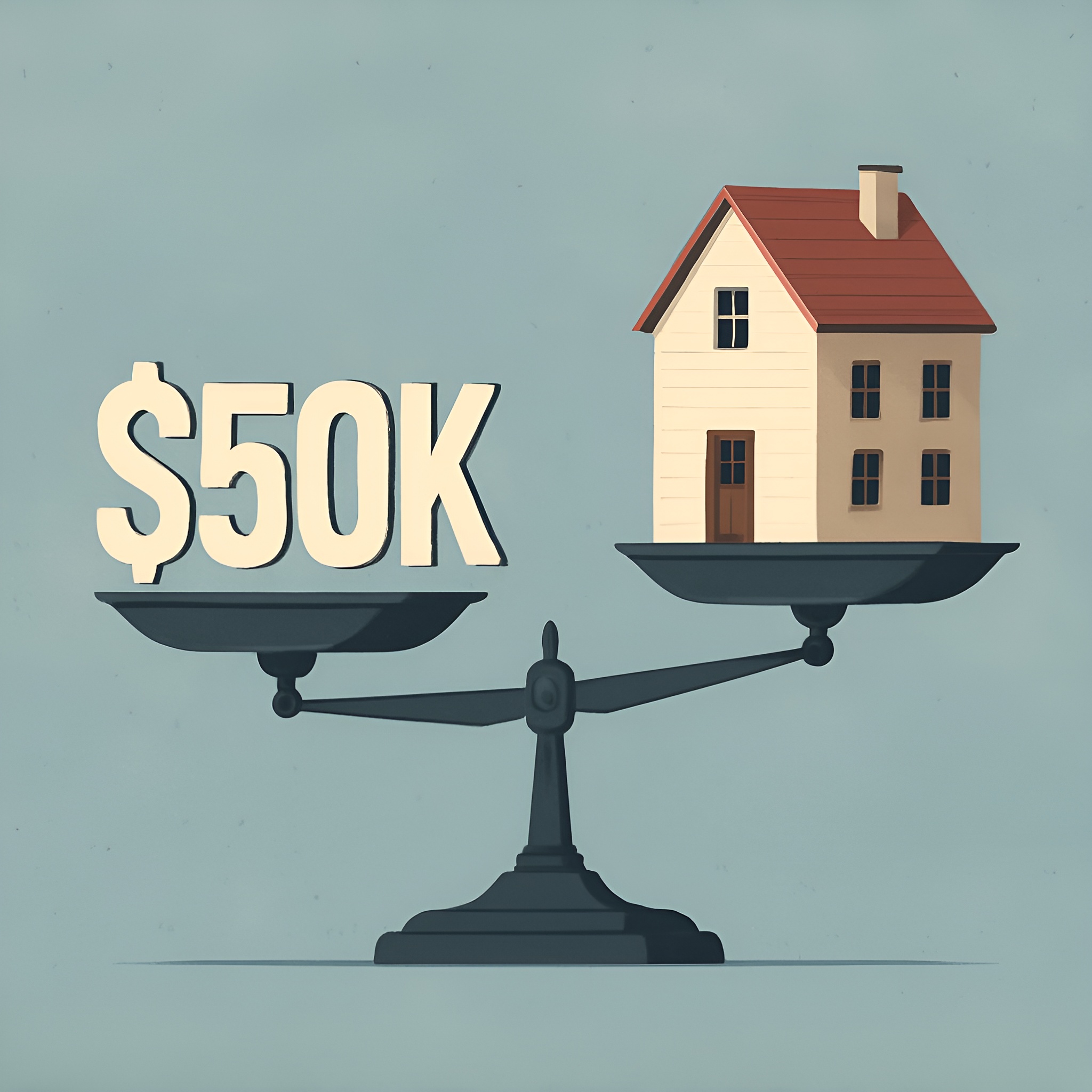
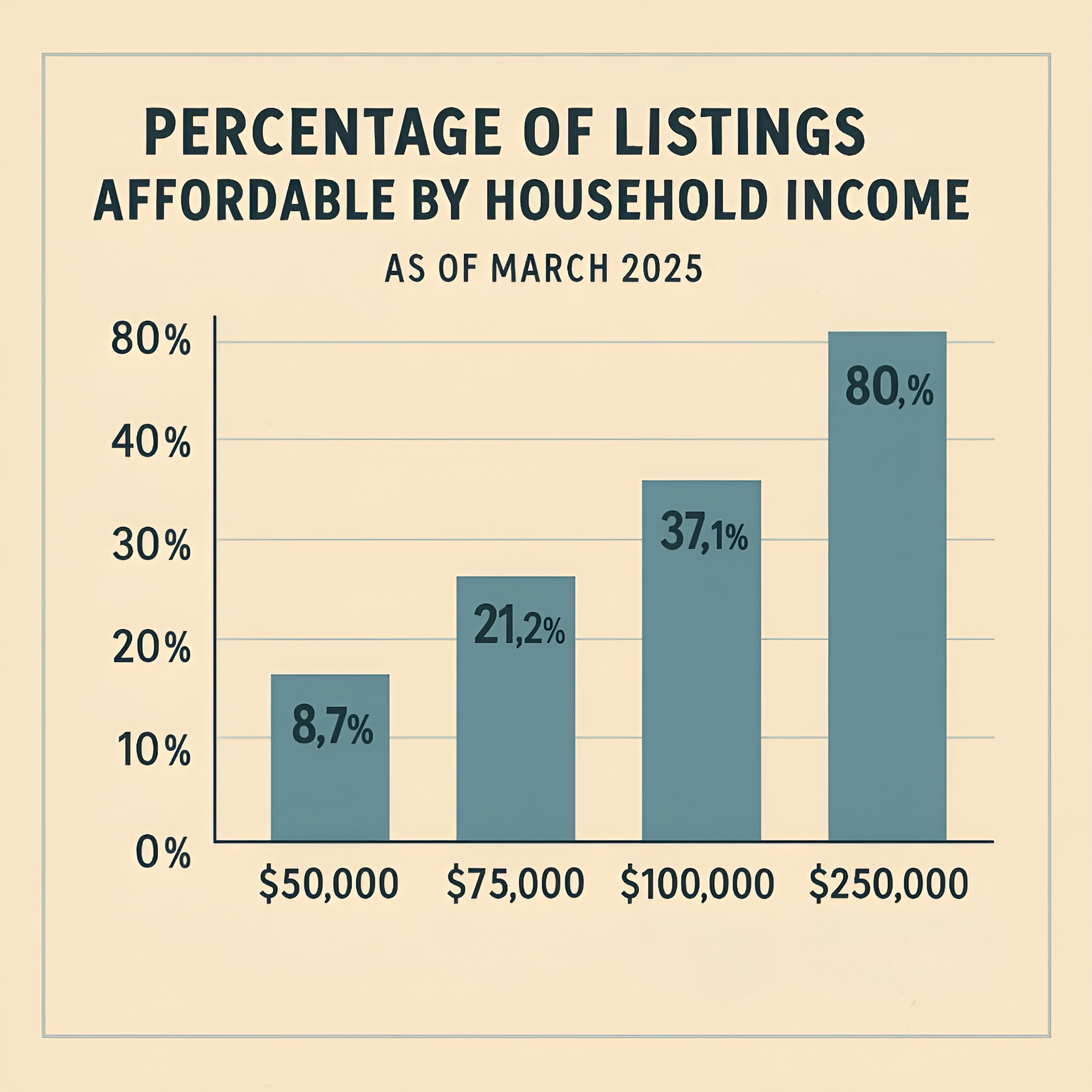
    As of March 2025, lower-income households earning $50,000 annually could afford just 8.7% of available listings—down from 9.4% a year prior. The market would need an additional 367,000 homes priced below $170,000 to achieve a balanced supply.

    Households earning $75,000 a year could afford just 21.2% of homes on the market, up slightly from 20.8% in March 2024. Despite this marginal improvement, the affordability gap continues to widen. Before the pandemic, this group could afford nearly 49% of homes for sale. To reach a balanced market, they would need access to 48.1% of listings, which means about 416,000 more homes priced up to $255,000 are needed.

    Meanwhile, households earning $100,000 or more can afford 37.1% of listings, up slightly from 36.9% a year ago. However, this remains far below the 64.7% they could afford in 2019. Achieving equilibrium would require about 364,000 additional homes priced below $340,000.

    In contrast, households earning $250,000 or more can afford at least 80% of homes for sale, highlighting a sharp disparity in affordability among income groups.
    Nationally, the number of homes for sale increased nearly 20% from March 2024 to March 2025. While this is a positive sign, total inventory remains well below pre-pandemic levels. About 30% of the nation’s 100 largest metropolitan areas now fall into the “Areas Getting Closer to Balance” category, where housing affordability has improved for all income levels. Cities including Akron (Ohio), St. Louis (Missouri), Youngstown (Ohio), Pittsburgh (Pennsylvania), Raleigh (North Carolina), Des Moines (Iowa), and Grand Rapids (Michigan) are beginning to see more balanced markets.

    Meanwhile, 44% of metropolitan areas are categorized as “Areas Stuck in the Middle,” where supply and demand remain out of sync. Some cities, such as Seattle and Washington, D.C., are making progress, with affordability increasing by 4 percentage points, but the gap remains significant.

    Likewise, Austin, Texas; Salt Lake City, Utah; and Denver, Colorado, have all made significant progress, with average affordability gains of 20 percentage points. San Francisco, California, has already surpassed pre-pandemic affordability levels.

    Alarmingly, 26% of metropolitan areas are now classified as “Areas Falling Further Behind,” meaning affordability in these regions is getting worse. Major cities like Los Angeles and San Diego, California; New York, New York; and Spokane, Washington, are among the hardest hit by the shortage of affordable housing.
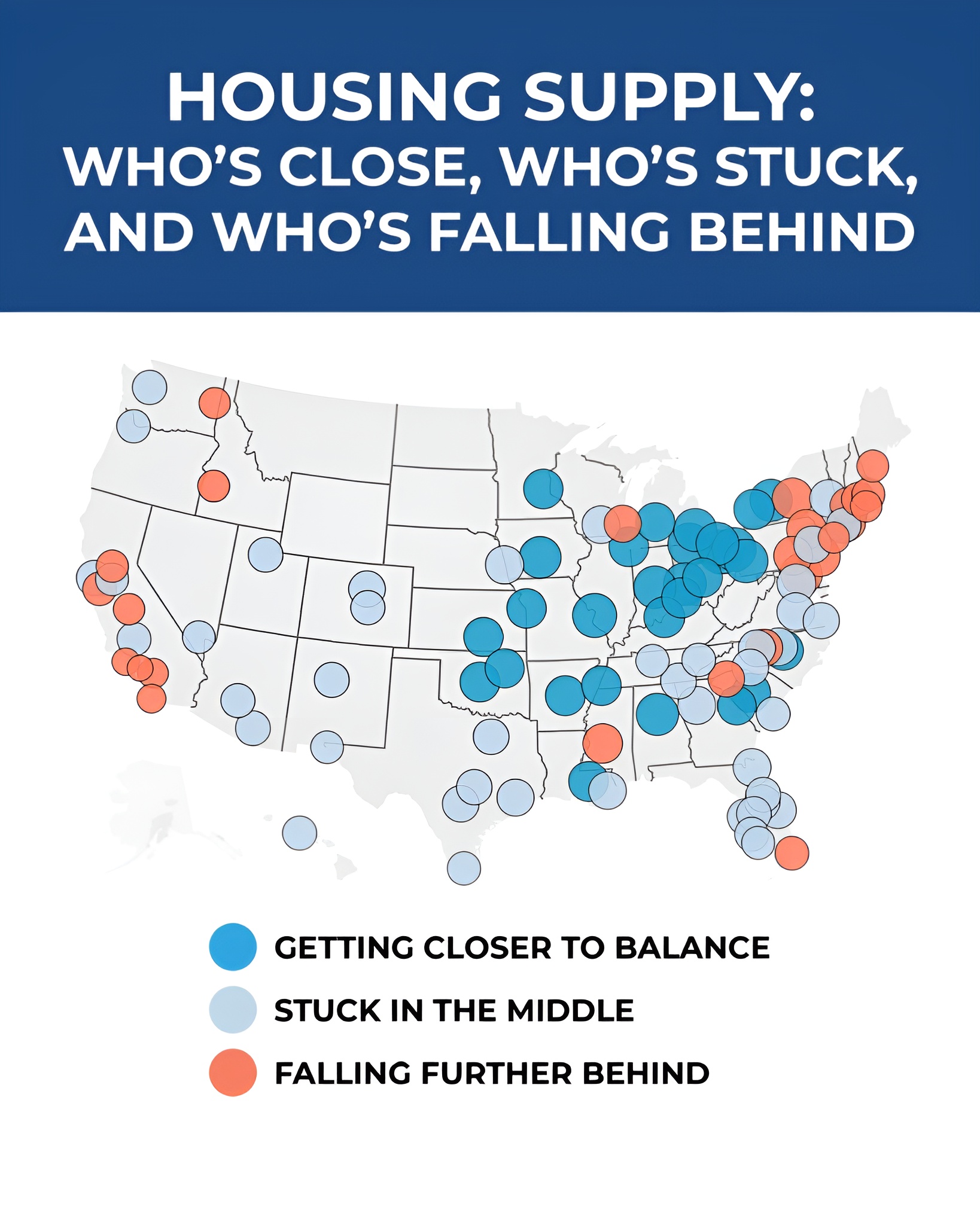
    Source: NAR.realtor

    At the state level, Iowa, Ohio, Indiana, Illinois, and West Virginia continue to lead in housing market balance. In these states, households earning $75,000 still have access to more than 45% of available homes. By contrast, states such as Montana, Idaho, California, and Massachusetts—despite increasing inventory—still face significant challenges in achieving market balance.

    The housing market is at a turning point, with more homes coming onto the market and middle-income earners beginning to see an increase in supply. However, the gap remains wide—especially for first-time homebuyers. Meanwhile, Danielle Hale, chief economist at Realtor.com, notes that although the number of affordable homes is rising, progress has been uneven and is largely concentrated in the Midwest and South.

    Homeownership is increasingly out of reach for low- and middle-income households. Building smaller, more affordable homes could help narrow the gap. While some regions are showing signs of improvement, the national housing market still needs time to achieve true parity and affordability for all income groups.


  • Must-Have Home Features for Newlyweds: What to Look for in Your First House

    Source: pexels.com

    Having a new beginning with your soulmate may sound like a dream come true. And it should also be that way with your first home. Besides, your first home will always be special to you as newlyweds, it is also vital to search for some key features to make your home perfect for you.

    It’s crucial for newlyweds to take a balanced approach to house hunting and find a location that is financially, emotionally, and physically sound as they are planning for their future together while still making room for their immediate needs.

    We’ll examine some essential home features for newlyweds and strategies to improve your first-time home-buying experience in today’s blog.

    7 Must-Have Home Features For Newlyweds In Their First House

    If you’re unsure what elements to evaluate a potential home on, consider these seven features to streamline your homebuying process:

    1. Safe Neighborhood

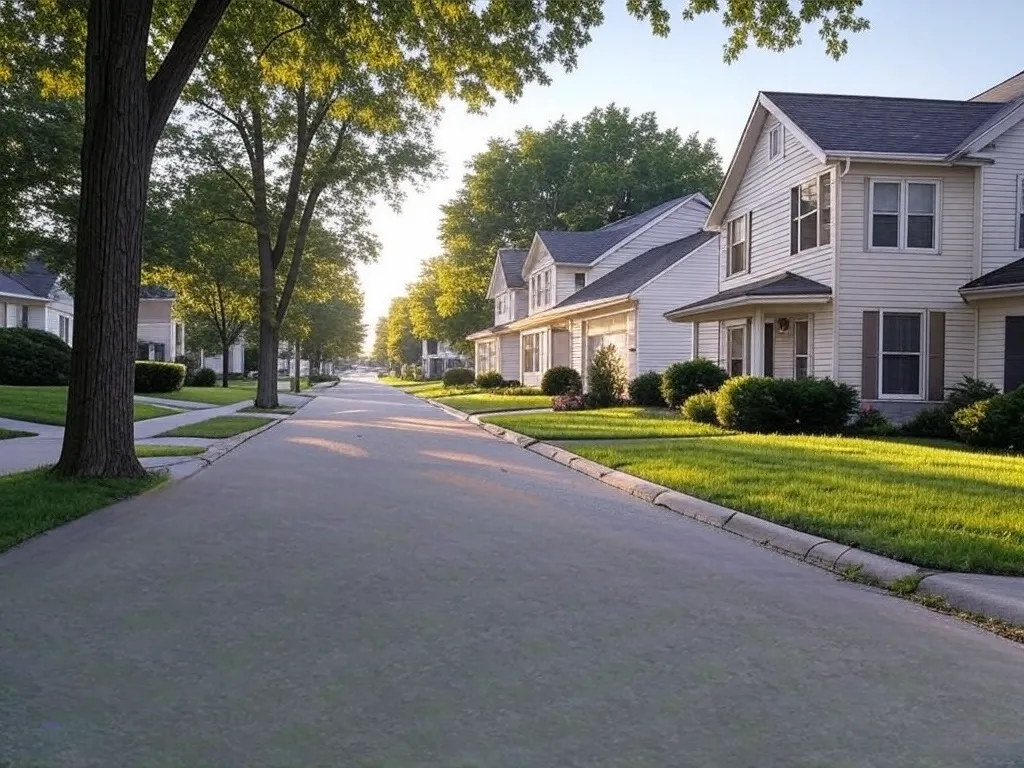
    A safe neighborhood is among the most crucial qualities to seek in a new home. A neighborhood with a low crime rate, established communities, and proximity to parks, restaurants, shops, and other everyday amenities can enhance the quality of your day-to-day life.

    Living in an area with reliable public transportation and strong access to major roads or transit hubs is worthwhile whether or not you own a car. Living in a school district with strong academic ratings will be quite helpful in the long run if you intend to have children.

    2. Open-Concept Floor Plan

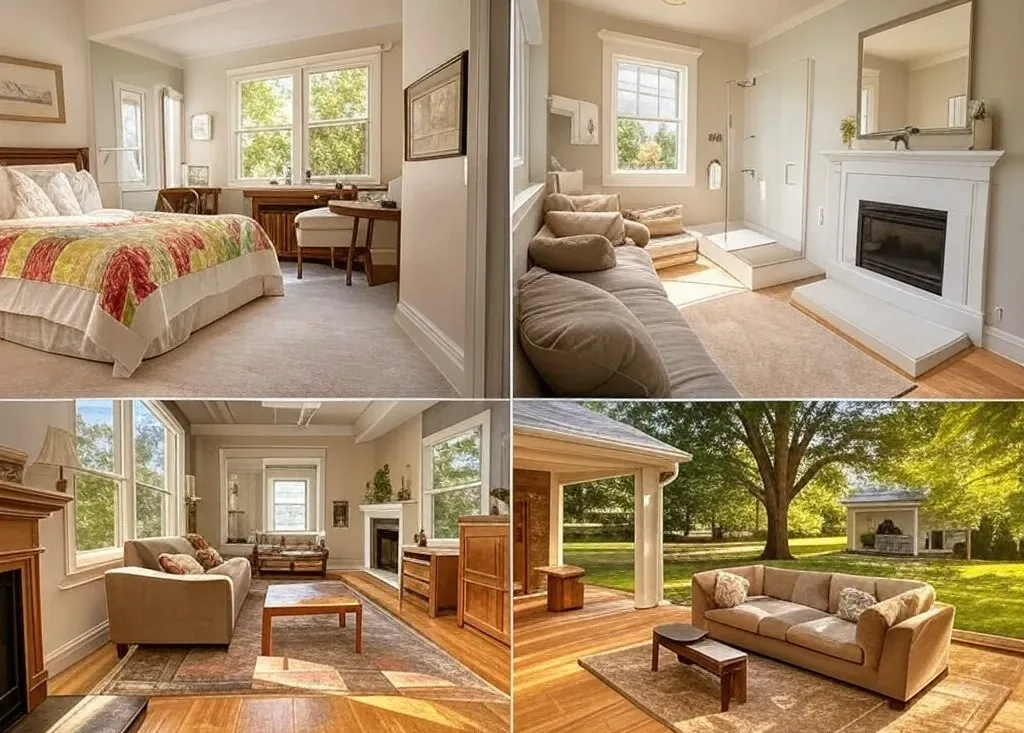
    Once you have selected your desired area, it’s time to search for a home. Your first choice should be a home with an open floor design. You will need all the room you can get to build a home of your dreams as you are settling into your new life.

    An open plan gives you the flexibility to adapt your space to meet changing needs—whether that means adding extra bedrooms, a nursery, or even a dedicated workspace. Furthermore, open layouts tend to appeal to a wide range of buyers, making it a strong investment opportunity.

    3. Modern Kitchen Design

    Source: pexels.com

    Whether you’re building a pantry or keeping other kitchen supplies, a modern kitchen with a spacious and streamlined layout could be ideal for additional storage. Look for recently renovated kitchens with granite countertops and stainless steel appliances, as all of these require less upkeep and are easy to clean.

    4. Outdoor Living Space

    An outdoor space can be transformed into a place for entertainment and for hosting visitors. If your budget permits, look for homes with a large outdoor space. Adding a deck or covered patio for weekend BBQs allows you to personalize the space however you see fit.

    This is particularly useful if you intend to host many visitors at your new house, or are discovering how to cook lobsters, fish, and red meat in grills, all of which are tasty but can dirty your kitchen. Alternatively, if you enjoy being surrounded by nature, you can design a landscaped garden to spend time interacting with nature.

    5. Home Office

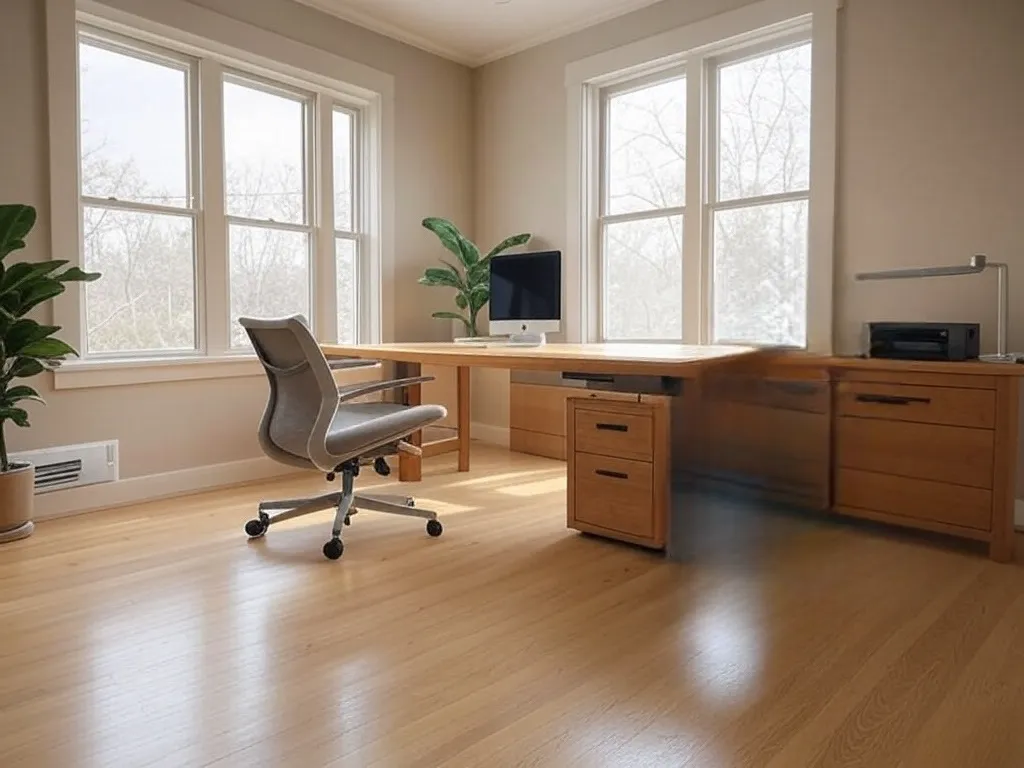
    The need for a dedicated workspace cannot be overlooked given the rising need for remote work. A dual workspace is absolutely necessary if both you and your spouse work from home often so that neither of you becomes sidetracked or interrupted during work. Although you can design a home office, some homes come with built-in storage and soundproofing for better focus and productivity.

    Choosing a workspace should involve natural light and ergonomic design to give comfort top priority even while working from home. A home office also helps to raise the future value of your house.

    6. Eco-Friendly Features

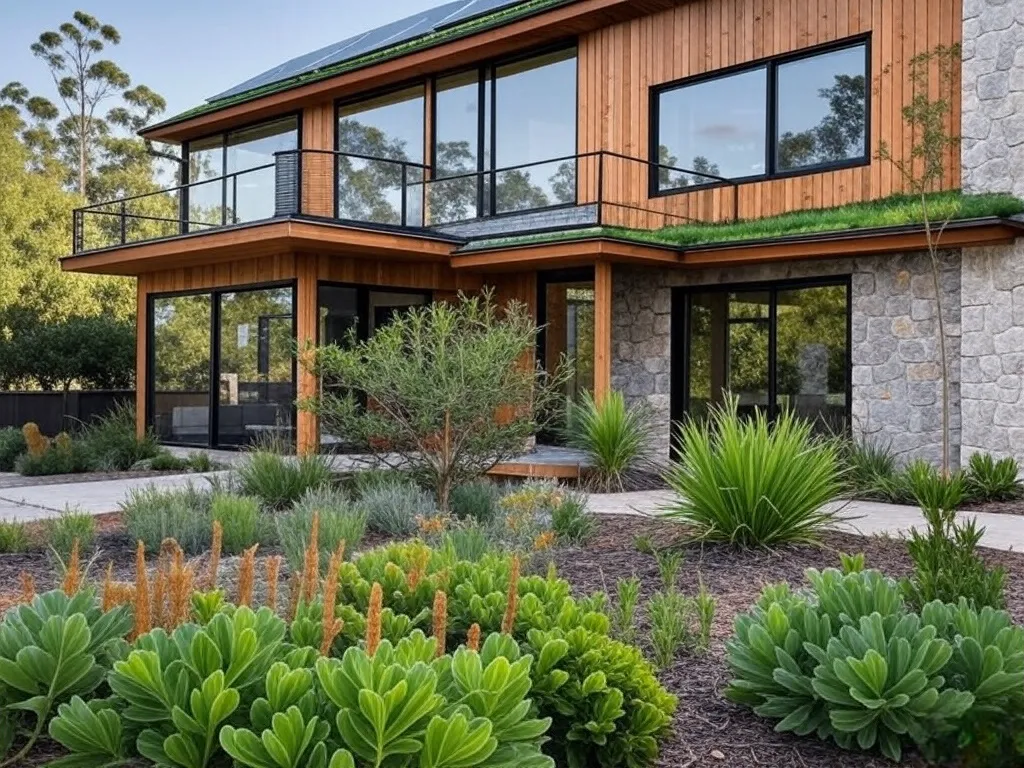
    One of the key qualities of modern houses now is sustainability. Whether you want your first home to be your forever home or you want to invest in it, look for energy-efficient elements to maximize your experience. Does the home offer features such as high-efficiency insulation and solar-powered systems to reduce your monthly utility costs?

    Are there controls for smart thermostats and lighting to make the process more convenient for the homeowner? Questioning and searching for sustainable elements could help your house to be profitable to live in and therefore raise its resale value.

    7. Pet-Friendly Area

    Source: pexels.com

    Finding a pet-friendly area is important if you have a small four-legged companion. Pet-friendly neighborhoods can help pet owners feel at home. Before buying a home, review the HOA policies on pets.

    Having parks and open spaces nearby for pet exercise is also something to consider. Built-in pet nooks or wash stations within the neighborhood can assist you with caring for your pet. Opt for a home with secure fencing to keep your pet safely on the property.

    Your Wedding Style Could Indicate Your Future Home Style

    Source: pexels.com

    Believe it or not, the way you organize your wedding can reveal a lot about the type of home you will desire as a newlywed couple. From color palettes to venue selections, your wedding often reflects your shared preferences, which can obviously carry over to your first home.

    For instance, couples who choose a nature-inspired wedding often look for homes with spacious yards and minimalist interiors. Meanwhile, those who prefer a luxurious indoor wedding may lean toward homes with an elegant, refined feel. In the end, both your wedding and your home reflect your shared taste.

    Things To Keep In Mind As a First-Time Home Buyer

    Source: pexels.com

    Buying your first house brings many major choices. Once you’ve chosen the newlywed qualities you desire, consider these additional factors:

    Investment and Resale Value

    Consider the home’s potential to retain or increase in value before making an offer. Properties in sought-after Dallas neighborhoods—especially those with versatile layouts and distinctive features—typically offer stronger long-term returns. If you’re buying for investment, consider new construction homes in emerging areas.

    Affordable Choice

    Developing a detailed budget for your new home—including down payment, closing costs, property taxes, insurance, and repairs or renovations—will show you how much you can afford. Dallas home prices have remained steady, and as a result, buyers have various options available to them. To stay within your budget, prioritize needs over wants.

    Finding the Right Mortgage

    As a first-time homebuyer, you should explore your mortgage options based on your financial situation. To qualify for better rates, begin by improving your credit score. A conventional loan with a low interest rate may be your best option if you have good credit and can put down twenty percent.

    Although it typically comes with a higher rate—around 7.35%—an FHA loan could be a more accessible choice if your credit needs improvement or you haven’t saved 20%. VA loans average around 6.38% and offer 0% down for active-duty military members, veterans, or eligible spouses.

    Getting pre-approved also helps you determine your price range, as well as communicate to sellers how ready you are to make a serious offer.

    Home Sweet Start!

    Choosing your first home as newlyweds is a matter of balancing today’s lifestyle with the goals of tomorrow. While considering long-term value, neighborhood safety, and flexibility for future plans, look for features that matter now—like a modern kitchen, open floor plan, outdoor space, and a home office.

  • The Importance of Home Inspections for Homebuyers

    Home purchases are the biggest expense most people will make in their lives. It is an important life event, a fulfillment of dreams. However, buying a home can be a complex process with many potential pitfalls. A home inspection will provide the buyer valuable insights into the condition of the property, which will help the buyer decide whether it should be purchased and what should be the potential costs.

    A home inspection is a crucial safeguard for your investment. It will reveal hidden issues and the possible repairs that may be needed after closing.

    Top Reasons Why a Home Inspection Is Important

    • It will detect hidden problems – The inspection will uncover issues that aren’t immediately visible, such as faulty wiring, plumbing concerns, or structural damage.
    • Planning the repair and maintenance work – You will receive the inspection report, which will inform you of the property’s current condition and any future repair or maintenance work.
    • Negotiations – The property’s current condition, particularly the identified issues, will help you negotiate the right price.
    • Safety – The inspection will point out potential safety hazards, allowing you to focus on necessary improvements, ensuring the safety of the occupants.

    The property you’re considering may have really attractive and stylish bay and bow windows, but don’t let appearances fool you. There could be underlying issues requiring immediate attention. A home inspection will uncover and bring these issues to light.

    What Happens During a Home Inspection?

    A professional and certified home inspector will thoroughly check the condition of the property you are planning to purchase. The inspector will thoroughly evaluate every corner and assess various aspects, including the property’s structural integrity, HVAC, electrical systems, plumbing, heating, cooling, and more. This diagnostic check-up is to identify any potential or existing issues that may impact the value, functionality, and safety of the property.

    It should always be a mandatory check even if you feel confident that the property is in good condition. The check should be done by someone who has the expertise to examine every corner and detail of the home.

    The home inspection should include the following to ensure that the property is in sound condition.

    1. Structural integrity – Here, the inspector will focus on the fundamental framework of the building. The thorough inspection will identify any existing structural issues, which may affect the home’s safety and stability. The foundation, ceilings, floors, and walls will all be checked to identify issues like cracks.
    2. Systems – The home inspector will evaluate the key components like the electrical system to make sure that it is safe, the HVAC system to ensure that it is working efficiently, and the plumbing system to check for any signs of leaks.
    3. Components – This includes the home’s individual elements like the doors and windows, fixtures, and appliances, for example. Each one of them will be inspected to detect signs of any defect and ensure proper functionality.

    You will get a detailed report after this comprehensive inspection. The report will give you a detailed picture of the current condition of the building and the issues. It will highlight minor issues like leaky faucets and also more serious concerns like a compromised foundation.

    What Will Be Covered In a Home Inspection?

    The home inspector will carry out a detailed analysis of just about everything, which includes the following:

    • The exterior – The certified professional will identify cracks, roof damage, and other issues that could lead to pest infiltration or water damage. The home’s foundation, if visible, will also be inspected.
    • The interior – The inspector will thoroughly check the interior for damage to walls, windows, doors, and cabinets. All visible aspects of the interior will be inspected.
    • Plumbing – The inspection will check for visible leaks, faulty toilets, showerheads, and faucets. It will also ensure exposed pipes are not outdated and are functioning properly.
    • Electrical – All outlets will be tested to ensure working ground-fault circuit interrupters. The electrical panels will be examined for potential issues.
    • Air – The ductwork and HVAC system will be inspected to ensure the air conditioner and furnace are in good working condition.
    • Fire Safety – Lastly, the home inspector will check for potential fire hazards. Smoke detectors will also be tested.

    What Should You Do If the Building Fails the Inspection?

    As a buyer, you have several options if the inspection report is not favorable.

    • Ask for a price reduction – If the report identifies issues and you still want to proceed with the purchase, you’ll likely need to cover repair costs. Request a price reduction so you can use the funds for the necessary repairs.
    • Ask for repairs before purchase – Alternatively, you can ask the seller to complete the repairs before finalizing the sale.
    • Walk away – You can decide not to purchase the property if the seller refuses to make repairs or if the repair costs seem too high to cover yourself. There are likely other homes in better condition that may suit your needs

    Home inspection is a mandatory step while buying a property. It uncovers potential issues, helps you understand the current condition, and protects your investment. It also helps you negotiate with the seller. Always hire a qualified and experienced home inspector before you finalize the deal. A thorough understanding of the property will give you the confidence to make the right decision.

  • How to Avoid Common Mistakes When Buying Your First Home in Rhode Island

    Source: pexels.com

    Buying your first home is exciting! From finding that perfect house to finally calling it “home,” it’s a big deal. But you need to familiarize yourself with the process and need to know the ins and outs of the local neighborhoods in Rhode Island first to make sure you don’t fall prey to any mistakes while at it.

    1. Not Setting a Realistic Budget

    One of the biggest mistakes first-time buyers make is overestimating their budget. It’s easy to get carried away when you don’t have a clear idea of how much you can really spend. So, before you start house hunting, figure out your budget, keeping in mind your finances, any extra costs, and the mortgage rates.

    2. Ignoring the Neighborhood

    The neighborhood matters just as much as the house itself. Look into things like walkability, crime rates, and schools. Make sure the area fits your lifestyle and priorities because you’re not just buying a house – you’re buying into a neighborhood too.

    3. Skipping Mortgage Pre-Approval

    Mortgage is a very important factor to consider when you are buying a home. When you skip the entire pre-approval process, you sabotage the entire process. You might end up falling in love with a home that you might not be able to buy.

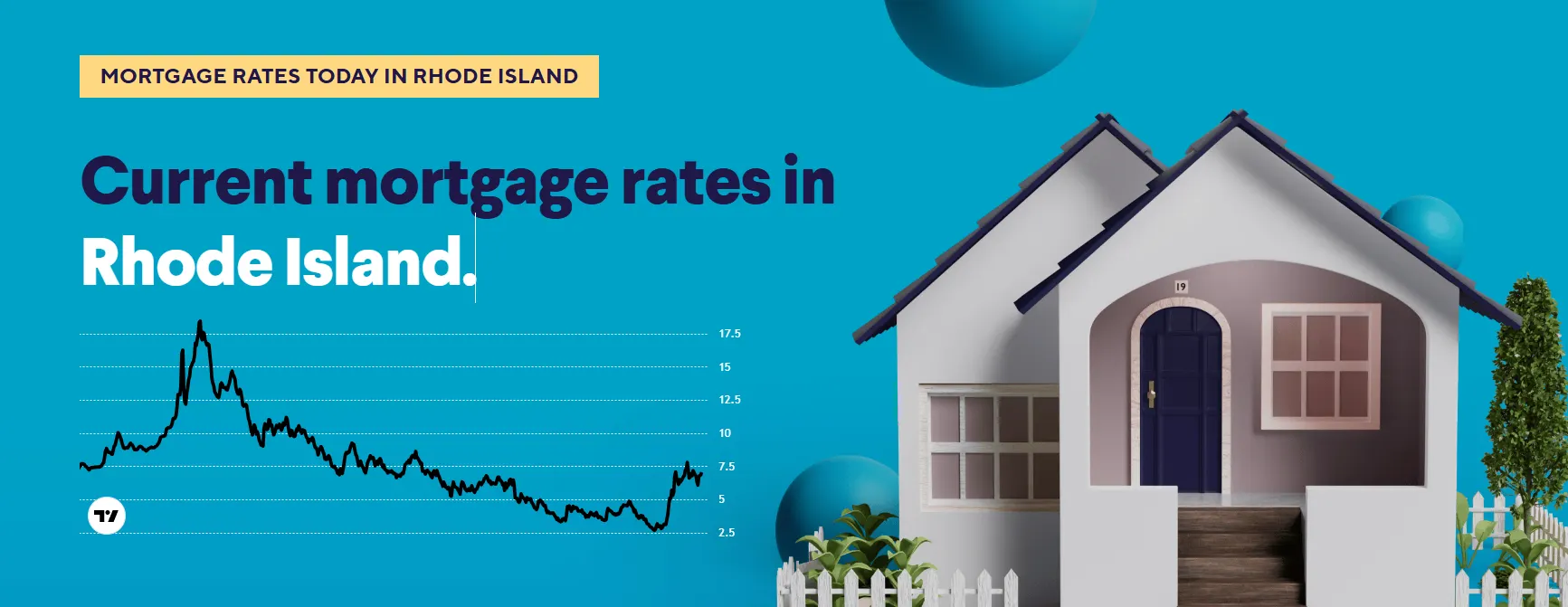
    So first, you need to research the mortgage rates in Rhode Island. After that, it is important you discuss your financial situation with a lender who can give you many different borrowing options. Once you have a pre-approval letter, sellers also know that you are a serious buyer, and that is when your search becomes so much more effective. 

    4. Settling for the Wrong Realtor

    A good realtor can make the house-hunting process so much easier. They’ll help you narrow down your options and find homes that actually fit your needs and budget. Do your homework to find a realtor who understands what you’re looking for and can help you get the best deal.

    5. Skipping the Home Inspection

    Even if the house looks great on the surface, you still need to get a thorough home inspection. Make sure an inspector checks the foundation, roof, plumbing, and electrical systems. It’s better to know about any hidden problems before you buy so you don’t get stuck with costly repairs later.

    6. Forgetting About Extra Costs

    As a first-time home buyer, you might be fixated on the down payment and the monthly mortgage, overlooking other additional costs associated with buying a home.

    Always think about the other closing costs like appraisal fees, attorney fees, title insurance, and more, typically ranging from 2% to 5% of the purchase price. Also, other costs like maintenance, repairs, and moving expenses should be taken into account. 

    7. Ignoring the Resale Value

    Even if you’re planning to stay in the home for years, it’s smart to think about resale value. Look at factors like nearby amenities, future development, and the reputation of the builder. These can all affect how easy it’ll be to sell your home down the line.

    8. Not Fully Understanding the Legal Aspects

    There’s a lot of paperwork and legalities when buying a home, so it’s important to know what you’re signing. Make sure you’re familiar with the legal side of things to avoid any issues later.

    9. Making an Emotional Decision

    It’s natural to get emotional when buying your first home, but try to stay level-headed. Stick to your budget and think long-term. You don’t want to overpay just because you fell in love with a place. Keep your finances and future goals in mind.

    10. Rushing the Process

    You might have the urge to make a decision really quickly. But the chances of you making a wrong decision hastily are very high. So, make sure that you invest enough time in the search process.

    Speeding toward closing the deal might mean you don’t get things on your terms. This includes features in the home and even favorable loan terms. So, take all the time that you need to make this decision. 

    11. Draining Your Savings

    Don’t put all your money into the down payment. You need to have some savings left over for emergencies and other expenses that come with homeownership. A big down payment might lower your monthly mortgage, but you don’t want to be living on the edge with no financial cushion.

    12. Missing Out on Assistance Programs

    There are so many assistance programs for first-time home buyers. These include government or community programs that offer loans or grants to help you with the down payment.

    Not only that, but sometimes, lenders also give a lot of discounts to first-time buyers. So, check out the local and federal housing authority websites to make sure you are fully aware of everything. 

    Buying your first house is a big milestone in your life, and you should go about it with due care. Avoiding these common mistakes will adequately aid you in finding the right house for yourself. All the best on your journey to becoming a confident homeowner!.