Tag: Financial Planning

  • How Everyday Renovations Can Change Your Financial Future

    Home renovations are often viewed as simple lifestyle upgrades. A brighter kitchen, more storage, or a modern bathroom can certainly improve daily comfort. But beyond looks and convenience, strategic renovations can also shape your long-term financial future in meaningful ways.

    A well-maintained and updated home tends to hold its value better over time. Thoughtful improvements can increase property value, reduce ongoing expenses, and strengthen your overall financial stability. The key is understanding which upgrades create lasting returns instead of just chasing short-lived trends.

    Not every renovation requires a massive budget. Everyday improvements, done steadily and with a clear purpose, can have a surprisingly strong financial impact.

    Over time, these projects can help you build equity, lower utility costs, and create more flexibility for future goals.

    Using Renovations as a Financial Strategy

    Many people think of investing only in stocks, retirement accounts, or businesses. Yet a home is often one of the largest financial assets a person owns. Improving that asset can be a practical and steady way to support long-term wealth building.

    Unlike luxury spending, strategic renovations often serve multiple purposes at once. They improve function, protect the home’s structure, and increase market appeal. Even modest upgrades can contribute to a higher resale value when done carefully.

    For example, replacing aging windows may reduce heating and cooling costs. Updating worn flooring can improve durability and attract future buyers. Improving curb appeal may create a stronger first impression that directly impacts market value.

    The real difference comes down to intention. Renovations focused purely on personal taste may not always generate strong returns. Improvements that enhance efficiency, livability, and maintenance tend to provide better financial outcomes over time.

    Energy Efficiency Leads to Ongoing Savings

    One of the most overlooked financial benefits of home renovations is reduced monthly spending. Energy-efficient upgrades can lower utility bills year after year, creating savings that add up over time.

    Simple projects can make a noticeable difference:

    • Adding insulation
    • Installing energy-efficient windows
    • Replacing outdated appliances
    • Upgrading HVAC systems
    • Switching to LED lighting

    These upgrades cut down on energy waste while making your home more comfortable. According to the U.S. Department of Energy, energy-efficient upgrades can significantly cut household energy consumption and lower annual costs.

    Lower monthly bills free up cash flow. That extra breathing room can help you save more aggressively, pay down debt, or plan for future financial goals.

    While smaller utility bills may not feel dramatic at first, the long-term effect becomes substantial over several years.

    Routine Maintenance Prevents Expensive Setbacks

    Preventive renovations are not always exciting. A roof replacement rarely generates the same enthusiasm as a kitchen remodel. Still, maintenance-focused improvements often protect homeowners from much larger financial burdens later.

    Ignoring small problems can lead to major structural damage. Water leaks, aging electrical systems, or foundation issues tend to worsen over time. Repair costs usually increase the longer these problems go unaddressed.

    Taking care of maintenance early helps you:

    • Avoid emergency repair expenses
    • Preserve home value
    • Reduce insurance risks
    • Improve long-term property durability

    A well-maintained property also performs better during resale evaluations and inspections. Buyers often pay closer attention to signs of proper upkeep than just decorative finishes.

    Financial stability is not built only through growth. It’s also built by reducing preventable losses.

    Kitchen and Bathroom Upgrades Deliver Strong Returns

    Certain renovation areas consistently influence resale value more than others. Kitchens and bathrooms remain among the most financially impactful spaces in a home.

    That doesn’t mean you need an expensive luxury remodel. In many cases, moderate updates produce stronger returns than overly customized renovations.

    Practical improvements may include:

    Kitchen Improvements

    • Replacing outdated countertops
    • Installing modern cabinet hardware
    • Updating lighting fixtures
    • Adding energy-efficient appliances
    • Improving storage functionality

    Bathroom Improvements

    • Replacing worn fixtures
    • Updating tile surfaces
    • Improving ventilation
    • Installing water-efficient features
    • Enhancing lighting and mirrors

    According to the National Association of Realtors, kitchen and bathroom improvements continue to rank among the most desirable updates for buyers.

    Clean, functional, and modern spaces tend to appeal to a wider range of buyers while helping homeowners enjoy the space right now.

    Building Home Equity With Smart Renovations

    Every meaningful improvement has the potential to contribute to home equity growth. As a property’s value increases and mortgage balances decrease over time, you gain greater financial flexibility.

    This built-up equity can become an important financial tool later in life. Some homeowners use accumulated value to fund additional renovations, consolidate higher-interest debt, or cover major life expenses through a home equity loan when appropriate for their financial situation.

    Not every renovation increases equity equally. Projects with broad appeal and practical function generally offer stronger returns than highly personalized upgrades. Expanding usable living space, improving energy efficiency, and maintaining structural quality often contribute positively to long-term value.

    Equity growth is rarely instant. It develops gradually through consistent maintenance, responsible ownership, and strategic improvement decisions.

    Curb Appeal Influences Property Value More Than You Might Realize

    Exterior improvements are frequently underestimated, but first impressions can strongly affect perceived value.

    A neglected exterior may discourage buyers before they even enter the home. On the other hand, simple curb appeal improvements can make a property feel well cared for and inviting.

    High-impact exterior projects often include:

    • Fresh exterior paint
    • Landscaping improvements
    • Updated front doors
    • Pressure washing surfaces
    • Improved outdoor lighting
    • Driveway or walkway repairs

    These projects are often less expensive than major interior renovations but can still provide meaningful value. In competitive housing markets, visual presentation matters.

    Even homeowners with no immediate plans to sell can benefit. A well-maintained exterior helps preserve the home’s condition while supporting neighborhood value standards.

    Functional Space Adds Real Financial Potential

    Modern buyers often prioritize functionality over sheer size. Homes that use space efficiently tend to attract stronger interest and broader appeal.

    Renovations that improve usability may include:

    • Multipurpose Living Areas: Flexible rooms that function as offices, guest spaces, or workout areas appeal to changing lifestyle needs.
    • Storage Enhancements: Built-in shelving, pantry upgrades, and organized closets increase convenience and reduce clutter.
    • Finished Basements or Attics: Unused square footage can become valuable living space when renovated properly.
    • Outdoor Living Areas: Decks, patios, and usable backyard spaces can expand functional living areas without major structural additions.

    The way a home functions can directly influence its perceived value. Buyers increasingly look for practical layouts that support everyday life efficiently.

    Renovating Gradually Reduces Financial Pressure
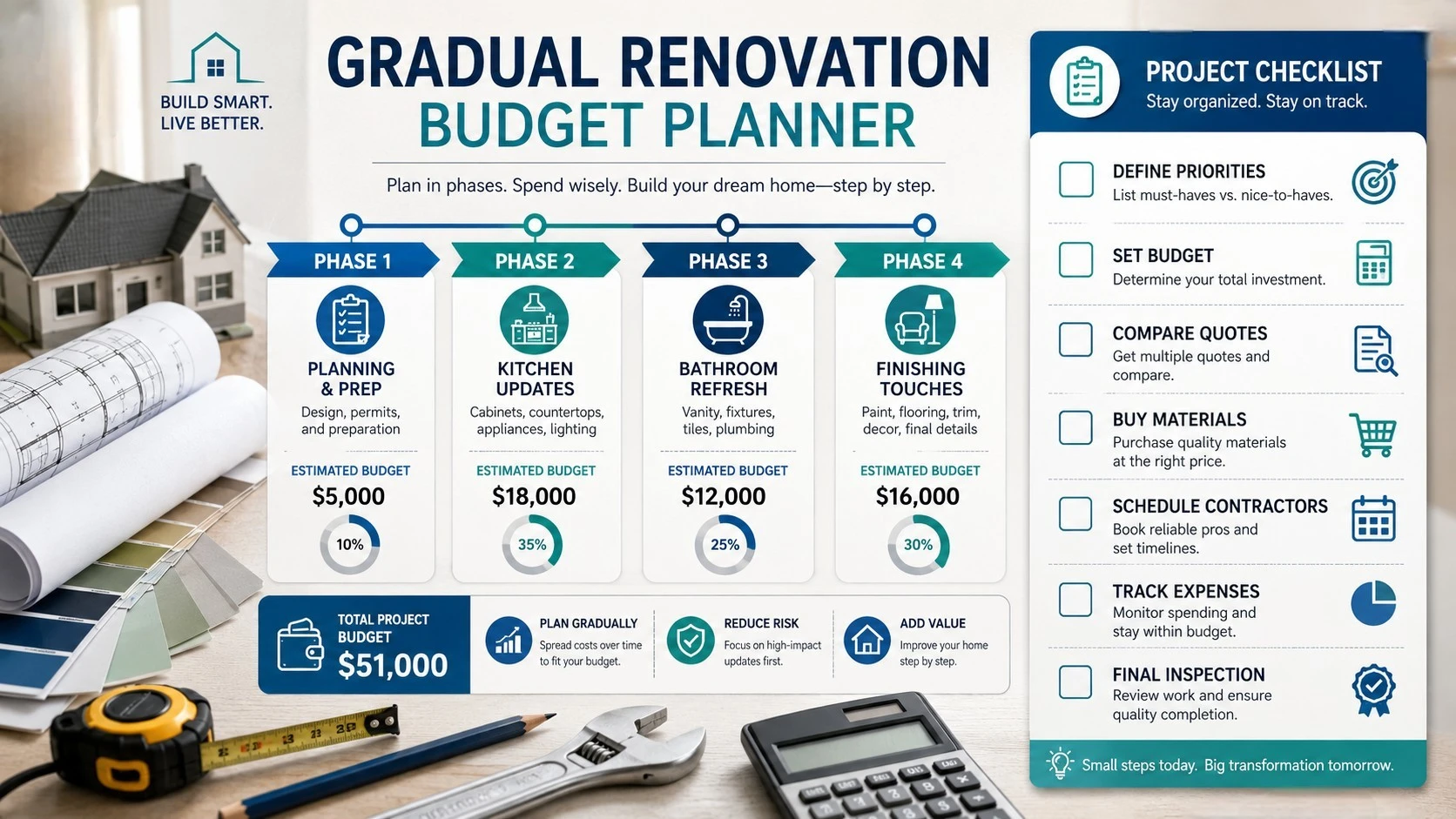
    Large-scale renovations are not always necessary. In fact, phased improvements are often financially smarter for many homeowners.

    Taking on smaller projects over time may help you:

    • Avoid excessive debt
    • Plan upgrades more carefully
    • Adjust budgets gradually
    • Prioritize high-return improvements
    • Reduce renovation-related stress

    A gradual approach also allows you to evaluate market conditions and changing needs before committing to larger expenses.

    Financial progress rarely happens overnight. Consistent improvements, even modest ones, often produce more sustainable long-term outcomes.

    The Emotional and Financial Connection

    A home affects more than just your finances. Comfortable, functional living spaces can improve your overall quality of life, reduce stress, and create a greater sense of stability.

    That emotional connection often supports better financial habits as well. People tend to take better care of spaces they value, and they may also become more intentional about long-term planning when they view their home as a lasting investment rather than a temporary expense.

    Renovations that improve organization, efficiency, and comfort can indirectly support productivity and financial confidence. While these benefits are harder to measure numerically, they still matter.

    A home that works well for everyday life often supports stronger decision-making in other areas, too.

    The Bottom Line

    Everyday renovations are about more than appearance. When approached strategically, they can become part of a broader financial plan that supports stability, efficiency, and long-term value growth.

    Small improvements made consistently over time often create meaningful results. Lower utility costs, reduced maintenance risks, increased property value, and growing equity can all contribute to a stronger financial future.

    The most effective renovations are usually practical rather than flashy. They focus on durability, functionality, and long-term performance instead of short-term trends.

    Over time, those steady improvements can transform not only a home but also the financial opportunities connected to it.

  • 5 Factors To Consider Before Buying Luxury Real Estate

    Buying a luxury property takes more than just money, it requires thoughtful financial planning and strategy. Start by evaluating your financial health: look at your liquidity, debt-to-income ratio, credit score, and long-term investment goals. Create a clear budget that accounts for ongoing costs like maintenance fees, property taxes, and potential market fluctuations.

    You’ll need the right information, the right approach, and the right mindset. Location, architectural quality, and ownership costs are only part of the picture.

    The real question is whether the property fits your life, your goals, and your financial future. If you’re thinking about stepping into the luxury market, here’s what you need to look at before you buy.

    1. Location Will Always Be First

    If you’re buying luxury real estate, the first thing you should think about is location, because that’s where value starts and ends. Properties in established, high-demand neighborhoods almost always perform better over time. That’s true whether you’re looking at beachfront estates, urban penthouses, or gated suburban communities. You’ll want to pay attention to school zones, access to shopping and dining, proximity to private clubs or marinas, and even future zoning plans.

    These details affect your daily living, but they also impact resale potential and long-term appreciation. When you invest in the right location, you’re not just buying a property, you’re buying into a lifestyle that holds its value.

    2. Style, Layout, and Long-Term Livability

    Luxury doesn’t look the same for everyone, which is why the type of property you buy needs to match your lifestyle. Some buyers want privacy and land. Others want convenience and top-tier services. You might prefer a modern condo with concierge service, or maybe you’re after a classic estate with space for guests.

    Either way, look past the surface-level design. Is the layout practical? Does the flow of the home fit your daily routine? Are the materials built to last? You’ll want to look for details like high ceilings, large windows, quality flooring, and craftsmanship that shows in every corner. These aren’t just aesthetic choices, they directly impact comfort, value, and long-term satisfaction.

    3. Amenities That Actually Fit Your Life

    It’s easy to get swept up in features like smart home systems, imported stone kitchens, wine cellars, or outdoor pools, but are they actually useful to you? Luxury amenities should match how you live, not just what looks good on paper.

    If you entertain often, look at indoor-outdoor spaces, chef-grade kitchens, and guest accommodations. If you travel, prioritize built-in security systems and low-maintenance exteriors.

    Every feature adds to the cost, not just at closing but every year in upkeep and insurance. Choose amenities that you’ll enjoy and use, because you’re not just buying extras, you’re buying responsibilities, too.

    4. Know the Market Before You Jump In

    Before you make an offer, get familiar with local market conditions, because not all luxury markets move the same way. Prices in high-end neighborhoods can shift quickly based on inventory, economic trends, or development nearby. Work with a top realtor who helps in finding luxury homes and specializes in the high-end market.

    They’ll provide data on comparable sales, time on market, and price history. Look at how values have moved in the last 3 to 5 years. Is the area still growing? Are nearby properties being renovated or torn down? That kind of detail tells you whether the market is stable or just peaking.

    The more you know before you buy, the more confident you’ll be when the market changes.

    5. Understand the Full Cost of Ownership

    Luxury comes with a price beyond the mortgage and it adds up fast if you’re not ready for it. You’ll want to factor in property taxes, insurance, maintenance, utilities, and in some cases, homeowner association fees. Some homes may also require full-time staff or management services, particularly if it’s a second home.

    Ask for a breakdown of annual costs before you close, and review it with your financial advisor. If you’re paying cash, consider how this property fits into your overall investment portfolio.

    If you’re financing, make sure you’re prepared for higher requirements from the lender. A luxury property can be a powerful asset, but only if it’s handled with the right financial strategy from the start.

    Final Thoughts

    Buying luxury real estate is about more than prestige. It’s about choosing a home that works for you now and protects your investment in the long run.

    When you focus on location, lifestyle, value, and total cost, you’ll avoid expensive mistakes and make a decision you’ll be happy with for years to come. Whether you’re upgrading your main residence or looking for a second home, every smart luxury buyer starts with the same rule: know what you’re buying, and why.

  • Emergency Home Repairs With Bad Credit

    Emergency repairs are part of homeownership. Whether it’s a burst pipe, roof damage, or a broken furnace, these issues need immediate attention, often before you’ve had time to save or plan. Even a small repair can run into the thousands. If you don’t have savings and your credit is poor, covering the cost becomes an emergency of its own.

    This guide explains how to prioritize repairs, find fast financing, and avoid long-term damage, even if your credit isn’t perfect.

    Start With the Most Urgent Repairs

    When multiple issues arise, focus first on anything that affects safety or structural integrity:

    • Water damage and leaks – Can lead to mold or rot. Example: A small leak under a sink might seem manageable, but in just a few days, it can warp cabinetry and create a mold risk that requires professional remediation.
    • Electrical issues – Risk of fire. Flickering lights or frequently tripped breakers may indicate a larger problem. Don’t ignore these signs!.
    • Roof damage – Can cause interior and insulation problems. Even a missing shingle in the wrong spot can lead to interior water leaks, which may cost upwards of $1,500 to repair.
    • HVAC failure – Critical in extreme temperatures. In places like Dallas, losing HVAC in the summer can be dangerous. Luckily, many utility companies offer emergency repair programs or deferred payment options.

    Cosmetic issues or nonessential upgrades can wait until your finances are more stable.

    Know Your Financing Options With Bad Credit

    Most traditional lenders won’t offer personal loans to borrowers with poor credit. If your cards are maxed out and family help isn’t available, look into alternative lenders. Some specialize in offering a bad credit loan and may consider your income and recent payment history, not just your credit score.

    When comparing lenders, focus on those offering fixed rates, clear repayment terms, and funding within one to two business days. Avoid lenders that charge high origination fees or have unclear pricing.

    Some online platforms allow you to check potential rates without affecting your credit score, helping you compare options safely. Local credit unions or community banks may also offer small emergency loans with more flexible terms than many online lenders.

    Why Fast Repairs Save Money

    Delaying urgent repairs almost always leads to higher costs. For instance, a $600 roof patch left untreated could result in a $6,000 ceiling replacement after a few weeks of rain. A faulty water heater, if ignored, could rupture and flood a finished basement, leading to thousands in cleanup and flooring replacement.

    Timely repairs also help maintain home value and may be required by your insurance policy to prevent additional damage. Most policies include a clause that obligates homeowners to act quickly to minimize loss.

    How to Evaluate Emergency Financing

    Before accepting a loan, review the following:

    • Rates and terms – Fixed monthly payments are easier to budget for.
    • Lender reputation – Avoid high-fee payday lenders or unlicensed companies.
    • Repayment fit – Choose a loan that works with your current budget.

    Stick with licensed lenders who are transparent about costs and avoid payday loan companies that charge excessive fees. Some emergency lenders report to credit bureaus, so staying on top of payments could actually help rebuild your credit over time.

    Plan Ahead for the Next Emergency

    A bad credit loan may help in a crisis, but it shouldn’t be your only strategy. Once the immediate problem is solved, begin setting aside a small monthly amount for future repairs—$50 to $100 per month can create a helpful cushion over time.

    If your systems are older, consider a home warranty. While coverage varies, it can help with repair costs for major appliances, plumbing, or electrical failures. Costs typically range from $30 to $60 per month depending on the level of coverage.

    Also, check with your local housing office or state agency. Many areas offer grants, rebates, or low-interest loans to help with essential repairs, especially for low- to moderate-income homeowners. Federal programs like the USDA Single Family Housing Repair Loans and Grants (Section 504) may be an option in rural areas.

    Final Takeaway

    Emergency repairs don’t wait and neither should you. Even if your credit is less than ideal, there are financing options that can help you cover critical fixes and prevent long-term damage. The key is to act quickly, choose financing that fits your situation, and avoid high-risk lenders. Once the immediate repair is handled, take steps to prepare for the next one—because emergencies are part of homeownership, but they don’t have to derail your finances.

  • Understanding Property Division in Family Law Cases

    The Centers for Disease Control and Prevention (CDC) estimates that the probability of a first marriage among women aged 15-44 ending in divorce within the first 10 years was approximately 36% in 2022.

    CDC.gov

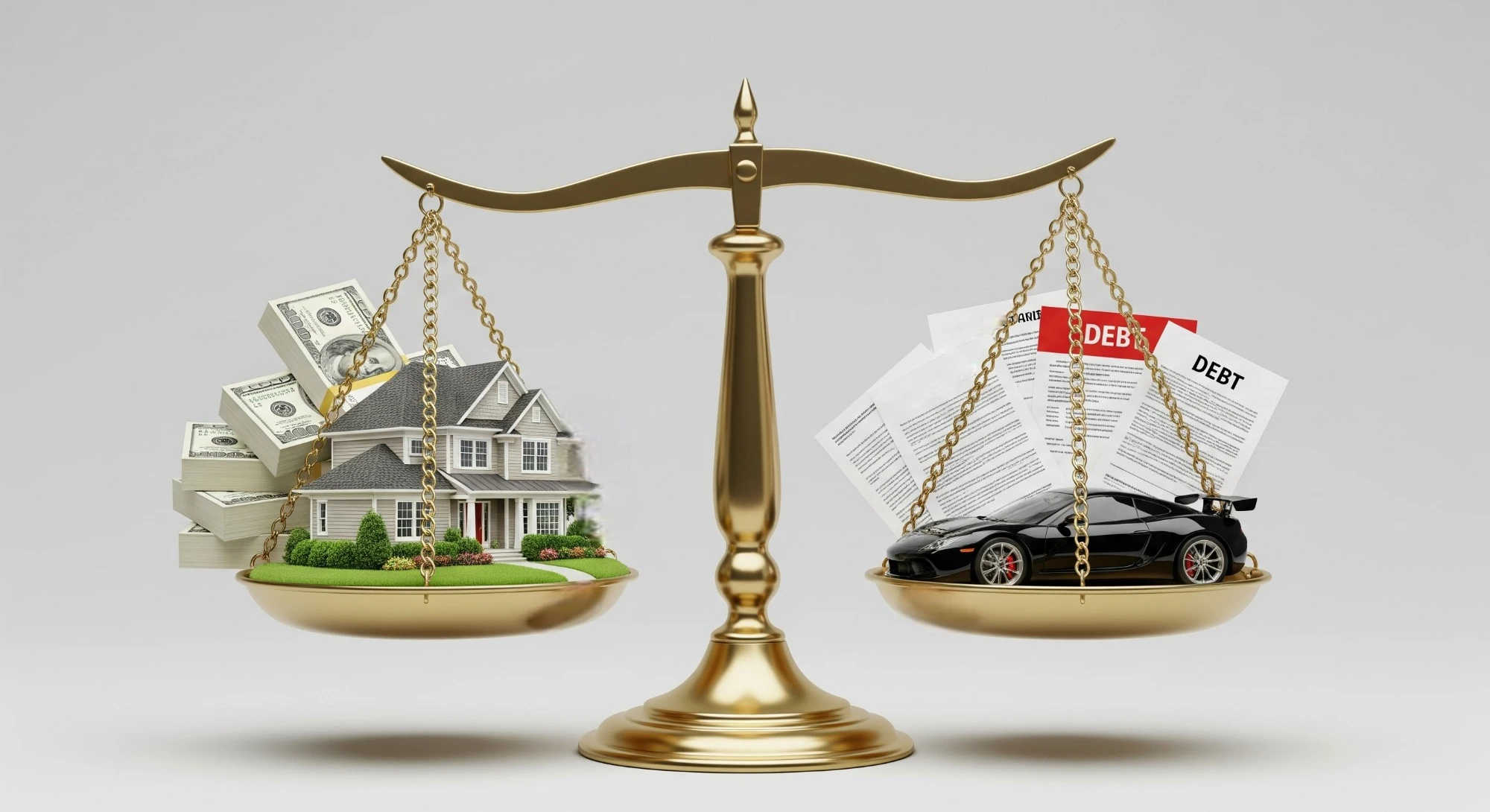
    When a couple decides to separate or divorce, aside from child custody, spousal support, or child support, one of the hardest parts is dividing what they own. This can include homes, cars, money, and even debt. 

    Family law guides how these things are divided. It looks at who owns what, when the property was bought, and what the law says about sharing. It is also a good idea to consult a property division attorney who can help you get a better outcome. 

    Whether you were married for a few years or many, it’s important to understand your rights and options once you decide to end your marriage.

    Defining Marital Property and Separate Property

    Clearly understanding the differences between marital property and separate property will allow one to appropriately handle the division of assets in a family law case.

    Marital property generally refers to assets and debts acquired during the marriage, regardless of whose name is on the title. It could be anything from homes, cars, or retirement accounts to joint debts.

    On the other hand, separate property refers to the assets you owned before your marriage, as well as gifts and inheritances that you received individually.

    Understanding these terms is important because courts usually divide property acquired during the marriage equitably, while separate property typically stays with its original owner.

    Pascagoula family lawyer J. Tyler Cox says the outcome of many family cases will have long-term effects that can impact finances, personal relationships, and the future, making it critical to have a compassionate and skilled family lawyer on your side.

    Approaches to Property Division: Equitable Distribution vs. Community Property

    Understanding the difference between marital and separate property lays the foundation for how property might be divided in a divorce.

    There are basically two property division approaches: equitable distribution and community property. Equitable distribution states consider a fair, though not necessarily equal division of property, taking into account factors like direct financial contribution and length of marriage.

    In comparison, community property jurisdictions generally view all property acquired during the marriage as being jointly owned and hence divide it in half during divorce proceedings.

    This distinction affects your negotiations relating to asset division. Knowing which approach your state uses will help formulate your strategy in property division in your divorce proceedings.

    Factors Influencing Property Division Decisions

    While several factors come into play, certain main ones influence property division decisions during divorce.

    The length of your marriage affects how you and your spouse divide assets. Longer marriages usually lead to an equal distribution.

    Each party’s financial standing, both present and future income capacity, is looked into. Courts attempt to guarantee that both parties of the marriage should be in a position to maintain a reasonable standard of living after divorce.

    The court will look at the nature of contributions made by each party to the marriage. Contributions can be financial or non-financial. For instance, staying at home and raising children is a recognized contribution.

    Debts created during marriage are also looked into, as they must also be divided along with the assets.

    The Role of Prenuptial and Postnuptial Agreements

    Prenuptial and postnuptial agreements can be vital in a divorce, especially if they define asset ownership ahead of time.

    These agreements attempt to establish what belongs to whom, thereby nullifying the possibility of future disputes. A prenuptial agreement is used before a marriage, and a postnuptial one comes after the wedding.

    Both contracts may set out how the parties intend to deal with assets, debts, and, in some cases, spousal support if their marriage terminates. Having these agreements in place will save time, money, and, more importantly, emotional strain during the divorce process.

    They set forth a clear basis for both parties to acknowledge their rights and responsibilities to come to an amicable conclusion.

    Handling the Property Division Process: Tips for Success

    Approach property division with a clear plan and a calm mindset during your divorce. Collect financial documents, including bank statements, tax returns, and any property deeds. Once you are aware of exactly what you own, you can begin making decisions.

    Sit down with a mediator who can help guide the discussions and lessen tensions. There will always be room for compromise, so more flexibility on your part will often yield the best results. 

    Think long term about your needs and goals. Don’t let emotions drive your decisions. Check in with a family law attorney to ensure that you know your rights and your responsibilities. Being prepared and having the right mindset can help you handle this difficult phase of your life.

  • Why Estate Planning Shouldn’t Be Delayed

    Estate planning is an important step for anyone who wants to keep their loved ones safe, make sure what they want actually happens, and avoid extra financial trouble after they’re gone. According to a survey by ThinkAdvisor, 26% of American adults have an estate plan. That number goes up to 50% for people with assets worth more than $500,000. It’s estimated that 32% of men have estate plans, but only 23% of women do. 

    It’s smart to have a full estate plan ready because if you wait too long, you might miss chances to protect your assets, lower your taxes, and set up guardianship for your minor children. Estate planning attorney Andrew M. Meinzer says neglecting these duties can put your family in a very tough situation. An estate planning lawyer can help you plan your own or someone else’s will.

    To stay financially secure and at ease later in life, it is wise to make a thorough estate plan. Learn some reasons why we shouldn’t put off estate planning.

    The Importance of Having a Will

    A will is essential to make sure your final wishes are carried out upon death. A will makes it possible to distribute property by naming beneficiaries, which clarifies the testator’s intention. If you die without a will, the state will allocate your estate, which may not be what you want. A valid will simplifies the probate process and thereby helps avoid delays and extra costs for your loved ones.

    According to the estate planning website https://www.jcarrolllaw.com/, when an estate plan is done right, it makes your future wishes legally binding and protects your loved ones after you are gone.

    Knowing your family won’t have to deal with conflict is a source of peace. Start planning now to make sure your will reflects what you really want, so that your legacy is respected.

    Protecting Your Loved Ones From Legal Complications

    Failing to plan ahead for your family may stir legal complications after your passing. Without a plan, your loved ones may contend with long probate processes or fights over assets, or tax burdens.

    As mentioned, with a full estate plan, you clearly lay out what you want and appoint guardians for any minor children to prevent confusion and family conflict. Therefore, incorporate a power of attorney and healthcare directives to make sure your values are respected.

    It protects your estate against unwarranted legal fees and gives you peace of mind that your family won’t have to go through stressful court proceedings. 

    Ensuring Your Wishes Are Honored

    Consider the appointment of a trustworthy executor who would know your wishes and live by them. Set up health and financial powers of attorney to allow people to act on your behalf if you cannot.

    Whenever major life events happen like a marriage, it’s a good idea to review your plan each year and update your plan. This kind of planning clears up confusion and potential fighting among loved ones. 

    Avoiding Financial Burdens and Taxes

    Organizing your assets and set up trusts or other tools to manage your money can even reduce the tax liabilities that you may inflict upon your loved ones. Consider estate tax exposure and how it may affect the value of your estate.

    In addition, being clear about your wishes helps prevent family arguments, which lead to usually expensive legal fights. Having a plan in place can make sure that heirs receive their inheritance almost instantly and without too much pain.

    The Consequences of Procrastination

    Putting this off for too long could result in people not knowing what you wanted, leading to confusion and discord among family members. The estate could go through a long, expensive probate process, thereby further depleting resources and exacerbating stress during an already difficult time.

    Your loved ones will face unnecessary taxes and legal fees due to a smaller inheritance. Your family might struggle to carry out your wishes if you become incapacitated and lack a power of attorney.

    Having an estate plan is more than just protecting your assets; it’s making sure that the family will not be divided because they don’t know who you want to inherit your estate.

  • Budgeting for Unexpected Housing Expenses: What Every Renter and Owner Should Know

    Source: unsplash.com

    Unexpected housing issues are more common than you’d think. They can include anything from sudden repairs to financial difficulties, and they often lead to negative experiences for homeowners.

    Whether you’re a homeowner or a renter facing a sudden lease termination, unplanned housing expenses hit hard. I’ve been there. Many of us have. The best way to deal with these unpleasant surprises is to budget for them. But if you ever find yourself short on cash, reputable online lending platforms like CreditNinja.com offer installment loans designed to help with real-life needs.

    Today, we’re breaking down a practical guide to help you plan ahead for those unexpected moments. With real data and actionable tips, you’ll be more prepared for whatever comes your way.

    For Homeowners

    Let’s start with the basics, if you own a home, it’s a good idea to set aside 1% to 3% of its value each year for maintenance and repairs.

    That means if your house is worth $200,000, you should aim to stash away $2,000 to $6,000 annually just for upkeep. Or, you can use the $1-per-square-foot rule, which is a bit easier to visualize. For example, if you have a 1,800 sq ft home, that’s $1,800 a year to keep in your home repair fund.

    What You Can Do:

    • Do regular seasonal checkups: Little things like cleaning gutters, inspecting the roof, or sealing drafts can prevent huge bills down the road.
    • Create a dedicated home repair fund: Start with 1–3% of your home’s value or $1 per square foot.
    • Look into a home warranty: While not a fix-all, a home warranty can help cover repairs on major appliances or systems.
    • Review your homeowner’s insurance: Make sure your policy reflects today’s costs and your actual risk. If you’re in a flood or earthquake zone, look into supplemental coverage.
    • Plan ahead for renovations: Know the cost of replacing your roof, windows, or water heater, and build that into your long-term budget. Check local averages using resources like HomeAdvisor.

    Of course, this isn’t just a homeowner thing. Renters face their own set of unexpected expenses. Let’s break it down.

    For Renters

    Renters might not be footing the bill for roof repairs or busted pipes, but that doesn’t mean they’re off the hook when it comes to unexpected costs.

    A 2024 study by the Urban Institute found that more than 1 in 3 renters experienced an unexpected move in the past five years—often due to lease non-renewals, evictions, or job relocations. And moving? It’s not cheap. Even a local move costs around $1,250 on average.

    What You Can Do:

    • Build an emergency fund with 3–6 months of expenses: This is your financial cushion if you suddenly need to move, lose a job, or cover unexpected living costs.
    • Start small: Even $20 a week adds up. Automate it if you can.
    • Keep it separate: A high-yield savings account you don’t touch for anything but emergencies is ideal.
    • Get renters insurance: It usually costs around $15–$20/month and covers stolen or damaged items. It can also include liability protection if someone’s injured in your unit.
    • Know your lease: Read the fine print. Who handles appliance repairs? What happens if you break the lease early? These answers can save you serious money and stress.
    • Plan for move-out costs: Cleaning fees, minor repairs, or even full carpet replacement can eat into your security deposit. Leave the unit in great condition and document everything.

    So whether you’re renting or owning, one thing’s for sure, you need to be prepared for unexpected housing costs, and that means budgeting ahead.

    Why Budgeting for Unexpected Expenses Matters

    Housing is the #1 expense for most Americans. According to the U.S. Bureau of Labor Statistics, housing accounts for about 33% of the average household’s spending. And yet, many folks don’t budget for the “extra” stuff, those infrequent but inevitable costs that come with simply having a roof over your head.

    In a 2025 report, Bankrate found that only 44% of Americans could cover a $1,000 emergency with savings. That’s less than half the country, meaning millions would need to borrow, charge a card, or delay repairs.

    But by planning now, even in small ways, you can soften the blow. Think of it like preventative design. You know how we always say: a little effort upfront saves a ton of work and cost later? Same goes for your housing budget.

  • 7 Smart Tips For Finding An Investment Property in North America

    Real estate can be a great way to build long-term wealth—if you know what you’re doing. Whether you’re eyeing your first rental or adding to a growing portfolio, picking the right property matters. North American markets, ranging from major cities like Toronto, Vancouver, New York, and Los Angeles to emerging mid-sized communities, offer a variety of opportunities, but also come with risks and complexities.

    So how do you avoid a money pit and find a place that actually fits your goals and your budget? Here are seven practical tips to help you make a smarter move.

    1. Define Your Investment Goals

    Before you even begin your property search, clearly define what you’re hoping to achieve. Are you looking for steady cash flow through monthly rent, long-term appreciation, or perhaps a fix-and-flip opportunity?

    Your goals will determine the type of property you should focus on:

    • Cash Flow: Multi-family homes or properties in high-rent-demand areas.
    • Appreciation: Up-and-coming neighborhoods with strong development potential.
    • Fix and Flip: Properties that are undervalued and need cosmetic or structural renovations.

    Understanding your “why” will help you stay focused and avoid making emotionally driven decisions.

    2. Research Local Markets

    Not all real estate markets are created equal. Look beyond your immediate neighborhoods or city and research various North American markets that align with your goals. Some key factors to evaluate include:

    • Population growth: Are more people moving in or moving out?
    • Jobs: Are new businesses popping up, or is the local economy slowing down?
    • Rental demand: Are units sitting empty, or getting snapped up fast?
    • Price-to-rent ratio: Does the rent actually justify the price tag?
    Source: news18.com

    Online tools like Zillow, Realtor.com, and regional MLS (Multiple Listing Service) platforms offer valuable data. Also, consider networking in investor forums or attending local real estate investment meetups to gather firsthand insights.

    3. Build a Reliable Team

    One of the most underrated but essential components of property investing is having a dependable team. Even if you’re experienced, having professionals in your corner can streamline the process and protect you from costly mistakes.

    Key team members might include:

    • A trusted realtor who understands investment properties, local zoning laws, and emerging neighbourhoods.
    • A mortgage broker who can offer flexible financing options.
    • A property manager, if you’re investing out of town or prefer hands-off management.
    • An attorney familiar with local real estate laws and tenant regulations.

    A trustworthy team will help you make smarter decisions faster and with greater confidence.

    4. Do the Math—Twice

    Successful investing is rooted in the numbers. Before making an offer on a property, perform a thorough financial analysis. Use conservative estimates to account for unforeseen expenses and market fluctuations.

    Key numbers to calculate:

    • Cash flow: Monthly rent minus all expenses (mortgage, taxes, insurance, maintenance, etc.)
    • Cap rate: Net operating income divided by property value.
    • ROI (Return on Investment): Profitability in relation to your initial cash investment.

    Also, factor in vacancy rates and repair reserves to get a more realistic view of potential returns.

    5. Start with a Modest First Investment

    If you’re new to real estate investing, start small. Jumping into a big project or an expensive multi-unit property right away can be risky. A single-family home or a duplex can be a manageable starting point.

    Starting modestly lets you learn the ropes—tenant screening, rent collection, maintenance issues—without overwhelming yourself financially or emotionally.

    You can always scale up as you gain more experience and confidence in managing investment properties.

    6. Inspect Thoroughly Before Buying

    Never skip the inspection. A property may look good on the surface, but structural issues, outdated electrical systems, or plumbing problems can turn your investment into a money pit.

    Hire a certified home inspector to evaluate:

    • Foundation and roof condition.
    • HVAC, electrical, and plumbing systems.
    • Pests or water damage.
    • Safety hazards or code violations.

    This upfront diligence could save you thousands of dollars down the line—and even help you negotiate a better deal.

    7. Have an Exit Strategy

    Smart investors always plan for the unexpected. Market conditions can shift, personal circumstances may change, or a neighborhood may stop appreciating. Before you buy, consider how easily you could sell or repurpose the property if needed.

    Some common exit strategies include:

    • Selling the property after appreciation.
    • Refinancing to pull out equity.
    • Converting a short-term rental to a long-term lease.
    • 1031 exchange (in the U.S.) to defer capital gains taxes by reinvesting.

    Knowing your options in advance allows for more strategic decision-making under pressure.

    Source: linkedin.com

    Real estate investment isn’t about luck—it’s about research, strategy, and execution. By setting clear goals, understanding your market, working with a trusted realtor, and crunching the numbers carefully, you’ll be in a strong position to make informed, profitable decisions.

    Every successful investor started somewhere, and with these practical tips, you’ll be better equipped to navigate the competitive North American property market. Stay informed, remain patient, and always keep learning—the real returns come not just from properties, but from the experience you gain with each investment.

  • Smart Financial Moves for Today’s Real Estate Buyers

    In today’s market, proper financial preparation is critical. With rising housing costs, shifting mortgage rates, and a scarcity of inventory, buyers must make prudent financial decisions. Understanding your financing options, strategically using cash, and being selective will help you secure the best deal.

    Source: pixabay.com

    Here’s how you can do it.

    Explore Your Financing Options

    Traditional mortgages remain the most common way to finance a home purchase. However, alternative options like securities-based loans can offer greater flexibility, with their own benefits and drawbacks. These loans allow buyers to borrow against their investment portfolio without selling off assets, helping to maintain long-term financial growth.

    Benefits of Securities-Backed Loans:

    • Access cash without selling investments: Tap into funds while keeping your investment portfolio intact.
    • Flexible use of funds: Can be used for real estate purchases or other financial needs.

    Potential Risks:

    • Market fluctuations: If the value of your portfolio drops, you might face a margin call, requiring additional collateral or partial loan repayment.
    • Forced asset liquidation: Missing payments could result in the sale of your securities, leading to tax liabilities and financial setbacks.

    Before opting for this financing route, consult a financial advisor to evaluate the risks and see if it aligns with your investment strategy.

    How to Handle High Mortgage Rates

    With fluctuating mortgage rates , buyers need a smart strategy for managing borrowing costs. Here are some ways to do that:

    • Buy down points: Paying extra upfront can lower your interest rate and reduce long-term mortgage costs.
    • Consider an adjustable-rate mortgage (ARM): ARMs start with lower interest rates, which can be beneficial if you plan to refinance later.
    • Boost your credit score: A higher credit score can help you qualify for better rates and loan terms.

    These strategies can help you cut borrowing costs and make homeownership more affordable.

    The Advantage of Cash Buying

    In competitive real estate markets, cash buyers have an advantage. Sellers prefer cash offers because they close faster and have fewer complications, often leading to better pricing and a smoother transaction.

    Why Cash Buyers Have the Edge:

    • Stronger negotiation power: Without financing contingencies, cash buyers can negotiate better terms.
    • Faster closings: No lender approval means deals can close much quicker.
    • Lower risk of last-minute issues: No risk of loan denials or unexpected financing hurdles.

    If you have the financial means, purchasing with cash can put you ahead in competitive housing markets like Dallas, Los Angeles, and Miami.

    Be a Selective Buyer

    Moving quickly is important in a fast-paced market, but making a well-informed decision ensures financial stability and long-term satisfaction.

    Smart Buying Strategies:

    • Know your priorities: Separate must-haves from nice-to-haves to streamline your search.
    • Assess long-term value: Consider location, potential appreciation, and whether the property aligns with your financial goals.
    • Do your homework: Research the home’s history, neighborhood trends, and future development plans.

    Planning for Financial Stability After Buying

    Many buyers focus on purchasing a home but overlook the ongoing financial responsibilities. While finding the right home is important, you should still be picky about your long-term financial strategy. Ensure long-term stability by:

    • Building an emergency fund: Set aside reserves for unexpected repairs or income changes.
    • Budgeting for maintenance costs: Factor in property taxes, insurance, and HOA fees.
    • Exploring rental opportunities: If possible, consider renting part of your property to offset costs.

    Create a Strong Financial Plan

    A solid financial plan gives you the confidence and preparedness needed to succeed in real estate.

    Key Steps:

    • Budget wisely: Include all costs, such as closing fees, inspections, and renovations.
    • Compare loan options: Shop around for the best mortgage rates and repayment terms.
    • Work with experts: Partner with a real estate agent, mortgage broker, and financial advisor to make well-informed decisions.

    With careful planning and a strategic approach, you can maximize your real estate investment.

    Final Thoughts

    Navigating today’s real estate market requires smart financial decisions. By exploring flexible financing, leveraging cash when possible, and preparing for post-purchase costs, you can make confident, strategic moves. Staying informed and consulting with industry experts will help you turn market challenges into opportunities, whether you’re buying your first home or investing in property.

  • The Role of Mortgage Calculators in Preparing for Homeownership

    According to the Zillow Group Report on Consumer Housing Trends, about 62% of homebuyers use online mortgage calculators to model their financing options. These tools give you a quick estimate of your monthly payments before you even start house hunting. They’re a great way to figure out what you can afford and plan your finances accordingly.

    Why Mortgage Calculators Matter

    A mortgage calculator helps you see what your monthly payments might look like based on factors like home price, down payment, interest rate, and loan term. It gives you a better understanding of what homeownership will actually cost.

    How Mortgage Calculators Work

    A mortgage calculator is an easy-to-use tool where you enter key details like:

    • Loan Amount – The total you’re borrowing (home price minus your down payment).
    • Interest Rate – The cost of borrowing, which affects your monthly payment.
    • Loan Term – How many years you’ll take to repay the loan (e.g., 15 or 30 years).
    • Private Mortgage Insurance (PMI) – Required if your down payment is less than 20%, adding to your monthly cost.

    How Mortgage Calculators Help Homebuyers

    Mortgage calculators do more than crunch numbers—they help you make informed decisions:

    • Understand Total Costs – They factor in property taxes, insurance, and HOA fees so you see the full picture.
    • Compare Loan Options – You can test different interest rates, loan terms, and down payments to find what works best.
    • Avoid Surprises – By estimating your costs upfront, you won’t be caught off guard by high payments.

    Smart Ways to Use a Mortgage Calculator

    1. Set a Realistic Budget

    Figuring out what you can afford is the first step in buying a home. A mortgage calculator helps you estimate your monthly payments based on different loan scenarios, so you don’t stretch your budget too thin.

    2. See How Your Down Payment Affects Your Loan

    Your down payment impacts your loan amount, monthly payment, and whether you’ll need PMI. A bigger down payment means lower payments and less interest over time. If you can put down 20%, you’ll avoid PMI altogether.

    3. Compare Different Loan Terms

    Trying different loan terms helps you see how a 15-year mortgage differs from a 30-year one. A shorter loan means higher monthly payments but less interest paid in the long run, while a longer loan lowers your payments but increases total interest costs.

    4. Evaluate Fixed vs. Adjustable-Rate Mortgages

    A mortgage calculator lets you compare fixed-rate and adjustable-rate loans. Fixed rates offer stability, while adjustable rates can start lower but may increase over time.

    Mortgage calculators are simple but powerful tools that help homebuyers plan for one of the biggest purchases of their lives. They show you what you can afford, break down the true cost of homeownership, and let you explore different loan options before committing.

    By using these tools wisely, you can avoid financial stress and make confident, informed decisions on your journey to owning a home.

    FAQ

    What is a mortgage calculator?
    It’s an online tool that estimates your monthly mortgage payments based on your loan details.

    Why should I use a mortgage calculator before house hunting?
    It helps you understand how much you can afford and prevents financial surprises.

    Can I compare loan options with a mortgage calculator?
    Yes! You can adjust the loan amount, interest rate, and term to see how different scenarios affect your payments.

    What are the key factors in a mortgage calculator?
    Loan amount, interest rate, loan term, down payment, and whether you need PMI.

    How does a mortgage calculator help buyers?
    It gives you a clear idea of your financial situation, helping you confidently navigate the homebuying process.

  • Can You Create Your Own Mortgage Note? A DIY Guide

    Creating a mortgage note can be a powerful financial tool, allowing you to structure private lending agreements for real estate transactions. A mortgage note is a legally binding document that outlines a borrower’s promise to repay a loan, typically secured by property.

    This document formalises the terms including the interest rate, repayment schedule, and the length of the loan for the security of both the lender and the borrower under the law.

    Private mortgage notes also differ from bank loans by being flexible when structuring the terms of the loan for extraordinary circumstances. To make the note legally binding, the note will need to be correctly drawn up and adhere to state and federal lending regulations.

    Source: linkedin.com

    Steps to Creating a Mortgage Note

    Creating a legally sound mortgage note requires careful planning. Here’s how to get started:

    1. Define the Loan Terms
      • Principal amount: The total loan amount.
      • Interest rate: The cost of borrowing.
      • Repayment schedule: Frequency and structure of payments.
      • Late payment penalties: Fees for overdue payments.
    2. Understand State Laws
      Lending regulations vary by state and can affect the enforceability of the note. Researching these laws ensures compliance.
    3. Secure the Loan with Collateral
      The property being financed typically serves as collateral, reinforcing the lender’s legal standing.
    4. Include Default Provisions
      Clearly state what happens if the borrower fails to meet their obligations, including lender recourse options.
    5. Consider Selling the Mortgage Note
      • A mortgage note buyer can convert future payments into a lump sum for immediate liquidity. Buy Mortgage Note provides a hassle-free solution in this process.
      • Evaluating the resale value helps ensure a smooth and profitable sale if needed.

      Legal Considerations and Compliance

      To ensure your mortgage note is legally enforceable, follow these legal procedures:

      1. Compliance with Federal Laws: Federal regulations including the Dodd-Frank Act and the Truth in Lending Act (TILA) require regulations for interest rates, disclosures for the borrower, and fair lending. Non-compliance can result in penalties or render the note void.
      2. Legal Review: Permit the lawyer to check the mortgage note for conformity with all the relevant legislations and for the security of your interests.
      3. Recording the Document: Record the mortgage or the deed of trust with the local county office. This will provide public notice of the lien and protect the lender’s interest in the property.

      Pros and Cons of a DIY Mortgage Note

      Creating your own mortgage note offers advantages such as customized terms, higher potential returns compared to traditional investments, and the ability to bypass banks. This option is particularly useful for real estate investors, family members providing private loans, or individuals exploring alternative financing solutions.

      However, there are risks, including borrower default, legal complications, and liquidity challenges. Private mortgage notes differ from bank-originated mortgages by being subject to the lender’s capacity for judging the borrower’s creditworthiness and the value of the property. Conducting thorough background checks and requiring a substantial down payment can help mitigate these risks.

      Best Practices for a Secure Mortgage Note Agreement

      To maximize the value and security for your mortgage note, the following is worth consideration:

      • Use clear and concise terms in the agreement.
      • Conduct proper due diligence regarding the financial health of the borrower.
      • Ensure compliance with federal and state regulations by using the promissory note template for your state.
      • Utilize escrow for payments and property tax payments, avoiding potential disagreements.
      • Maintain detailed payments and letters for the security of your interests against potential legal troubles or sale of notes.
      • Work with your attorney for real property or your financial representative to make the note legally sound and profitable.

      Is a DIY Mortgage Note Right for You?

      Creating your own mortgage note can also prove to be a profitable and flexible form of financing, given you pay close attention and adhere legally. If you are aware of the lending regulations and can deal with the risk associated, your DIY mortgage note can also serve as a good passive income source or even for financing property deals.

      However, it is best to seek professional advice beforehand for assurance and security against loss. Complying with best practice and being informed about the relevant legislation will allow you to set up and maintain a mortgage note for your desired financial objective.