
Tag: Estate

  • Mix-and-Match Magic: Combining Old & New Furniture Without Clashing

    Mix-and-Match Magic: Combining Old & New Furniture Without Clashing

    Image Source: oppein.au

    The deliberate blending of furniture from different eras has evolved from an economic necessity to one of the most sophisticated approaches in contemporary interior design. This curated eclecticism, when executed thoughtfully, creates spaces with depth, personality, and narrative that purely matched collections cannot achieve. The harmonious integration of vintage treasures with contemporary pieces delivers both the character of history and the comfort of modern functionality—a balance increasingly sought by design-conscious homeowners.

    The Underlying Principles of Successful Mixing

    The Unifying Element Strategy

    Successful mix-and-match interiors invariably employ unifying elements that thread visual cohesion through diverse pieces:

    • Consistent color palette connecting disparate styles
    • Repeated materials appearing across different eras
    • Similar proportional relationships despite varied origins
    • Textural themes bridging historical differences
    • Intentional shape echoing between old and new

    In my experience working with collector clients, rooms that successfully blend furniture from multiple periods almost always feature at least two strong unifying elements—typically color and proportion—allowing the eye to register cohesion before difference. A living room I recently completed paired a clean-lined contemporary sofa with an ornate Victorian settee, united through identical fabric tones and proportionally similar seat heights, creating a harmonious conversation between pieces separated by 150 years.

    The 80/20 Style Distribution

    Balanced eclecticism typically follows a dominant-with-accents approach:

    • Establishing a primary style representing approximately 80% of visible furniture
    • Introducing complementary pieces from different eras for the remaining 20%
    • Allowing statement pieces from non-dominant styles to become focal points
    • Creating intentional tension between old and new through careful juxtaposition
    • Maintaining clear design intention rather than random accumulation

    This approach prevents the chaotic feeling that can result from equal representation of multiple styles while still delivering the depth that comes from thoughtful combination.

    Strategic Combination Techniques

    The Common Thread Method

    This technique identifies and emphasizes shared characteristics across different periods:

    • Mid-century and contemporary pieces united through clean lines
    • Traditional and transitional styles connected through similar woods
    • Formal antiques and modern interpretations linked by proportional relationships
    • Rustic elements bridging period differences through consistent materials
    • Industrial and traditional pieces connected through material honesty

    Case studies show that this approach proves particularly successful in open-concept spaces where visual flow between areas becomes essential to the overall experience. The common thread creates subtle continuity even as individual pieces maintain their distinctive character.

    The Intentional Contrast Approach

    This method deliberately highlights differences while creating balanced composition:

    • Pairing geometrically simple contemporary pieces with ornate antiques
    • Juxtaposing light, floating modern furniture with visually heavy traditional pieces
    • Combining richly patterned vintage items with minimal current designs
    • Contrasting matte and glossy finishes across different eras
    • Setting organic, handcrafted elements against precise machine-made forms

    Have you noticed how the most memorable rooms often feature at least one element that deliberately breaks from the expected pattern? This intentional disruption, when handled with confidence, transforms spaces from merely coordinated to genuinely interesting—creating visual energy that fully matched rooms typically lack.

    Application Across Different Spaces

    Living Areas: Conversation Between Eras

    Living spaces offer prime opportunities for meaningful furniture dialogue:

    • Anchor seating in contemporary forms with vintage occasional tables
    • Modern lighting illuminating traditional architectural features
    • Historic case pieces housing current technology
    • Antique decorative elements displayed on clean-lined modern surfaces
    • Contemporary art creating dynamic tension with traditional furniture

    A recent project incorporated a client’s inherited Chippendale chest alongside their minimalist Italian sofa by treating both as sculptural elements within a neutral envelope. The space reads as intentionally curated rather than compromised—elevating both pieces through thoughtful contrast.

    Dining Spaces: Breaking the Suite Mentality

    Dining areas benefit particularly from liberated matching approaches:

    • Host chairs in different styles from side seating
    • Antique tables paired with contemporary seating
    • Vintage buffets or sideboards complementing modern dining tables
    • Traditional chandeliers updated with contemporary bulbs and styling
    • Modern serving pieces displayed in antique china cabinets

    The dining room represents one of the most dramatic transformations in contemporary design thinking, evolving from matching suites to intentionally assembled collections that tell more interesting stories.

    Bedroom Design with Wardrobe: Balancing Function and Character

    Bedroom spaces require careful balance between personal expression and restful cohesion:

    • Contemporary beds paired with vintage nightstands
    • Modern wardrobes complementing traditional architectural details
    • Antique seating or occasional pieces within clean-lined sleep spaces
    • Heritage chests or dressers alongside current lighting
    • Vintage decorative elements displayed against neutral contemporary backgrounds

    I recently completed a bedroom design with wardrobe elements spanning three different eras—a contemporary platform bed, mid-century dresser, and restored antique armoire—united through consistent wood tones and hardware finishes. The client reported that the space feels both personal and cohesive precisely because of these thoughtful combinations.

    Sourcing Strategies for Eclectic Design

    The Global Hunt Approach

    Truly distinctive eclectic spaces benefit from diverse sourcing:

    • Estate sales and auctions for authentic period pieces
    • Mainstream retailers for contemporary foundations
    • Specialty manufacturers for transitional interpretations
    • International markets for distinctive cultural influences
    • Trade-only resources for unique designer pieces

    The China Furniture Fair has emerged as a particularly valuable resource for designers seeking both contemporary pieces and thoughtful reproductions of historical styles—offering quality craftsmanship with pricing that enables more adventurous combinations than solely relying on Western manufacturers.

    The High-Low Integration

    Successful eclectic spaces often incorporate varying investment levels:

    • Anchor pieces representing significant investment
    • Supporting elements at accessible price points
    • Vintage finds valued for character rather than provenance
    • DIY or customized pieces adding personal significance
    • Strategic splurges on items with maximum visual impact

    This approach not only serves budget considerations but often creates more authentic, evolved spaces than those furnished entirely at a single price point.

    Common Pitfalls to Avoid

    The Balance Breakdown

    Unsuccessful mixing typically stems from proportion and balance issues:

    • Scale inconsistencies creating visual disruption
    • Overcrowding with too many statement pieces
    • Insufficient negative space to appreciate distinctive elements
    • Competing focal points creating visual confusion
    • Lack of intentional curation suggesting random accumulation

    In my experience renovating homes with accumulated furnishings, editing often proves more important than adding—removing pieces that fight for attention allows the intentional combinations to shine.

    The Theme Collapse

    Unsuccessful eclectic spaces frequently suffer from insufficient cohesion:

    • Too many divergent styles without connecting elements
    • Jarring color transitions between different pieces
    • Incompatible material palettes creating visual disconnect
    • Stylistic combinations without meaningful dialogue
    • Lacking intentional curation suggesting happenstance rather than design

    The difference between thoughtfully eclectic and simply mismatched often lies in the presence of clear curatorial vision—a consistent thread that allows diverse elements to converse rather than compete.

    The Evolving Approach

    Mix-and-match design continues evolving as new movements emerge and historical pieces find fresh context. The most successful practitioners approach this method not as a trend but as a fundamental design philosophy—one that values authentic character, personal narrative, and the natural evolution of living spaces over time.

    Would you rather inherit a perfectly preserved but sterile period room, or a thoughtfully evolved space telling the story of those who lived there? The answer to this question often reveals our true relationship with the objects that surround us—and explains why the deliberate mixing of furniture from different eras continues resonating with those seeking homes that feel both designed and genuinely lived in.

  • Tips to Diversify Your Real Estate Portfolio

    Tips to Diversify Your Real Estate Portfolio

    Image Source: unsplash.com

    Real estate has emerged as one of the most popular investment options in the US. According to Statista data, the market will reach a value of $136.62 trillion in 2025. Residential real estate is likely to dominate, with the market volume expected to touch $110.83 trillion in the same year. Also, the demand in suburban areas is witnessing an increase due to the remote work trend. 

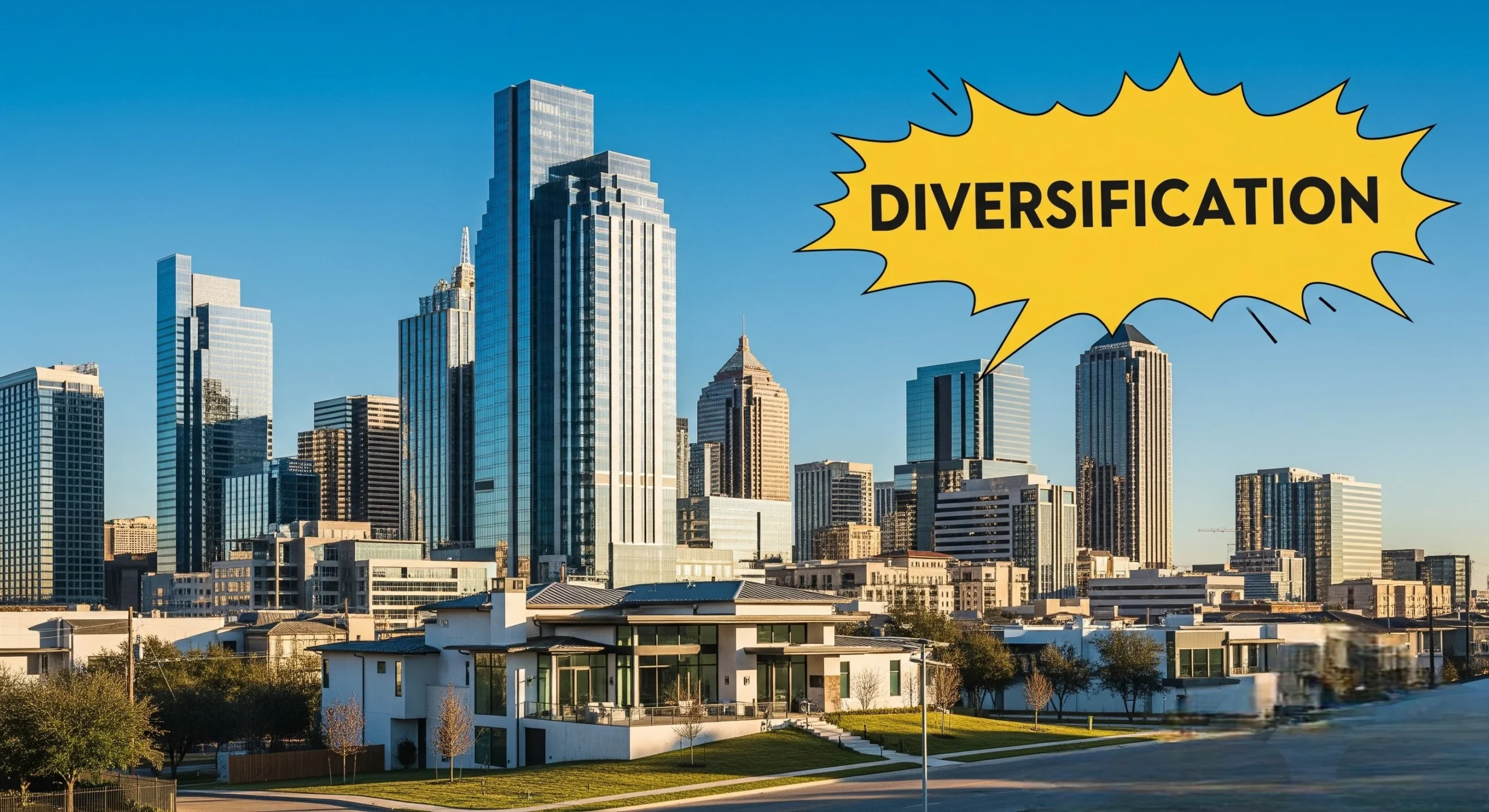
    Besides residential investments, real estate investors are keen on investing in other property types. The idea is to diversify for growth and risk management. A well-diversified real estate portfolio leverages the strengths of different sectors and geographies. Additionally, it cushions investors against market downturns.

    Smart investors opt for diversification to gain income stability, appreciation potential, and protection from sector-specific disruptions. Therefore, it is a critical strategy for both new and seasoned investors. The best part is that you don’t have to be an expert to build a diverse real estate portfolio. 

    In this article, we will share a few actionable tips to achieve your diversification goals. 

    Begin with Market Research

    Thorough market research is the foundation of successful real estate investing. According to US News, the market is challenging as of 2025 due to high mortgage rates and a potential recession. The recent tariffs in the US have made things more complicated, with the spectre of inflation. Right now, no one really knows where property prices are headed. 

    Market research gives you a head start in your diversification efforts. Analyze factors such as local market conditions, interest rates, population growth, and macroeconomic trends. Also, keep track of regulatory shifts to identify opportunities and avoid pitfalls. 

    Public data is a reliable source regarding real estate markets. You can also consult experts to stay informed about property trends across target regions. Knowing the market trends enables you to make smart decisions when it comes to investing your money. 

    Set Realistic Investment Goals

    A winning diversification strategy hinges on smart investment goals. Establishing clear, achievable investment goals helps shape portfolio strategy and selection. Bankrate notes that grouping goals into short-term, mid-term, and long-term is as important as setting them. This enables you to pick investments aligning with each group. 

    When defining goals, consider factors like desired returns, risk tolerance, investment timeline, liquidity needs, and tax implications before allocating capital. Every property you add to your portfolio should fit in seamlessly and be a part of a collective effort to achieve your objectives. 

    Goal-setting should not be a one-time task. Consider the market trends and conditions, and changes in your financial circumstances to rework your diversification goals from time to time. 

    Diversify Across Classes and Locations

    Spreading investments across asset types, such as industrial, multifamily, retail, and self-storage, is a wise approach. Vacation rentals also make a good addition to a diverse real estate portfolio. This mix of properties helps reduce exposure to sector-specific volatility. 

    Geographic diversification, both domestic and international, is also a wise move. It protects your portfolio against localized market downturns and grants access to emerging growth markets. For example, Caribbean Journal reports that Los Cabos in the Caribbean-Mexico region has recently emerged as one of the fastest-growing hotel markets. Investing in luxury Cabo real estate is, therefore, a great way to diversify your portfolio. 

    According to Del Mar Los Cabos, you can consider alternatives like building your dream home or reselling for profit when investing here. Either way, the property has good investment potential. 

    An investor may allocate funds into industrial facilities, apartments, medical offices, and self-storage units across different states or countries. Passive vehicles such as real estate investment trusts (REITs) support diversification without the burden of direct management.

    Prioritize Risk Management

    Effective risk management is crucial to safeguarding investments and maintaining real estate portfolio health. Investopedia highlights the risks investors may come across. These investments require significant upfront spending, and the risk compounds when people borrow money to buy properties. Moreover, immediate financial gains are seldom available. Economic downturns, tenant management, and maintenance costs can be equally challenging. 

    While risks for real estate investors abound, effective planning and risk management from the outset can ease diversification. Start by assessing market, financial, legal, operational, and environmental risks before picking different properties. Next, conduct due diligence on properties, tenants, and regulations.

    Adequate insurance and emergency funds are smart ways to cover unforeseen losses when you start diversifying. Prioritize hedging against interest rate changes and inflation with fixed-rate financing and varied asset classes. Remember that markets shift, and real estate cycles demand adaptability if you want to stay ahead of risks. 

    FAQs

    What are low-risk real estate investments?

    Low-risk real estate investments include properties with long-term net leases to strong tenants. Some examples are industrial facilities leased to Fortune 500 companies, stabilized multifamily housing, medical office buildings, and a diversified REIT. These options tend to offer predictable cash flow and lower vacancy risks.

    How to ensure the safety of your real estate portfolio?

    Investors can ensure the safety of their real estate portfolio through prudent diversification across asset types and locations. They must also do thorough due diligence, prioritize legal compliance, and get comprehensive insurance. Regularly reviewing and rebalancing holdings to respond to market or regulatory changes is also a wise move.

    What is the quickest way to build wealth in real estate?

    House flipping is the fastest path to wealth in real estate. You can also try wholesaling and leveraging capital to acquire multiple properties. Investors can maximize returns using strategies like BRRRR (Buy, Rehab, Rent, Refinance, Repeat) and investing in appreciating rental or commercial assets. Using leverage and smart financing can also accelerate portfolio expansion and wealth creation.

    A strategic and diversified real estate portfolio offers robust protection against market volatility and maximizes long-term wealth potential. However, it requires strategic thinking, sound decisions, and adaptability. With these steps, investors can build a resilient real estate portfolio primed for growth and income.

  • Moving from NYC to Dallas: The Complete Relocation Guide for New Homeowners

    Moving from NYC to Dallas: The Complete Relocation Guide for New Homeowners

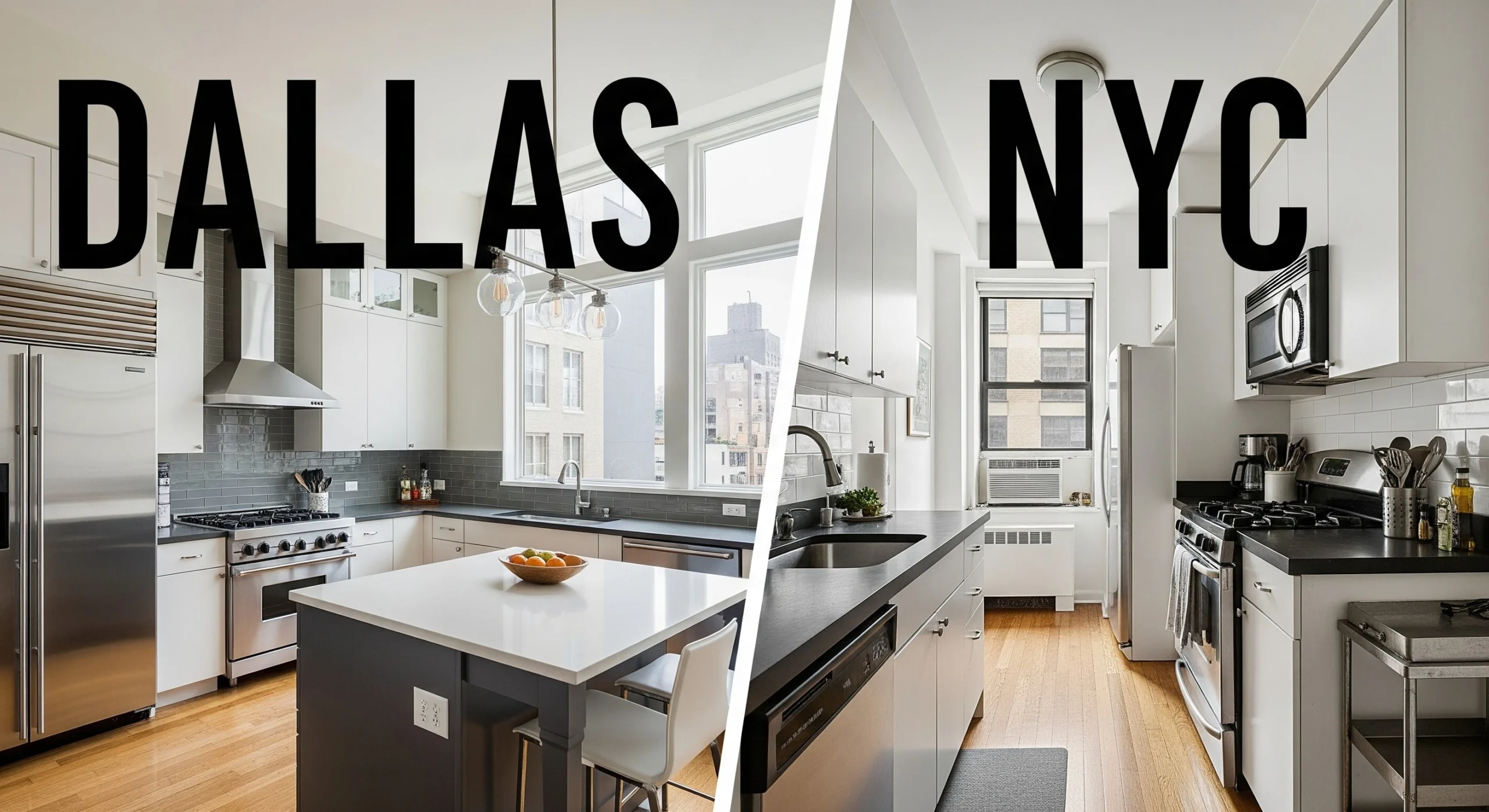
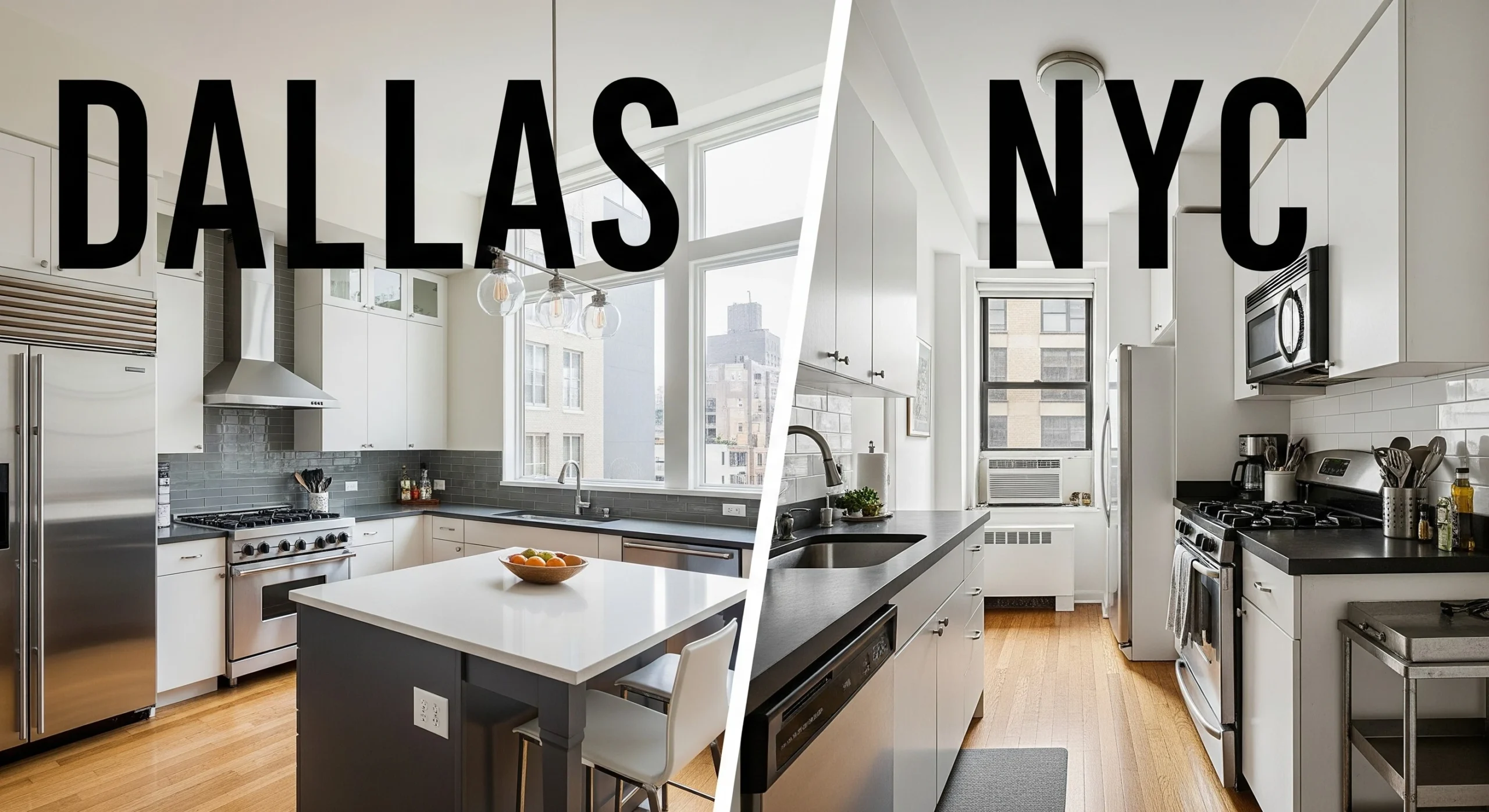
    Trading your New York City apartment for a Dallas home is more than just a change of address. You’re swapping subway rides for spacious driveways and tiny kitchens for Texas-sized living spaces. 

    Thousands of New Yorkers make this move every year. They’re drawn by affordable housing, lower taxes, and the chance to finally own property.

    This guide helps NYC residents navigate the big move to Dallas. You’ll learn what to expect and how to make your transition smooth.

    Why New Yorkers Choose Dallas Over Other Cities

    The math speaks for itself when comparing NYC to Dallas. Your NYC studio rent could buy you a mortgage payment on a three-bedroom house in Dallas. Texas has no state income tax, unlike New York’s hefty rates. This alone saves most people thousands of dollars annually.

    You’ll actually have space for a dining table and a home office. Many Dallas homes include yards where you can garden or let kids play. Major companies from the Northeast keep relocating to Dallas. Goldman Sachs, JPMorgan, and other financial firms expanded their Dallas offices significantly.

    The weather stays warm enough for outdoor activities most of the year. Say goodbye to shoveling snow and waiting for delayed trains in blizzards.

    NYC to Dallas: The Biggest Lifestyle Changes

    Space and Housing Differences

    Your Dallas home will likely be three times larger than your NYC apartment. Most homes here include garages, multiple bathrooms, and walk-in closets. You’ll pay property taxes instead of just rent. These run about two percent of your home’s value annually.

    Homeowners associations are common in Dallas suburbs. They maintain common areas but require monthly fees and following community rules.

    You’ll need to buy lawn equipment and learn basic home maintenance. No more calling the super when something breaks.

    Central air conditioning is standard in every Dallas home. You’ll run it from April through October most years.

    Transportation Adjustments

    You absolutely need a car in Dallas. Public transportation exists but doesn’t compare to NYC’s subway system. Factor in car payments, insurance, and gas in your budget. These replace your MetroCard costs but usually total more.

    Traffic moves differently than NYC gridlock. Dallas highways flow quickly outside rush hour but require learning new routes. Parking is free almost everywhere except downtown. You’ll never circle blocks searching for spots like in Manhattan.

    Get a Texas driver’s license within 90 days of moving. The DMV process moves faster than NYC’s DMV nightmare.

    Social and Cultural Shifts

    People actually make eye contact and say hello here. The friendliness might feel strange after NYC’s anonymity. Peak dinner time starts earlier around 6 PM. Most places close by 10 PM except in trendy neighborhoods.

    You’ll find excellent food but different styles than NYC. BBQ and Tex Mex replace pizza and bagels as local staples. 

    The pace of life moves slower in Dallas. People take time for conversations instead of rushing everywhere. Sports fandom runs deep here. Cowboys, Mavericks, Rangers, and Stars fans take their teams seriously.

    Finding the Right Dallas Neighborhood for Ex New Yorkers

    Urban Areas That Feel Familiar

    Uptown Dallas offers the most NYC-like experience. High rise apartments, walkable streets, and trendy restaurants create familiar energy.

    Deep Ellum reminds people of Brooklyn’s creative neighborhoods. Live music venues and converted lofts attract artistic types.

    Bishop Arts District feels like a village within the city. Small shops and local businesses create that neighborhood feeling.

    Victory Park provides luxury high rise living near downtown. The American Airlines Center and restaurants are walking distance.

    Family Friendly Suburbs

    Plano offers excellent schools and established neighborhoods. Many NYC families choose this area for its safety and amenities.

    Frisco continues growing with new developments and shopping. The Star Cowboys facility and FC Dallas stadium provide entertainment.

    Coppell sits conveniently between Dallas and Fort Worth. Tree-lined streets and parks make it perfect for families.

    Richardson provides diversity similar to Queens neighborhoods. International restaurants and markets serve various communities.

    Best Value Areas

    East Dallas offers affordable homes with character. These neighborhoods are gentrifying but still provide good deals.

    Garland gives you more house for your money. It’s farther from downtown but perfect for remote workers.

    Irving sits centrally between Dallas and Fort Worth. You’ll find reasonable prices and convenient locations here.

    Mesquite provides suburban living at lower prices. New development is bringing fresh energy to this area.

    Planning Your NYC to Dallas Move

    Two Months Before Moving

    Research moving companies that specialize in long distance moves. Get quotes from at least three companies for comparison.

    Start selling or donating items you won’t need. Your window A/C units and space heaters won’t be needed.

    Begin the apartment hunt in Dallas remotely. Virtual tours help narrow down neighborhoods before visiting.

    Plan a house hunting trip to Dallas. Schedule it for a long weekend to see multiple properties.

    Six Weeks Before Moving

    Book your local moving company serving NYC. Summer moves book up fast, especially for long distance.

    Start collecting important documents. Get copies of medical records, school transcripts, and tax returns.

    Research Texas vehicle registration requirements. You’ll need to register your car within 30 days of arrival.

    Begin using up pantry items and frozen foods. Moving these items costs more than replacing them.

    One Month Before Moving

    Submit change of address forms with USPS. Update your address with banks, credit cards, and subscription services.

    Pack items you won’t need for the next month. You can pack up winter clothes since Dallas rarely gets very cold.

    Schedule your moving truck or container delivery. Consider PODS or similar services for flexibility.

    Arrange time off work for moving week. You’ll need several days to coordinate everything.

    Two Weeks Before Moving

    Deep clean your NYC apartment for your security deposit. Take photos documenting the condition you’re leaving it in.

    Pack everything except daily essentials. The less you have to do on moving day, the better.

    Confirm your Dallas housing details. Double check closing dates or lease start dates.

    Say goodbye to favorite NYC spots. Get that last bagel and pizza slice before you go.

    Moving Day: NYC to Dallas

    Start early since you’re losing an hour to the time change. Texas is one hour behind New York.

    Do a final walkthrough of your apartment. Check every cabinet, closet, and storage unit.

    Hand over keys to your landlord or management company. Get written confirmation that you’ve returned everything.

    For valuable items like jewelry or important documents, consider white glove moving services. These specialists handle precious belongings with extra care.

    Keep essentials with you during the drive or flight. Pack medications, chargers, and a change of clothes in your carry on.

    Your First Month in Dallas

    Week One Essentials

    Unpack your bedroom and bathroom first. Getting good sleep helps you adjust to your new home.

    Find the nearest grocery store and stock up. Kroger, Tom Thumb, and HEB are major chains here.

    Register your car at the Texas DMV. You have 30 days to get Texas plates and registration.

    Set up utilities if not already connected. Electric service through Oncor is deregulated, so you choose your provider.

    Get familiar with your immediate neighborhood. Walk around to understand the layout and meet neighbors.

    Week Two Tasks

    Open a local bank account if needed. Many NYC banks don’t have Texas branches.

    Find new healthcare providers. Dallas has excellent medical facilities including UT Southwestern Medical Center.

    Register to vote with your new address. Texas has different voting procedures than New York.

    Join local social media groups for your neighborhood. NextDoor and Facebook groups share valuable local information.

    Explore nearby restaurants and shops. Start discovering what your new area offers.

    Weeks Three and Four

    Get your Texas driver’s license. Bring proof of identity, residency, and your out of state license.

    Register kids for school if applicable. Dallas ISD and suburban districts have different enrollment procedures.

    Find your new favorite spots. Coffee shops, gyms, and parks help you feel at home.

    Connect with other NYC transplants. Several Facebook groups specifically for New Yorkers in Dallas exist.

    Start exploring Dallas beyond your neighborhood. Each area has its own character worth discovering.

    Cost Comparisons: NYC vs Dallas Living

    Housing Costs

    Your NYC studio rent typically covers a Dallas mortgage. A $3,000 Manhattan studio equals a $300,000 Dallas home payment.

    Property taxes average 2% of home value annually. Budget about $500 monthly for a $300,000 home.

    Homeowners insurance costs less than renters insurance. Expect $150 to $250 monthly for good coverage.

    HOA fees range from $30 to $500 monthly. These cover community maintenance and amenities.

    Daily Living Expenses

    Groceries cost about 30% less than NYC. Your weekly shopping bill drops noticeably.

    Restaurant meals cost significantly less. A nice dinner for two runs $80 instead of $150.

    Gas averages $3 per gallon currently. You’ll spend about $150 monthly on fuel.

    Car insurance runs $150 to $200 monthly. This replaces your MetroCard but costs more.

    Utilities average $200 monthly for a house. This includes electricity, water, and gas.

    Building Your Dallas Life

    Making Friends and Connections

    Join professional organizations in your field. Dallas has active chapters for most industries.

    Attend community events in your neighborhood. Block parties and festivals happen regularly.

    Try recreational sports leagues. Kickball, softball, and volleyball leagues are beginner-friendly.

    Volunteer for local causes you care about. Dallas has many nonprofit organizations needing help.

    Take classes at community colleges or recreation centers. Learn the Texas two-step or BBQ techniques.

    Embracing Texas Culture

    Learn basic Texas etiquette and customs. Holding doors and saying “y’all” becomes natural quickly.

    Try local Texas traditions. State Fair of Texas, rodeos, and Friday night football are cultural experiences.

    Explore Texas beyond Dallas. Austin, Houston, and San Antonio make great weekend trips.

    Understand Texas pride. Locals love their state and appreciate newcomers who embrace it.

    Common NYC to Dallas Moving Mistakes

    Don’t assume everything works like NYC. Texas has different laws, customs, and ways of doing business.

    Don’t skip researching neighborhoods thoroughly. Each Dallas area has distinct characteristics affecting daily life.

    Don’t underestimate summer heat. July and August temperatures regularly exceed 100 degrees.

    Don’t forget to budget for a car immediately. You can’t function in Dallas without personal transportation.

    Don’t isolate yourself in your home. Making an effort to meet people helps you adjust faster.

    Making Your Move Successful

    Moving from NYC to Dallas opens incredible opportunities. You’ll own property, have space, and keep more of your income.

    The adjustment takes time but gets easier each week. Most NYC transplants report loving their Dallas life within six months.

    Focus on what Dallas offers rather than comparing everything to New York. Each city has unique advantages.

    Stay open to new experiences and friendships. Dallas welcomes newcomers who embrace the local lifestyle.

    Remember that moving represents growth and new adventures. Your Dallas chapter can be even better than your NYC memories.

    Ready to Make Your Move?

    Professional movers understand the unique challenges of long distance relocations. Whether you’re moving a studio apartment from Brooklyn or a full household from Manhattan, experienced movers ensure your belongings arrive safely.

    Start planning your NYC to Dallas move today. Research neighborhoods, visit Dallas, and prepare for your exciting transition.

    Welcome to Dallas, where your homeownership dreams become reality. The city’s warmth extends beyond the weather to the genuine hospitality you’ll experience daily.

  • Construction: Innovative approaches for sustainable growth into the future

    A person in orange pants holding a jackhammer next to a traffic cone

AI-generated content may be incorrect.

    The US construction industry is a vast enterprise that generates more than $2 trillion annually. Almost 8 million Americans are working in this huge sector.

    We’re not just talking about building houses. The construction world covers housing, commercial spaces, infrastructure and energy projects.

    Its activity is spread across all 50 states, with Texas, California and Florida currently leading in new builds.

    The industry rises and falls with changes in interest rates, material costs, and labor supply. In recent years, construction growth has battled against inflation, supply chain disruptions and a shortage of skilled workers.

    Yet innovation is driving growth across the sector. New materials, technologies and methods can provide sustainable growth for decades to come.But you may be asking, where do I start? And what is the best way to get construction leads  in a manner where I can save time and get the best results.

    Traditional Construction Leads

    Construction companies used to rely on word of mouth. Personal referrals-built reputations which bought new leads. 

    Then came local advertising in newspapers and trade magazines. Networking at trade shows and industry events brought new contacts. 

    Some firms bid on public tenders posted in print or on municipal boards. Direct mail was increasingly used. 

    Companies sent flyers to local businesses and homeowners. Good relationships with architects, developers and suppliers were key to sustainable success. 

    But these methods were slow, and results depended on personal trust with lots of time spent building it.

    Innovative Lead Generation

    In today’s construction world, digital platforms often now produce leads. A company’s website acts as a 24/7 portfolio. 

    Search engine optimisation is crucial to ensure visibility on Google. At the same time social media campaigns might target developers, investors and homeowners. 

    LinkedIn ads can connect directly with decision-makers. Platforms like Houzz and Angi list contractors for residential and commercial projects. 

    Online tender portals now speed up the bidding process. CRM software can track prospects from the first contact to a signed contract and beyond. 

    Virtual tours can showcase projects without site visits and data analytics can identify growth markets by zip code. 

    With these technologies constructors can reach national and global audiences quicker and more cost-effectively than ever before. 

    The Benefits of Sustainable Growth

    Sustainable growth can keep a construction business profitable over the long term. It’s the best way to avoid those boom-and-bust cycles. 

    Revenue increases steadily, costs remain under control and cash flow is stable. Construction companies achieve this by prioritising a reputation that lasts decades – not just winning the next job. 

    There’s another meaning to “sustainable” too. Clients increasingly demand eco-friendly, energy-efficient buildings. 

    Today’s investors often prioritise firms with strong environmental credentials. Many federal and state incentives reward green building projects. 

    It makes sense on a simple level too. Materials costs are rising so waste reduction saves money. 

    Public opinion favours companies that minimise carbon footprints so reputation and contacts will spread. Many large contracts require proof of the constructor’s sustainability policies. 

    And in some cases the most skilled workers will want to join companies with a future-focused vision. Sustainable growth is both an ethical choice – and a commercial necessity.

    The Future of the US Construction Industry

    The US construction industry may be a vast operation but it is at a turning point. The old methods still have value but innovation is the surest way to progress in the future. 

    Those that embrace digital tools, sustainable practices and smarter lead generation will be able to reshape the market. The companies that adapt will thrive. 

    Demand for green, efficient and technologically advanced projects is expected to grow across the US. Federal infrastructure spending and private investment will create new opportunities for forward-thinking companies. 

    The major challenges like skilled labor shortages and rising costs will push the industry toward greater efficiency and creativity. The path forward is to build smarter, build greener and to build for the long term. 

    Sustainable growth is not just becoming possible, it is going to be the new industry standard.

  • 12 Creative Modern Office Design Ideas​

    In the modern workplace, the office is more than just a place to work; it’s also a space for team communication, creative exchange, and the development of corporate culture. Creating an efficient and comfortable environment has become a key concern for many companies. It’s in this context that office design ideas are constantly being developed and innovated. A good office design not only boosts employee motivation but also reflects a company’s overall image and values.

    With the diversification of work styles, office design concepts are gradually shifting from a focus on functionality to one that prioritizes experience and a user-friendly experience. Open workspaces, flexible multi-functional spaces, and the harmonious combination of lounge and meeting areas are all key features of modern design.

    Some people also work from home, giving rise to a variety of home office design ideas. Whether you’re working in a corporate office or at home, if you’re considering ways to make your office more efficient and creative, read on; this article will provide you with practical and valuable insights.

    1. Art and Aesthetics

    Artistic decorations can enhance the overall office atmosphere. Paintings, sculptures, or creative decorative items not only enhance the space but also enhance the company’s aesthetic ambiance. Art design is one of the most distinctive and tasteful office wall design ideas.

    2. Desk and Chair

    Place an appropriately sized desk and an ergonomic chair next to the bed in the bedroom. In home office furniture design ideas, desks with drawers or storage are ideal for keeping things tidy. If there’s enough space, create a storage wall for office supplies or reading books. Chairs should provide back support to prevent fatigue from long hours. This type of home office design idea is the most common.

    3. Color Design

    Office colors directly impact employee mood and productivity. Blue and green enhance concentration, orange and yellow invigorate energy, and off-white creates a sense of simplicity. The overall color palette should be minimal and consistent. By adding accent colors to a primary color scheme, you can create a professional yet creative office atmosphere, which also aligns with small office design ideas.

    4. Utilizing Natural Light

    Lighting design is central to office comfort. Maximizing natural light and reducing reliance on artificial lighting not only saves energy but also improves employee mood and concentration. Windows, glass partitions, and light-colored walls enhance light reflection. For areas with limited light, consider incorporating adjustable lighting.

    5. Comfortable Work Seats

    Office chairs are furniture that employees interact with for extended periods of time. Ergonomic chairs can effectively reduce back strain and enhance comfort. Adjustable height, backrest, and armrests promote healthy sitting posture. Proper chair configuration not only improves work efficiency but also reduces the risk of occupational illnesses, making it an essential component of modern office design ideas.

    6. Meeting Area Design

    The meeting area is a crucial venue for corporate communication and decision-making. While large conference rooms are suitable for formal discussions, smaller meeting areas or impromptu discussion areas offer greater flexibility and efficiency. When designing, consider soundproofing to ensure privacy and focus. The conference table and seating should be simple and practical, and equipped with multimedia equipment such as projectors and speakers to meet diverse needs.

    7. Relaxation Area

    Offices need to provide employees with areas for relaxation. Relaxation areas can be furnished with comfortable sofas and green plants, allowing employees to rest and recharge during breaks. Proper relaxation can improve productivity and reduce stress. Relaxation areas should be designed to blend in with the overall office style and avoid conflicting with the office atmosphere.

    8. Greenery and Natural Elements

    Adding greenery to the office can improve air quality and relieve eye strain. Natural elements such as wooden furniture and stone walls can make the office environment more comfortable. Among office design decorating ideas, green walls or small planters are not only aesthetically pleasing but also create a relaxing atmosphere and a more vibrant office.

    9. Storage and Organization Design

    Adequate storage space keeps the office tidy. Each employee should have their own locker, while common areas can feature filing cabinets or wall cabinets. A combination of open shelves and enclosed cabinets ensures convenient access while reducing clutter. A tidy environment promotes efficiency and a sense of professionalism.

    10. Displaying Corporate Culture

    The office is a crucial vehicle for corporate culture. Through wall decorations, logo displays, cultural slogans, or art installations, you can imbue your space with company identity. These office design ideas not only enhance employee engagement but also leave a lasting impression on visiting clients, effectively demonstrating brand value.

    11. Inspiration Corner

    A key feature of wall design ideas for the office is the creation of an inspiration zone for employees. These can include a whiteboard, graffiti wall, or creative table to encourage employees to record their ideas. This design not only adds interest but also fosters an atmosphere of innovation. Creative corners can inspire teamwork and inject more vitality into the company.

    12. Sustainable and Environmentally Friendly Design

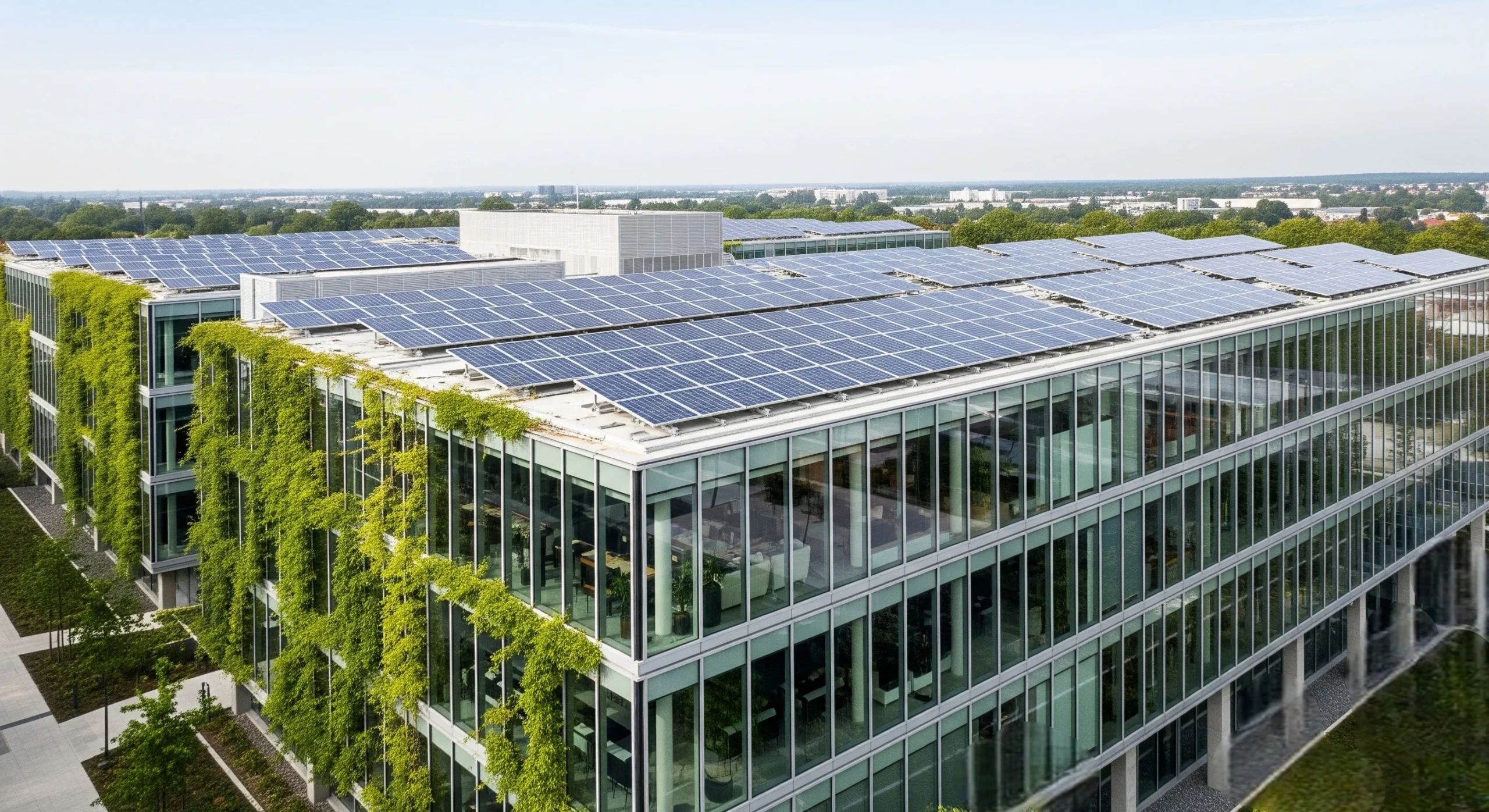
    Office design is increasingly prioritizing environmental protection. Using eco-friendly materials, energy-saving lighting, and recycled furniture not only reduces resource waste but also enhances corporate social responsibility. Green and environmentally friendly design concepts are highly valued by employees and clients and are a key trend in modern office design ideas.

    Conclusion

    An excellent office design balances aesthetics and practicality, meeting daily work demands while providing a comfortable and inspiring environment for employees. From spatial layout and color palette to furniture selection and functional zoning, every detail determines the office experience and efficiency. A well-designed office can be the invisible force driving business growth. If you’re looking for professional solutions, EClife is the recommended home furnishing brand.

  • From One-Armed Bandits to Bidding Wars: Why Buying a House Isn’t Just Luck

    People love to talk about “luck” when it comes to big live events. Win a jackpot? You must be very lucky. Find your dream home? Your cousin buys a beautiful three-bedroom for less than you thought possible – must be their lucky day.

    It’s nice though… but it’s also a bit misleading. Sure, luck can play a role when buying a house; maybe the seller picks your offer over someone else’s just because they liked your letter. But most of the time, buying a house is less about luck and more about putting in the legwork, keeping your cool, doing some research, and knowing when to play your cards.

    It’s a mix of being at the right place at the right time, as well as doing your homework. But let’s dig a bit deeper and find out why buying a house isn’t just luck.

    The Myth of “They Just Stumbled Onto It”

    You’ve probably heard a story that goes something like this:

    A friend of a friend went to “just look” at a house, fell in love instantly, made an offer, and got it for cheap, all within a weekend. On the other hand, you’ve spent months looking for the perfect place and price, and you cannot seem to find anything in this inflated market. 

    The truth is, even when it looks like someone “just stumbled onto it,” there’s usually a lot of invisible work behind the scenes that sometimes we don’t even notice. They’d been watching the market for months and had already been pre-approved for a mortgage.

    So, it’s not just: “Oh, we casually went to see a house, and we bought it”. They usually know exactly what they want and what they could compromise on.

    This means that it is more about preparation and researching for the perfect opportunity than luck. However, luck plays a role in how fast you can find your perfect home. Some people spend months looking for a place, and some people buy a property cheaper than market price, just because the owner had to move out of the state as soon as possible.

    The process of buying a house can feel unpredictable, and in that sense, it’s not too far from the experience of playing online crypto slots. Both worlds carry an element of chance, but neither is pure luck. When you sit down to play slots, you know there’s volatility, sometimes you walk away with a small win, sometimes nothing, and every once in a while you hit a jackpot. Real estate has the same rhythm: one week you’re seeing overpriced listings that don’t fit, and the next week a perfect property appears on the market at just the right price.

    What separates a lucky break from a smart move is preparation. In slots, it’s about knowing when to spin and how to manage your bankroll. In housing, it’s about research, financing, and patience. Both demand strategy, timing, and a cool head if you want to come out on top.

    So, it all comes down to doing your homework, and let’s talk about it.

    Doing the Homework (Before You Even See a House)

    House-hunting isn’t just scrolling through pretty photos online. It’s a strategic process that starts way before you set foot in an open house.

    You figure out your budget, not just the maximum you can borrow, but what you’re comfortable paying each month without living off instant noodles. You get pre-approved, so you’re ready to make a serious offer the moment you find the right place. You spend weekends driving through neighborhoods, figuring out which ones feel like home and which ones look better in the listings than in person.

    By the time “the one” pops up, you’re not scrambling, you’re ready. You know your numbers, your deal-breakers, and how fast you can move. That’s not luck. That’s work.

    Reading the Market Like a Pro

    Here’s where the “card-counting” part of homebuying comes in. In the same way, a good blackjack player tracks what’s been played, a good buyer pays attention to market patterns.

    Maybe you notice that in your target area, the best listings go live on Thursday mornings and are under contract by Monday. Or maybe certain types of homes, like fixer-uppers, tend to sell under asking if they’ve been sitting for a month.

    These aren’t random coincidences. They’re patterns you can use to your advantage. The more you pay attention, the less you’re relying on “good fortune” and the more you’re creating your own.

    Surviving the Emotional Rollercoaster

    This part doesn’t get talked about enough: buying a house can mess with your emotions. You’ll fall head over heels for a property, picture your life there, and then watch it slip away in a bidding war. You’ll tour a dozen houses that look perfect online but feel totally wrong in person.

    It’s easy to throw your hands up and say, “It’s just bad luck.” But if you keep going — and keep learning from each experience, you’ll start to notice something. You get sharper. You can spot red flags faster. You can sense when a house will get multiple offers. You learn how to make peace with walking away from something that’s not truly right.

    Every “loss” is just another practice round before the win that matters.

    Playing the Endgame

    When the call finally comes, “Your offer’s been accepted”, it doesn’t feel like a lottery win. It feels like the payoff for months (or years) of paying attention, staying prepared, and making smart choices.

    Sure, luck might’ve played a tiny role, maybe the seller liked your closing timeline better than someone else’s, but you created the conditions for that “lucky” moment to happen.

    The bottom line is that buying a house isn’t about crossing your fingers and hoping that the universe delivers. It’s more about stacking the odds in your favor, doing your homework, and all the necessary steps that will help you find the best deal.

  • 5 Most Dangerous Neighborhoods in Dallas

    Dallas is a dynamic and diverse city in Texas, known for its booming economy, rich cultural scene, and iconic skyline. From arts and sports to business and education, the city attracts people from all walks of life seeking opportunity and excitement. 

    However, like many major cities, Dallas also has areas that struggle with higher crime rates. Some neighborhoods face ongoing challenges related to theft, burglary, and violent crime. These factors lead many to label them as the worst neighborhoods in Dallas. In this article, we’ll explore five such areas and what contributes to their reputation for being more dangerous than others. 

    1. South Dallas 

    South Dallas is situated just southeast of downtown. It is one of the city’s oldest areas, rich in history, but it also faces significant crime challenges. Many residents struggle with poverty, and the local schools and infrastructure are not well funded. 

    South Dallas experiences some of the highest violent crime rates in the city. Residents report assaults and robberies more frequently than in other neighborhoods. Drug activity and gang presence are significant concerns in this area. Recent reports indicate that the crime rate here is more than twice the city average. 

    2. Cedar Crest 

    Cedar Crest is an area that faces significant crime issues. It is located near South Dallas and struggles with a high poverty rate, poor infrastructure, and a lack of job opportunities. These challenges often contribute to higher crime rates. 

    In Cedar Crest, property crimes, such as home break-ins and car thefts, are frequent. Violence, including domestic abuse and gun-related offenses, is also prevalent. Local leaders and police have initiated projects to improve the area and enhance safety, but it remains one of the more dangerous neighborhoods in Dallas. 

    3. South Boulevard-Park Row Historic District 

    This neighborhood may be “historic,” but it is not entirely peaceful. While the area features beautiful old homes, it also faces challenges with crime. Many houses are vacant or in disrepair, which can attract illegal activity. 

    Crime reports indicate an increase in both property and violent crimes over the past five years. While some streets remain quiet, others are notorious for drug use and gang activity. the neighborhood is a mix of historic charm and safety concerns, prompting calls for stronger safety measures.

    4. Northwest Dallas (Near Bachman Lake) 

    Northwest Dallas is a vibrant area that includes a variety of homes, shops, and restaurants. However, certain parts have experienced rising crime rates, particularly around Bachman Lake. Car thefts and drug-related offenses are significant issues in this area. 

    Police patrol this area more frequently now, but crime remains a problem. Residents report incidents of break-ins, fights, and even shootings. This part of town has many apartment buildings, some of which are poorly maintained. This lack of upkeep can allow crime to go unnoticed. 

    5. Vickery Meadow (Five Points

    Vickery Meadow, also known as Five Points, is a densely populated area in northeast Dallas. It has a large and diverse community. Many residents live in small living spaces, and poverty is a major concern. 

    This neighborhood experiences high rates of theft, assaults, and domestic violence. Police reports indicate ongoing issues with drugs and gangs. Due to the high population density and limited resources, keeping the area safe is challenging. Although the city has made efforts to assist, the area continues to face significant obstacles. 

    What Makes a Neighborhood Dangerous?

    Several factors can contribute to higher crime rates in a neighborhood. These include poverty, substandard housing, a lack of job opportunities, and fewer police patrols. Experts assess both violent crimes, such as shootings and assaults, and property crimes like theft and vandalism, to determine the level of danger in an area. It’s important to note that not every street in these neighborhoods is unsafe, and many residents are actively working to improve their communities. 

    The Final Say

    While Dallas has many great neighborhoods, some areas experience more crime and safety issues. Understanding these areas and their challenges can help people stay safer.

  • Discover Quality Wood Windows Whitehall PA Options

    Source: facebook.com

    Choosing the right windows for your home is a decision that impacts not only the look of your house but also its energy efficiency and overall value. In Whitehall, PA, selecting quality wood windows offers several advantages that go beyond aesthetics. This article will guide you through the available options for wood windows in Whitehall and highlight additional home improvement solutions that enhance your home’s appeal and functionality.

    Why Choose Wood Windows in Whitehall

    Wood windows offer several specific advantages that make them an excellent choice:

    • Natural Insulation: Wood is a natural insulator, helping to maintain a comfortable temperature inside your home, which can lead to reduced energy bills.
    • Aesthetic Appeal: The timeless and natural look of wood can add elegance and warmth to any home exterior or interior.
    • Customization: Wood windows can be easily customized with paint or stain to match your home’s style.

    Maintenance Tips for Longevity:

    • Regularly inspect for any signs of wear, such as cracks or peeling paint, and address them promptly.
    • Treat the wood to protect against moisture and pests.
    • Ensure that seals are intact to prevent drafts.

    For those concerned with the environmental impact, wood is a sustainable and renewable material. You can find more information about the benefits of using wood materials from the Ministry of Primary Industries.

    By choosing wood windows, you can blend efficiency and style, creating a home that is both energy-efficient and beautifully designed.

    Available Window Replacement Services Near You

    Finding the right window replacement services near Whitehall, PA, is crucial for the best performance and longevity of your windows. High-quality installation guarantees your windows look great and work efficiently. Here’s a quick guide on what to consider:

    • Local Expertise: Choose local services that understand the area’s climate and building codes.
    • Efficiency and Convenience: Look for providers known for timely and professional service.
    • Professional Installation: Ensures better insulation and energy efficiency.

    To ensure you work with top-rated companies, explore reviews of window replacement services in Whitehall, PA. You’ll find insights into customer experiences and service quality, helping you make an informed decision.

    Complementary Home Improvement: Siding Whitehall PA

    Upgrading both windows and siding can dramatically boost your home’s curb appeal and efficiency. Here’s why you should consider siding improvements:

    • Unified Appearance: Achieve a cohesive look by coordinating your siding with new wood windows in Whitehall.
    • Material Options:
      • Vinyl: Low maintenance and variety in colors
      • Wood: Provides a natural look and high insulation

    Combining new siding with wood windows can enhance not just aesthetics but also the overall energy efficiency of your home. For more details on siding materials, visit a trusted resource like This Old House’s guide on siding.

    Taking the step to upgrade both windows and siding ensures that your home’s exterior remains durable and attractive, adapting well over time to changing weather conditions.

    Enhancing Energy Efficiency with Doors Whitehall PA

    Improving the energy efficiency of your home is not only good for the environment, but it can also lead to significant cost savings. By installing energy-efficient doors that complement your wood windows, you create a more insulated and attractive home in Whitehall, PA. Here’s how to get started:

    • Benefits of Energy-Efficient Doors:
      • Insulation Improvement: Modern doors have better insulation properties, keeping your home warmer in winter and cooler in summer.
      • Cost Savings: Energy-efficient doors can lead to lower utility bills thanks to reduced energy use.
      • Aesthetic Appeal: Choosing doors that match your windows enhances the overall look of your home.
    • Maximize Savings by Replacing Windows and Doors: Replacing both windows and doors together can amplify the energy savings. They work in tandem to seal heat in or out, enhancing comfort. For more information on how such replacements can lead to savings, visit the Energy Saver Guide.

    Quick Fixes: Window Screen Repair Services Near You

    Window screens are essential for keeping pests out while letting fresh air in. However, they are prone to damage. Here’s a guide on quick fixes and repair services near you:

    • Common Screen Problems:
      • Tears and Holes: Small tears can often be repaired with a screen patch. For larger damage, replacing the mesh may be necessary.
      • Loose Frames: Over time, frames may loosen. Tightening the screws or realigning the screen can fix this issue.
    • When to Repair vs. Replace: Smaller damages are usually repairable. However, if the screen is significantly damaged or old, a full replacement might be more cost-effective.
    • Local Repair Services: Finding a “window screen repair near me” in Whitehall is easy and convenient. Local experts can provide fast and reliable services, ensuring your screens are in top condition.

    By taking these steps, you can ensure that your home in Whitehall, PA, remains efficient and pest-free, enhancing comfort and saving you money in the long run.

    Enhance Your Space: Flooring Whitehall PA

    Giving your home a fresh look with new flooring is a fantastic way to enhance interior spaces in Whitehall PA. Whether you’re replacing windows or updating other parts of your home, fresh floors can tie everything together beautifully. Here’s how you can make the most of your flooring options:

    • Popular Flooring Trends: Keep on trend with options like hardwood, luxury vinyl planks, and eco-friendly materials. Each brings its distinct charm and benefits, catering to different styles and preferences.
    • Materials Available: Whitehall offers a variety of materials, from timeless hardwood to budget-friendly laminate. Each type of flooring comes with its pros and cons, which is essential to consider for your lifestyle and design goals.

    For a detailed look at the latest flooring trends and how to choose the best one for your home, you can refer to the flooring trends that dominate 2025.

    Summary and Choosing the Right Options for Your Home

    To wrap up, improving your home with quality wood windows and complementary upgrades can significantly boost both comfort and value. Here’s a quick overview of what we covered:

    • Windows and Doors: Opt for energy-efficient installations for long-term savings and comfort. Consider local window replacement services for professional insights and installation.
    • Siding and Flooring: Coordinate your siding upgrades with your window choices for a coherent exterior look. Inside, choose flooring that complements your style while considering current trends and durability.
    • Screen Repair and Maintenance: Regular maintenance like window screen repair ensures your home remains functional and inviting.

    When embarking on your home improvement journey, consult with local experts to make informed decisions that best suit your house and lifestyle. Exploring available services in Whitehall PA empowers you to make changes that can enhance your living environment drastically.

    For anyone looking to boost the overall aesthetics and efficiency of their home, taking these steps could be very rewarding. Start with one project, and watch as your home transforms into the space you’ve always envisioned.

  • How a Roof Repair Contractor Can Boost Your Home’s Market Value with Strategic Upgrades

    A roof repair contractor can significantly increase a home’s market value by addressing both functional problems and aesthetic concerns. Through targeted repairs and upgrades, they ensure the roof is structurally sound, improving the property’s overall appeal to buyers.

    Strategic roof improvements, such as replacing damaged shingles, fixing leaks, and upgrading materials, make a home more attractive and can justify a higher asking price. These upgrades also signal to potential buyers that the home has been well-maintained, reducing concerns about future repair costs.

    Key Roof Repairs That Enhance Market Value

    Strategic roof repairs focus on preventing damage, strengthening key components, and optimizing energy efficiency. 

    Addressing Leaks and Water Damage

    Repairing leaks is critical to protect a home’s structural integrity and prevent costly water damage. A contractor identifies the source of leaks, which often appear around flashing, vents, or damaged shingles.

    Replacing missing or broken shingles and sealing vulnerable joints stops water from penetrating the roof deck. Addressing underlying roofing issues helps avoid mold growth and wood rot that can deter buyers.

    Installing metal roofing can be a long-term solution here. Its durability and water-resistant properties minimize leak risks, increasing the roof’s lifespan and positively impacting market value.

    Reinforcing Roof Structure

    A strong roof frame withstands weather and extends the roof’s service life, making it an important selling point. Contractors inspect rafters, trusses, and supports for signs of wear or damage.

    Repairing or replacing weakened structural elements ensures stability. Adding reinforcement materials or bracing can help the roof carry additional weight, including upgrades like metal roofing.

    Structural improvements assure buyers the roof can handle future weather events. This reduces concerns about costly repairs, improving buyer confidence in the home’s condition.

    Improving Ventilation and Insulation

    Proper roof ventilation balances heat and moisture levels, preventing ice dams and reducing energy costs. A contractor evaluates attic vents, ridge vents, and soffit vents to ensure adequate airflow.

    Upgrading insulation complements ventilation by stabilizing indoor temperatures year-round. Adding or replacing insulation reduces heating and cooling expenses, a clear market advantage.

    Better ventilation and insulation extend the roof materials’ lifespan by limiting thermal stress and moisture buildup. These energy-efficient improvements align with buyer preferences for lower utility bills and sustainable homes.

    Strategic Upgrades for Maximum ROI

    A sunny day with a clear blue sky over a residential area in Huntsville. A sturdy, well-maintained roof stands out among the houses

    Investing in specific roof upgrades can significantly increase a home’s market value. Choosing materials and features with durability, efficiency, and aesthetic appeal ensures the best return on investment.

    Upgrading to Modern Roofing Materials

    Modern roofing materials such as metal, synthetic slate, and architectural shingles offer increased durability and style. Metal roofing is particularly popular for its longevity and low maintenance. It can also be installed over existing roofs, reducing labor costs.

    Installing metal roofing requires professional skill to ensure proper sealing and fastening, which prevents leaks and extends roof life. The reflective surface of metal also helps reduce heat absorption, contributing to energy savings.

    Choosing materials with higher ratings for wind resistance and fire safety appeals to buyers in all markets. This upgrade adds tangible value and reduces future repair costs.

    Energy-Efficient Roofing Solutions

    Energy-efficient roofing options lower utility bills and attract eco-conscious buyers. Cool roofs, reflective coatings, and added insulation are common solutions contractors recommend.

    These features reduce heat transfer, keeping the home cooler in summer and warmer in winter. Metal roofs, for example, can be coated with reflective paint that meets ENERGY STAR standards.

    Strategic installation includes proper ventilation to boost efficiency. An energy-efficient roof also qualifies for potential tax credits or rebates, making it financially attractive beyond initial investment.

    Curb Appeal Improvements

    A roof’s appearance strongly influences a home’s curb appeal. Color coordination with siding, neat installation, and a clean roof line can transform the home’s look.

    Architectural shingles add depth and texture, while metal roofing provides a sleek, modern aesthetic. Removing old roof debris and power washing the roof surface enhances appeal.

    Minor repairs like fixing flashing or replacing gutters can also improve overall presentation. A visually appealing roof signals to buyers that the home is well-maintained, increasing perceived value.

    Warranty and Longevity Considerations

    Longer warranties and durable materials reduce buyer concerns about future expenses. Reputable contractors often offer warranties on both materials and installation, which can be transferable to new owners.

    Metal roofs can last 40-70 years with minimal upkeep, compared to 15-30 years for traditional asphalt shingles. This longevity adds value by lowering replacement frequency.

    Homeowners should prioritize upgrades with warranties covering wind damage, leaks, and rust. Clear documentation of these warranties should be part of the home sale package.

    Selecting the Right Roof Repair Contractor

    Choosing a contractor involves careful review of their qualifications, the range of services offered, and transparent pricing.

    Evaluating Credentials and Experience

    A reputable contractor should have valid licensing and insurance to protect the homeowner from liability. Checking licenses against state or local databases confirms compliance with laws.

    Experience matters; contractors with years in roofing are better at diagnosing issues and selecting effective upgrade methods. Request references or look for reviews that highlight quality, timeliness, and professionalism.

    Certifications from manufacturers or professional bodies indicate technical expertise and familiarity with new roofing materials or technologies, reinforcing the contractor’s reliability.

    Comparing Service Portfolios

    Reviewing the types of repairs and upgrades offered shows if the contractor can handle specific needs like ventilation improvements or energy-efficient installations.

    A detailed service portfolio includes roof inspections, shingle replacements, flashing repairs, and emergency services. Contractors that provide comprehensive roofing solutions add value beyond simple fixes.

    Ask if the contractor offers warranties on workmanship and materials. Longer or transferable warranties can enhance the home’s market appeal by assuring buyers of future durability.

    Understanding Cost Estimates

    Cost estimates should be itemized to show labor, materials, permits, and additional fees separately. Transparent pricing prevents surprises and aids in budget comparison.

    Contractors who conduct a thorough inspection before quoting tend to provide more accurate estimates. Verbal or vague quotes might lead to hidden costs later.

    Comparing multiple bids ensures competitive pricing. Cheaper estimates are not always better; balance cost with quality by verifying included services and warranty coverage.

  • Pros and Cons of Solar Panel Roofs in Texas

    A modern suburban house with solar panels on the roof under a clear blue sky.

    Solar panel roofs are becoming a popular option for homeowners in Texas due to the state’s abundant sunlight. They offer a way to reduce electricity bills and increase home value but also involve upfront costs and maintenance considerations.

    The key to deciding if solar panels make sense in Texas lies in weighing their long-term savings against installation expenses and potential limitations like weather and roof orientation. Understanding both the advantages and drawbacks can help homeowners make an informed choice.

    This article explores the primary pros and cons of solar panel roofs specific to Texas weather, energy policies, and market factors. It aims to provide clear facts that assist readers in deciding whether solar technology fits their needs.

    Benefits of Solar Panel Roofs in Texas

    Solar panel roofs in Texas offer clear financial advantages, reduce environmental impact, and provide access to government incentives. They can also boost property values by making homes more energy-efficient and modern.

    Energy Cost Savings

    According to expert solar panel installers in Dallas from Metro Express Solar, Texas receives abundant sunlight year-round, making solar panels highly efficient in generating electricity. Homeowners can significantly reduce their monthly electricity bills by producing their own power.

    Net metering programs in Texas allow users to sell unused energy back to the grid, further lowering overall energy costs. This can lead to potential savings of 50% to 70% on utility bills, depending on system size and energy use.

    Installing solar panels also provides price stability by reducing dependence on fluctuating utility rates. Over time, savings often cover the initial installation cost, creating long-term financial benefits.

    Environmental Impact

    Solar energy produces zero emissions during operation, helping reduce a home’s carbon footprint. Texas, being a large energy consumer with heavy fossil fuel use, benefits from increased solar adoption to lower greenhouse gas emissions.

    Using solar panels helps decrease reliance on nonrenewable energy sources such as coal and natural gas. This contributes to cleaner air and water quality by reducing pollutants commonly associated with fossil fuel power plants.

    Solar power also conserves water resources, as it requires minimal water for maintenance compared to traditional power generation methods. This is particularly important given Texas’ periodic drought conditions.

    State and Federal Incentives

    Texas homeowners can take advantage of various incentives to offset solar panel installation costs. The federal solar Investment Tax Credit (ITC) allows for a 30% tax credit on system costs through 2032.

    At the state level, there is no state income tax, which means no state tax rebate, but utility companies may offer rebates or performance-based incentives to encourage adoption. These vary by provider and location within Texas.

    Additional perks include exemptions from local property taxes on added home value from solar systems. Some cities also provide streamlined permitting processes to reduce upfront barriers.

    Increased Property Value

    Solar panel roofs increase a home’s market appeal by lowering future energy expenses for buyers. Studies show that homes with solar installations typically sell faster and at higher prices than comparable non-solar homes.

    The premium on resale value often ranges from 3% to 5%, reflecting the energy savings and environmental benefits perceived by buyers. This is especially relevant in Texas markets experiencing growing demand for sustainable housing.

    Solar panels also signal modern upgrades and energy independence, both attractive features to homebuyers in the state. Properly maintained systems can remain efficient for 25 years or more, adding lasting value.

    Drawbacks of Solar Panel Roofs in Texas

    Solar panel roofs involve significant financial investment upfront and require evaluation of local weather patterns. Additionally, not all roofs are suited to support the added weight and structural demands of solar installations.

    Upfront Installation Costs

    The initial expense for purchasing and installing solar panels in Texas can be high. Costs typically range from $15,000 to $30,000 before incentives. This amount covers the panels, inverters, mounting hardware, and labor.

    Although federal tax credits and some state incentives may reduce costs by up to 30%, the out-of-pocket investment remains substantial. Homeowners with limited budgets may find the upfront price a barrier, especially if they lack access to financing options.

    Maintenance, replacement parts, and possible upgrades add to long-term expenses. The payback period can stretch beyond 7–10 years depending on energy savings and system size, which might not suit all buyers.

    Performance Variability Due to Weather

    Texas climate features intense sun but also includes storms, hail, and severe weather events. Solar panels perform best in direct sunlight, but cloud cover and dust storms can reduce efficiency.

    Hail, frequent in some Texas regions, can physically damage panels despite durable designs. Regular cleaning is necessary to remove dirt and debris, particularly in dry, dusty environments, adding to upkeep efforts.

    Heat also decreases efficiency; extreme summer temperatures often exceed optimal operating ranges. This means energy production may dip when demand is highest, affecting overall returns.

    Roof Compatibility and Structural Limitations

    Not all roofs in Texas can support solar panels. Factors like roof age, material, pitch, and orientation affect eligibility. Older roofs may need repairs or replacement before installation.

    Materials such as wood shakes or slate are less suited for mounting hardware, which can increase installation complexity and costs. Roofs facing north or shaded by trees produce less energy, limiting system effectiveness.

    Structural integrity is critical as panels add weight and wind load. A professional inspection is required to confirm the roof can safely bear the system, potentially leading to additional reinforcement expenses.

    Additional Considerations for Texas Homeowners

    Texas homeowners must navigate specific regulations, upkeep demands, and installation choices when considering solar panels. These factors can significantly affect the system’s cost-effectiveness and durability over time.

    Local Regulations and Permits

    Texas has varied local regulations that impact solar panel installation. Homeowners should check city and county zoning laws, which may limit panel placement or require certain aesthetic standards.

    Permit requirements differ widely. Many areas in Texas mandate electrical and building permits before installation. Failing to secure these can result in fines or costly modifications.

    Net metering policies are crucial. Texas utilities offer different compensation rates for excess energy, so understanding local programs helps maximize savings.

    Maintenance and Longevity

    Solar panels generally require minimal maintenance but should be inspected annually. Texas weather, especially dust, pollen, and occasional hail, can reduce efficiency if panels are not cleaned.

    Roof condition plays a role. Panels installed on aging roofs may need removal for repairs, increasing maintenance costs. Homeowners should ensure the roof is in good shape before installation.

    Monitoring systems are recommended. They provide real-time performance data, allowing quick identification of issues such as shading or panel malfunctions.

    Choosing a Qualified Installer

    Selecting an experienced installer is critical in Texas due to unique climate and regulatory conditions. Look for licensed and insured professionals with positive local reviews.

    Installers should offer warranties on both equipment and labor. Warranties typically cover 10-25 years for panels and 5-10 years for installation work.

    Request detailed quotes including system size, expected output, and timeline. A transparent installer will provide a clear contract and assist with permit applications.