Tag: Eco-friendly Living

  • Energy-Efficient Home Upgrades That Actually Pay Off

    Source: pexels.com

    Planning a home makeover? While you might be drawn to the aesthetics of a bright, new countertop or a splash of fresh paint, it’s not all about the visual appeal. Don’t forget what’s hidden behind the walls. Energy-efficient upgrades won’t be glamorous, but they will provide significant added value. From reducing your monthly bills to keeping your house cozy year-round, smart upgrades will make a tangible impact.

    As the cost of energy rises, homeowners are increasingly looking ahead. The silver lining? There are plenty of upgrades that not only lower your energy costs but also boost your home’s value when it’s time to sell. Consider trying some of these during your next renovation.

    Swap Out Old Windows
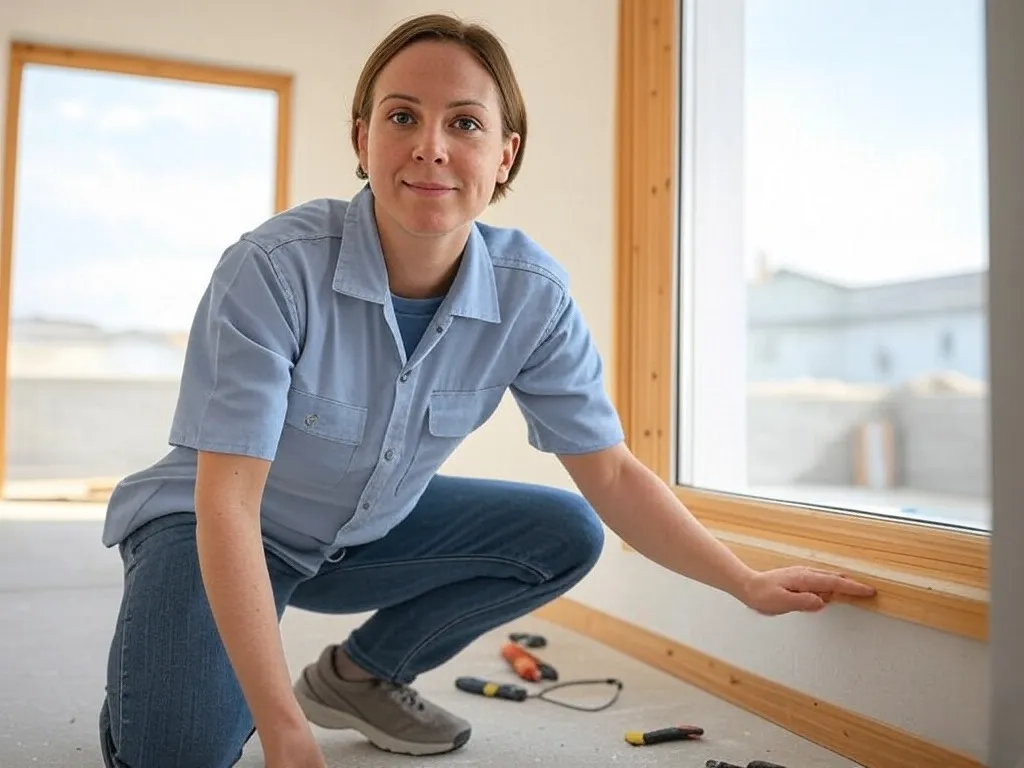
    Drafty windows are one of the biggest energy drains in a home. If yours are single-pane or starting to show signs of wear, it’s probably time for an upgrade. Look for double or triple-pane windows with low-E coatings—they help keep your home warmer in the winter and cooler in the summer. You’ll notice the difference on your utility bill and feel it in every room.

    Go Solar (It’s Easier Than You Think)
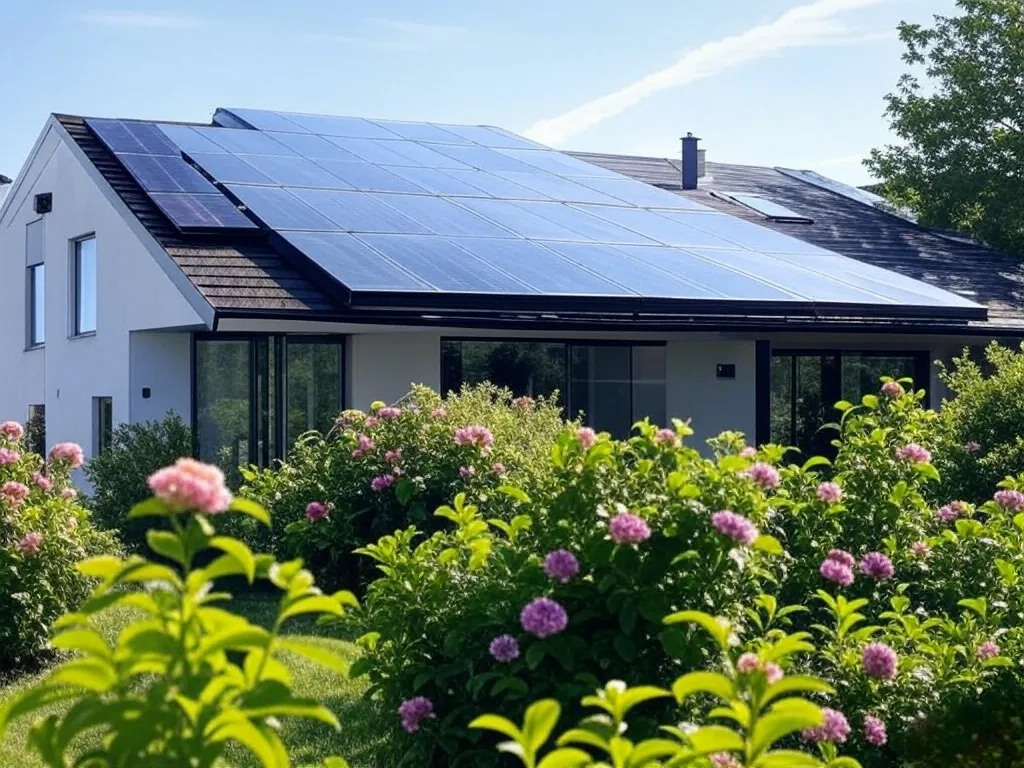
    Solar panels aren’t just for techy homeowners anymore. Prices have dropped, and tax incentives are available in many states, making solar panels a solid investment. If you live somewhere sunny—like Texas, California, or Florida—solar power can seriously cut your electricity costs. A licensed contractor can help you figure out what system fits your roof and your energy needs.

    Add or Fix Insulation
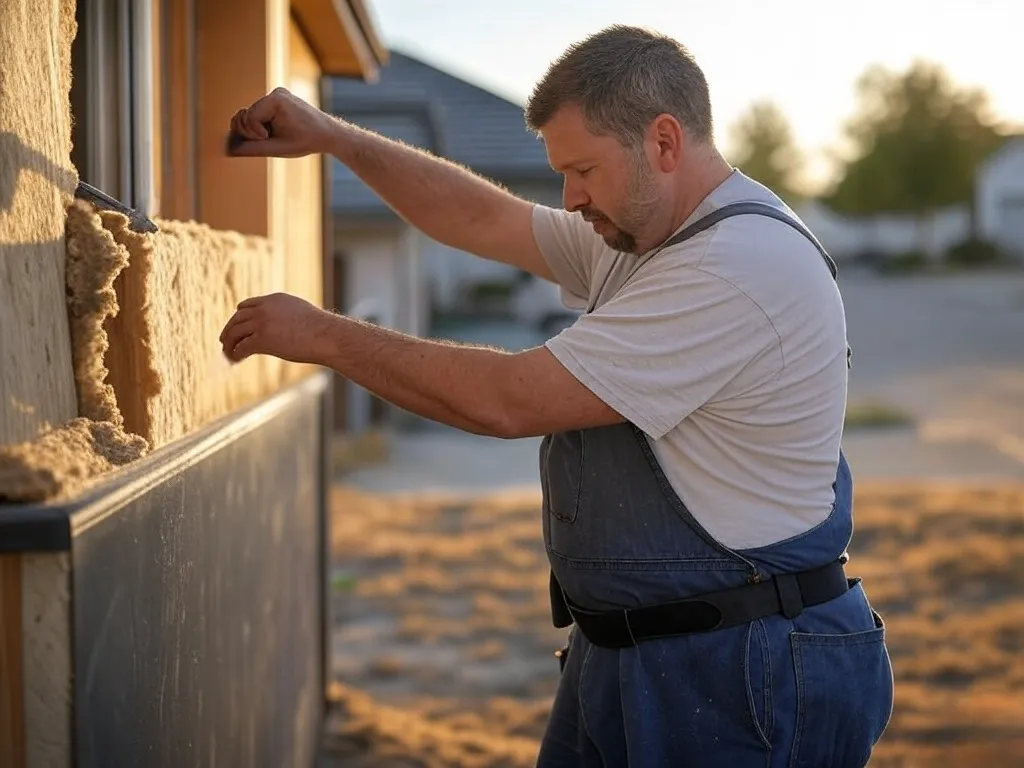
    Insulation may not be the most exciting aspect of a home renovation, but it does make a significant difference. Proper insulation allows your heating and cooling systems to perform much more efficiently. Concentrate on areas such as the attic, external walls, and crawl spaces. If your home feels drafty or your HVAC system is continually running, it may be time to improve your insulation.

    Install a Smart Thermostat
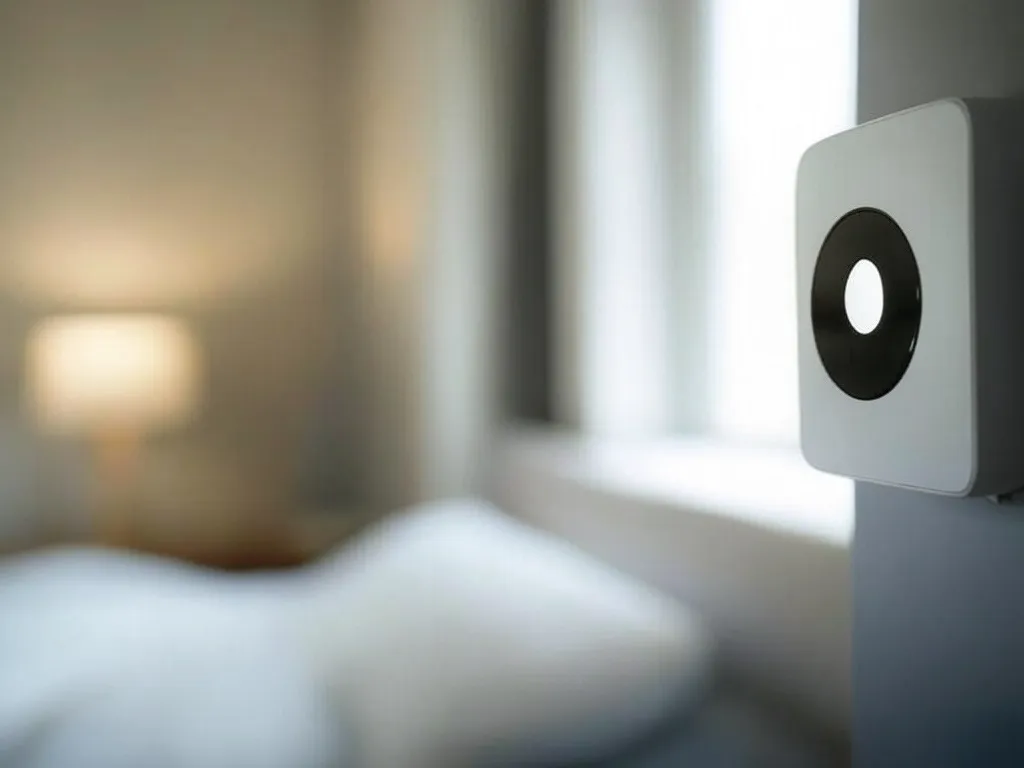
    A smart thermostat lets you control the temperature in your home based on your routine—lowering the heat when you’re at work and warming things up before you get home. Some models even adjust automatically based on your habits. And yes, you can control most of them from your phone. It’s one of those small upgrades that adds up quickly.

    Upgrade Your Appliances
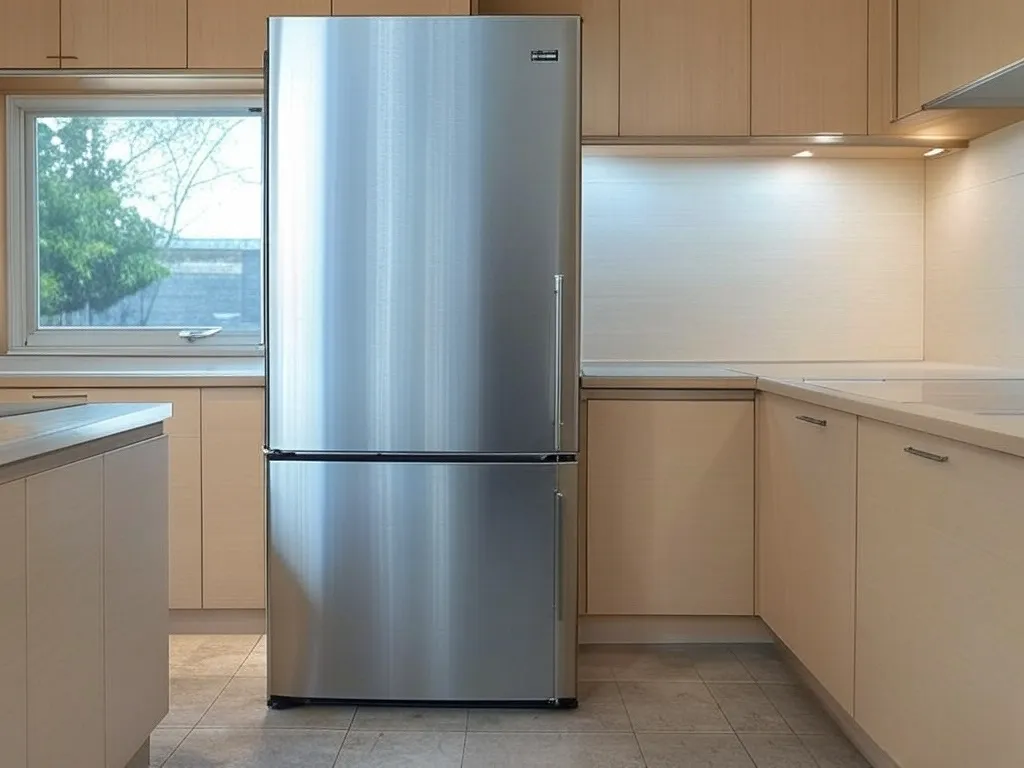
    Still holding on to that old refrigerator from the early 2000s? It’s probably costing you more than you think. When it’s time to replace your appliances, consider looking for the ENERGY STAR® label. Those models are designed with energy-saving features, without sacrificing performance. They may cost a bit more upfront, but the savings will be well worth it over time.

    Seal Up Those Drafts
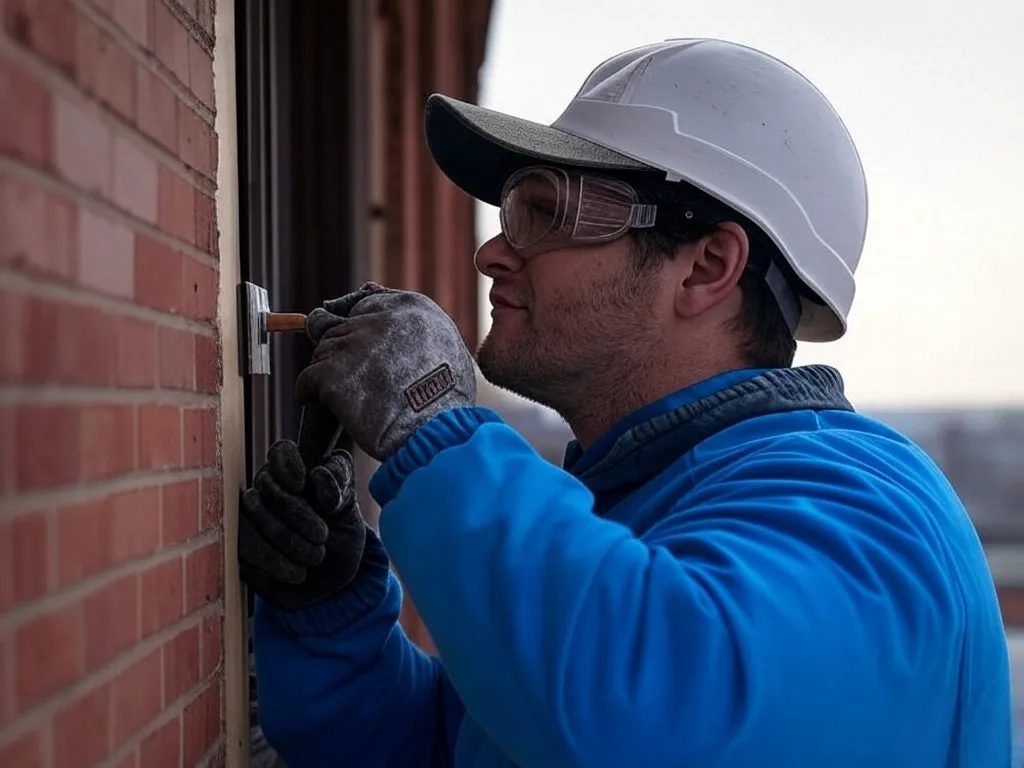
    If you feel a breeze near your windows or under your doors, that’s money literally slipping away. Use caulk or weatherstripping to seal gaps and cracks. It’s a low-cost fix you can knock out in a weekend, and it’ll help your heating and cooling systems run more efficiently.

    Switch to LED Lighting

    Still using old-school light bulbs? Time for an upgrade. LEDs use way less energy, last much longer, and don’t turn your house into a sauna. Start with the lights you use most—like in the kitchen, bathroom, or out on the porch—and watch your energy bill go down.

    Install Water-Saving Fixtures
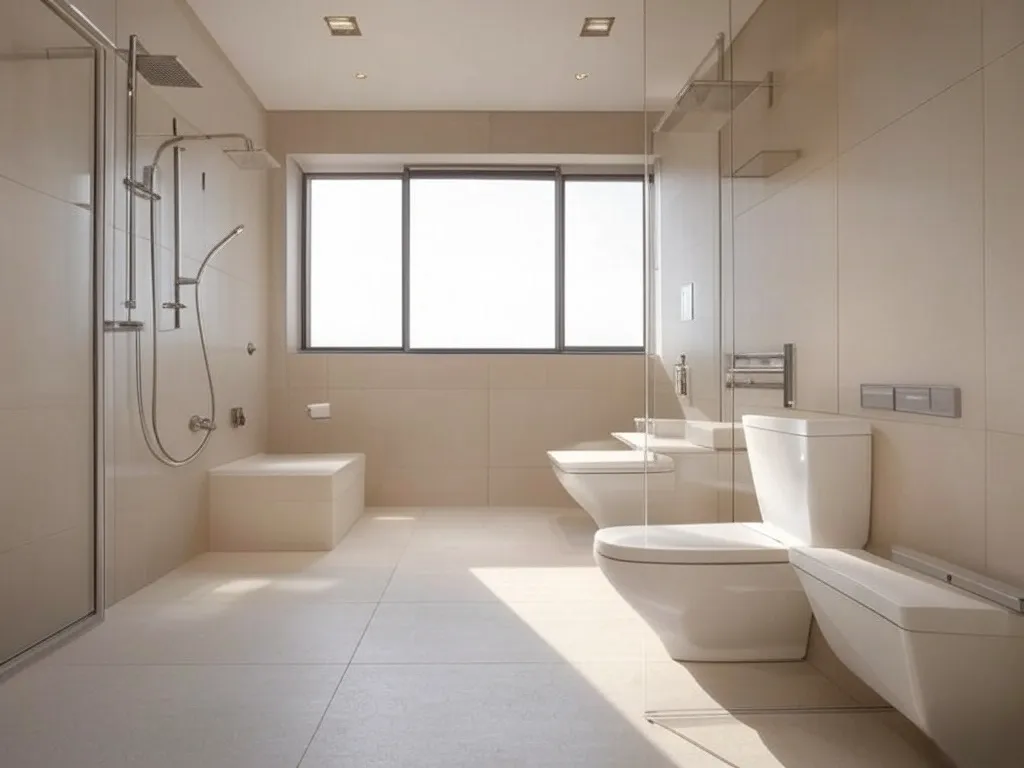
    Water bills can sneak up on you too. Switching to low-flow faucets, showerheads, and toilets helps cut down on your water use without messing with the pressure or comfort. They’re affordable, easy to install, and better for both your wallet and the planet.

    Upgrade Your Exterior Doors
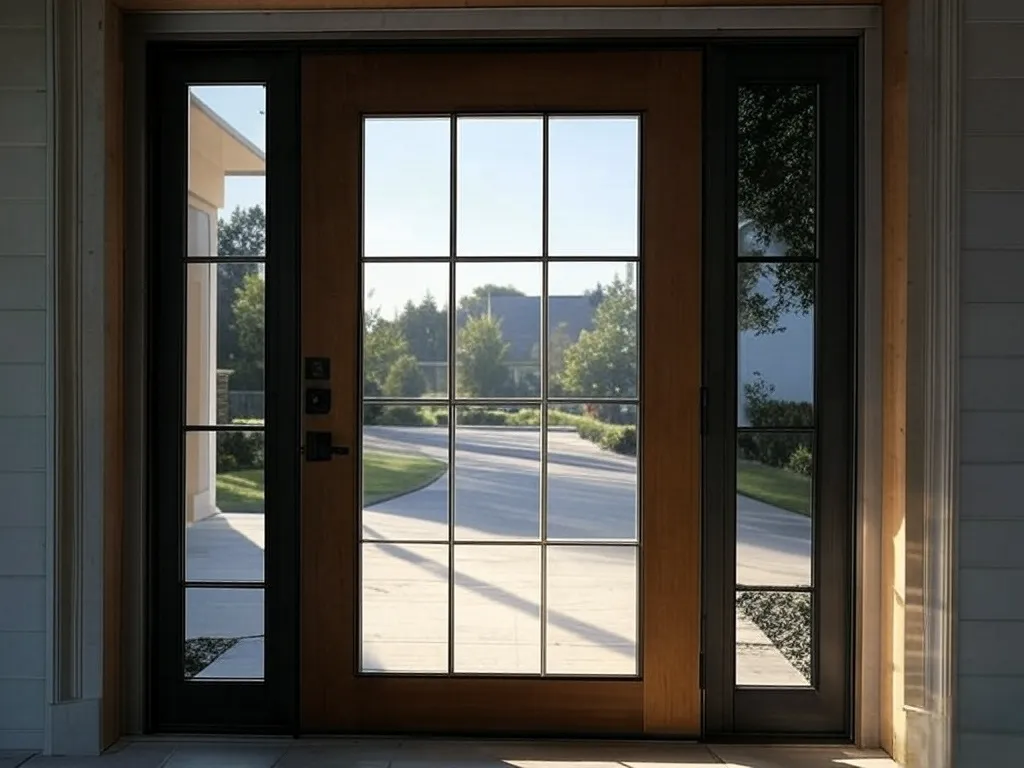
    Old exterior doors can let in cold drafts in the winter and heat in the summer. Swapping them out for insulated, well-sealed doors helps keep your indoor temps steady—and gives your home a nice style upgrade too. Bonus: most newer doors come with better locks and improved security.

    Use Landscaping to Your Advantage

    A few smart landscaping moves can make a big difference. Planting shade trees on the sunny side of your home helps keep things cooler in the summer. In the winter, evergreens can block chilly winds. Stick to native plants—they’re easier to maintain and use less water.

    Wrapping It Up

    Renovating your home isn’t just about making it look good—it’s your chance to make it run better too. More efficient, more comfortable, and more valuable in the long run. And hey, you don’t have to do it all at once. Start small: seal those drafts, swap in some LED bulbs, maybe upgrade a faucet or two. Once you’re ready, take on the bigger stuff—like insulation or even going solar. The trick is to plan with the future in mind. A smart renovation doesn’t just look great, it saves you money, and adds real value to your home.
  • Surprising Things You Didn’t Know About Rubbish Removal

    Source: freepik.com

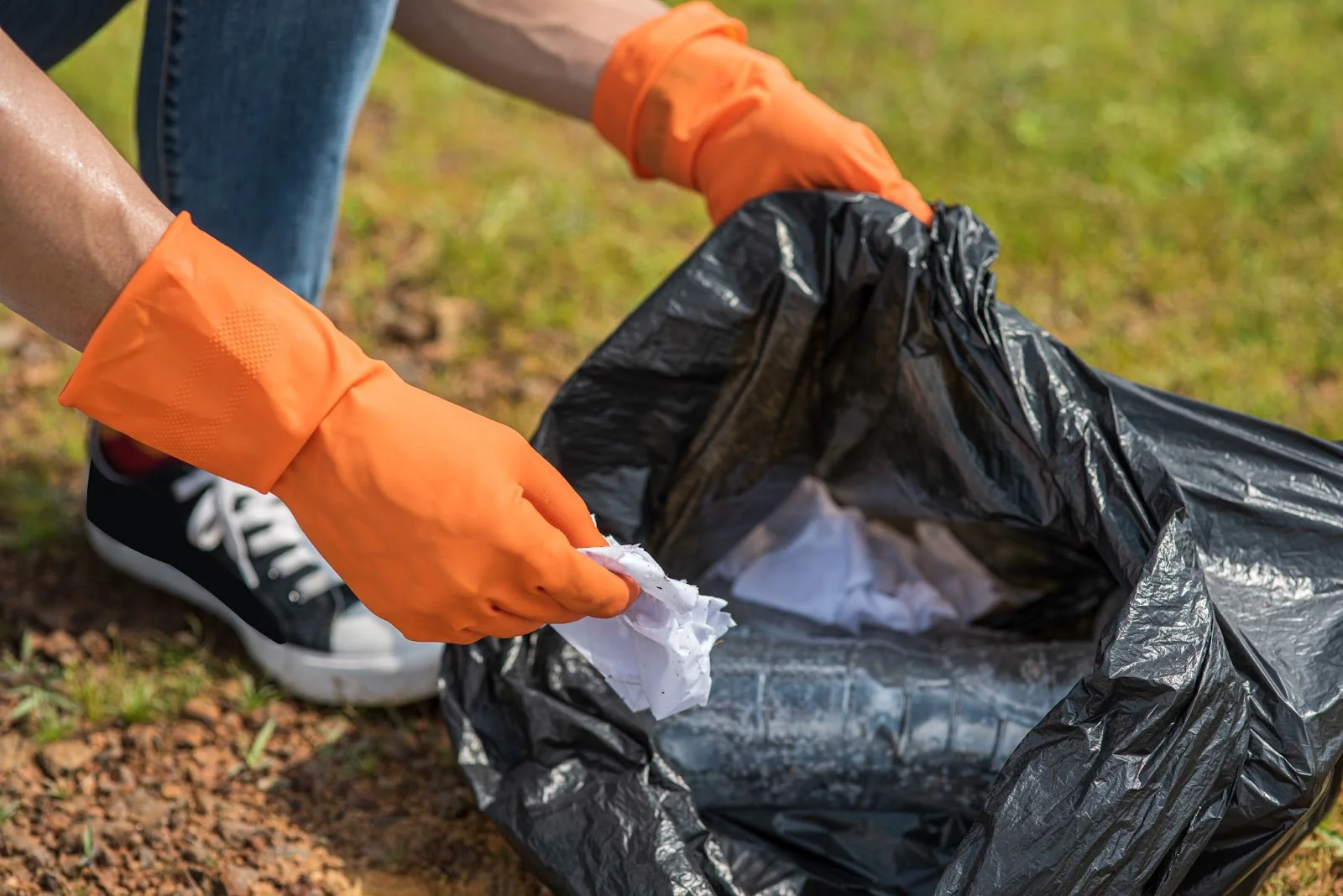
    Rubbish clearance often receives little attention. It is more than just cleaning up; it also impacts your health and the community. The following are some facts about garbage disposal that may change your perspective on waste and help you make better decisions about recycling and waste reduction. Professional assistance in this regard may be worthwhile at any time for proper trash management.

    For more information on how you can contribute to eco-friendly rubbish disposal, visit SameDayRubbishRemoval.

    The Real Value of Rubbish Removal

    Rubbish removal companies clean up more than trash; they are into reuse and recycling, too. It deals in both residential and commercial waste by deploying greener methods. Companies quote based on space occupied in the trash, which they pick up, while reusable items are donated to local charities.

    They also have free estimates besides using lockable dumpsters as one way of putting a stop to illegal dumping. Their same-day removals make cleaning easy, quick, and fast. Finally, all will agree that rubbish removal companies render the environment much greener.

    Decluttering for Better Well-Being

    A cluttered space can increase stress and negatively affect mental health. Removing unnecessary items helps create a serene home environment, especially when using services that prioritize environmental sustainability.

    The Importance of Reducing Waste

    Reduction of waste should always be the first step. This way, we save natural resources by reusing or repurposing items and minimize the amount of trash that is taken to landfills.

    Recycling and composting are highly crucial. Recycling saves valuable resources such as paper, plastic, and metal, while composting turns food waste into nutrient-rich fertilizer, decreasing the amount of methane emissions.

    Innovative Solutions in Waste Management

    New technologies are transforming waste into useful resources. Some wastes are being converted into biofuels, making humankind less dependent on fossil fuels. The monitoring systems of today identify methane leaks well before they could be problematic.

    Supporting eco-friendly businesses drives larger shifts toward more responsible waste management. Together, a community really can make that change by reusing, reducing, and recycling.

    10 Surprising Facts About Trash:

    1. Japan has practiced recycling since 1031, proving that responsible waste management has a long history.
    2. Professionals sometimes find valuable antiques during cleanups—items people might have tossed.
    3. Americans generate about 4.5 pounds of rubbish a day, making waste management crucial.
    4. In the UK, a quarter of discarded electronics still work, showing how much we can reclaim from trash.
    5. Over seven million tons of edible food are wasted yearly in the UK alone—a major economic and environmental issue.
    6. Cleaned-up junk can reveal historical items like old photos or letters, adding value to discarded objects.
    7. Cluttered homes can affect your health by raising stress levels and lowering productivity.
    8. Half of what we throw away can be recycled, helping save resources and reduce costs.
    9. Some materials, like glass bottles, last millions of years in landfills—so we need to be more mindful of disposal.
    10. Small items, like contact lenses, contribute to microplastic pollution if not disposed of properly.

    Plastic: A Growing Problem

    Plastic waste has grown to be among the major environmental issues that need much concern in the modern day. These wastes end up in oceans and eventually harm wildlife, not to mention the toxin release to the environment due to such plastic wastes. Animals may mistakenly take this plastic as a food item and eventually disrupt the flow of the food chain, often with mass die-offs.

    There is also a variety of health hazard plastics pose to humans, for instance, the long-term effect on human health of microplastic seafood consumption.

    Litter: A Hidden Threat

    Litter in public spaces and waterways is a concern to the environment and health. As high as 60% of pollution in water is caused by litter, which can promote outbreaks of diseases and kill the local wildlife. Unsightly trash reduces property values and damages community morale.

    We can all make a difference by spreading awareness and educating people on proper waste disposal. Participation in local clean-ups and watching where we throw things away will help reduce these problems.