Tag: Dubai Investment

  • Why First-Time Investors Choose Dubai Pre-Construction Over Existing Homes

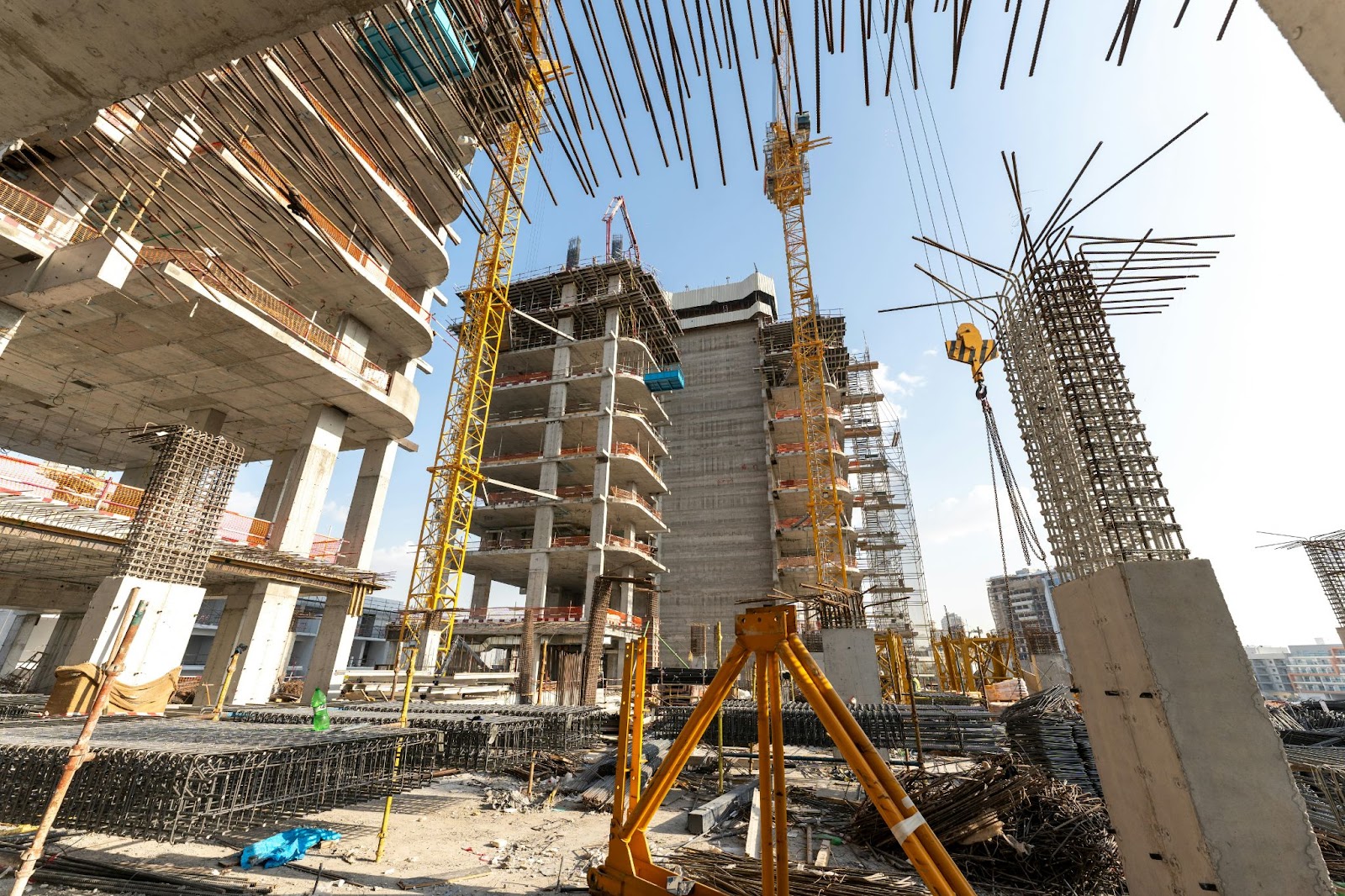
    In the first quarter, new developments in Dubai’s housing market made up nearly three-quarters (73%) of all residential sales, as buyers faced a tight supply of move-in-ready homes in established neighborhoods.

    For American readers, “off-plan” is Dubai’s term for pre-construction property. Buyers commit before the home is complete, usually based on floor plans, project documents, renderings, and the developer’s construction timeline. That can feel unfamiliar at first, but in Dubai, the model has become a major part of the market because it gives buyers a more accessible way to enter real estate ownership.

    The appeal is especially clear for first-time investors. Instead of paying a large amount upfront for a completed home, buyers can often secure an off-plan unit with a smaller booking amount and pay the balance in stages during construction. For those with a longer timeline, that structure can make Dubai property feel more achievable.

    Dubai’s First-Time Home Buyer Program has also added momentum. The program has helped more than 2,000 residents buy their first home within six months, generating more than AED3.25 billion in residential property sales.

    Lower Upfront Costs and Easier Entry

    The biggest obstacle for first-time investors is often the cash needed on day one. Move-in ready homes usually require a larger down payment, agency fees, and Dubai Land Department registration costs. DLD has stated that property registration fees equal 4% of the property’s value, so buyers should plan for that cost unless a developer promotion covers it.

    In contrast, choosing to buy off-plan property in Dubai can feel much more manageable because many developers offer booking amounts around 5% to 10%, followed by staged payments during construction. Some payment plans spread the balance across several years, while others use structures such as 60/40, where a large portion is paid closer to completion.

    These plans do not remove the cost of buying. They simply change the timing. For first-time investors who do not want to tie up a large amount of cash immediately, that timing can make a major difference.

    Developers may also offer incentives such as waived or partially covered DLD fees, post-handover payment plans, or limited-time launch pricing. Buyers still need to read the Sale and Purchase Agreement carefully, but these incentives are one reason off-plan properties often feel more accessible than older homes on the resale market.

    Potential for Capital Growth Before Handover

    First-time investors are often looking for long-term growth, not just immediate rental income. Buying early in a project can give them access to launch pricing before construction advances and before the wider community becomes more established.

    If the project, developer, and location are strong, that early entry point can create room for capital appreciation by the time the home is delivered. This is one of the main reasons off-plan property appeals to buyers who are comfortable waiting for completion.

    That said, appreciation is not guaranteed. Dubai’s market is active, but it is also cyclical. New supply can put pressure on prices in certain segments, especially in apartment-heavy areas where many similar units are delivered at the same time.

    The payment structure itself can also help first-time buyers build discipline. Rather than getting hit with a massive mortgage right out of the gate, you make staggered payments while the home is being built. It’s a much less stressful way to get a foot in the door and start building equity.

    Stronger Buyer Protection Through Escrow Rules

    One common concern with off-plan property is whether the developer will finish the project and use buyer funds properly. Dubai’s escrow framework is designed to reduce that risk.

    Developers selling off-plan units are required to open a separate escrow account for the project with an approved financial institution. Buyer payments are deposited into that project account and allocated for construction-related costs under DLD and RERA oversight.

    This gives buyers more protection than a market where developer funds are not separated by project. It does not eliminate every risk, but it does create a more transparent system for how money is collected and used.

    Buyers can also check project information through Dubai REST and other DLD services. These tools may show details such as completion percentage, project photos, escrow account information, and payments due. For first-time investors, that level of visibility can make the off-plan process easier to understand.

    Newer Buildings, Better Features, and Fewer Early Repairs

    New construction also appeals to first-time investors because it usually comes with the features today’s renters and buyers expect. Many newer Dubai projects include smart-home systems, modern gyms, coworking areas, improved security, upgraded lobbies, and stronger community amenities.

    While older homes in high-demand, established neighborhoods remain solid investments, they often need a modern facelift to compete with newer inventory.

    There is also the maintenance angle. New builds usually come backed by builder warranties, sparing you from the unexpected repair bills that often plague older homes. You’ll still want to read the fine print in your purchase contract to know exactly what’s covered, for how long, and how to report any issues after move-in.

    For first-time investors, this matters. A newer property can be easier to rent, easier to manage, and less likely to require immediate renovation.

    Residency and Visa Benefits
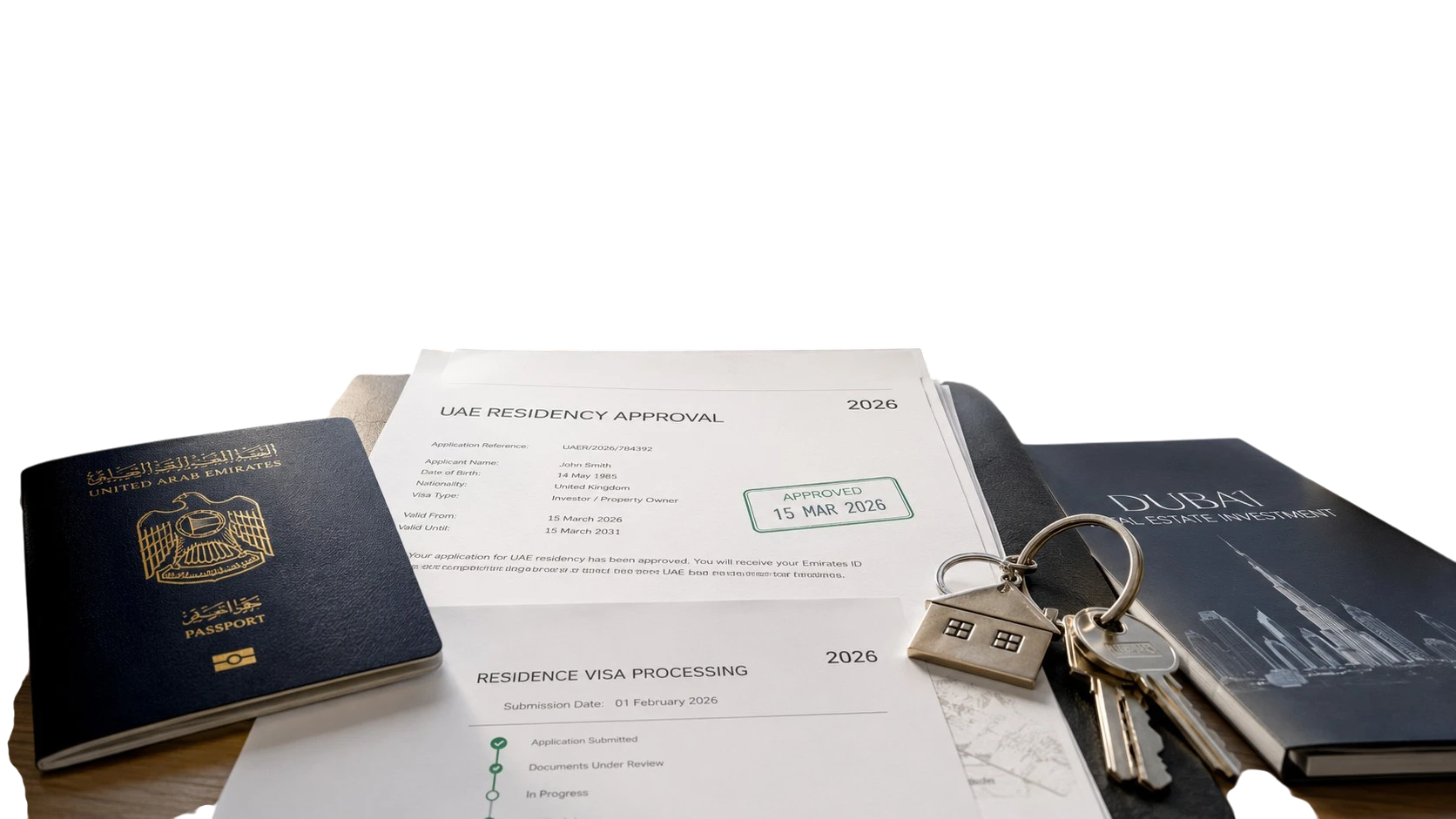
    Through the government’s Taskeen program, eligible investors can secure a residency visa simply by owning property. It’s a massive draw if you’re looking to establish a long-term home base or business presence in the UAE, rather than just holding an investment on paper.

    Buyers should not confuse this with the 10-year Golden Visa. DLD lists the Golden Visa property requirement at AED2 million or more. So, the residency benefit is real, but the type of visa matters, and buyers should confirm the latest rules before purchasing.

    Top Neighborhoods for First-Time Off-Plan Buyers

    Jumeirah Village Circle continues to be the best neighborhood for value-driven investors. It offers a large supply of apartments, good access to major roads, and a strong tenant base of young professionals and families. For buyers focused on rental yield, JVC is often one of the first areas worth comparing.

    Dubai South is another area getting attention because of its long-term infrastructure story. The planned expansion of Al Maktoum International Airport and the continued development around Expo City make the area a major growth corridor. The upside is long-term potential; the tradeoff is that investors need patience as the area continues to mature.

    Arjan and Majan may work for buyers looking for lower entry points in growing communities. These areas are still developing, but that is part of the appeal for investors who want to enter before prices fully reflect future infrastructure and demand.

    Dubai Creek Harbour is a more premium option. It usually requires a higher budget, but it offers waterfront positioning, master-planned development, and strong lifestyle appeal. For buyers who can afford the entry point, it may offer a more polished long-term hold than some lower-cost districts.

    A Smart Entry Point, If Buyers Do Their Homework

    The main advantages of pre-construction are straightforward and include lower upfront costs, flexible payment plans, newer builds, developer incentives, and regulated escrow protections. The risks are also clear, such as construction delays, oversupply in some areas, weaker resale liquidity before handover, and projects that look better in marketing materials than they do on paper.

    For new investors, the right move is not simply to buy off-plan. It is to buy carefully. That means checking the developer’s track record, reviewing the escrow status, understanding the payment plan, comparing nearby completed projects, and being realistic about rental demand after handover.

    Done properly, off-plan property can be a strong first step into Dubai’s market. It gives buyers a way to start smaller, pay over time, and position themselves in a city that continues to attract residents, businesses, and global capital.
  • How to Choose a Trusted Developer in Dubai — Featuring Mashriq Elite Developments

    Dubai’s real estate market has built a global reputation for bold design, rapid growth, and strong returns. But not every project meets expectations, and in many cases it comes down to the developer behind it. If you’re putting serious money into this market, choosing the right developer is essential.

    In this guide, you’ll learn how to spot a reliable developer in Dubai, get familiar with a standout name and pick up key legal and financial tips to help you invest with confidence.

    How to Identify a Trusted Real Estate Developer in Dubai

    While the Dubai city offers unmatched potential, there are risks: project delays, substandard finishes, and even legal disputes. The right developer minimizes those risks by prioritizing quality, compliance, and transparency.

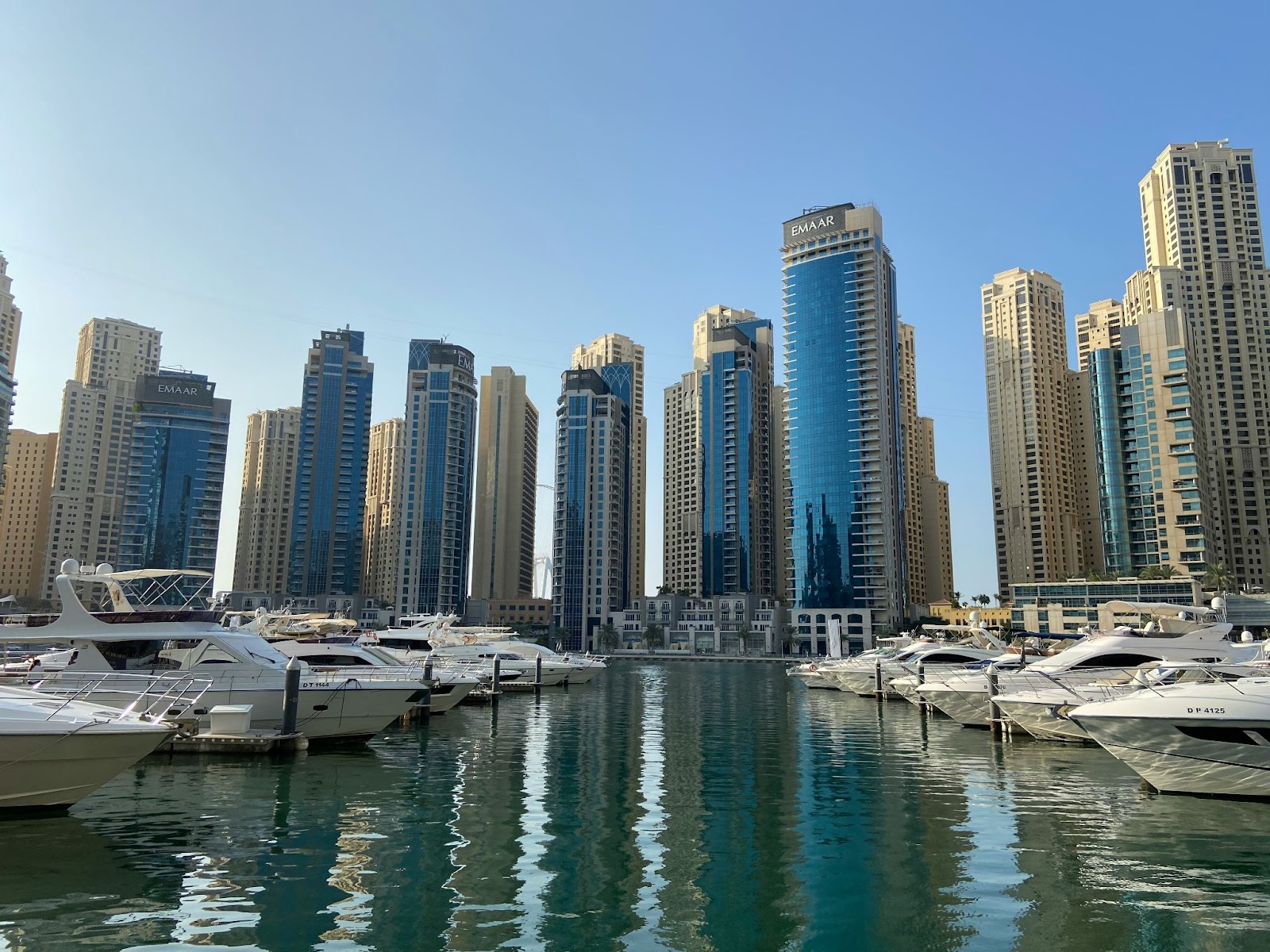
    Source: tripadvisor.com

    1. Review Track Record and Reputation

    Look at the developer’s past projects. Consistent delivery and strong build quality are good signs. Check Google reviews and browse real estate forums for unfiltered feedback.Ttrusted real estate developer in Dubai like Mashriq Elite Developments have earned their reputation by being transparent and putting clients first.

    2. Verify Legal Compliance and Licensing

    Always make sure your developer is licensed with the Dubai Land Department (DLD) and registered under the Real Estate Regulatory Agency (RERA). This protects you legally—especially when you’re buying in a freehold zone as a foreign investor.

    3. Evaluate Financial Stability

    Stick with developers who have solid financial backing. Look at their current pipeline, partnerships, and how long they’ve been operating. Financial strength means they’re more likely to finish projects on time, maintain construction standards, and honor post-sale obligations.

    4. Inspect Construction Quality and Design Standards

    If possible, visit completed properties—or ask for detailed video walk-throughs. Look closely at the materials, finishes, and layout. The best developers care about both design and livability, blending long-term function with modern aesthetics.

    5. Look for Transparency in Communication

    You should know exactly what you’re signing up for. A trustworthy developer will give you a clear breakdown of the project timeline, payment schedule, and all relevant documents. They should answer your questions directly—no vague responses or hidden clauses.

    6. Check for Industry Certifications and Awards

    Look for things like ISO 9001 certification or industry awards for quality and sustainability. These signal a developer’s commitment to high standards and ethical practices.

    7. Consult Industry Professionals

    You don’t need to figure this out alone. A qualified real estate attorney or investment advisor can help you review contracts, verify licenses, and spot red flags. Their insight could save you thousands—and a major headache down the line.

    Why Investors Choose Mashriq Elite

    Mashriq Elite Developments is one of Dubai’s most trusted names in real estate. With over 20 years of proven performance and a portfolio of premier properties, they’ve built a track record of delivering high-value investments.

    Why Investors Choose Mashriq Elite

    • Premium Craftsmanship: Their developments blend traditional elegance with modern efficiency.
    • Client-Focused Approach: You’re kept informed every step of the way, with personalized support tailored to your investment goals.
    • Award-Winning Standards: Industry recognition and a strong record of regulatory compliance position them as a dependable, forward-looking firm.

    Flagship Projects

    • Floarea Residence: A modern residential community with top-tier finishes and a focus on urban convenience.
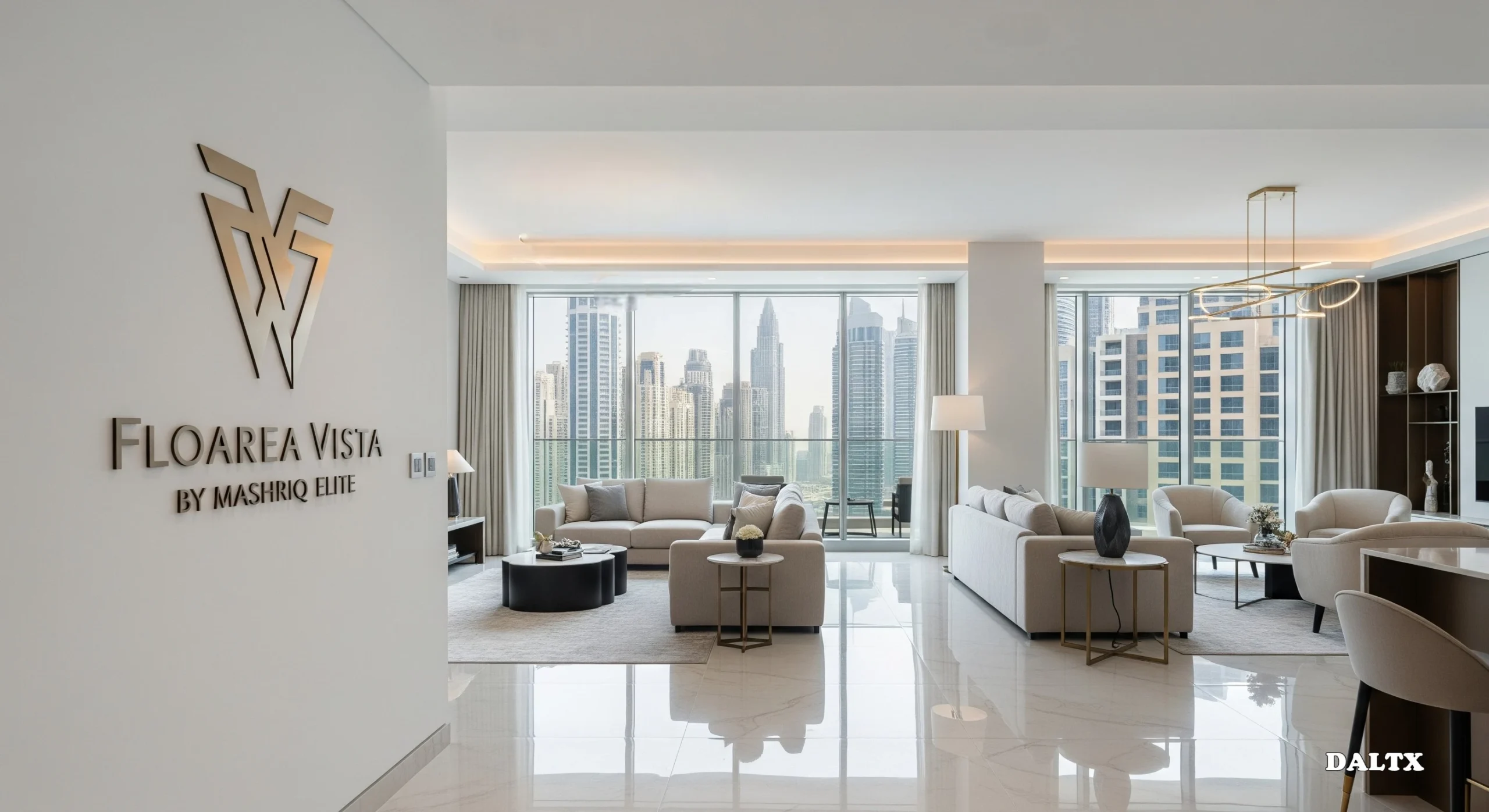
    • Floarea Vista: A premium project in Al Furjan featuring resort-style amenities and easy access to Dubai’s major business districts.

    To explore these developments, visit Mashriq Elite.

    Legal and Financial Considerations for U.S. Investors

    Understand Freehold Zones

    As a foreign investor, you can only buy in designated freehold areas. These zones give you full ownership rights, so you can sell, lease, or pass on the property with confidence.

    Verify RERA Registration

    Make sure your developer and the specific project are registered with RERA. You can confirm this on the Dubai Land Department’s website.

    Review Payment Terms Carefully

    Look for payment plans that are tied to construction milestones. This helps manage risk and ensures your payments match the progress of the project.

    Factor in Additional Costs

    Don’t just plan for the purchase price. You’ll also need to budget for service fees, maintenance costs, and any applicable taxes. A qualified real estate advisor can help you estimate long-term ROI and rental income potential.

    Invest with Confidence

    Dubai’s real estate market has real upside, but that only matters if you work with the right developer. Mashriq Elite Developments stands out for their transparency, on-time delivery, and long-term build quality.

    Whether you’re new to international property investing or expanding an established portfolio, following the steps in this guide will help ensure your Dubai real estate investment is both secure and profitable.

  • Why Townhouses are The Smart Choice for First-Time Buyers in Dubai

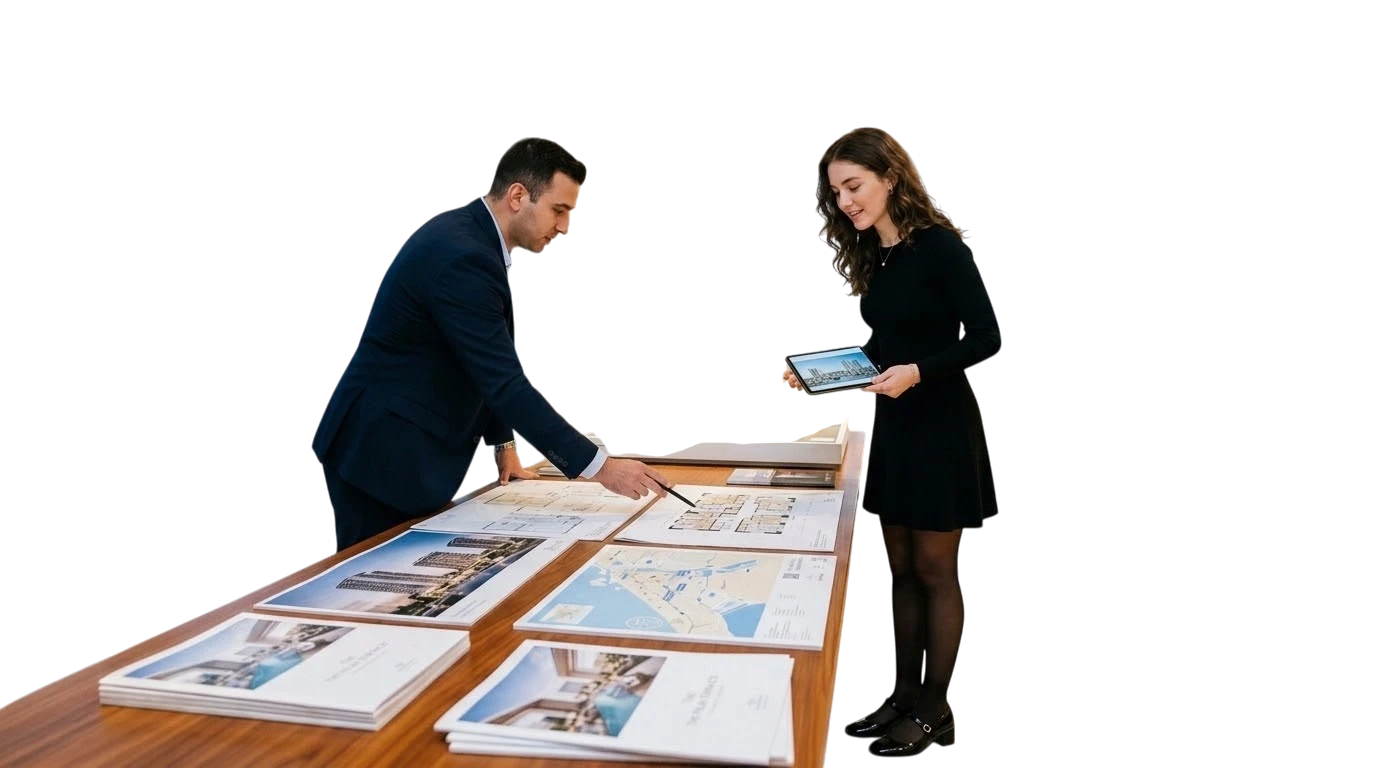
    Source: Adobe.com

    Dubai is known for its luxury and fast growing real estate market, but if you’re buying a home for the first time, it’s important to fully understand your options before diving in. Lately, townhouses have become a popular choice among first-time buyers, offering the right balance of affordability, space, and investment potential.

    If you’re considering purchasing your first property, this guide will walk you through why townhouses might just be the smartest choice for young professionals, new families, and those entering the Dubai real estate market.

    What First-Time Buyers Need to Know Before Purchasing a Townhouse in Dubai

    Buying a townhouse in Dubai for the first time seems complicated, so you need to understand the important steps, costs, property regulations in Dubai for foreigners and its future potential. Here are the important things you need to know before buying a townhouse in Dubai.

    Source: pexels.com

    1. Understand Property Ownership: Freehold vs Leasehold

    Dubai allows foreigners to purchase property, but there are two main types of ownership structures you need to be aware of:

    • Freehold: You actually own the home and the land it sits on — no time limits. It’s open to non-UAE nationals, but only in certain areas like Downtown Dubai, Dubai Marina, JVC, Arabian Ranches, and Town Square. For most expats, it’s the go-to choice if you want full control and long-term peace of mind.
    • Leasehold: You lease the property for a fixed period—typically up to 99 years. While the property is yours for that period, you don’t own the land. Leasehold areas are fewer and usually found in older parts of the city or in developments with very specific legal structures. For long-term residents or investors, freehold is usually preferred.

    2. Financing: Mortgage Options for Expats

    Yes, foreigners can get mortgages in Dubai—and the process is actually pretty straightforward.

    Here’s what you need to know:

    • Loan-to-Value (LTV): If you’re a first-time buyer and the property’s under AED 5 million, you can usually get financing for up to 80% of the price. That means you’ll need to put down at least 20% upfront.
    • Mortgage Terms: Most loans run up to 25 years. You’ll find both fixed and variable interest rate options, and some banks even offer a fixed rate for the first few years (typically 3–5), then switch to variable.
    • Income Requirements: Banks will want to see proof of income, credit history, and a stable job. As a general rule, your monthly mortgage payments shouldn’t eat up more than 50% of your income.
    • Where to Apply: Big players like Emirates NBD, Mashreq, and HSBC all offer home loans to non-residents. Or, you can go through a mortgage broker — they’ll help you compare rates and handle a lot of the paperwork.

    3. Legal Process: How to Buy a Townhouse in Dubai

    Dubai’s made it a lot easier to buy property in recent years. But there’s still a process you’ll want to follow step by step.

    Step-by-step buying process:

    • Choose a property and sign a sales agreement (Form F)
    • Pay a deposit, typically 5–10% of the property price
    • Apply for a mortgage, if needed
    • Get a No Objection Certificate (NOC) from the developer
    • Sign the final contract at the Dubai Land Department (DLD)
    • Pay the required fees (see below)
    • Receive the title deed in your name

    Common costs:

    • DLD registration fee: 4% of the property price
    • Agent commission: ~2% of the price
    • Mortgage registration fee: 0.25% of the loan value
    • Admin and transfer fees: Usually AED 5,000–10,000 depending on the developer and bank

    In total, you should prepare an additional 5–7% of the property price to cover all government and legal fees.

    4. Choose a Trusted Developer

    Dubai’s real estate market is full of both established and emerging developers. For quality assurance, first-time buyers should consider properties built by:

    • Emaar (Downtown Dubai, Arabian Ranches)
    • DAMAC (DAMAC Hills, Akoya Oxygen)
    • Nshama (Town Square)
    • Dubai Properties (Mudon, Serena)
    • Sobha Realty (Sobha Hartland)

    Well-known developers tend to deliver projects on time and offer better resale value and rental demand.

    5. Compare Neighborhoods Based on Lifestyle and Budget

    Not all townhouse communities are the same. Here are a few popular ones, each with its own vibe and price point:

    CommunityStarting Price (AED)Lifestyle Features
    DAMAC Hills 2~1.2MFamily-friendly, water town, sports complex
    The Valley~1.3MTranquil suburbs, modern layouts, parks
    Arabian Ranches III~1.6MUpscale, central location, golf club nearby
    Town Square~1.4MAffordable, vibrant, walkable community
    Mudon~1.5MGated, green, ideal for families

    Each of these communities comes with shared amenities, smart infrastructure, and a focus on privacy and outdoor living.

    6. Understand ROI: Is It a Good Investment?

    Absolutely, Yes!, and here’s why.

    • Townhouses offer higher rental yields compared to villas or luxury condos.
    • You can expect 6–8% annual rental returns depending on location and condition.
    • Value appreciation in areas like The Valley and Town Square has averaged 5–7% per year since 2020.
    • Many investors are now targeting townhouses for long-term gains and passive income.

    Townhouses are also easier to maintain than villas, making them a smart entry point for those new to real estate investing.

    7. Think Long-Term: Is It Future-Ready?

    Modern townhouses in Dubai are built with sustainability and smart technology:

    • Solar panels and energy-efficient appliances
    • EV charging stations
    • Smart home systems (lights, security, temperature control)
    • Drought-tolerant landscaping
    • High-speed fiber internet and home office setups

    These features not only reduce utility bills but also future-proof your property investment in a city that’s moving toward green living and digital lifestyles.

    Source: forbes.com

    Why Townhouses Are the Perfect First Home in Dubai

    Thinking of making Dubai your home? Townhouses are the sweet spot — not crazy expensive, way more space than an apartment, and actually built for everyday living. Perfect if you’re a young couple, expats working in the city, or just done with renting. And with supportive government policies, low property taxes, and world-class infrastructure, buying your first home in Dubai is more doable than ever.

    If you’re looking to buy townhouses in Dubai, check out what Ellington Properties has to offer — they’ve got some seriously stylish, well-designed homes in great locations.

    Ready to take the leap?

    Start by comparing neighborhoods, getting pre-approved for a mortgage, and talking to a trusted agent. Your future home in Dubai might be closer than you think.