Tag: Downsizing Tips

  • Selling the Family Home After Retirement: A Guide for Seniors

    The family home is more than just a place to live; it can represent achievement, your most significant financial asset, and a repository of memories. Selling it after retirement requires extra scrutiny because your income is likely to have shifted to a more passive stream. You’ll want to evaluate financial and personal factors to be sure you’ll still meet your retirement plans and lifestyle needs.

    Source: Freepic.com

    For guidance on navigating this transition wisely, you may find helpful insights in this retirement tips article. Why is it so critical? Because a selling decision made after retirement typically has less of a ‘do-over’ option than one made earlier in life.

    What Are the Major Benefits of Selling Your Family Home? 

    You may consider selling your home for one or more of the following reasons:

    Unlocking Home Equity for Retirement Funding  

    The most compelling reason for selling could be unlocking the considerable equity built up over years of ownership. (It often represents 47–89% of retired seniors’ net worth.) Converting equity into cash could significantly increase your income, fund unexpected healthcare costs, or create a cushion for surprise expenses. One option would be to invest the freed-up capital in a diversified portfolio that generates steady income streams while preserving the principal. 

    Reducing Monthly Housing Expenses  

    Large-family homes come with hefty ongoing costs that can strain a fixed retirement income. Property taxes, insurance premiums, utility bills, and maintenance can consume over 30% of your budget. Selling can reduce monthly obligations and free up funds for healthcare, travel, or other priorities by downsizing to a more manageable home.  

    Eliminating Maintenance Responsibilities and Physical Demands 

    Maintaining a large property becomes more challenging and expensive as we age. Burdensome roof repairs, HVAC maintenance, lawn care, and general upkeep can vanish when you sell – a blessing for seniors with mobility issues or health concerns – freeing up more time for what you enjoy.

    Geographic Flexibility and Lifestyle Changes

    Selling your home gives you the freedom to relocate in a way that better suits your retirement lifestyle. You might move closer to family, choose a warmer climate, or settle in a community tailored to active seniors. It also offers the chance to lower living costs and find a home that’s more manageable and aligned with your health, social, and personal needs.

    What Are Some Key Concerns and Potential Drawbacks?

    Selling may not be entirely positive. Consider these factors: 

    Emotional and Psychological Impact  

    The family home may be where children took their first steps and where you celebrated holidays and life milestones. Walking away could trigger feelings of regret, loss, grief, or anxiety about the future, especially if the decision feels rushed or forced by circumstances rather than by choice. 

    Loss of Familiar Community Connections 

    Many years in a home can foster deep community roots: established relationships with neighbors, healthcare providers, local businesses, and religious congregations. Selling can mean severing those relationships and starting over, which can be hard if you rely heavily on those support networks. 

    Market Timing and Financial Risks 

    Poor timing or inadequate planning can diminish the financial benefits of selling. Market downturns may mean accepting a lower sale price. In addition, selling costs can consume as much as 10–15% of the sale price through closing costs, realtor commissions, required repairs, staging, and moving expenses.

    Potential Tax Implications 

    Selling your primary residence grants you a $250,000 capital gains exclusion as an individual ($500,000 as a married couple), but more substantial appreciation might create tax consequences. You also could give up mortgage interest and property tax deductions that provided tax benefits, increasing your overall tax liability. 

    What Are Some Critical Decision-Making Factors?

    Here are some actionable takeaways: 

    Financial Analysis and Cash Flow Assessment 

    Before deciding to sell, conduct comprehensive financial analyses comparing your present housing costs with projected expenses in your new living circumstances. Beyond monthly savings, consider the investment potential of unlocked equity. When invested within your risk tolerance, calculate whether proceeds could generate sufficient income to offset new living costs while maintaining your desired lifestyle. 

    Health and Mobility Considerations 

    Estimate your health needs today and in the future. Are mobility issues developing or likely to emerge? If so, homes with stairs could become dangerous or impractical. Can you modify your current home to accommodate aging in place, or would it be more sensible to move to a more accessible property? 

    Family Dynamics and Legacy Planning 

    Family homes can hold significant meaning for adult children or grandchildren, so discuss your intentions with family members. They may prefer to keep the property as a legacy asset or vacation home. Alternatively, they may fully support your decision to liquidate and enjoy the proceeds during your lifetime. Clear communications are key. 

    Researching Alternative Housing Options 

    Explore alternative living arrangements thoroughly before deciding to sell. New housing options are continually being created as the population ages. Consider active adult communities, condominiums, rental options, retirement villages, or even tiny living. Visit potential locations often and in various seasons to help find what truly meets your needs and preferences. 

    Timing and Market Conditions 

    Track real estate conditions at current and future locations. Work with professionals to determine your optimal timing for selling and buying. Factor in selling seasons, market trends, and your timeline. Don’t let external pressures rush your decision – and don’t delay unnecessarily if conditions are favorable.

    Conclusion

    Selling your family home in retirement is a major decision that goes beyond finances and touches on lifestyle, health, and emotional well-being. While it can offer meaningful benefits like financial freedom and simplified living, it’s important to weigh those against potential drawbacks. With careful planning and honest reflection on your needs and goals, you can make a choice that supports a fulfilling and secure retirement.

  • The Small Move Revolution: Why Less Stuff Means More Freedom

    Figuring out how all your stuff ended up in your apartment. Feeling like a small move sounds like a great way to declutter and start fresh. Ditch the huge moving trucks and drawn-out packing sessions. Smart moves happen small, saving you stress and money.

    It’s about thinking carefully about what you’re bringing. You’re basically curating your life, picking only what adds genuine value.

    The beauty of planning a small move is that it forces you to confront the difference between what you own and what you actually use.

    The power of a small move lies in its limits. That bread maker you used once during the pandemic. The books you always mean to reread. When space is tight, every item has to justify itself.

    With limited space, every single item’s gotta earn its spot. It’s surprising, but figuring out those small moves actually takes more planning than moving it all. Packing up a whole house—just throw it in a box. But choosing what stays and what goes—that’s where you really have to think.

    Turns out, smaller moves are actually trickier than big ones. You’d think moving everything would be harder, but it’s pretty simple to plan. With a small move, though, every single thing matters a ton, so you really have to think it through.

    The Benefits of Living With Less

    Opting for smaller moves has some pretty neat financial perks compared to the usual big relocations. Instead of dealing with prices that jump around based on how much stuff and how far you’re going, small moves keep things simple, focused on ease and adaptability, so you know what you’re spending within set space limits.

    We’re usually talking about moving 150-400 cubic feet of things for a small move, like a section of your garage. This means you really have to think about what you actually need, and you’ll probably find you have a bunch of stuff you don’t use. Like, maybe way too many kitchen gadgets or clothes you haven’t worn in ages.

    And here’s the cool part – small moves are often easier on the wallet. Movers can group a few small loads together and split the travel costs. It’s like sharing a ride with others who are also all about keeping things simple and focusing on experiences instead of just having loads of stuff.

    Because you’re limited on space, you get creative with how you set things up. People often find clever ways to use their space and pick out furniture that does more than one thing. It ends up feeling more intentional and stylish compared to just cramming everything into a bigger space.

    Mastering the Art of Ruthless Curation

    Getting ready for a small move is like being your own stylist, designer, and life coach rolled into one. You really have to think about whether your stuff is useful now and if it fits the vibe you’re going for later.

    Books are a big one. You’ll be wondering if that unread novel deserves the space more than your go-to cookbook. Ebooks start to seem pretty great when you realize how much physical books cost to move.

    Kitchen stuff shows you what you actually cook, not what you dream of cooking. That fancy pasta machine might be your goal, but the one pot you use all the time is the reality. Small moves are all about what works, not what you wish would work.

    Clothes are a moment of truth about your life and your body. When space is tight, every piece has to fit well, look good, and actually get worn. This often leads to a better wardrobe than having tons of closet space.

    Sentimental things are the toughest because you can’t put a value on them based on how useful or replaceable they are. Taking photos of memories and keeping only the truly irreplaceable physical items is often the way to go.

    Small Move Logistics That Actually Work

    Successfully planning a small move needs different tactics than big relocations. You’re focusing on being efficient and saving money, not just moving everything.

    Timing is way more flexible since you aren’t filling a whole truck. Small moves can happen faster because movers can fit your stuff around bigger jobs. This usually means better prices and easier scheduling.

    Packing for small moves is about being precise, not fast. Every box has to use space wisely and keep your things safe during the move. Hiring pros to pack can be worth it when you’re paying more for less space.

    Mixing up how you move is a great idea for smaller moves. Think about shipping furniture and flying with the important stuff, or driving with what you’ll need right away while having bigger things delivered. This way, you decide when things get there and you can easily get to what matters most.

    Storage units are also really helpful for in-between times. Climate-controlled ones let you keep things organized, and you can get to seasonal or less-used items without having to move them right away.

    The Psychology of Intentional Living

    Even a small change can really shift how you think. You learn to separate what’s emotionally important from what’s actually useful. That clarity spills over into other areas of your life: how you shop, what you spend money on, even how you organize your day.

    This process helps you see the difference between why you feel attached to something and whether it’s actually useful. Stuff you thought was a must-have often doesn’t seem so important when you think about the everyday things you really use. This new way of seeing things changes how you shop in the future.

    It sounds weird, but having less stuff actually gives you more freedom. Dealing with fewer things (organizing, storing, all that) becomes easy instead of a pain. Your place stays tidier without much effort, and you can actually find what you’re looking for.

    The good stuff goes beyond just your mental space too. Smaller places cost less for things like heating, cooling, and furniture. You’re less likely to lose things and have to replace them because everything has its spot. Plus, shopping becomes something you actually think about, based on what you already have and really need.

    Small Moves: A Smart Real Estate Strategy

    Moving somewhere new? What you pack depends on the spot and your lifestyle. Go light if it’s a city apartment with tough parking or if you can hop on public transport instead of needing loads of car gear. Weather’s a factor too – pack for the damp or the dry. Local vibes matter; you might find awesome thrift stores or it could be simpler to buy stuff once you get there. Even your new digs help decide on furniture.

    Smart Tools for Smart Moves

    Technology makes small moves way easier. You get better estimates, can keep track of your stuff, and it helps everyone work together. Instead of someone coming to your place for a quote, you can do it online and compare prices faster. There are apps to list what you have, sometimes even with barcode scanning. Websites put all the quotes in one spot so it’s simpler to pick. Plus, you can actually see where your stuff is during the move.

    Intentionally Building a New Life

    Small moves help you set up your living space with just what you need. Having less room means you get creative with things like furniture that does more than one job. You start buying things on purpose instead of just grabbing whatever. Doing this helps you get better at deciding what’s important, managing what you have, and feeling more sure of yourself when things change.

    The Small Move Community

    People who choose small moves often care about sustainability and living intentionally, which helps them connect. Online groups offer support and tips. Local areas often have people with similar ideas who focus on experiences. This way of life usually fits well with those who like to travel, be flexible, and have financial freedom.

    Small moves aren’t just about moving stuff; it’s a way of life that puts freedom and living intentionally over having lots of things. What you learn and how you think from small moves helps you in other parts of life too. It’s about setting up your life on purpose.

  • Things to Consider When Downsizing to a Smaller Property in Bellevue, WI

    Source: pexels.com

    Downsizing is a trend, but for many people, it’s more than that; it’s a smart decision. Whether you’re looking for a smaller house in Texas, Wisconsin or elsewhere in the United States, downsizing can help you save money and simplify your life. It’s all about making some tough choices and being creative with the space you have. But it might not apply to individuals residing in Bellevue, WI.

    Know What You Really Need

    Before you even start looking at listings, take a hard look at your stuff. We’re talking a real Marie Kondo-style assessment. A smaller home means less room for clutter. So, what’s essential? What do you use every single day? That dusty bread maker you haven’t touched in five years? Probably not making the cut.

    Think about your lifestyle, too. Are you dreaming of spending weekends hiking instead of mowing a huge lawn? Maybe a condo or townhouse with zero yard work is your jam. Or do you still want a little patch of green, just…less of it? Figure out what matters to you.

    Dealing with Big Stuff and Extra Wheels

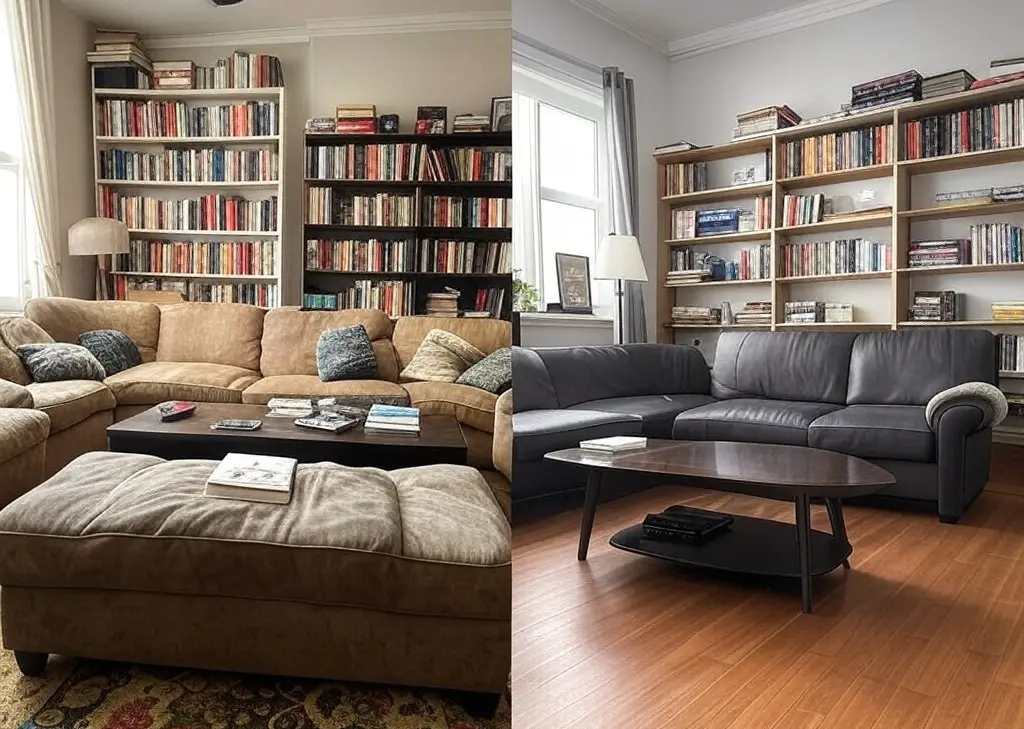
    This is often the biggest headache with downsizing: what to do with all the stuff. That oversized sectional? The extra fridge in the garage? Your collection of vintage snowmobiles? A smaller home just won’t have room for it all.

    Get creative:

    • Sell or Donate: If it won’t fit, it’s gotta go. Facebook Marketplace, Craigslist, and local charities are your friends.
    • Double-Duty Furniture: Think storage ottomans, beds with drawers, and extendable dining tables. Every piece needs to earn its keep.
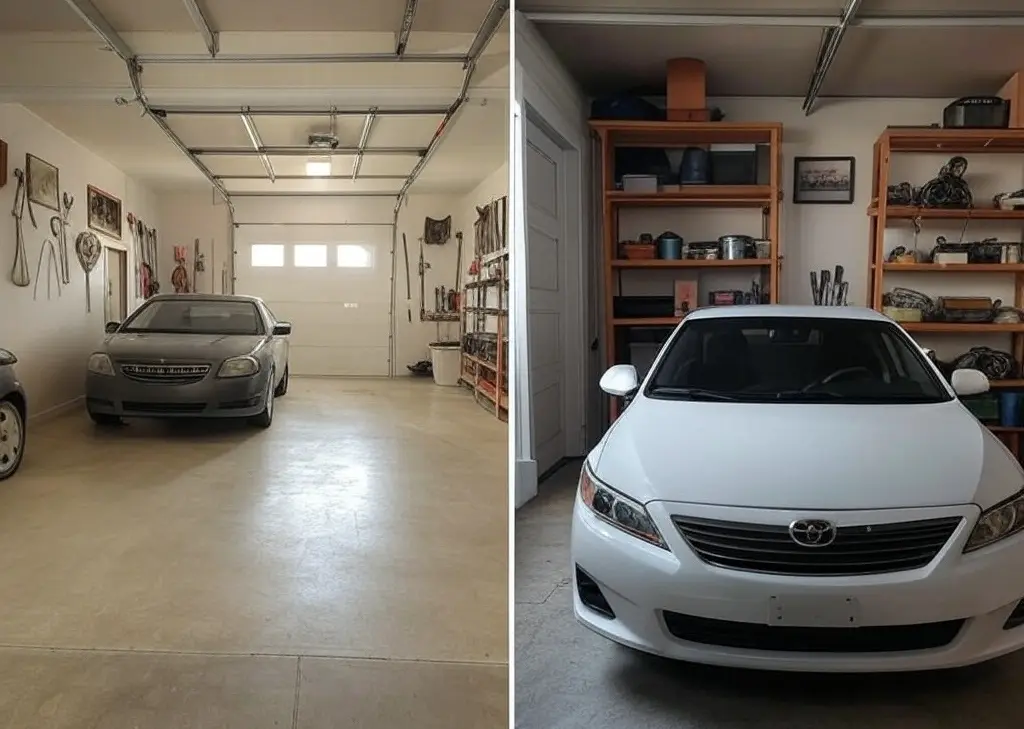
    • The Vehicle Situation: This is a big one, especially if you’re used to a sprawling suburban garage. If your new place has limited parking, you might need to make some tough choices. Do you really need all those cars, motorcycles, or that RV? Consider off-site storage. It might be worth the cost to keep that classic car or your boat without cluttering up your new driveway. Look for facilities in your region that offer car or boat storage.
    • A garage may solve some of these problems.

    For homeowners in Bellevue, If you’re looking for facilities offering car storage Bellevue has reliable options to keep vehicles safe while freeing up space at home. This allows homeowners to downsize without giving up important possessions.

    Storage Hacks and Smart Organizing

    Okay, so you’ve downsized your belongings. Now it’s time to make your smaller space work for you. Think vertical!

    • Shelves, Shelves, Shelves: Floor-to-ceiling shelving units are your best friend. Use them in living rooms, bedrooms, even the garage.
    • Wall-Mounted Everything: Get those organizers off the floor and onto the walls.
    • Hidden Storage: Ottomans with storage compartments, beds with built-in drawers – you get the idea.
    • Organize Your Closet: Custom closet systems can be a game-changer. Think double-hanging rods, adjustable shelves, and plenty of bins.
    • Label Everything: Clear bins with labels will save you so much time and frustration. Store seasonal items, keepsakes, and anything you don’t use regularly in less accessible spots (like high shelves or under the bed).
    • Rent for extra non-essentials.

    Embracing the Smaller-Home Lifestyle

    Living smaller isn’t just about square footage; it’s about a mindset shift. A smaller kitchen might mean streamlining your appliances (do you really need a stand mixer, a food processor, and a blender?). A smaller living room might mean choosing furniture that’s cozy but not overwhelming.

    The upside? Less cleaning! Less yard work! That means more time for the things you actually enjoy – traveling, hobbies, spending time with loved ones, or just relaxing.

    Entertaining might look a little different, too. Instead of huge holiday bashes, you might opt for smaller, more intimate gatherings. Get creative with outdoor spaces – a patio with comfy seating can be a great extension of your living area.

    The Emotional Side of Downsizing

    Let’s be honest: letting go of a home, especially one you’ve lived in for years, can be tough. It’s not just about the stuff; it’s about the memories.

    Don’t try to do it all at once. Start small. Go room by room. Keep the things that truly have sentimental value. Maybe pass down some heirlooms to family members. It’s okay to grieve the loss of space, but focus on the freedom you’re gaining.

    Make your new place feel like home. Hang your favorite pictures, display those treasured keepsakes, and arrange your furniture in a way that feels comfortable and inviting.

    The Financial Perks of Going Smaller

    Let’s talk money. Downsizing can be a serious win for your wallet.

    • Lower Utility Bills: Heating and cooling a smaller space is just plain cheaper.
    • Lower Property Taxes: This depends on your location, but often, a smaller home means lower taxes.
    • Cashing Out Equity: Selling a larger home can free up a significant chunk of cash. You can use that money to pay off debt, invest for retirement, travel, or even make some upgrades to your new, smaller place.
    • Mortgage-Free Living? For some, downsizing means ditching the mortgage altogether. Imagine the financial freedom!

    Downsizing: It’s More Than Just a Move

    Downsizing is all about getting rid of the stuff you don’t need and simplifying things a bit. Yes, it does take some effort and planning, but the rewards—in terms of financial freedom, a decrease in stress, and having more time for the activities you love. So take your time, be mindful, and enjoy your life.

  • Tips for Downsizing: Selling Your Family Home in Dallas

    Downsizing can be exciting, but it’s particularly challenging when bidding adieu to the family home replete with memories. Real estate market trends and characteristics vary across different cities of the world, which shapes how a seller approaches the process.

    For Dallas homeowners who are looking to downsize, here are six practical steps that will ease the transition and maximize sales profits accordingly.

    Declutter and Prepare for Staging

    Decluttering is what helps make your home open and inviting. Putting away personal items, such as family photos, will give a potential buyer a better vision of themselves in the home. Most homes are quite large, like many of those in Dallas, so cleaning out the rooms will make them feel much more open.

    Begin in each room by assessing what is in it and categorizing items into boxes to keep, donate, sell, or throw away. The fact that at least Dallas has a high cost of living and an overall busy market—the buyer usually appreciates homes that are move-in ready and aesthetically pleasing—so taking out extra items, refreshing furniture, and adding modern touches will raise appeal immediately.

    Consider offering select furniture pieces to new owners, making the home more alluring to buyers not wanting to furnish a large home all at once.

    Enhance Curb Appeal and Make Minor Upgrades

    First impressions mean everything in a competitive market. Buyers take their time deciding; the average days on the market, according to Norada Real Estate, are 78 days. If you’re thinking, “How much will I make selling my house?” curb appeal improvements can be worth an investment-it will attract more offers. Find ways to boost curb appeal; update your landscaping, repaint the outside of your home, and knock off small repairs.

    Inside, consider minor renovations to the kitchens and bathrooms. For Dallas buyers, it’s often all about functional and aesthetic touches that make an update in fixtures, fresh paint, and high-quality lighting go a long way. Ensure the appliances are all in perfect working condition, as functional amenities like these tend to be one of the biggest draws. Again, high-quality photos showcasing these improvements will further enhance your listing and help sell your house fast in Dallas.

    Set a Competitive Price Based on Dallas Market Trends

    In a market such as Dallas, where modest price declines are expected, the pricing of a home should be just right. One way to achieve a realistic listing price is through a CMA. Median and Average prices have fallen somewhat, while the appreciation rate remains the same. To attract serious buyers, sellers will have to get strategic about home pricing; repairs and staging of the home are one or two pre-sale expenses that may be required.

    Work with a Real Estate Agent Familiar with Dallas New Construction

    A Dallas real estate agent who knows the market can transition into a new home with their guidance in the process from listing, negotiation, finding new construction options, and connecting with smaller, more personalized homes featuring eco-friendly designs and energy-efficient layouts. Their professional advice is hence very vital during the selling and transitioning phase.

    Handle the Emotional Aspects of Leaving a Family Home

    Downsizing a family home can be emotional, especially when it’s filled with memories. Reflect on your reasons, such as financial freedom, reduced upkeep, or proximity to loved ones. Involve family members in discussions about preserving items. Dallas offers storage solutions and estate sale services to help manage belongings while preserving sentimental items. Acknowledging the emotional aspect can make the process more positive.

    Plan for a Smaller, Manageable New Home

    After selling your family home, consider downsizing to a smaller property in Dallas. This can lead to reduced property taxes, lower utility costs, and less maintenance. The Dallas housing market offers a variety of options, from downtown apartments to quiet suburbs.

    Consider future needs and wait to buy new furniture until settled. Working with an experienced Dallas real estate agent can help navigate the downsizing process smoothly and maximize profit from your family home.

    Setting a competitive price, staging for appeal, and handling emotional aspects are crucial for a successful sale. Dallas has a diverse market for every lifestyle.