Tag: Door Installation

  • Rough Opening Guide for Doors

    I once watched a DFW handyman tear out fresh drywall because the rough opening was a half inch too narrow for the prehung door sitting on the porch.

    The door was fine. The opening wasn’t. He framed first and shopped second.

    That small mistake cost him an afternoon, a sheet of drywall, and a callback he couldn’t bill for.

    In North Texas, where slab-on-grade foundations, brick veneer, and both 2×4 and 2×6 walls are common, door planning needs to start before the framing is finished. When the rough opening is right, the door is easier to shim, latch, flash, and pass through inspection.

    When it’s wrong, you end up patching drywall, reordering materials, or explaining a delay to the homeowner.

    The safest rule is simple: plan the opening around the door unit, not the other way around. That gives the door the best chance of hanging, swinging, and latching correctly the first time.
    Key Takeaways

    Keep these basics in mind so you can frame once, order once, and avoid the mistakes that slow down the job.

    • Plan the rough opening before you buy: Match the framed opening to the manufacturer’s unit specs and the code requirements used by your local jurisdiction.
    • Egress matters: Every home needs at least one side-hinged egress door with a minimum 32-inch clear width and 78-inch clear height.
    • Exterior prehung doors need clearance: Most major brands call for a rough opening that is about an inch wider and about three-quarters of an inch taller than the assembled door unit.
    • Interior prehung doors need less room: Interior units usually need about half an inch of extra width and height, assuming the opening is square, level, and plumb.
    • Jamb depth has to match the wall: Common jamb depths are 4-9/16 inches for a 2×4 wall and 6-9/16 inches for a 2×6 wall, assuming half-inch drywall on both sides.
    • Sidelites change the math: A sidelite is the fixed glass panel beside the door, and it can add a lot of width to the required rough opening.
    • Flash exterior openings correctly: In the Dallas-Fort Worth area, a sill pan and self-adhered flashing tied into the wall wrap are essential for keeping wind-driven rain out of the wall assembly.

    What Is a Rough Opening, and Why Does It Matter?

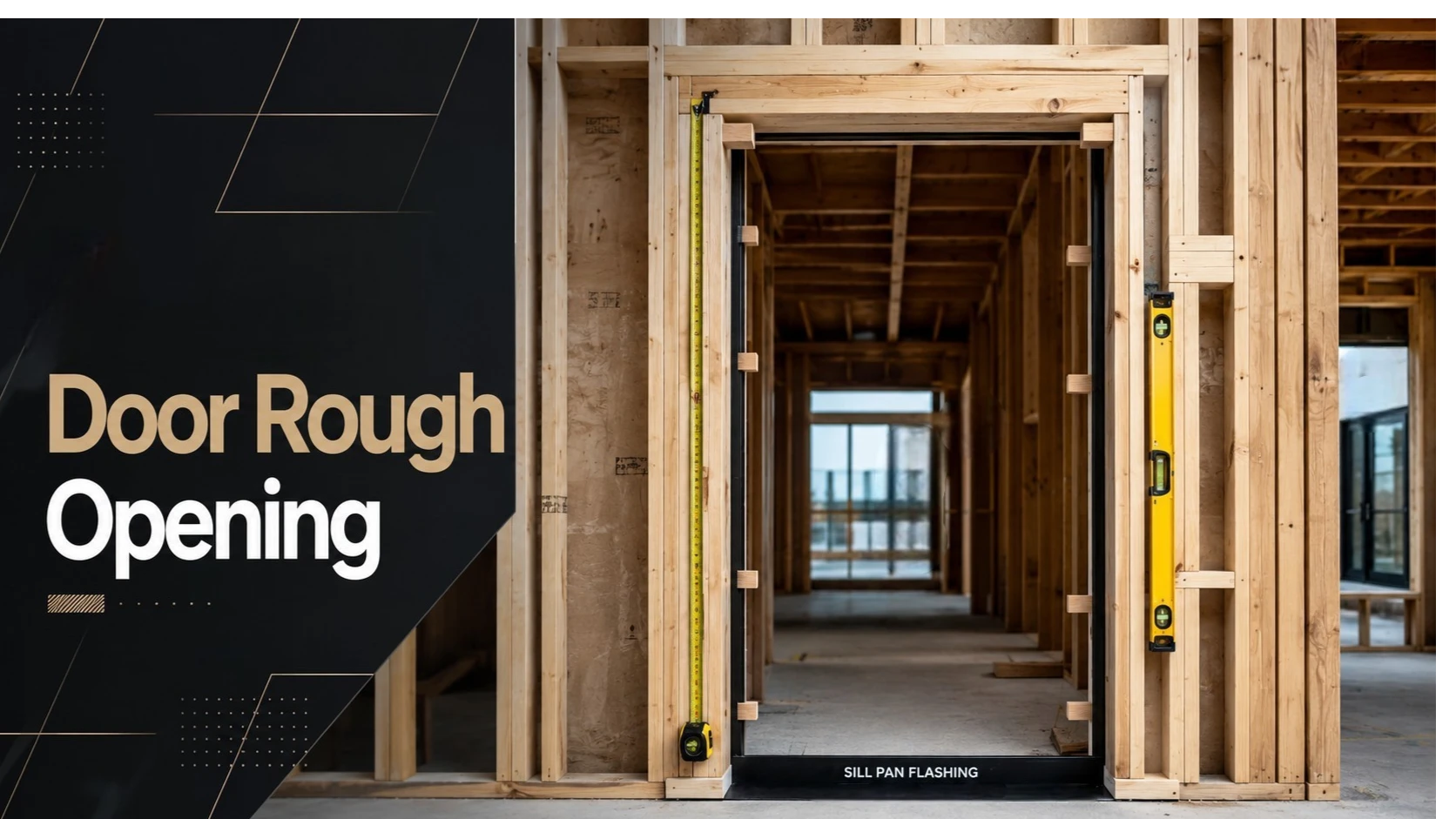
    A rough opening is the framed space that holds the door unit, the shims, and the small adjustments needed during installation.

    It is measured from stud to stud and from the subfloor to the bottom of the header. The opening needs to be larger than the assembled door unit so there is enough room to plumb, level, and square the jamb before fastening it in place.

    It helps to know the framing terms. King studs run the full height of the wall. Jack studs support the header. Cripple studs fill the space above the header. The header carries the load over the doorway. When you buy a prehung door, the slab is already mounted inside the jamb.

    Do not confuse clear width with rough opening width. Clear width is the usable walk-through space when the door is open 90 degrees. Rough opening width is the stud-to-stud measurement. The outside width of the door unit falls between those two numbers.

    Most prehung doors need about half an inch of shim space on each side. Head clearance depends on the brand, threshold, and jamb design. Major manufacturers generally recommend keeping the extra width close to an inch total, so always check the installation sheet before framing or setting the door.

    Why You Should Plan the Rough Opening First

    Planning the rough opening early saves labor, reduces waste, and helps prevent service calls later.

    Faster Installation

    A square, level, and plumb opening lets you focus on setting the door instead of shaving studs, fighting bowed framing, or packing huge shim stacks into oversized gaps. On a remodel with multiple doors, that can save hours.

    Fewer Material Returns

    Accurate rough opening measurements help you avoid wrong-size units and jamb-depth mistakes. In the real estate market, one house may include both 2×4 and 2×6 walls, so verifying jamb depth before ordering matters.

    Fewer Callbacks

    North Texas clay soil can shift enough to expose weak door installation. Proper shim space, straight framing, and long hinge screws driven into the wall framing help keep the reveal even and the latch working smoothly.

    Common Door Rough Opening Sizes

    Standard planning sizes are useful early in the project, but the manufacturer’s spec sheet should always control the final rough opening.

    • Interior single prehung doors: A common planning rule is to add about two inches to the slab width and two inches to the slab height. For example, a 30×80 slab often needs a rough opening around 32×82. Exact tolerances vary by brand.
    • Exterior single prehung doors with a threshold: A standard 36×80 front entry unit often needs a rough opening around 38 inches wide and 82 to 82-1/2 inches tall. The final number depends on the threshold, trim, and jamb profile.
    • Entry doors with sidelites: Add the manufacturer’s sidelite width to the rough opening. Some framing tables allow about 1-1/2 inches for one sidelite and 3 inches for two, but the exact unit build should always be confirmed before cutting lumber.
    • Eight-foot doors: Check the full assembled unit height, not just the slab size. You may need to frame a higher header or adjust the floor transition to keep the exterior landing code-compliant.
    • Bifold, bypass, pocket, and barn doors: These systems use their own track kits and framing rules. Do not use standard swing-door rough opening dimensions for sliding or folding doors.

    How to Measure a Rough Opening
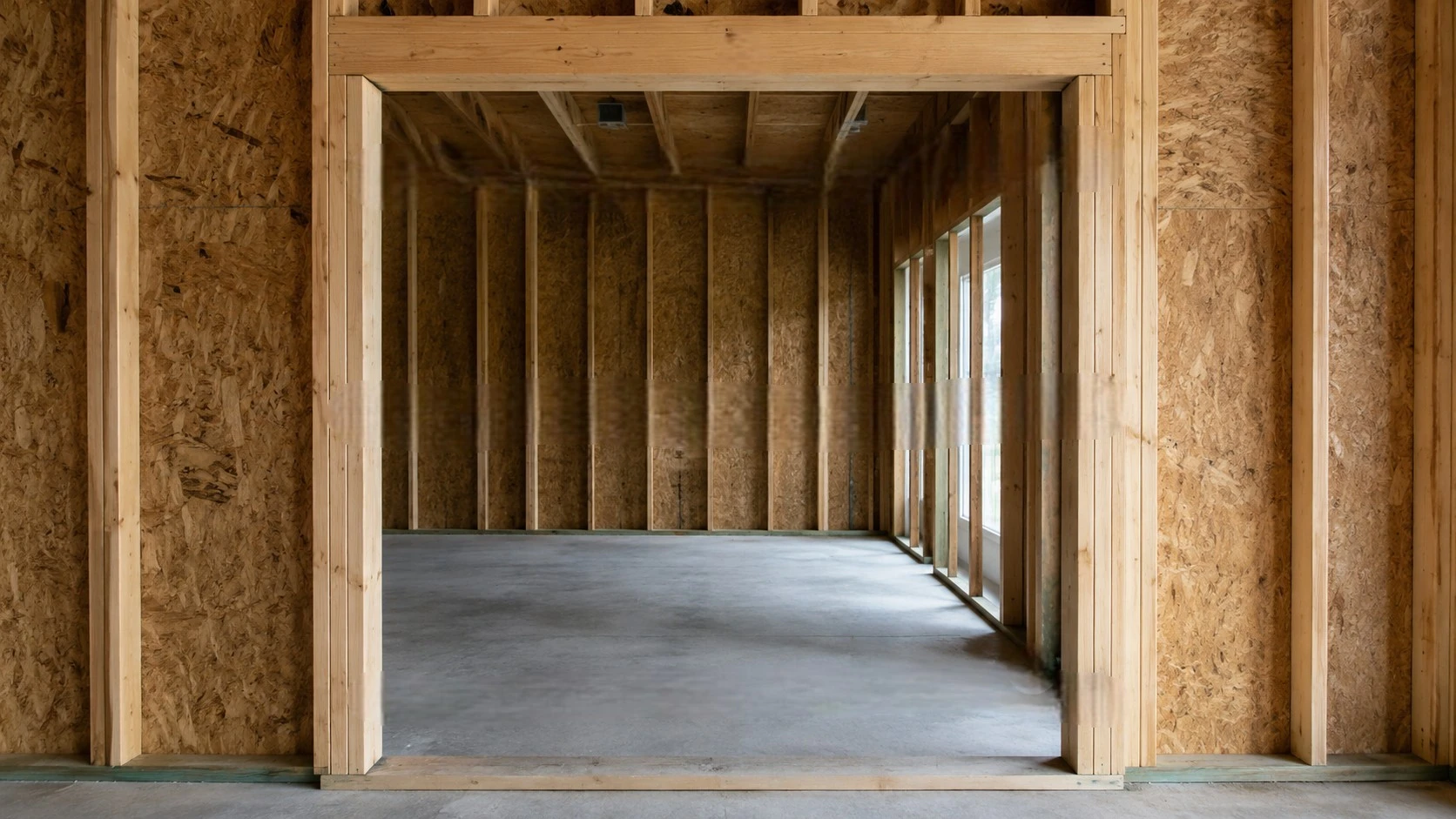
    Measure the width, height, and wall depth in multiple places. When ordering a door, use the smallest measurement.

    Major brands such as JELD-WEN recommend taking three horizontal measurements and using the smallest one. That helps ensure the replacement unit fits even if the framing is not perfectly straight.

    Step 1: Expose the framing

    Remove the interior casing so you can see the true stud-to-stud opening. For exterior doors, confirm whether you are measuring from the bare subfloor or from the finished sill reference point.

    Step 2: Measure the width

    Measure between the trimmer studs at the top, middle, and bottom of the opening. Write down the smallest number, not the average.

    Step 3: Measure the height

    Measure from the subfloor or finished floor to the bottom of the header on the left, center, and right sides. If hardwood, tile, or another finished floor will be installed later, account for that buildup now so the door does not drag.

    Step 4: Measure the wall depth

    On interior walls, measure from the face of the drywall on one side to the face of the drywall on the other. On exterior walls, measure the full wall thickness. This tells you whether you need a 4-9/16-inch jamb, a 6-9/16-inch jamb, or custom jamb extensions.

    Step 5: Check for plumb, level, and square

    Put a level on both trimmer studs, check the header, and compare the diagonal measurements. If a stud is bowed, twisted, or out of plumb, fix the framing before ordering or setting the door.

    If your measurements are inconsistent or the header looks off, use a visual guide before sending the numbers to your supplier. Doors for Pros has a useful walkthrough on measuring a door rough opening. It is a good field check before you order.

    For most prehung doors, keep about half an inch of shim room on each side. If the existing opening gives you less than that, reframe it before installation.

    How to Frame the Rough Opening Correctly

    Straight studs, proper clearance, and good flashing matter just as much as the final dimensions.

    Lay out the framing first

    Set the full-height king studs, then install the jack studs that support the header. Size the header according to IRC span tables or an engineered detail when the opening is wide or carrying a heavy load. Fill the space above the header with cripple studs up to the top plate.

    Straighten the opening before the door arrives

    Plane, shim, or replace bowed studs before setting the unit. The hinge-side trimmer should be plumb because even a small crown can create an uneven reveal from top to bottom.

    Keep the planned clearance

    Do not tighten the rough opening just because it looks cleaner during framing. That extra space is what lets you make small adjustments during installation.

    Prepare exterior openings for water

    Install a sill pan and tie the self-adhered flashing into the house wrap so water drains out instead of into the wall. In Climate Zone 3A, which includes warm and humid areas like Dallas County, this is basic protection against heat, humidity, and wind-driven rain.

    Prepare interior openings for support

    Dry-fit the unit, pre-shim the hinge side if needed, and use long screws through the top hinge. Those screws need to bite into the wall framing, not just the soft jamb.

    Code Checkpoints for North Texas Door Installations

    Inspectors commonly focus on clear width, exterior landing heights, garage fire separation, and water management.

    Dallas and Fort Worth currently use the 2021 International Residential Code with local amendments. but DFW jurisdictions vary. Some cities, like Frisco, have already moved to the 2024 codes, so verify the adopted code with the local authority before framing or ordering.

    • Primary egress door: Every house needs at least one side-hinged egress door with a minimum 32-inch clear width and 78-inch clear height. The clear width is measured from the face of the open door to the door stop with the slab open 90 degrees.
    • Exterior landing heights: At the required egress door, the interior floor landing cannot be more than 1-1/2 inches below the top of the threshold. Other exterior doors may allow a larger step-down in certain situations, but local amendments can change the rule.
    • Garage-to-dwelling fire separation: The door between the garage and the dwelling must be self-closing and self-latching, and must be a solid wood door, a solid or honeycomb-core steel door at least 1-3/8 inches thick, or a 20-minute fire-rated door. Inspectors may check the self-closing action on site, so do not rely on the fire label alone.
    • Climate note: Dallas County is in IECC Climate Zone 2A under the 2021 IECC. Some surrounding North Texas counties remain in Climate Zone 3A, so always confirm the project’s county and local jurisdiction before applying energy-code assumptions.

    How to Shim, Set, and Troubleshoot the Door
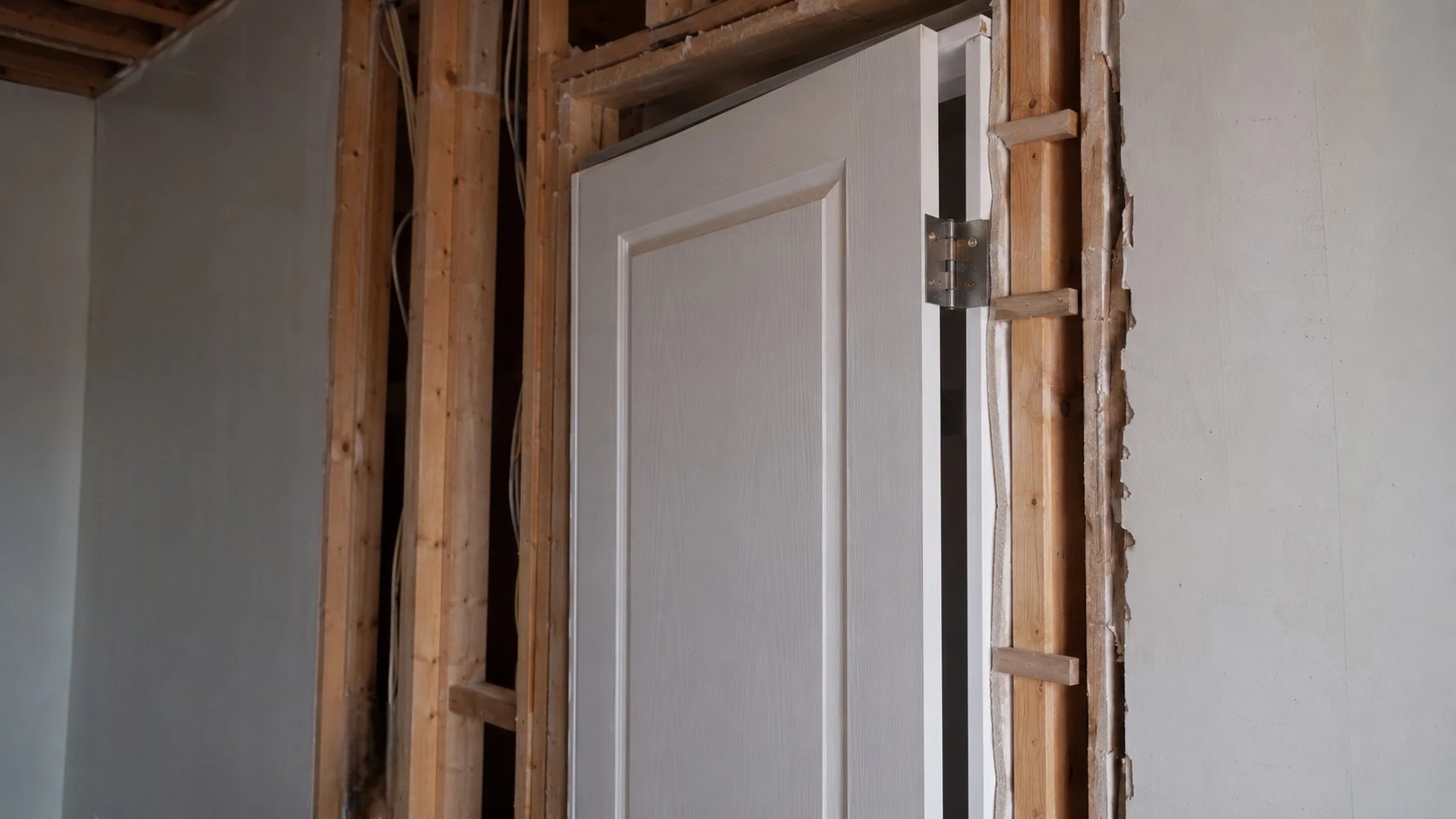
    Set the hinge side first, lock that vertical plane in place, and then adjust the rest of the unit around it.

    Set the sill on the pan, tilt the unit into the opening, and fasten the hinge side through the shims. Drive long screws through the top hinge and into the framing. Once the hinge side is secure, adjust the latch side and head jamb until the reveal is even around the slab.

    Before installing casing, check the swing, latch engagement, and weatherstrip compression. A small bind is much easier to fix before the trim goes on.

    • If the rough opening is too small, reframe it. Forcing a prehung door into a tight opening removes the adjustment space and usually causes a bad reveal or sticky latch.
    • If the rough opening is too large, add solid filler framing. Do this wherever the shim stacks would be too thick. Also confirm that the casing will still cover the drywall gap.
    • If the jamb depth does not match the wall, fix the jamb. Use custom jamb extensions or reorder the door with the correct jamb depth. A 4-9/16-inch jamb in a 2×6 wall will leave a gap that standard casing will not hide.
    • If the studs are out of plumb, correct the framing first. Trying to solve bad framing with oversized shim stacks usually creates another door problem.

    A Quick Closeout Checklist

    A quick closeout check can catch most fit and code issues before trim, inspection, or handoff.

    Before calling for inspection or turning the project over to the homeowner, confirm the following:

    • The rough opening matches the manufacturer’s size tolerances.
    • The opening is square, level, plumb, and properly flashed for exterior exposure.
    • The hinge side is locked in place with long screws driven into structural framing.
    • The door reveal is even, the latch works smoothly, and the sweep and threshold are adjusted.
    • Egress sizes, exterior landing heights, and garage fire-separation rules have been checked where they apply.
    • The door model, jamb depth, and final rough opening dimensions are recorded in the project notes.

    Quality door work starts before the delivery truck arrives. The cleanest installations come from accurate measurements, straight framing, proper shim space, and flashing that can handle the local climate.

    Frequently Asked Questions

    How much bigger should the rough opening be than the door?

    It depends on whether you are measuring the slab or the assembled prehung unit. Most exterior prehung doors need a rough opening about an inch wider and about three-quarters of an inch taller than the unit’s outside dimensions. Most interior units need about half an inch of extra width and height. The manufacturer’s installation sheet is the final authority.

    What is the rough opening for a standard 36×80 front entry door?

    A common framing range is about 38 inches wide by 82 to 82-1/2 inches tall for a standard 36×80 exterior prehung unit. The exact size depends on the threshold, jamb, and trim profile, so confirm the manufacturer’s specs before cutting.

    Do I need a sill pan for an exterior door in North Texas?

    Yes. A sill pan and proper flashing are inexpensive protection against water intrusion. In the Dallas-Fort Worth area, wind-driven rain can push moisture into small gaps, so the pan should drain outward and tie into the rest of the flashing system.

    How do I choose between a 4-9/16-inch and 6-9/16-inch jamb?

    Measure the actual wall thickness on site. A typical 2×4 wall with half-inch drywall on both sides uses a 4-9/16-inch jamb. A 2×6 wall with the same drywall setup uses a 6-9/16-inch jamb. For non-standard wall thicknesses, order custom jamb extensions.

    What kind of door is required between the garage and the house?

    Under IRC R302.5.1, the opening between the garage and the dwelling requires a self-closing solid wood door, a solid or honeycomb-core steel door at least 1-3/8 inches thick, or a 20-minute fire-rated assembly. In practice, inspectors may verify both the door material and the self-closing hardware during the final inspection.
  • How to Install a Garage Door Opener

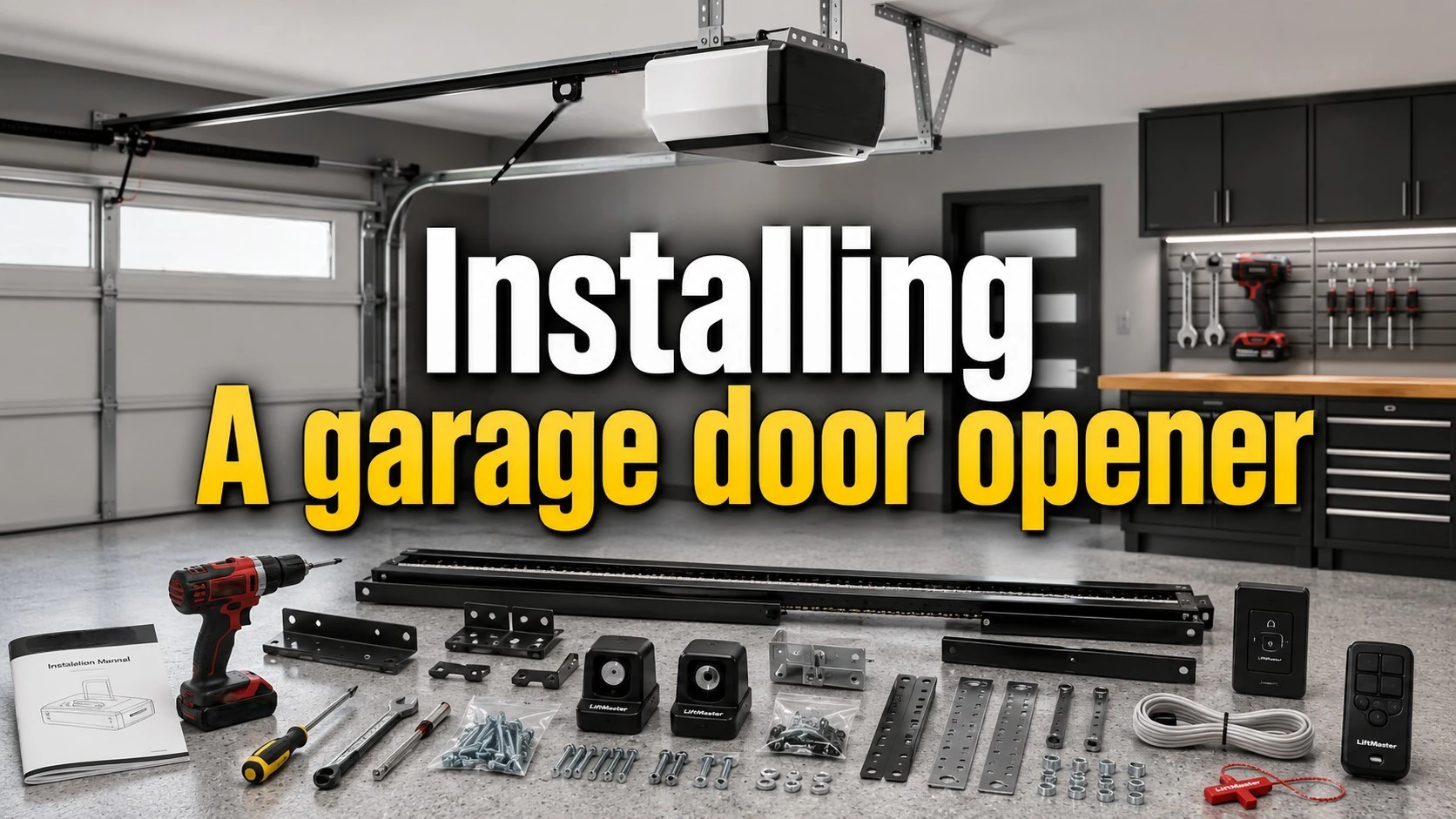
    Installing a garage door opener can look like a heavy-duty job at first, but it gets a lot easier once you lay out the parts and follow the manual step by step. If you are comfortable using basic hand tools and working on a ladder, this is a project many homeowners can finish in a few hours.

    If you’re replacing an old opener or installing one for the first time, the main thing is to check the door first, mount everything securely, and test every safety feature before calling the job done.

    What You Need Before Installing a Garage Door Opener

    Before starting installation, make sure you have all the necessary tools and components ready.

    Essential Tools

    Most garage door opener installations require:

    • Power drill
    • Adjustable wrench
    • Socket wrench set
    • Screwdrivers
    • Ladder
    • Tape measure
    • Level
    • Pliers
    • Safety glasses
    • Stepladder
    • Pencil or marker

    Garage Door Opener Kit Components

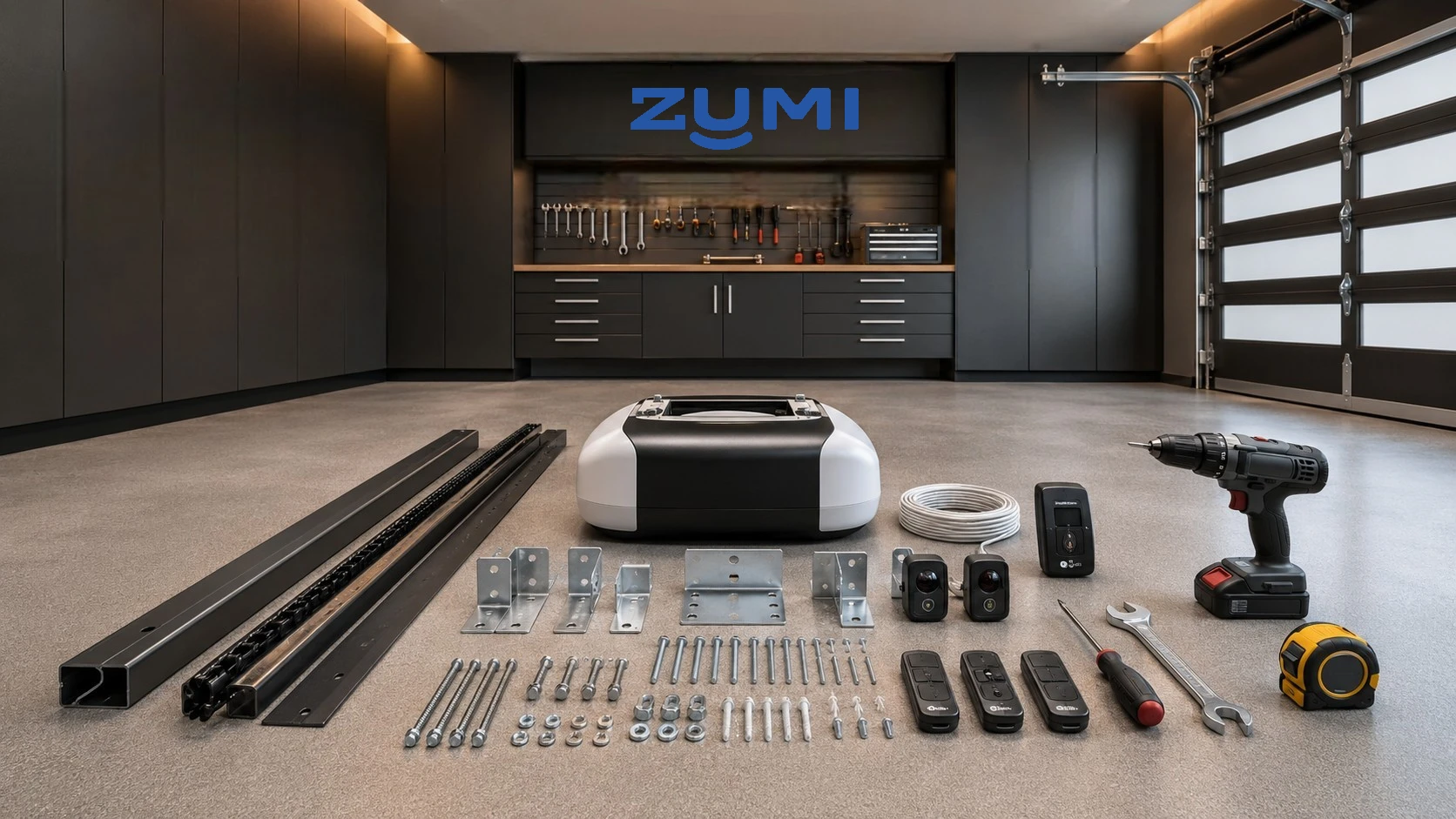
    Your opener package typically includes:

    • Motor unit
    • Rail assembly
    • Trolley
    • Belt, chain, or screw drive mechanism
    • Header bracket
    • Door bracket
    • Hanging brackets
    • Safety sensors
    • Wall-mounted control panel
    • Remote controls
    • Mounting hardware

    Check your manual to make sure you have every piece before you start. Do not reuse old sensors, rails, brackets, or hardware unless your opener’s manual clearly says they are compatible. In many cases, they are not.

    Once you have checked the parts and tools, the next step is to make sure the garage door itself is ready for the opener.

    Step 1: Check the Door Before You Install Anything

    Before installing the opener, make sure your garage door is balanced and moves smoothly. Disconnect the door from any existing opener, then lift the door halfway by hand and let go. If it is balanced, it should stay in place. If it drops, shoots up, sticks, or feels unusually heavy, stop and call a trained garage door professional.

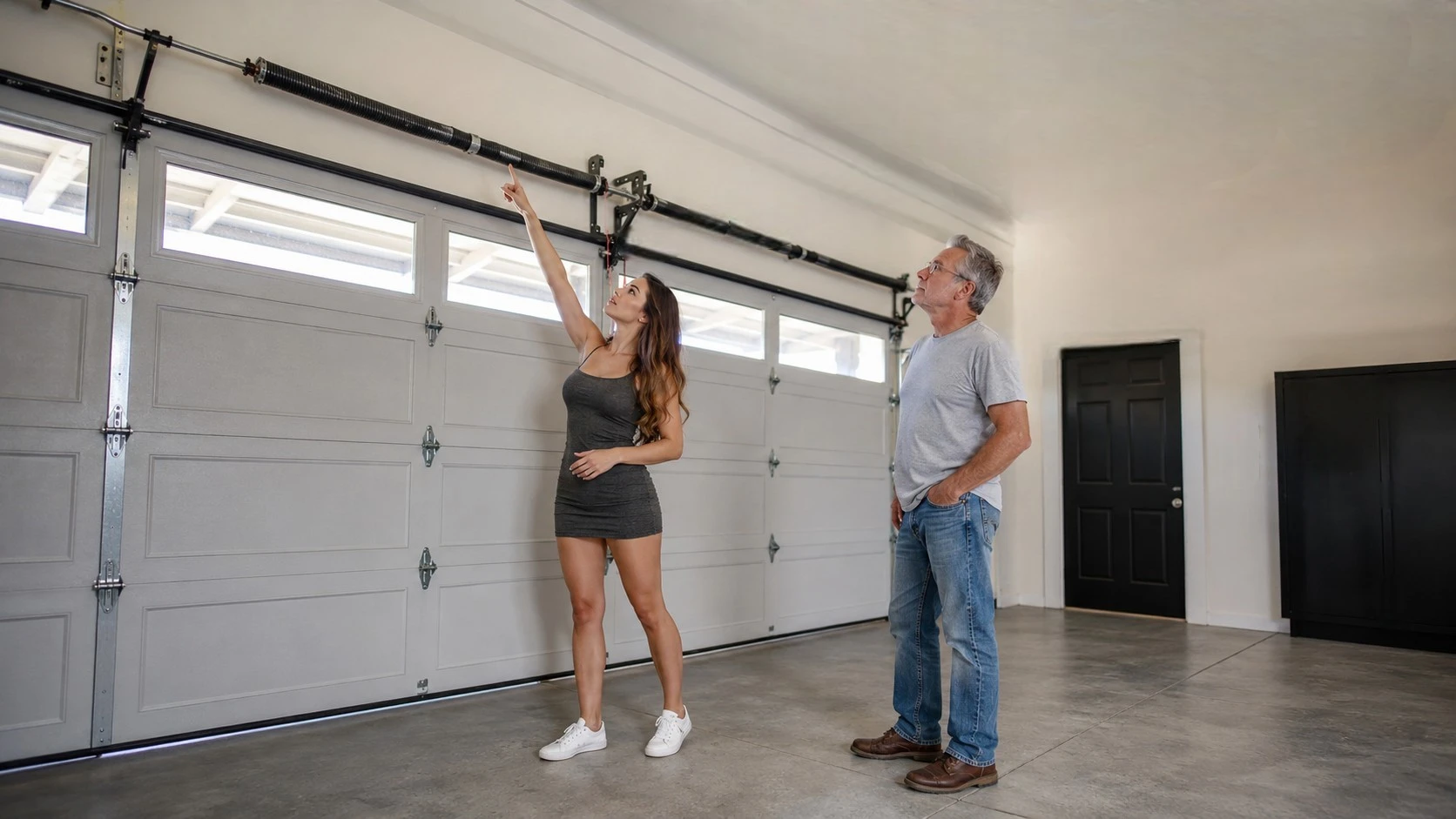
    Garage door springs, cables, pulleys, and brackets are under extreme tension. Do not try to adjust them yourself. A garage door opener is designed to move a door that already works correctly. It is not meant to force a damaged or unbalanced door open and closed.

    Also, disable any manual door locks and remove any ropes attached to the garage door before installing the opener. Loose ropes can get caught in the opener mechanism.

    Step 2: Know Your Garage Door Opener

    Before you install anything, make sure your opener can handle your door’s size and weight.

    • Chain-drive openers are durable and affordable. They work well for many standard doors, but they are usually louder than other options.
    • Belt-drive openers are quieter and smoother, making them a solid choice if there is a bedroom or living space above the garage.
    • Screw-drive openers have fewer moving parts, so they can require less maintenance, but some models may have issues in major temperature swings.
    • Smart garage door openers connect to Wi-Fi, letting you control or monitor the door through an app or compatible smart-home system.
    • Wall-mounted openers mount beside the garage door instead of on the ceiling. They can free up overhead space, but the installation process is different from a standard rail-style opener.

    Step 3: Remove the Old Unit

    If you’re replacing an old opener, start by unplugging it. Pull the emergency release cord to disconnect the opener from the garage door.

    Carefully take down the motor, rail, wall control, sensors, and brackets. Label any wiring before removing it if you think it will help during the new installation. Inspect the old setup, but use the new opener’s included parts whenever possible. Mixing old and new components can cause alignment issues or safety problems.

    Step 4: Assemble the Rail

    Lay all the rail pieces on the garage floor and connect them according to the manual. Next, install the drive mechanism. Depending on your model, you will run the chain, belt, or screw drive along the rail.

    Set the tension according to the manufacturer’s instructions. A chain or belt that is too loose can make the door move unevenly, while one that is too tight can strain the motor and hardware. Slide the trolley onto the rail before you bolt the rail to the motor unit.

    Step 5: Mount the Header Bracket

    The header bracket anchors the front of the opener to the wall above the garage door. Measure the width of the door and mark the exact center on the wall.

    Position the bracket above the highest point of the door’s travel, following the measurement in your manual. Use lag screws to mount it into solid structural framing. Do not fasten the header bracket only to drywall. This bracket handles a lot of force, so it needs a strong, secure mount.

    Step 6: Attach the Rail to the Header Bracket

    Lift the assembled rail and connect it to the header bracket using the provided pivot pin. Secure it with the retaining clip.

    Rest the motor end of the rail on your stepladder while you prepare to hang the motor. This keeps the rail supported and helps you avoid twisting the assembly while you work.

    Step 7: Hang the Motor Unit

    The motor unit needs to be securely suspended from ceiling joists or other structural framing. Use a stud finder to locate solid wood framing, then attach the metal hanging brackets with lag screws.

    Lift the motor unit and bolt it to the brackets. Put a level on the rail to make sure it is straight and properly aligned. A crooked rail can put extra strain on the opener and shorten its lifespan.

    Step 8: Attach the Door Bracket and Arm

    The opener arm connects the trolley to the garage door. Mount the door bracket at the center of the top panel, following your manual’s placement instructions.

    If you have a lightweight aluminum, fiberglass, or thin steel door, you may need a reinforcement bracket. Without reinforcement, the opener can bend or damage the top panel over time.

    Connect the curved and straight arm pieces, then attach them to the trolley using the supplied bolts and pins.

    Step 9: Install the Safety Sensors

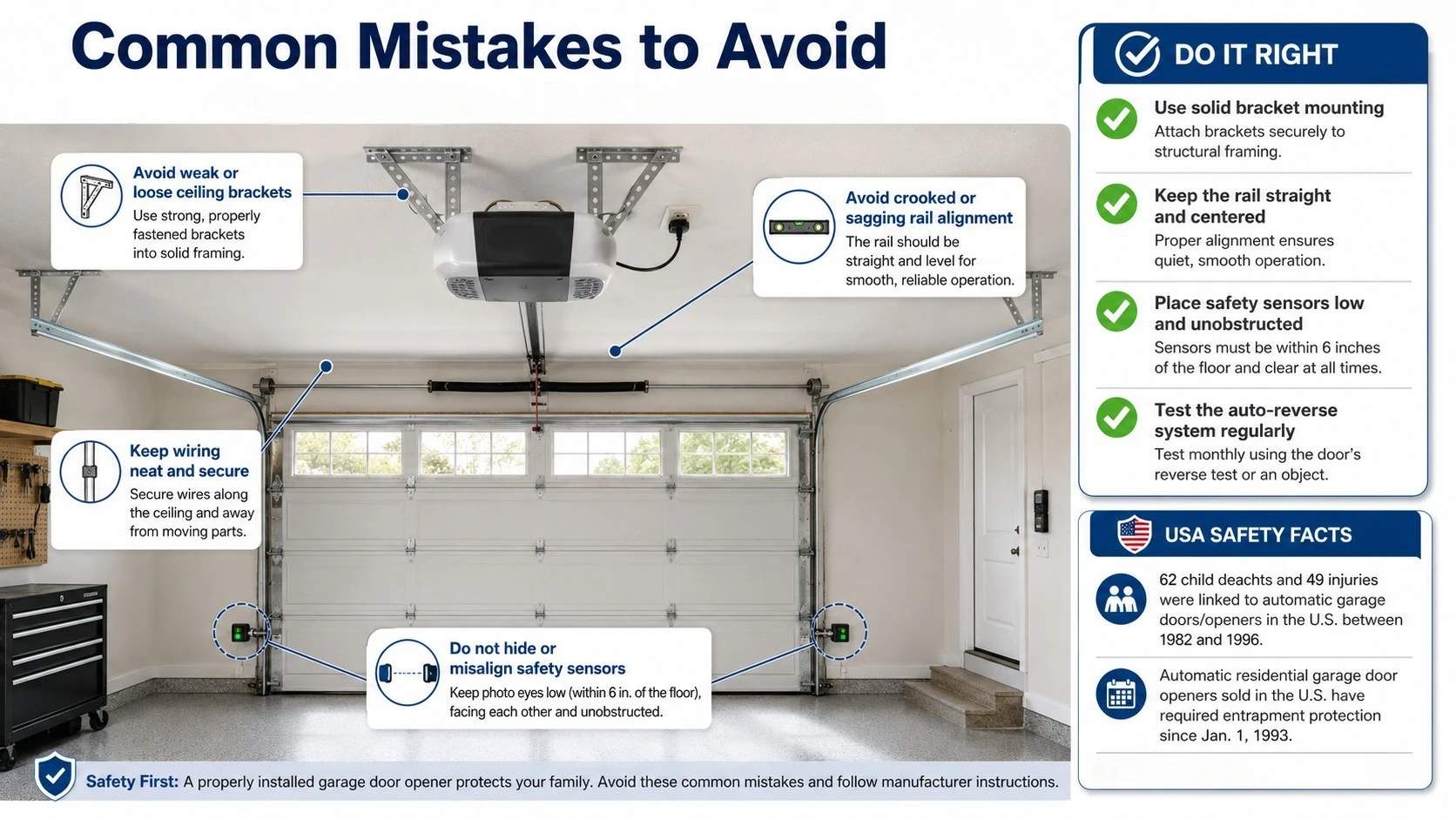
    Safety sensors help stop the door from closing on people, pets, or objects. Install one sensor on each side of the garage door opening. The sensor beam should be no higher than 6 inches above the garage floor.

    The sensors must face each other directly. Run the sensor wiring up the wall and across the ceiling to the motor unit, securing it with insulated staples. Don’t pierce the wire with staples, because that can create a short or break the circuit.

    If the sensors are blocked, dirty, wired incorrectly, or misaligned, the door may refuse to close. Take your time here, since sensor alignment is one of the most common setup issues.

    Step 10: Install the Wall Button

    Install the wall control within sight of the garage door, away from moving parts, and at least 5 feet above the floor so small children cannot reach it.

    Route the wire back to the motor unit and connect it to the correct terminals shown in your manual. If your garage is pre-wired, match the same wires at the opener that you connected at the wall control.

    Step 11: Plug It In and Program It

    Once everything is mounted and wired, plug the opener into a grounded outlet. Don’t connect power until the manual tells you to.

    Set the travel limits so the door knows exactly how far to open and close. Then adjust the force settings according to the manual so the motor does not push or pull too hard.

    Finally, use the opener’s “Learn” button or control panel to sync your remotes, keypad, and smart features.

    Step 12: Test the System

    Run the door up and down a few times and watch the movement closely. It should travel smoothly without jerking, rubbing, or shaking.

    Test the safety reversal system by placing a 2×4 flat on the floor under the door. When the door touches the wood, it should reverse. Next, close the door again and wave an object through the sensor beam. The door should stop and reverse right away.

    Do not skip these tests. A garage door opener is not fully installed until the safety systems work correctly.

    Common Mistakes to Avoid

    • Crooked rail: An angled rail puts extra strain on the motor and hardware.
    • Weak ceiling mounting: Always bolt the motor into structural framing, not just drywall.
    • Misaligned sensors: If the sensors are not lined up correctly, the door may not close.
    • Skipping the door balance test: An opener cannot fix a bad spring, damaged cable, or sticking door.
    • Skipping manual instructions: Every opener model has its own hardware, settings, and safety steps.

    When to Call a Pro

    DIY installation is doable, but you may want to call a professional if:

    • Your garage ceiling is unusually high.
    • You need a new electrical outlet installed.
    • The garage door is extremely heavy, damaged, or custom-sized.
    • The door does not stay balanced when lifted halfway.
    • You are installing a wall-mounted opener.
    • You aren’t comfortable working on ladders or lifting the motor unit overhead.

    A professional can install the opener safely, adjust the system correctly, and help protect your warranty.

    Final Thoughts

    Installing your own garage door opener can save money and make your garage more convenient. The job is manageable for many homeowners, but it only works well if the door is balanced, the opener is mounted securely, and the safety sensors are installed correctly.

    Take your time, follow the manual, and test the reversal system before using the opener every day.

    If you want a modern smart opener with app control, quiet operation, and built-in safety features, the ZUMI garage door openers are worth considering for residential garages. Their wall-mounted design also frees up ceiling space, which is useful for garages with storage racks or low ceilings.

  • The Smart Homeowner’s Guide to Wood and French Doors

    When most people start planning a home renovation, they dive headfirst into Pinterest boards filled with paint swatches, trendy light fixtures, and kitchen islands that look like they belong in a celebrity chef’s house. Doors? Most people don’t even think about them.

    It doesn’t matter if you’re switching out your old front door, upgrading to French doors, or simply learning about them—knowing about wood doors and correctly choosing door measurements will help you avoid problems. We’ll go over the details you should understand.

    Why Wood Doors Still Work in Modern Homes

    It’s obvious that wood is something that feels both warm and never goes out of style. Both walnut and reclaimed oak give wood doors a traditional beauty that makes them stand out from many other materials.

    Appearance isn’t the only factor that matters. Modern wood doors are stylish and practical. Modern procedures for sealing, insulating, and finishing give them resistance against warping, cracking, and damage from weather. If you need a door that stands up to the weather outside or separates noise in the house, these are ideal.

    Wood can suit almost any look. If your home is modern, you may want a sleek style, or if it’s traditional, choose ornate carvings. Painting or staining the door to go with your decor is easy, and you can change it years on without starting from scratch.

    If you’re considering upgrading or customizing your entryway, wood doors from Hotian Windows are a solid option worth exploring.

    French Doors Are Beautiful, If They Actually Fit

    French doors add elegance, natural light, and a seamless connection between indoor and outdoor living. But all those benefits hinge on one not-so-glamorous detail: getting the sizing right.

    A lot of homeowners discover that French doors aren’t all the same size. Start by measuring your space, how the doors will swing, and how much space is available both inside and outside.

    Here’s what you need to know:

    • Width: Usually 60–72 inches total (30–36 inches per panel)
    • Height: Standard is 80 inches, but 96 inches is trending for homes with tall ceilings
    • Thickness: Typically 1¾ inches

    But the right measurements make all the difference. They’re the difference between a seamless installation and a door that scrapes the floor or blocks your furniture. You need to measure:

    • The rough opening (stud to stud)
    • The jamb depth
    • The swing direction
    • The clearance for handles, curtains, and nearby walls

    Want to skip the guesswork? Use a measuring checklist or consult a professional before ordering. For guidance tailored to your home’s layout, check out this handy breakdown on French door size by Hotian Windows.

    What Works Best for Your Home?

    Choosing between wood doors and French doors (or deciding where to use both) comes down to lifestyle, location, and personal taste.

    • Solid Wood Entry Doors: $800–$5,000+, depending on species and design
    • Interior French Doors: $400–$2,000
    • Exterior French Doors: $1,500–$6,000+, especially from premium brands like Pella or Marvin
    • Installation: $300–$700 for standard doors; $1,000+ for French doors with framing and drywall work.
    • Use wood doors for:
      • Solid entry doors that offer insulation and security
      • Interior spaces where soundproofing or privacy is important
      • Making a dramatic first impression with custom finishes
    • Use French doors for:
      • Transitioning between indoor and outdoor areas (like patios or gardens)
      • Creating visual openness between two rooms without sacrificing separation.
      • Maximizing daylight in darker spaces.

    And don’t forget: wood door prices have jumped 49% since 2020. So if you’re planning a project, factor in inflation and supply chain realities.

    Avoid These Expensive Door Mistakes

    It’s not hard to go wrong when choosing new doors, especially when you’re focused on how things look. Here’s where most people mess up:

    • Skipping the re-measure: Your wall might not care about “standard sizes.”
    • Choosing style over function: A beautiful door that blocks airflow or bangs into furniture isn’t functional.
    • Ignoring climate: Harsh sun? Driving rain? You need the right finish and material.
    • DIYing the wrong job: Interior doors? Maybe. Exterior or French doors? Call a pro.

    Doors Are More Than Just Openings

    If you’re making improvements, think twice about how important your doors can be. An ideal front or interior door adds style and long-term value to your house.

    No matter if you love wood or French doors, your purchase will stay valuable for years if you take the time to plan correctly. When you’re not sure what to do, use the resources and insights from Hotian Windows. It’s the details that count, and that includes the doors in your home.