Two homes can have the same layout, the same flooring, and even the same paint color. Yet they still feel completely different the moment you step inside.
Often, the difference is on the wall.
A painting is not just a nice touch. It is an emotional shortcut. Before someone notices your coffee table styling or the quality of your curtains, their brain has already clocked the dominant colors in the room. It makes a snap judgment. Is it calm? Energizing? Cozy? Cold? Luxurious? Playful? Or serious?
That judgment happens fast. This is one reason wall art can shape first impressions more than people expect. It means paintings can do more than fill space. They can steer the mood of a room on purpose. For home design fans or anyone thinking about resale, it is equally useful. The right painting palette can make a home feel welcoming, modern, and finished without a renovation budget.
Here is how color psychology in paintings works in interiors and how to choose art that supports the mood you actually want.
Why Paintings Influence Mood Faster Than Decor
Home design is full of details, but first impressions happen in a blur. When you enter a room, your brain scans for the big signals like light, layout, and color. Paintings are often one of the largest blocks of color in the space. They are bigger than a vase and louder than a pillow. They are usually placed right in your sightline.
That is why a painting can override the mood you thought you designed.
Picture a soft beige room. Now hang a vivid red abstract painting in it. The room suddenly feels more intense, more modern, and maybe even slightly edgy. Swap that out for a hazy blue landscape. It is the same room, but it has a different emotional temperature. One invites conversation. The other invites you to exhale.
Paintings are mood-setters because they carry color at scale.
The Two Concepts That Matter Most
Before picking a color, keep two things in mind.
- Visual temperature. Warm colors like reds, oranges, and terracotta tend to feel social and intimate. Cool colors like blues, greens, and cool grays tend to feel calm and spacious. Neither is better. They simply push the energy in different directions.
- Saturation and contrast. High saturation reads bold and lively. Low saturation reads refined and airy. High contrast looks dramatic and grabs attention. Low contrast feels cohesive and soothing.
What Different Color Palettes Communicate

Color psychology is not a strict rulebook. People’s experiences and culture matter. But in home interiors, certain palettes tend to create predictable impressions. Think of these as design signals rather than strict rules.
Warm Tones Are Cozy and Social
Paintings with reds, oranges, warm yellows, rust, and terracotta often make spaces feel more active and welcoming. They bring a sense of closeness. This is why warm-toned art can make large open-concept rooms feel less empty.
- Where it works best. This palette is great for living rooms, dining areas, kitchens, and entryways.
- What to watch for. Highly saturated reds can feel aggressive if the rest of the space is already visually loud. If you want warmth without intensity, look for warm tones in a muted, dusty, or earthy version.
Cool Tones Are Calm and Spacious
Blues, greens, cool grays, and sea tones tend to create a sense of calm and clarity. They can make a room feel larger and lighter, especially when the painting has soft transitions rather than sharp contrasts.
- Where it works best. This is ideal for bedrooms, bathrooms, home offices, and modern living spaces.
- What to watch for. If the room already has cool lighting and cool finishes like gray floors or chrome, too much cool-toned art can make the space feel cold. You should balance it with warm wood, brass, or textiles.
Neutrals Are Timeless and Flexible
Neutral paintings include creams, beiges, taupes, black-and-white work, and charcoal sketches. They support a quiet luxury vibe. They work well in homes that rely on texture and material quality like linen, wood grain, plaster walls, and boucle.
- Where it works best. These work anywhere, especially in staged homes or resale properties.
- What to watch for. Neutral art can disappear if everything else is neutral too. The fix is texture. Choose pieces with depth, visible brushstrokes, layering, or a strong focal area.
Earth Tones Are Grounded and Natural
Earth-tone paintings use clay, sand, olive, ochre, warm browns, muted greens, and stone grays. They feel organic and calming. They often connect modern clean lines with a more lived-in warmth.
- Where it works best. Try these in living rooms, bedrooms, hallways, and homes with lots of wood.
- What to watch for. Too much earth tone without contrast can feel flat. Add a little charcoal, deep green, or off-black detail to keep it intentional.
Jewel Tones Are Luxurious and Dramatic
Emerald, navy, burgundy, sapphire, and plum feel rich. Even a single jewel-toned painting can make a room feel more upscale, especially when paired with simple furniture and good lighting.
- Where it works best. These shine in dining rooms, formal living rooms, offices, and boutique-style bedrooms.
- What to watch for. Jewel tones can dominate a small space. Keep the rest of the palette quiet. You can also choose a painting where jewel tones are accents rather than the whole story.
Pastels Are Soft and Approachable
Dusty pink, pale blue, soft lavender, mint, and gentle peach can make a space feel bright, friendly, and relaxed. In modern interiors, pastels work best when they are slightly muted rather than sugary sweet.
- Where it works best. Use these in bedrooms, nurseries, creative studios, and small apartments that need lightness.
- What to watch for. Overly sweet pastels can feel juvenile in a luxury context. Pair them with structured frames, darker accents, or more grown-up textures like linen and natural wood.
Think of your painting as either a focal statement that leads the room or a bridge piece that connects the room’s existing tones. Either approach works. Just do not try to do both on the same wall.
Room-by-Room Guide to Mood
Instead of asking what matches your sofa, ask a better question. How do I want this room to feel within five seconds?
Entryway and Hallway
Your entryway is a handshake. A painting here should feel inviting and confident. Warm neutrals, gentle earth tones, soft greens, or a balanced abstract with a calm palette work well. If your hallway is narrow, avoid highly contrasting art that acts like a visual stop sign. A calmer palette helps the space flow.
Living Room
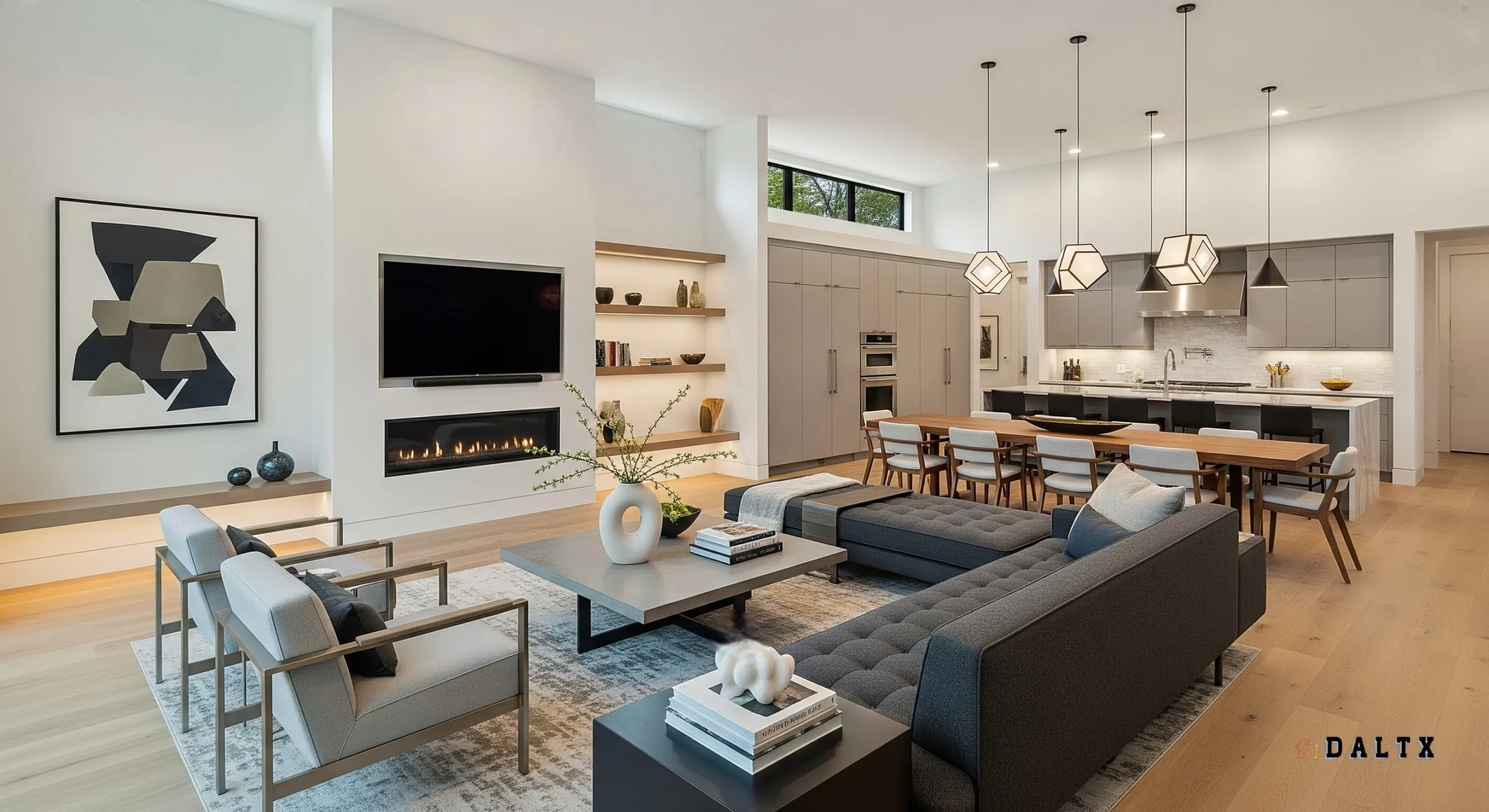
Living rooms are social, but they are also where people unwind. Paintings with warm undertones often work beautifully here. Think rust, clay, warm beige, or muted gold. This works best when balanced by a few cooler touches like sage or soft blue.
- If you want the living room to feel lively, choose higher saturation or stronger contrast.
- If you want it to feel restful, choose softer transitions and muted tones.
Bedroom
For most people, bedrooms do best with low-saturation palettes. Think misty blues, dusty greens, warm neutrals, soft charcoal sketches, or gentle abstract work. A painting can still be interesting without being visually demanding. Avoid highly saturated reds or neon tones if sleep is a priority. They tend to keep the room’s energy turned on.
Home Office
Offices benefit from colors that support attention without raising stress. Think deep blues, forest greens, earthy neutrals, or structured abstracts with controlled contrast. If you want more creative energy, add a small amount of warmth. Burnt orange or ochre accents can stimulate without overwhelming.
Dining Area and Kitchen
These rooms look best with some warmth. A painting with terracotta, warm beige, or golden tones can make a dining space feel more inviting and connected. Even modern spaces look more human with art that has a warm center. If your kitchen is already warm with wood cabinets and warm lighting, you can introduce cooler art for balance. Just keep it soft.
Bathroom
Bathrooms tend to work well with cool tones and neutrals because they support a fresh and relaxed feeling. Stick to soft blues, sea greens, and monochrome prints. Keep the composition calm since too much visual busyness can fight the spa effect.
Practical Tips to Choose the Right Painting
You do not need a design degree to make this work. A few smart checks will prevent the most common mistakes.
- Start with the purpose of the room. Put mood first and matching second. Decide what you want the space to do. Do you want to relax, energize, welcome, or focus?
- Use the painting as the 10% color boost. In many rooms, the painting can act like the accent in the classic 60-30-10 color balance. If your room is neutral-heavy, the painting can provide that intentional pop without needing a dozen accessories.
- Test in real light. Paintings change dramatically between daylight and evening light. View the piece in both. Step back and check it from the doorway. That is how most people will experience it first.
- Mind undertones. A warm white wall and a cool gray painting can clash even if they look neutral on their own. Compare the whites and grays in the painting to your walls, floors, and large textiles.
- Treat the frame as part of the palette. Natural wood frames add warmth. Thin black frames sharpen and modernize. Wide mats add breathing room and sophistication.
- Go for mass appeal if you are selling. If your goal is first impressions for buyers or renters, soft blues, gentle greens, warm neutrals, and calm abstracts tend to feel universally comfortable. Extremely polarizing colors or aggressive imagery can distract people from imagining themselves in the home.
- Avoid common sizing mistakes. Art that is too small for the wall, hung too high, or overly busy in a small space can make even a beautiful interior feel off. When in doubt, scale up and simplify.
Conclusion
Paintings are not just the finishing touch. They set the tone. Because color is processed quickly, the palette on your wall can shape how a space feels before anyone notices the details you worked so hard on.
When you choose art with color psychology in mind, you get more control over mood and first impressions. Warm tones invite connection. Cool tones expand the space. Neutrals improve the design.
The next step is simple. Pick one mood you want the room to deliver. It could be calm, welcoming, energized, or refined. Then choose a painting that makes that mood obvious within five seconds of walking in. When art leads with intention, the whole space feels more finished, more personal, and more memorable.