Tag: Design Balance

  • How Furniture Shapes the Experience of Interior Design

    When we think about interior design, we often think about the architectural layout, finishes, the color scheme, and the organization of space within the home. While these all describe the framework of a home, they don’t show us the full experience of a space. That is the job of the furniture. Furniture shows how people move within space, how comfortable the space is, the atmosphere, and how people connect emotionally with the space.

    In the field of interior design, the role of furniture is much more connected and integrated than most people realize. A room can have beautiful architectural detailing and can have well thought out materials, and the room is still incomplete without the furniture that supports appropriate uses of the space. On the other hand, the most beautiful and well-thought-out furniture can elevate the balance and functionality of the most simple interior spaces.

    The most beautiful interior spaces are defined by more than the beauty of their appearance. The most beautiful interior spaces are defined by the simplicity and beauty of their livability.

    Key Takeaway: Furniture Structures Interior Design

    While interior design establishes the framework of a livable space, the furniture determines how that space functions, the ease of everyday use, and how it supports everyday living. The way a space is experienced is defined by the balance of the furniture & interior design.
    Furniture Shapes Usable Space Design

    In interior design, one of the most important impacts of furniture is defining how a space is meant to be used. Spatial design may define boundaries, separate functions, and a layout, but furniture design creates spaces for living and working.

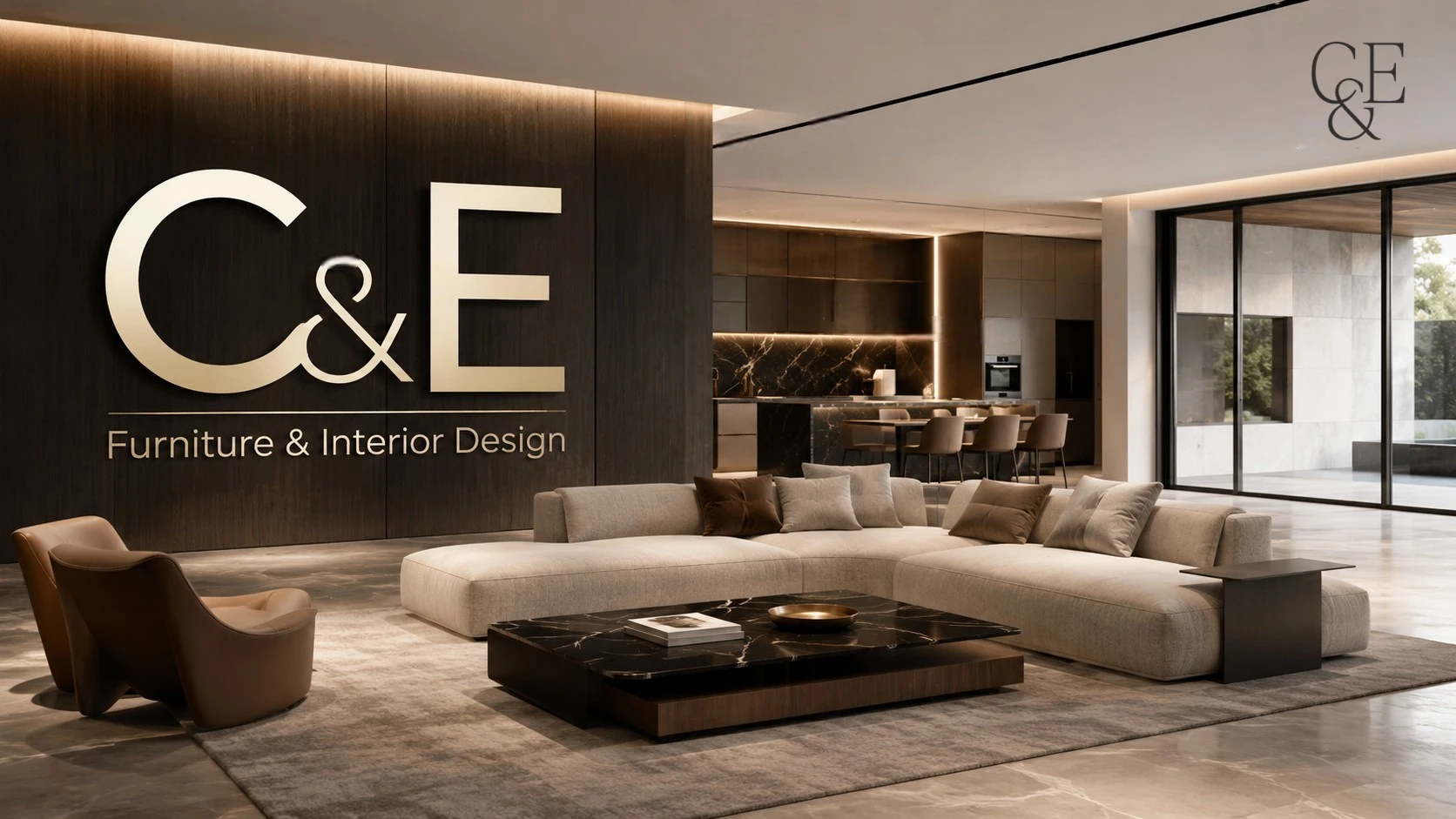
    Furniture placement becomes one of the few ways to divide a space in open plan spaces. A sectional sofa, for example, can define a living area. Accent chairs can create conversational areas.

    In an open-plan layout, even the best space can feel cluttered or undefined without the correct furniture.

    Furniture makes an impact on the design and layout of a space. The right size furniture affects comfort and circulation. The correct size furniture affects the function and organization of the furniture.

    Designing a space does not mean that the space has to be filled with the best furniture. It can be designed in a way that the furniture supports the way the homeowner wants to use a particular space.

    Key Takeaway: The Function of the Spaces is Determined by the Furniture

    Furniture can take an empty layout and create a livable space. The scale, placement, and the ability of the furniture to function properly all make a space usable.

    Design a space that delights the eye by harmonising the scale of the furniture with the space.

    The design of the space, including furnishings and layout, relies heavily on proportion. The height of the walls, placement of furniture, and the layout of the space, all affect how balanced the space feels.

    Large, open plan spaces need large, weighty furniture to prevent the space from feeling empty. Large furniture can overwhelm smaller rooms, which likely need smaller, well-scaled furniture.

    This balance extends beyond just the large pieces. The height of the coffee table, the proportions of the dining chair, the placement of side tables, and even the thickness of the upholstery can affect the overall harmony found in a room.

    Designers look at the furniture in the room as individual pieces to an overall larger puzzle that is a room.

    Key Takeaway: Scale is Key for Balance

    Furniture needs to relate to the room’s proportions and the architecture. Scale and balance help a room feel cohesive and comfortable rather than disjointed and cluttered.

    Furniture Presents Warmth to the Design

    The architecture holds the structure, but furniture brings the humanity. It warms and softens the structure of a room and presents an atmosphere that welcomes and invites.

    Spaces with little or poor furniture integration can feel cold, even when highly polished and structured. Spaces with well-integrated furniture can feel warm and cozy, even on a minimalist architectural structure.

    Furniture is representation of the emotions housed in that particular space of a room. It presents contrast to architectural elements that can feel cold. Layer of textiles help large rooms feel more intimate and inviting.

    This emotional layer of dimension is especially important in large residential design, where large rooms can become overwhelming. Furnishings of design can help large spaces feel cozy.

    Architecture of a room creates the structure. The furniture presents the humanity. It creates the atmosphere to let people engage with a space, both physically and emotionally via the placement of the furniture.

    Key Takeaway: Furniture Offers Comfort and Connection

    Furniture adds softness and dimension to spaces. It can also enhance the emotional appeal of a room by making it feel more inviting and comfortable.

    Impact of Material on Design

    Furniture is one of the key elements responsible for the material language of a design. Although the finishes of an interior define the basic principles of the design language, furniture carries the language further and more precisely throughout the space.

    Materials selected without a unified vision can result in a fragmented and disorganized design. Rooms can feel out of balance with cool finishes juxtaposed to warm furnishings. Large, heavy cabinets can clash with a delicate, slender furniture.

    Balance and harmony of materials, textures, and finishes can create a fully integrated and cohesive design.

    Wood finishes can be unified vertically with the upholstery. Metal finishes in the furniture can be the same as the architectural hardware or light fixtures.

    There is no expectation of a perfect match between materials, but creating a unified vision in your home through tonal and textural consistency is key.

    Key Takeaway: Material Coordination Creates Visual Flow

    In order to achieve a sense of balance and cohesion in a room, the materials used in furniture design should be in sync with the broader design of the architecture.

    Furniture design is a critical element of the room design process.

    While furniture may be seen as the last decor item added to a space, it affects the design of many elements that come before it.

    The placement of lights is highly dependent on the arrangement of furniture which can also dictate the placement of electrical outlets. Fixtures, built-ins, and free standing furniture affect the design of a space and the circulation flow and space clearances.

    Without proper furniture planning, compromises become more frequent.

    That’s why, in most full service interior design projects, the furnishing strategy is built as an early stage within the design process. Rather than treating furniture as an afterthought, it is woven into the home’s structural logic.

    This method of integrating planning enables both the furnishing and the structural design to develop concurrently, creating spaces that are more intentional.

    Key takeaway: Furniture Planning Design Coordination

    Furniture placement should be a part of the early planning of a project. The placement of furniture dictates the layout of the space, the lighting and the placement of the electrical. It also dictates how the space will function.

    Furniture Establishes Experience

    Interior design extends beyond photos. In reality, it is a part of our daily experiences, month after month, year after year.

    Furniture has a huge impact on that. The comfort, durability, and usability of furniture all determines how successful the design of the space will be over time.

    Furniture that is designed around the latest trends will likely become outdated within an otherwise timeless design. Poorly thought layouts may become frustrating to the users of the design. Furniture made with low-quality materials can compromise the design.

    Careful selection offers a lot of utility and beauty.

    This is especially valuable for homes built with the understanding they will be occupied for the long term in order to meet the goal that the whole space will last for as long as the occupants without the need for a redesign.

    Key takeaway: Furniture Impacts Usability of Interiors

    Furniture impacts the long-term comfort and usability of a home. The best furniture helps maintain a balance between functionality and aesthetics over time.

    Because furniture captures human emotions, it commands great value in any living or working setting.

    Thoughtfully chosen furniture enables furniture to transcend its function as a container of objects, transforming a room into a space where people desire to spend time.

    Effective use of furniture directs the free flow of people in a space and encourages the use of the space to its maximum potential.
  • Mix-and-Match Magic: Combining Old & New Furniture Without Clashing

    Mix-and-Match Magic: Combining Old & New Furniture Without Clashing

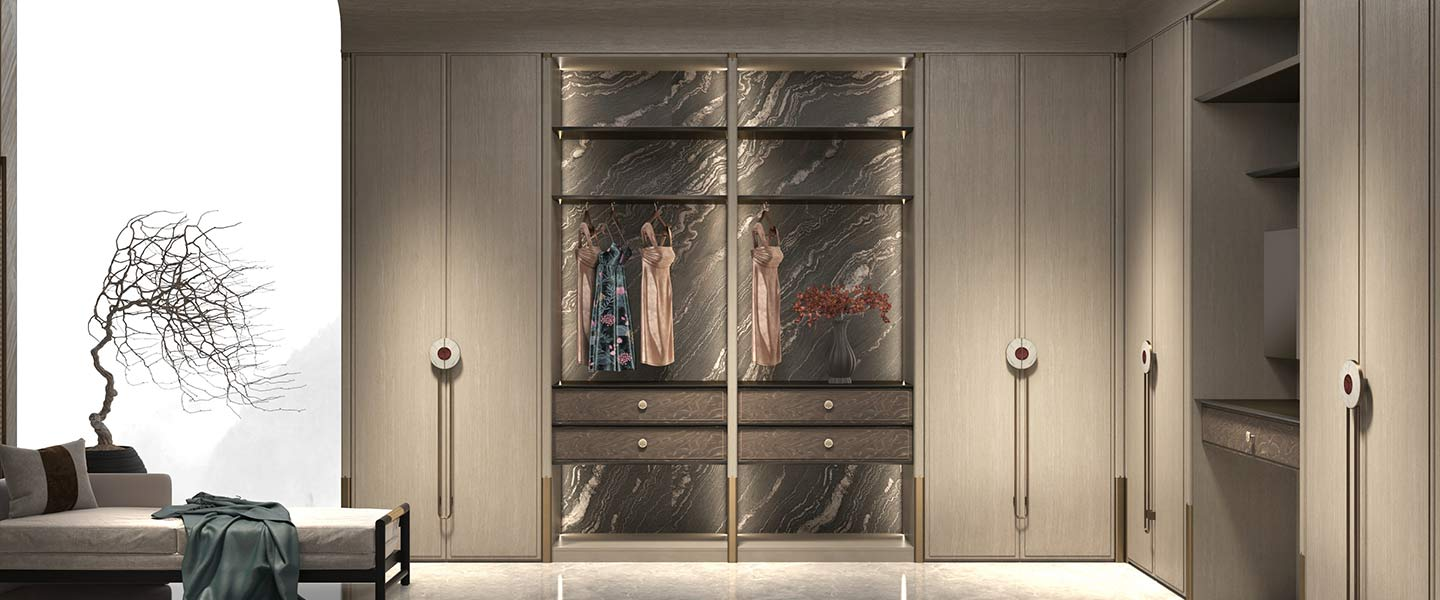
    Image Source: oppein.au

    The deliberate blending of furniture from different eras has evolved from an economic necessity to one of the most sophisticated approaches in contemporary interior design. This curated eclecticism, when executed thoughtfully, creates spaces with depth, personality, and narrative that purely matched collections cannot achieve. The harmonious integration of vintage treasures with contemporary pieces delivers both the character of history and the comfort of modern functionality—a balance increasingly sought by design-conscious homeowners.

    The Underlying Principles of Successful Mixing

    The Unifying Element Strategy

    Successful mix-and-match interiors invariably employ unifying elements that thread visual cohesion through diverse pieces:

    • Consistent color palette connecting disparate styles
    • Repeated materials appearing across different eras
    • Similar proportional relationships despite varied origins
    • Textural themes bridging historical differences
    • Intentional shape echoing between old and new

    In my experience working with collector clients, rooms that successfully blend furniture from multiple periods almost always feature at least two strong unifying elements—typically color and proportion—allowing the eye to register cohesion before difference. A living room I recently completed paired a clean-lined contemporary sofa with an ornate Victorian settee, united through identical fabric tones and proportionally similar seat heights, creating a harmonious conversation between pieces separated by 150 years.

    The 80/20 Style Distribution

    Balanced eclecticism typically follows a dominant-with-accents approach:

    • Establishing a primary style representing approximately 80% of visible furniture
    • Introducing complementary pieces from different eras for the remaining 20%
    • Allowing statement pieces from non-dominant styles to become focal points
    • Creating intentional tension between old and new through careful juxtaposition
    • Maintaining clear design intention rather than random accumulation

    This approach prevents the chaotic feeling that can result from equal representation of multiple styles while still delivering the depth that comes from thoughtful combination.

    Strategic Combination Techniques

    The Common Thread Method

    This technique identifies and emphasizes shared characteristics across different periods:

    • Mid-century and contemporary pieces united through clean lines
    • Traditional and transitional styles connected through similar woods
    • Formal antiques and modern interpretations linked by proportional relationships
    • Rustic elements bridging period differences through consistent materials
    • Industrial and traditional pieces connected through material honesty

    Case studies show that this approach proves particularly successful in open-concept spaces where visual flow between areas becomes essential to the overall experience. The common thread creates subtle continuity even as individual pieces maintain their distinctive character.

    The Intentional Contrast Approach

    This method deliberately highlights differences while creating balanced composition:

    • Pairing geometrically simple contemporary pieces with ornate antiques
    • Juxtaposing light, floating modern furniture with visually heavy traditional pieces
    • Combining richly patterned vintage items with minimal current designs
    • Contrasting matte and glossy finishes across different eras
    • Setting organic, handcrafted elements against precise machine-made forms

    Have you noticed how the most memorable rooms often feature at least one element that deliberately breaks from the expected pattern? This intentional disruption, when handled with confidence, transforms spaces from merely coordinated to genuinely interesting—creating visual energy that fully matched rooms typically lack.

    Application Across Different Spaces

    Living Areas: Conversation Between Eras

    Living spaces offer prime opportunities for meaningful furniture dialogue:

    • Anchor seating in contemporary forms with vintage occasional tables
    • Modern lighting illuminating traditional architectural features
    • Historic case pieces housing current technology
    • Antique decorative elements displayed on clean-lined modern surfaces
    • Contemporary art creating dynamic tension with traditional furniture

    A recent project incorporated a client’s inherited Chippendale chest alongside their minimalist Italian sofa by treating both as sculptural elements within a neutral envelope. The space reads as intentionally curated rather than compromised—elevating both pieces through thoughtful contrast.

    Dining Spaces: Breaking the Suite Mentality

    Dining areas benefit particularly from liberated matching approaches:

    • Host chairs in different styles from side seating
    • Antique tables paired with contemporary seating
    • Vintage buffets or sideboards complementing modern dining tables
    • Traditional chandeliers updated with contemporary bulbs and styling
    • Modern serving pieces displayed in antique china cabinets

    The dining room represents one of the most dramatic transformations in contemporary design thinking, evolving from matching suites to intentionally assembled collections that tell more interesting stories.

    Bedroom Design with Wardrobe: Balancing Function and Character

    Bedroom spaces require careful balance between personal expression and restful cohesion:

    • Contemporary beds paired with vintage nightstands
    • Modern wardrobes complementing traditional architectural details
    • Antique seating or occasional pieces within clean-lined sleep spaces
    • Heritage chests or dressers alongside current lighting
    • Vintage decorative elements displayed against neutral contemporary backgrounds

    I recently completed a bedroom design with wardrobe elements spanning three different eras—a contemporary platform bed, mid-century dresser, and restored antique armoire—united through consistent wood tones and hardware finishes. The client reported that the space feels both personal and cohesive precisely because of these thoughtful combinations.

    Sourcing Strategies for Eclectic Design

    The Global Hunt Approach

    Truly distinctive eclectic spaces benefit from diverse sourcing:

    • Estate sales and auctions for authentic period pieces
    • Mainstream retailers for contemporary foundations
    • Specialty manufacturers for transitional interpretations
    • International markets for distinctive cultural influences
    • Trade-only resources for unique designer pieces

    The China Furniture Fair has emerged as a particularly valuable resource for designers seeking both contemporary pieces and thoughtful reproductions of historical styles—offering quality craftsmanship with pricing that enables more adventurous combinations than solely relying on Western manufacturers.

    The High-Low Integration

    Successful eclectic spaces often incorporate varying investment levels:

    • Anchor pieces representing significant investment
    • Supporting elements at accessible price points
    • Vintage finds valued for character rather than provenance
    • DIY or customized pieces adding personal significance
    • Strategic splurges on items with maximum visual impact

    This approach not only serves budget considerations but often creates more authentic, evolved spaces than those furnished entirely at a single price point.

    Common Pitfalls to Avoid

    The Balance Breakdown

    Unsuccessful mixing typically stems from proportion and balance issues:

    • Scale inconsistencies creating visual disruption
    • Overcrowding with too many statement pieces
    • Insufficient negative space to appreciate distinctive elements
    • Competing focal points creating visual confusion
    • Lack of intentional curation suggesting random accumulation

    In my experience renovating homes with accumulated furnishings, editing often proves more important than adding—removing pieces that fight for attention allows the intentional combinations to shine.

    The Theme Collapse

    Unsuccessful eclectic spaces frequently suffer from insufficient cohesion:

    • Too many divergent styles without connecting elements
    • Jarring color transitions between different pieces
    • Incompatible material palettes creating visual disconnect
    • Stylistic combinations without meaningful dialogue
    • Lacking intentional curation suggesting happenstance rather than design

    The difference between thoughtfully eclectic and simply mismatched often lies in the presence of clear curatorial vision—a consistent thread that allows diverse elements to converse rather than compete.

    The Evolving Approach

    Mix-and-match design continues evolving as new movements emerge and historical pieces find fresh context. The most successful practitioners approach this method not as a trend but as a fundamental design philosophy—one that values authentic character, personal narrative, and the natural evolution of living spaces over time.

    Would you rather inherit a perfectly preserved but sterile period room, or a thoughtfully evolved space telling the story of those who lived there? The answer to this question often reveals our true relationship with the objects that surround us—and explains why the deliberate mixing of furniture from different eras continues resonating with those seeking homes that feel both designed and genuinely lived in.