Tag: Dallas Suburbs

  • A Look Inside the Outdoor Kingdom of Dak Prescott’s Prosper Estate

    Image source: Shutterstock

    In the affluent, ever-expanding suburbs north of Dallas, the town of Prosper, Texas, has become a magnet for the city’s elite, boasting large-scale properties that redefine residential luxury. Among its most notable residents is Dak Prescott, the quarterback and undisputed leader of the Dallas Cowboys. While his custom-built, 9,000‐square‐foot mansion is a marvel of modern design, the extensive outdoor complex truly establishes the estate as a private kingdom. This carefully planned oasis goes far beyond the well-publicized personal football field, revealing a resort-style environment built for both grand-scale entertaining and intimate private recuperation.

    The design of Prescott’s backyard reflects a broader architectural movement among high-profile figures. Recently highlighted by aerial views of Will Smith’s 150-acre California compound, this trend prompted internet users to question why celebrities create such isolated, self-contained worlds.

    Pursuing a space that offers absolute privacy and every conceivable amenity is the answer. These estates are not merely homes; they are custom resorts where every detail is tailored to the owner’s lifestyle, from professional-grade athletic facilities to serene relaxation zones. The Prescott property in Prosper is a prime example of this model. The lines between home, training facility, and five-star resort are purposefully blurred in this place. This trend is not isolated. From November 2023 to October 2024, the Dallas–Fort Worth metroplex saw 14% year-over-year growth in luxury home sales—nearly 5,000 homes priced at $1 million or more sold in that period, generating about $8.5 billion in transaction volume. That surge underscores the strength of the market for high-end, elaborate properties in the region.

    Beyond the Gridiron: The Architecture of a Modern Sanctuary
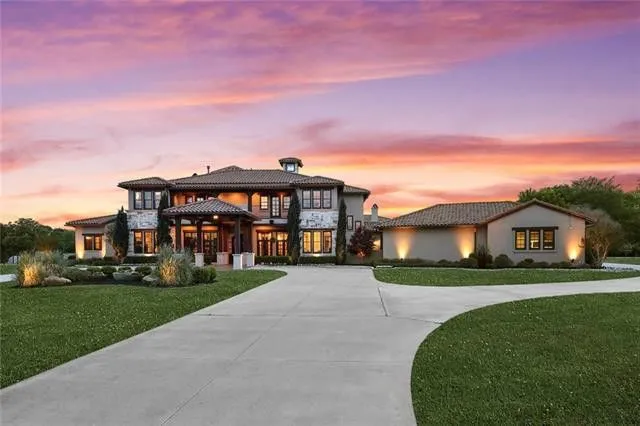
    While the regulation-size “D4K” branded football field is the estate’s most famous feature, the surrounding amenities complete its transformation into a comprehensive retreat. The design prioritizes smooth transitions between activity and leisure, creating distinct zones for different purposes while maintaining a unified look. This multi-function approach is essential for a modern athlete whose life blends intense physical demands with the need for mental rest and social connection.

    With Prescott confirming he is healthy and ready for training camp, the importance of a home environment supporting physical recovery and mental well-being ahead of a demanding season becomes clear. The estate’s layout facilitates this balance, offering spaces for rigorous workouts, quiet reflection, and lively social gatherings in equal measure.

    A Resort-Style Pool and Expansive Deck

    At the heart of the outdoor living space lies a colossal swimming pool, flanked by an expansive limestone deck and a dedicated cabana structure. This area accommodates large groups, with multiple covered lounge areas with high-quality, weather-resistant pieces. The choice of furniture is important in such a space, as seen in celebrity homes like Bruce Springsteen’s New Jersey estate, which features durable and stylish wicker armchairs.

    Design experts recommend high-quality rattan and similar materials made with PE synthetics, as they are among the most resistant options available and can withstand intense UV light and heavy rainfall. The pool is more than just a recreational feature; one report shows that homes with backyard pools command a substantial price premium—about 54% more than comparable homes without pools—demonstrating that even post-pandemic, swimming pools remain a major asset for property value. 

    The Ultimate Host: An Outdoor Kitchen and Bar

    Adjacent to the pool deck is a state-of-the-art outdoor kitchen and bar, underscoring the property’s role as an entertainment hub. This is not just a barbecue grill but a fully equipped culinary station featuring commercial-grade appliances, extensive stone countertops, several refrigeration units, and a full-service bar with built-in seating. Such a setup is ideal for hosting teammates, charity events, or large family gatherings, reflecting Prescott’s well-documented role as a team leader and an unofficial counselor in the locker room.

    The rising popularity of such amenities is reflected in the National Kitchen & Bath Association’s trends report, which ranks outdoor kitchens among the top ten most desired features in new home construction. This feature transforms the patio into a functional and luxurious extension of the main house, particularly suited for the Texas climate.

    The Grand Design: A Study in Luxury Hardscaping

    The architectural splendor of Prescott’s outdoor kingdom is anchored by its extensive and sophisticated use of hardscaping. Vast patios constructed from premium stone pavers connect the various zones—from the pool deck to the outdoor kitchen and fire pit areas. This network of walkways and terraces forms a unified and visually striking landscape, turning the entire backyard into a cohesive environment. The selected materials are key to this effect, likely involving high-end natural stone and porcelain pavers similar to those provided through exclusive collaborations. This investment in premium materials ensures durability and a timeless style worthy of a landmark property.

    This approach to landscape architecture is a hallmark of modern celebrity estates, where the grounds are curated as meticulously as the interior. The design achieves a sense of permanence and luxury that complements the main residence by choosing high-quality stone and pavers.

    The sheer scale of hardscape elements across a property—such as expansive patios, walkways, terraces, and event-ready outdoor surfaces—forms the foundation of multi-purpose estate design, offering durable, elegant spaces for sunbathing, entertaining, and large gatherings. This design principle is exemplified by celebrity estates like Will Smith’s 150-acre Calabasas property, where architect Stephen Samuelson was tasked with creating a secluded, sculpted environment that blends architecture, landscape, and privacy. The adobe-style residence spans 25,000 square feet and features meticulously crafted outdoor amenities—such as free-form pools, terraced patios, sports courts, walkways, a man-made lake, and structured grounds—demonstrating how extensive hardscaping provides functionality and aesthetic impact.

    The Practicality of Paradise: Maintaining a North Texas Oasis

    Owning a property in North Texas with such remarkable hardscaping presents unique maintenance challenges. While visually impressive, the large paver patios, stone walkways, and pool decking are constantly exposed to the region’s demanding climate, including blistering summer sun and heavy rainfall. Recent data from the National Centers for Environmental Information indicates that Texas experiences some of the most variable weather in the nation—including extreme fluctuations in temperature, heavy precipitation, high winds, and severe storms—which puts considerable stress on outdoor building materials. This ongoing exposure can lead to fading from UV rays, staining from organic matter, and potential damage from moisture penetrating porous stone, making proactive protection essential to preserving the property’s value and appearance.

    Property owners and managers often follow a rigorous maintenance schedule that includes professional cleaning and sealing to safeguard such an investment. Experts in hardscape preservation stress that sealing pavers is crucial in long-term care. A quality sealant gives the stones a fresh, wet look and provides a valuable protective barrier. This treatment helps prevent fading from sun exposure. It makes it easier to remove the dirt, grease, and grime that naturally accumulate in an active outdoor space, ensuring the surfaces remain pristine.

    Protecting these surfaces requires a balanced view of the benefits and drawbacks. For an estate designed with immaculate presentation in mind, such measures are not an extravagance but a necessity. The sealing pavers pros and cons are important considerations:

    ProsCons
    Prevents water intrusion and cracking from freeze-thaw cycles.Involves an initial expense for materials and professional application.
    Protects against UV fading and stains from grease or grime.Requires periodic re-application to maintain effectiveness.
    Inhibits the growth of weeds and mildew in the joints.Can make surfaces slippery if an unsuitable sealant is used.
    Enhances drainage and preserves structural integrity.Improper application can trap moisture, causing a cloudy finish.

    The long-term benefits of a high-value property are clear. An effective sealant penetrates the pores of the stone and the joints between them, preserving the hardscaping’s intricate design and durability for years to come.

    A Reflection of Status: The Celebrity Backyard Trend in DFW

    Dak Prescott’s outdoor sanctuary is a prime example of a larger trend dominating the luxury real estate market in the Dallas-Fort Worth area. High-profile athletes and executives increasingly commission homes with all-encompassing outdoor environments designed for sport, entertainment, and privacy. 

    These expansive backyards are far more than just a collection of amenities; they are statements of status and essential components of the modern celebrity lifestyle. They serve as private training grounds, secure retreats for family life away from the public eye, and impressive venues for hosting events that strengthen personal and professional relationships.

    For a figure like Prescott, who shoulders the weight of a franchise and has demonstrated deep community ties, his home is his fortress. It is a place to recover, strategize, and live, reinforcing that the ultimate luxury in today’s high-stakes sports environment is a private, precisely controlled setting.
  • Why These Texas Neighborhoods Are Known for Safety and Community

    So you’re thinking about moving to Texas or maybe you’re already here and looking for a safer place to call home? Yeah, Texas is amazing for so many reasons – the space, the opportunities, that welcoming neighborly vibe, but let’s be real, safety is probably at the top of your list when you’re house hunting.

    Texas has been this huge magnet for people seeking more space, better opportunities, and that strong sense of community that’s getting harder to find these days. But whether you’re relocating with kids or maybe downsizing for retirement, knowing you’ll actually feel secure in your neighborhood really matters.

    From quiet suburbs where kids can ride bikes worry-free, to close-knit urban pockets where neighbors actually know each other’s names, some Texas neighborhoods just stand out for their low crime rates and genuinely welcoming atmosphere.

    Many people wonder, is Fort Worth Texas safe? Honestly, it’s a great question that applies to lots of Texas cities. Let’s break down how major Texas areas actually measure up when it comes to safety and community.

    West University Place (Houston Area)

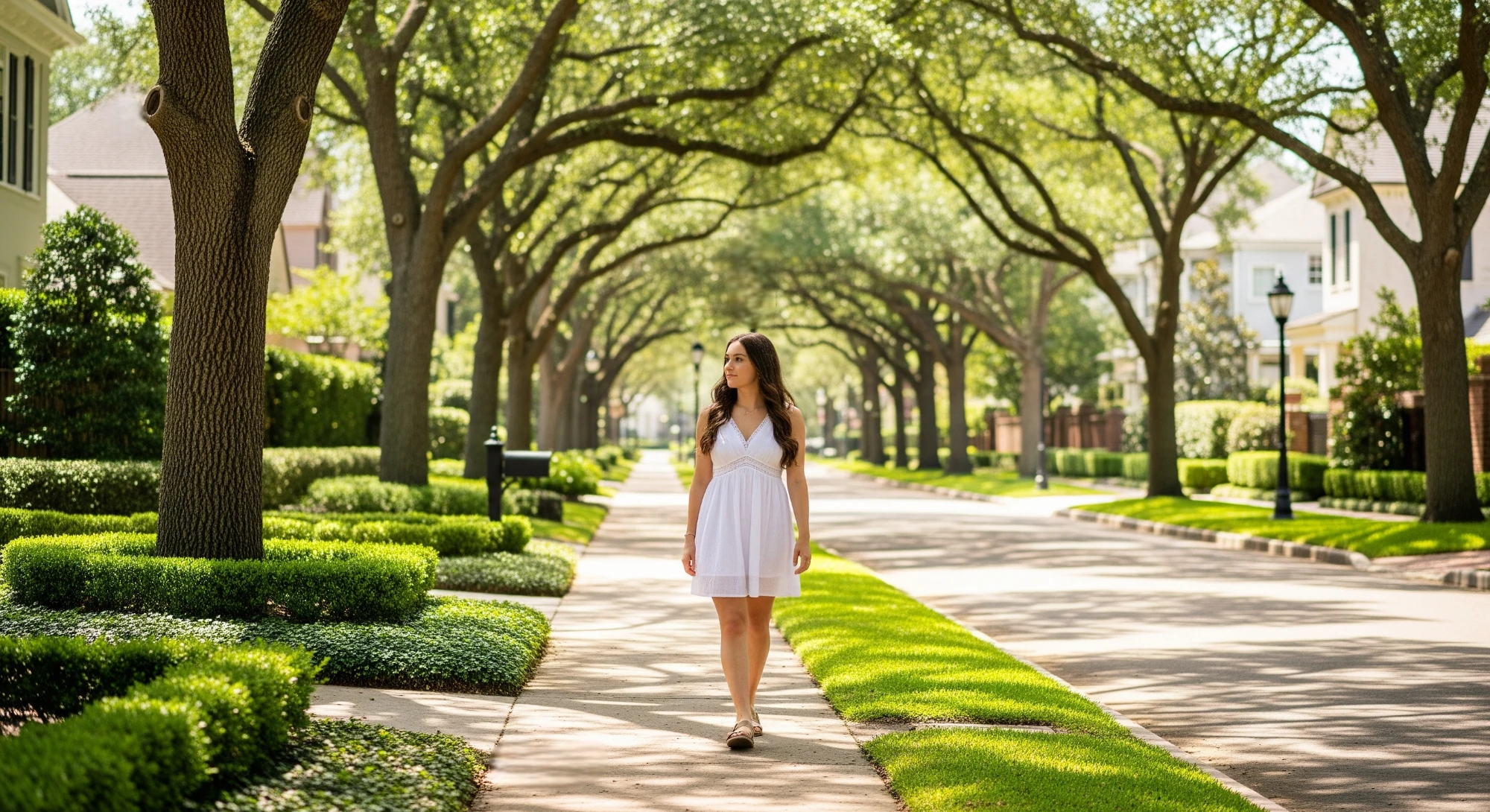
    West University Place is known for its tight-knit community. If you’ve got kids, this is the kind of neighborhood where you’ll actually feel good about them walking to school.

    The crime stats are very low for being in a major metro area, and that’s partly because of how involved residents are with neighborhood watch programs. People here actually pay attention to what’s going on around them.

    It’s super family-friendly and walkable, plus you get all the benefits of being close to Houston’s amenities and job opportunities without having to deal with the constant noise and chaos of city living.

    The whole vibe is more like a small town that happens to be near a big city, which is really the best of both worlds for a lot of families.

    Trophy Club (Dallas-Fort Worth Area)

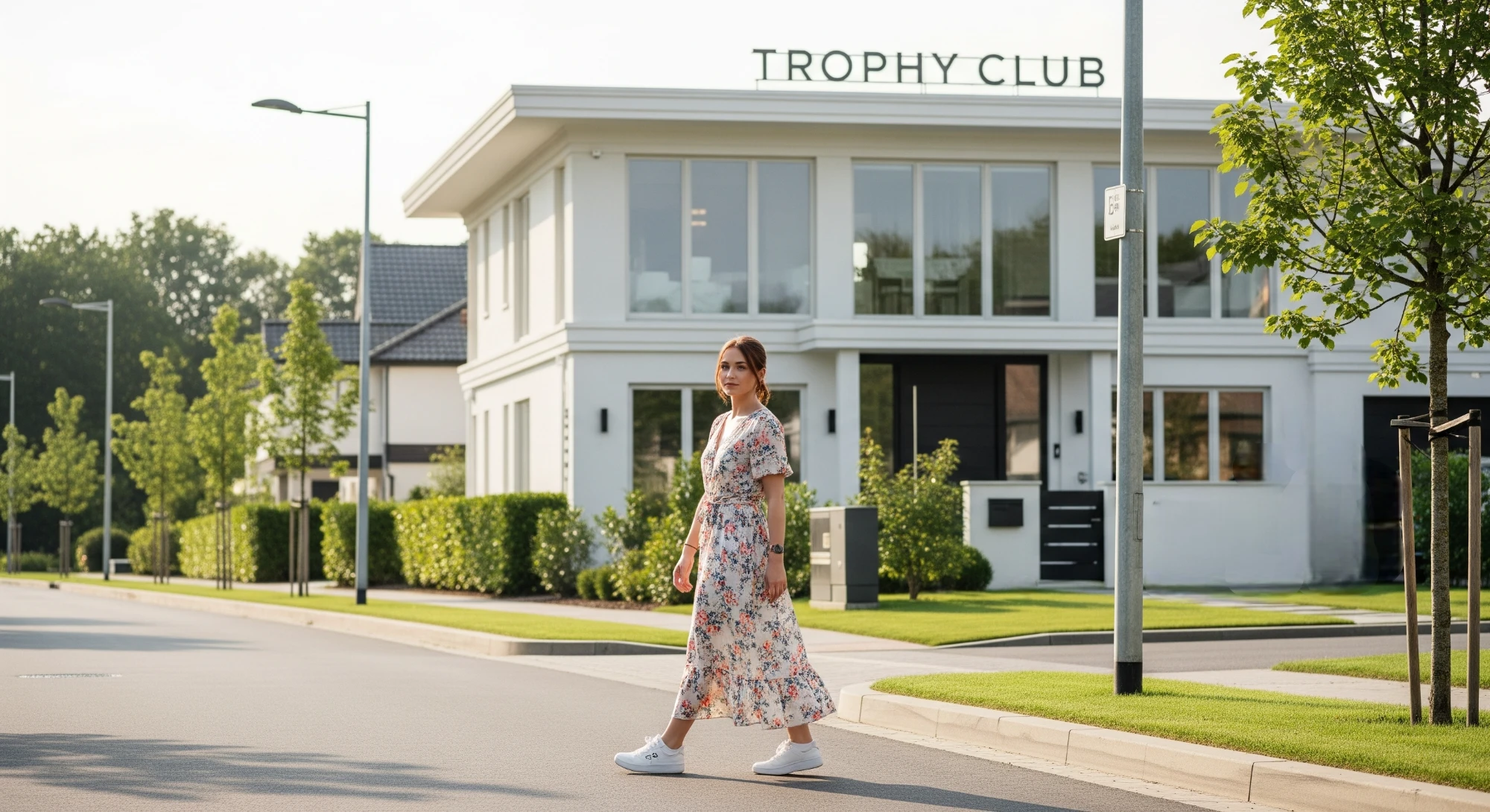
    Trophy Club is one of those master-planned communities that actually got it right. They have some of the lowest crime rates in all of North Texas, which is saying something in such a big metro area.

    Residents get top-rated schools, genuinely quiet streets where you can hear birds instead of traffic, and there’s always something going on with the community calendar if you want to get involved.

    It’s super popular with professionals who need to commute to Dallas or Fort Worth for work but want that suburban peace and quiet when they come home. The commute’s manageable, but home feels like a totally different world.

    The whole community was designed with families in mind, so everything from the parks to the shopping areas just makes sense for people with kids.

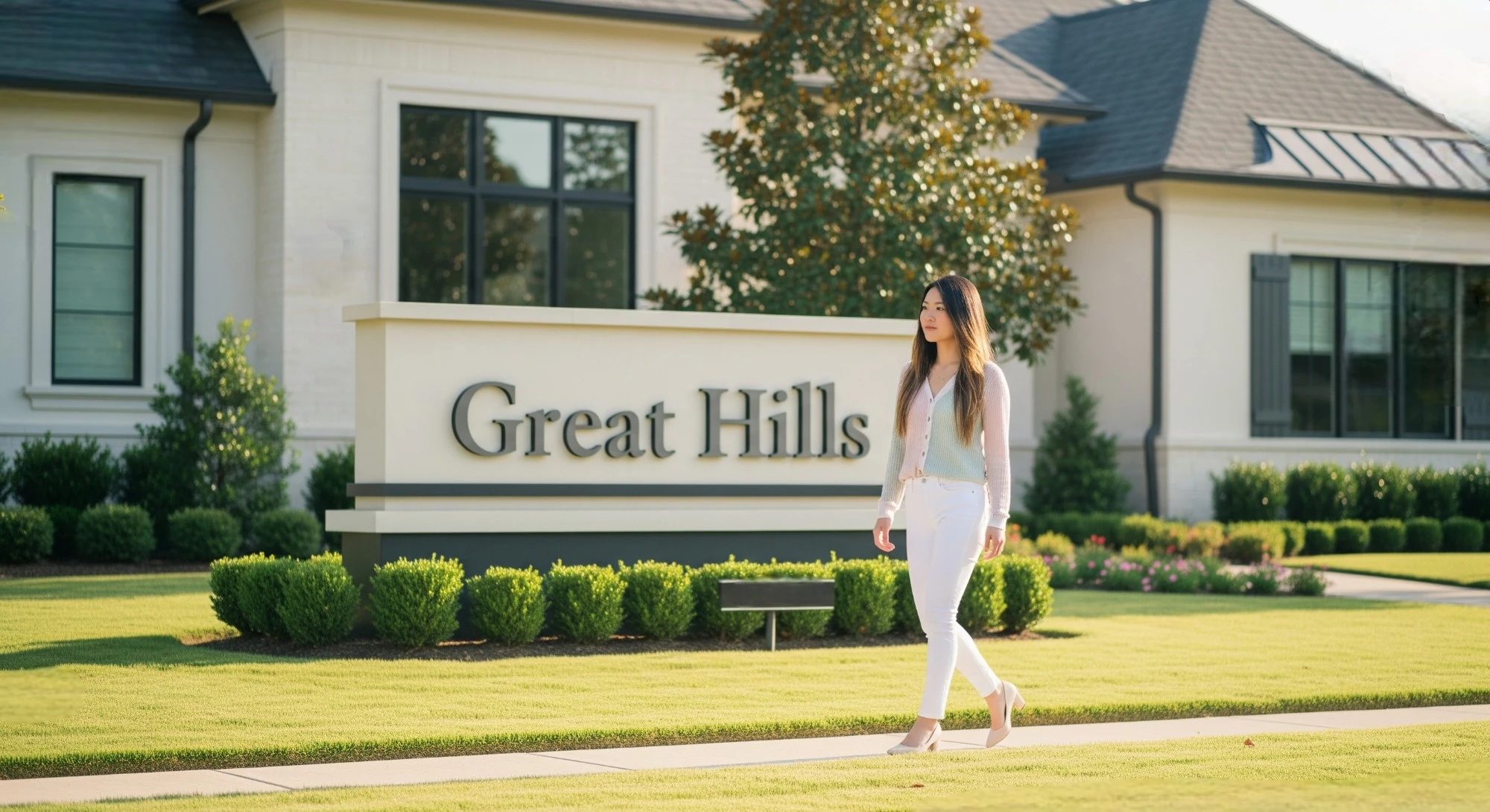
    Great Hills (Austin)

    Great Hills is definitely on the upscale side, but it’s also peaceful with really well-maintained parks and strong HOA support that actually helps, rather than nagging you about grass height.

    It’s a favorite among families and professionals who want safety without giving up easy access to Austin. It’s only a 20-minute drive to downtown but your neighborhood feels totally separate from city craziness.

    The violent crime rates are low and people take pride in keeping their properties looking good, which helps keep home values high and attracts the kind of neighbors you actually want.

    Austin’s job market is also booming, so you get career opportunities without sacrificing a safe, quiet home life.

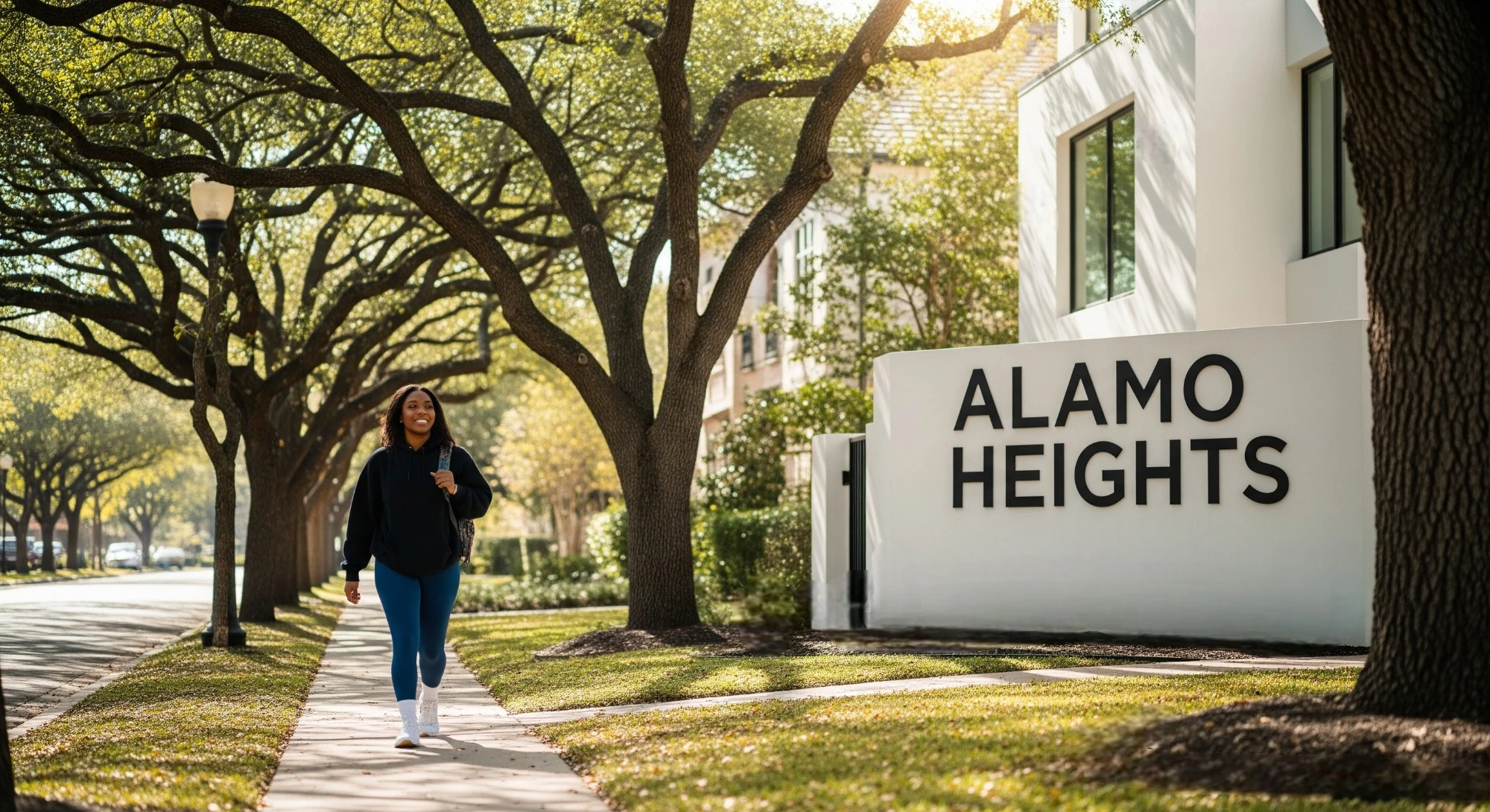
    Alamo Heights (San Antonio)

    Alamo Heights has this historic and charming feel with a police department that’s actually well-staffed and residents who are genuinely engaged in keeping their community safe.

    The schools are excellent and there’s this strong sense of civic pride that shows up in how people take care of their properties and look out for each other. It’s not just about individual safety – it’s about community safety.

    You get this nice mix of walkability and suburban quiet, plus you’re really close to downtown San Antonio when you want restaurants, entertainment, or cultural stuff.

    The area feels well-established, where families have been living there for generations, which creates stability and that small-town atmosphere even though you’re in a major city.

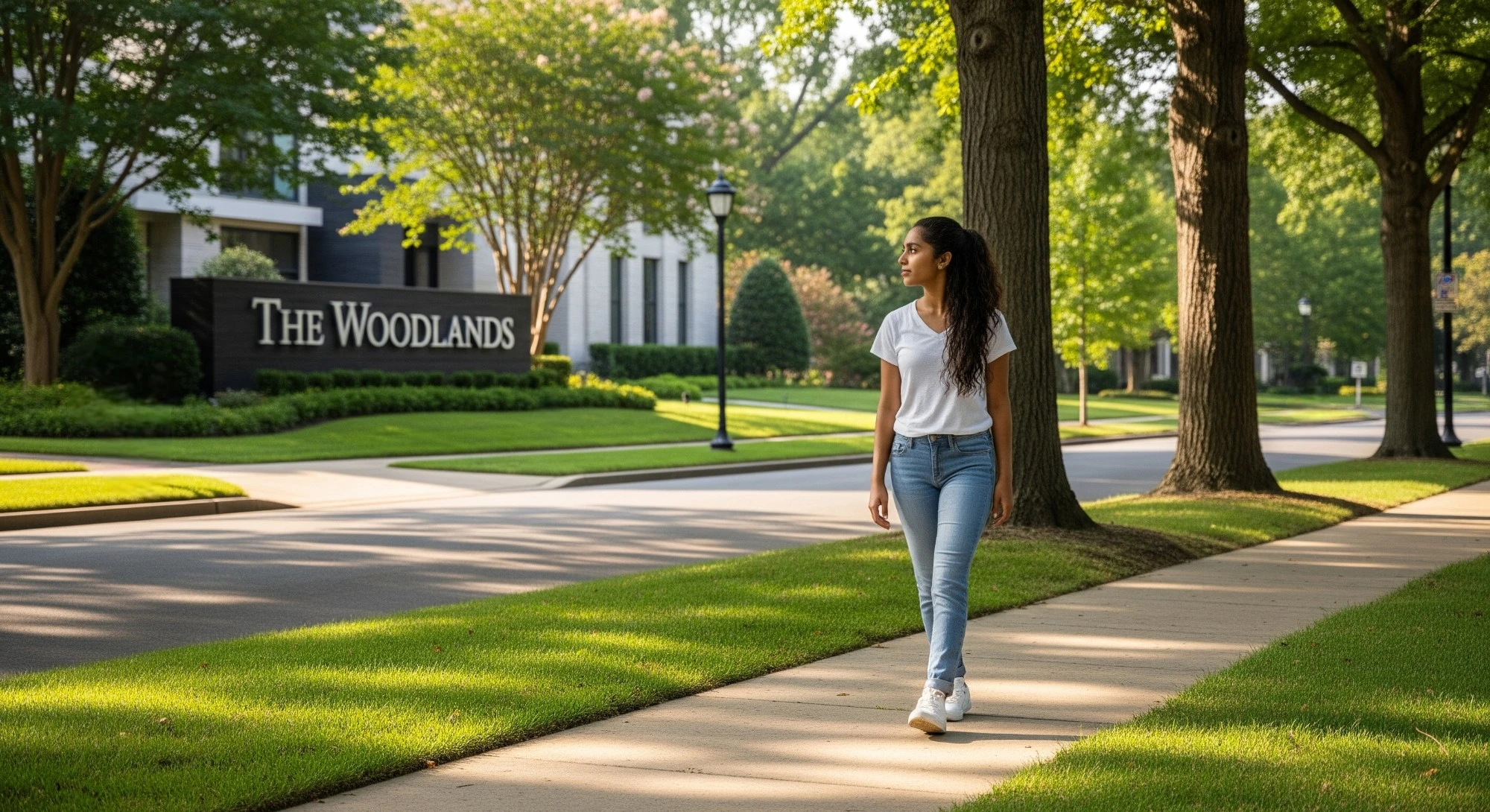
    The Woodlands (North of Houston)

    The Woodlands is like a model of what master-planned living should be. They have private security, tons of parks, and popular community events.

    Crime stays low because of active community policing, neighbors who actually know each other and pay attention to what’s happening around them.

    It’s ideal for families, retirees, or truthfully anyone who wants that resort-style peace without having to actually live at a resort. Everything’s designed to be beautiful and functional.

    The planning really shows – you can walk or bike to most things you need, there are green spaces everywhere, and it genuinely feels like a place designed for people to live well.

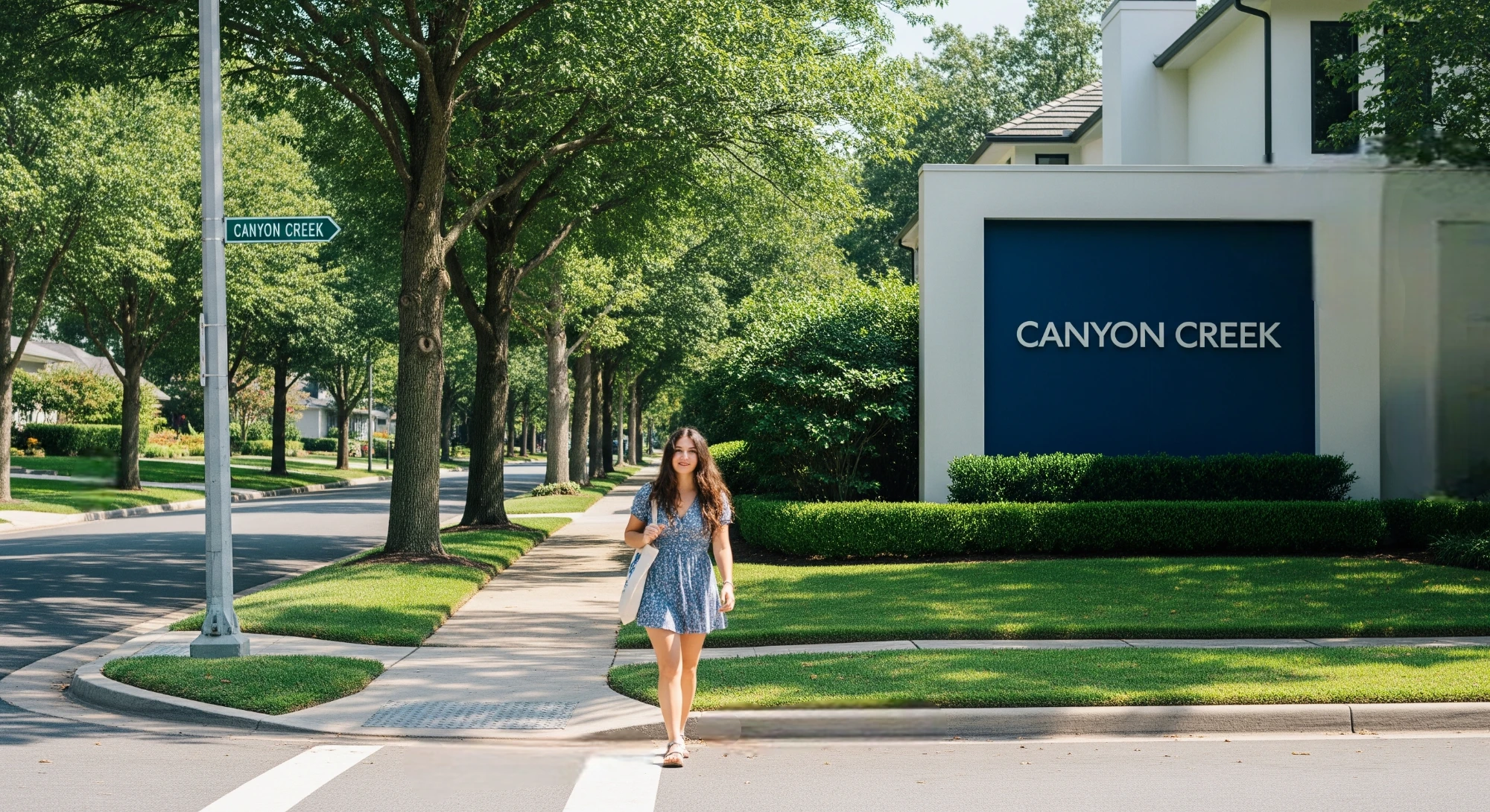
    Canyon Creek (Richardson/Plano Area)

    Canyon Creek sits right between some of the best school districts in Texas and major tech job hubs, so you get great education and career opportunities in one package.

    Crime’s rarely an issue here. The homes have character, and the family-friendly amenities actually get used.

    It’s become really popular because of this balance of affordability, safety, and access to Dallas. You’re not paying premium prices for safety – you’re getting it as part of a well-planned community.

    The tech corridor proximity means lots of educated professionals live here, which tends to create stable, engaged neighborhoods where people invest in the community long-term.

    Fort Worth’s Safer Pockets

    So, is Fort Worth, Texas, safe? Well, like any big city, it really depends on the neighborhood you’re talking about. Fort Worth as a whole isn’t unsafe, but some areas are definitely better than others.

    Areas like Tanglewood, Heritage, and the Overton Park area consistently rank high for both safety and school quality. These aren’t just safe – they’re places where families actually thrive.

    These communities offer a slower pace than downtown Fort Worth, regular community events that bring neighbors together, and visible policing that makes people feel secure without being intrusive.

    The key with Fort Worth is doing your research on specific neighborhoods instead of just looking at city-wide statistics, because there’s a huge variation between different areas.

    Conclusion

    Safety and community really do go hand in hand, and Texas offers plenty of both if you know where to look and do your homework before choosing a neighborhood.

    Whether you’re eyeing the suburbs around Houston or checking out some of the hidden gems around Fort Worth and Dallas, these neighborhoods prove that you can absolutely have peace of mind without giving up convenience, good schools, or that community charm that makes a place feel like home.

  • Forney’s Rapid Growth and the FM 548 Road Improvement Project

    Forney, Texas – Forney is experiencing significant growth in both housing and business development. More than 25,000 home lots are planned in the area, and the population is expected to exceed 100,000 within the next five years—making Forney an increasingly attractive destination for both residential and commercial developers. Nationally, it ranks among the fastest-growing cities, and when you visit, it’s easy to see why. From new neighborhoods to expanding roads, the city is undergoing a rapid transformation.

    Between July 2022 and July 2023, Forney recorded a population growth rate of 10.4%. By 2025, the population is projected to reach approximately 43,196, with the city currently growing at an annual rate of about 9.82%.

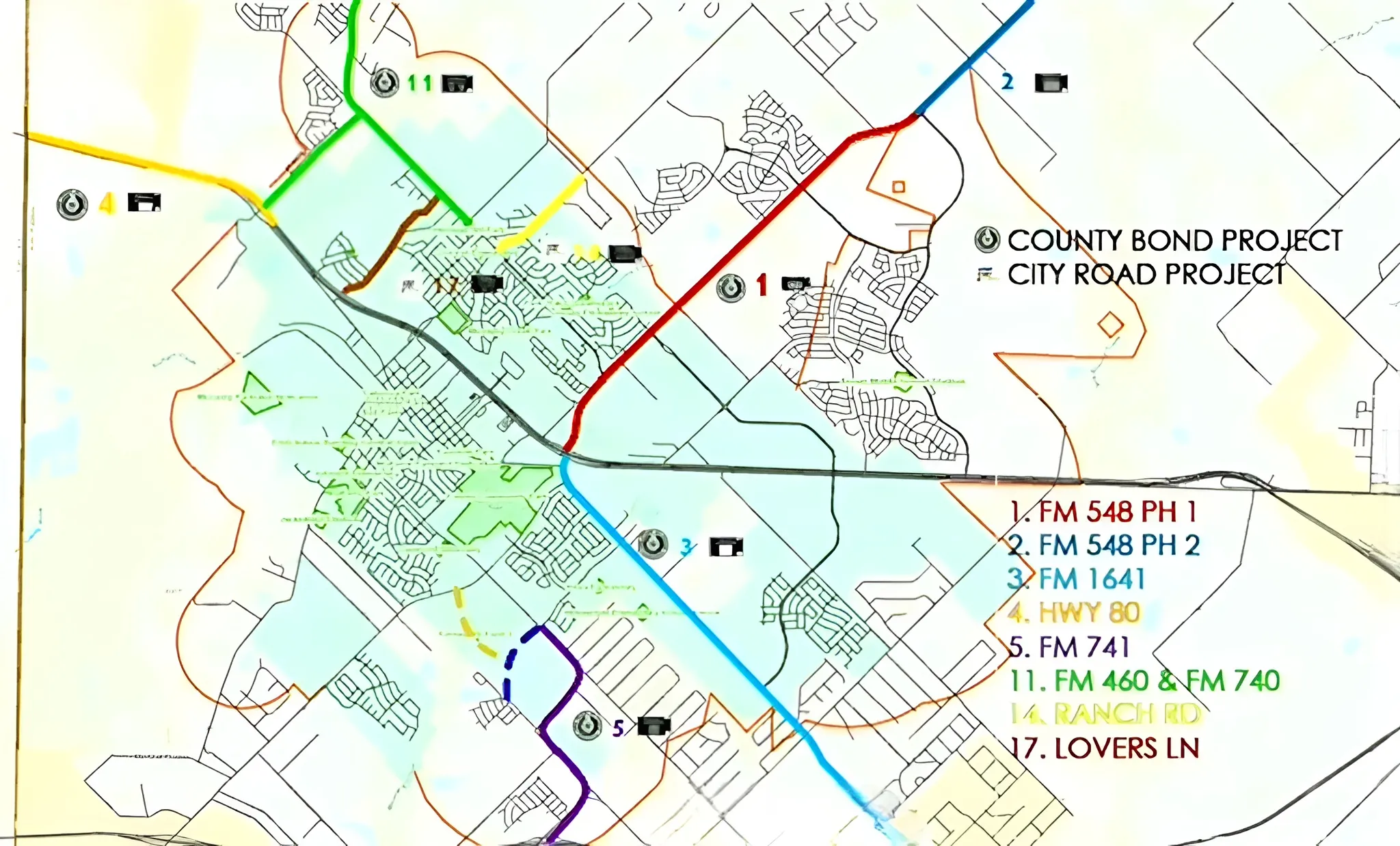
    As part of this growth, Granite Construction has been awarded a major infrastructure project by the Texas Department of Transportation (TxDOT). The scope of work includes reconstructing and widening FM 548—from a two-lane rural road into a six-lane urban thoroughfare—which will significantly improve traffic flow and safety for both residents and commuters. Construction is scheduled to begin in July 2025, with an anticipated completion date in March 2027.

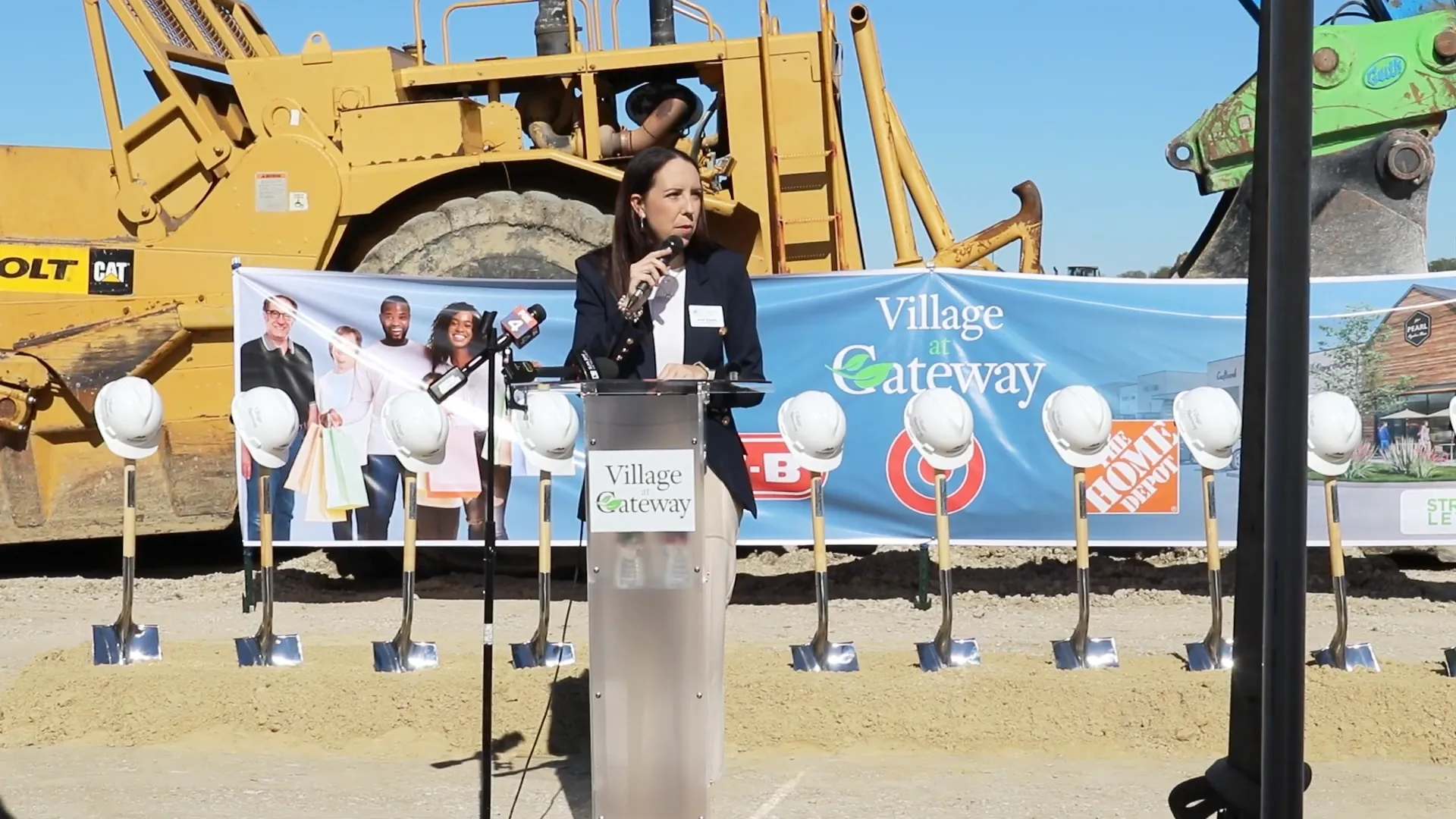
    Interestingly, The Village at Gateway, located in Forney, was recently awarded “Best Retail Development of the Year” by D CEO. The Village at Gateway has been an exciting development since its groundbreaking in 2020. It is a 120-acre residential and retail center that is planned to be a regional destination for shopping, services, and dining. With over 500,000 square feet of retail space, The Village at Gateway is already attracting interest from both residential and corporate tenants looking to expand their businesses in the area. The Village at Gateway is also partnering with major retailers such as Target, Home Depot, and H-E-B. The presence of these well-known brands is a strong indicator of growth in the surrounding area and adds to the appeal for residents seeking improved shopping options.

    One of the major projects currently underway is a community called Meraki, which will bring 2700 new homes by 2035. The development plan also includes a Forney ISD elementary school, a civic center, and a designated commercial area aimed at expanding the community’s infrastructure.

    Additionally, Tractor Supply Company—a retailer specializing in farm, ranch, and pet supplies—is planning to open a new 25,000 square foot store on FM 1641. Construction is expected to begin in May 2025 and be completed by December 2025. This project underscores the significant growth potential in Forney’s retail sector.

    Residents frequently praise Forney’s quiet atmosphere, diversity, and community-oriented lifestyle. Parks such as Forney Community Park, equipped with splash pads, playgrounds, and baseball fields, enhance the city’s family-friendly reputation. Fitness enthusiasts frequent Texas Fitness, a local gym known as a community staple. Additionally, Planet Fitness is expected to open soon, further expanding local recreational offerings.

    However, Forney’s challenge with traffic congestion—particularly during peak commuting hours—has become a significant concern for residents. Without traffic, a trip from Forney to downtown Dallas typically takes around 35 minutes. Yet during rush hour, this commute can extend beyond an hour, highlighting infrastructure gaps that city leaders are actively working to address.

    The interconnectedness between Forney and its neighboring community, Heartland, a smaller town located immediately adjacent to the city, is notable. Residents of Heartland often rely on Forney for shopping and entertainment. Although stores like Target and Tom Thumb are planned to open closer to Heartland, residents currently face longer drives—typically around 10 minutes—to access essential amenities.

    Recently, Forney hosted a community event showcasing city machinery, including bulldozers, excavators, police vehicles, and fire trucks. This event allowed local children and families to engage directly with city workers and equipment, underscoring the city’s efforts to maintain a close-knit community atmosphere.

    Local dining options also reflect the community’s diversity and growth. Popular eateries include Dillas, known for specialty quesadillas; Mix It Up, a newer establishment gaining positive local reviews; and Pizza Milan, a favorite among pizza lovers in the area.

    For those considering relocation to the broader Dallas-Fort Worth (DFW) area but unsure if Forney matches their preferences, We suggests exploring other communities experiencing similar growth. Mansfield, Heath, Rockwall, Royse City, and Celina all offer appealing alternatives, each with unique characteristics and amenities. Rockwall and Heath, located near Lake Ray Hubbard, boast vibrant communities and scenic surroundings. Royse City, just outside Rockwall, similarly enjoys a boom in growth and infrastructure development.

    Ultimately, whether newcomers choose Forney or another thriving suburb, Dallas itself remains a compelling option for those seeking urban conveniences and cultural vibrancy. Dallas offers shopping, city life, culture—whatever you might need. It’s always a solid choice for those interested in those amenities.

    As Forney continues its trajectory of growth, residents and city planners alike face the ongoing challenge of balancing development with quality of life. With careful planning and community engagement, Forney aims to remain a welcoming, diverse, and thriving place to call home.

  • Living in an Unincorporated Area of the DFW: Pros, Cons, and What to Expect

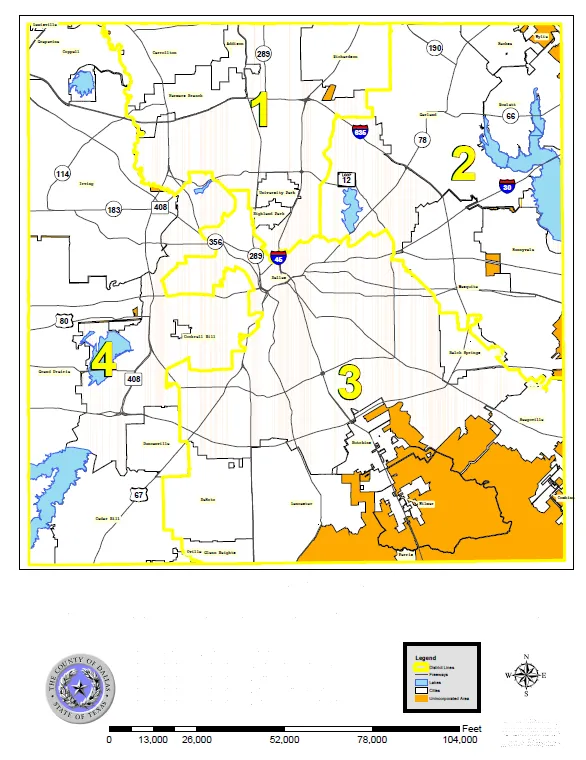
    Residing in an unincorporated area of the Dallas-Fort Worth metroplex means your community is managed by the county (such as Dallas, Tarrant, Collin, or Denton County) rather than a municipality, which comes with its pros and cons. Typically, this includes lower property taxes, greater zoning flexibility, less stringent building codes, and fewer city services such as police, fire, and trash collection. Understanding the differences between city and county governance in Texas is important before making your decision.

    Here’s what to know about living in an unincorporated part of DFW:

    • Governance & County Oversight: Unincorporated areas don’t fall under any city, with county governments (like Dallas County, Tarrant County, etc.) responsible for most services and regulations.
    • Services & Public Utilities: You may need to manage your own septic system, well, and waste disposal, which often require permits and regular upkeep. Law enforcement and fire protection are provided by the county, though response times and coverage may differ from what you’d get in a city.
    • Taxes & Property Costs: Property taxes are often lower than in incorporated cities, but you may also be required to pay fees to special districts that provide services like fire protection or water.
    • Zoning & Regulations: These areas typically have fewer zoning restrictions and more lenient building codes, giving you greater flexibility in land use and development. This might include allowances for different types of structures or uses.
    • Community Identity & Lifestyle: These communities often have a strong local feel, with their own traditions and social dynamics that reflect everyday life in a typical Texas county.

    Unincorporated areas are usually found in suburban or rural areas, though some are right next to city limits. In Texas, counties handle law enforcement and road maintenance in these areas. For more information on Dallas County responsibilities, check this out.