Tag: Dallas Housing Market

  • 6 New Upcoming Trends In The North American Real Estate Market

    The year 2025 is shaping up to be a pivotal year for the North American property sector. With innovations in building technology, demographic shifts, and global financial volatility, the North American property market is encountering new hurdles and prospects. Here are six key trends to watch for in North American real estate in 2025, complete with real-world examples from the Texas market, one of America’s fastest-growing regions.

    1. Artificial Intelligence (AI) in the Buying and Selling Process

    AI is making it easier to buy and sell property. It helps set fair prices, checks for fraud, creates contracts, and gives useful information about the market. With AI, buyers and sellers can make better decisions, and the whole process becomes faster and safer.

    AI technology also provides convenience for home buyers and sellers, starting with property recommendations that match the buyer’s needs, virtual assistants that are ready to help answer any questions if needed, and can even assist expert real estate agents with more targeted marketing strategies.

    Overall, AI streamlines every stage of buying and selling property, making the process faster, more precise, safer, and more efficient for everyone involved.

    2. Growing Demand for Climate-Resilient Homes and Green Renovations
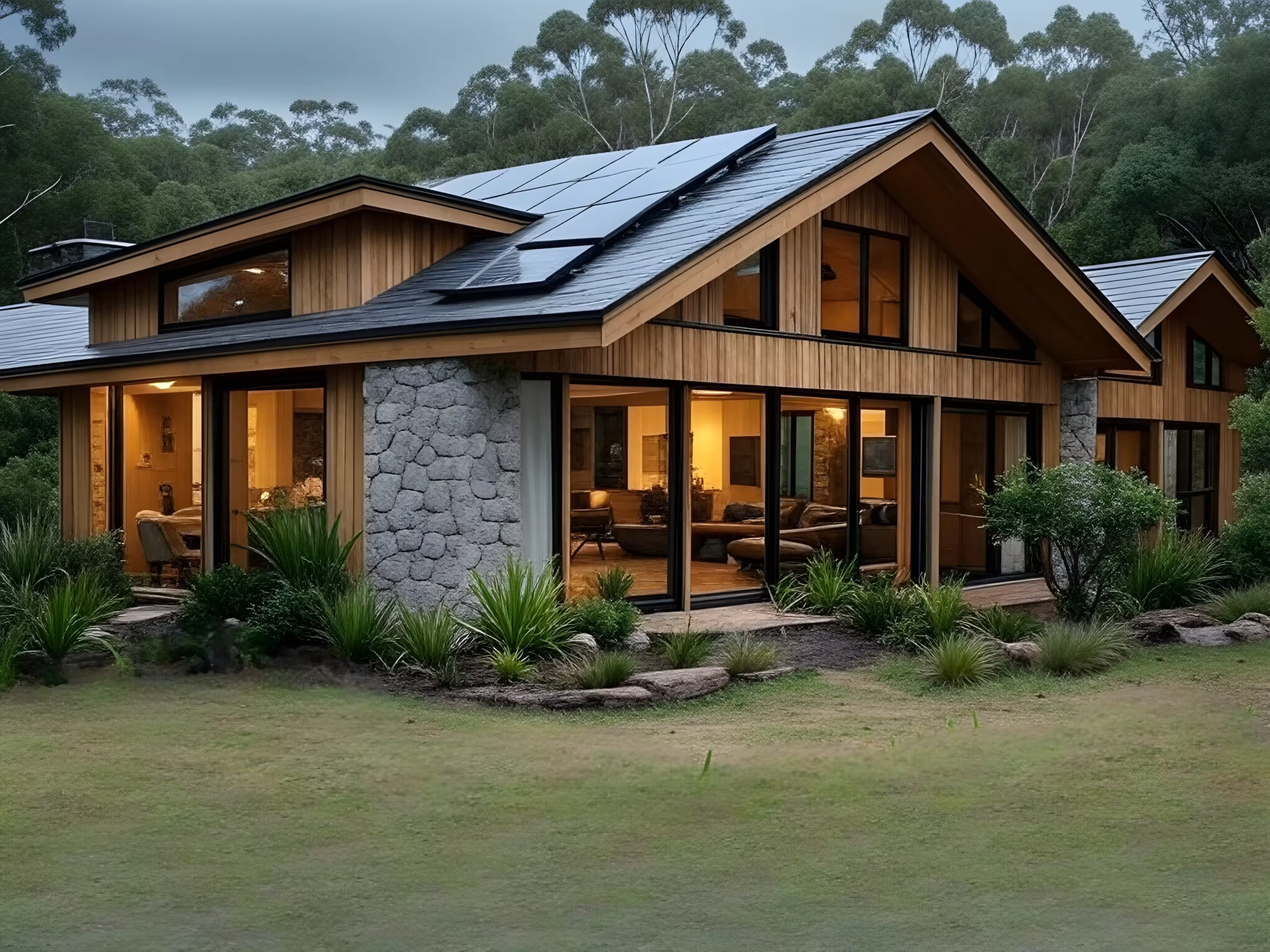
    The demand for sustainable and climate-resilient homes continues to grow. This is driven by greater awareness of climate change, government incentives, and tangible benefits such as lower energy costs. The most sought-after features include disaster-resistant materials, renewable energy systems, energy-efficient appliances, and ventilation designs that keep homes cool.

    Green homes like these are not only environmentally responsible, but also energy-efficient and comfortable to live in. When sold, they also have a higher resale value and can lower insurance and maintenance costs.

    3. Multigenerational Living and Flexible Space

    The trend of multigenerational living and flexible space is growing, especially given the high cost of housing, an aging population, and the desire to strengthen family relationships. Homes are now being designed with separate living areas, universal design features, and easily adaptable layouts—such as in-law suites, ADUs, or shared spaces that still allow for privacy.

    The benefits of this model include cost savings, support among family members, and flexibility in how space is used. However, there are still challenges, such as maintaining privacy, accommodating different lifestyles, or dealing with poor communication. These issues can often be addressed through thoughtful design, clear boundaries, and open communication among household members.

    4. Adapting to Market Changes and Affordability

    The growing challenge of finding affordable housing calls for the right approach. For instance, opting for a more modest home, exploring non-traditional housing solutions, or utilizing support from public and private programs. Understanding what pushes home prices higher—like interest rates, local incomes, the overall cost of living, and shifts in the market—can make a big difference.

    You could start by checking out emerging neighborhoods, seeing which government programs might help, or choosing a place that fits your budget. When you’re ready to buy, staying up to date on what’s happening locally can help you make a smarter, more confident decision—especially with fewer homes on the market and construction costs going up.

    5. The Impact of Interest Rates and Economic Conditions
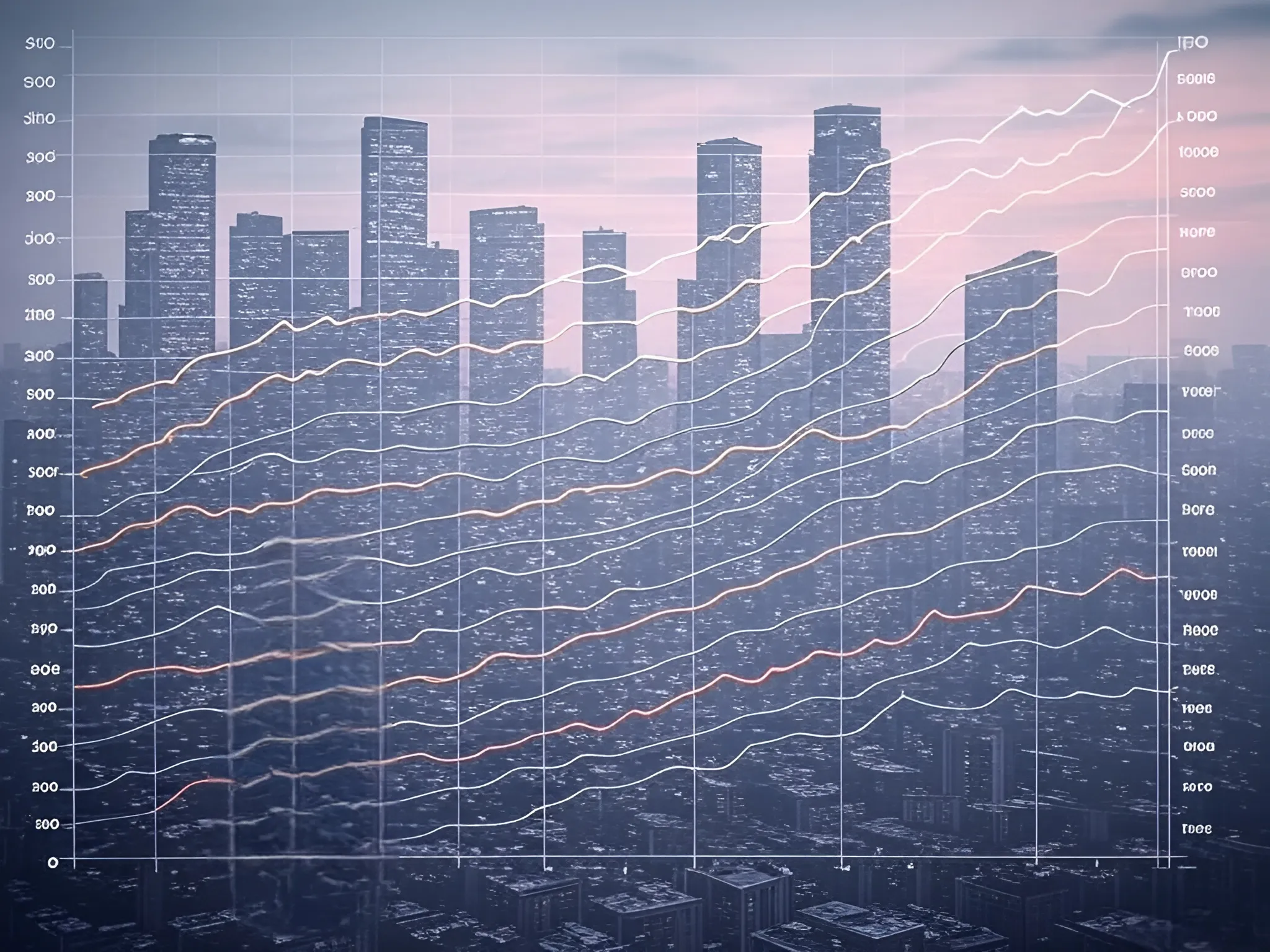
    Home prices and what buyers can afford are heavily influenced by changes in inflation and interest rates. In Texas, higher mortgage rates and climbing home insurance costs have made it tougher for many people to purchase a home, even though demand is still strong.

    That’s why it’s important to keep an eye on the economy and adjust your investment or home buying plans to match what’s happening in the market.

    6. Digital Transactions and Blockchain Technology

    From e-signatures on contracts to the use of blockchain for increased security and transparency, digital tools are revolutionizing the way real estate transactions get done. Although blockchain technology is still in its infancy in Texas, its potential to increase security and efficiency is setting the stage for future developments throughout North America.

    Key Takeaway

    In 2025, demographic shifts, technological advancements, and shifting economic conditions will all have a significant impact on North American real estate trends.

    Texas, as one of the nation’s fastest-growing markets, highlights the significance of affordability, population growth, and creative housing solutions. Real estate agents must embrace new technologies, adjust swiftly, and stay abreast of the changing demands of a wide range of renters and buyers in order to remain competitive.


  • Top Reasons to Protest Your Property Taxes in Dallas

    Source: istockphoto.com

    If you own property in Dallas, you may feel like your property tax bill is higher than it should be. Many homeowners take tax assessments for granted, but these assessments are often inaccurate. The good news is that you have the right to protest these tax assessments and could save yourself thousands of dollars.

    Protesting property taxes may seem complicated, but with the right approach, the process can be easier and more rewarding. This guide will explain why reviewing your tax assessment is important and the steps to successfully file a protest.

    What Is a Property Tax Protest?

    A property tax protest is the process of appealing the assessed value of your property set by your local assessment district. This assessed value determines how much property tax you pay each year. If the assessment is too high, your tax bill will go up. The goal of a protest is to ensure that your property is assessed fairly and accurately.

    Inaccuracies can occur due to errors in the assessment or improper comparisons to similar properties in your neighborhood. Many homeowners who file a protest are successful in getting their taxes reduced.

    Why You Should Protest Your Dallas Property Taxes Now

    Paying too much? Here’s why challenging your assessment could save you thousands

    1. Property Assessments Are Often Too High

    Assessment districts use a mass assessment method that isn’t always accurate. Factors like neighborhood sales trends or ignoring the specific conditions of your home can lead to an overvalued property. By filing a protest, you can ensure a fairer assessment and pay your true value in taxes.

    2. Reduce Your Tax Burden and Save Money

    Dallas property taxes can be a major burden, especially as property values continue to rise. By lowering your assessed value, you can reduce your tax bill. You can use the savings for home renovations, paying off debt, or building your savings. While you can’t change your tax rate, you can still play a role as a voter in determining your local budget.

    3. Ensure Transparency and Accountability

    Protesting your property taxes isn’t just about saving money. It also ensures a more transparent assessment system. By filing a protest, you force the assessment district to prove that their assessments are accurate. This makes the process fairer for all homeowners.

    4. Adapt to the Changing Real Estate Market

    Assessment districts are often slow to adjust assessed values. If property values drop or the market weakens, you can protest to make sure your taxes reflect actual market conditions.

    5. New Laws Could Impact Your Taxes

    Texas lawmakers are considering major changes to property taxes. This includes increasing the home tax exemption from $100,000 to $140,000 and reducing school district taxes. However, these policies won’t take effect for the 2024 tax bill. By filing a protest now, you can get savings sooner without having to wait for regulatory changes.

    What is the Dallas Property Tax Protest Process?

    A step-by-step guide to lowering your tax bill the right way.

    Step 1: File a Protest

    Submit your protest to the Dallas Central Appraisal District (DCAD) by May 15 or within 30 days of the date your assessment notice is printed, whichever is later. You can file your protest online, by mail, or in person at a DCAD office.

    Step 2: Gather Supporting Evidence

    To support your protest, prepare evidence that your property’s assessed value is too high. This might include photos of property damage, repair estimates, sales data of similar homes in your area, or an independent third-party appraisal to support your claim.

    Step 3: Attend an Informal Meeting

    Before the formal hearing, you will have the opportunity to meet with a representative from the appraisal district. Here, you can present your evidence and negotiate a reduction in the assessed value. If approved, your case may be closed at this point.

    Step 4: Attend a Hearing with the Appraisal Review Board (ARB)

    If you can’t reach an agreement at the informal meeting, you can take your case to the Appraisal Review Board (ARB). The board will review your evidence and make a final decision on the value of the property to be used for taxes.

    Step 5: Consider Professional Help

    While you can handle the protest on your own, using a professional like Gill, Denson & Company can increase your chances of success. With a data-driven approach and tailored strategies, they can make sure your case is as strong as possible.

    Why Hire Gill, Denson & Company?

    Protesting your property taxes can be time-consuming and complicated, especially when you’re trying to maximize your savings. That’s where Gill, Denson & Company comes in:

    • Proven Results – Over 80% of their clients are successful in obtaining tax relief in 2024.
    • Personalized Approach – Unlike mass appeal firms, they handle each property individually, developing a strategy specific to each case.
    • Results-Based Pricing – No tax reduction, no fees. You only pay if they save you on your taxes.
    • Local Expertise in Dallas – With years of experience and strong relationships with local assessment districts, their team understands the ins and outs of the Dallas property tax system.

    Client Success Stories

    Real savings from homeowners and businesses who took action.

    • Homeowner in Dallas saves $25,648, reducing tax burden by 13.39%.
    • Commercial property in Las Colinas gets a 19.78% reduction, resulting in a tax savings of $15,607.

    Gill, Denson & Company handles the entire process, from filing a protest to representing you at a hearing, so you don’t have to.

    Upcoming Changes in 2025 Property Tax Laws

    Texas lawmakers are proposing changes that could significantly alter property tax bills statewide:

    • Increased Homestead Exemption: The tax exemption would be increased from $100,000 to $140,000, providing significant relief for homeowners.
    • School Tax Rate Compression: School district tax rates would be further reduced to ease the financial burden on Texas taxpayers.

    While these changes are promising, they likely won’t take effect until after the 2025 protest season. Filing a protest now ensures you don’t miss out on potential savings while you wait for the rule changes to take effect.

    Exercise Your Legal Rights and Save More

    Protesting your Dallas property taxes isn’t just about saving money—it’s about making sure you’re being treated fairly. If your home is overvalued or your taxes no longer reflect market conditions, taking action can make a real difference. Not sure where to start? Gill, Denson & Company is here to help. They have extensive experience handling Dallas property taxes and have helped 80% of their clients save on taxes in the past year.

    Don’t let inaccurate property taxes weigh you down. Take action now and get started with your protest with Gill, Denson & Company today.

    About the author:

    Charles Denson is the Co-Founder of Gill, Denson & Company. He is a native Texan and has been involved in real estate for more than 10 years. While studying at the McCombs School of Business at the University of Texas at Austin, Charles began his real estate career in real estate accounting, followed soon after by multi-family sales and then progressed into owning commercial assets alongside partners and investors. Through extensive knowledge of commercial real estate, finance and hands-on operational experience, Charles launched Gill, Denson & Company alongside Richie and Morgan Gill to focus on a service that is critical to the prosperity of any real estate investment. As a tenured entrepreneur, Charles has challenged old ways of thinking in the property tax consulting industry, in order to do what he loves most: helping others. In his free time, Charles enjoys golfing, hunting and spending time on the beach with his wife and his golden doodle.

  • The Essential Checklist for Preparing Your Home for Sale in Dallas

    Welcome, future seller, to the ultimate strategy guide for staging and selling your Dallas home. Whether you are getting ready to sell a sprawling estate or a simple mobile home, you’ve got a goal: list, impress, and sell for top dollar. The challenge? Turning your lived-in space into an irresistible showpiece. But don’t worry. This checklist is designed to help you navigate the selling process with ease and confidence, transforming your space and maximizing value.

    Let’s dive in, level by level.

    Level 1: Declutter and Depersonalize – The Great Purge Begins

    Before you even think about painting walls or rearranging furniture, it’s time to declutter. Imagine you’re creating a blank canvas. Buyers want to envision their lives in your home, not be reminded of yours. So, remove personal items, clear countertops, and streamline every space.

    Start with the easy stuff: toss out or donate items you don’t need, pack up family photos, and clear off surfaces. Less is more here. The goal? Give every room a clean, spacious feel.

    Level 2: Make Necessary Repairs – Fix It or Lose It

    Think of Level 2 as the “damage control” phase. Buyers notice everything, from cracked tiles to dripping faucets. You may have learned to live with the quirks, but buyers will see them as extra costs. This is your chance to fix the little issues that could turn into big red flags.

    So, patch up holes, tighten handles, repair leaky faucets, and replace burnt-out bulbs. A well-maintained home reassures buyers they won’t be facing unexpected repair bills.

    Level 3: Deep Clean Every Corner – Sparkling or Nothing

    Cleaning is non-negotiable in the home-selling game. We’re talking about a top-to-bottom, every-nook-and-cranny kind of clean. Your goal here is to give every room a fresh, like-new feel, especially high-traffic areas like the kitchen and bathrooms.

    Hire professionals if you can. Clean the carpets, wipe down baseboards, scrub the grout. A sparkling home is a show-stopper, and it sends a message to buyers: this place has been cared for. Don’t underestimate the power of a spotless space.

    Level 4: Amp Up the Curb Appeal – First Impressions Matter

    Buyers start forming opinions the second they pull up to your property. This is your chance to make a winning first impression. The front yard, walkway, and entryway need to look inviting and well-kept.

    Trim bushes, mow the lawn, plant some fresh flowers, and maybe add a new welcome mat or porch light. The goal here is simple: make buyers want to see what’s inside. A home with strong curb appeal sets a positive tone for the entire showing.

    Level 5: Stage Strategically – It’s All About the Vibe

    Staging is where the magic happens. Here, your goal is to arrange furniture and décor in a way that maximizes space, enhances natural light, and creates an inviting atmosphere. This is about crafting a mood, a vision of the lifestyle buyers could have in your home.

    Keep it simple and modern. Use neutral colors, add fresh flowers or a few tasteful decorations, and let each room’s purpose be clear. The key? Don’t overwhelm with personal style. Instead, think clean, cohesive, and universally appealing. The perfect stage can take a home from nice to irresistible.

    Level 6: Set the Right Price – Strategic, Not Sentimental

    Pricing is a crucial factor in attracting buyers, and it requires a dose of objectivity. This isn’t about what you wish it would sell for, but what the Dallas market will bear. Do your research, look at recent sales in the neighborhood, and work with an experienced agent to land on a competitive price.

    Overpricing can drive buyers away, but underpricing risks leaving money on the table. Find the sweet spot to attract interest without underselling. Remember, the right price gets people through the door.

    Level 7: Market Like a Pro – Beyond the Basics

    It’s not enough to list your home and call it a day. In today’s market, you need a marketing strategy. High-quality photos, virtual tours, open houses—buyers expect it all. Work with your agent to create an attractive listing that showcases your home’s best features.

    Consider a professional photographer to capture your home in its best light, and think about social media posts and online ads to reach a broader audience. The more people see it, the faster it’ll sell.

    Final Thoughts: The Path to Selling Success

    Selling your home isn’t just about sticking a sign in the yard and hoping for the best. It’s a strategic process, and each level builds on the last. Declutter, repair, clean, stage, and market your space until it’s an irresistible opportunity buyers can’t wait to snag.

    Stick to this checklist, level up each phase, and watch as your Dallas home transforms from “for sale” to “sold.” Good luck, future seller. You’ve got this.

  • Local Insights into the Dallas Housing Market Trends

    Source: unsplash.com

    The real estate market is one of the fastest-growing industries in Dallas over the last ten years. This has been as a result of its favorable economy which offers various employment opportunities and most importantly it has continued to experience an increase in population. Nevertheless one must take into account the prevailing trends of the locality before deciding whether to put their houses on sell or make additional investments into property. This is because such investments may cost a lot and there is no way that everything can be done correctly without complete information.

    Home values in Dallas have soared due to reasons like upsurge of demand, rapid growth rate & inadequacy of housing amenities for the increasing population!. By 2024, it will be difficult for potential buyers to purchase a standard family home priced at $400,000 because most people will take out loans whose interest rates are too high while prices rise higher than before thereby posing a challenge even among low income groups that would wish they had many options available). Many individuals find it hard to buy homes under certain circumstances e. g. being low-income earners but other have more than enough money for new investments aside from what they earn daily.

    There have been numerous changes in what buyers prefer over time, particularly following the advent of COVID-19 which saw a shift towards increased remote work options available globally. Currently buyers are interested in spacious properties situated near natural environment with possibility of leaving room free however providing enough space at home remains problem! As a result there is increased demand for larger homes in outlying neighborhoods and less so downtown areas!. Those who are still young or singles and love city facilities would prefer staying at the center while families see better sense in living at surrounding suburbs where they can get larger houses at cheaper costs & still invest back maximally!.

    They are still one of the most sought-after types of property in this neighborhood since proximity to downtown attracts other potential buyers for such affordable housing options. Some home owners might be willing to sell fast at a profit, but knowing that so many buyers come into the market every day, they have had a number of options who make their deals close quickly and conveniently without going through all the stressful processes that are normally associated with selling real estate properties nowadays, like Sale My House Fast Dallas.

    Supply constraints and a lack of inventory in Dallas are a major issue as small numbers of available houses add to the rises in price. In as much as high populations have grown, the building sector still struggles to meet all the housing needs, something that generates a housing crunch that leads to cutthroat competition among buyers.

    As viewed in a broader sense, the state of the economy will go a long way in determining what the housing market in Dallas would be shaped like, with other variables such as interest rates and inflation adding to job creation. The hugely developing economy in Dallas may be named as one of those key reasons that brought about a boom in the real estate sector, as the city is a home for major sectors such as technology, health care, and business.

    However, higher prime rates are starting to alleviate this condition somewhat, as higher costs of mortgages mean higher costs of credit that result in a decrease in demand for houses by mortgage-seeking buyers, slowing down property prices. Inflation also factored in house affordability as wages did not rise at the same rate as cost of living and homeownership costs. Still, in light of this fact, Dallas remains one of the more affordable cities for most Americans with high levels of in-migration.

    The investment in the Dallas market ranges from short-term leases to long-term rentals, since short-term lease accommodation or long-term rental property has proved to yield good returns on account of increased demand for rented accommodation. Investors also flip-off, where they buy rundown houses, rehabilitate and sell them, which is now different since there of available houses to buy off the shelf at lower costs given rise in property prices. However, Dallas remains a good real estate investment destination for prudent buyers.