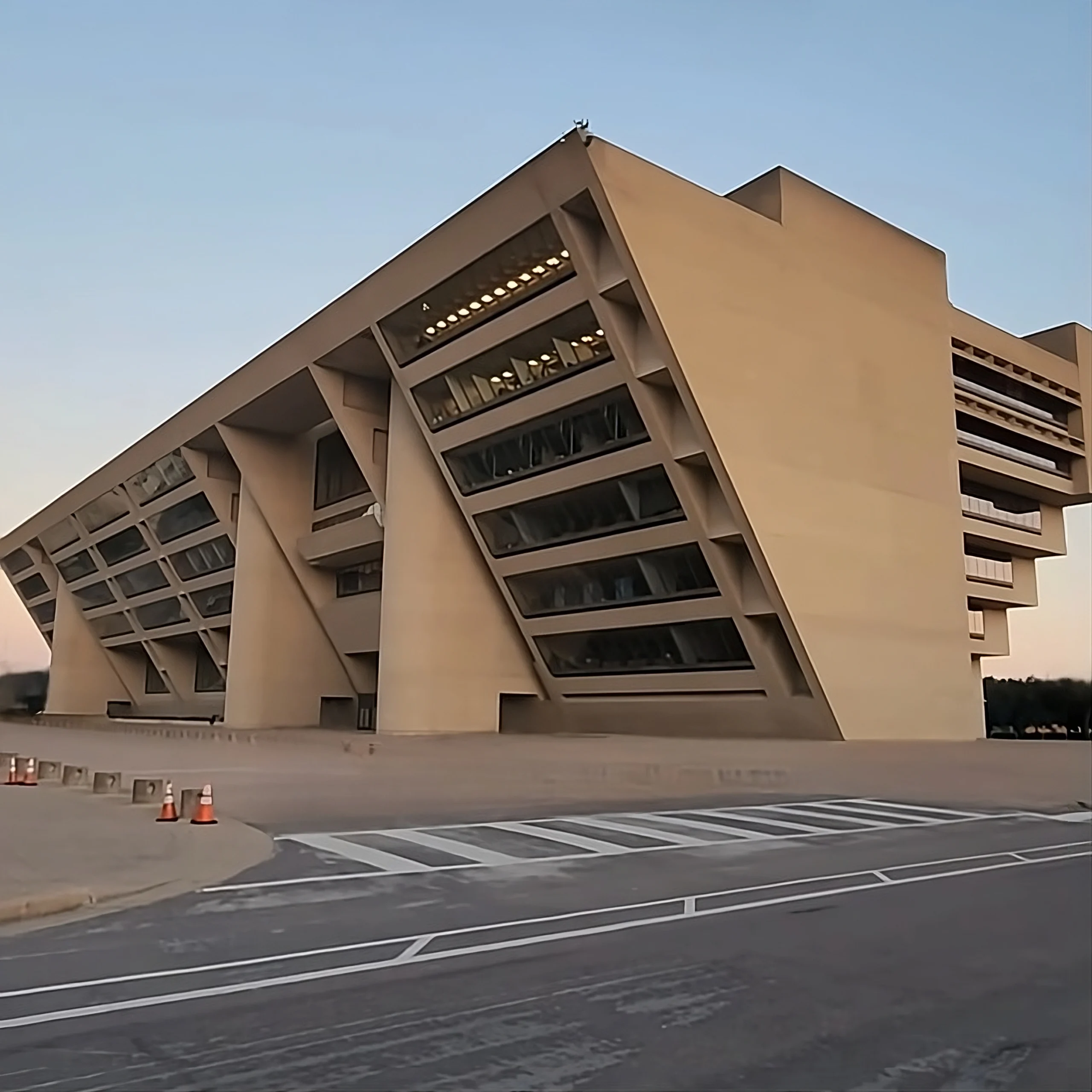
Tag: Dallas City Hall

  • Trouble Inside Dallas City Hall: Elevator Fails, Flooded Floors, and a $15 Million Gap

    DALLAS, TX — A faulty restroom valve that flooded Dallas City Hall and a malfunctioning elevator that trapped a councilmember have reignited scrutiny over the city’s aging public infrastructure and the chronic underfunding driving its decline.

    The City of Dallas oversees more than 500 municipal buildings valued at $1.5 billion, many of them aging and poorly maintained. The average age of these properties is 47 years. Yet the city allocates only $14 million annually for their upkeep, less than half the minimum $29 million industry benchmarks recommend for basic maintenance. The result is a growing backlog of repairs and an increasingly fragile set of public assets.

    That funding gap is now front and center in budget discussions. The proposed 2025–2026 budget maintains the $14 million maintenance allocation, leaving a $15 million annual gap. Officials warn that continued deferrals could lead to greater structural failures and higher long-term costs. Council members have urged the issue be prioritized in the next budget cycle, suggesting asset sales or bond funding as possible solutions.

    Still, the issue may run deeper than funding alone. Dallas hasn’t conducted a full facility condition assessment since 2017, and even then, just 220 of more than 500 buildings were evaluated. With incomplete data, the city relies on a reactive model, fixing what breaks instead of planning ahead. That approach has proven more expensive and less safe.

    The consequences are increasingly visible. In one recent incident, a faulty flush valve in a sixth-floor restroom caused water to flood several floors, including the Council Chambers. Repairs are ongoing, and some meetings have been relocated. In August 2024, Councilmember Gay Donnell Willis was stuck inside a City Hall elevator for nearly an hour before firefighters pried the doors open. She later called for a formal review of the building’s elevator maintenance.

    “These are symptoms of years of deferred maintenance,” said Councilwoman Cara Mendelsohn, who described the city’s investment in facilities as “absolutely disgraceful.”

    The city is facing broader financial challenges. A projected $6.5 million shortfall in the next fiscal year, driven by declining property tax revenue, will place further strain on already limited discretionary spending.

    Despite these pressures, Dallas is moving forward with other infrastructure investments. The City Council has approved $129.5 million for streets, sidewalks, and alley improvements for the 2024–2025 fiscal year, targeting 710 lane miles. The broader $5 billion city budget includes the largest public safety investment in over a decade, a $78 million increase that will fund 250 new police recruits and 63 firefighters. It also delivers a modest property tax cut and retains funding for libraries, homelessness initiatives, and park maintenance.

    And while residents may soon benefit from smoother roads and public safety, the condition of the buildings that support city governance remains in limbo. The gap between investment and reality at City Hall has become more than an inconvenience. It’s now a symbol of the city’s budgeting blind spots.

    Without a shift in long-term strategy, Dallas risks paying a much higher price down the road for both repairs and credibility.
  • Jury to Decide Fate of $200 Million Pepper Square Redevelopment Amid Neighborhood Legal Battle

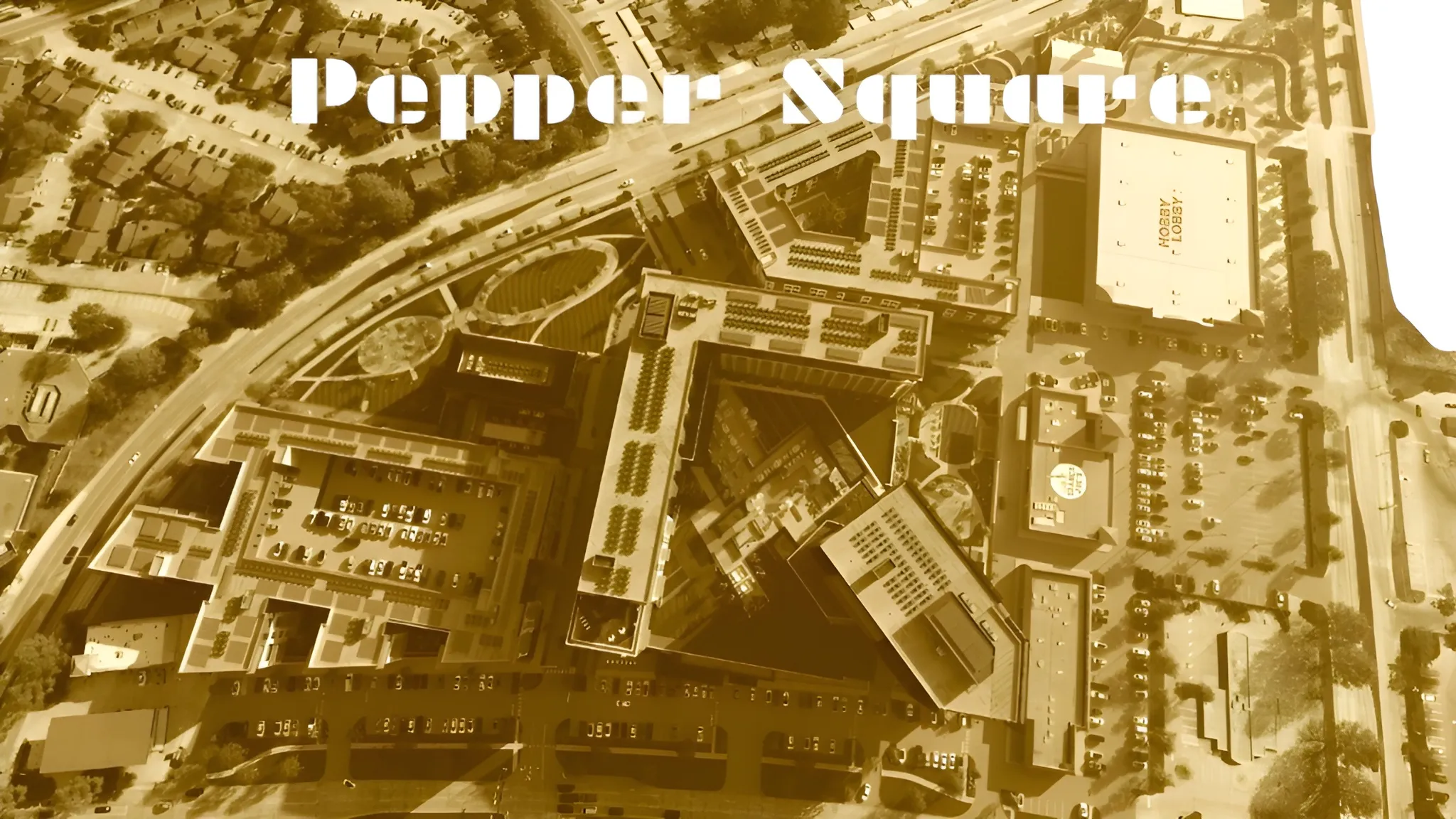
    DALLAS — A high-stakes legal showdown is set for October as a North Dallas neighborhood association takes its fight against the $200 million Pepper Square redevelopment to a jury, marking a pivotal moment in a long-running dispute over the future of the 15.5-acre site at Preston and Belt Line Roads.

    On Friday, Judge Martin Hoffman of the 68th District Court scheduled a jury trial for October 6, granting the Save Pepper Square Neighborhood Association its day in court to challenge the city’s approval of the controversial rezoning. At the heart of the lawsuit: allegations of “illegal spot zoning” and accusations that Dallas city officials are disregarding their own comprehensive land use plans.

    “We’re very happy,” said Matt Bach, who leads the neighborhood association. “I think we’ve always had a strong argument, and the case had its merits, but you never know what the judge is going to think. Now, a jury of our peers will have the chance to weigh in.”

    The legal wrangling has put the brakes on Henry S. Miller Co.’s ambitious plans to transform the aging strip center into a mixed-use hub featuring nearly 900 apartments and at least 35,000 square feet of retail. While supporters tout the project as a much-needed revitalization for a dated commercial corner, neighbors have repeatedly voiced concerns about density, traffic, and the erosion of their suburban character.

    Despite the Dallas City Council’s vote in March to rezone the property, the neighborhood association swiftly mobilized—raising more than $75,000 to bankroll legal efforts and securing a temporary restraining order last month that halted any groundbreaking. The group contends that the rezoning constitutes “spot zoning,” a practice where a small parcel is singled out for a use inconsistent with the surrounding area, which is generally prohibited under Texas law.

    “It’s about the fact that what Henry S. Miller is trying to build does not fit with the character of our neighborhood,” Bach explained. “We’re not against development, but this is about following the rules and respecting the community.”

    Some community leaders, including former District 11 Councilman Lee Kleinman, have called for Pepper Square to be designated as a Planned Development District to ensure more robust community engagement and tailored zoning regulations.

    Under a tentative agreement approved by Judge Hoffman, the developer has agreed not to begin construction until after the October trial, while the neighborhood association has pledged not to seek further injunctions in the interim. Both sides say the arrangement is reasonable, if only a temporary truce.

    “We think there is a case for spot zoning, and the court allowing this trial is going to let us prove it—and let a jury hear it,” said Austin Smith, lead attorney for the association and a partner at Steckler Wayne & Love PLLC. “We’re preparing for trial and confident in our position.”

    For now, the fate of Pepper Square hangs in the balance. As legal teams prepare for a fall courtroom battle, the case has become a flashpoint in Dallas’ ongoing debate over growth, zoning, and neighborhood preservation.

    “We’re confident a jury will see this for what it is,” Bach said. “This is about more than just one project—it’s about the future of our community.”