Tag: Dallas Buyers

  • Are Mortgage Rates Really Falling in 2026? What Dallas Buyers Should Know Before Waiting

    Dallas-Fort Worth is one of the fastest-growing housing markets in the country, yet thousands of would-be buyers here are sitting on the sidelines. Buyers are watching the market for clues, checking rate trackers multiple times a day, and await the moment when rates drop back down to a level they can manage. 

    However, according to a recent Clever Real Estate Survey, about 42% of potential homebuyers expect mortgage rates to fall below 5% in 2026. This is not a realistic expectation based on current forecasts. The gap between buyers’ expectations and expert predictions could end up costing you money.

    We’ll break down what mortgage rates are projected to do throughout 2026, how this will affect your buying power in the Dallas area, and where to find some current opportunities.

    What the Experts Actually Forecast

    Major forecasting companies agree that mortgage rates won’t drop to the levels suggested by the 5% headline. Instead, 30-year fixed mortgage rates will continue to range between roughly 5.99% and 6.3% in 2026.

    Morgan Stanley believes rates won’t get as low as some other forecasting organizations expect. Still, the firm has moderate optimism, forecasting 30-year fixed mortgage rates averaging between 5.5% and 5.75%. Morgan Stanley also believes any drop will only be temporary compared to an overall upward trend in the latter part of 2026 and into 2027.

    Some policy discussions state that Fannie Mae and Freddie Mac may implement a $200 billion mortgage-backed securities purchasing program. Some analysts predict this will only drop rates by 10 to 15 basis points. For context, a basis point is one-hundredth of a percentage point. A 10-point reduction on a $400,000 mortgage saves about $25 a month, which isn’t enough to move the needle on affordability.

    The bottom line is that no credible forecasters expect a return to 5% mortgage rates in 2026, and any minor dips will likely provide less relief than buyers are hoping for.

    Why Buyers Keep Getting It Wrong: The Fed Misconception

    One of the most persistent misunderstandings in housing right now is the belief that when the Federal Reserve cuts interest rates, mortgage rates fall in lockstep. They do not. 

    According to the U.S. News, 30-year fixed mortgage rates track the 10-year Treasury yield, not the federal funds rate. The Clever survey found that only 9% of consumers correctly attributed rate-setting to the Fed. The majority blamed either inflation (29%) or the current administration (27%).

    Think of it this way: the Fed controls the overnight lending speed limit for banks borrowing from each other. Mortgage rates are set on a different, longer highway: one that responds to bond market demand, inflation expectations, and investor sentiment about long-term economic stability.

    This distinction matters because buyers who are waiting for Fed rate cuts to automatically unlock better mortgage terms may be waiting for the wrong signal entirely. Even meaningful Fed action does not guarantee proportional relief on 30-year fixed rates.

    The bottom line: understanding what actually drives mortgage rates helps you make smarter decisions rather than reactive ones.

    The Real Math: What a Half-Point Rate Change Does to Your Payment

    Here is what rate differences look like on a representative Dallas-area home priced at $400,000, with 20% down on a 30-year fixed loan:

    Interest RateHome PriceDown Payment (20%)Monthly P+I
    6.50%$400,000$80,000$2,023
    6.00%$400,000$80,000$1,919
    5.75%$400,000$80,000$1,867

    Going from 6.5% to 5.75% saves you $156 per month, roughly $1,872 per year. That is real money. But here is the other side of that math: Fannie Mae, NAR, and Morgan Stanley all forecast home price appreciation of 2% to 3% in 2026. On a $400,000 home, 3% appreciation adds $12,000 to the purchase price. Even at a lower rate, you are paying more principal, and your monthly savings from the rate drop get swallowed by a higher loan balance.

    U.S. News data reinforces this dynamic: home prices have appreciated roughly 16% since early 2022, even as rates climbed. Buyers who waited for lower rates during that period did not avoid price increases; they just paid more when they eventually bought.

    Waiting for a half-point rate improvement is a reasonable goal. Waiting indefinitely while prices keep rising is a strategy that can cost you more than the rate savings are worth.

    The Dallas Opportunity Most Buyers Are Overlooking: Builder Rate Buydowns

    Here is something the national headlines are not telling DFW buyers. Major homebuilders across the Dallas suburbs are actively offering rate buydowns on new construction, and the numbers are significant.

    A rate buydown is when a builder pays upfront to permanently or temporarily reduce your interest rate. Right now, builders in Frisco, Prosper, Celina, McKinney, Fate, and Mansfield are offering buydowns of 100 to 200 basis points, meaning one to two full percentage points off your rate. At a market rate of 6.25%, a 200-basis-point buydown brings you to 4.25%. No forecast from any major institution projects open-market rates reaching that level in 2026.

    The contrast with waiting is striking. A buyer who sits on the sidelines for six months might capture a 0.25% organic rate improvement if forecasts hold. A buyer who negotiates a 1.5% builder buydown today is already three times ahead on rate, and they are buying before any spring price increases.

    Builder concessions exist because builders need to move inventory. When that inventory tightens, as it tends to do when spring buying activity picks up, the leverage shifts. Analysts watching the DFW market suggest that the window could narrow as 2026 progresses.

    The opportunity is real, and it is local. It just requires knowing where to look.

    Should You Buy Now or Wait? A Framework for Dallas Buyers

    Every buyer has a different answer to the question of when to buy. We have set out a framework based on your own circumstances.

    You are likely to want to move forward if you:  

    • have already found your ideal home or community
    • are being offered a builder incentive to purchase
    • plan on living in your new home for five or more years
    • can refinance if interest rates drop 

    The market is also expected to continue appreciating in value, so time will be against you on the price you’re going to pay for your home while waiting for interest rates to decline.

    You may prefer to wait if: 

    • Your financial situation is not ready (e.g., credit score, down payment, or debt ratios). You have flexible timing and location. 
    • You are monitoring the resale market in relation to size (which may create additional better opportunities if you wait).

    It’s important to note that many buyers who have purchased a home with a 7% or greater mortgage rate in 2022 or 2023 are now refinancing at a 5%-plus rate. Buying a home at 6% today with a planned refinance in 18 months at 5.5% is a sound strategy; it does not mean you are compromising on quality. 

    In addition, the equity build-up between now and the refinance date will likely exceed the costs incurred by waiting.

    Stop Waiting for Perfect Rates. Start Looking for the Right Deal.

    The buyers likely to do well in Dallas in 2026 are not the people who correctly timed the market; they are those who recognized the tools at their disposal: builder buydowns, negotiating leverage, and price appreciation vs. rate savings analysis.

    Many experts agree that when the numbers work for you now, you have a compelling reason to move forward. Stop optimizing for a headline rate and start optimizing for your total monthly payment and long-term equity position. Those figures are what will determine whether purchasing was a good decision.

    To determine what will work for your unique situation,consider speaking with a local DFW buyer’s agent or mortgage representative who can calculate your actual numbers against today’s market.

    About the Author

    Elena Novak leads estate agency research and analysis at PropertyChecker.com, where she digs into housing trends, tracks property data, and unpacks investment strategies for house flippers and beginner investors.

    With a background in flipping homes and a degree in Business and Estate Agency Development, she brings a practical, hands-on approach to market analysis

  • Simplify Your Move in NYC with Long-Term Storage for Home Buyers and Sellers

    Moving can be exciting and it can also feel overwhelming at the same time, and in a market like NYC, the details of buying or selling often add even more pressure. Figuring out what to do with furniture and boxes is usually the hardest part, especially with the tight spaces and fast timelines common in the city.

    Long‑term storage gives you a simple way to get those items out of the way so you can focus on closing, packing, and timelines. This guide explains how long‑term storage helps you stay organized and lowers stress from start to finish.

    What is Long-Term Storage?

    Long‑term storage means renting a unit for several months or longer to hold your furniture, boxes, and other belongings. People use it during moves, renovations, and big cleanouts, or just to free up space in a cramped apartment. Most facilities offer gated access, cameras, and climate‑controlled options so your things stay protected while you handle inspections, financing, and closing.

    Benefits of Long-Term Storage for Home Buyers

    Temporary Storage During the Home Search

    Many buyers have to move out before they find their next place. A storage unit gives you a spot for furniture and boxes so you can take your time and choose the right home instead of rushing a decision or selling things you still want.

    Storing Items During Renovations

    If you plan to renovate before move in, which is common when buying an older NYC apartment. A storage unit keeps furniture and boxes out of the work zone, which speeds up the job and helps protect your things from dust and damage. Clear hallways and rooms also make it easier for contractors to work, which is key for finishing on time and satisfying co-op or condo board rules.

    Declutter Before Moving In

    Moving is the perfect time to clear out what you do not need. Storage lets you set aside off season gear, heirlooms, or large pieces you are not ready to place yet so your new home starts clean and organized, and you can decide later whether to keep, donate, or sell.

    Benefits of Long-Term Storage for Home Sellers

    Stage Your Home for Sale

    Staging works best when rooms feel open and simple. In NYC, this is essential for making apartments feel larger than they are. Long-term storage keeps bulky furniture, personal photos, and extra décor out of sight so buyers can focus on the features of the house and picture themselves living there.

    Safe Storage During Showings and Open Houses

    Showings and open houses can happen often. Use storage to stash valuables and fragile items like art, electronics, and documents so they are safe and your rooms look uncluttered.

    Storing Belongings Between Moves

    In the NYC market, it’s common for sellers to close on their sale before their next home is ready. Long term storage bridges that gap so you do not need to cram things into short term rentals or move them twice. Many moving companies offer storage in transit, which keeps your items in the same system until delivery, and they also offer long-term storage if you need more time before moving in.

    How to Choose the Right Long-Term Storage Unit?

    When you pick a unit, think about location, size, security, climate control, and access, and make sure your items are insured.

    Location

    Choose a location that fits how often you plan to visit. If you need frequent access, pick a facility close to home, and if you will not visit often, a site farther away may cost less and still work well.

    Unit Size

    Units come in common sizes like five by five, five by ten, ten by ten, and ten by twenty. Estimate by room count and large items, since a five by ten can handle a studio or one room while a ten by twenty fits a typical three bedroom move. Many facilities let you upsize or downsize if your needs change.

    Security

    Look for gated access, cameras, bright lighting, and sturdy doors that take a disk or cylinder lock. Ask about on site staff, pest control, and what items are not allowed, since things like fuel, paint, and food are usually not allowed. Check whether your homeowners or renters policy covers stored items, and add facility coverage if needed.

    Climate Control

    Climate controlled units keep temperature and humidity steadier, which helps protect wood furniture, electronics, artwork, and photos. They are worth the premium in hot, humid, or very cold areas.

    Access Hours

    Make sure the access hours match your schedule. Some places have round the clock gate access while the office has limited hours, so confirm holiday schedules and elevator availability before you sign.

    Tips for Using Long-Term Storage

    Start Packing Early

    Begin with items you will not need before the move. A steady pace keeps stress low and helps you sort as you go.

    Use Proper Packing Materials

    Pick sturdy boxes, packing paper, bubble wrap, and furniture covers. Label at least two sides of each box so the words can be seen in a stack.

    Stay Organized

    Place things you will need soon near the front and leave a small walkway down the middle. Stack heavy boxes on the bottom and keep furniture off the floor with pallets.

    Create an Inventory List

    Keep a simple list or photo album of what you stored and where it sits in the unit. A quick record saves time when you need a specific item.

    Insure Your Items

    Ask your agent if your policy covers storage and add facility coverage if it does not. Save receipts for valuable items.

    Know What Not to Store

    Skip perishables, fuel, chemicals, fireworks, and anything wet or fragrant, since these items attract pests or break facility rules.

    Conclusion

    Long term storage is a helpful tool for buyers and sellers because it gives you a safe and practical way to manage belongings during a hectic move. Whether you are between homes, renovating, or getting your place ready to show, a well chosen unit keeps things protected and out of the way.

    Think about location, size, security, climate control, and access before you sign. Plan your packing and stay organized so storage truly simplifies your move and helps you settle into your new home faster.

  • A Dallas Buyer’s Guide to Luxury Living in North Idaho

    A Dallas Buyer’s Guide to Luxury Living in North Idaho

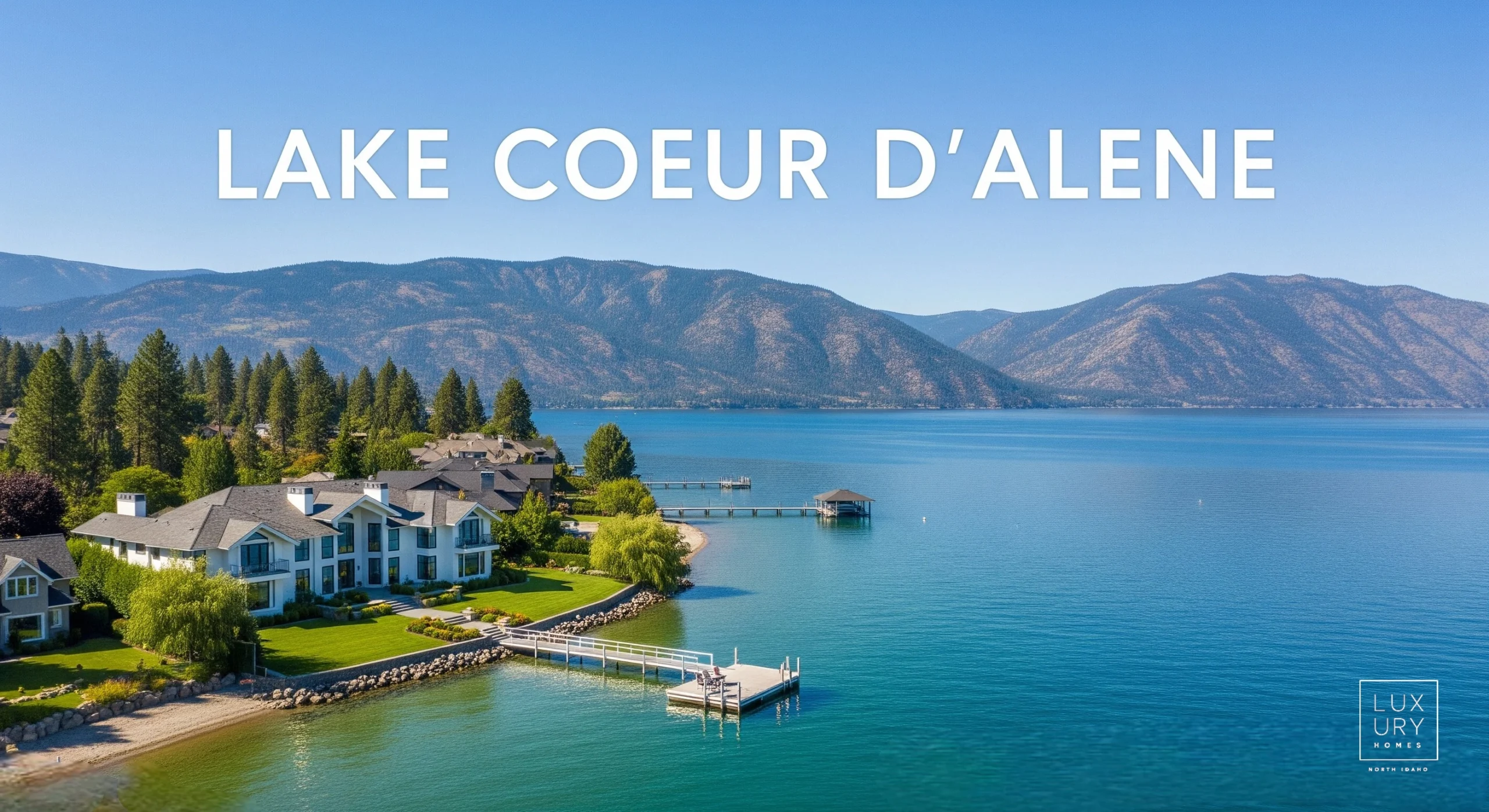
    The trend of leaving Texas cities for mountain-lake destinations is gaining momentum, as high-end buyers seek privacy, wide-open spaces, and year-round recreation without sacrificing comfort. North Idaho and the Lake Coeur d’Alene area have become favorites. Here, you can pair a country-club lifestyle with lakefront estates, private golf communities, and the kind of small-town warmth rarely found in traditional resort markets.

    Knowing how the move works, from travel logistics to what ownership really means, can help you make a confident decision about life on the lake.

    Why Dallas Buyers Are Looking North

    From Heat Fatigue to Four Seasons Without Losing Luxury

    North Idaho delivers all four seasons: warm, sunny summers, golden autumns, snow-filled winters, and bright green springs. For many buyers coming from Dallas, this variety is a refreshing change from the long stretches of Texas heat. Summer highs typically stay in the low 90s, and when winter rolls in, you can be skiing or snowboarding at Schweitzer Mountain Resort in about an hour.

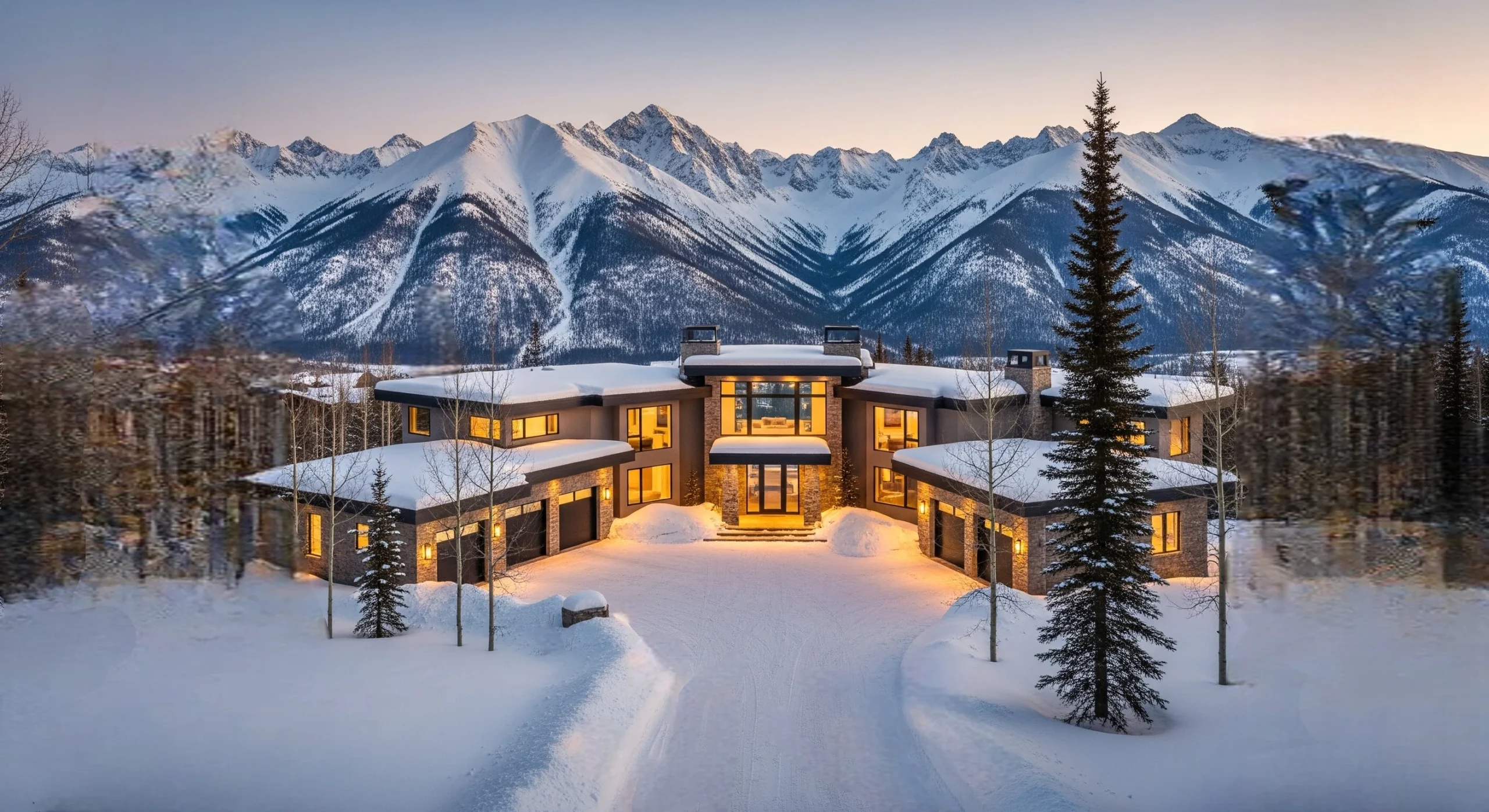
    Homes in this market are built to handle year-round living. Heated driveways, professional snow-removal services, and winterized docks keep properties usable even in the coldest months. At the same time, you don’t lose access to the lifestyle amenities you’re used to. Private clubs keep their dining rooms, fitness centers, and spa services open all year, so you won’t run into the seasonal shutdowns that are common in other mountain destinations.

    Privacy, Space, and Water: Lakefront Living as the New Backyard

    Lake Coeur d’Alene is famous for its sparkling water and lively shoreline, while nearby Hayden Lake offers a quieter setting with luxury estates tucked into wooded coves. In Dallas, luxury homes often showcase elaborate pools, cabanas, and outdoor kitchens. In North Idaho, the equivalent is direct lake access with a private dock, deep-water frontage, and wide-open mountain views right from your back deck.

    Many parcels range from two to fifty acres, giving you a level of privacy that’s hard to find in established Dallas neighborhoods.

    The Second-Home Equation

    For many Dallas buyers, owning in North Idaho isn’t about replacing Texas—it’s about diversifying lifestyle. A lake home becomes the place for long summer stays, extended stretches of remote work, or holidays when family wants to gather in one place. Travel is surprisingly convenient. Coeur d’Alene Airport (Pappy Boyington Field) sits just nine miles northwest of downtown Coeur d’Alene and offers private aviation access, making regular trips back and forth practical.

    Multi-generational living comes naturally in this setting. Lake homes turn into gathering points where kids and grandkids spend summers learning to ski, wakeboard, or simply enjoy the outdoors. For many Dallas families, it’s a way to give the next generation a connection to nature and a slower rhythm of life that’s harder to find in urban Texas.

    Where Luxury Lives in North Idaho

    Lake Coeur d’Alene and Hayden Lake Waterfront Estates

    Hayden Lake is the second-largest lake in Kootenai County, surrounded by timbered hills and more than 4,000 acres of open water. Waterfront estates typically include 100–400 feet of shoreline, private docks with boat lifts, and deep-water frontage for larger boats.

    Homes range from contemporary glass-and-steel designs that frame the lake to log-and-stone lodges that sit naturally in the landscape. Premium sites are in protected coves with southern exposure, giving owners more sun and calmer water for outdoor living and water sports.

    Private Club Communities

    North Idaho luxury communities (Black Rock, Gozzer Ranch, CDA National Reserve), offer the same country club lifestyle Dallas buyers know, but in a mountain setting. Gozzer Ranch combines full-service club amenities with the pace of a small-town resort. CDA National Reserve limits membership to property owners, with a $150,000 initiation and $22,500 in annual dues.

    The Golf Club at Black Rock, designed by Jim Engh, was the first private club in Coeur d’Alene and remains a flagship. Eighteen holes cut through cliffs, rock outcroppings, and wooded terrain. Each community includes concierge service, marina access, fitness centers, and dining programs comparable to Dallas country clubs.

    Downtown Coeur d’Alene Luxury Condos

    In the resort district downtown, high-rise condos give buyers waterfront access with full concierge support and marina slips. These lock-and-leave homes appeal to owners who want maintenance-free living close to restaurants, shopping, and seasonal festivals.

    Home Typologies Dallas Buyers Compare

    Waterfront Estates

    Before you can build a dock or similar structure on a navigable lake, the Idaho Department of Lands requires an encroachment permit. Some estates already have grandfathered permits in place, while others may need new applications. Most waterfront homes sit in no-wake zones, which extend 200 feet from the shoreline, dock, pier, or breakwater—important for safe swimming and boating.

    Along the shoreline, a 25-foot management area begins at the ordinary high-water mark. This buffer limits how you can landscape or build near the water. Owners also need to think about winter systems. Many docks are either pulled out of the water seasonally or protected with heated devices to prevent ice damage. Covered boat storage is standard in most lakefront properties.

    Club and Golf Communities

    Membership structures usually divide golf, dining, and marina privileges into separate tiers. At CDA National Reserve, membership is capped at 275, the same number of residential lots. So every property owner has access without tee time restrictions. Guest policies differ by community, but most allow member-sponsored access and offer reciprocal privileges with other Discovery Land Company properties.

    Luxury Condos

    Downtown luxury condos stack amenities in ways that mirror resort living. Expect fitness centers, spa facilities, wine lockers, and assigned boat slips. HOAs typically cover exterior upkeep, landscaping, snow removal, and shared spaces. Storage is also a focus, with dedicated areas for recreational gear, boating equipment, and seasonal items like skis or patio furniture.

    Access and Logistics

    Commercial and Private Aviation

    Spokane International Airport sits about 40 minutes west of Coeur d’Alene, with nonstop service from major hubs like Chicago, Minneapolis, Denver, Phoenix, Los Angeles, San Francisco, Portland, and Seattle. From there, it’s an easy drive into the lake region with rental cars and private ground services readily available.

    For private flyers, Coeur d’Alene Airport (COE) is one of the most active general aviation airports in the West. It offers full ILS approach capability and serves corporate and personal aircraft daily. With private aviation, Dallas buyers can cut total travel time to less than three hours door-to-door from Texas to their lakefront home.

    Seasonal Considerations

    Winter travel requires some planning. Most luxury homes include professional snow contracts that handle driveways, private access roads, and walkways. Four-wheel-drive or all-wheel-drive vehicles are recommended for visiting in colder months, though the main highways and arterials are consistently plowed and maintained.

    Service Ecosystem

    North Idaho’s high-end market comes with a strong support network for second-home owners. Property management companies handle winterization, security checks, and year-round maintenance. Within communities, services extend further. Gozzer Ranch operates two marinas and a beach club, with slips allocated by season and membership. Concierge teams in private clubs assist with activity planning, dinner reservations, and local logistics so your time on the lake stays focused on lifestyle, not upkeep.

    Ownership Nuances That Affect Enjoyment & Value

    HOA and CC&R Considerations

    Community covenants typically address boat size restrictions, dock specifications, exterior material requirements, and defensible space maintenance for wildfire protection. Architectural review processes govern modifications and additions, with some communities requiring specific design professionals or pre-approved materials.

    Utilities and Infrastructure

    Well and septic systems serve many rural luxury properties, requiring inspection records and reserve areas for future expansion or replacement. Lake-draw intakes provide water access but require permitting through Idaho Department of Lands for new installations or modifications.

    Fiber internet availability varies by location, with some communities providing dedicated high-speed infrastructure while rural properties may depend on satellite or cellular systems for reliable connectivity.

    Insurance and Risk Management

    Wildfire interface zones require specific construction materials and defensible space maintenance. Insurance carriers evaluate roof materials, access roads, and fire department response times when setting premiums. Snow load requirements influence roof design and construction costs, particularly for large-span structures with extensive glazing.

    Shoreline properties face erosion considerations, with some areas requiring engineered solutions for long-term stability. Professional assessments help buyers understand potential future costs and mitigation strategies.

    Short-Term Rental Realities

    Many communities prohibit short-term rentals to maintain residential character, while others allow limited rental activity under strict guidelines. Permit caps in some jurisdictions limit new STR licenses, affecting potential income generation and exit strategies.

    Lifestyle Translation for Dallas Readers

    From Country Club Tee Times to Lake Mornings and Mountain Afternoons

    Life shifts from structured club schedules to open-air recreation. At Black Rock and other private clubs, tee times aren’t required—members head out when they choose. Lakefront homes put boating, fishing, and swimming steps away, with no reservations and no waitlists.

    Recreation follows the seasons. Summers bring wakeboarding and long days on the water. Fall adds hiking trails, river fishing, and upland hunting. Winter means skiing at Schweitzer or snowshoeing through the woods. Spring delivers early trails, wildlife viewing, and high mountain rivers. National forests and wilderness sit only minutes away, balancing outdoor access with luxury amenities.

    Dining, Arts, and Event Calendars

    The social calendar runs at a resort-town pace. Summer highlights include outdoor concerts, lake festivals, and weekly farmers markets. Winter slows into smaller dining rooms, gallery shows, and club events. Reservations are easier than Dallas, though fine dining is concentrated in downtown Coeur d’Alene and at resort properties.

    Remote Work and Schooling Viability

    High-speed internet supports professional remote work in most luxury communities, though backup systems are recommended for critical use. Education options include public schools rated above state averages, local private academies, and distance programs that allow families to stay connected to Texas schools.

    A Smart 3-Day Scouting Plan

    Day 1: Waterfront Tour

    Begin with lakefront properties on both Lake Coeur d’Alene and Hayden Lake. Compare shoreline exposure, wind patterns, and water depth. Hayden Lake offers more protection from wind, with public ramps at Honeysuckle Beach, Sportsman’s Park, and Tobler’s Marina. Schedule time with local marinas to review slip availability, waiting lists, and seasonal dock services.

    Day 2: Private Club Communities

    Meet with membership coordinators at target communities. Tour practice facilities, fitness centers, and dining venues. Review initiation fees, monthly dues, and transfer requirements. Spend time on the golf course to see course conditions, clubhouse operations, and the overall member environment.

    Day 3: Downtown and Trail Systems

    Explore downtown luxury condos and lifestyle amenities. The North Idaho Centennial Trail runs along the north side of Lake Coeur d’Alene, popular for cycling, running, and walking. End the day with a sunset cruise to view the lake and its shoreline from the water.

    Questions to Ask Checklist

    • Membership transfer fees and approval timelines
    • Marina slip availability and waitlist details
    • Snow management contracts and annual costs
    • Fiber internet access and backup solutions
    • HOA and CC&R rules for modifications and rentals
    • Property management service options and pricing

    Quick-Glance Comparison Table

    What You Love in DallasNorth Idaho EquivalentWhat to Verify
    Club life and amenitiesPrivate golf communities with concierge servicesMembership transfer process and fees
    Pool and cabana cultureLake access with private docks and beach areasDock permits and seasonal maintenance
    Valet and concierge servicesClub services and property management companiesService availability and response times
    Neighborhood amenitiesTrail systems, marina access, and nearby parksYear-round access and maintenance standards
    Large backyard privacyLake frontage and acreage parcelsShoreline setback requirements and CC&Rs
    Indoor/outdoor livingCovered decks, outdoor heaters, snow-rated buildsWinter functionality and heating costs

    FAQ

    Is lake access public or private?
    Lake Coeur d’Alene has 100+ miles of shoreline. Public beaches and boat launches available. Waterfront owners hold private access from their property line.

    How do dock permits work?
    Dock encroachment permits issued by Idaho Department of Lands. Applications require neighbor notice. Hearings possible if objections filed. Existing docks may carry grandfathered permits. New docks require full approval.

    Are there STR restrictions in club communities?
    Most private clubs ban or heavily restrict STRs. Rules vary by CC&Rs. Verify before purchase if rental income is part of the plan.

    What’s winter maintenance like on hillside drives?
    Snow contracts standard for private roads, driveways, walkways. Regular plowing required. Heated driveways common on higher-end properties.

    How do buyers evaluate water quality and invasive species?
    Testing records available through health departments and state agencies. Hayden Lake supports bass, crappie and perch are indicator of strong ecosystem. Invasive species monitoring active across regional lake systems. Owners expected to follow protocols.

  • How to Make Your Home Irresistible to Dallas Buyers

    Dallas is a place with many advantages such as good employment opportunities, friendly people, and new food for thoughts every now and then. However, the real estate is what really attracts many prospects due to its high demand. The sector experiences a lot of activities with a median home sold price of around $374.7K in 2024. There’s high hope that probably next year the prices will be more affordable than they had ever been. Yet, someone has one question ringing in mind-how best can they get their pennies squeezed out, especially by selling of theirs?

    Thus, what are a few clearcut yet effective ways of cutting it to ensure most cash is returned to them from selling their home?.

    Source: dreamsofa.com

    New Furniture

    If you were to make improvements on your home, what’s the most important thing that one could do to increase its appeal? Quality furniture, especially a big and comfortable sofa. So you are self-questioning yourself why put money into a new couch when am i going to sell this house? Let me explain this: most of the time, buyers imagine themselves living in your house, and nothing says comfort like a nice, cozy sofa that conjures up images of snugly evenings or fun parties.

    Also, brand new furniture makes your home appear freshly decorated and up-to-date, which creates a sense of sophistication around the place and increases property value. With such comfortable pieces around, the moment prospective buyers enter through the door, they would also feel at home, but not without enough space around as well for other things. This goes to show that some pieces of furniture are more important than others in determining how spacious an area appears.

    Lighting Is Everything

    Just proper lighting can transform your home’s ambience and general outlook. For instance, have you ever considered the transformation that occurs in a room that is well lit? Be it natural light from well-positioned windows or electric bulbs, they serve to bring out certain appealing aspects within your house. Such are important features that will make every visitor comfortable.

    On the other end, poor lighting can make such a room look dull, hostile, or otherwise not very inviting. Sell by investing in soft-flattering lights in key areas of homes, like the living room, kitchen, or bedrooms. It sets up your space as warm in welcome. Lighting isn’t just about sight; they’re about feeling.

    Minor Exterior Touches Count Big Time

    Observe the small external factors, that are very effective. A decent compound with well-cut grass and newly painted fence plays an essential role in attracting buyers for house sales. You want every buyer to arrive and fall in love at first sight with your home right? By doing so an attractive interior follows suit- and that too at pretty low expense of yours.

    To achieve this effect, all you need is to mow the loan, cut off some parts from the hedges, and maybe add a couple of beds with flowers or put several potted plants inside the house. Nevertheless, these few outside modifications welcome potential clients and may affect their decision long before they enter the house.

    Quailty Air Conditioning

    Due to high temperatures in Texas, air conditioning is obligatory. It is expected that the clients will ask for the best quality air conditioners during the hot seasons, and thus, purchasing a good air conditioning system can help seal the deal with your clients.

    Just imagine that someone is visiting to see your house for sale, but after entrance, he or she gets into a really hot room; what would have crossed their minds about the heat during future summers? Keep this in mind: a good and reliable A/C will actually make all the difference when selling a house in Dallas, maybe even getting you an even better offer. Therefore, ensure that your cooling systems are in order so that everything remains cool — literally!.

    Conclusion

    In the process of selling a house, making smart upgrades and small changes can seriously speed up that process, and nobody wants to wait around for months while their house just sits on the market. For sellers in Dallas, it is all about being in touch with the market. Buyers here want comfortable, up-to-date homes with a touch of elegance. Follow this advice on meeting needs of your potential buyers around you; then see what happens when you turn “For Sale” into “Sold” sign very soon!