Tag: Credit Score

  • Renting vs. Buying a Home After Relocating

    Moving to a new city? One of the first things to figure out is whether to rent or buy. It depends on your budget, timeline, and long-term plans, here’s how to weigh your options and make the smartest move for your current situation.

    Figure Out Your Immediate Needs

    Before you start browsing listings, figure out what you actually need from this move.

    • Temporary versus long-term: Are you just trying out a city, or are you putting down roots for several years?
    • Job security: Is your role stable, or are you in a probationary period where things could change?
    • Family and lifestyle: School districts, commute times, walkability, and access to parks or nightlife can heavily influence your housing choice.

    The Case for Renting First

    There is a reason many people choose to rent for at least 6 to 12 months after a move. The benefits are hard to beat.

    • Flexibility: Renting lets you change neighborhoods or jobs without dealing with a stressful home sale.
    • Lower upfront costs: Renters usually face lower upfront costs, such as a security deposit, application fees, and the first month’s rent, while buyers need to plan for a down payment, inspections, appraisals, and closing costs.
    • Time to explore: Take the city for a test drive and get a feel for traffic patterns and local hotspots before you buy.
    • A clean break: If the city or job doesn’t work out, breaking a lease is usually easier than trying to sell a house in a pinch.

    Why Buy Soon After Moving?

    If you are 100% sure about your move, buying soon after moving makes sense, if you have stable income, and plan to stay long enough to justify the transaction costs.

    • Building equity: Part of each mortgage payment can help build equity over time, though homeowners also need to budget for interest, taxes, insurance, maintenance, and other ownership costs.
    • Locked-in stability: With a fixed-rate mortgage, your principal and interest payment stays predictable, though property taxes, homeowners insurance, HOA fees, and maintenance costs can still change.
    • Complete control: You can renovate and customize your home without the approval of a property manager.

    Cost Comparison: Renting versus Buying

    The sticker price is never the whole story. You have to look at the total financial picture.

    • Monthly cost: Compare rent and renter’s insurance against a homeowner’s full monthly cost, including principal, interest, property taxes, homeowners insurance, utilities, maintenance, and any HOA fees.
    • Upfront payment: Renters pay deposits and application fees, while buyers pay down payments, appraisals, inspections, and closing costs.
    • The hidden carrying costs: If the HVAC dies, renters call the landlord. Buyers call a repairman and write a big check.

    Market Conditions in Your New Location

    Local conditions can tip the scale very quickly.

    • Home prices and trends: Is the market cooling off, or are you walking into a bidding war?
    • Interest rates: Higher mortgage rates reduce buying power because they make borrowing more expensive, which can lower the price range a buyer can afford.
    • Rental supply: A historically tight rental market may push you to buy sooner, while abundant rentals give you time to explore.

    How Long Do You Plan to Stay?

    Your time horizon is the golden rule of real estate.

    • Short-term: Renting often makes more financial sense if you expect to stay only one to three years, because buying and selling costs can outweigh the equity you build.
    • Long-term: Owning may become more financially attractive if you plan to stay several years beyond your local break-even point.
    • The break-even point: There are online calculators that can help you figure out when buying becomes more economical than renting within your specific zip code.

    Know Your Credit Score and Financial Status

    Before buying anything, take stock of your financial situation.

    • Credit history: Your credit profile can affect whether you qualify for a mortgage and the rate you are offered.
    • Debt-to-income ratio: Your existing debts affect exactly how much house you can afford.
    • Emergency savings: Buying a home can drain your savings at the same time you need a cushion for repairs, moving costs, and other unexpected expenses.

    Lifestyle and Personal Preferences

    Your personality is just as important as the math.

    • Flexibility versus roots: If you like to move around, renting can be liberating. If you want to put down roots, buying may be more satisfying.
    • Maintenance: Are you willing to mow the lawn and fix a leaky sink, or do you want a maintenance-free weekend?
    • Community: Some rentals have gyms, pools, and common areas, but with a home, you are more likely to be tied to a stronger, long-term neighborhood community.

    Rent First, Buy Later

    A common strategy is to rent first, then buy after you know the area better. This lets you test commute times, schools, and neighborhoods in real life. Working with a trusted local moving company can simplify that first relocation so you can focus on scouting where you might eventually purchase.

    Tips for Making the Right Decision

    • Consult both a real estate professional and a financial advisor.
    • Use rent-vs-buy calculators and a detailed budget.
    • Visit potential neighborhoods at different times of day and talk to residents.

    Common Mistakes to Avoid

    • Rushing into a purchase before understanding the local market.
    • Underestimating the total cost of ownership, especially maintenance.
    • Ignoring long-term career or family plans when choosing a location or property type.

    The Bottom Line

    Choosing between renting and buying after a relocation comes down to your timeline, your wallet, and the kind of lifestyle you want. There is no universal right answer. Take a breath, run the numbers, and choose the path that makes your move a little less stressful and supports the life you’re building in your new city.

  • A First-Time Buyer’s Guide to Home Loan Options in North Carolina

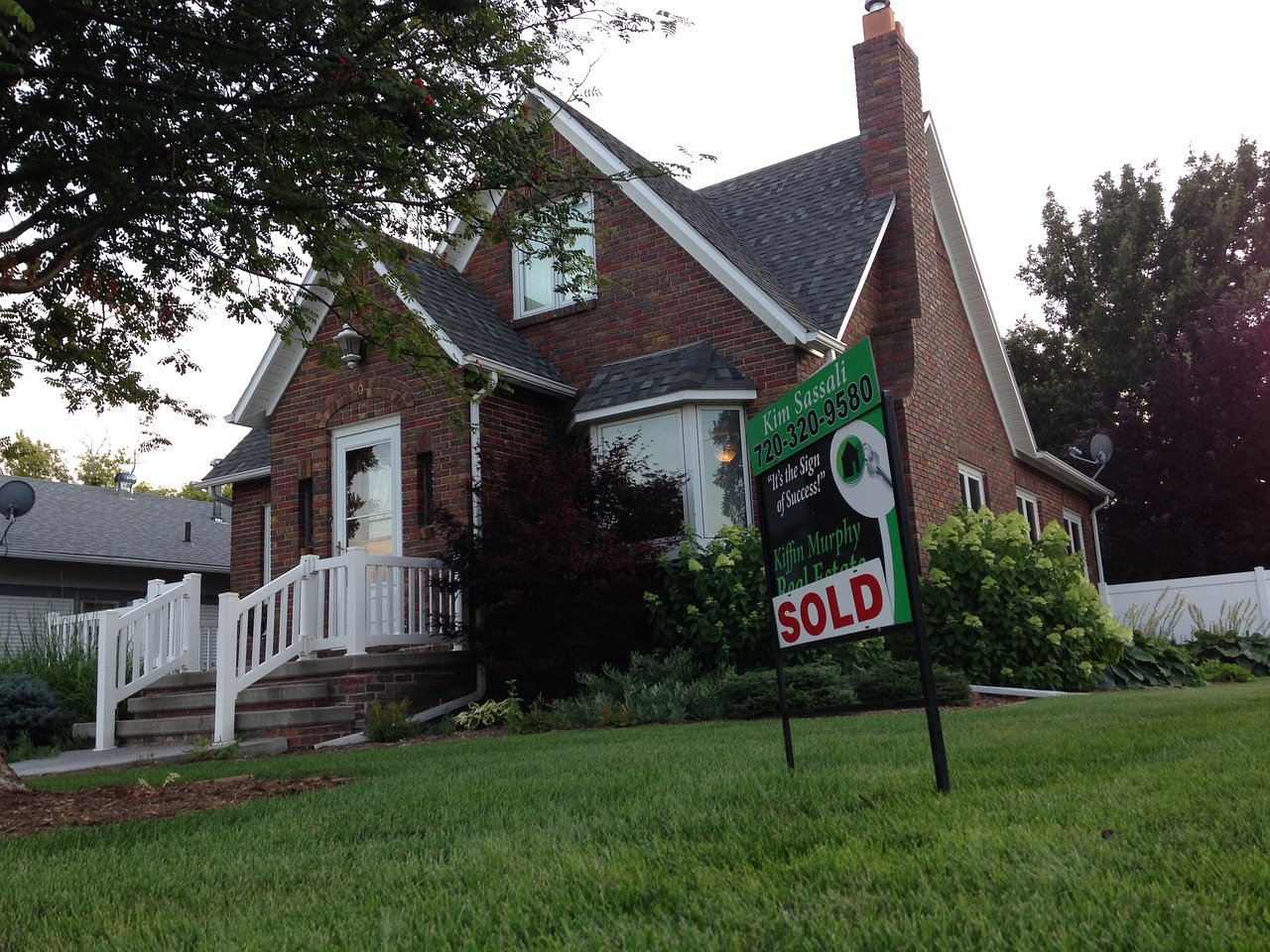
    Image by tkoch from Pixabay.com

    First-time homebuyers in North Carolina have access to a range of programs that can help lower the upfront cost of buying a home. These include down payment assistance, tax credits, and low-interest mortgage options. Most conventional loans require a credit score of at least 620, while North Carolina-specific programs may require a minimum of 640.

    Here’s a breakdown of conventional loans and key programs available to NC buyers.

    What Is a Conventional Loan?

    A conventional loan is a mortgage offered by private lenders—such as banks, credit unions, or mortgage companies, without direct government backing. Conventional loans can come with either fixed or variable interest rates.

    You might use a conventional loan for a new house in a suburban area if you have strong credit and a solid down payment.

    Although they’re not government-issued, some conventional loans are backed by agencies like Fannie Mae or Freddie Mac. These loans usually require higher credit scores and down payments compared to government-insured options.

    Government-backed loans include:

    • FHA loans: Lower down payments and more flexible credit requirements.
    • VA loans: No down payment required, available to eligible veterans and service members.
    • USDA loans: Also no down payment, for qualifying rural buyers.

    Home Prices and Down Payments in North Carolina

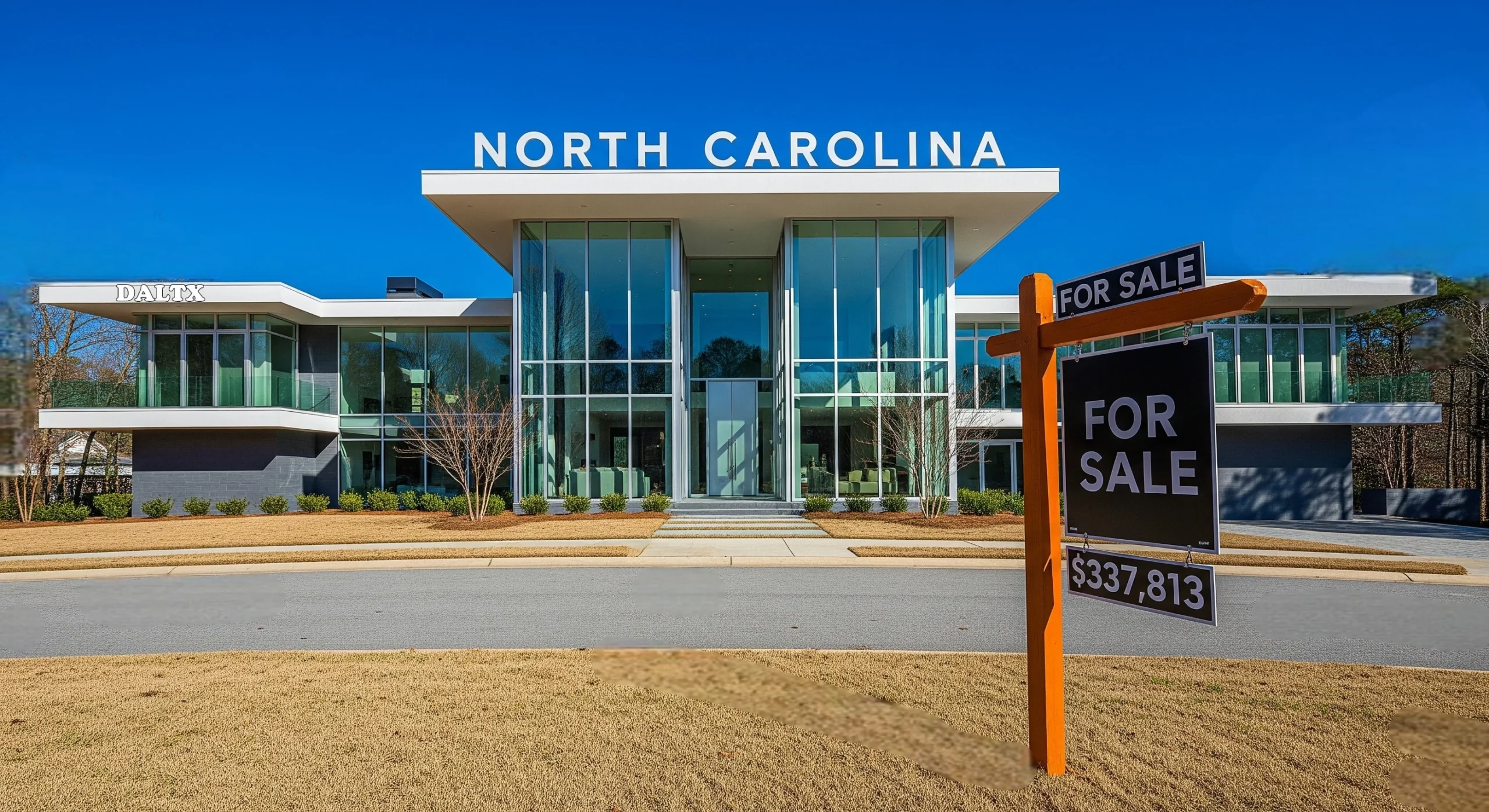
    As of July 2025, the median home price in North Carolina was $337,813, up around 22% from 2021, according to Zillow. That means a 5% down payment on a median-priced home would be approximately $16,890. Programs that reduce upfront costs can make a big difference.

    Home Repair Assistance Programs in North Carolina

    North Carolina offers several home repair and rehabilitation programs for low-income residents. These include the Urgent Repair Program (URP) and the Essential Single-Family Rehabilitation (ESFR) program, which provide forgivable loans for critical home repairs.

    • URP: Offers up to $10,000–$12,000 in assistance for emergency repairs. Applicants must have income at or below 50% of the area median income.
    • ESFR: Provides up to $40,000 for major home rehabilitations. Available to households earning up to 80% of the area median income. Loans are forgivable over 5–20 years.

    Support for Teachers, Veterans, and First Responders

    While North Carolina doesn’t offer a dedicated state-run program exclusively for public servants, eligible homebuyers in these professions can still access benefits through programs like the NC Home Advantage Mortgage. Additionally, national initiatives like Homes for Heroes offer average savings of around $2,400 when using participating real estate professionals.

    NC Home Advantage Mortgage Program

    North Carolina’s Home Advantage Mortgage, offered by the North Carolina Housing Finance Agency (NCHFA), provides fixed-rate loans to qualifying buyers. Borrowers may also receive down payment assistance of up to 3% of the loan amount, structured as a forgivable second mortgage if the buyer remains in the home for 15 years.

    First-time buyers may also apply for a Mortgage Credit Certificate (MCC), which can reduce federal income taxes by up to $2,000 per year. MCC credits are based on 30% of mortgage interest for existing homes and 50% for new construction.

    Eligibility requirements include:

    • Completion of a homebuyer education course for those using down payment assistance.
    • A minimum credit score of 640 (660 for manufactured homes).
    • Income limits up to $140,000 depending on location.

    Takeaway

    For first-time buyers in North Carolina, exploring programs from the North Carolina Housing Finance Agency can significantly reduce the upfront costs of purchasing a home. Whether through down payment assistance, competitive fixed-rate mortgages, or tax credits like the Mortgage Credit Certificate, there are tools designed to make homeownership more accessible.

    To get started, check your credit score and household income against the eligibility requirements, complete a HUD-approved homebuyer education course if required, and compare available options to find the best fit for your financial goals.

  • Strategies for Navigating the Dallas Real Estate Market with Limited Credit

    Source: easyfinancial.com

    Good news—while Dallas’ hot real estate market affords numerous opportunities for homeowners, individuals with poor credit scores may be faced with some significant barriers. It’s not impossible to buy a house if your credit is not in perfect condition.

    This article shows how you can make an informed decision toward homeownership with the right strategy and resources. It looks at practical means of surmounting credit ceilings, including ways to improve financial health and alternative funding options.

    Let’s dive in.

    Understanding Your Financial Starting Point

    Before diving into the market, you must evaluate your financial situation. A clear understanding of your credit profile and financial health forms the foundation of a successful home-buying journey.

    Assess Your Credit Report

    First, request a credit report from the three major credit bureaus: Experian, Equifax, and TransUnion. It lists your credit score, all outstanding debts, and any adverse entries regarding your profile. The understanding of what lenders perceive will then allow you to take corrective measures for probable grey areas.

    For example, if you come across inaccuracies-suppose a debt you have paid-then dispute them right away. Sometimes, just correcting those mistakes will jack up your credit score on the spot.

    Set a Realistic Budget

    Understanding your borrowing limits is just as important as knowing your credit score. Work with a trusted financial advisor or use online calculators to determine how much house you can afford. This ensures you’re shopping within your means and avoiding overextension.

    Improving Credit Before House Hunting

    Even minor credit improvements can significantly enhance your mortgage options. While the process takes time and effort, the rewards are well worth it.

    Explore Credit Counseling Services

    Credit counseling services can offer valuable personal advice in improvement of one’s credit health. They will go about assisting the production of a program with which the user will be able to work better at changing those habits leading into rebuilding gradually one’s credit in some cases.

    For example, a credit counselor might advise you to consolidate high-interest bills into one more reasonable loan. This will help you minimize the debt-to-income ratio so crucial in the mortgage approval process.

    Avoid Risky Quick Fixes

    While payday loans online may be a convenient way to address short-term cash flow issues or quickly bolster your credit, they often come with exorbitant interest rates and unfavorable terms. Relying on these loans can spiral into further financial hardship, making it harder to secure a mortgage. Instead, focus on sustainable credit-building strategies like paying bills on time and reducing revolving credit balances.

    Source: easyfinancial.com

    Alternative Financing Options

    Traditional mortgage loans aren’t the only path to homeownership. Alternative financing options can help buyers with limited credit achieve their goals

    Government-Backed Loan Programs

    The Federal Housing Administration underwrites FHA loans, a sort of loan specifically for customers with poor credit ratings. These loans generally require a lower down payment and are more lenient concerning past credit problems than traditional mortgages.

    Similarly, veterans and personnel currently serving are eligible for VA loans. Many of these loans have no down payment requirements and offer comparatively low interest rates, making them a very appealing option for eligible buyers.

    Consider Rent-to-Own Arrangements

    In a rent-to-own agreement, a portion of your monthly rent goes toward purchasing the home. This gives you time to improve your credit while securing a property. However, ensure the contract’s terms are clear and fair before committing.

    Local Assistance Programs

    Dallas has numerous municipal programs to help buyers with poor credit. These can include down payment assistance, better interest rates, and even financial counseling. Seek out options like the Dallas Homebuyer Assistance Program for added support catered to you.

    Working with Real Estate Professionals

    The Dallas market requires experienced guidance to navigate. Partnering with competent specialists can make all the difference.

    Find a Specialized Realtor

    Look for a real estate agent who has worked with credit-challenged purchasers. These specialists often have contacts with lenders and programs that are targeted to your need.

    Build Relationships with Lenders

    Some lenders specialize in dealing with customers with less-than-perfect credit. Do your research and visit with a lot of lenders to compare conditions and pick one that understands your financial situation. A pre-approval letter can also give you an edge in competitive markets.

    Utilize Financial Planning Tools

    Online tools, such as mortgage calculators and budgeting applications, can keep you organized along the way. By tracking your money and exploring different loan scenarios, you can go into discussions with assurance and clarity.

    Conclusion:

    You can purchase a house in Dallas regardless of poor credit, but you must do it the right way. Look at your financial situation, repair your credit, and find other ways to get financing. Do not take on hazardous options, such as online payday loans, but rather consult professional advice for long-term goals. It will take hard work and planning to achieve homeownership. Hard work, along with the right assistance, will help to overcome any tough credit issue.