Tag: Construction Costs

  • How Tariffs and Trade Policy Shifts Can Influence US Real Estate Trends

    Image Source: shutterstock.com

    Tariffs and evolving trade policies play a huge part in shaping real estate trends across the United States. While housing markets are usually discussed in terms of interest rates, population growth, or lending standards, global trade dynamics quietly influence the underlying costs of building, renovating, and ultimately purchasing or selling a home.

    Understanding these forces helps explain why some regions experience sharper price shifts, construction slowdowns, or inventory constraints following changes in tariffs and trade.

    In the current market, buyers and sellers increasingly rely on local expertise to interpret these signals. Working with the best real estate agent can help you translate national and international economic changes into practical insights about pricing, timing, and negotiation within a specific US local market.

    This article examines how tariffs and trade policy shifts affect construction costs, housing supply, consumer confidence, and broader economic conditions, and how these factors interact to influence real estate trends nationwide.

    Tariffs, Trade Policy, and Construction Costs

    Changes in tariffs and trade policy influence residential construction costs by affecting material pricing, project feasibility, and development timelines which ultimately shapes broader real estate trends.

    Materials Most Affected by Tariffs

    Tariffs and trade policies directly affect the cost of key construction materials used in residential and commercial development. When tariffs are applied to imported goods, domestic prices often rise due to reduced competition or higher input costs.

    Here are the common materials influenced by tariffs and trade:

    • Lumber and wood products used for framing and finishes
    • Steel which is used in structural components and reinforcements
    • Aluminium used in windows, siding, and roofing
    • Manufactured components such as fixtures, appliances, and HVAC systems

    Even when materials are sourced domestically, tariffs can still affect pricing by altering supply chains or increasing demand for local substitutes. These higher material costs may be passed through to builders and contractors and, eventually, to consumers.

    Effects on New Construction Pricing

    Rising material costs directly affect the pricing of new homes. Builders must account for higher expenses when estimating project budgets, which often leads to specific outcomes like:

    • Increased list prices for newly built homes
    • Reduced profit margins for developers in competitive markets
    • Delays in project starts while costs stabilize
    • Greater emphasis on value engineering or design changes

    In some US local market areas, especially those experiencing rapid population growth, these price pressures can be absorbed more easily. In gradual-growth regions, higher construction costs may discourage new development altogether, affecting local real estate trends.

    Renovation Costs and Timelines

    Tariffs and trade policies also influence renovation and remodeling activity. Homeowners facing higher prices for imported materials may postpone upgrades or scale back project scope. Contractors may experience longer lead times if supply chains are disrupted.

    Renovation impacts typically include:

    • Higher bids for kitchen and bathroom remodels
    • Extended project timelines due to material availability
    • Increased demand for alternative materials
    • Greater cost uncertainty for fixed price contracts

    These dynamics affect resale values and inventory quality, particularly in markets where older housing stock relies heavily on renovations to remain competitive.

    Housing Supply, Builder Activity, and Affordability

    As construction costs fluctuate, builder decisions and regional constraints directly shape housing supply and affordability across the local market.

    Impact on Housing Supply Levels

    When construction costs rise, housing supply growth slows. Developers may delay or cancel projects if projected returns no longer meet financial thresholds. Over time, reduced new construction can tighten inventory, especially in high-demand areas.

    Limited supply can contribute to:

    • Upward pressure on home prices
    • Fewer entry-level housing options
    • Increased competition among buyers
    • Greater regional divergence in real estate trends

    These effects are rarely uniform. Some cities with strong employment growth may continue building despite higher costs, while others see noticeable slowdowns.

    Regional Differences Across the US Local Market

    The influence of tariffs and trade varies by geography. Coastal markets, manufacturing hubs, and areas dependent on imported materials may feel stronger effects than regions with more localized supply chains.

    Regional variations depend on:

    • Proximity to ports and trade infrastructure
    • Local labor availability and costs
    • Zoning and regulatory environments
    • Existing housing stock age and type

    Understanding these differences is essential when evaluating real estate trends at the city or state level.

    Affordability and Buyer Constraints

    Higher construction and renovation costs can reduce affordability, particularly for first-time buyers. As prices rise faster than incomes, some households delay homeownership or shift preferences toward smaller homes or different locations.

    Affordability pressures may lead to outcomes like:

    • Increased demand for townhomes and condos
    • Migration toward lower-cost metro areas
    • Longer search times for buyers
    • Greater sensitivity to interest rate changes

    Economic Conditions, Confidence, and Housing Demand

    Image Source: pexels.com

    Housing demand does not operate apart from the broader economy. Employment stability, inflation, and borrowing conditions interact with tariffs and trade to influence buyer behavior and market momentum.

    Interaction With Interest Rates and Inflation

    Tariffs and trade policies can contribute to broader inflationary pressures by increasing the cost of goods. In response, monetary policy adjustments may affect mortgage rates, which directly influence housing demand.

    Higher rates result in consequences such as:

    • Reduced purchasing power for buyers
    • Slower price appreciation
    • Increased importance of negotiation
    • Shifts toward renting in some markets

    This interaction among tariffs, trade, inflation, and interest rates highlights how global policy decisions filter into everyday housing decisions.

    Employment Trends and Consumer Confidence

    Trade policy changes can affect employment levels in sectors such as manufacturing, logistics, and construction. Job stability and wage growth play a significant role in consumer confidence, which in turn shapes housing demand.

    When confidence is strong you typically see that:

    • Buyers are more willing to commit to long-term purchases
    • Sellers may list homes at higher price points
    • Transaction volumes tend to increase

    When confidence weakens, markets may experience longer listing times and greater price sensitivity. 

    Market Volatility and Short-Term Uncertainty

    Periods of trade uncertainty can introduce volatility into housing markets. Buyers and sellers may adopt a wait and see approach, leading to temporary slowdowns.

    Short-term effects are:

    • Fluctuating inventory levels
    • Wider pricing ranges between similar properties
    • Increased importance of local data
    • Greater reliance on professional guidance

    Navigating these conditions requires careful analysis of both national indicators and local market behavior.

    What Buyers and Sellers Should Watch For

    Image Source: freepik.com

    Both buyers and sellers benefit from tracking indicators that reflect shifting economic and construction dynamics. 

    Inventory Shifts and Price Stability

    Changes in construction activity and demand can alter inventory levels.

    Buyers and sellers should monitor indicators such as:

    • New listings versus completed sales
    • Price adjustments on comparable homes
    • Time on market trends

    These indicators provide early signals of changing real estate trends within a specific local market.

    Negotiation Dynamics in Changing Markets

    As cost pressures and economic uncertainty evolve, negotiation strategies may shift. In some markets, buyers gain leverage through increased inventory, while in others, limited supply sustains seller advantages.

    The following are key negotiation considerations:

    • Seller concessions or credits
    • Flexibility on closing timelines
    • Inspection and appraisal contingencies

    Housing Type and Location Sensitivity

    Different housing types and locations are shaped by cost pressures not just from tariffs but from broader construction cost increases, with construction expenses representing a record 64.4 percent of the average new home price in 2024 which is up from 60.8 percent in 2022.

    This directly influences how single-family, condo, and multifamily markets respond to pricing and demand pressures.

    Interpreting Real Estate Trends in a Complex Environment

    Tariffs and trade policy shifts influence US housing markets through construction costs, supply constraints, affordability pressures, and broader economic conditions. While these forces operate at the national and global levels, their effects are ultimately felt locally, shaping neighborhood outcomes and long-term real estate trends.

    Buyers and sellers benefit from understanding how tariffs and trade interact with interest rates, employment, and consumer confidence. Inventory changes, pricing behavior, and negotiation dynamics reflect these underlying factors before they become widely visible in headline data. Because impacts vary by region, housing type, and timing, broad generalizations can be misleading.

    In periods of economic uncertainty, informed decision-making becomes more important than prediction. Interpreting market signals accurately requires local context, historical perspective, and ongoing analysis.

    For many, partnering with the best real estate agent provides a structured way to assess shifting conditions, understand the nuances of a specific local market, and respond thoughtfully to evolving real estate trends.

  • Timber Frame Home Kits vs. Custom Builds: What’s Right for You?

    Source: unsplash.com

    It doesn’t always start with a design or a budget. Sometimes, it starts with a question: how much do I really want to control this process?

    You’ve probably seen timber frame home kits before. Maybe in a magazine. There’s something about them. The way the beams stretch across the ceiling. The quiet strength in the structure. It’s a style that feels both old and new at the same time.

    If you’re drawn to that, you’re not alone. But when it comes time to actually build one, you’re faced with a decision that isn’t always simple. Do you go with a pre-designed kit that’s fast and streamlined? Or do you sit down with an architect and build every part of it from scratch?

    It’s not just a matter of preference. It’s about cost, time, involvement and how much of yourself you want to see in the finished home. This article will explore what each option offers. That way, when you’re ready to start building, you’ll have a clear understanding of what best supports your vision and your lifestyle.

    Why Timber Frame Kits Are Catching On

    A timber frame kit gives you all the essential pieces, such as pre-cut beams, structural components, and everything else you need to frame the home. Since it’s all measured and prepared ahead of time, the building process becomes faster, cleaner, and far less stressful for both contractors and homeowners.

    But these kits aren’t just for new builds. More people are starting to blend timber frame elements into homes they already live in. Adding ceiling beams, roof details, or even gable accents can completely change the feel of a space without tearing everything down.

    The numbers back it up too. Recent studies show steady growth in the timber frame home market. It’s estimated at around $562 million this year, and by 2034, that number could hit $1.12 billion. Clearly, more people are drawn to the look, feel, and practicality of timber construction.

    So what’s behind that demand? There are a few solid reasons why more homeowners are going with pre-cut kits.

    Let’s take a closer look.

    Simple, But Far From Basic

    Some building methods promise convenience but leave you with something that feels generic. Timber frame kits aren’t like that. They may be pre-cut and planned, but when you stand inside one, it doesn’t feel like something from a box. The grain, the joints, the way light moves through the frame. It all reminds you that real hands shaped this.

    You don’t lose the craftsmanship. You just skip the mess of figuring it out on-site.

    Compared to custom builds, kits remove a lot of the back-and-forth that tends to slow things down. There’s less guessing, less waste, and fewer headaches on-site. And even though the pieces are pre-engineered, the end result still feels warm, intentional, and handmade.

    Faster Builds, Fewer Delays

    Because most of the framing work happens off-site, you can start building as soon as your permits are ready. That shaves weeks off the timeline, which is a big deal, especially in areas where weather slows everything down.

    Take North Texas, for example. Spring and summer storms are no joke. Just this past May, thunderstorms caused delays across several counties. And with flooding continuing into July, any method that keeps outdoor work to a minimum can save time and stress.

    Clearer Costs, Fewer Surprises

    With timber frame kits, most of the design work is already done. You’re not paying for custom drafts or last-minute revisions. That makes it easier to plan your budget and stick to it.

    Many kits come with either a fixed or closely estimated price. Builders know what materials they’re getting, and because the process is streamlined, the chance of surprise costs goes way down.

    Why Some People Still Choose Custom

    Over the past year, timber frame construction has picked up noticeable momentum. Even with higher interest rates and shifting economic conditions, the industry has held steady and in some regions, it’s grown faster than expected.

    People inside the trade have seen the change up close. More architects are choosing timber frames over concrete or brick builds. Developers are leaning into the look and efficiency of exposed wood structures. And homeowners are asking for homes that don’t just check boxes but reflect the way they actually live.

    That’s where custom builds come in. For those who have a specific vision or unique needs that don’t fit inside a template, going fully custom can be the right move.

    Here’s why many are choosing that route:

    When Your Design Can’t Be Compromised

    Some home visions are simply too specific to fit inside a pre-designed kit. Think of layouts that follow the natural slope of the land, or interiors built around dramatic timber arches. If you’ve got a unique design in mind that relies on precise details and site-specific features, custom is the way to go.

    Adapting to the Land Itself

    The land doesn’t always cooperate. Maybe the lot has a sharp incline, or maybe it sits in a flood zone. In those cases, building isn’t just about putting up walls, it’s about responding to what the land gives you. That includes where the windows go, how the foundation is shaped, and how the frame interacts with the surrounding environment. Kits can’t account for all of that. Custom plans can.

    Being Part of the Process

    A custom timber home is about being part of every step. You’ll work closely with architects, engineers, and builders. There will be decisions to make, plans to revise, and a timeline that moves at a more thoughtful pace. It’s not for everyone. But for those who want to build something truly personal, this approach offers a level of involvement and connection that kits simply don’t match.

    Which Path is Right for You?

    This isn’t just a question about style. It’s bigger than that. It’s about how you want the process to feel, and what kind of home you’ll walk into when it’s all done.

    Maybe you want something clear and structured, a plan that’s already laid out. There’s comfort in that. There’s speed, too. You know what to expect. Fewer decisions, fewer delays. If that sounds like a relief, a kit might be the better fit.

    But maybe you’ve always pictured something different. Something shaped around the way you move through space, the way light hits in the afternoon. That kind of home takes more time. It’s slower. It asks for more from you. But it gives more back.

    There’s also cost to consider. Kits give you a tighter number. What’s in the plan is in the plan, and that makes budgeting simpler. Custom? Well, it depends on how many changes you make. It depends on how much detail matters to you and how far you want to push the design.

    And then there’s the land itself. If you’re building on a steep hill or near water, kits might not work. The frame has to fit the place. Not the other way around.

    Here’s something else worth asking:

    • Will the design you choose continue to serve your needs a decade from now?
    • Will it be easy and cost-effective to maintain?
    • Will it still feel right?

    Some people choose a hybrid path. A little structure, a little freedom. A mix of speed and personal detail. It works. It doesn’t have to be all or nothing.

    Whatever you choose, it’s not just about architecture. It’s about identity. The way your home holds your life. The quiet parts. The busy ones. And all the days in between.

  • How to Choose the Best-Priced Container Stacker for Your Construction Company

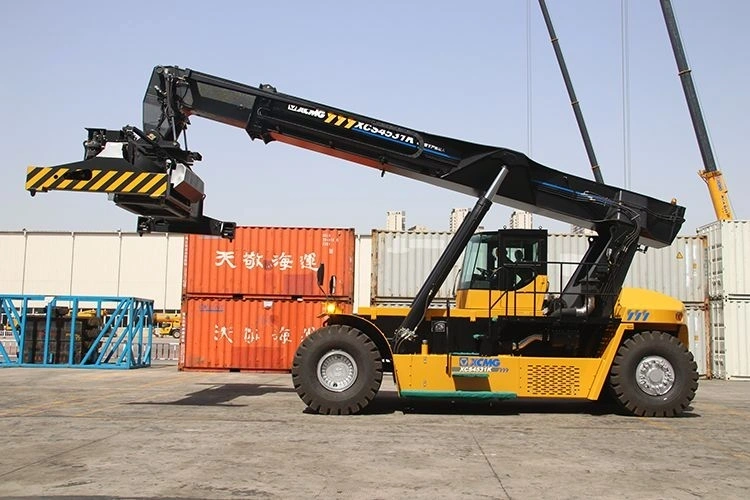
    In construction, you use container stackers to lift and move heavy containers. They help you work faster and safer. This machinery is best for storage ports, yards and all industrial sites. When you choose a container stacker for your company, you don’t just look for the cheapest option. You need to think about the cost and how it works. It should help you in the long run. This guide will help you understand what to look for when buying a stacker. We will also let you know why the XCMG reach stacker container XCS4531K 45-ton model can be a great choice for you.

    Source: machmall.com

    1. Assess Your Construction Company’s Needs

    Before you learn about container stackers, you need to think about what your construction company needs. You need to look at how much material you handle and how heavy the containers are. This also depends on how often you use the stacker and how much space you have at your site. If you have a small company, you might need a compact and more flexible stacker. For a big company, you need a machine that can lift heavier containers higher.

    When you understand your needs, you can choose a machine that fits your work. With this, you can avoid wasting your money. For example, if you work in tight spaces, you need a stacker that can turn easily. If you handle big projects, you should look for a stacker that lifts heavy containers quickly and works really fast.

    2. Consider the Capacity and Reach

    When you choose a container stacker, you need to think about its capacity and reach too. Capacity means the heaviest weight the stacker can lift. Reach means how high or far it can lift a container. These two features affect how well your stacker works for you on the job.

    For capacity things, you need to know the heaviest load you will lift often. If you overload your machine, it can slow you down and damage the stacker. So this makes work unsafe for you. For each, you should think about how high you need to stack containers. If your stacker can’t reach far enough, this takes longer to finish your work.

    3. Evaluate Performance Features

    Modern container stackers have advanced features. These help you work better and stay safe. These features include many things like automated controls, precise hydraulics and comfortable cabins. These can make your job much easier and much less tiring. When you choose a stacker, look for models with safety features like stability control and anti-slip technology. These are very important if you work on uneven ground or lift heavy containers. Machines with simple controls and digital screens can also make your work faster and easier.

    You should also think about fuel efficiency and emissions. Some stackers use less fuel and follow environmental rules. These can save you money over time and help your company be more eco-friendly.

    4. Durability and Maintenance

    When you invest in a container stacker, you make a big financial decision. So you need to focus on durability and maintenance too. A strong machine from a trusted manufacturer will last longer. This also keeps you working without delays. You should check the materials used to build the stacker. Look for the quality of its parts and if the manufacturer is known for reliable products. Also, pick a stacker that is easy for you to maintain. It should come with good support like warranties and spare parts.

    A durable machine saves you money on repairs. It helps you stay productive with no breaks in your work. If you choose a stacker that needs less maintenance, you save even more time and resources.

    5. Balanced Price and Value

    Price is important but it should not be the only thing you think about. A cheap stacker that doesn’t meet your needs can cost you more later. Instead, you need to focus on the value the stacker gives you. Sometimes, paying a little more for a better quality and more efficient model can save you money over time. Also, look for financing options or discounts from manufacturers. Many companies offer flexible payment plans or trade-in programs. These can help you buy a high-quality stacker more easily.

    Summing up with XCMG Reach Stacker Container XCS4531K

    Source: machmall.com

    A best-priced container stacker for your construction company is more than just looking at prices. You need to think about your company’s needs, the machine’s capacity you want to have and reach, and performance features. With these things, you can pick a stacker that improves efficiency and cuts costs.

    If you need a reliable and efficient container stacker, the XCMG reach stacker XCS4531K is a great choice. This powerful machine can handle tough jobs easily. This makes it a valuable tool for any construction or logistics company. It has a flexible price range from $10,000 to $1,000,000. The XCMG XCS4531K has options for different budgets and needs. This model offers a good balance of cost and performance which make it a smart investment for businesses in the long run.