Tag: Composite Decking

  • Get Your Deck Ready for Every Season

    Keeping your deck in shape all year helps it last longer and keeps everyone safe. Whether you’re flipping burgers in July or bundled up in January, your deck should handle heat, rain, and cold without any drama.

    From blazing sun to frosty mornings, here’s a simple plan to keep your deck ready for every season.

    Why Seasonal Deck Maintenance Matters

    Regular maintenance keeps your deck looking great and prevents small issues from becoming costly repairs. If you skip maintenance, you may see cracked boards, loose fasteners, and faded finishes after tough weather. Knock out a few seasonal tasks to block summer UV, fall rain, and winter snow and ice, and you will keep the surface safer underfoot.

    Your deck material determines the workload, and that affects how you maintain it. Wood needs periodic cleaning and a fresh coat of penetrating stain or water repellent, while most capped composite and PVC decks only need an occasional wash. Do a quick seasonal check for loose hardware, soft spots, and wobbly rails. Those five minutes could add years to your deck’s life and save you money down the road.

    Get Your Deck Summer-Ready
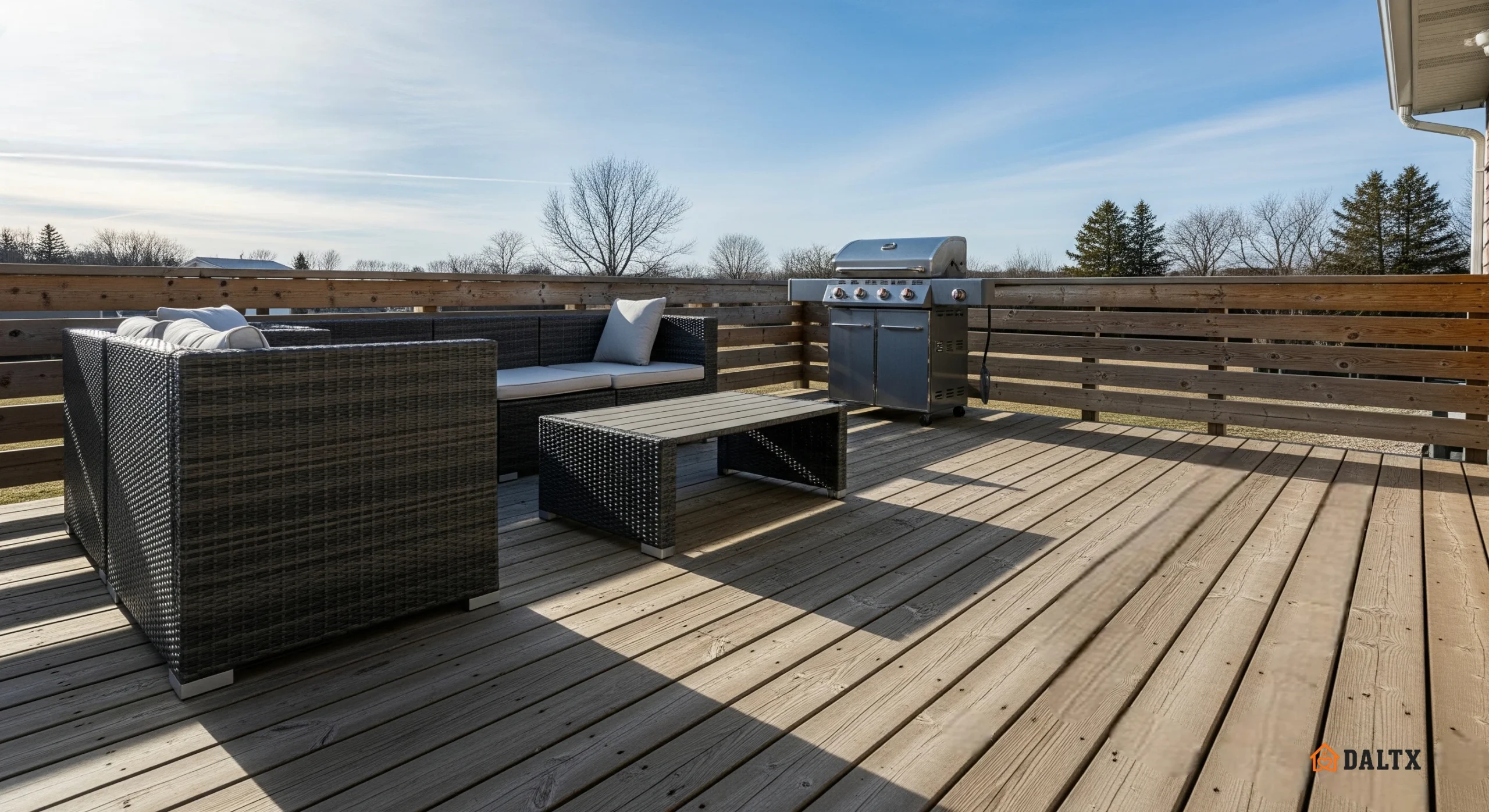
    Summer is peak deck season, and sun and heat can be tough on bare wood and worn finishes. Use a high-quality UV-blocking stain or clear water repellent on wood when the boards are dry and the temperature is between about 50 °F and 90 °F, so the finish cures evenly. For composite or PVC decks, follow the manufacturer’s directions, since most capped boards don’t require sealing and usually just need a good cleaning.

    Give your deck a deep clean before summer kicks in so the surface is ready. Scrub with a deck cleaner or use a pressure washer on low, around 500 to 1,200 PSI with a 40-degree tip. And keep the wand moving along the grain to avoid scarring the wood. Once it’s dry, check for popped screws, lifted boards, and loose posts, then tighten or replace any hardware as needed.

    Choose furniture that can handle heat and sudden storms, and set protective pads under the legs to prevent dents and stains. Use breathable covers for cushions and store fabrics in a dry bin to prevent mildew. If you have a grill, place a fire-resistant mat underneath, keep it a safe distance from railings and siding, and always follow local fire regulations.

    Fall Prep: Protecting Your Deck Before the Chill
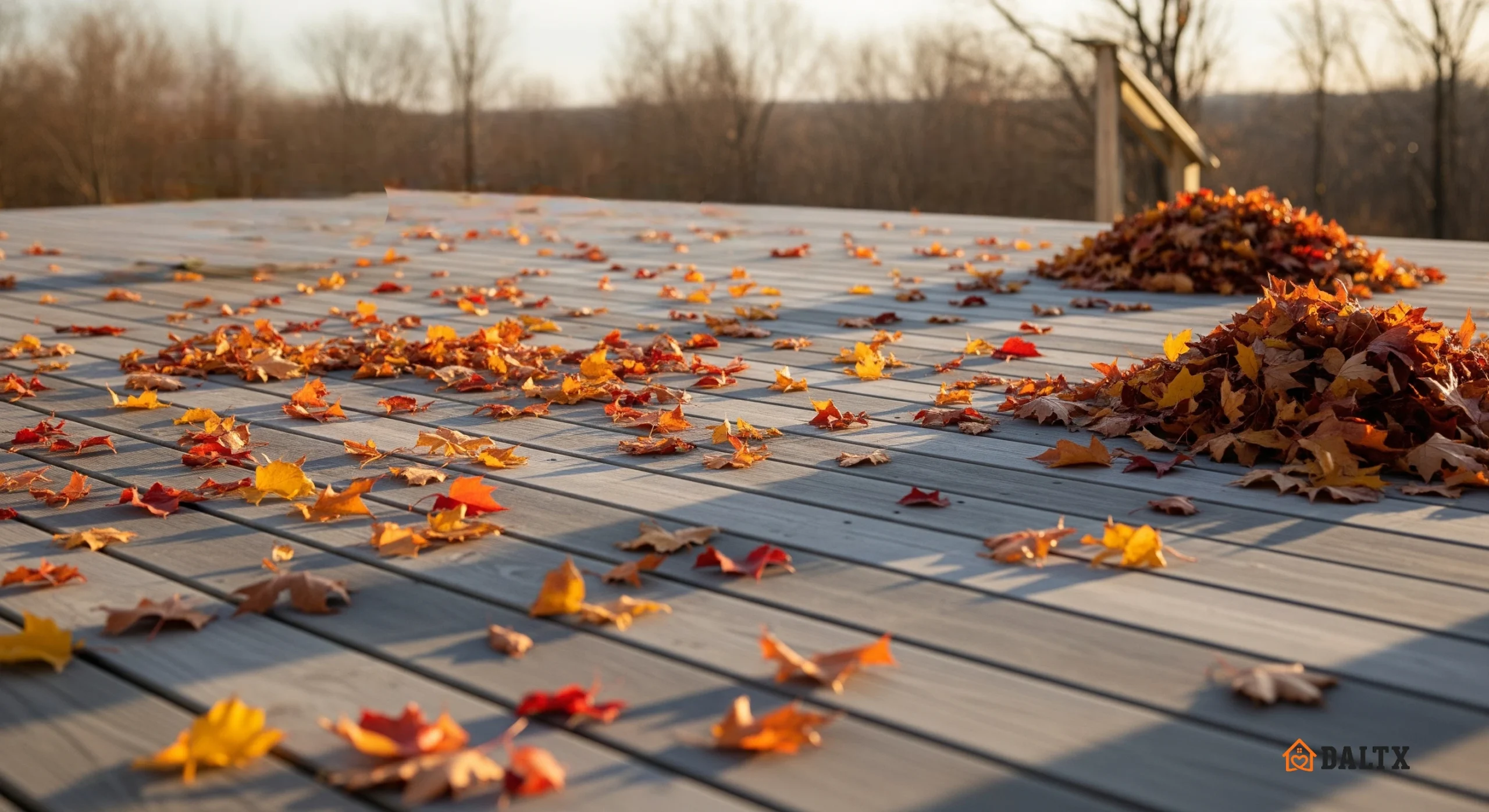
    When leaves start dropping, keep your deck clear because wet piles can stain wood or composite and make the surface slippery. Sweep often or use a blower, and clean out the gaps between boards so water can drain properly.

    Fall is a great time to seal bare wood before winter arrives. A fresh coat of penetrating stain or clear water repellent helps block the moisture that freezes and thaws. A cycle that causes checks and splits over time. Capped composite doesn’t need sealing, and a gentle wash is all it takes to keep it looking new.

    Winterizing Your Deck for Cold Weather
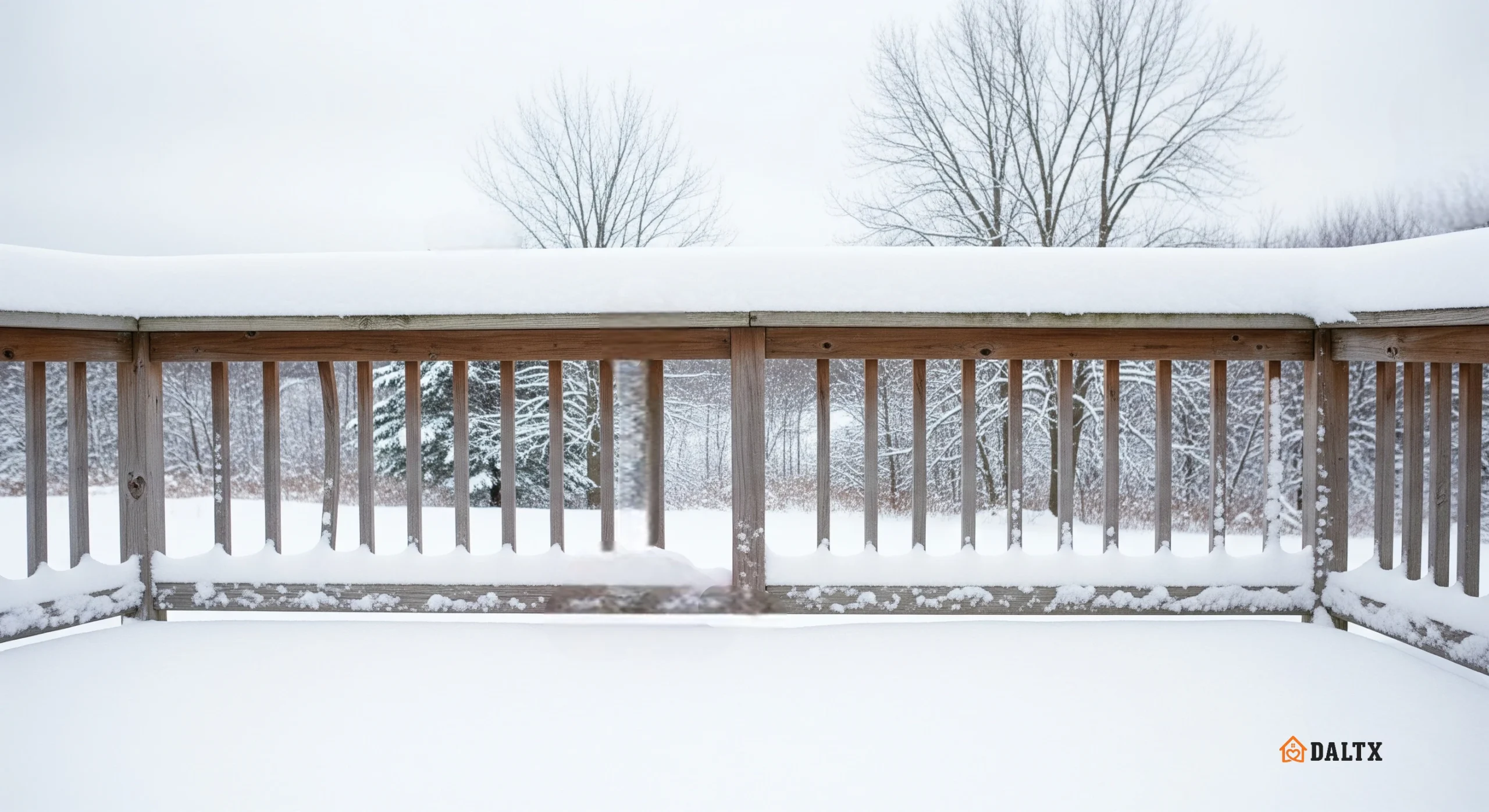
    Snow and ice are tough on decks, especially when water sits for days without drying out. Shovel right after storms using a plastic shovel, and push along the direction of the boards so you don’t catch the edges. Avoid rock salt on natural wood since it’s corrosive, and check your manufacturer’s recommendations before using ice melt on composite. If you need traction, sprinkle sand or use an ice melt labeled safe for your deck material, such as calcium chloride for most capped composites.

    For extra protection, use a breathable, fitted winter cover, since trapped moisture is the real enemy. Before the deep freeze hits, treat any exposed wood with a coat of water-repellent finish (or another water repellent), and make sure the house flashing is secure so meltwater can’t sneak behind the ledger.

    Spring Deck Prep and Bring Your Deck Back to Life

    Once it warms up, start with a thorough clean to wash away winter grime and pollen. Use a cleaner made for your material, rinse well, and let the boards fully dry.

    Spring is the best time to restain or reseal wood if water no longer beads on the surface. Pick a dry stretch and apply thin, even coats so the finish lasts longer and cures evenly. Composite and PVC decks usually just need a wash with mild soap and a soft brush to remove chalky film or dirt.

    Finish with a safety check before the season gets busy. Tighten loose rails, reset any proud fasteners, and inspect the ledger, joist hangers, and posts for rust or rot. Replace any soft or cracked boards and test GFCI outlets and lighting to make sure everything’s ready to go.

    Choosing Deck Materials That Work All Year

    If you’re building new or replacing old boards, choose materials that fit your climate and match how much maintenance you’re willing to do. Popular options include pressure-treated lumber, cedar, redwood, tropical hardwoods, composite, PVC, and aluminum.

    Pressure-treated lumber is affordable and strong, but it needs regular cleaning and an occasional stain to keep it looking good. Cedar, redwood, and tropical hardwoods offer rich color and natural beauty and can last for years with the right oil or stain, though they still need routine care. Composite and PVC decking are low maintenance, resist rot and splinters, and aluminum is extremely durable and sheds water quickly, making it ideal for areas with wide weather swings.

    Stone deck vs composite materials each have their pros and cons. Stone and paver patios also make great outdoor living spaces, but they aren’t decking since they sit directly on the ground. If you’re choosing between a raised deck and a patio, consider drainage, frost, and how you’ll use the space, then go with what best fits your site.

    Make Your Deck a Year-Round Hangout

    Add a few comfort upgrades so the deck works in every season. In winter, outdoor heating such as a code-compliant fire pit or outdoor heater keeps cold nights cozy, and in summer, shade from a pergola, an umbrella, or a retractable awning keeps things cool.

    Finish your setup with inviting details that pull their weight. Choose comfortable seating, quick-dry outdoor rugs, and string lights that are rated for wet locations. Whether you are hosting friends or unwinding after work, these touches make the deck feel like part of your home.

    Conclusion

    A little seasonal care keeps your deck looking good and safe to use. With a quick checklist for summer, fall, winter, and spring, you will spend less on repairs and get more time outside. No matter what your deck is made of, steady cleaning, quick fixes, and the right finish will keep it ready for any weather for years.


  • Composite Deck Builders Near You: Questions to Ask in Illinois and Georgia

    If you’ve been thinking about enjoying your mornings or weekends on a new backyard deck, finding the right builder is one of the most important steps. A deck is a long-term investment in your home. Many people start by typing “composite deck builders near me” into a search bar, but choosing the first company on the list isn’t always the best move.

    The contractor you pick will affect everything from the deck’s durability to how much maintenance you’ll face in the years ahead. Asking the right questions before you commit can help you protect your budget, avoid unnecessary stress, and make sure the finished deck is exactly what you pictured.

    1. Experience and Specialization

    Start with the basics: how long have they been building composite decks? Some contractors spend most of their time on wood projects and only handle a composite job occasionally. You’ll want a team that works with composite materials regularly and knows how they perform in different climates.

    Go a little deeper and ask about the kinds of projects they’ve completed. If that’s part of your vision, make sure they can show you photos or examples of similar work.

    A reliable builder should also be willing to share references from past clients. Taking a few minutes to look through finished projects or even visiting one in person if it’s nearby, can give you a much clearer idea of their craftsmanship. More importantly, it helps you see if their style matches what you want for your own backyard.

    2. Licenses and Insurance

    A professional deck builder should be properly licensed in your state or county. A license shows they’ve passed the local requirements and know the building codes that apply in your area. Most states let you check a contractor’s license online in just a few minutes, so don’t feel awkward about asking for their number.

    The company should carry liability coverage to protect your property and workers’ comp to protect their crew. If an accident happens, those policies make sure the cost doesn’t land on you. Ask for proof up front. If they hesitate or can’t provide it, that’s a red flag and a sign to move on.

    3. Portfolio and Customer Reviews

    A solid builder should be eager to show you what they’ve done. Ask for a portfolio that includes before-and-after photos so you can see the full scope of their work. The best deck companies are usually proud of past projects and keep plenty of examples on hand.

    Don’t stop there, check reviews online and reach out to past clients directly. A short conversation can tell you far more than a polished sales pitch. When you speak with previous customers, try asking questions like:

    • Were you satisfied with the finished deck?
    • Did the crew show up on time and stick to the schedule?
    • How did they handle unexpected issues during the project?

    Real feedback from homeowners who’ve already gone through the process is one of the best ways to measure reliability. Photos can show you the results, but hearing how the builder treated their clients tells you just as much.

    4. Guarantees and Project Timeline

    A dependable builder won’t just walk away once the deck is finished, they’ll back up their work. Ask what kind of warranty they provide. Most crews offer at least a year or two on labor, and many composite brands carry manufacturer warranties that can stretch well past a decade. Whatever the coverage is, get it in writing. Some companies hand you a one-page slip, while others give you a full packet. Either way, you should know exactly what’s included.

    Timing is just as important. Before signing a contract, ask when they can start, how long the build will take, and what happens if weather or shipping delays throw the schedule off. Getting those answers early saves you from scrambling later.

    Here’s a simple cheat sheet you can keep handy when talking to builders:

    Ask AboutQuestions to Bring UpWhy It Helps You
    ExperienceHow many composite decks have you built?Tells you if they’ve done this before
    LicensesAre you licensed and insured?Keeps you covered legally
    PortfolioCan I see photos or speak with past clients?Shows their real work, not just talk
    WarrantyWhat’s covered, and for how long?Gives peace of mind after the job
    TimelineWhen can you start, and when will it be done?Helps you plan around the project

    5. Permits and Local Regulations

    In most towns, you’ll need a permit before work can begin. If you live in a neighborhood with a homeowners association (HOA), there may be extra rules on size, height, or even the type of materials you’re allowed to use.

    Ask your builder straight out: will they take care of the permits and schedule the required inspections? A professional crew usually knows the local process well and can handle it for you. That saves you from running back and forth to city hall or trying to figure out HOA approvals on your own. Having a builder who manages this part of the job means fewer headaches and fewer chances of surprise delays.

    6. Materials and Installation Methods

    Not every composite board is the same. Some brands fade quicker, others stay cooler under the sun, and a few are made with more recycled content. Ask your builder which products they trust—Trex, TimberTech, Fiberon, or another line and what they’ve seen hold up best over time. A good answer isn’t just naming a brand, but explaining why they’d choose it.

    It also pays to dig into how they build.

    Do they use hidden fasteners so the surface looks clean?

    How do they frame the joists to prevent bounce or sagging?

    What’s their approach to keeping boards from warping or losing color after a few summers?

    Those small details might not be obvious on day one, but they’ll decide how solid your deck feels five years from now.

    7. Pricing and Payment Structure

    Money talks, so you’ll want the numbers to be crystal clear before anyone starts digging post holes. Ask for a detailed, written estimate that breaks down everything, such as materials, labor, permits, haul-away, even cleanup at the end. A good builder won’t mind showing you exactly what’s included instead of handing you one lump-sum price.

    It’s also smart to review how payments are set up. Most companies will ask for a deposit up front, then set milestones for the rest, like when framing is complete or once decking boards are installed. Make sure you understand what triggers each payment.

    And don’t skip the fine print. Ask what counts as an “extra.” Changes you request halfway through, or hidden issues like rotted framing under an old deck, can add to the final bill. Knowing this ahead of time keeps your budget from being blown wide open.

    8. Communication and Reputation

    Building a deck is about working well together. Ask who your main point of contact will be once the project starts. Will you be hearing from the crew leader, the owner, or a project manager? Knowing exactly who to call if questions pop up saves a lot of stress.

    It also helps to ask how often they’ll keep you in the loop. Some builders check in daily, others give weekly updates. Either way, you shouldn’t feel left in the dark.

    Finally, think about reputation. A builder with solid reviews and happy past clients is usually a builder who communicates well.

    The Final Checklist

    These questions will help you compare companies and spot the ones you can truly trust:

    • How much experience do you have with composite decking projects?
    • Are you fully licensed and insured for this type of work?
    • Can you show me recent photos or connect me with past clients?
    • What kind of warranties do you provide, both on labor and materials?
    • Will you handle all the permits and inspections for me?
    • Which composite brands do you recommend, and why?
    • What installation methods do you use, and how do you handle cleanup?
    • Can you give me a detailed, itemized quote along with a payment schedule?
    • Who will be my main point of contact throughout the project?

    Having these answers in writing makes it easier to compare builders side by side and keeps surprises to a minimum once construction begins.

    Conclusion

    Choosing the right composite deck builders near me isn’t just about the lowest price – it’s about peace of mind. With the right questions, you’ll feel confident that your new deck will last for years, look amazing, and become everyone’s favorite spot.

    Take your time, ask around, and remember: the best builders are always happy to answer your questions.