Posting an online listing, sending out flyers, or making a few phone calls used to be enough to get attention on a property. These tools still work, but today’s buyers expect more. They’re not just comparing numbers on a sheet. They want something that feels personal, something that makes them remember the house long after they leave.
That’s where cultural and musical events come in. An open house with live music, local food, or an art showcase can turn a standard showing into an experience. Instead of buyers walking through quietly and leaving after a few minutes, they stay longer, connect with the space, and picture what life there could feel like. These moments make a property memorable in a crowded market.
Why Events Matter in Real Estate Marketing
Flyers and online photos can show a house in its best light, but they rarely capture what it’s like to actually be inside. A glossy brochure might highlight the hardwood floors, yet it won’t tell a buyer how the place feels on a Saturday afternoon with people gathered in the kitchen.
You’ve probably seen it happen before: buyers walk into an open house, glance around, nod politely, and slip out a few minutes later. They don’t connect with the space, and by the end of the day that house blends in with all the others they toured.

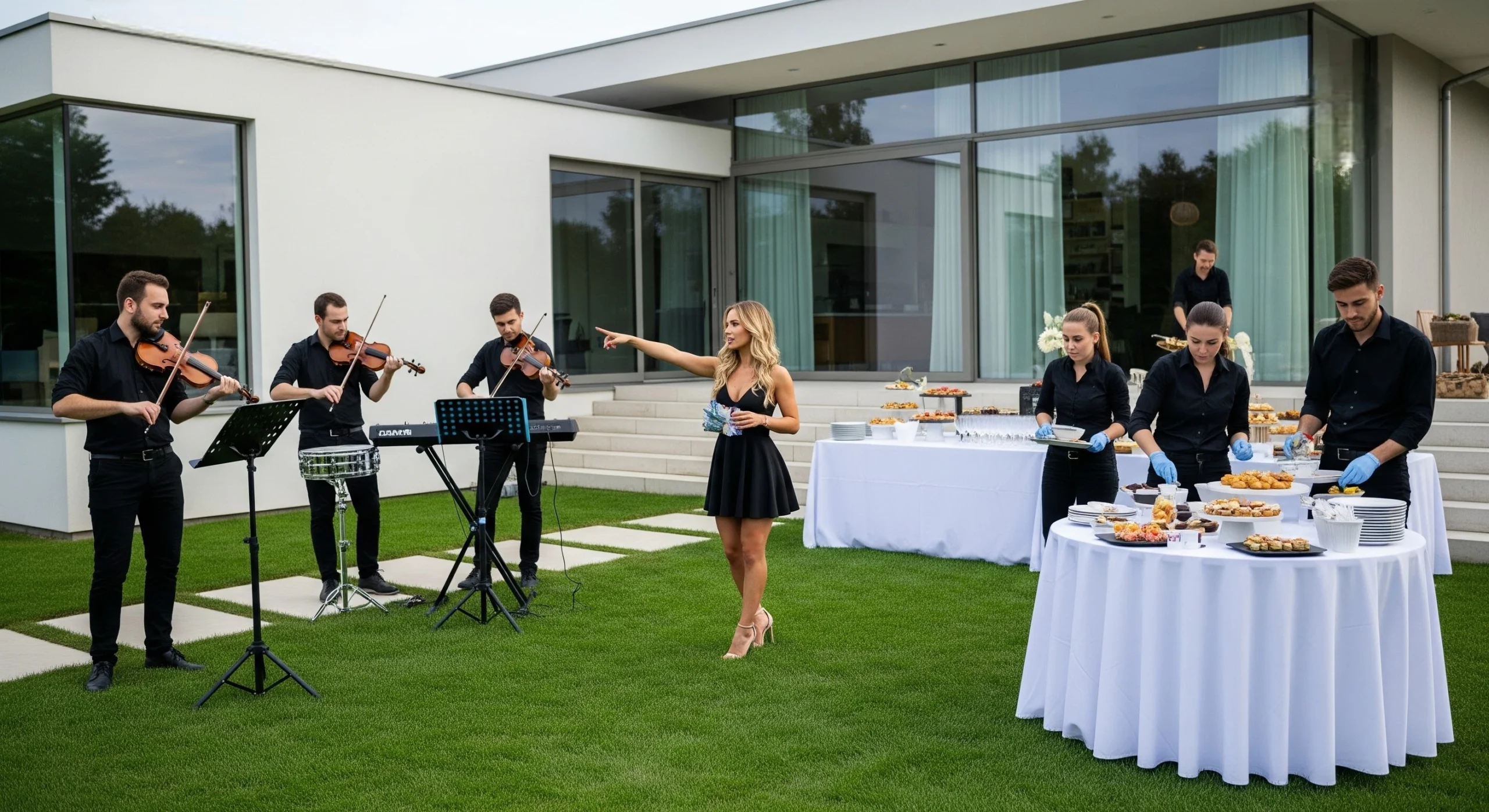
An event changes that rhythm. Maybe it’s a small jazz group with talented jazz band performers playing in the living room, or a tasting table with regional dishes set up in the dining area. Suddenly the house feels alive. People linger. They chat, laugh, and picture themselves hosting their own friends there. Those little moments, hearing music in the background or tasting food at the kitchen counter give buyers something to remember when they talk about the home later.
According to Newsweek, Dallas is experiencing a surge in homes for sale. Market prices have also dropped. It becomes more challenging to attract the right buyer. That’s when events can help you rise above the competition.
In a busy market, where buyers see one property after another, the homes that stand out are the ones that leave an impression. An event gives them that impression, not through sales talk, but through a feeling they carry with them after they walk out the door.
Cultural Events as Community Builders
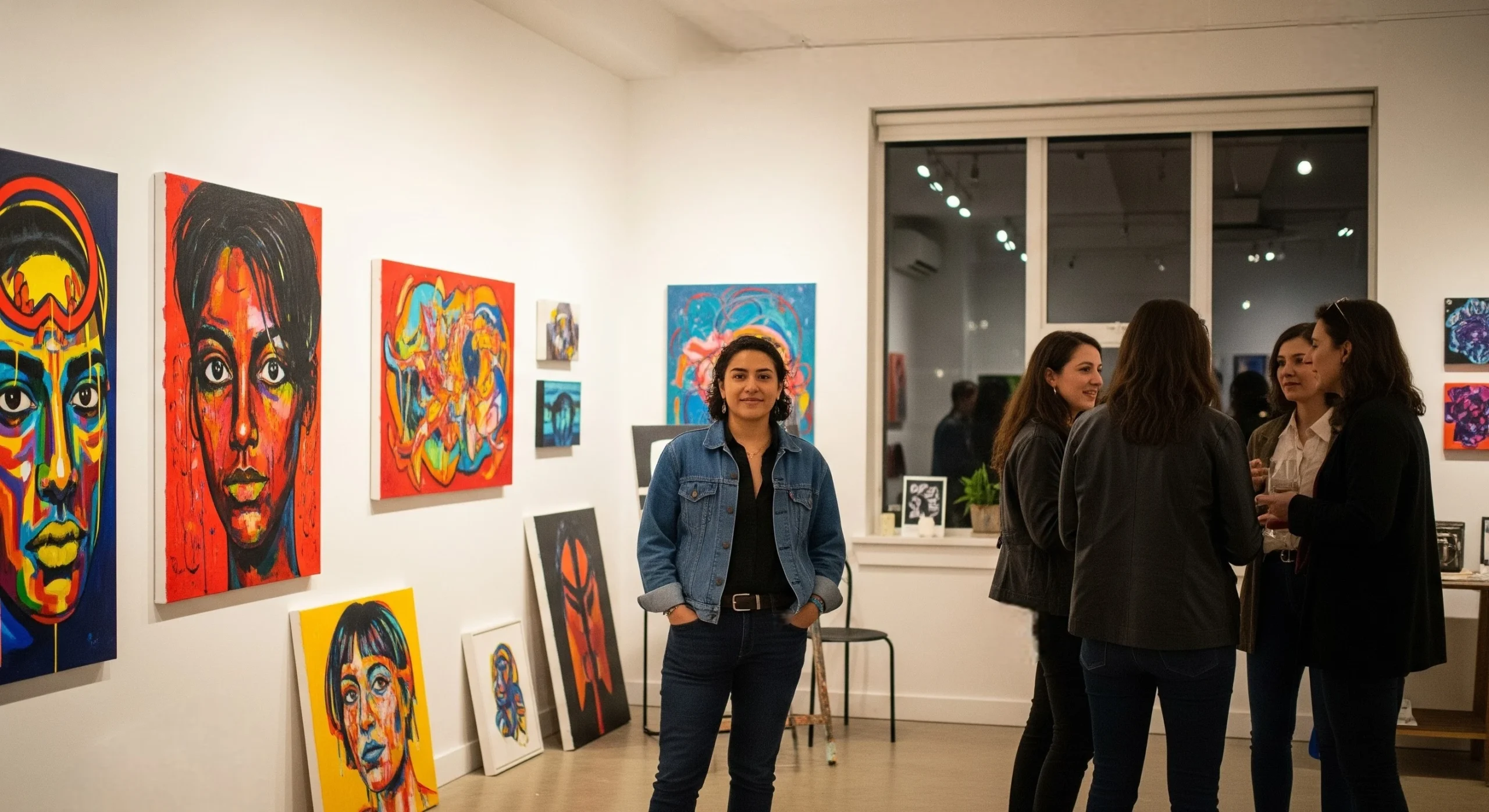
Every neighborhood carries its own rhythm. Sometimes it’s the corner diner that’s been around forever, sometimes it’s the muralist painting on a brick wall, or the weekend market that draws families together. When you fold that character into an open house, you’re essentially using experiential marketing, the property feels less like a listing and more like a place people already know.
Picture walking through a showing where a local baker offers samples in the kitchen, while a guitarist plays on the porch. Guests linger, not just to look at rooms, but to talk with neighbors and soak in the atmosphere. They’re not only seeing a house, they’re getting a taste of daily life.
That kind of experience is hard to forget. Long after the brochures are tossed, buyers will remember the sound of music drifting through the rooms, the smell of fresh bread, or the casual chat with a neighborhood artist. It feels real, and it makes the house harder to shake from their minds.
Musical Events: Rhythm Adds Appeal
Step into a typical open house and the first thing you notice is often the silence. Footsteps echo in empty rooms, conversations stay hushed, and within minutes people are back out the door. Nothing about it lingers.
Now add music. A soft piano in the living room, a jazz trio in the backyard, or even a simple playlist that matches the vibe of the home. The atmosphere changes instantly. Guests stay longer, they talk more freely, and the house feels less like a product on display and more like a place where life happens.
Music has a way of shaping memory. Buyers may forget the exact square footage, but they’ll remember the sound of a saxophone filling the hallway, or how a lively song in the kitchen made them smile. Those impressions stick far better than numbers on a sheet.
Different styles can highlight different moods. Classical strings add a touch of elegance, acoustic guitar brings warmth, and upbeat jazz encourages energy and conversation. Choosing the right sound isn’t about background noise—it’s about letting buyers feel something real while they’re in the space.
Planning Event-Driven Property Marketing
Good events don’t just happen by accident. To really make an impression, you need a clear plan that matches the property and the people you want to reach.
Know your buyers
A condo near a university attracts a different crowd than a home in a retirement community. Think about who’s most likely to walk through the door and tailor the experience to them. A young couple might enjoy a lively local band, while a more upscale audience may respond better to a string quartet or a wine tasting.
Work with local talent
Musicians, artists, and chefs from the area bring authenticity to the event. They also help draw in guests who already follow their work. Partnering with community talent adds credibility and makes the event feel connected, not staged.
Pick the right time
The schedule matters. Weekend afternoons tend to work best for families, while evening events may attract professionals who stop by after work. Seasonal touches also make a difference—think holiday carols in December or outdoor acoustic sets in the summer.
Plan the flow
A successful event feels smooth, not crowded or chaotic. Make sure people can move easily from room to room, that food and drinks are placed where they invite conversation, and that the music complements rather than overwhelms the space. Comfort keeps guests around longer, which means more time for them to imagine themselves living there.
Wrapping Up
Selling homes has never been just about square footage or countertops. Buyers want something they can connect with. That’s why more agents are turning open houses into small experiences—whether it’s live music in the living room or a tasting table in the kitchen.
These touches don’t have to be complicated. A local band, a few dishes from a neighborhood restaurant, or an artist showing their work can make a simple tour feel different. Guests stay longer, talk more, and walk away remembering the house instead of blending it with the others they saw that week.
The goal is simple: help people imagine what life might feel like in that home. Cultural and musical events are just one way to make that picture a little clearer.