Tag: Commercial Spaces

  • Hotel Paintings Selection Guide: Choosing Artwork and Wall Art That Elevates Guest Experience

    In hospitality, a great stay is about more than a comfy bed and friendly staff. What guests see the moment they walk in shapes how they feel and, ultimately, whether they return. The right artwork can turn plain spaces into memorable destinations people talk about.

    Why Hotel Artwork Matters

    Artwork pulls real weight for your business, it’s not just decoration. It builds your brand, sets you apart from the hotel down the street, and creates the photo-worthy moments guests love to share on social media. A thoughtful collection also lifts your property’s perceived value, making premium rates easier to justify and supporting better overall satisfaction scores.

    Selecting the right hotel painting collection starts with understanding your audience, your brand, and the mood you want to set in each space. Boutique hotels, for example, can lean into local artists to highlight community connection. Luxury resorts might showcase museum-level pieces that signal exclusivity. Properties focused on business travelers often do well with calming, professional work that helps road warriors unplug after a long day.

    Visuals influence how large a room feels and how relaxed a guest becomes and that first impression happens in seconds. Color, contrast, and subject matter steer emotions quickly, making art a huge part of that snap judgment. Biophilic imagery or art focused on nature, often lowers stress, which is invaluable for lobbies, guest rooms, and spas.

    Curating Art for Different Hotel Zones

    Every zone in your hotel has a specific job, and the art should support it.

    • The Lobby: This is your opening statement. This high-traffic, high-visibility area deserves bold work that tells your brand’s story immediately. Large pieces, striking sculptures, or a strong series can anchor the space and create an easy, on-brand “selfie spot.”
    • Guest Rooms: These spaces need a softer touch, as the space is personal. Choose art that promotes rest without pushing a narrow, specific taste, and keep the palettes easy on the eyes. Abstracts, landscapes, and subtle cultural nods tend to reach a wide audience while still feeling upscale. It’s wise to skip controversial themes or overt religious imagery so that no guest feels excluded.
    • Corridors: Hallways are traveled all day and shouldn’t feel like an afterthought. Use a gallery-style run or a themed series that unfolds as guests walk, but be sure to avoid clutter. To comply with accessibility guidelines (like the ADA), keep frames from protruding more than four inches into the path. This rule generally applies to objects mounted between 27 and 80 inches off the floor. Finally, pick tempered glass or museum-grade acrylic so the pieces are safer and easier to clean.
    • Amenities: Dining rooms, bars, and recreation spaces can handle bolder choices that invite conversation. Local artwork in a restaurant strengthens its sense of place, and energizing pieces in fitness areas can be highly motivating. Small details, like QR codes linking to artist bios, make the entire experience feel more curated and human.

    Practical Considerations for Hotel Art

    Durability is critical in hospitality. Your materials must handle frequent cleaning, humidity shifts, and the occasional bump from luggage. Ask suppliers for sealed canvases, scrub-resistant topcoats, and UV protection for any pieces near sunlight so the colors hold up. If you print on-demand, choose low-odor inks with third-party indoor air quality certifications (like GREENGUARD) so a new installation doesn’t smell like a paint shop.

    Fire and insurance rules vary significantly by city. You must confirm all requirements with your local fire marshal and insurance carrier before you purchase. Frames, substrates, and hanging systems may all need specific fire ratings, especially in corridors and public assembly areas. A quick code check early on can save you significant rework and fees later.

    Your budget plan needs to go beyond the sticker price of the art itself. Be sure to include costs for professional installation, security hardware, insurance riders, and a small reserve for future repairs or rotation. Leasing and art rotation programs can keep your spaces feeling fresh without a huge annual spend. Licensing limited editions from emerging artists is another great strategy to get unique work at an approachable cost while supporting the creative community.

    Building a Cohesive Story with Your Wall Art

    Consistency reads as professional, so you should set a clear theme; however, variety is what keeps it from getting boring. Repeat a few key colors or subjects across different zones to make the property feel connected, while still allowing each space to have its own voice. Regional landscapes, local culture, or craft motifs work very well when they are handled with care and authenticity.

    Let the art carry your brand story in specific ways. A beach resort can go beyond stock-image seashells and instead commission local photographers to capture real shoreline life, or partner with marine artists for original takes on sea life. Mountain and city properties can do the same with artistic trail maps, vintage transit line diagrams, or pieces from neighborhood makers who bring the area to life.

    Historic hotels can create a dynamic feel by mixing period-appropriate pieces with contemporary art that plays off the architecture. Urban boutiques can showcase street art, modern illustration, or industrial textures that directly reflect the block outside the door.

    Best Practices for Sourcing and Installation

    Build relationships with local galleries and arts districts. This helps you find new talent and keeps money circulating in the community. Hospitality-focused art consultants can speed up the shortlisting process, manage logistics, and keep you on-brand and on-budget. While online marketplaces expand your reach, you must always secure written usage rights, image licenses, and reproduction permissions for anything you print or promote.

    Professional installation is a must; it protects your guests, your property, and the artwork itself. Use security mounts, the proper anchors for your specific wall type, and anti-theft hardware in any area where guests can easily touch the work. Confirm safe mounting heights for corridors and public areas. Always choose safety glazing (tempered glass) or acrylic where impact is possible, and use safety cables in seismic zones.

    Document everything from day one so you can manage the collection like the valuable asset it is. Photograph each piece, and log its condition, location, size, medium, and cost. Save artist bios and all licenses, noting any renewal dates. This file makes insurance claims, appraisals, and simple guest questions infinitely easier to handle.

    Measuring Success and Evolving Your Collection

    Track what the art is doing for you. Monitor guest surveys, review keywords (“love the lobby paintings”), and see which pieces show up most often in social media posts and photo tags. Don’t be afraid to swap or move underperformers. You can even run small A/B tests by floor or room type, and you should always plan to refresh art sets during major renovations or when your key guest profiles shift.

    Investing in art is ultimately a business decision. It directly shapes how people feel about your brand and what they are willing to pay. Thoughtful, strategic curation turns a quick overnight stay into a lasting memory, which is what brings people back and drives real revenue.
  • 5 Reasons Architects & Interior Designers Recommend Victura Fans

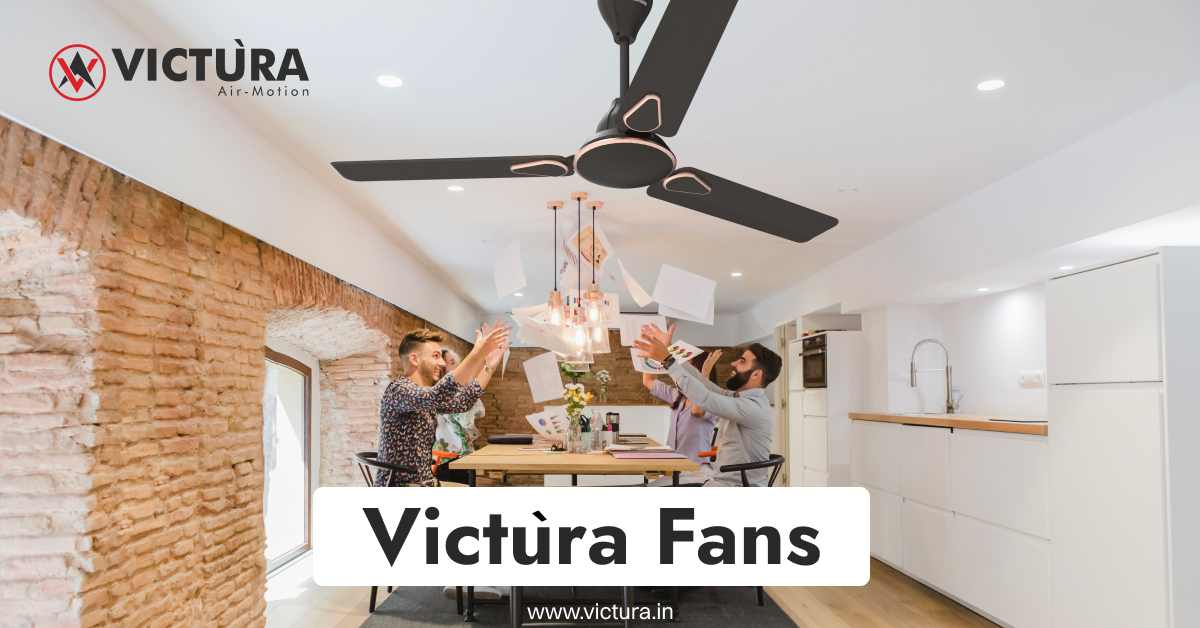
    5 Reasons Architects & Interior Designers Recommend Victura Fans

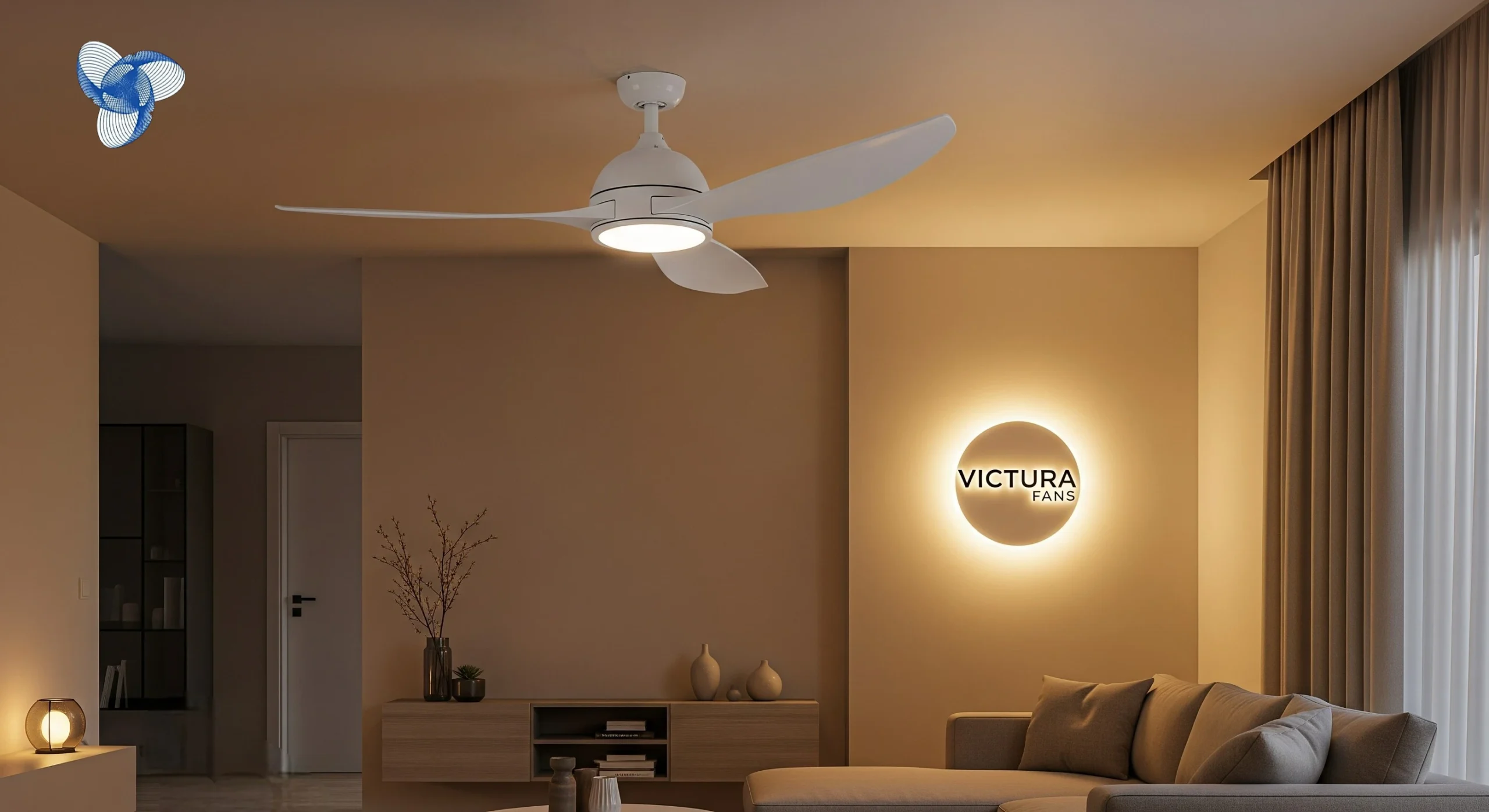
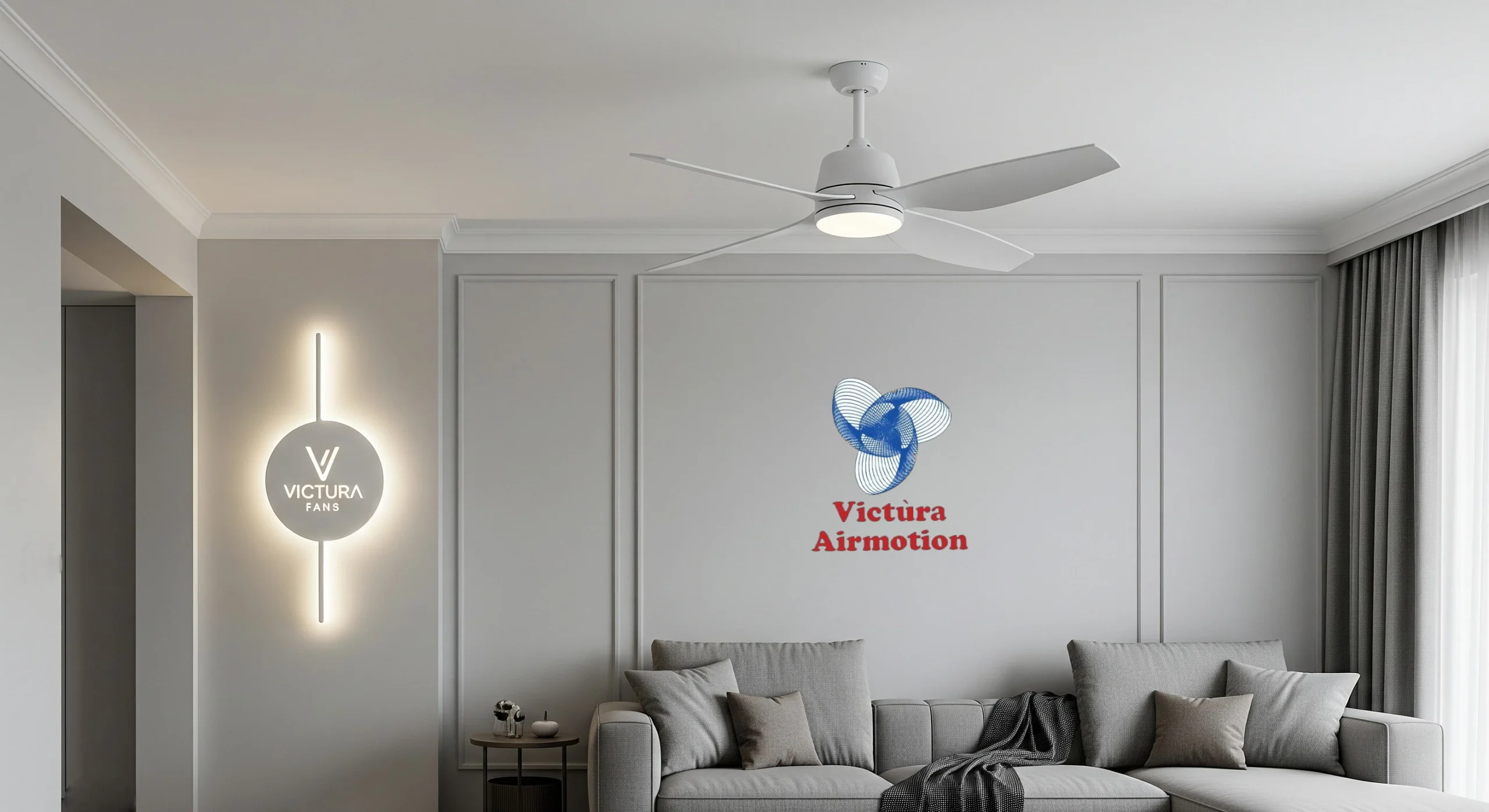
    Once a purely functional object, the modern fan has become a design statement. And leading this evolution is Victùra Airmotion, not just a fan, but a philosophy in motion. These fans don’t merely circulate air; they elevate ambience.

    It’s no wonder then that architects and interior designers, the silent authors of every elegant home and dynamic commercial space, repeatedly recommend Victùra.

    So what makes Victùra their top choice?

    Let’s hear it from the people who shape our spaces.

    How the Right Fan Elevates Your Space

    A fan isn’t just about airflow. It’s about feeling.

    The right fan complements your design narrative. It disappears into a minimal Scandinavian ceiling or takes center stage in a luxe tropical-themed living room. It moves quietly in a cozy study and adds drama in an atrium lobby. It connects the architecture with the atmosphere, literally and emotionally.

    And that’s where Victùra Airmotion steps in.

    These fans, with their soft hum, cool shapes, and smart build, are essentials for design.

    Minimal Maintenance, Maximum Impact

    Designers and architects don’t just design for today; they design for longevity. A fan might look good on Day 1, but what about five years down the line? That’s where Victùra stands out.

    Built with high-grade finishes and dust-resistant coatings, Victùra fans are made to look fresh with minimal upkeep. No rusting. No paint peeling. No endless cleaning cycles. For home and work spots alike, this means less fixing work and less cost over time. Interior designers like that the outer layer stays bright, even in wet spots or open areas.

    Architects appreciate how the fan’s build integrity holds up in both coastal and urban environments. It’s one of those rare cases where low effort meets high return, a quiet performer that keeps the style sharp and the environment serene, year after year.

    From the Point of View of an Architect: Function, Form, and Future

    We spoke to several architects across India, and here’s what they had to say. Across cities, scales, and sensibilities, they agree on one thing: Victùra fits seamlessly into their vision.

    1. Design Harmony

    Architects don’t just build; they balance. Balance between structure and soul. And with Victùra’s minimalist yet bold designs, they get a fan that enhances rather than interrupts the architectural flow.

    Whether it’s a villa in Alibaug with open beams and natural textures, or a contemporary penthouse in Gurugram with clean lines and glass walls, Victùra fans blend effortlessly.

    2. Scale Versatility

    Not all things work for everyone, and architects know this very well. Victùra fans are available in multiple sizes and blade spans to fit different ceiling heights, room sizes, and building designs.

    From double-height ceilings to compact modular homes, Victùra ensures the proportions are perfect. Architects appreciate how easily these fans slot into diverse blueprints without compromising airflow dynamics or aesthetic rhythm.

    3. Material Integrity

    Victùra makes their fans from high-quality materials, like ABS blades and aluminium bodies that last a long time. They use finishes that don’t change much with time. Architects like this because it fits with their plans for places that last and don’t need much care over time.

    4. Sustainable Design Compatibility

    Green buildings are no longer optional; they’re essential. Victùra fans are energy-efficient, BEE-certified, and designed to reduce the load on HVAC systems. This makes them an architect’s ally in achieving green certification goals.

    Add to that the fans’ BLDC motors, which consume up to 65% less energy, and you’ve got a performance-driven choice that ticks every sustainability box.

    5. Technical Collaborations Made Easy

    Architects often coordinate with MEP consultants and electrical planners. Victùra provides detailed technical documentation, CAD blocks, and spec sheets, making planning and integration frictionless.

    Why Interior Designers Love Victùra Airmotion Fans: The Aesthetic Advantage

    Interior designers don’t just decorate. They choreograph emotion, atmosphere, and experience.

    They’re storytellers too, and for them, Victùra fans are part of the plot.

    1. Style That Speaks

    Victùra fans come in finishes that cater to every palette, matte black for industrial chic, antique brass for colonial charm, and white oak for Nordic serenity. These aren’t just fans. They’re accents, centerpieces, and talking points.

    2. Silent Elegance

    One of the biggest challenges in designing serene spaces, be it a spa, a luxury suite, or a meditation room, is noise.

    Victùra’s whisper-quiet operation is a game-changer. Their brushless DC motors and vibration-dampening mounts ensure you hear nothing but your own thoughts.

    3. Smart & Seamless

    Interior designers like tech, but not when it disrupts the aesthetic. Victùra’s smart fan perks, like remote, are well put in, fitting right in the hip, neat homes.

    4. Customizable Finishes

    Designers often work with unique themes. Rustic barn-style kitchens. Eclectic Boho living rooms. Ultra-modern monochrome lounges.

    Victùra’s custom finish options allow interior designers to stay authentic to their theme without compromise.

    From woodgrain textures to matte metallics, every fan can be tailored to enhance the moodboard.

    5. Layered Lighting Compatibility

    Many Victùra models have built-in or added LED lights, letting designers make rich light setups. Be it soft mood lights in a lounge or bright lights for work in a bedroom, the fan adds to the whole light plan.

    Victùra in Commercial Spaces: Where Function Meets Flair

    Victùra isn’t only a star in homes; it’s also big in business spots. From boutique hotels, art galleries, co-working spaces, and restaurants, those who build and design pick Victùra to lift up normal places.

    Why? Because these spaces demand more than just cooling, they need atmosphere. A poorly chosen fan can throw off the entire design narrative. But Victùra’s sculptural silhouettes and noise-free performance blend seamlessly into curated commercial settings. It’s the fan that cools a café corner without disturbing the acoustic playlist, or keeps guests comfortable in a lobby without dominating the aesthetic.

    Add energy efficiency and long-life components, and you’ve got a commercial-grade solution with designer appeal. It’s beauty with backbone.

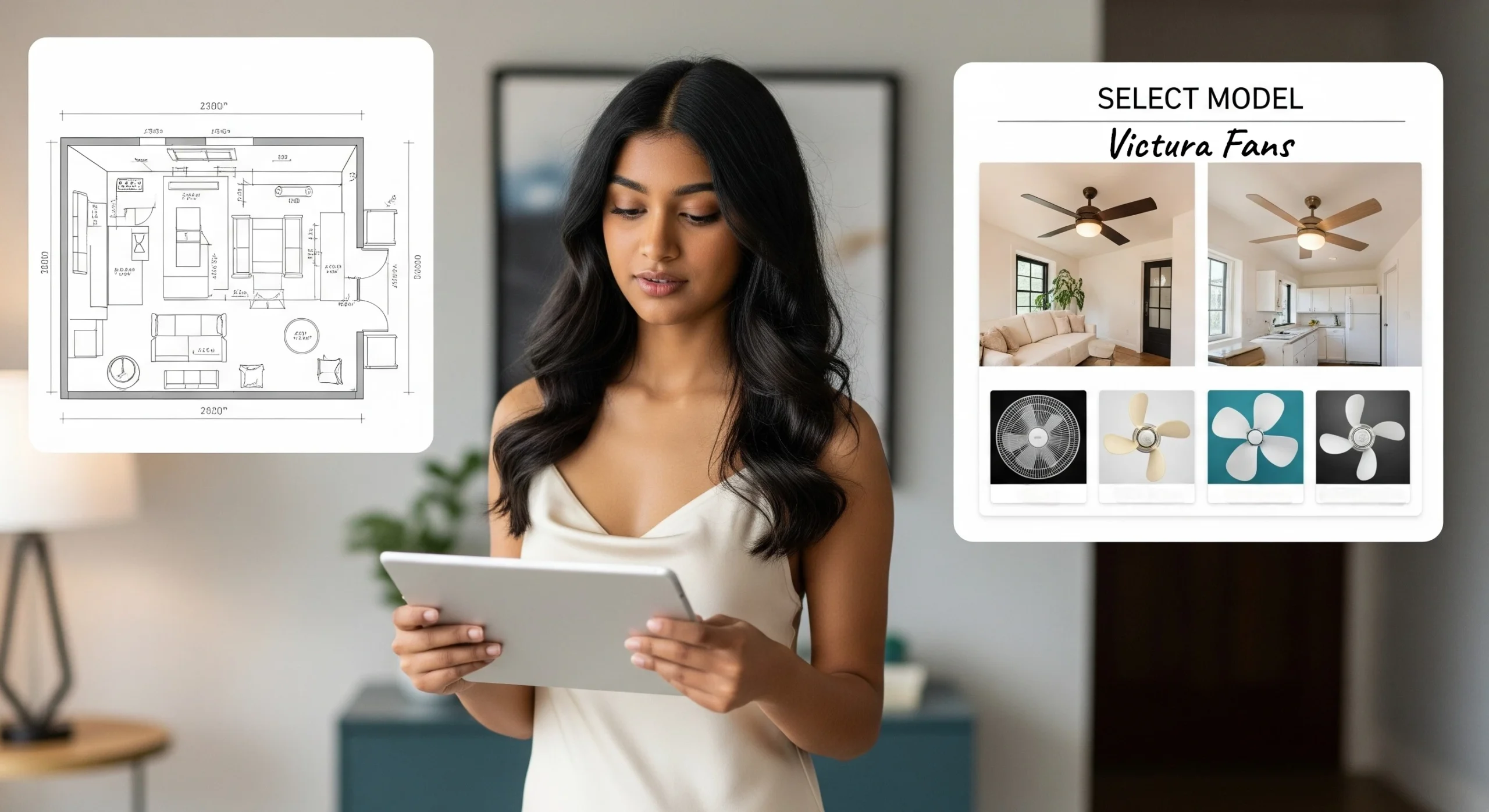
    How to Choose the Best Victùra Airmotion for Your Home

    Feeling inspired but unsure where to start?

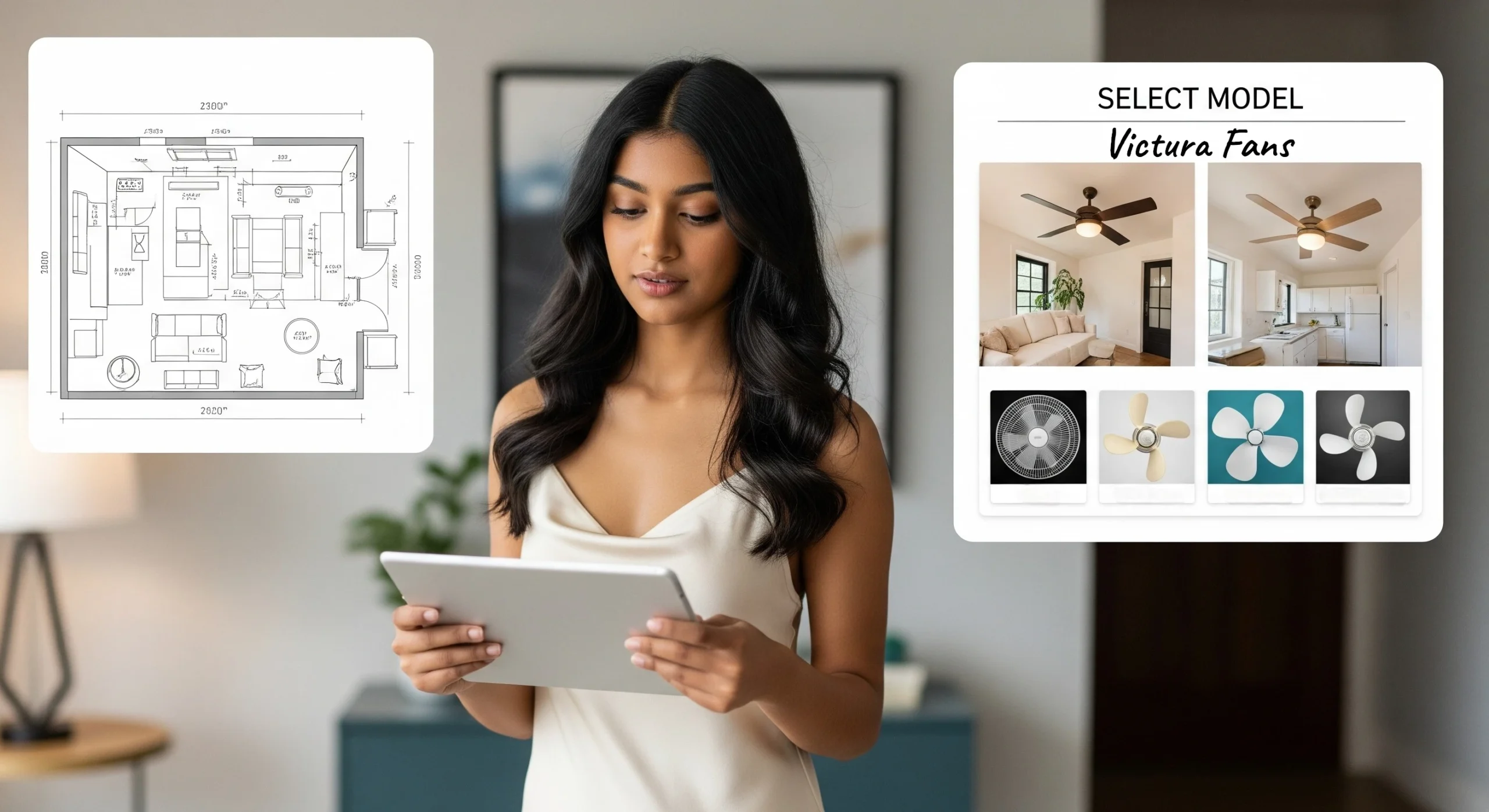
    Here’s a quick guide to help you pick the perfect fan:

    1. Know Your Room Size

    Victùra offers different blade spans for compact rooms, standard rooms, and large open layouts. Measure your space before choosing.

    2. Match the Mood

    Want calm elegance? Go for a white or wood finish. Love bold drama? Try matte black or antique bronze. Your fan should echo your room’s personality.

    3. Ceiling Height Matters

    Higher ceilings need longer downrods for proper air circulation. Victùra provides options for varied ceiling heights, so don’t settle for generic.

    4. Lighting or No Lighting?

    Some fans come with LED kits built in. If your fan doubles as a light source, make sure the brightness (lumens) and tone (warm vs cool) fit your needs.

    5. Tech Features You’ll Use

    App controls, smart assistants, and remote operation, go for what fits your lifestyle. Not all features are necessary for everyone, but they’re great to have.

    Conclusion

    There’s an old saying—“God is in the details.” Architects and interior designers know that better than anyone.

    From the grain of a wooden panel to the sheen of a marble slab, from the placement of a window to the pitch of a roof—every choice matters.

    And fans? They’re no longer background players. With Victùra Airmotion, they become co-creators of space, style, and soul.

    Whether you’re designing a home that hugs you back, or a café that people never want to leave—a Victùra fan completes the story.So next time you look up and feel the breeze, ask yourself—is it just air?
    Or is it air in motion, designed to move you?