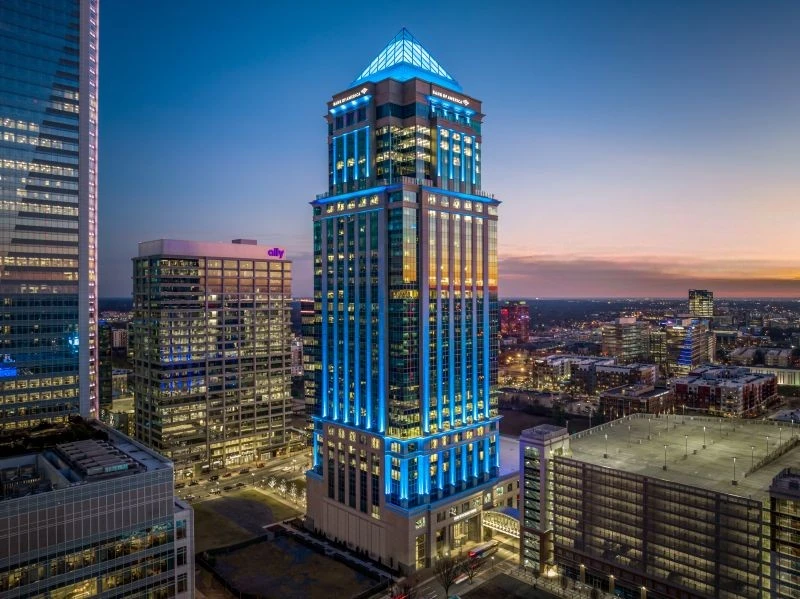
Dallas, TX. — Highwoods Properties Inc. (NYSE: HIW) has purchased SEVEN20 at Legacy Union, a 14‑story, 1.1‑million‑square‑foot parking garage at 720 S. Church St., from Dallas-based real estate firm Lincoln Property Co. for $110 million. The deal closed Aug. 21, according to Mecklenburg County property records.
The structure, which is among the largest parking facilities in the Carolinas, primarily serves Legacy Union’s office tenants and event traffic near Bank of America Stadium. It includes 14,360 square feet of ground‑floor retail along Church Street and a pedestrian bridge on the fifth level that links directly to Bank of America Tower at 620 S. Tryon St. Lincoln will continue to manage the property.
Highwoods plans roughly $1.5 million in near‑term upgrades; details weren’t disclosed. The garage is expected to generate about $8 million in net operating income over the first four quarters after the sale.
By the numbers:
Implied cap rate: ~7.3% (based on $8M NOI on a $110M price)
Price per space: ~$36,000 (3,057 spaces)
Price per square foot: $100
Planned upgrades: ~1.4% of the purchase price (≈ $491 per space)
CBRE’s Patrick Gildea and Matt Smith represented Lincoln in the transaction. Highwoods did not use a broker.
Lincoln executives called the garage the operational center of the Legacy Union campus, critical for office users during the workweek and a workhorse on event days around the stadium. The company said the sale was off‑market. Lincoln and its investment partner, Goldman Sachs, had tested buyer interest in recent summers but waited until they believed pricing reflected the asset’s value.
The purchase deepens Highwoods’ footprint at Legacy Union. The REIT acquired Bank of America Tower in 2019 for $441.6 million and SIX50 in 2022 for $201.2 million. Elsewhere in Charlotte, Highwoods also owns Capitol Towers and One, Two and Three Morrocroft Center in SouthPark.
Legacy Union, a 10‑acre, class‑A office district developed by Lincoln in partnership with Goldman Sachs, has delivered in phases: the parking garage and Bank of America Tower (2019); SIX50 (2020); Honeywell’s headquarters (sold in 2021 for $275 million to PRP Real Estate Investment Management); and Legacy Union 6HUNDRED (2024). Lincoln says 6HUNDRED is the only delivered asset there it still owns and may eventually sell.
The deal consolidates control of key campus infrastructure under a landlord that already owns two neighboring towers, a setup that can streamline access, pricing, and operations for tenants. With downtown parking demand supported by both office users and stadium events, the income profile of this garage offers a buffer as the office market continues to adjust.
Homebuilding giant D.R. Horton has sued Rockwall County, Texas, escalating a dispute that could set a pivotal precedent for who pays to expand infrastructure in some of the state’s fastest-growing regions. The lawsuit comes after local officials sought to make the developer shoulder millions of dollars in costs for roads, utilities, and emergency services tied to a major new subdivision.
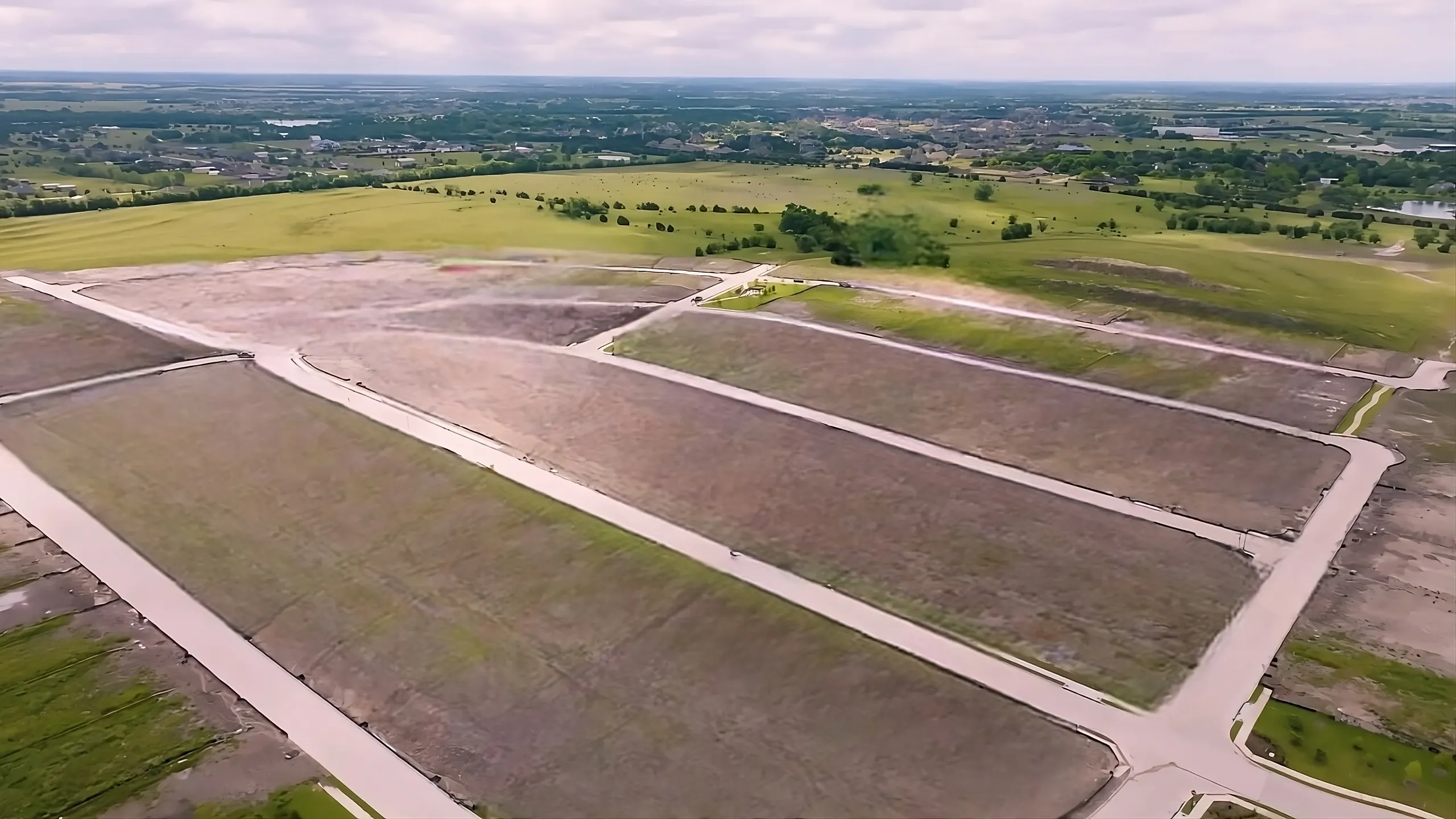
At the heart of the clash is River Rock Trails, a planned 418-home community on 85 acres in unincorporated southern Rockwall County—just outside the Dallas-Fort Worth area, where growth has surged. County leaders insist developers should pay a fair share to help expand services like roads, water lines, and police coverage that new residents will inevitably need. They argue that without such contributions, longtime taxpayers would end up footing the bill.
In February, Rockwall County adopted stricter rules requiring developers to fund portions of 16 types of infrastructure. By December, officials had calculated D.R. Horton’s expected share, including roughly $339,000 to improve Farm-to-Market Road 548 near the project site.
D.R. Horton pushed back on paying the full slate of costs. The company countered with an offer: it would pay for road upgrades and add about $529,000 to help hire two sheriff’s deputies. The county initially rejected the compromise. By the time officials reversed course and tried to accept the limited offer, D.R. Horton had already withdrawn it, frustrated that its earlier proposal had been rejected.
In June, D.R. Horton and landowner DMDS Land Co. filed suit, claiming Rockwall County imposed “unreasonable and disproportionate” fees that violated their property rights under Texas law. They’re seeking damages and legal costs, while also challenging the county’s authority to demand extensive developer payments.
The showdown highlights a broader tension across Texas. As booming suburbs push new subdivisions beyond city limits, local governments are grappling with how to fund the infrastructure to support them. One common tool is the use of municipal utility districts (MUDs), which levy extra property taxes on homeowners in new developments to repay bonds for water and sewer systems. River Rock Trails has a MUD in place for those basics—but county roads and public safety often require separate arrangements.
Recent shifts in state law have further complicated matters. Texas Senate Bill 2038, passed in 2023, made it easier for landowners to remove properties from a city’s extraterritorial jurisdiction (ETJ). That move lets developers avoid city annexation and the stricter regulations or fees that typically accompany it, pushing more responsibility onto counties that historically had limited planning powers.
Rockwall County Judge Frank New has defended the county’s push for developer contributions, warning that without them, existing residents would effectively subsidize large private projects. “We welcome growth, but not at the expense of people who’ve lived here for years,” New said in a recent statement.
The stakes are significant for both sides. D.R. Horton, the nation’s top homebuilder by volume with nearly $37 billion in 2024 revenue, has extensive holdings in North Texas. A favorable ruling could encourage similar large-scale developments outside city oversight. For Rockwall County, the case could determine how aggressively local governments can require developers to offset the costs of rapid growth.
For now, construction on River Rock Trails is on hold pending the court battle, leaving developers, county officials, and other fast-growing Texas communities watching closely. As suburbs keep expanding into once-rural territory, the outcome may help define who ultimately pays to build the roads, extend utilities, and bolster public safety.
As your business grows, finding the right commercial property becomes one of the most strategic decisions you’ll make. The right space doesn’t just give your team a place to work, it supports your operations, enhances your brand presence, and positions you for scalable success.
Maybe you’re ready to upgrade from your starter location, open a second site across town, or finally move into a space that fits without squeezing into every corner. Either way, the property you choose can either streamline your next phase or create roadblocks. Here’s how to make a smart, forward-thinking choice that fits your goals and your budget.
Why the Right Business Property Matters
The right space sets the tone for your entire operation. It influences customer impressions, team productivity, logistics, and even employee retention. A highly visible, well-located property can drive more foot traffic, simplify deliveries, and boost your brand reputation. For walk-in businesses especially, visibility and accessibility are critical to attracting daily customers and sustaining growth.
More than that, a property with the right infrastructure and room for future growth gives you flexibility. You can scale without the disruption of a major move and negotiate better lease or purchase terms along the way. Location and amenities also impact your team’s day-to-day satisfaction, which helps reduce turnover and attract top talent.
In short, choosing the right property is about securing a long-term asset that grows with your business and adds value across the board.
Six Smart Tips for Choosing the Right Commercial Property
1. Define What Your Business Needs Right Now and Later
Start with a list that clearly identifying your needs. What does your business need today? What might it need in three to five years? Consider layout, size, storage, customer access, and team needs. Will clients visit often? Do your employees rely on public transit or freeway access? What about parking, break rooms, or conference space?
Having a clear checklist helps you avoid overpaying for features you won’t use—or choosing a space that you’ll outgrow too quickly.
2. Choose a Location That Supports Growth
Your address says a lot. A highly visible, accessible location makes it easier to reach new customers, suppliers, and partners. The right neighborhood also adds credibility to your brand.
Study local traffic patterns, public transit options, and surrounding businesses. If neighborhood presence or walk-in traffic is important to your business, the zip code you’re in can make or break results.
3. Review Local Infrastructure and Tax Impact
Look beyond square footage and rent. Infrastructure quality and local taxes can affect your operating costs just as much. Check for high-speed internet, utilities, parking access, and long-term city planning.
Also research tax rates and local incentives. Some areas offer tax breaks or grant programs that can significantly reduce your overhead, others may carry higher tax burdens that eat into profits.
4. Prioritize Commercial-Ready Features
Make sure the property is zoned and designed for business use. That means fewer compliance issues with zoning, fire codes, and accessibility laws. Commercial properties also tend to offer practical features like security systems, flexible layouts, and higher utility capacity.
And remember: you don’t have to buy. Commercial real estate for lease can offer the flexibility you need if you’re still in a growth phase, letting you adapt quickly without the long-term commitment of ownership.
5. Look for Room to Grow
It’s easy to underestimate future space needs. But growing teams, more inventory, or new services could quickly change your layout requirements. Look for properties that offer extra square footage or flexibility in reconfiguring the space.
Before committing, review local zoning rules and any limitations that might restrict renovations or expansions later on.
6. Understand Business Rates and Ongoing Costs
Business rates similar to property taxes, vary widely by region and property type. These recurring costs can have a major impact on your monthly budget. Understand how they’re calculated, and include them in your total cost of occupancy.
Comparing rate structures across properties can help you find hidden savings and avoid surprise increases.
Final Thoughts
Your business property isn’t just a place, it’s a growth strategy. The right location supports your brand, enables your team, and positions you for the future. Before you sign on the dotted line, take the time to define your needs, evaluate costs, and look for a space that can evolve with you.
When you get this decision right, you’re not just opening your doors, you’re laying the foundation for long-term success.
DALLAS, Texas — National law firm Polsinelli has officially opened the doors to its new Dallas base at Old Parkland East, reinforcing its commitment to modern work culture and long-term growth in North Texas.
The relocation, completed June 13, brings together more than 120 attorneys and staff on a single floor spanning roughly 285,000 square feet across Resolute Tower, Providence Hall, and Endeavor Hall.
Polsinelli’s Dallas managing partner, Brian Bullard, says the firm intentionally traded a traditional multi-floor law office for a layout that prioritizes connectivity and informal collaboration. Open meeting lounges, glass-walled conference pods, and tech-enabled huddle areas are key features meant to break down silos and encourage spontaneous teamwork.
“We didn’t want just a bigger office — we wanted a smarter one,” Bullard told local reporters. “Bringing everyone to one level transforms how our teams interact daily and, ultimately, how we serve our clients.”
The firm, founded in Kansas City in 1972, has steadily climbed the AmLaw 100, currently ranking No. 59 with 2024 revenues approaching $1 billion. Its Dallas branch alone has more than doubled in headcount over the past decade, prompting the shift from Frost Tower in the Harwood District to the more distinguished Old Parkland campus on Maple Avenue.
Real estate experts say Polsinelli’s move reflects a wider trend among top-tier professional services firms in Uptown and Turtle Creek, where high-quality historic redevelopments often command occupancy rates above 90% despite national headlines about shrinking office demand. Class A office space in Uptown Dallas currently averages around $55–$60 per square foot annually, well above the citywide average, according to CBRE.
“In Dallas’ premium corridors, the flight to quality is real,” said Mark Dorsey, a commercial property analyst with CBRE not involved with the deal. “Old Parkland stands out because it blends iconic architecture with cutting-edge workspace design — that’s a rare combo.”
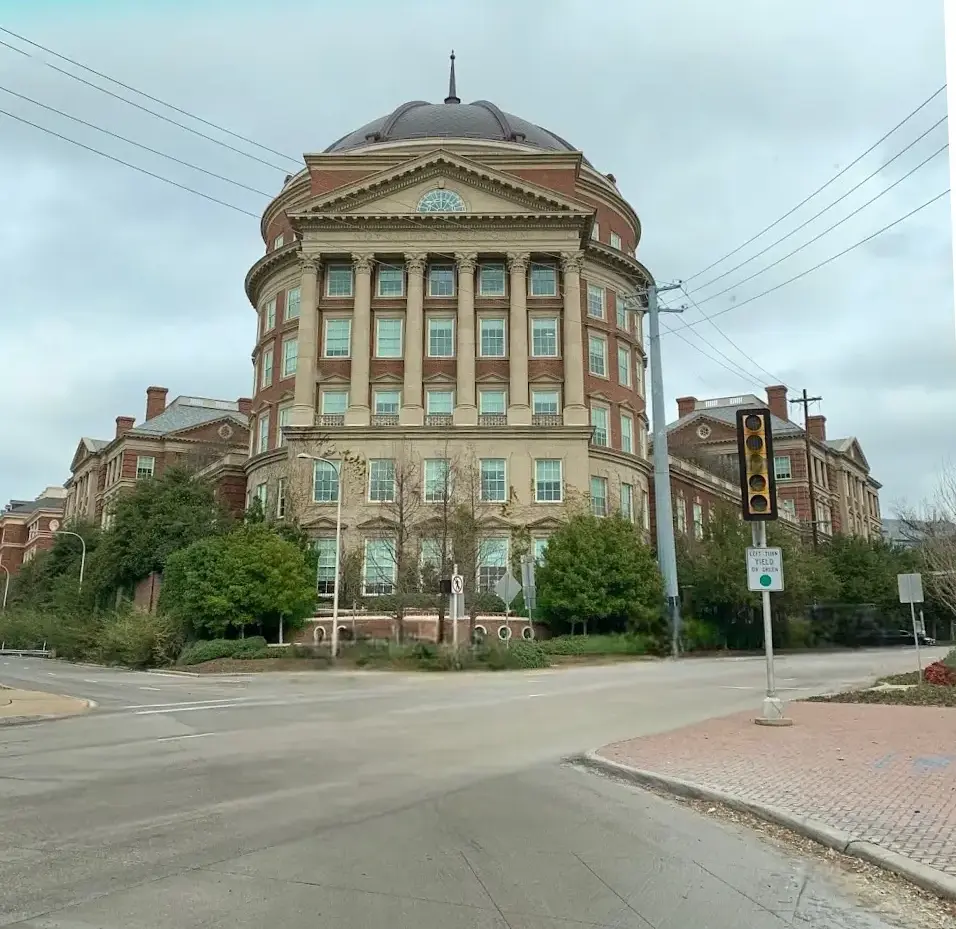
Old Parkland East—4020 Maple Avenue, Dallas, TX 75219
Originally built as a public hospital in 1894, Old Parkland was rescued from decline by Crow Holdings in 2006 and has since become one of Dallas’ most coveted addresses for investment firms, family offices, and corporate HQs. The East expansion, where Polsinelli is now housed, is about 75% leased, according to Crow Holdings, with tenants like NYSE Texas anchoring the new footprint.
While details of Polsinelli’s lease remain private, Bullard confirms the firm views Old Parkland as a cornerstone for its next decade in Dallas. He adds that the fresh layout is already driving more in-person client meetings — a shift from the remote-heavy years immediately following the pandemic.
“Our clients appreciate the sense of place here,” Bullard said. “It’s classic Dallas heritage on the outside but entirely future-facing inside. That’s the balance we were looking for.”
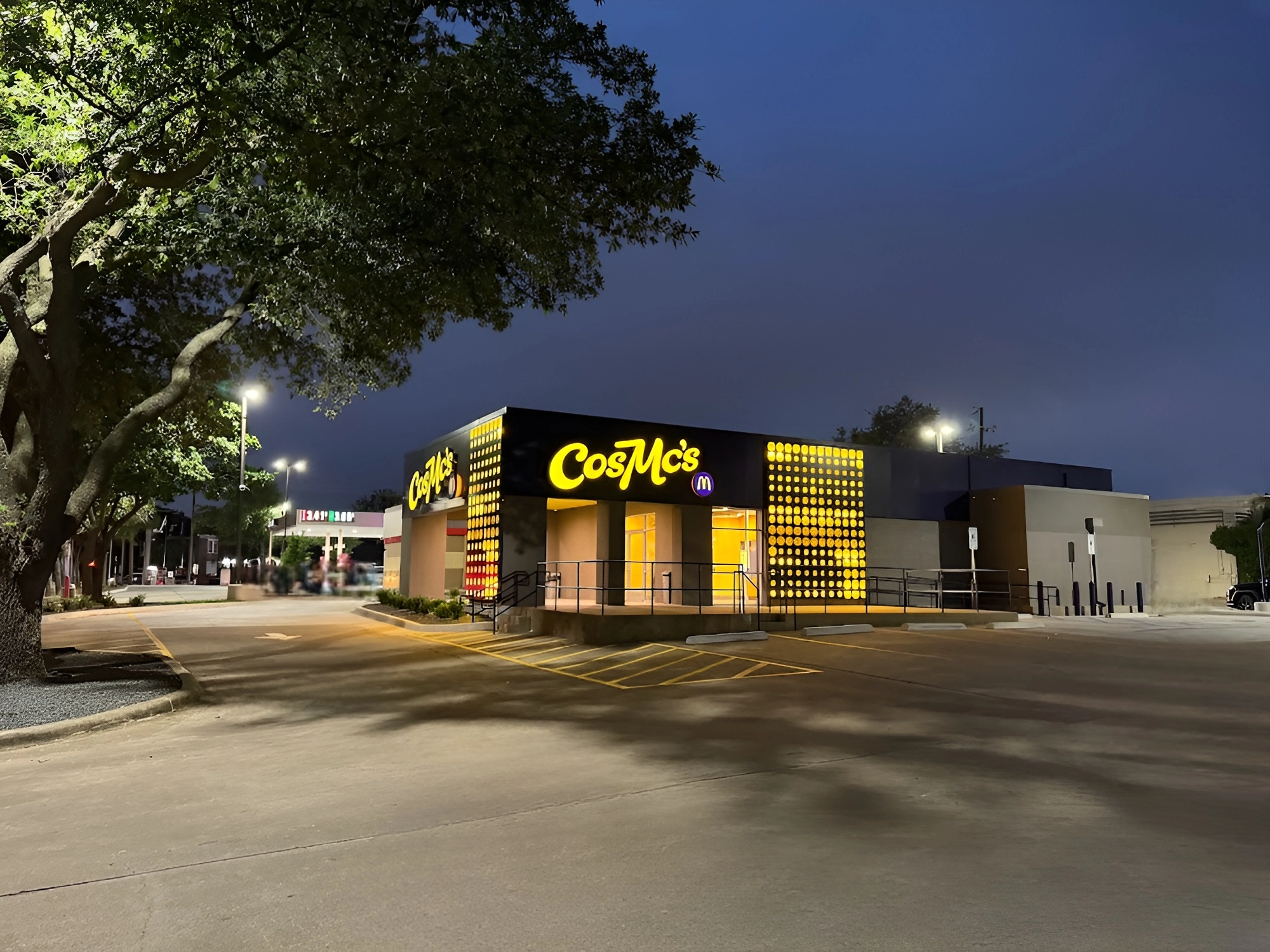
DALLAS—McDonald’s is shutting down all five of its standalone CosMc’s locations, including the remaining stores in Allen and Fort Worth, Texas, as well as two in San Antonio and the original site in Bolingbrook, Illinois. The closures mark the end of the company’s short-lived experiment in the specialty beverage space.
Key Points:
McDonald’s will close all five CosMc’s locations, including two in the DFW area and two in San Antonio.
The closures come after underwhelming performance at larger-format stores.
Digital services, including the CosMc’s app and loyalty program, ended on June 23, 2025.
McDonald’s plans to introduce CosMc’s-inspired drinks at existing restaurants.
CosMc’s began winding down operations in late June. All digital services, including its loyalty program, mobile app, and online ordering, were discontinued by June 23, 2025, marking the end of the standalone CosMc’s experiment less than two years after it began.
The company cited underwhelming performance at its larger-format stores, many of which had been converted from former McDonald’s locations. Company executives noted that smaller, more focused sites were better suited to the brand’s beverage-centric model, aligning more closely with customer habits and operational efficiency.
Earlier this year, CosMc’s quietly closed three of its Texas locations, in Watauga, Arlington, and one undisclosed site, after reporting stronger results from smaller stores. The full wind-down suggests that even the remaining locations failed to meet McDonald’s financial or strategic goals.
Still, the company says the pilot was not without value. McDonald’s plans to apply lessons from the CosMc’s test to its core business, starting with a nationwide beverage rollout later this year. Drinks inspired by the now-defunct chain, such as matcha iced lattes and prickly pear slushes, are expected to appear on McDonald’s menus as part of an effort to boost afternoon sales and tap into the $100 billion beverage market, without the operational complexity of maintaining separate storefronts.
Public response to CosMc’s in the Dallas–Fort Worth area was mixed. On Reddit, some users praised drinks like the turmeric spice latte and blueberry ginger boost, comparing them favorably to Starbucks refreshers.
Others criticized offerings like the S’mores cold brew, calling it a “chemical sugar bomb.” A BuzzFeed review described the Churro Frappe as “delectable,” while a post on X noted an empty parking lot at the Allen location.
McDonald’s has not released revenue figures for CosMc’s, but the decision to close all locations suggests the concept fell short of expectations. The company struggled to generate momentum at its larger-format stores and eventually shifted focus to smaller formats. That pivot, however, was not enough to sustain the brand. McDonald’s now plans to bring CosMc’s beverage ideas into its main restaurant business.
In a statement, McDonald’s chief executive, Chris Kempczinski, described CosMc’s as a “learning lab” that allowed the company to test new flavors and technologies without disrupting its main brand. “We’ve learned so much, so quickly from the CosMc’s test,” the company said. It now plans to bring select drinks from the pilot into existing McDonald’s restaurants.
CosMc’s opened its first Texas location on March 20, 2024, at 6033 Campbell Road in Dallas, following the brand’s initial launch in Bolingbrook, Illinois, in December 2023. McDonald’s had planned to open nine pilot locations across the Dallas–Fort Worth area and San Antonio by the end of that year.
While CosMc’s may not have found lasting success as a standalone brand, its brief run offered McDonald’s a low-risk way to test new ideas in a fast-changing beverage market. With the experiment now concluded, the company is turning its attention to what worked—and how those lessons might shape the future of its core menu.
Rockwall, Texas — Once a quiet suburb on the eastern edge of the Dallas-Fort Worth metroplex, Rockwall is now making headlines for its rapid growth and major residential and commercial developments.
Over the past few months, builders have broken ground on more than a thousand new homes. New communities such as Winding Creek, Quail Hollow, and The Homestead feature everything from cozy three-bedroom homes to spacious luxury models, complete with pools, parks, and trails. Even established neighborhoods such as The Highlands, Nelson Lake, and Somerset Park are adding new phases, as families and young professionals flock here in search of affordable space and good schools.
It’s not just housing that’s booming. The Rockwall Economic Development Corporation (REDC) has been busy lining up new employers and manufacturing is starting to take off. Xerxes Manufacturing is putting up a brand-new plant, and Ballard Power Systems is eyeing a massive gigafactory in Rockwall Technology Park—moves that speak volumes about the city’s appeal to advanced-tech firms.
Retailers are also taking note. With its expanding trade area and high purchasing power, Rockwall has attracted the attention of national brands. Recent expansions by grocery giant H-E-B and home furnishings retailer IKEA underscore the city’s growing reputation as a retail destination.
Behind the scenes, REDC’s strategy has been simple: attract solid investment, support local businesses and make sure growth stays sustainable. City leaders believe that by investing in roads, schools and parks today, Rockwall can handle tomorrow’s population surge without losing the small-town feel people love.
With new housing and commercial growth accelerating, local leaders and developers are confident that smart planning and steady investment will help the city grow without losing its identity.
Aerolane, a fresh face in aviation, is setting up shop at Perot Field Fort Worth Alliance Airport in the northern reaches of Fort Worth. They’re all about making air cargo more efficient with their cool new towed cargo glider technology, which promises to cut costs in air transportation.
Right now, Aerolane is working on getting the necessary FAA certification to tweak aircraft designs. They’re moving into a 10,000-square-foot space at Alliance where they’ll also be putting together a custom aircraft designed specifically for their glider technology.
Todd Graetz, CEO and co-founder of Aerolane, describes their technology as a “sky train,” where existing aircraft are modified to tow gliders, akin to a train with a locomotive and cars or a truck hauling trailers. They’ll kick things off with current planes and, once everything’s running smoothly, transition to custom-built cargo gliders tailored to different aircraft types.
Chris Ash, who leads aviation business development at Hillwood and Perot Field, is confident in Aerolane’s promising future. He believes their innovative approach could significantly impact transportation and mobility, positioning them as a transformative force in the industry.
Handling close to 2.5 billion pounds of cargo every year, Perot Field Fort Worth Alliance Airport is a major hub in the logistics industry. It’s a hub for innovation, hosting companies like Wing to test delivery drones in its Mobility Innovation Zone. Plus, AllianceTexas, Hillwood’s massive 27,000-acre development that includes Perot Field, made a whopping $10.21 billion impact last year.
Graetz is excited about the choice of Alliance for their headquarters, thanks to the plentiful space for expansion. They’ve already secured their first major client, a well-known cargo airline, which plans to start using their technology by year’s end. Graetz foresees Aerolane increasing its team to roughly 50 staff members at Alliance as they scale up their activities.
Chris Ash also pointed out that AllianceTexas is home to over 570 companies, mostly logistics and distribution centers. Hillwood aims to foster a thriving ecosystem that boosts air mobility and logistics. He sees Aerolane’s innovations as potentially transformative for companies transporting goods through the skies.
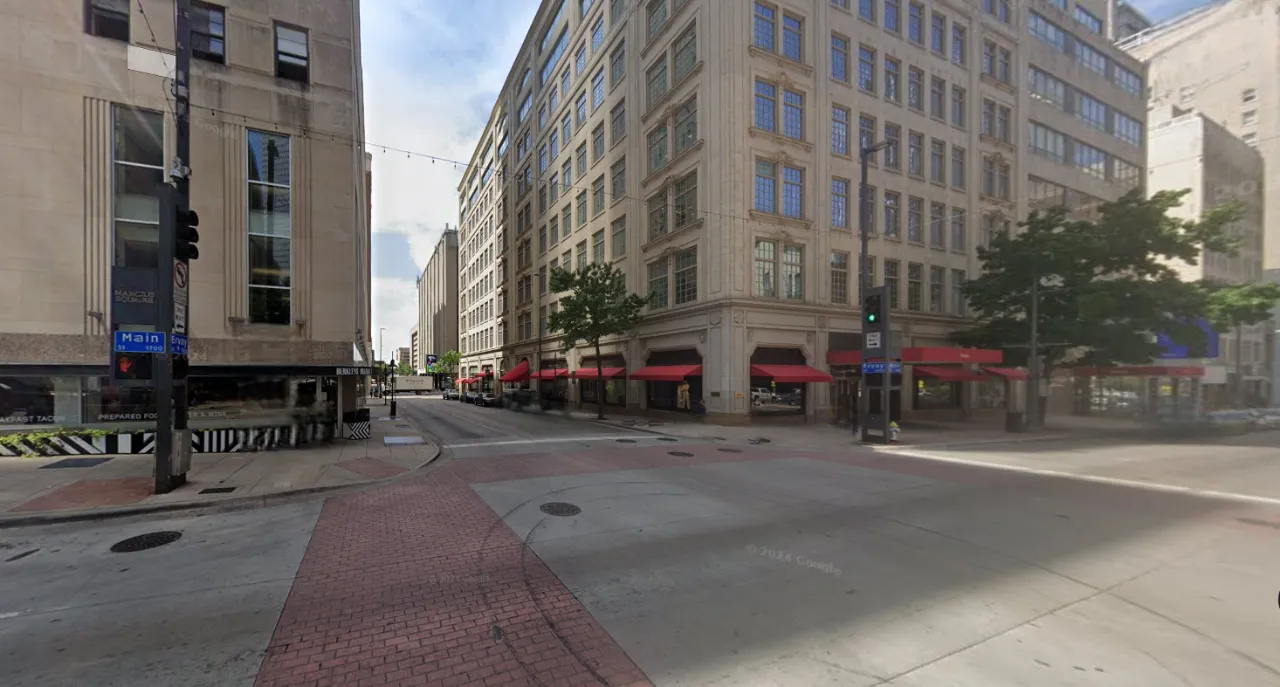
Neiman Marcus, the iconic flagship store that has been part of Dallas for more than a century, has been granted an extension. Originally set to close on Monday, March 31, 2025, the store will remain open temporarily after weeks of talks with its parent company. Saks Global will work in partnership with the City of Dallas on potential future developments for the 2025 holiday season.
Founded in 1907, Neiman Marcus has been an integral part of Dallas culture for more than a century. The store’s legacy is unmistakable, thanks to its trademark strawberry butter popovers, which have been served to some of the city’s most notable personalities. The decision to extend its operations gives Dallas city officials and Saks more time to update the area while maintaining its historical significance.
Since Neiman Marcus was acquired by Saks for $2.7 billion in 2024, speculation about its potential closure has been widespread. Various ideas have been proposed, including converting the location into a luxury shopping mall, hosting curated art exhibitions, or transforming it into a fashion and events hub. During the evaluation phase, two iconic features of the store—the Zodiac Room and Neiman’s Bridal Salon—will remain open.
Saks Global CEO Marc Metrick praised the city’s commitment to Neiman Marcus, saying it aligned with Saks Global’s mission to rethink luxury retail. City officials, including City Manager Kimberly Bizor Tolbert, agreed, stating they were excited about the opportunity to reshape Downtown Dallas while also maintaining a piece of its past.
In the background, a land dispute complicated matters. The store’s ground lease is shared among multiple property owners, complicating negotiations, and the City of Dallas recently resolved a critical piece of that puzzle. The Slaughter family, who owned a portion of the land, agreed to donate their stake, allowing the store to continue operating while discussions move forward.
The short-term agreement also allows the city to explore the idea of positioning Downtown Dallas as a global hub for fashion. Ideas like a fashion design and manufacturing incubator could potentially breathe new life into the city’s economy. For now, employees and patrons of the store can rest easy knowing that the doors will stay open, at least through the end of 2025.
While Saks Global continues its evaluation of the Downtown location, plans are also underway for renovations at the nearby NorthPark store. The company sees an opportunity to differentiate the two stores and cater to varying customer needs in the Dallas area. Both the Zodiac Room and the Bridal Salon will remain operational throughout this transition period.
Managing big real estate projects, such as commercial complexes, residential communities, or mixed-use developments, requires a lot of planning. Everything should go well, on budget, and set things up for long-term success.
In this guide, we’re diving into the key points to keep in mind when overseeing large-scale real estate projects, with tips on how to tackle ’em like a pro and dodge the usual mistakes.
Key Factors for Successfully Managing Large-Scale Developments
Planning and research are the first steps to pulling off a successful large-scale development. For example, researching your marketplace will inform your location selection. Where you go will have an impact on your development’s level of attraction in terms of marketplace, ease of access, and infrastructure present. Once you’ve got that figured out, it’s time to move on to the actual execution.
Here’s what to focus on:
Construction Management and Execution
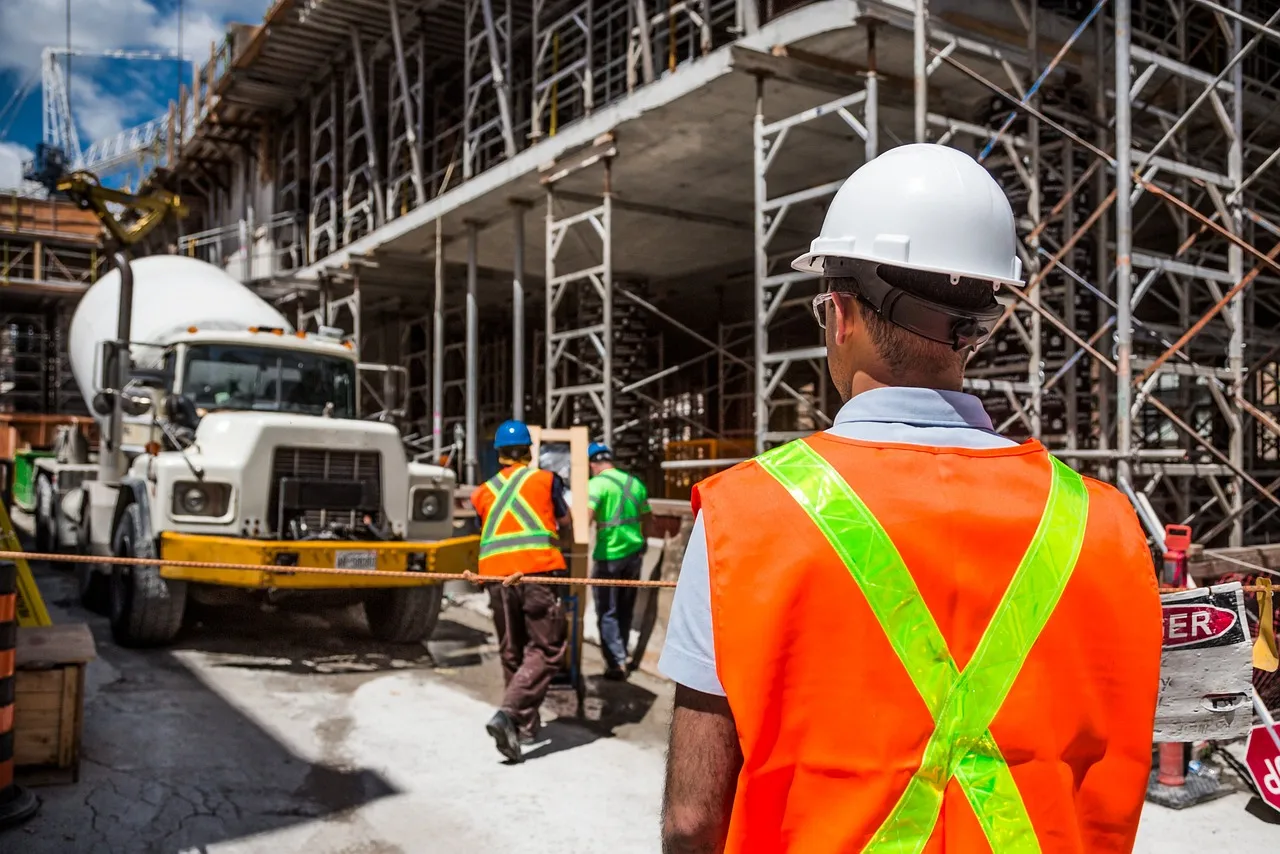
Good construction management keeps your project on budget and on time. Get workers and materials at a fair price and at the right time.
Choosing the right contractors is important. Ensure they have a proven track record, financial stability, and experience. Be clear about timelines, work scopes, and penalties in the agreement.
Certify workers if required, like forklift certification for large-scale real estate projects, especially during construction. If workers aren’t certified, the project manager, site supervisor, or safety officer should inform them to start forklift certification now before the project begins.
Regulatory Compliance and Legal Considerations
Adhering to laws is a big issue in case you don’t desire penalties in terms of a fine, and even having your project shut down in its entirety. Zoning and land-use laws notify you of what can and cannot be utilized with a property – residential, commercial, and any use in between. In case your development is not in compliance, then a zone change and permits will become a reality.
Also, you will need proper permits for structures, utility, and occupancy. Smaller constructions will not necessarily require a lot of permits, but each will have its requirements to comply with. Environmental inspections cannot be disregarded, either. In case a problem comes about, for instance, with ecosystems, animals and pollution, then you will have to make a change in your blueprints or work out a solution for it.
Funding and Financial Management
Having a solid financial plan is a must for any big real estate project. Whether you’re getting money from bank loans, private investors, government programs, or real estate investment trusts (REITs), securing funding is one of the first things you need to do. Having a clear business case with solid projections and risk assessments is what’ll get investors and lenders to back you.
Once the funding’s locked down, you’ve got to keep an eye on the costs and make sure you don’t blow the budget. Even with the best planning, there are always risks – things like interest rates changing, construction delays, and market shifts can mess with your numbers. To lower these risks, many developers mix up their funding sources, use fixed-price contracts, and run stress tests to be ready for any curveballs.
Design and Development Strategy
A solid design and development strategy makes sure your project is not just functional but also appealing and sustainable. Things like master planning (layout, infrastructure, vision) need everyone to work together – architects, engineers, and urban planners.
Sustainability is a big deal now. Using efficient designs, environmentally friendly materials, and renewable sources of energy can save one a lot of money in the long run and contribute positively towards the environment. Solar panels or rainwater harvesting can save one a lot of operational expenses and boost property value.
Tech comes into its own in modern projects, as well. Smarter security, climate, and lights can make buildings efficient and convenient to occupy.
Coordination and Communication with Stakeholders
Keeping everyone on the same page is crucial for big projects. Good teamwork with investors, local authorities, and the community makes sure everyone’s expectations are in sync. Clear, regular communication builds trust and helps decisions get made smoothly.
It’s also important to engage with the community. Big projects can really affect the neighborhoods around them, so it’s key to address any concerns early. Public meetings and clear updates can help reduce opposition and build support. If you can offer things like better infrastructure or new green spaces, that can help get local approval.
Managing Risks and Having a Backup Plan
Big projects come with risks, whether that’s financial problems, unexpected site issues, or legal trouble. Spotting potential risks early on helps avoid delays and cost overruns.
Developers need a solid crisis plan. Whether it’s supply chain issues, labor shortages, or changes in regulations, having a response plan ready means you can tackle problems fast and efficiently.
Sales, Leasing, and Operations Strategy
Once the project’s built, it’s time to focus on sales, leasing, and keeping things running. A strong marketing plan is key to attracting buyers, tenants, and investors. Show off the unique features of your project – like location, amenities, and sustainability perks.
Offering competitive lease terms and flexible space options can help bring in tenants and keep occupancy rates high.
Wrapping It Up
Every phase of a large-scale real estate project, from site selection to construction execution, requires careful coordination to prevent costly setbacks and ensure long-term success. In addition, securing reliable funding and maintaining strict budget control keep the project financially stable.
Beyond financial and operational efficiency, developers must align with the interests of investors, regulatory bodies, and local communities to minimize conflicts and streamline approvals.
Sustainability and technology integration further define a project’s long-term value because forward-thinking development strategies create properties that remain competitive and resilient.
Is the area safe? Is it accessible? Is the neighborhood welcoming? Is the view something to brag about? These are the questions you ask yourself when you’re on the hunt for the right spot for your business. Not too much to ask, right? But the more you look, the more you start to realize that the perfect property you’ve found costs more than you’re willing to pay. So, why’s that?
If your ideal office is in a bustling area with lots of foot traffic, expect to pay more. If it’s in a quieter, less accessible area, it’ll be cheaper. Businesses do best where they are visible, accessible, and surrounded by the right resources. A prime location offers more exposure, more competition, and a higher price.
Being near other successful businesses can give your company a real boost, especially when it comes to commercial office spaces. People are drawn to areas with more choices, so business hubs naturally attract customers, create networking opportunities, and offer better access to services.
When a property is near financial institutions and transportation options, it’s even more valuable because it makes operations easy. As a result, businesses flock to these areas.
For example, a law firm located in a busy business district will have more walk-ins by default. In the same way, technology startups are bound to thrive in innovation hubs, since they can easily connect with other firms within their field of operation.
Local Demographics and Workforce Availability
When searching for commercial property, consider the local population and its diversity. Growing, diverse communities have a larger workforce to draw from and are therefore appealing to businesses.
Similarly, when there is new residential development, that demand would have been recognized by other services like grocery stores and restaurants, thereby creating opportunities for commercial properties.
Zoning and Regulatory Environment
Zoning laws and local regulations can make or break the value of a property. Areas with flexible zoning laws are more appealing because they allow businesses to grow and adapt. Cities that are business-friendly with easy permit processes tend to attract more investors. On the flip side, areas with strict zoning laws or complex regulations are often less desirable.
Amenities and Neighborhood Development
Amenities like restaurants, entertainment facilities, and parks really drive up the value of a property. These features make the area lively and attractive; they add to the number of businesses and customers, hence increasing the value of the property naturally.
Market Trends and Economic Stability
The overall health of the market also plays a major role. Indeed, those areas which enjoy high growth in jobs and GDP actually reflect an increase in demand for office and retail space and increase the value of commercial real estate alongside economic growth.
Location is a very important factor in real estate valuation. Factors such as proximity, accessibility, demographics, zoning laws, nearby amenities, and overall economic stability all combine to determine the true value of a property. Understanding how location affects property value is crucial for making smarter decisions when buying, selling, or leasing.