Tag: Commercial Projects

  • 5 Coordination Failures That Drive Rework on Commercial Projects

    Rework is rarely the result of one bad decision. On most commercial projects, it usually comes from small coordination issues that build up over time until the cost is hard to ignore. The crews may be doing solid work, and the drawings may look fine on their own. The problem often sits in the seams between disciplines, trades, and document versions. That is where coordination either keeps the job moving or starts to break down.
    The financial impact is serious, even when the percentages look small. A 2026 study published by the American Society of Civil Engineers found that the average of actual precompletion field rework was 0.38% of contract value. When postcompletion corrections are included, the average exposure rises to roughly 0.76%.

    The same research noted that actual rework costs were underreported by 300%, while earlier estimates reached as high as 12.4% of contract value when change orders and quality issues were combined.

    On a $200 million commercial project, 0.38% equals about $760,000. At 0.76%, that number reaches roughly $1.52 million. Either way, it is money that comes directly out of project performance.

    For many general contractors, the five coordination breakdowns below are a common source of that loss.

    1. MEP and Structural Clashes That Make It to the Field

    Mechanical, electrical, and plumbing systems are among the most spatially constrained parts of a commercial building. They are also among the factors most likely to interfere with structural elements when specific models are not properly coordinated. The pattern is familiar: each design team produces a clean model on its own, but the conflicts show up when those models are combined. If that coordination happens late, especially after fabrication tickets have already been issued, the fix moves from the design office to the jobsite.

    A peer-reviewed 2025 study published in the journal Buildings, which surveyed construction professionals and analyzed 21 critical rework factors using structural equation modeling, found that clashes occur when independently developed structural, architectural and MEP plans are combined. The same study emphasized that finding those conflicts before construction helps avoid rework, missed milestones, cost growth, and schedule impacts.

    The timing matters. A clash resolved in a coordination meeting may cost a few hours. The same clash found after ductwork is already installed can cost days, plus the delays that come from stacking trades in the same area.

    2. RFI Bottlenecks That Delay Field Decisions

    Requests for information are the normal process for clarifying gaps, conflicts, or missing details in project documents. The problem is not that RFIs exist. The problem is when a field-critical question sits unanswered while the work is already moving.

    That delay is not unusual. Navigant Construction Forum data cited by Autodesk found an average of 9.9 RFIs for every $1 million of contract value and an average RFI response time of 9.7 days. Smartsheet also cites Navigant’s study of one million RFIs across 1,300 major construction projects, with an average of 796 RFIs per project, a median response time of 9.7 days, and an average review-and-response cost of $1,080 per RFI.

    When a critical RFI is open and a trade is already mobilized, the contractor has two bad options: stop the work and take the schedule hit, or move forward on an assumption and risk rework if the answer comes back differently. Neither option is good for the project.

    General contractors that reduce RFI-related rework usually improve visibility at the trade level. The goal is not to cut down legitimate questions. The goal is to make sure RFIs tied to active work are seen early enough to affect the plan.

    3. Late Design Changes That Affect Already-Coordinated Work

    Late design changes create problems because they rarely move through the project cleanly. When an architect or engineer changes a detail after MEP coordination is complete, some trades may catch the update while others miss it. Drawings may be reissued and models may be updated, but field copies, shop drawings, and fabrication tickets do not always update at the same time.

    That is how trades end up installing from an older version. The trigger may be a design change, but the rework usually comes from the way the change was communicated and tracked.

    A 2024 systematic review published in the journal Buildings, which analyzed 405 scholarly works and identified 66 interconnected cost overrun factors across more than two decades of construction research, ranked design inefficiencies and late-phase design changes among the most consequential drivers of rework and cost escalation in the global construction industry. A separate Buildings study on design change management found that design changes create direct project and broader stakeholder impacts and recommended stronger team integration, early contractor involvement, and better collaboration between design and construction teams.

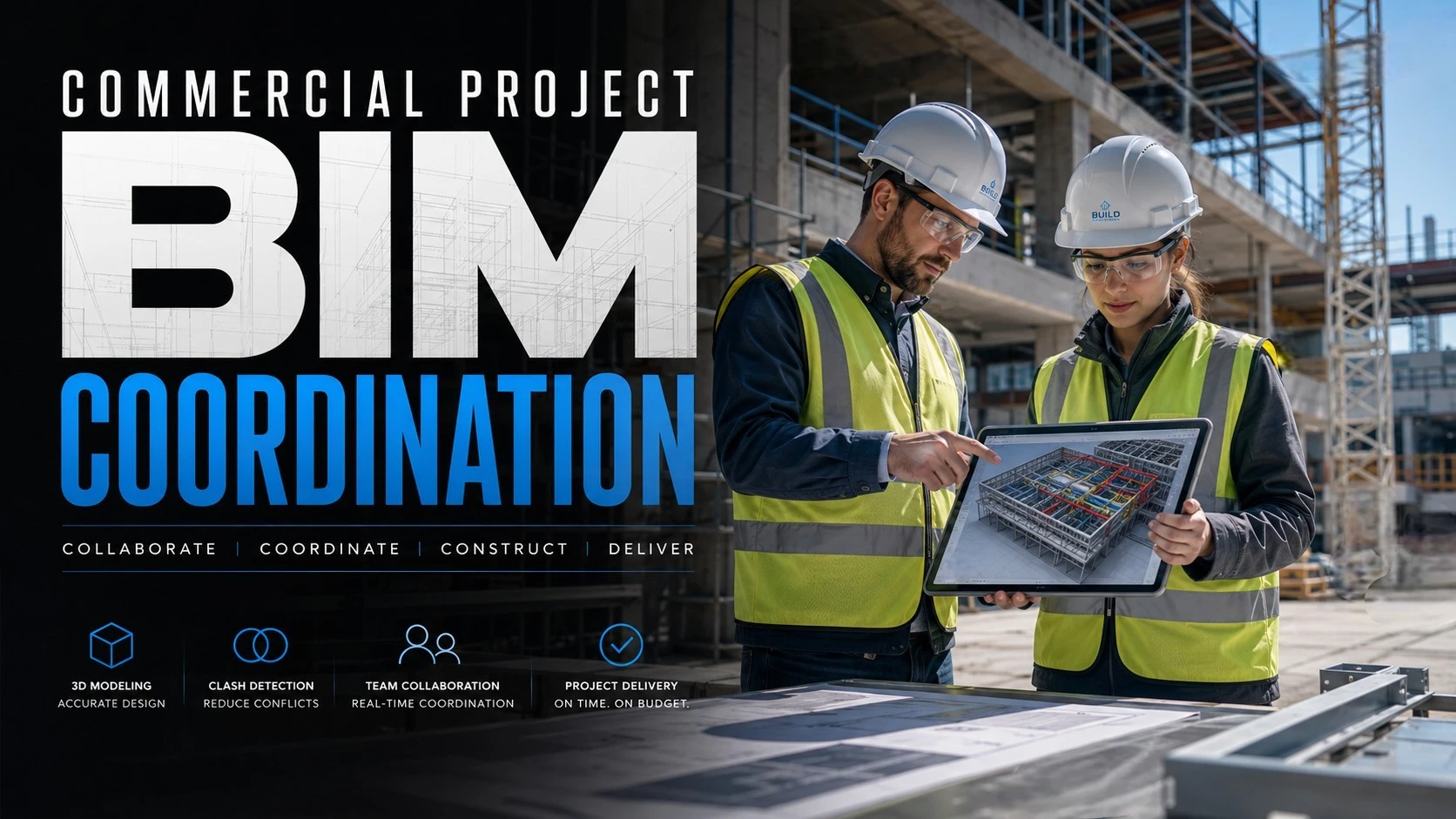
    General contractors evaluating construction coordination software often look for tools that connect the model, drawings, and site conditions in one place. The practical reason is simple: teams need to see where the issued design, the coordinated model, and the work in place no longer match.

    GCs that manage late design changes well treat them as coordination issues, not just paperwork. A change is not really closed because a new drawing was issued. It is closed when the affected trades have acknowledged it and the model, drawings, shop drawings, field copies, and installed work have been checked against the update.

    4. Trade Sequencing Failures That Force Rework

    Sequencing is about installing work in an order that does not force one trade to remove or redo its work for the next crew. In theory, the master schedule should control this. In practice, sequencing problems happen when the schedule is too broad, or when crews arrive based on calendar dates instead of actual area readiness.

    A peer-reviewed classification model published in Frontiers in Built Environment in 2023 mapped rework causes across project stages and contract parties. In the construction stage, frequently cited causes included inadequate construction planning, poor workload scheduling, poor communication, ineffective management practices, poor project documents, and conflicting or incomplete information.

    That matches what happens in the field. A drywaller closes a wall before the rough-in inspection is complete. The inspector catches a missed rough-in. The wall comes down. Now the drywaller, the MEP trade, and the follow-on crew are all affected. One sequencing miss can wipe out the benefit of several well-run activities around it.

    5. Version-Control Problems That Put Trades on Different Drawings

    Version control is not dramatic, but it causes a lot of rework. On a complex commercial project, the document set may go through dozens of revisions before substantial completion. Models get republished, drawings get reissued, and specifications get amended. Subcontractors may receive updates through different channels at different times. Field crews often work from the drawing that was printed, saved, or sent most recently.

    That creates a simple problem: two trades may be working from two different revision dates. The work may appear coordinated in one place and still conflict in the field.

    ASCE’s field rework summary noted that actual rework costs were underreported by 300% and that complete field rework data is difficult to collect because contractors are often reluctant to expose cost information. Version-control issues can disappear inside that broader reporting gap unless they are tracked clearly.

    The fix is partly procedural and partly technical. Contractors that reduce version-related rework usually enforce one active document source and require trades to pull from it instead of relying on local copies. They also check the model, drawings, and field records at set points during construction. It is basic discipline, but on a large commercial job, it can prevent expensive misses.

    Where Coordination Breaks Down
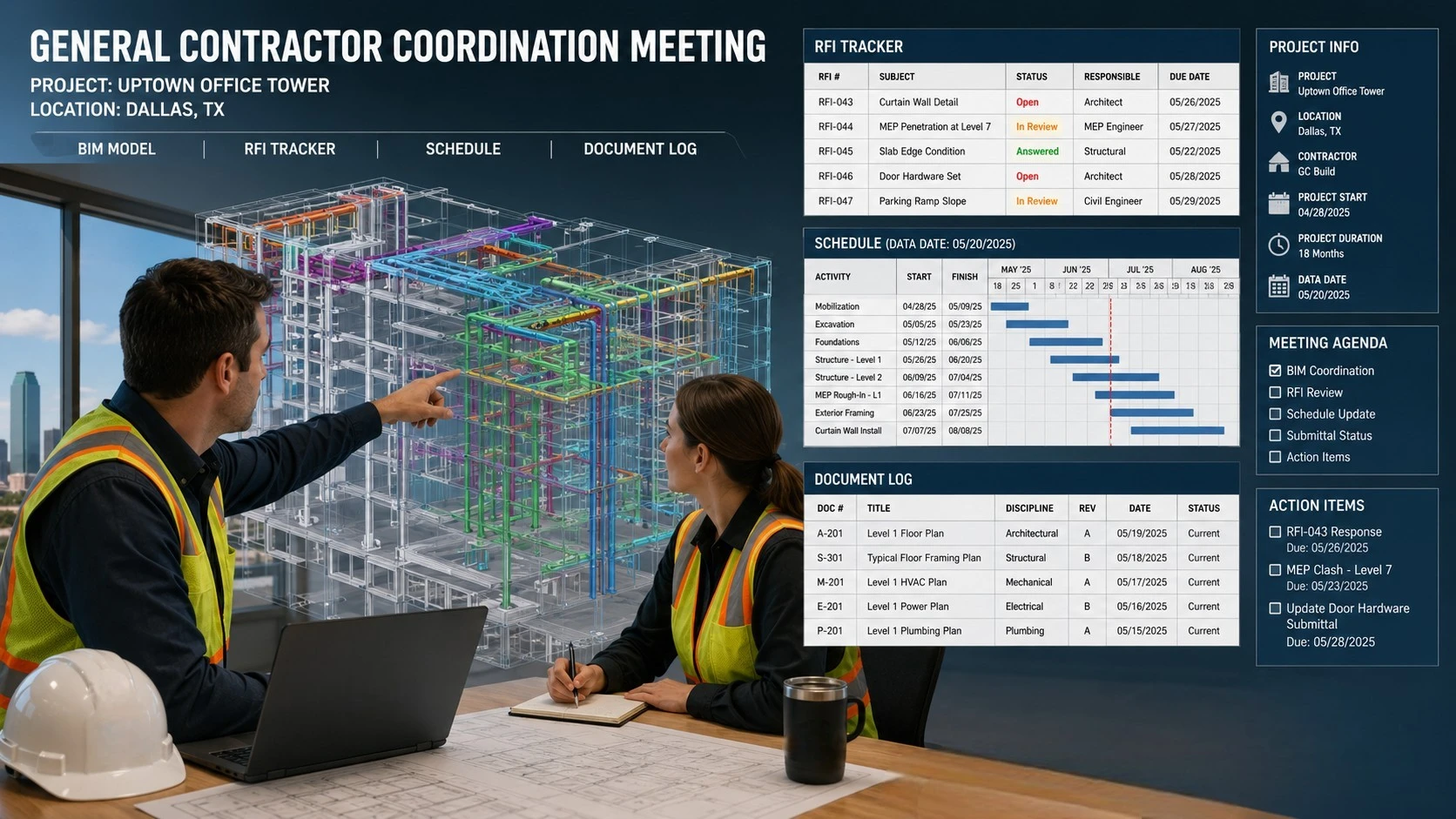
    The pattern across these five issues is consistent. Rework is not usually caused by trades doing poor work. It is usually caused by information moving too slowly, changing unevenly, or reaching different teams in different forms.

    A study on critical rework factors identified 21 causes of construction rework and grouped them into four broader areas: management and planning deficiencies, design and time constraints, labor quality and compliance issues, and project dynamics and communication challenges. That lines up with the ASCE field rework research, which points to better documentation, tracking, and communication as key parts of reducing rework.

    Trades build from the information they receive. When that information is current, complete, and consistent, rework is easier to control. When it is not, the problems show up as clashes, missed inspections, out-of-sequence work, late design changes, and mismatched drawing versions.

    For general contractors planning a commercial project, the questions should be answered early.

    • How will the federated model be maintained?
    • How often will it be checked against field conditions?
    • How will open RFIs be visible to the trades affected by them?
    • How will design changes be tracked from issuance through trade acknowledgment?
    • How will the schedule reflect actual work-area readiness?
    • And how will everyone stay on the same active document set?

    Projects that answer those questions early tend to have fewer surprises in the field. Projects that do not often find the cost later, after the rework has already hit the schedule and the margin.
  • Temporary Restroom Solutions for Active Construction Projects in Texas

    Nobody notices the restroom setup when it works properly. They notice it when it doesn’t.

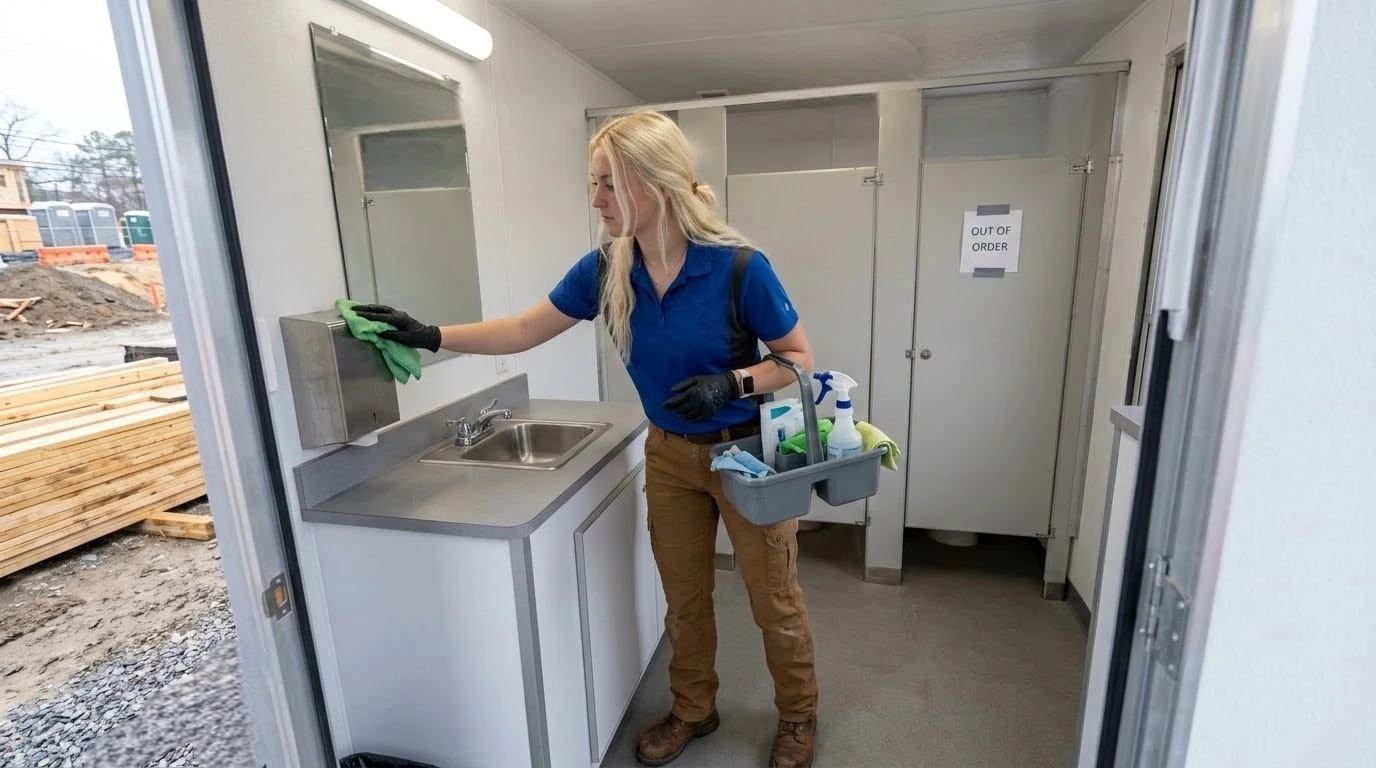
    That usually happens once the project picks up speed. More workers arrive on-site. The weather gets hotter. Cleaning schedules start slipping. By the middle of the day, someone is already driving to the nearest gas station because the portable toilets near the framing area have become unusable again.

    Most site supervisors have dealt with that situation before.

    Temporary sanitation sounds minor during pre-construction planning. It stops feeling minor once crews start complaining every morning.

    Why More Contractors Are Renting Restroom Trailers

    Construction sites across Texas run harder and longer than they used to. Commercial developments stretch across several phases. Different subcontractors cycle in and out for months at a time. Some projects never really slow down.

    That puts pressure on temporary facilities.

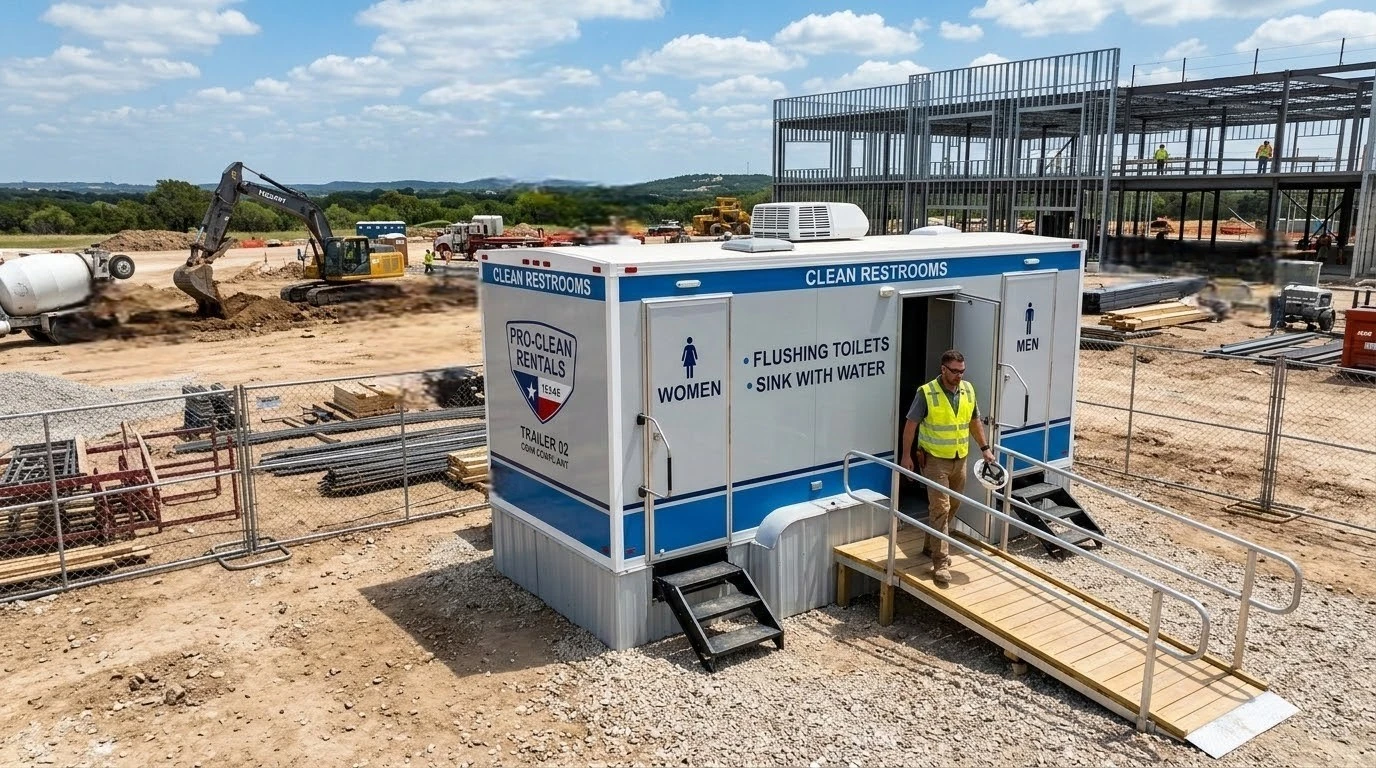
    For companies searching for construction site restroom trailers in Texas, the need is practical. They need usable facilities that can handle long workdays and steady traffic without becoming another problem for the superintendent.

    When contractors compare restroom trailers for construction sites, maintenance and service schedules usually come first. Lower pricing does not mean much when cleanings get missed or fixtures stop working.

    The shift is not surprising. Crews expect better conditions now, especially on long-term commercial jobs.

    Texas Heat Makes Basic Portable Units Harder to Manage

    A portable toilet sitting in direct Texas sun all afternoon can become rough fast. Anyone who has worked on-site knows it.

    By early afternoon, the air inside feels heavy. Ventilation struggles to keep up. Dust from concrete, drywall, and insulation sticks to every surface. Workers handling adhesives, chemicals, or machinery grease need proper sinks and running water, not just a sanitizer dispenser that may already be empty.

    OSHA sanitation standards require employers to provide restroom access for workers.

    Larger commercial sites can outgrow basic portable setups long before the project reaches completion.

    That is why restroom trailers have become more common across Texas construction projects.

    Features Contractors Usually Focus On

    Most site managers are not asking for luxury finishes.

    They want facilities that hold up under pressure.

    Typical requests include:

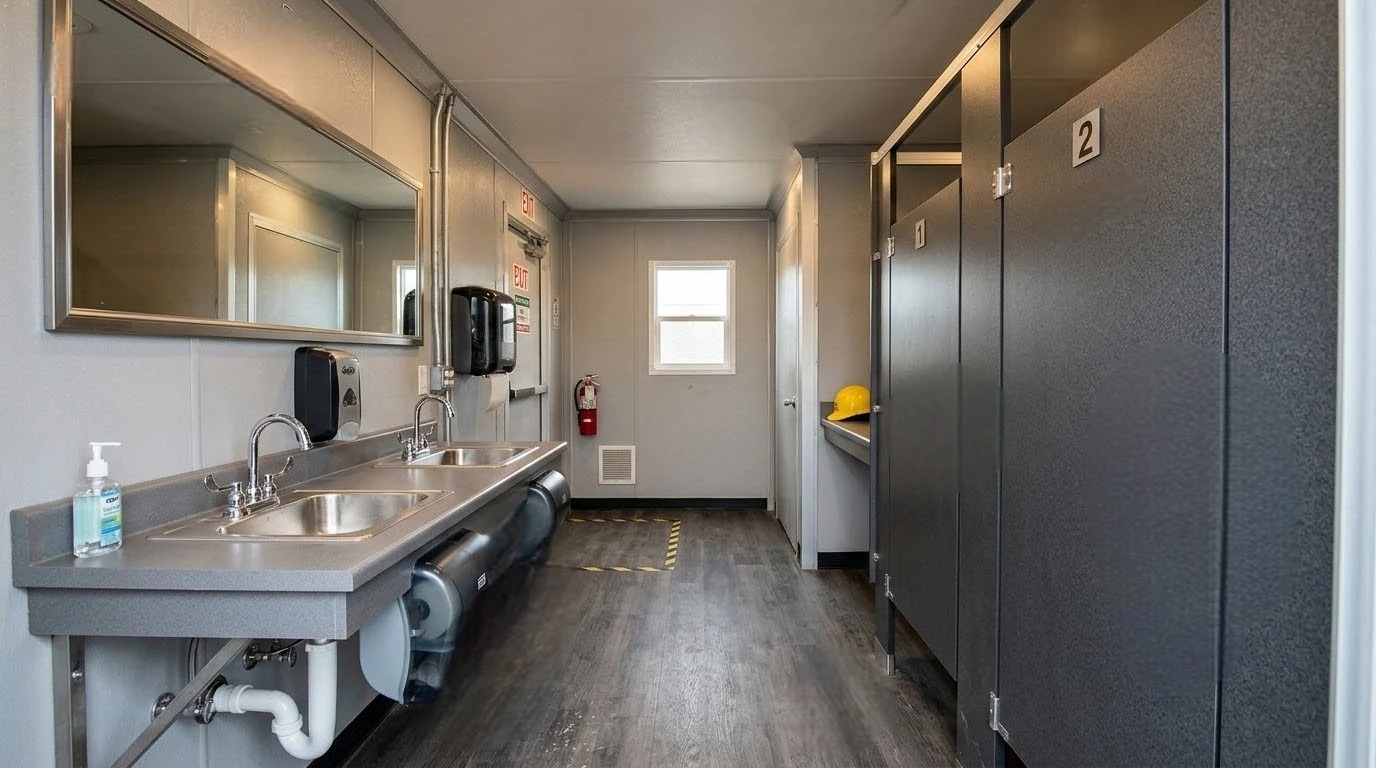
    • Air conditioning
    • Flushing toilets
    • Interior sinks with running water
    • Reliable lighting
    • Separate stalls
    • ADA-compliant access
    • Touch-free fixtures
    • Scheduled servicing

    Air conditioning matters more than some vendors realize. Workers notice it immediately during the summer.

    Small Problems Add Up During Long Projects

    Construction already comes with enough moving parts. Delayed deliveries, inspection issues, weather shifts, labor shortages — every project deals with something.

    Restroom problems create another layer of distraction that supervisors do not need.

    When facilities become unpleasant, workers start leaving the property more often. Cleaning complaints spread between crews. Site walkthroughs become awkward when city officials pass overflowing portable toilets.

    Clean restroom trailers help reduce several routine frustrations:

    • Workers leaving the site during shifts
    • Missed sanitation service
    • Congestion around overcrowded units
    • Hygiene complaints from crews
    • Negative impressions during inspections
    • Daily interruptions for supervisors

    Most contractors are not trying to impress anyone with restroom trailers. They are trying to avoid unnecessary problems.

    Public-Facing Projects Usually Need Better Facilities

    Some construction sites stay hidden behind fencing for months. Others sit beside schools, retail centers, apartment buildings, or busy public roads.

    People notice the condition of those sites.

    Developers notice it during walkthroughs. Municipal representatives notice it during inspections. Potential tenants notice it while touring nearby spaces before completion.

    A poorly maintained sanitation area creates a bad impression.

    Restroom trailers are now common on:

    • School expansions
    • Healthcare construction projects
    • Distribution centers
    • Manufacturing facilities
    • Infrastructure upgrades
    • Large apartment developments
    • Municipal construction jobs

    Reliable Service Matters More Than Fancy Equipment

    Most experienced superintendents care far more about service reliability than appearance.

    A restroom trailer becomes a problem when service falls behind. Contractors usually look at service schedules before signing rental agreements.

    Several details matter immediately:

    Cleaning Frequency

    High-traffic sites need regular servicing. Conditions can deteriorate quickly once maintenance falls behind.

    Placement Flexibility

    Construction layouts change. Facilities often need to be relocated as different phases begin.

    Utility Requirements

    Some trailers need external water and power connections, while others can operate independently.

    Accessibility Compliance

    Government and public-sector projects may need ADA-compliant facilities from the start, depending on the site and project requirements.

    Crews Pay Attention to Site Conditions

    Workers notice when companies cut corners on basic site conditions. They also notice when contractors improve the parts of the workday that affect everyone.

    CDC workplace hygiene guidance emphasizes sanitation and handwashing access. That applies to active job sites, too.

    Nobody expects luxury on a construction site. Most crews just want facilities that stay clean and usable throughout the day.

    That is a reasonable expectation.

    Final Thoughts

    Temporary restroom planning affects construction projects more than many companies expect.

    Clean facilities reduce interruptions and support better working conditions. They also help projects run more smoothly over long schedules.

    Contractors managing large developments across Texas need restroom trailers that solve problems instead of creating new ones.

    Reliable servicing, better sanitation, and climate-controlled interiors help crews stay focused.

  • EB-5 Financing for Commercial Real Estate Projects

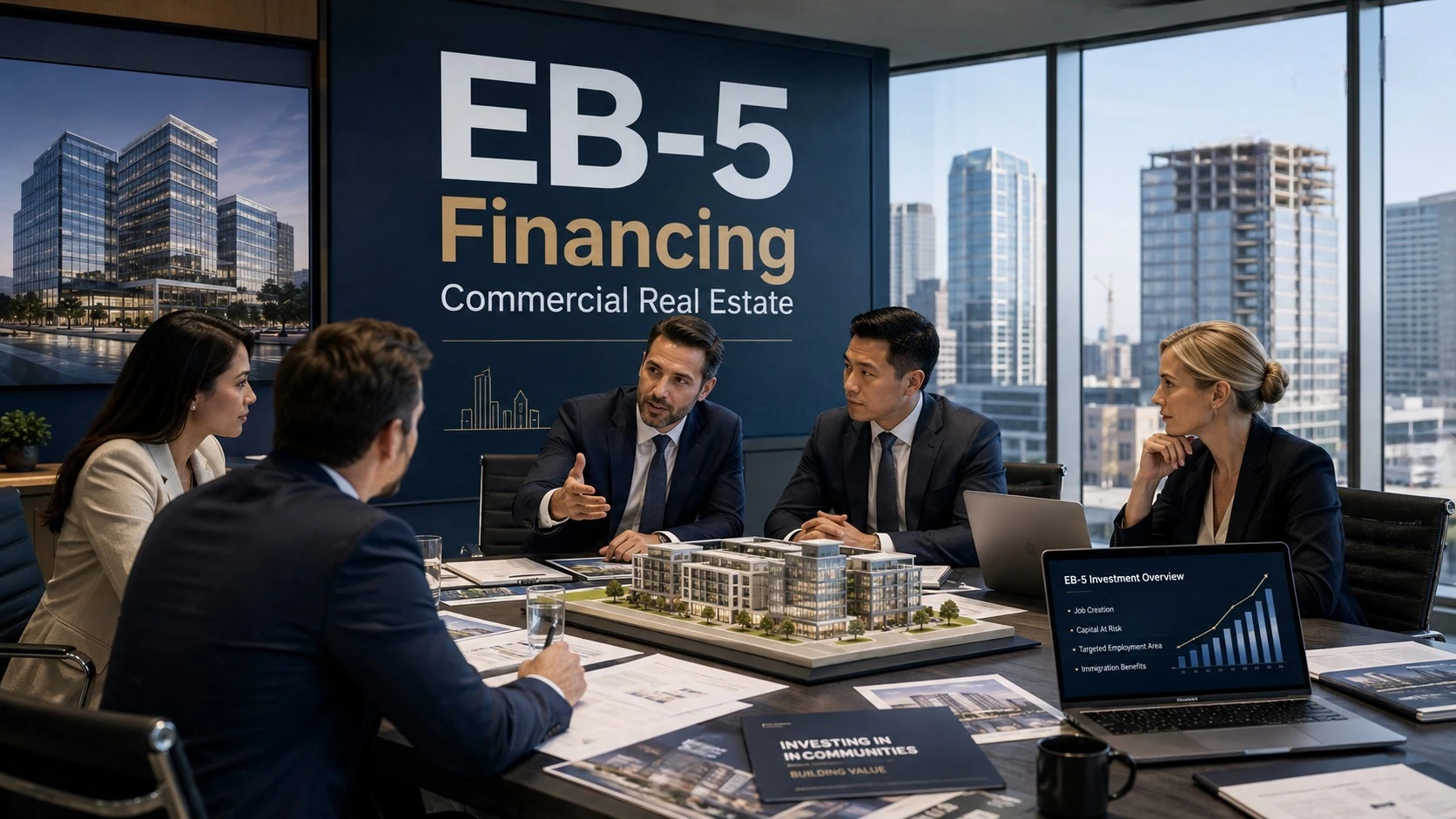
    Commercial real estate development often depends on steady access to funding. Whether a developer is building multifamily housing, a hotel, a mixed-use property, or a senior living community, the project usually requires several layers of capital before construction can move forward.

    Traditional financing does not always cover the full project cost. Banks may limit their exposure, interest rates may increase borrowing costs, and developers may need additional funding to complete the capital stack. This is where EB-5 financing can become a practical option.

    EB-5 financing connects foreign investor capital with U.S. projects that create jobs. For developers, it can support large-scale real estate projects. For investors, it offers a potential pathway to U.S. permanent residency through a qualifying investment.

    This makes EB-5 especially relevant in the real estate sector, where development activity often drives job creation.

    What Is EB-5 Financing?

    This capital comes from the EB-5 Immigrant Investor Program. Under this program, eligible foreign investors invest in a qualifying U.S. business or project. If the investment meets program requirements and creates the required jobs, the investor, along with their spouse and unmarried children under 21, may be eligible to apply for U.S. permanent residency.

    In real estate, EB-5 capital is often used for projects such as multifamily developments, hotels, mixed-use communities, commercial buildings, and senior housing. These projects are usually capital-intensive and can generate jobs through construction, operations, and local supplier activity.

    For this reason, real estate has become one of the most common sectors for EB-5 investment.

    Why EB-5 Fits Commercial Real Estate

    Commercial real estate projects often need more than one funding source. A project may include a senior loan, developer equity, bridge financing, mezzanine debt, and investor capital. EB-5 can work as one layer within this capital structure.

    For developers, EB-5 capital can help fill funding gaps when traditional financing is limited or expensive. It also adds flexibility by bringing another funding source into the project.

    For investors, real estate can be easier to evaluate than some other business models. They can review the land, project location, development plan, construction timeline, market demand, and job creation strategy before making a decision.

    This combination makes EB-5 and real estate a natural match. The project receives capital, and the investor participates in a job-creating investment that supports their immigration goals.

    Why Developers Use EB-5 Capital

    For real estate developers, EB-5 financing serves as an alternative source of project funding. It is especially useful when bank financing does not cover the full project cost or when additional capital is needed to keep construction moving.

    EB-5 capital also helps developers diversify their funding sources. Instead of relying only on senior debt or private equity, developers can include foreign investor capital as part of the broader financing plan.

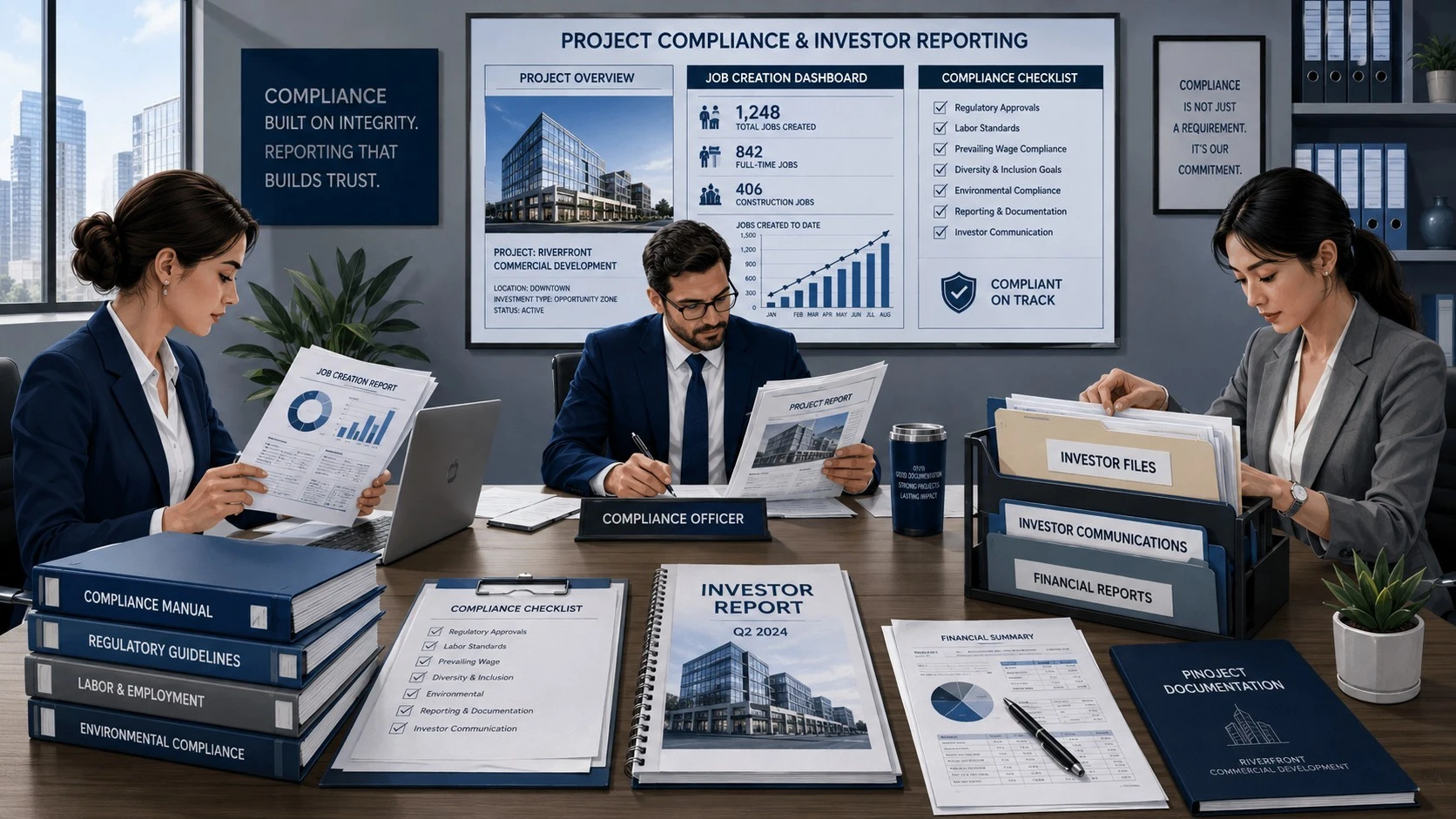
    That said, EB-5 is not ordinary project financing. It carries immigration compliance responsibilities. Developers and project sponsors must provide clear documentation, responsible fund use, job creation evidence, and reporting support. The project must be structured carefully so that it can support investor filings and future immigration milestones.

    This is why EB-5 financing works best when the real estate project is supported by experienced professionals who understand both real estate finance and immigration requirements.

    Why Investors Choose EB-5 Real Estate Projects

    Foreign investors usually approach EB-5 with two priorities: immigration eligibility and capital preservation. Financial return may matter, but for many investors, the primary objective is securing a path to U.S. permanent residency for themselves and their families.

    EB-5 Projects appeal to investors because they are tangible. Unlike a standard operating business, a real estate development has a physical site, a construction plan, a market, and a visible path toward completion. This makes the investment easier to evaluate.

    Investors should still remember that EB-5 capital must remain at risk. A project cannot guarantee repayment, profit, or immigration approval. Therefore, due diligence is critical before investing.

    A careful investor should review the developer’s track record, capital structure, project timeline, job creation projections, regional center history, use of funds, and exit strategy. These factors help determine whether the project is strong from both an immigration and financial perspective.

    The Role of Regional Centers

    Many EB-5 real estate projects are sponsored through regional centers. A regional center is a USCIS-designated entity that supports EB-5 investment projects and helps manage project-level documentation.

    EB-5 regional center projects are often more passive for investors than direct EB-5 investments. They also allow indirect and induced jobs to count toward the EB-5 job creation requirement, subject to EB-5 rules and project structure. This is a major advantage in real estate projects where job creation is often tied to construction spending and broader economic activity.

    For investors who do not want to manage a business directly, a regional center structure can offer a more practical route. It allows them to focus on project review, source-of-funds preparation, and immigration filings while experienced project teams handle development execution and compliance reporting.

    Understanding the Risks

    EB-5 financing has benefits, but investors should approach it carefully. Real estate projects can face delays, cost overruns, market shifts, entitlement issues, financing gaps, or construction challenges. These issues can affect project completion, repayment timing, and job creation.

    Immigration risk is another major factor. If a project fails to create enough qualifying jobs or lacks proper documentation, investors may face problems later in the green card process.

    As a result, investors should not choose a project only because it looks promising. They should understand how the investment fits EB-5 rules, how job creation is calculated, and how the sponsor plans to manage construction, compliance, and investor reporting.

    Working with experienced EB-5 professionals can help investors ask the right questions before committing capital.

    Moving Forward with EB-5 Real Estate Investment

    EB-5 financing is a powerful tool in commercial real estate development when it is structured correctly. It supports funding needs for developers while giving foreign investors a potential pathway to U.S. green cards.

    Still, success depends on the quality of the project and the strength of the documentation. Investors should review how the project creates jobs, how the capital stack is built, who is managing the development, and how the investment supports EB-5 compliance.

    For investors considering this path, the right guidance matters. An experienced EB-5 service provider can guide them through the process, compare project options, and support them as they prepare for key filing steps.

    When strong real estate fundamentals and EB-5 requirements align, the program can create long-term value for developers, investors, and the communities where projects are built.