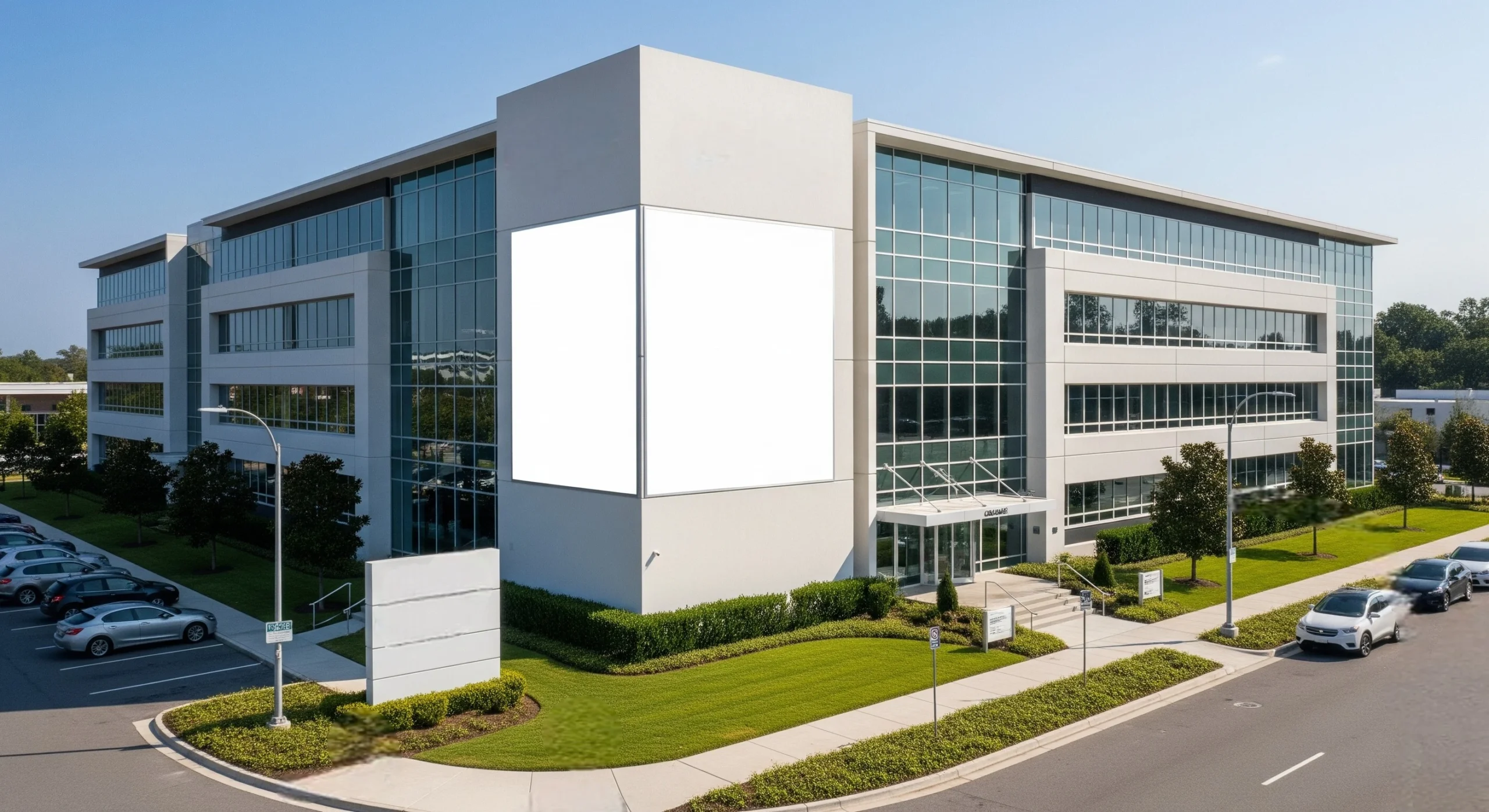
Tag: Commercial Leasing

  • Legal Risks That Every Commercial Property Owner Should Know

    As a property owner of commercial real estate, your exposure goes far beyond rent collection. Legal risk can stem from lease language, regulatory compliance, property conditions, and insurance coverage.

    The relationship with each tenant, the structure of the deal, and the condition of your commercial properties all shape your legal risk and your chances of ending up in a lawsuit. Many rely on a commercial property insurance broker, but insurance works best when paired with clear documentation and active oversight. 

    Knowing where disputes typically arise helps you protect income and long-term stability.

    Commercial Lease Agreements and Contract Clarity

    A commercial lease is the foundation of any leasing arrangement, yet it is also a frequent source of disputes. Ambiguities in a lease agreement can trigger conflicts over rent adjustments, maintenance duties, or exit rights. Courts generally rely on written language, not intent, which makes precision critical.

    Issues often stem from:

    • A poorly defined lease term
    • A missing or vague clause covering repairs or operating costs
    • Misaligned expectations created during negotiations that are not reflected in writing

    Before you negotiate new deals or renewals, a legal review helps ensure the document reflects how the property is actually used.

    Why Legal Disputes Are So Common in Commercial Real Estate

    Legal issues in commercial leasing are more common than many property owners or managers realize. The REALTORS® Confidence Index shows that 15 percent of contracts had delayed settlements in the past three months, nearly unchanged from prior periods.

    This shows how easily deals can slow down when lease terms are unclear or responsibilities are disputed. Small documentation gaps can lead to delays, higher costs, or even lost tenants.

    Common Legal Risks in Commercial Property Ownership

    Legal exposure for commercial property owners often comes from how the asset is maintained, documented, and managed over time. These risks tend to surface during inspections, operational disruptions, or disputes that focus on the condition and use of the property rather than tenant behavior.

    Premises Condition and Deferred Maintenance Risk

    Legal exposure often starts with basic upkeep. When core building systems are not maintained, failures can disrupt operations or damage tenant property. Claims usually focus on whether you knew about the issue and how quickly you acted.

    Common problem areas include:

    • Roof leaks or drainage failures
    • Electrical system issues
    • Plumbing failures
    • Structural wear or deterioration

    Inspection notes, maintenance logs, and repair records often matter most when disputes focus on property condition.

    Compliance and Regulatory Responsibilities

    Every phase of leasing carries regulatory expectations. Fire codes, accessibility standards, zoning rules, and safety requirements apply regardless of tenant type. Failing to meet compliance standards can result in fines, forced upgrades, or restricted occupancy.

    These legal obligations often surface during renovations or inspections, especially when a tenant may modify the space without proper oversight. Staying current with local rules protects both income and reputation.

    Insurance Policies and Coverage Gaps

    Strong insurance policies play a direct role in managing legal exposure. Commercial real estate insurance can help protect you when claims arise, but gaps in coverage can still amplify disputes. Coverage issues often surface when property use changes or tenant activities expand beyond original assumptions.

    Problems typically involve:

    • Inadequate insurance coverage limits
    • Exclusions tied to specific business operations
    • Overlooked loss-of-income coverage during disputes

    Aligning coverage with actual use helps mitigate financial damage when claims occur.

    Tenant Default and Financial Disputes

    When rent stops, or a tenant challenges enforcement, legal costs rise quickly. Commercial eviction processes are often slow, and disputes may involve claims of improper notice or breach. Clear records and consistent enforcement matter most when conflicts escalate .

    Furthermore, legal exposure often begins before a lease is signed. Vetting prospective tenants reduces the risk of nonpayment, misuse of space, or regulatory violations that later fall back on you.

    Managing Legal Risks Proactively

    Legal exposure cannot be eliminated, but it can be reduced through active risk management. Regular reviews of leases, operations, and coverage allow you to adapt as properties and regulations change.

    Seeking legal advice helps ensure your approach stays aligned with current law and market conditions. For commercial property owners and managers, proactive planning protects cash flow, supports long-term value, and keeps disputes from defining your portfolio.

  • Coworking Spaces in Sydney: The Smartest Move Your Business Can Make

    Sydney is a city built on ambition. From tech startups and creative studios to growing service businesses and remote teams, professionals here move fast and expect environments that help them stay sharp. That is why coworking spaces have become one of the most valuable resources for modern businesses. What used to be considered an alternative to traditional offices is now a strategic advantage for companies that want flexibility, reduced costs and higher productivity.

    If your business is looking for a smarter way to operate in a competitive market like Sydney, here is why choosing these coworking spaces might be the best decision you make this year.

    Smart financial decisions start with flexible costs

    Renting a private office in Sydney can be expensive, unpredictable and tied to long leases. On top of that, you need to consider furnishing the space, maintaining utilities, paying for cleaning, buying equipment and setting up internet. These costs add up quickly.

    Coworking spaces remove the burden. Instead of committing to long-term commercial leases, you pay for what your team actually uses. Whether you need a single desk, multiple offices or a hybrid setup, you can adjust month to month. This flexibility protects your cash flow and allows you to grow at your own pace without risk.

    Many Sydney coworking providers include everything in one price. Internet, electricity, meeting rooms, cleaning, printing and kitchen facilities are already covered. You get a premium environment without the overheads that traditionally come with office management.

    A professional image without the corporate hassle

    Sydney clients expect professionalism. Meeting a new customer in a noisy café or your living room simply does not present the image most businesses want. Coworking spaces solve this easily. You get access to polished boardrooms, quiet meeting spaces, modern lounges and reception areas that help you make a strong and credible first impression.

    Even if your team is small, your brand feels bigger and more established. You can meet partners, host interviews, deliver presentations and run workshops in spaces that reflect the quality of your business.

    Your team gets more done in a purpose-built environment

    Productivity is one of the greatest advantages of coworking. Unlike working from home, where distractions can easily interrupt your day, coworking spaces give you a structured, energising environment designed for focus. High-speed internet, quiet zones, private offices, breakout areas and ergonomic workstations all contribute to smoother, more efficient workdays.

    Your team benefits from clearer boundaries between home and work, which boosts concentration and reduces burnout. Coworking environments in Sydney also tend to attract motivated, creative and driven individuals. Being surrounded by people who are focused naturally elevates your own productivity.

    Networking happens naturally, not forcefully

    Connections matter in Sydney. Whether you are looking for partners, contractors, investors or new clients, your workspace can play a key role in shaping your network. Coworking spaces bring together professionals from different industries and at different stages of their careers. This creates a natural, low-pressure environment for collaboration.

    You might meet a graphic designer while making coffee, a developer while booking a meeting room or a marketing consultant during a community event. These casual interactions often lead to valuable opportunities that would not happen in a private office or at home.

    Access to amenities that boost satisfaction and well-being

    Good work requires the right environment. Coworking spaces typically offer amenities that improve both productivity and well-being. These may include:

    • Comfortable lounges
    • Private phone booths
    • Modern kitchens
    • High-quality coffee and tea
    • Event and workshop areas
    • Showers and end-of-trip facilities
    • Outdoor terraces
    • Gym or wellness areas

    Having these resources available throughout the day makes the work experience more enjoyable. It also supports healthier work habits, such as taking breaks, stretching, walking or socialising.

    Coworking supports hybrid teams better than traditional offices

    Many Sydney businesses now operate with staff working both remotely and onsite. Traditional offices struggle with this flexibility because they require full-time space commitments. Coworking spaces, however, are built for hybrid models.

    You can offer your team hot desks or part-time access. You can book meeting rooms only when needed. You can scale up or down based on seasonal workloads or new projects. This model keeps your operations agile while giving your staff professional environments whenever they need them.

    Location is a competitive advantage

    Coworking hubs are spread across Sydney in strategic areas. Whether you prefer the energy of the CBD, the creative feel of Surry Hills, the convenience of North Sydney or the coastal lifestyle of Bondi, there is a space that fits your style. Being close to transport, restaurants, gyms, and client hubs makes your workday more efficient and enjoyable.

    Choosing the right location can reduce commuting stress, attract better talent and make your business more appealing to clients.

    You stay adaptable in a fast-changing business landscape

    Sydney’s business environment changes quickly. Markets change, new opportunities show up, and fresh challenges pop up all the time. Coworking spaces help you stay agile through all of that. If you want to grow your team, test a new idea, open a second base, or shrink your footprint for a while, you can make those moves without getting stuck in a long lease or paying for an office build-out.

    Being able to adapt is one of the most important advantages a modern business can have. Coworking builds that agility into how you work every day.

    Final Thoughts

    Modern coworking spaces offer far more than shared desks. They provide strategic flexibility, financial savings, professional facilities and a community that can help your business thrive. In a city like Sydney, where speed, innovation and connections matter, choosing coworking is not just a trend. It is a smart business move.

    Whether you are a startup founder, a growing small business, a freelancer or a remote team looking for structure, coworking gives you the environment and support you need to perform at your best. If your goal is to operate smarter, not harder, a coworking space may be the solution that transforms the way your business works.

  • How to Find the Right Property for Your Growing Business

    Source: unsplash.com

    As your business grows, finding the right commercial property becomes one of the most strategic decisions you’ll make. The right space doesn’t just give your team a place to work, it supports your operations, enhances your brand presence, and positions you for scalable success.

    Maybe you’re ready to upgrade from your starter location, open a second site across town, or finally move into a space that fits without squeezing into every corner. Either way, the property you choose can either streamline your next phase or create roadblocks. Here’s how to make a smart, forward-thinking choice that fits your goals and your budget.

    Why the Right Business Property Matters

    The right space sets the tone for your entire operation. It influences customer impressions, team productivity, logistics, and even employee retention. A highly visible, well-located property can drive more foot traffic, simplify deliveries, and boost your brand reputation. For walk-in businesses especially, visibility and accessibility are critical to attracting daily customers and sustaining growth.

    More than that, a property with the right infrastructure and room for future growth gives you flexibility. You can scale without the disruption of a major move and negotiate better lease or purchase terms along the way. Location and amenities also impact your team’s day-to-day satisfaction, which helps reduce turnover and attract top talent.

    In short, choosing the right property is about securing a long-term asset that grows with your business and adds value across the board.

    Six Smart Tips for Choosing the Right Commercial Property

    1. Define What Your Business Needs Right Now and Later

    Start with a list that clearly identifying your needs. What does your business need today? What might it need in three to five years? Consider layout, size, storage, customer access, and team needs. Will clients visit often? Do your employees rely on public transit or freeway access? What about parking, break rooms, or conference space?

    Having a clear checklist helps you avoid overpaying for features you won’t use—or choosing a space that you’ll outgrow too quickly.

    2. Choose a Location That Supports Growth

    Your address says a lot. A highly visible, accessible location makes it easier to reach new customers, suppliers, and partners. The right neighborhood also adds credibility to your brand.

    Study local traffic patterns, public transit options, and surrounding businesses. If neighborhood presence or walk-in traffic is important to your business, the zip code you’re in can make or break results.

    3. Review Local Infrastructure and Tax Impact

    Look beyond square footage and rent. Infrastructure quality and local taxes can affect your operating costs just as much. Check for high-speed internet, utilities, parking access, and long-term city planning.

    Also research tax rates and local incentives. Some areas offer tax breaks or grant programs that can significantly reduce your overhead, others may carry higher tax burdens that eat into profits.

    4. Prioritize Commercial-Ready Features

    Make sure the property is zoned and designed for business use. That means fewer compliance issues with zoning, fire codes, and accessibility laws. Commercial properties also tend to offer practical features like security systems, flexible layouts, and higher utility capacity.

    And remember: you don’t have to buy. Commercial real estate for lease can offer the flexibility you need if you’re still in a growth phase, letting you adapt quickly without the long-term commitment of ownership.

    5. Look for Room to Grow

    It’s easy to underestimate future space needs. But growing teams, more inventory, or new services could quickly change your layout requirements. Look for properties that offer extra square footage or flexibility in reconfiguring the space.

    Before committing, review local zoning rules and any limitations that might restrict renovations or expansions later on.

    6. Understand Business Rates and Ongoing Costs

    Business rates similar to property taxes, vary widely by region and property type. These recurring costs can have a major impact on your monthly budget. Understand how they’re calculated, and include them in your total cost of occupancy.

    Comparing rate structures across properties can help you find hidden savings and avoid surprise increases.

    Final Thoughts

    Your business property isn’t just a place, it’s a growth strategy. The right location supports your brand, enables your team, and positions you for the future. Before you sign on the dotted line, take the time to define your needs, evaluate costs, and look for a space that can evolve with you.

    When you get this decision right, you’re not just opening your doors, you’re laying the foundation for long-term success.