Tag: Chicago real estate

  • A Practical Guide to Chicago Home Maintenance and Repairs

    Simple routines make owning a house feel less overwhelming. A consistent maintenance routine saves you money and stress. This guide lays out a time-boxed system tuned for the Greater Chicago area’s weather, soil conditions, and utility rules, yet it remains highly effective for most U.S. homes. You get quick wins you can finish in under 60 minutes, seasonal tweaks for Midwest heat, cold, and storms, and clear signs it’s time to call a pro.

    Image Source: unsplash.com

    Who This Helps

    I wrote this for homeowners, landlords, and real estate professionals who want a local routine without guesswork. It is especially useful for Chicagoland’s humid summers, harsh winters, freeze-thaw weather, and storm activity that can stress roofs, foundations, and mechanical systems.

    What a Well-Maintained Home Looks Like

    A well-maintained home means fewer emergency calls, steadier maintenance spending, better energy performance, and organized records that build renter confidence. A consistent checklist protects property value and creates documentation that’s useful for insurance claims and real estate disclosures.

    Time Blocks That Make This Checklist Easier

    A simple rhythm keeps maintenance manageable so it doesn’t take over your weekends. Monthly tasks take 30 to 60 minutes and focus on filters, leaks, and alarms. Quarterly tasks need about 90 minutes for safety checks, and seasonal tasks take 2 to 4 hours to prepare for Chicago’s weather shifts.

    Tracking and Reminders

    • Use your phone calendar for recurring task reminders.
    • Create a photo log before and after key tasks.
    • Keep a running issues list with estimated costs.
    • Maintain a simple folder per system for manuals, warranties, and receipts.

    One Focused Hour Can Prevent Bigger Problems

    Knocking out high-impact tasks in one focused hour prevents many avoidable problems. Start by changing or checking your heating and cooling system filter. ENERGY STAR advises checking filters monthly and replacing them at least every three months to prevent restricted airflow and higher energy use.

    Next, test smoke and carbon monoxide alarms. The U.S. Fire Administration (USFA) recommends testing monthly and replacing smoke alarm units every 10 years. Then run a quick 10-minute leak check by reading your water meter and inspecting under sinks. EPA’s WaterSense program reports that average household leaks waste nearly 10,000 gallons of water per year.

    Pass or Fail Criteria

    • Replace filters if visibly dirty or older than three months.
    • Replace any smoke alarm older than 10 years.
    • If the meter moves with all fixtures off, investigate for hidden leaks.

    Why Quarterly Checks Matter for Safety

    Targeted quarterly checks reduce major risks, including fire, carbon monoxide exposure, and entrapment hazards. Verify smoke and CO alarm operation and confirm manufacturer dates.

    Image Source: unsplash.com

    Garage Door Safety Tests

    Perform the 2-inch block reversal test on your garage door opener; it should reverse quickly when the door contacts the block. Wipe photo-eye lenses clean, confirm the sensors are aligned, and lubricate rollers and hinges with a garage-rated lubricant. Never adjust torsion springs yourself, as they are dangerous. If the door sticks or fails the auto-reverse and you need a same-day fix in Chicagoland, contact garage door repair Chicago for prompt service.

    Dryer Vent and Lint Control

    An estimated 2,900 residential dryer fires occur annually, with roughly one-third caused by failure to clean vents. Clean the lint screen after every load and inspect venting quarterly. If exterior airflow feels weak, schedule a professional vent cleaning, typically costing $120 to $180 in the Chicago area.

    Getting Your Home Ready for Spring Storms

    Pre-storm preparation matters in the Midwest, where spring and summer storms can bring high winds, hail, and heavy rain. Capture baseline roof photos from the ground using a zoom lens. Note shingle condition, flashing, and gutters. Clear debris and ensure downspout extensions carry water at least five feet away from the foundation.

    Simple Roof Inspection Cues

    • Look for missing shingles or lifted tabs.
    • Check for torn or rusted flashing.
    • Watch for granule buildup at downspouts.
    • Call a licensed roofer if you see exposed fiberglass matting.

    Summer Prep for Your HVAC System

    Reducing breakdown risk before peak heat saves money and discomfort. In Chicago, heat waves often arrive by early summer, so schedule an HVAC tune-up before sustained high temperatures hit. Keep condensers shaded if feasible and maintain at least two feet of clearance around outdoor units.

    Set your water heater to 120 degrees to reduce standby energy losses and scald risk. Test irrigation systems and adjust schedules to comply with local watering ordinances and seasonal restrictions.

    Water Habits That Save Money and Prevent Damage

    Prioritizing leak detection lowers water bills and prevents hidden damage. EPA’s WaterSense program reports that about 10 percent of homes leak more than 90 gallons per day. Fixing common leaks can reduce water bills by roughly 10 percent.

    Image Source: unsplash.com

    Reading the Meter for Silent Leaks

    Shut off all fixtures and watch your meter’s leak indicator; if it moves, track the source by isolating fixtures and irrigation zones. Record readings overnight to catch slow leaks. Consider smart leak sensors under sinks and near water heaters, and automatic shutoff valves for properties with a history of leaks.

    Clear DIY Rules Keep You Safe and Sane

    Knowing where DIY stops and professional work begins keeps both you and your home out of trouble. Hire a professional for electrical work beyond simple fixture swaps, gas lines, structural changes, steep roof work, and torsion spring repairs.

    Decision Tree Prompts

    • Does the job involve gas, high voltage, or fall risk? Hire a pro.
    • Is a permit required? Check local code first.
    • Could a mistake cause water or structural damage? Err toward professional help.

    Conclusion

    A consistent, Chicago-calibrated routine reduces emergencies, controls utility costs, and protects your home’s market value. Proactive maintenance, smart upgrades, and clear documentation build trust with buyers and renters while lowering stress for owners. Start with the simple checklists and bring in professionals when red flags appear to keep small issues from becoming expensive problems.

    FAQ

    How often should I change filters if I have pets or allergies?

    Inspect monthly and plan to replace filters every one to two months, depending on dust levels and shedding. Balance filtration with airflow, since very high MERV ratings can increase static pressure and reduce system performance.

    What is the simplest way to test for hidden water leaks?

    Shut off all fixtures and watch the meter’s leak indicator. If it moves, isolate the problem by shutting off water to fixtures or irrigation zones. Check toilets with dye tablets and inspect irrigation valves for seepage.

    Do I need carbon monoxide alarms if my home is all-electric?

    Yes. Attached garages, nearby fuel-burning equipment, or portable generators can still create carbon monoxide risks. Install alarms on every level and outside sleeping areas.

    What basic tools cover most DIY maintenance?

    A multi-bit screwdriver, adjustable wrench, pliers, headlamp, stud finder, non-contact voltage tester, GFCI tester, caulk gun, ladder, and appropriate personal protective equipment cover most routine tasks. Add specialty tools as needed.
  • Essential Commercial Garage Door Repair Guide for Chicago, IL Business Owners

    Essential Commercial Garage Door Repair Guide for Chicago, IL Business Owners

    Running a business in Chicago means dealing with tough weather. Your commercial garage door takes a beating from wind, snow, ice, and daily use. When it breaks, your business stops. That’s why commercial garage door repair Chicago IL services are so important for local businesses.

    Why Chicago Businesses Can’t Ignore Garage Door Problems

    Your garage door does more than open and close. It protects your inventory; keeps employees safe; and helps customers reach your business. A broken door can shut down operations for days.

    Chicago weather only makes things worse. Winter storms can freeze door mechanisms overnight. Summer heat expands metal parts until they jam. Spring rain can flood sensors and damage electronics.

    Chicago businesses often face problems like:

    • Delivery trucks can’t get in.
    • Employees can’t reach work areas safely.
    • Weather damages inventory and equipment.
    • Security systems fail when doors malfunction.
    • Customer access gets blocked.

    Smart business owners don’t wait until problems happen. They plan ahead with reliable commercial garage door repair professionals.

    Different Commercial Door Types Need Different Care

    Not all commercial garage doors are the same. Each type has unique problems and solutions.

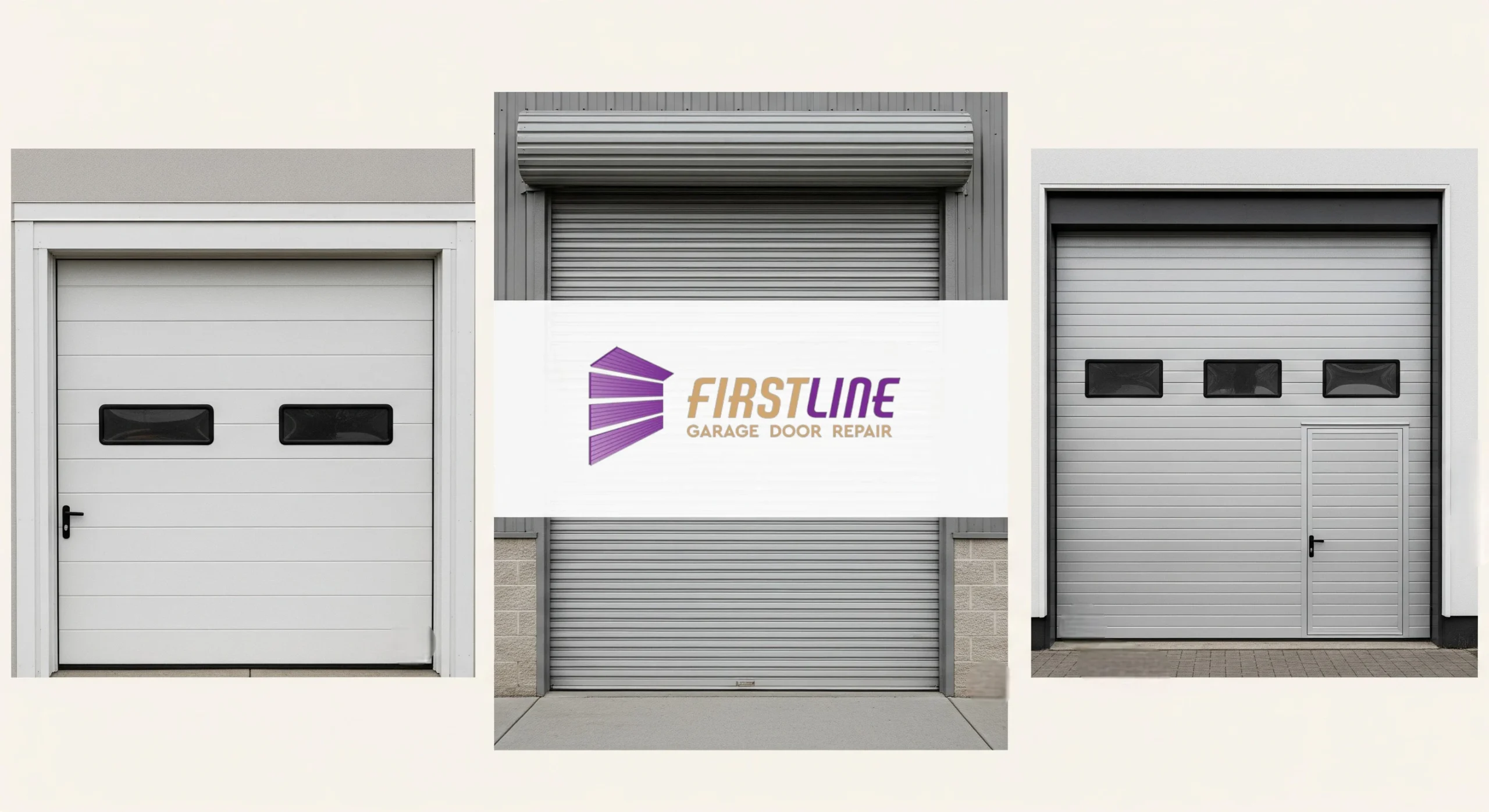
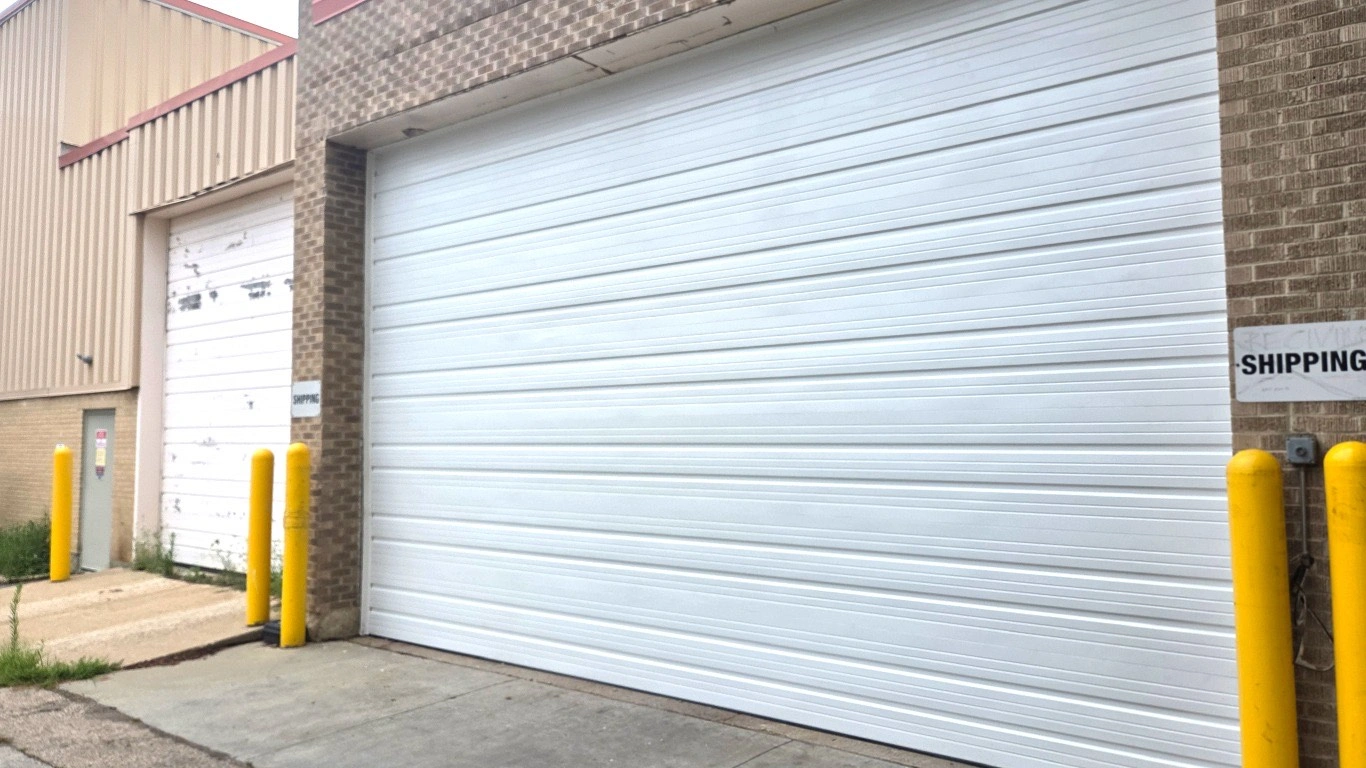
    • Overhead sectional doors are common in warehouses. They have multiple panels that slide up on tracks. These doors break when tracks get bent or rollers wear out.
    • Roll-up steel doors work well for loading docks. They coil into a drum above the opening. Problems happen when springs break or the drum gets damaged.
    • High-speed doors help businesses move fast. They open and close quickly to save energy. But speed means more wear on motors and sensors.
    • Fire-rated doors protect people and property. They must close automatically during emergencies. Safety systems need regular testing and maintenance.
    • Security doors have special locks and reinforcement. They protect valuable inventory but need expert care to work properly.

    Each door type needs different tools, parts, and knowledge to fix correctly.

    Signs Your Commercial Door Needs Professional Help

    Don’t ignore warning signs. Small problems become expensive disasters if you wait too long.

    Call a professional if you notice:

    • The door moves slowly or stops partway.
    • Loud grinding or scraping noises during operation.
    • The door shakes or vibrates while moving.
    • Gaps around the edges that let weather inside.
    • Remote controls that work sometimes but not always.
    • Visible damage to panels; tracks; or hardware.
    • The door looks misaligned or uneven.

    Chicago’s harsh weather makes these problems worse quickly. A small crack in winter becomes a big hole by spring.

    Emergency Repairs to Keep Businesses Running

    Commercial garage door emergencies don’t wait for business hours. A door that worked fine yesterday might be completely stuck today.

    Common Chicago emergencies:

    • Spring failures that make doors impossible to lift.
    • Motor failures caused by cold weather strain.
    • Track damage from delivery truck accidents.
    • Sensor failures that create safety hazards.
    • Storm damage from high winds or hail.

    Reliable commercial garage door repair companies offer emergency service. They understand that every hour your door is broken costs money.

    Emergency technicians carry common parts on their trucks. They can often fix problems the same day. This keeps your business running while permanent repairs get scheduled.

    Preventive Maintenance Saves Money and Time

    Smart Chicago business owners don’t wait for breakdowns. They schedule regular maintenance to prevent problems.

    Regular maintenance includes:

    • Lubricating all moving parts before winter.
    • Adjusting spring tension for proper balance.
    • Testing safety systems and sensors.
    • Cleaning tracks and removing debris.
    • Checking weather seals for damage.
    • Inspecting electrical connections.
    • Updating software on smart garage door systems.

    Maintenance visits cost less than emergency repairs. They also prevent the lost business that comes with broken doors.

    Weather Protection Strategies for Chicago Businesses

    Chicago weather is hard on commercial garage doors. Businesses need strategies to protect their investment.

    Winter protection steps:

    • Install low-temperature lubricants that don’t freeze.
    • Add insulation to reduce energy costs.
    • Check weather seals before cold weather hits.
    • Clear snow and ice away from door tracks.
    • Test backup power systems for outages.

    Summer preparation:

    • Adjust spring tension for hot weather expansion.
    • Clean ventilation systems to prevent overheating.
    • Check sensors that might malfunction in heat.
    • Inspect seals that can crack from sun exposure.

    Storm readiness checklist:

    • Secure lightweight doors that wind can damage.
    • Test emergency manual releases.
    • Have backup power ready for extended outages.
    • Know which repair companies offer emergency storm repair service.

    Planning ahead prevents weather disasters that shut down business.

    Safety Requirements That Chicago Businesses Must Follow

    Chicago has strict safety rules for commercial garage doors. Breaking these rules can result in fines; lawsuits; or business closures.

    Required safety features:

    • Photo sensors that detect people and objects.
    • Emergency stop buttons within easy reach.
    • Manual release systems for power failures.
    • Proper warning signs and lights.
    • Regular safety inspections and documentation.

    Employee training requirements:

    • How to use manual releases safely.
    • When to call for professional help.
    • Basic maintenance tasks employees can do.
    • Emergency procedures for door malfunctions.

    Good commercial garage door repair companies know local codes. They make sure all repairs meet safety requirements.

    Choosing the Right Repair Company

    Not all garage door companies understand commercial needs. Look for specialists who work with businesses regularly.

    Questions to ask potential repair companies:

    • Do you offer emergency service calls?
    • Can you work around our business hours?
    • Do you stock parts for our door type?
    • Are your technicians licensed and insured?
    • Can you provide references from similar businesses?
    • Do you offer maintenance contracts?

    Red flags to avoid:

    • Companies that only do residential work.
    • Prices that seem too good to be true.
    • No proper licensing or insurance.
    • Pressure to buy unnecessary upgrades.
    • Poor communication or slow response times.

    The best companies focus on long-term relationships, not quick sales.

    Cost Factors for Commercial Door Repairs

    Commercial garage door repairs cost more than residential fixes. But understanding costs helps you budget properly.

    Factors that affect repair costs:

    • Door size and complexity.
    • Type of problem and parts needed.
    • Emergency service vs. scheduled repairs.
    • Labor costs in the Chicago area.
    • Code compliance requirements.
    • Warranty coverage on existing parts.

    Ways to control costs:

    • Schedule regular maintenance to prevent major repairs.
    • Fix small problems before they become big ones.
    • Compare quotes from multiple companies.
    • Consider maintenance contracts for predictable costs.
    • Keep documentation for warranty claims.

    Remember: cheap repairs often cost more in the long run. Quality work lasts longer and prevents repeat problems.

    Technology Upgrades That Help Chicago Businesses

    Modern commercial garage doors offer features that save money and improve security.

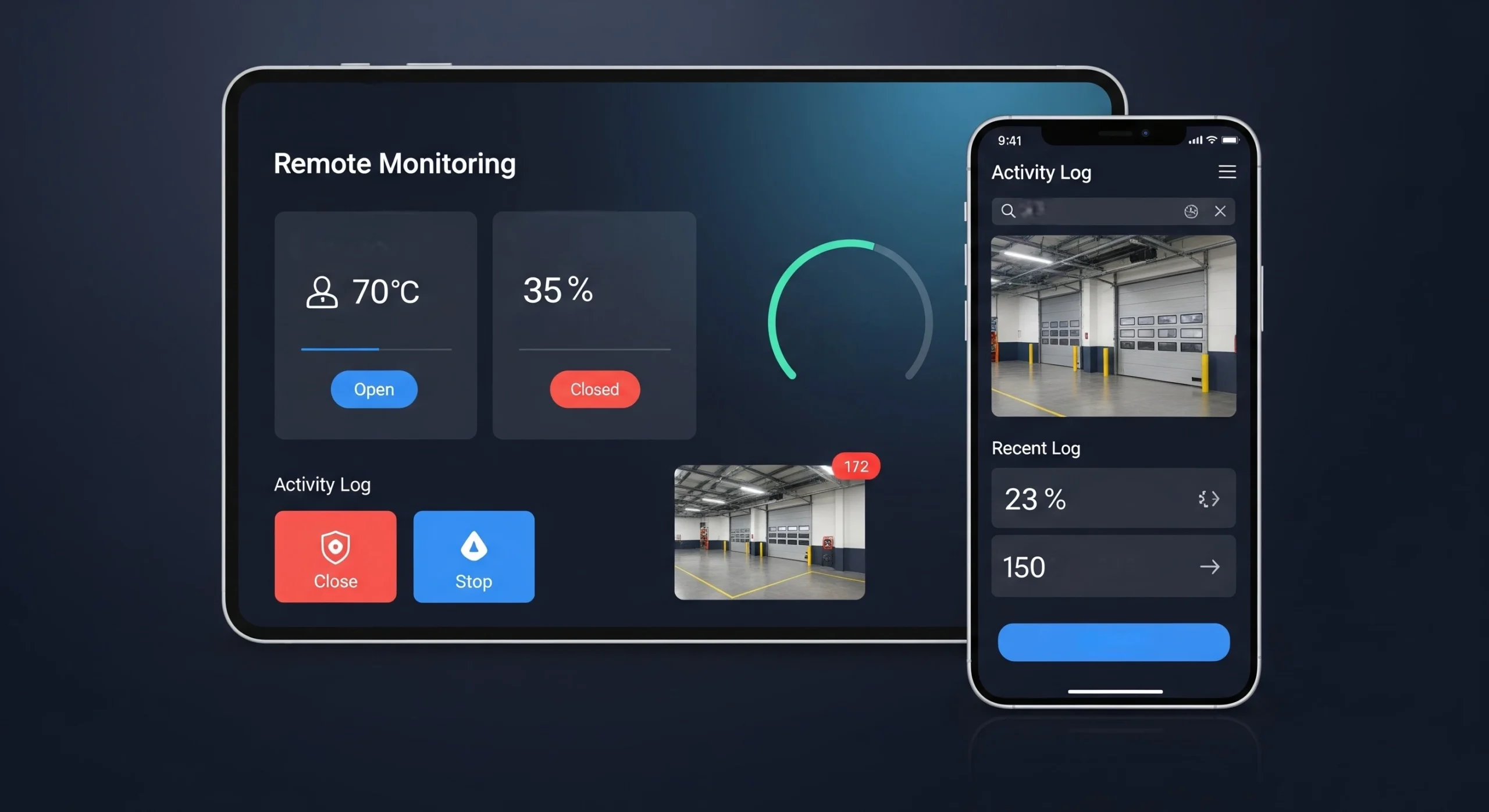
    • Smart door systems let you monitor and control doors from anywhere. Get alerts when doors malfunction or someone enters after hours.
    • Variable speed drives adjust motor speed based on conditions. They use less energy and reduce wear on mechanical parts.
    • Advanced sensors detect problems before they cause failures. They can alert you to issues during regular operation.
    • Integration capabilities connect doors to building management systems. This improves energy efficiency and security monitoring.
    • Remote diagnostics let repair companies check your doors electronically. They can often solve problems without sending a technician.

    Technology upgrades cost money upfront, but save more over time through reduced repairs and energy costs.

    Planning for Door Replacement vs. Repair

    Sometimes repair isn’t the best option. Knowing when to replace saves money in the long run.

    Consider replacement when:

    • Repair costs exceed half the door’s value.
    • The door is more than fifteen years old.
    • Safety features can’t be upgraded to current codes.
    • Energy costs are too high with the old door.
    • Frequent breakdowns disrupt business operations.

    Repairs make sense when:

    • The door is relatively new.
    • Only one component needs fixing.
    • Regular maintenance has been good.
    • The door meets current safety codes.
    • Replacement would seriously disrupt business.

    Good repair companies will honestly tell you when replacement makes more sense than continued repairs.

    Building Long-Term Service Relationships

    The best results in commercial garage door repair come from ongoing partnerships, not one-time fixes.

    Benefits of service partnerships:

    • Priority scheduling for urgent needs.
    • Better pricing on parts and labor.
    • Detailed records of all work performed.
    • Proactive recommendations for improvements.
    • Emergency contact information for after-hours problems.

    How to build good relationships:

    • Pay bills promptly and completely.
    • Provide clear access to work areas.
    • Communicate problems clearly and quickly.
    • Follow recommended maintenance schedules.
    • Refer other businesses when appropriate.

    Strong service relationships save money and prevent problems. They’re an investment in your business’s future.

    Keeping Your Chicago Business Moving Forward

    Commercial garage door repair services aren’t just about fixing broken doors. They’re about keeping your business running smoothly, protecting your investment, and maintaining workplace safety.

    Chicago’s challenging weather and competitive business environment mean every detail matters. A reliable garage door might seem like a small thing; but it’s essential for business success.

    Don’t wait for problems to find you. Build relationships with qualified repair professionals; schedule regular maintenance; and address issues before they become disasters.

    Your commercial garage door is a critical part of your business infrastructure. Take care of it properly, and it will take care of your business for years to come.

    Remember: in Chicago business, preparation and prevention beat emergency repairs every time. Make sure your garage doors are helping your success; not holding it back.

  • Ways to Improve Your Chicago Home’s Curb Appeal

    Image Source: https://www.sunsetpools-spas.com/portfolio/arrowhead

    Whether you are selling your home or you are just looking for ways to increase its value, you need to be aware of some of the most effective ways to improve the value of your home. There are lots of improvements that you could opt to make, but you probably only want to invest in the ones that will make your home more valuable and more fun to spend time in.

    The interior of your home has a lot to do with its value, but you cannot neglect the exterior if you want to increase curb appeal and value at the same time. Many people tend to forget that the exterior of their home is what makes the first impression on people who are looking at it to buy, or on guests who are visiting. Improving the appearance of your home can be beneficial for so many reasons, and you should never snooze on this important means of making your home look its best and have an increased market value.

    Ways to Improve Your Home’s Curb Appeal

    Caring for your home’s curb appeal matters. You want to feel excited about coming home to relax and unwind after a long day, and you also want guests and family to feel welcomed home each time they drive up. Improving the curb appeal of your home impacts its value but it also changes the way that your home feels to you and your loved ones in the best ways.

    1. Install a Swimming Pool

    It’s no secret that a swimming pool looks nice and is highly beneficial to homeowners and guests alike. If you are tired of looking at a boring lawn and a few shrubs in your backyard, you need to reach out to an experienced Chicago pool builder to get a quality pool installed on your property. There is so much to love about having a swimming pool. Not only can you cool off during the peak of the summer’s heat, you can also create usable spaces around the pool that are ideal for entertaining, sunbathing, and so much more.

    Swimming pools can be customized to your specific needs and desires, and they can also include a spa and other areas that can be used even during the coldest part of the year. There is no reason to think that a swimming pool isn’t an option for your property. You should reach out to a skilled pool builder and find out just how much is possible for your swimming pool project.

    2. Repaint

    Paint can make a huge difference when it comes to curb appeal. While it can be tedious to repaint your home’s exterior, the investment is well worth it. Repainting freshens up the appearance of your home, and you will also be protecting your home from damage due to rain and snow.

    When you live in a place like Chicago, where the seasonal shifts are pretty extreme, your paint can take a beating. Your paint might need more attention due to the harsh winters and hot summers in Chicago. You should be sure that you are paying attention to the health of the paint on your home for a host of practical reasons, but also to be sure that your home looks its best.

    3. Take Care of Your Grass

    While it can be a lot of work to take care of your lawn, you need to be sure that you are doing so. A dead, dried-out lawn is a hallmark of a house that is not being cared for, and this can immediately impact your home’s value. If you don’t have the time to care for a lawn or are not able to irrigate reliably all summer long, you should consider installing a faux lawn that will not need much upkeep to stay green and lush-looking.

    Green swaths of lawn are ideal for allowing kids and pets to play, and they look really sharp when they are carefully mowed and edged. You also have the option of removing your grass in favor of bark and shrubs or a rock garden that is carefully planned out. Keeping the landscaping up at the front of your home matters for its value as well as its overall appearance.

    Image Source: https://www.sunsetpools-spas.com/portfolio/arrowhead

    4. Install a Patio or Deck

    When you have a backyard that isn’t usable, your home’s value and beauty will be impacted. Mud might impact kids playing and come into the house on puppy feet, and you might not even want to roll up the blinds on that side of your home. Adding a patio or a deck can increase the footprint of your home and create usable outdoor spaces that didn’t exist before your investment.

    You have lots of choices when it comes to the materials that you can use for your patio or deck as well. From imitation wood that doesn’t need to be sanded or stained to products like marble or paving stones, there are lots of ways to create a patio or a deck that speaks to you and matches the rest of the aesthetic of your home.

    Image Source: https://www.sunsetpools-spas.com/portfolio/arrowhead

    Improving Your Home’s Curb Appeal Improves the Way Your Property Can Be Used and is Viewed by Others

    The curb appeal of your home doesn’t have to be something that you struggle to maintain. You should feel inspired by the idea of creating usable spaces and cleaning up the exterior of your home, especially if you have budgeted for these activities to take place. Be sure that you have routine processes on your radar, such as cleaning out the gutters and caring for the lawn. Being able to keep up with these routine tasks can help keep your home looking great throughout the year.

    If you want to create usable spaces that you will fall in love with over and over again, you need to consider adding a swimming pool, a patio, or a deck to your property as well. Creating a space that can be enjoyed for entertaining and relaxation is important to the value of your home.

  • How to Price Your Chicago Rental Property to Maximize Profit

    Credit: Wirestock via gettyimages.com

    Chicago’s rental market operates differently from cities like Dallas, with diverse neighborhoods and fluctuating demand influencing pricing strategies. Getting the price right for your rental is key to attracting tenants, keeping vacancies low, and making the most of your investment. Set your price too high, and it may sit vacant, especially in areas with lower demand. But if the price is too low, you could lose out on potential profit.

    It all comes down to understanding the market, keeping expenses in check, and setting a price that attracts tenants without sacrificing your bottom line. Here’s how to get the best rent for your property without scaring off tenants.

    Investigate the Chicago Rental Market

    Research the Market Conditions. One of the first steps to setting a great rental price is to research the current market conditions in your area. Rental rates are determined primarily by location, demand, property type, and economic trends.

    Step-by-Step Guide on How to Do Market Research:

    • Check Rental Listings: Use websites such as Zillow, Apartments.com, and Craigslist to find similar properties in your neighborhood.
    • Social Media / Forums: You can join forums related to the rental market and seek advice from experienced investors.
    • Talk to a Property Management Company: Rental pros can offer tips specific to market trends and pricing.
    • Check Supply and Demand: If your region has high vacancy rates, you might need to price competitively to attract tenants.

    Consider Your Property’s Location

    While Chicago has 77 officially recognized neighborhoods, rental demand is highest in areas like The Loop, River North, and Lincoln Park, which plays a big role in rent prices. Places like River North, Lincoln Park, and The Loop run higher ‘cause they’re close to business hubs, got plenty of amenities, and feel safer. Meanwhile, spots like Albany Park and South Shore are more affordable but still get plenty of renters.

    When setting a price for your rental, think about:

    • Public Transit Accessibility: Properties close to major bus routes or CTA train stations tend to demand higher rents.
    • Nearby Amenities: Renters seek grocery stores, restaurants, entertainment, and parks.
    • School District Quality: Families sometimes pay a premium to live in areas with highly rated schools.

    Know Your Costs and Where You Want to Be

    When you look deeper, your rent should cover all costs and generate positive cash flow for profitability.

    Key Expenses to Factor In:

    • Mortgage Payments: If you currently have a loan on this property, ensure that the overall rent covers this cost.
    • Property Taxes: Property taxes in Chicago vary depending on the county and assessment rates, so include them in your calculations.
    • Insurance: Landlord insurance covers property damage and liability claims.
    • Maintenance & Repairs: Anticipate surprise repairs, regular maintenance, and long-term upgrades.
    • Property Management Fees: If you use a management company, include these costs (typically 8–12% of the monthly rent).
    • Vacancy Rate: Charging a reasonable rent keeps your property occupied, maximizing income flow.

    Analyze Comparable Rental Prices of Similar Properties

    To list your rental at a competitive price, compare properties with similar attributes. Consider:

    • Bedrooms & Bathrooms: Rental prices tend to be higher for larger units.
    • Square Footage: Generally, homes with more living space cost more.
    • Age & Condition: Newly built or well-maintained older properties demand higher rents.
    • Parking Availability: Any parking spot or garage increases rental value, especially in high-demand locations.
    • Building Amenities: Features like elevators, gyms, rooftop decks, and concierge services justify higher rental prices.

    Set Competitive Pricing Strategies

    Once you’ve established a pricing benchmark, here are some tips for maximizing profit:

    Underprice, But Profitably

    Pricing slightly below market value can attract tenants faster, but ensure it still covers your costs and generates profit.

    • Charge slightly less than similar rentals to attract tenants faster.
    • Adjust rent seasonally—rents are usually higher during peak moving seasons (spring and summer).

    Offer Incentives

    If you need to fill a vacancy quickly, offering incentives such as one month’s free rent, waiving an application fee, or reducing the security deposit can entice tenants without lowering the base rent.

    Apply Tiered Pricing to Multi-Unit Properties

    If you own a multi-unit building, you might price premium units differently based on factors like floor location, view, or additional amenities.

    Test and Adjust Pricing as Needed

    Market conditions change, so it’s a good idea to be flexible with your pricing strategies.

    • Track Inquiries & Applications: If interest is low, you may have priced too high.
    • Evaluate Lease Renewals: If turnover is high, rental rates may need adjustment.
    • Analyze Local Market Shifts: Stay updated on local rental trends and adjust your strategy accordingly.

    Conclusion

    Pricing a rental property is crucial to maximizing profit while keeping plenty of tenants interested. With market research, expense awareness, and strategic pricing, you can maintain a solid rental income stream and long-term viability. If you need assistance in setting the right price, consulting Chicago rental management companies can help get you started on the right path, especially in competitive markets.

    Not sure how much to charge for your Chicago rental? Reach out to a rental management pro today for expert advice on maximizing your income!.