Tag: Canada Real Estate

  • Renting vs. Buying a Home in Canada: Which Makes More Financial Sense in 2025

    A lot of Canadians are asking the same question: should I rent or buy? Maybe you’ve compared rent listings with mortgage payments and still aren’t sure which path makes more sense.

    Image Source: pexels.com

    The mortgage vs rent equation is complicated by homeownership costs and shifting interest rates, and whether you will stay put long enough to make buying worth it.

    The real question is how each choice fits your finances, job stability, and plans for the next decade. That is what we will unpack here without repeating the same generic tips.

    Rent vs. Buy: The Financial Reality Check
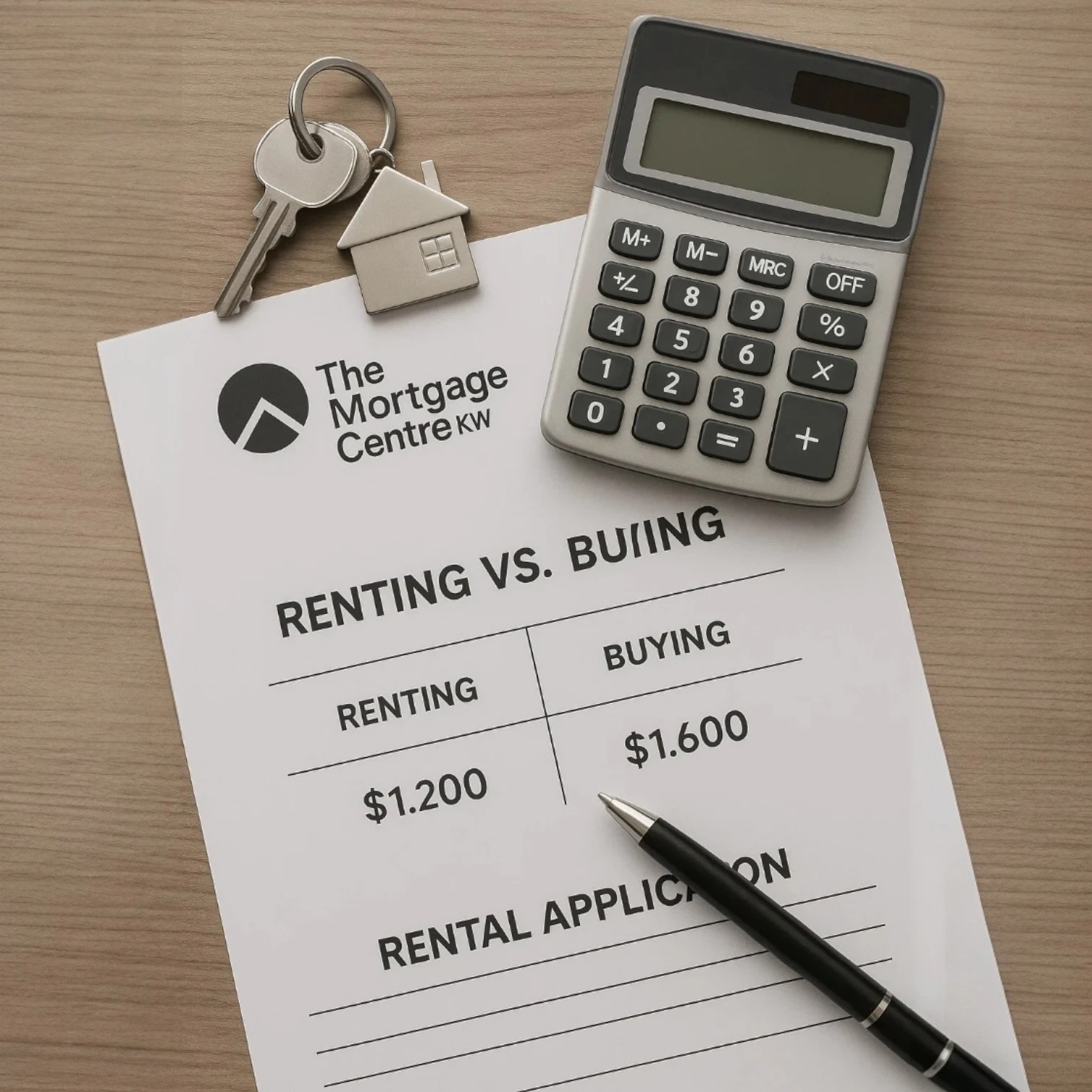
    Before deciding between renting vs buying, look beyond the headline monthly payment. Both come with a set of costs that kick in before you even settle in.

    Buying a Home

    • Upfront: Down payment (minimum 5 percent on the first $500,000 in Canada), closing costs, inspection fees, and land transfer tax (which varies by province). On a $600,000 home, that’s often $35,000 to $50,000 just to get started.
    • Ongoing: Principal and interest mortgage payments, property taxes, insurance, and maintenance. These homeownership costs can shift, especially if interest rates change.
    • The benefit: Long-term equity and the chance for real estate investment gains if property values climb.

    Renting a Home

    • Upfront: Security deposit, first and last month’s rent, plus moving expenses.
    • Ongoing: Monthly rent, utilities (if not included), and occasional renter’s insurance.
    • Potential upside: Flexibility, lower financial commitment, and fewer unexpected bills.

    The real choice comes down to affordability and your plans for the next five to ten years. If you are not sure where you stand, a quick conversation with a mortgage advisor can give you a clear, personalized breakdown based on facts. 

    Housing Market Trends in 2025

    In May 2025, the average asking rent in Canada was about $2,129 per month. That is slightly lower than last year, but still well above pre-2020 levels.

    Now compare that to owning, the average monthly mortgage payment is $3,500 to  $5,500, based on current home prices and interest rates. The gap is wide, and it’s not just about the monthly bill. Buying adds property taxes, insurance, and maintenance costs, while renting avoids those but may come with rent increases over time, and you’re not building equity. 

    Lifestyle Factors to Consider

    Money matters, but so does how you want to live. The renting vs buying choice can shape your day-to-day life more than you might think.

    When Renting Makes Sense

    • Mobility: If you see yourself changing cities or even just switching neighborhoods in the next few years, renting keeps you flexible.
    • Low upkeep: Broken appliance? That’s your landlord’s problem. You avoid the surprise repair bills that come with homeownership costs.
    • Lower commitment: A lease usually lasts a year, while a mortgage ties you down much longer.

    When Buying Works Better

    • Stability: You don’t have to worry about a landlord deciding to sell or raising the rent.
    • Customization: Paint the walls, knock down a wall, plant a garden, homeownership lets you renovate or customize as you like.
    • Long-term planning: If you plan to stay put for 5+ years, you start building equity instead of paying someone else’s mortgage.

    In the end, financial planning for homebuyers or renters is about whether you value the freedom to move or the security of staying. The right answer changes depending on your career, relationships, and how much risk you’re willing to manage.

    How to Know Which Side You’re On
    When you simplify the decision, your choice between renting vs buying comes down to three questions:

    How Long Will You Stay Put?

    • Less than 3 years? Renting usually wins.
    • Five years or more? Buying starts to make sense, especially if your market is trending upward and you’re thinking about real estate investment as part of your long-term wealth plan.

    How Stable is Your Income?

    • If your paycheck could take a hit or your job might move you, renting keeps you flexible.
    • If your income is steady and you’ve built an emergency fund, you can handle the surprise costs that come with homeownership. That stability also makes it easier to work through the financial planning for homebuyers process with confidence.

    What’s Your Debt-to-income Ratio?

    • Mortgage lenders will look closely at your debts before approving you. If your debt-to-income ratio is high, you may want to rent while lowering it, using that time to plan for a smarter entry into real estate later. 

    These answers will point you toward the choice that fits your financial capacity and your life stage, not just what the headlines suggest.

    Your Next Move Starts Here

    In 2025, renting vs buying isn’t a universal math problem with one correct answer. It’s a personal calculation that blends your finances, stability, willingness to commit, and see it as a long-term investment. Others will rent, protect their flexibility, and wait for the market to shift.

    What matters is making the call based on real numbers and a plan that fits your situation, not your neighbor, not the market chatter, and not some outdated rule of thumb.

  • 5 Key Things to Consider Before Moving to Ottawa

    Source: Medium.com

    Relocating to Ottawa or any new city requires more than just packing boxes. Whether it’s for a job opportunity, lifestyle change, or family reasons, relocating can be incredibly stressful if you’re not fully prepared. From understanding the local housing market to getting your legal and financial affairs in order, there’s a lot to think about.

    Here’s a quick guide to five key factors that can help you make smart, informed decisions before you pack your bags.

    1. Legal and Financial Planning

    Source: in.gov

    Relocation involves signing new leases or mortgage agreements, transferring utilities, and managing provincial tax differences. In Ontario, for example, land transfer tax applies on home purchases, and some legal transactions require a notary.

    Before finalizing anything, work with an expert real estate lawyer who’s familiar with Ontario regulations. They can flag issues in contracts and ensure compliance with local laws. Also consider hiring a financial advisor to help with the budget and transition costs.

    Don’t forget to:

    • Estimate your total moving budget, including legal fees and closing costs.
    • Understand tax implications between your current province and Ontario.
    • Update your banking and insurance information.
    • Notify the CRA (Canada Revenue Agency) of your new address.

    2. Cost of Living and Employment Outlook

    Ottawa’s cost of living is moderate compared to Toronto or Vancouver but higher than many smaller Canadian cities. According to Numbeo, Vancouver’s cost of living is roughly 25% to 30% higher than that of mid-sized cities like Halifax or Winnipeg. Average rent for a one-bedroom apartment in central Ottawa is around $1,700–$2,000 as of mid-2025.

    Assess whether your current or future salary aligns with Ottawa’s housing, transportation, healthcare, and childcare costs. Use cost-of-living calculators to compare cities.

    If you’re relocating for work, review the job offer against local expenses and industry wages. If not, plan for a sufficient emergency fund, ideally enough to cover at least 3–6 months of expenses during your job search.

    Be sure to check:

    • Local income tax rates and deductions.
    • Health insurance coverage and employer benefits.
    • Ottawa’s average wages in your field.

    3. Housing and Neighborhood Research

    Source: istockphoto.com

    Choosing the right neighborhood in Ottawa depends on your lifestyle. Suburban areas like Kanata or Barrhaven offer more space and good schools, while downtown locations like Centretown or the Glebe provide walkability and transit access.

    Before signing a lease or buying a home:

    • If you can, visit the neighborhood first.
    • Compare listings and rental availability on local platforms.
    • Confirm internet service, transit routes, and property taxes.

    If buying, connect with a real estate agent experienced in Ottawa’s market. If renting, consider a short-term lease first to allow flexibility while you get familiar with the area.

    Also check for:

    • Local bylaws, especially in condos.
    • Parking or permit requirements.
    • Zoning restrictions if you’re considering home-based businesses.

    4. Education and Healthcare Access

    Public schooling in Ontario is administered by school boards with specific enrollment zones. Ottawa offers English, French, Catholic, and private school options. Confirm zoning for your address before signing a lease or purchase agreement.

    Also consider the wait times and access to healthcare. While OHIP (Ontario Health Insurance Plan) covers residents, newcomers may face a waiting period—so private coverage might be needed temporarily.

    Keep in mind:

    • Registration deadlines for local schools.
    • Daycare availability and costs.
    • Proximity to walk-in clinics, family doctors, or specialists.

    5. Community and Cultural Fit

    Ottawa is bilingual and culturally diverse, with both English and French widely spoken. It has an active arts scene, access to nature, and a slower pace than Toronto or Montreal.

    Still, relocation can feel isolating. Research local community groups, hobby clubs, or professional organizations in advance.

    To ease the transition:

    • Attend meetups, volunteer, or take a local class.
    • Use community centers or libraries to find events.
    • Join parent groups, sports leagues, or professional associations.

    Takeaway

    A successful move to Ottawa means more than just changing your address. Research the legal and financial landscape, plan for housing and education, and invest time in understanding the community. By preparing in advance, you can minimize surprises and settle in with confidence.

  • 7 Smart Tips For Finding An Investment Property in North America

    Real estate can be a great way to build long-term wealth—if you know what you’re doing. Whether you’re eyeing your first rental or adding to a growing portfolio, picking the right property matters. North American markets, ranging from major cities like Toronto, Vancouver, New York, and Los Angeles to emerging mid-sized communities, offer a variety of opportunities, but also come with risks and complexities.

    So how do you avoid a money pit and find a place that actually fits your goals and your budget? Here are seven practical tips to help you make a smarter move.

    1. Define Your Investment Goals

    Before you even begin your property search, clearly define what you’re hoping to achieve. Are you looking for steady cash flow through monthly rent, long-term appreciation, or perhaps a fix-and-flip opportunity?

    Your goals will determine the type of property you should focus on:

    • Cash Flow: Multi-family homes or properties in high-rent-demand areas.
    • Appreciation: Up-and-coming neighborhoods with strong development potential.
    • Fix and Flip: Properties that are undervalued and need cosmetic or structural renovations.

    Understanding your “why” will help you stay focused and avoid making emotionally driven decisions.

    2. Research Local Markets

    Not all real estate markets are created equal. Look beyond your immediate neighborhoods or city and research various North American markets that align with your goals. Some key factors to evaluate include:

    • Population growth: Are more people moving in or moving out?
    • Jobs: Are new businesses popping up, or is the local economy slowing down?
    • Rental demand: Are units sitting empty, or getting snapped up fast?
    • Price-to-rent ratio: Does the rent actually justify the price tag?
    Source: news18.com

    Online tools like Zillow, Realtor.com, and regional MLS (Multiple Listing Service) platforms offer valuable data. Also, consider networking in investor forums or attending local real estate investment meetups to gather firsthand insights.

    3. Build a Reliable Team

    One of the most underrated but essential components of property investing is having a dependable team. Even if you’re experienced, having professionals in your corner can streamline the process and protect you from costly mistakes.

    Key team members might include:

    • A trusted realtor who understands investment properties, local zoning laws, and emerging neighbourhoods.
    • A mortgage broker who can offer flexible financing options.
    • A property manager, if you’re investing out of town or prefer hands-off management.
    • An attorney familiar with local real estate laws and tenant regulations.

    A trustworthy team will help you make smarter decisions faster and with greater confidence.

    4. Do the Math—Twice

    Successful investing is rooted in the numbers. Before making an offer on a property, perform a thorough financial analysis. Use conservative estimates to account for unforeseen expenses and market fluctuations.

    Key numbers to calculate:

    • Cash flow: Monthly rent minus all expenses (mortgage, taxes, insurance, maintenance, etc.)
    • Cap rate: Net operating income divided by property value.
    • ROI (Return on Investment): Profitability in relation to your initial cash investment.

    Also, factor in vacancy rates and repair reserves to get a more realistic view of potential returns.

    5. Start with a Modest First Investment

    If you’re new to real estate investing, start small. Jumping into a big project or an expensive multi-unit property right away can be risky. A single-family home or a duplex can be a manageable starting point.

    Starting modestly lets you learn the ropes—tenant screening, rent collection, maintenance issues—without overwhelming yourself financially or emotionally.

    You can always scale up as you gain more experience and confidence in managing investment properties.

    6. Inspect Thoroughly Before Buying

    Never skip the inspection. A property may look good on the surface, but structural issues, outdated electrical systems, or plumbing problems can turn your investment into a money pit.

    Hire a certified home inspector to evaluate:

    • Foundation and roof condition.
    • HVAC, electrical, and plumbing systems.
    • Pests or water damage.
    • Safety hazards or code violations.

    This upfront diligence could save you thousands of dollars down the line—and even help you negotiate a better deal.

    7. Have an Exit Strategy

    Smart investors always plan for the unexpected. Market conditions can shift, personal circumstances may change, or a neighborhood may stop appreciating. Before you buy, consider how easily you could sell or repurpose the property if needed.

    Some common exit strategies include:

    • Selling the property after appreciation.
    • Refinancing to pull out equity.
    • Converting a short-term rental to a long-term lease.
    • 1031 exchange (in the U.S.) to defer capital gains taxes by reinvesting.

    Knowing your options in advance allows for more strategic decision-making under pressure.

    Source: linkedin.com

    Real estate investment isn’t about luck—it’s about research, strategy, and execution. By setting clear goals, understanding your market, working with a trusted realtor, and crunching the numbers carefully, you’ll be in a strong position to make informed, profitable decisions.

    Every successful investor started somewhere, and with these practical tips, you’ll be better equipped to navigate the competitive North American property market. Stay informed, remain patient, and always keep learning—the real returns come not just from properties, but from the experience you gain with each investment.

  • Concrete Lifting Services in Canada: Get Your Driveway Fixed Today

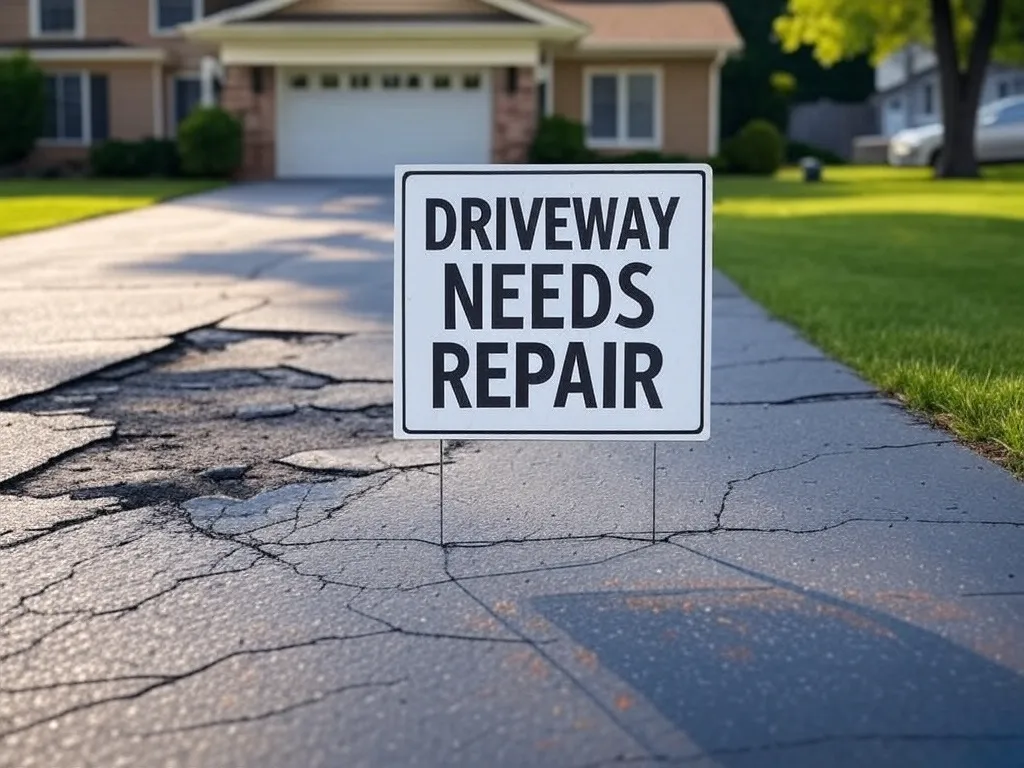
    Concrete Lifting Driveway Repair

    Got a driveway that’s sinking or uneven? If you’re a Canadian homeowner, particularly in regions affected by freeze-thaw cycles or shifting ground conditions, there’s a more practical alternative than full demolition. Concrete lifting is a fast, cost-efficient solution that restores curb appeal and preserves the structural soundness of your property.

    This method addresses common issues such as surface fractures, slab settlement, and misalignment—problems that can decrease your home’s appraised value and pose a safety hazard. Thanks to advanced lifting technologies, repairs are clean, minimally invasive, and increase your property’s long-term marketability.

    Harsh climate conditions—especially in provinces like Alberta, Ontario, and Quebec—can significantly affect concrete stability. Frost heave and soil erosion cause uneven surfaces and drainage problems. Concrete lifting resolves these concerns effectively, improving both safety and visual appeal of your driveway.

    Instead of replacing and involving the removal of slabs, sunken areas are lifted and the subgrade is stabilized by injecting high-density polyurethane foam. Not only does this repair visible imperfections, but it also addresses underlying compaction in the soil—making this a solid investment for homeowners looking to maintain or increase property resale value.

    Hire a licensed concrete repair contractor to guarantee a lasting solution. Licensed professionals are skilled at finding the issue, use specialized repair methods, and have your driveway back to top condition.

    What Is Concrete Lifting—and Why It’s Worth It

    Concrete lifting is known as slab jacking or foam jacking—is now the preferred method in Canadian residential areas experiencing sinking patios, sidewalks, and driveways. It offers a cost-effective and non-invasive alternative to full concrete replacement or demolition.

    Rather than tearing out and replacing the concrete, this method relevels and reinforces the existing slab. The most common and reliable technique is polyurethane foam injection, which involves

    • Small, precision-drilled holes are made in the existing concrete
    • Expanding foam is injected beneath the surface
    • The concrete is lifted and voids are filled simultaneously
    • Subsurface gaps are sealed to prevent future shifting

    In comparison to full replacement, this technique can reduce the cost of projects by 50-70%. Even in some rural or cold areas where mudjacking continues to be popular, the polyurethane foam is more resilient, resistant to water, and suitable for both residential and commercial projects.

    Signs Your Driveway Needs Repair

    Recognizing early signs of damage can help you avoid more costly repairs down the line. Watch for:

    • Noticeable sinking or misalignment of concrete slabs
    • Cracks wider than 6 mm (a quarter-inch)
    • Standing water in sunken areas after rainfall or snowmelt
    • Separation between slabs or between the driveway and garage apron

    If you notice any of these issues, it’s a good idea to contact a qualified concrete leveling specialist as soon as possible.

    Tools & Techniques Used by Professionals

    Concrete lifting requires proper equipment and specialized trade knowledge. Leading Canadian contractors typically use:

    • Polyurethane foam pumping systems
    • Hydraulic slab-lifting platforms
    • Laser-leveling and grading technology
    • Digital sensors for accurate depth control

    These tools allow for precise leveling with minimal disruption to landscaping or nearby structures. Experts rely on them to identify weak subgrades and apply targeted solutions that ensure long-lasting results.

    Conclusion: A sinking or uneven driveway is a structural issue that can be a safety hazard for homeowners. Concrete removal may be the only solution to level your driveway without completely demolishing it. Addressing uneven concrete at an early stage will help maintain your property value.

  • Tips for Choosing a Trusted Local HVAC Company in Ontario, Canada

    Consider the summer heat and the AC in your home simply breaks down, or on a cold winter night and the furnace goes out. Panic? You can bet.

    In these situations, most people instinctively look for an HVAC contractor. However, if you hire a contractor without doing your homework, the experience may be disappointing, with subpar repairs and hefty fees.

    HVAC service isn’t just about fixing a broken unit. A good contractor gets the job done right, safely, and with no hidden fees.

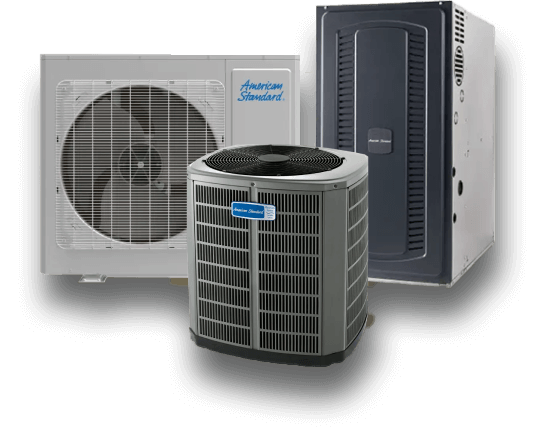
    Source: hvacnearme.ca

    Signs of a Reliable HVAC Company

    Finding a truly reliable HVAC technician isn’t just about typing “HVAC near me” into Google and picking the one that comes up. Instead, you need to be thorough in checking whether the technician is punctual, performs their job well, and follows through on their commitments. We’ll cover all of that.

    Licenses & Certifications: Real Proof of Expertise

    You wouldn’t get on a plane with an unlicensed pilot, right? The same principle applies to HVAC. Qualified technicians should have a valid license and certification to ensure they can be trusted. For example, in Canada, look for certifications like NATE (North American Technician Excellence) or TSSA (Technical Standards and Safety Authority) as proof that they’ve been trained to handle heating and cooling systems safely and efficiently.

    Local Reputation: What Do Customers Say?

    Recommendations are still the best way to judge a service. Reviews on Google or Yelp can be helpful, but don’t just focus on the star rating. Also, read through other customers’ experiences, whether they highlight the company’s punctuality, professionalism, and how they handle complaints. It’s even better if you ask neighbors or friends who have used a local HVAC company in your area.

    Price Transparency & Warranty: Avoid Hidden Costs

    Have you ever received a cheap price quote? It could be a “trap.” An honest HVAC company will not hide additional costs while the work is in progress. Make sure they provide a clear written estimate covering all costs, including labor, equipment, and any potential additional expenses.

    And don’t forget about the warranty. A company that is confident in the quality of its work will certainly be willing to provide a guarantee. This is a sign that they are committed to maintaining customer satisfaction, not just chasing profits.

    By ensuring that the HVAC technician has a license, a good reputation, and transparent pricing, you will find the best HVAC technician in your area.

    Next, let’s discuss the signs of an unprofessional or potentially scam HVAC technician.

    Beware of Fraud & Bad HVAC Services

    Not all HVAC service providers are trustworthy. Some may appear professional on the surface but actually provide subpar services or even deceive customers. To avoid getting caught in a bad deal, here are some signs you need to watch out for.

    1. Prices That Are Too Cheap Can Be a Trap

    Who isn’t tempted by cheap prices? But if the offer is far below market standards, you should be cautious. They may use low-quality parts, do a sloppy job, or suddenly add hidden costs during the work. Instead of saving money, you might end up paying more to fix additional damage later.

    2. Aggressive Sales Techniques

    If a technician keeps pushing you to accept expensive repairs that aren’t actually urgent, that’s a red flag. A good service provider will explain the condition of your HVAC system, offer reasonable recommendations, and let you make the decision without pressure. If you feel pressured, it’s better to find another service that is more transparent.

    3. No Proof of Credibility

    A professional HVAC company should be able to show a license, insurance, and proof of past work. If they don’t have a clear track record or are hesitant to provide information about their experience, it’s best to look for a more reputable one. New companies aren’t necessarily bad, but established businesses are generally more reliable because they have a verifiable service history.

    4. Unclear Cost Estimates

    If a technician refuses to provide a written estimate and cannot explain how long the job will take, it’s a sign of poor service. Without clear details, you risk being hit with unreasonable extra fees later. A reputable HVAC service provider will always offer a transparent price estimate and completion timeline before starting work.

    Key Things to Consider When Choosing an HVAC Service

    As mentioned, a price that’s too cheap can be a red flag. There might be something hidden, such as low-quality parts, inexperienced technicians, or even unlicensed workers.

    In addition to price, consider energy efficiency. A more energy-efficient unit may cost more upfront, but it can save you a lot in the long run on your utility bills. Check the SEER rating for air conditioners or AFUE for heaters—an experienced HVAC technician can explain how this impacts your monthly costs.

    It’s often more beneficial to choose a local company. They tend to care more about their reputation and repeat customers, so they’re more likely to provide excellent service. Plus, if there’s a problem, they’re easier to reach and can respond faster.

    If you’re looking for a reliable HVAC professional near you, just go to Google and type in ‘HVAC Near Me’. Once you’ve got a list of providers, use the tips we’ve discussed to pick the best one.

  • Why Red Deer is One of Alberta’s Hottest Real Estate Markets

    Red Deer realestate

    Over 200 homes are currently listed in the Red Deer market. Whether you’re looking for a small house or a big estate, something is perfect for everyone. The mix of new and older homes gives the area a special sort of charm.

    Red Deer is more affordable than bigger cities like Calgary and Edmonton. With a healthy local economy, it offers great value for those looking to buy or relocate. Recent stats show that demand is rising, so it’s a good time to see what’s available.

    Red Deer Real Estate Market Trends

    The housing market in this central Alberta city is seeing strong growth. With demand continuing to rise, it’s catching the attention of both buyers and investors. Let’s take a closer look at the latest trends in the city.

    Market Summary and Statistics

    Recent data shows that real estate values have increased significantly. The median home value has risen 14% over the past year to $397,529. This increase has been driven by a high sales-to-new listings ratio of 62%, pointing to a competitive market.

    Inventory level is also important. Housing supply is off 25%, at 1.85 months now with homes selling more rapidly and establishing good conditions for sellers. Single family homes have particularly seen a 10.1% increase in median price over the previous 12 months.

    Recent Trends in Home Listings

    The supply of houses on offer has varied over recent months. For example, single-family house listings dropped to 91 in March 2024 from 115 in November 2023. Despite that, the market remains active with new listings up 18% year over year.

    These changes are driven by community growth and economic development. Neighbourhoods like Tyson Crescent are seeing increased popularity as a result of the attractiveness of the city. If you want a small house or a large house, you have plenty of options.

    Key Drivers of Property Development in Red Deer

    Red Deer’s real estate market is thriving thanks to the region’s strong economy, growing population, and significant infrastructure investment, making it attractive to investors. The following are some of the key factors:

    • Economic and Population Growth: A stable economy and an increasing population are driving demand for homes. With an annual population growth rate of 1.5%, more people are seeking a place to live. Additionally, over 50% of residents hold a college degree, creating a skilled workforce that attracts businesses and investors.
    • Infrastructure Improvements and Urban Development: The government is investing CAD 50 million to improve the city’s infrastructure. Road upgrades and the construction of a new community center are making the community more appealing to homebuyers. These projects not only improve the quality of life but also increase real estate values.
    • Influence of Surrounding Areas: Red Deer’s strategic location is also fueling growth in the property market. Nearby towns, such as Sylvan Lake and Red Deer County, contribute to the area’s appeal for buyers.

    Real Estate Opportunities in Red Deer

    Red Deer offers a variety of homes, from modern to luxury properties, with great investment potential, making it appealing to both first-time buyers and seasoned investors.

    Red Deer also boasts many attractive neighborhoods with high-quality properties. One example is this home on Ackerman Cres, listed at $574,900. With 3 bedrooms, 3 bathrooms, and 1,650 square feet, this property is perfect for families.

    Some of the most sought-after neighborhoods include Inglewood and Southbrook. With a variety of options, Red Deer is an appealing destination for both prospective homeowners and investors.

    Here’s a list of some featured properties:

    PropertyPriceSizeLocation
    3-Bedroom House$574,9001,650 sq. ft.Ackerman Cres
    4-Season Lot$180,0002 AcresSouthview
    2.95-Acre Lot$114,9002.95 AcresEast of Rimbey

    Home Buying Guide in Red Deer

    If you’re looking to buy a home in Red Deer, it’s a good idea to follow the steps below.

    Home Buying Steps

    • Closing the Transaction – Work with an attorney to complete the legal paperwork and finalize the sale.
    • Market Research – Browse property listings online to explore your options.
    • Get Mortgage Pre-Approval – Knowing your budget helps narrow your search and shows sellers you’re serious.
    • Work with a Real Estate Agent – Work with Red Deer realtors to schedule property tours. A local agent can help you find a home that fits your needs and budget.
    • Submit an Offer – Your agent will guide you through the negotiation process to secure the best deal.
    • Home Inspection – Ensure there are no hidden issues before finalizing the purchase.

    Tips for First-Time Buyers

    • Make a priority list – Decide which features are essential and which can be flexible.
    • Prepare for additional costs – Don’t forget about legal fees, insurance, and closing costs.
    • Take advantage of assistance programs – Programs like the Home Buyers’ Plan or First Home Savings Account (FHSA) can help with your down payment.
    • Don’t rush – Take your time to weigh your options before making a decision.

    Trends from MLS® Records and CREA Listings

    MLS® statistics show that homes are selling more rapidly than ever at 30 days on average. The rapid turnover is a reflection of a competitive market. CREA statistics show that 25% of homes sell at more than their asking price, indicating strong demand.

    Here is a snapshot of recent transactions:

    NeighborhoodAverage Sale PriceDays on Market
    Inglewood$450,00028
    Southbrook$550,00032
    Tyson Crescent$500,00025

    This data can help you make well-informed decisions as you navigate the Red Deer real estate market.

    The Red Deer real estate market continues to grow, with stable prices and strong competition. Economic growth and new infrastructure are fueling high demand, making it a great time to buy property in Red Deer.