Tag: Buyer Psychology

  • How Your Outdoor Space Can Make or Break a Home Sale

    Buyers make up their minds faster than most sellers realize.

    Before they’ve even opened a closet or tested a faucet, they’ve already decided how a home makes them feel. And a big part of that feeling happens outside, in those first few seconds on the driveway and again when they step through the back door and take in the yard.

    Outdoor spaces are where imagination kicks in. That’s where buyers start mentally hosting dinner parties, picturing Sunday mornings with coffee, and wondering if the kids would be happy here. That kind of emotional buy-in is incredibly powerful, and most sellers are leaving it on the table.

    Whether you’re listing soon or just want to get more enjoyment out of your own property, investing time in your outdoor space consistently delivers some of the best returns in real estate.

    Image Source: pinterest.com

    Why Outdoor Spaces Drive Purchase Decisions

    People don’t buy homes on logic alone. They buy on feeling.

    Square footage and bedroom count matter, of course. But the homes that sell quickly and at top dollar are the ones that make buyers feel something. Outdoor spaces are uniquely good at triggering that emotional response because they represent freedom, ease, and a life well-lived.

    A clean, shaded patio says, “You’ll actually use this place.” A manicured lawn says, “This home has been cared for.” Even a simple side yard with a potted plant and a swept walkway communicates attention to detail, which quietly raises a buyer’s confidence in the whole property.

    Stage the outside as thoughtfully as you stage the inside. That mindset shift alone can make a massive difference in how your home is received.

    Get the Basics Right First

    Nothing undermines a beautiful outdoor setup like a patchy lawn or shrubs that haven’t been touched in months.

    Start with the fundamentals. Mow and edge the grass along every walkway and garden bed. Trim anything overgrown. Pull weeds from visible beds and lay fresh mulch if the existing layer looks tired. These are inexpensive steps that create an immediate visual upgrade.

    Lighting is another underused tool. Solar path lights along a front walkway, a simple uplight on a mature tree, and string lights above a patio all add an atmosphere that photographs beautifully and lingers in a buyer’s memory long after the showing is over.

    If the showing includes evening hours, make sure every outdoor light is working and that the yard feels warm and welcoming from the moment someone pulls into the driveway.

    Image Source: unsplash.com

    Turn Your Backyard Into an Outdoor Room

    Here’s where most sellers stop short. They clean up the yard but forget to give it a sense of purpose.

    Interior designers talk about “outdoor rooms,” and the concept translates directly to real estate staging. The idea is simple: treat the backyard like you would any room in the house. Give it a focal point, a defined seating area, and a reason to linger.

    A patio rug anchors a furniture arrangement. A firepit draws people in and creates a natural gathering spot. Even a simple bistro set under a shaded corner transforms dead space into something a buyer can picture themselves actually using.

    Structure matters, too. Pergolas and built-in shade solutions are attractive, but they come with permits, contractors, and real money. For sellers staging a home or homeowners who want flexibility, a quality canopy tent is a smart, versatile alternative.

    The right one looks polished and substantial, defines the space beautifully, and provides genuine shelter from sun and light rain without driving a single nail into the ground. Commercial-grade options especially can give a backyard a finished, intentional look that pleasantly surprises buyers.

    Once a buyer can see the yard as a usable room rather than just empty grass, they start calculating how it fits into their life. That mental shift moves deals forward.

    Image Source: unsplash.com

    The Smaller Details That Buyers Actually Notice

    Once the big elements are in place, the finishing touches are what make a space truly memorable.

    Potted plants add layers of height and color without committing to a full landscape project. Group them in odd numbers and vary the heights. A cluster of tall ornamental grasses in containers can screen an unattractive fence and add a soft, natural movement to the space that photographs exceptionally well.

    Outdoor textiles make a bigger impact than people expect. Weather-resistant throw pillows, a patterned outdoor rug, and a draped throw on a chair arm all communicate comfort. Buyers see these touches and their brain quietly registers: “This place is already livable. I wouldn’t have to do anything.”

    Scent is a wildcard that most sellers never think to use. Potted lavender, rosemary, or jasmine near a seating area introduces a sensory layer that visitors absorb without consciously noticing. That warm, pleasant feeling gets associated with the home, and it sticks.

    Maintenance Speaks Louder Than Decor

    A beautifully styled yard can still raise concerns if the underlying maintenance has been ignored.

    Cracked pavers make buyers wonder about drainage. A leaning fence post suggests neglect. Peeling paint on an outdoor structure adds to a mental list of problems they’d inherit with the purchase.

    Before any staging, do a thorough walk-through with a critical eye. Tighten posts, reset or replace cracked pavers, repaint worn surfaces, and power-wash any concrete or stone. These fixes aren’t exciting, but they matter enormously. A move-in-ready exterior removes buyer anxiety, and buyers consistently pay a premium for peace of mind.

    When it comes to deciding which improvements are worth your budget and which ones aren’t, working with someone who knows the market well makes a real difference. Connecting with an experienced real estate agent can help you focus your time and money on the upgrades that actually move the needle for buyers in your specific market.

    Image Source: unsplash.com

    Water Features: A Small Addition With Big Sensory Impact

    Pools are polarizing. Some buyers see a pool as the ultimate perk. Others immediately start calculating liability, upkeep, and safety concerns. If you have one, keep it clean and stage the surrounding area with the same care as the rest of the yard.

    For sellers without a pool, smaller water features are an almost universally well-received addition. A self-contained fountain, a container water garden, or even a simple bubbling urn on a patio corner can add sound to the outdoor environment. That gentle ambient noise is psychologically calming in a way that’s hard to articulate but easy to feel.

    Calm buyers make faster, more confident decisions. It’s worth a plug-in fountain to get there.

    The Final Week Before Listing

    Everything you’ve done comes together in the last few days before your home hits the market.

    Do a final mow and edge. Refresh any mulch that looks faded. Clean every piece of outdoor furniture and make sure cushions are plump and in place. Remove personal clutter, children’s toys, garden hoses left out, and tools propped against the wall. The yard should look curated, not overly lived-in.

    Talk to your listing photographer about the time of day and how the outdoor space is oriented. Morning light flatters east-facing patios. Late afternoon golden hour is magic on west-facing spaces. Make sure the photos capture both the wide establishing shots that show scale and the close-up details that show care.

    When buyers arrive for the showing, they should step outside and feel like the outdoor space is ready to enjoy. Already comfortable. Already theirs.

    That feeling is what closes deals. And it doesn’t require a massive renovation budget. It just requires intention.

  • Maximizing Square Footage in California: How Smart Storage Boosts Home Value

    Photo by JOSHUA COLEMAN on Unsplash.com

    When you look around your California home and notice a crowded closet or a storage room bursting at the seams, it’s easy to think: “Well, that’s just how life is.” But what if those extra boxes, that unused loft corner, that under‑the‑stairs closet could actually be used to increase your property’s value? More than just tidying up, smart storage becomes an asset. In a state where square footage comes at a premium, smart storage isn’t just about tidying up, it’s about increasing value. And if you’re curious about self storage options and how they can fit into that plan, you’re not alone.

    This isn’t about fancy staging or expensive remodels. It’s about rethinking what storage means, how it interacts with space, and how future buyers perceive that space. When buyers walk through a home, they’re not just seeing walls and rooms; they’re imagining a life. They want to feel there’s somewhere for their things, somewhere to breathe. Storage solutions, done right, help with that.

    The Hidden Value of Space and Order

    There’s something quietly compelling about an organized space. You walk into a bedroom and open a closet without things spilling out. A kitchen pantry looks functional, a garage is clean, a basement feels purposeful instead of chaotic. That sense of order doesn’t just make daily life easier; it makes the home feel larger, more usable and more attractive.

    And that feeling matters deeply. Real estate professionals observe that cluttered or poorly organized homes sell more slowly and often for less than homes where storage is adequate and thoughtfully designed. A buyer isn’t just buying bricks and mortar; they’re buying potential. When they sense “I can see all my stuff fitting here,” rather than “I’ll have to make space,” they’re more comfortable. That comfort translates into value.

    Built‑In Storage vs. Off‑Site Self‑Storage in California

    One of the first questions homeowners ask is, “Should I install built-in storage or use an off-site self-storage unit?” Both options have merit, and which one you choose depends on your goals.

    Built‑in storage such as custom closets, shelving systems, drawers under the stairs and garage organization signals to a buyer that the home has been thoughtfully designed. It shows that space is valued. In fact, a professionally designed custom closet installation can boost a home’s value because buyers see built‑in closet storage as a premium feature.

    On the other hand, off-site self-storage offers flexibility. You might not need to turn your attic into a full walk‑in closet yet, but you can store seasonal items elsewhere to keep your home feeling open. Self‑storage also helps during transitions.

    When you’re preparing to sell, clearing clutter into a unit buys you time and helps show your home in a better light. Staging professionals rely on secure storage to transform cluttered spaces into clean, buyer-ready showcases.

    Using self-storage doesn’t literally add square footage to your property, but it does change how your space looks. And presentation matters.

    Room by Room: Where Storage Pays Off

    In California’s competitive market, the master bedroom closet, garage, kitchen pantry and utility or laundry room often have an outsized impact on how buyers perceive storage. When these spaces are visibly organized and ample, they become selling points.

    Imagine a garage that doesn’t look like a dumping ground but instead has wall-mounted systems, overhead racks and clearly defined zones. Or a master bedroom with custom built‑in cabinets that not only hide your clothes but also elevate the feel of the space. These changes don’t need to cost a fortune, though budgets will vary, but they shift the narrative from “Where will I keep all my stuff?” to “This space already takes care of that.”

    Decluttering: More Than a Buzzword

    You hear a lot about decluttering, and sometimes it sounds like a superficial tip. But in this context, decluttering is strategic. If you plan to sell or just want to add value, clearing out unused items box by box opens up space both visually and physically. It makes your home feel like it has more to offer. Research from the National Association of Realtors shows that removing excess furniture and personal items helps buyers mentally “move in”

    It also helps you identify where built-in storage would make a difference. If every shelf is overflowing, you might need more of them. If things are scattered everywhere, you might need a dedicated storage solution. If you’re prepared to move items off-site temporarily to showcase the space, you give yourself an advantage when prospective buyers arrive.

    How Self-Storage Strengthens Your Home’s Value

    Photo by Adam Winger on Unsplash.com

    Here’s where the self-storage angle becomes interesting. While built-in systems add value by increasing usable space, self-storage supports value by enhancing perception. When excess items are off-site, rooms appear larger and better kept. That improves first impressions.

    If you’re renovating for sale, using self-storage means you’re not paying hundreds of dollars per drawer or closet when you’re just preparing the space. You’re paying for temporary storage to give the home the best possible look. Once renovation or staging is done, you may reclaim those items, or permanently move items to off-site storage and reduce clutter long term.

    It’s a flexible strategy that works for homeowners who might not want major built-ins yet, but still want the benefit of making their space feel bigger and more valuable.

    Choosing Storage Solutions That Match Your Goals

    One of the pitfalls homeowners fall into is installing storage that looks impressive but lacks practicality. A built‑in closet made of cheap materials, with shallow shelves or ugly finishes, can actually hurt the impression. Instead, when you choose storage solutions, aim for durability, good design and function.

    Similarly, when using self-storage, choose a unit that is secure, accessible and the right size for your stuff. If you rent a huge unit and forget about it, the cost offsets the benefit. If you move items you rarely use into a smaller, cost-effective unit, you allow your home to look its best.

    How Buyers Think About Storage

    As you prepare your home, whether you’re planning to stay, invest or sell, think about what a potential buyer sees. They’re walking through with a mental checklist: “Can I live here? Can I see my stuff here? Does the space work for me?” Storage directly answers those questions.

    When storage is lacking, buyers mentally subtract space. They think, “Where will I put my bulky items? Where will I put everything else?” That reduces the value they place on the home, even if the number of bedrooms and bathrooms is the same as neighboring properties. But when storage is visible and well-designed, it adds value.

    According to the National Association of Realtors 2025 report, 85% of staged homes sold for 5% to 23% over their listing price, and 29% of agents reported a 1% to 10% price increase.

    Studies suggest that homes with better storage may sell faster and at a premium compared to those with poorer storage. So, even though you might not recoup 100% of your budget on built-ins, the improved sale speed and perceived value often justify the cost.

    Timing and Practical Tips: When It Makes Sense to Act

    If you’re planning to sell within months, focus on decluttering, staging, and perhaps temporary storage off-site to make your home shine. If you’re planning to stay longer, invest in built-in storage that matches your living style and design taste. Both cases benefit from self-storage to some degree.

    It’s practical to budget for storage upgrades like any renovation: weigh the cost, disruption and expected value. Some improvements give simple returns; others may be more aesthetic. But often, storage upgrades give a better return per dollar than many full remodels precisely because they don’t change the home’s footprint but improve usability and perception.

    A Subtle but Meaningful Shift in Perception

    What’s compelling about using storage solutions to increase property value is that it’s subtle. It doesn’t necessarily create new rooms, dramatic changes, or extravagant finishes. It enhances what already exists, makes the home feel more thoughtful, more livable and more move-in ready.

    If you think of your home not just as a living space but as an asset, then storage solutions become one of the smarter strategies. It’s about freeing up space, shaping perception, supporting your lifestyle and, ultimately, boosting value.

    If you’re weighing whether to move your seasonal furniture off-site or buy that built-in closet system, remember that storage is not just where you put your things; it’s how your home holds them, how it presents itself and how it signals future possibilities.

  • Why Quality Painting Matters for Home Buyers in South Jersey

    Why Quality Painting Matters for Home Buyers in South Jersey

    Image Source: unsplash.com

    Selling a home in South Jersey means competing with hundreds of other listings at the same time. Buyers here don’t just glance at the price tag, they pay close attention to the way a house looks and feels from the start. That first impression, from the front yard to the living room walls, can tip the scale in your favor.

    One of the quickest ways to give your home a lift is with professional painting. A fresh coat of paint makes spaces look brighter and cleaner, and the right colors can highlight the best features of your property. More importantly, it tells buyers the home has been cared for.

    Hiring Licensed Painting Services also shows that the work was done right, not patched together. Buyers notice the difference, and many are willing to pay more for a home that feels move-in ready.

    First Impressions Begin with Curb Appeal

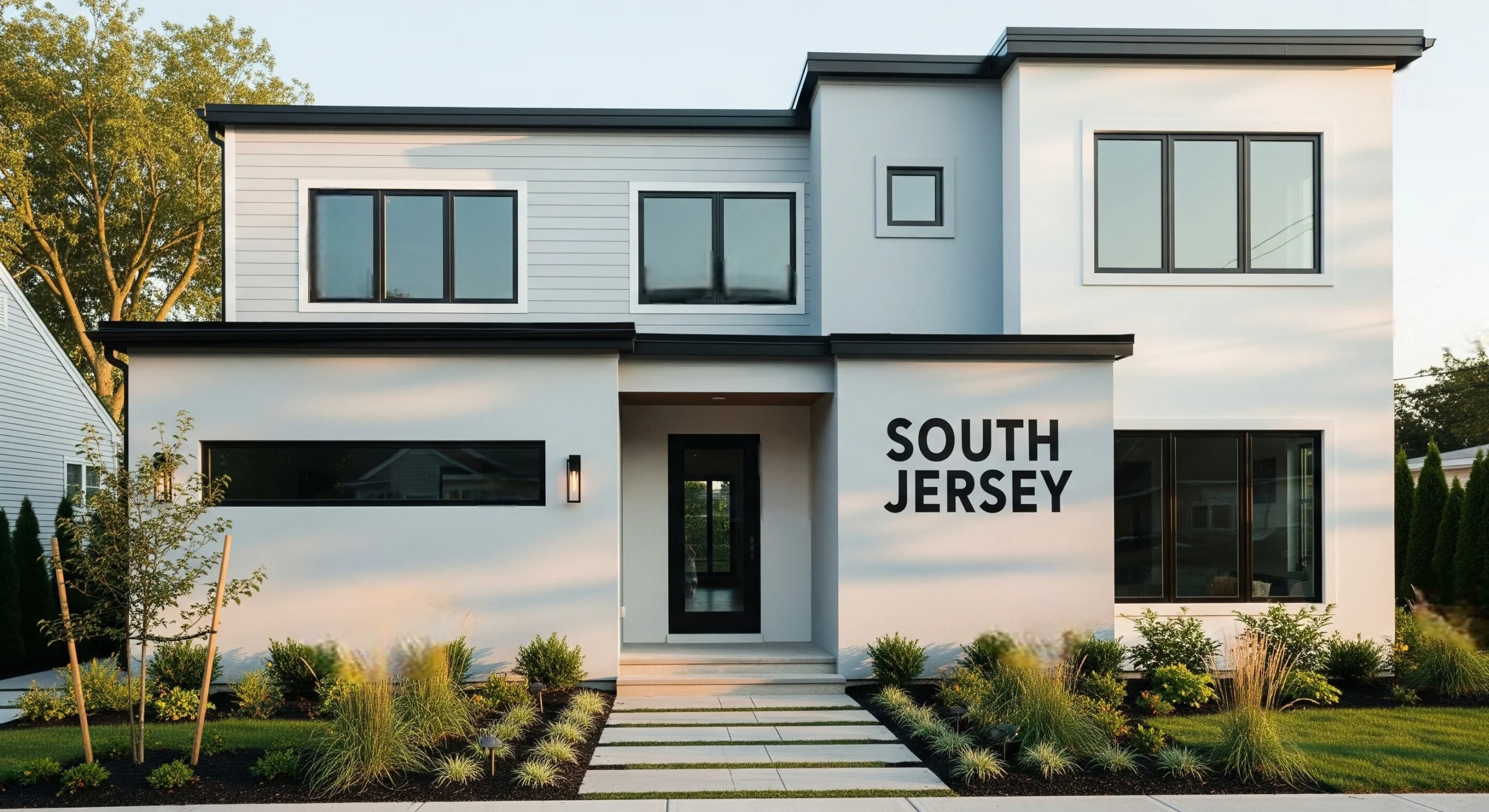
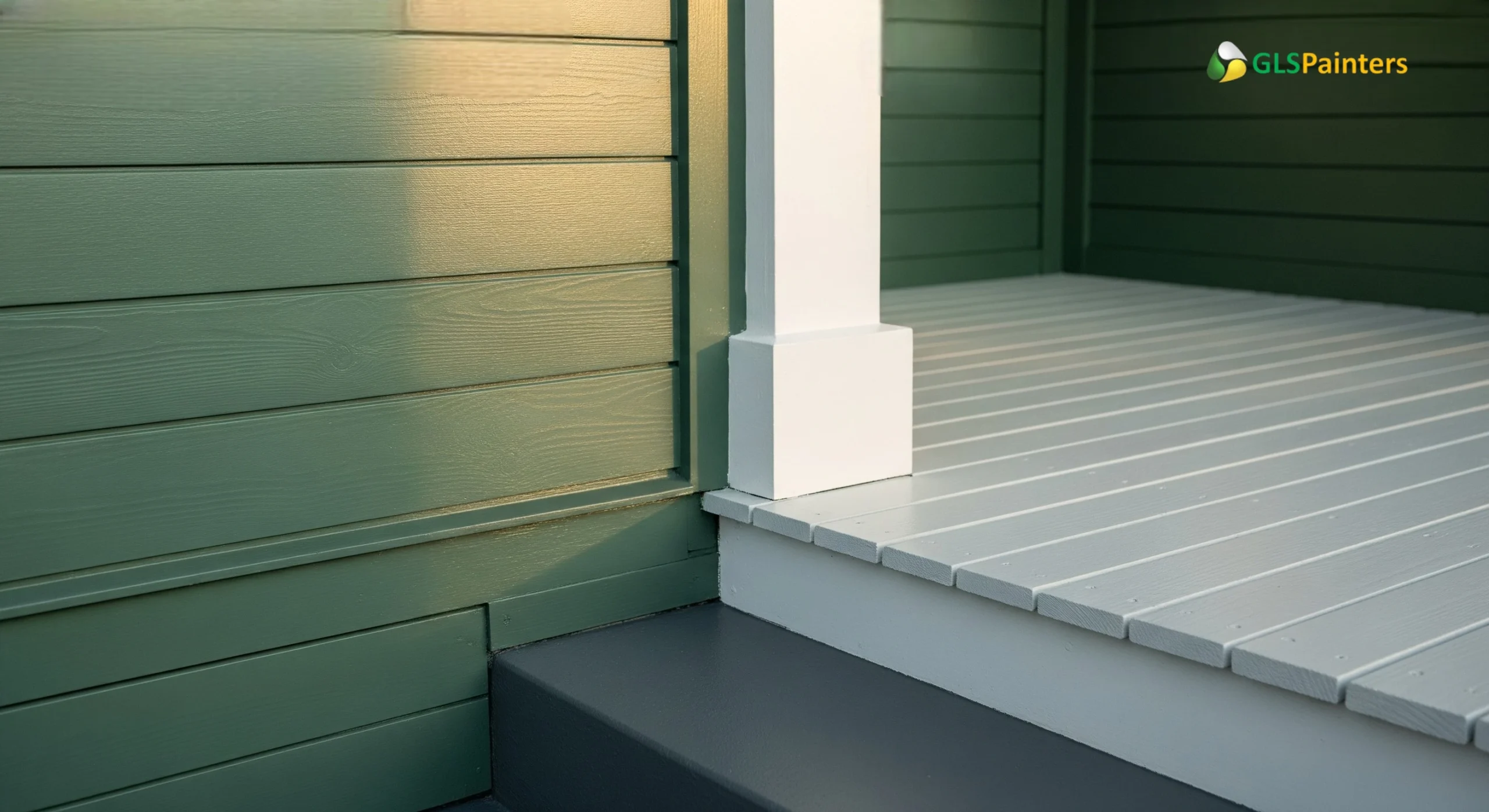
    The outside of your home does more than welcome visitors, it sets the stage for how buyers feel before they even step inside. If the paint is cracked, faded, or peeling, the house can come across as neglected. A smooth, fresh finish tells a different story.

    South Jersey neighborhoods often blend classic colonial homes, coastal styles, and modern new construction, so the right paint choice can really help your home stand out. Soft neutrals with simple accent colors tend to appeal to the widest range of buyers, while a professional finish adds protection from unpredictable weather.

    When buyers walk up to a house that looks freshly painted, they arrive with higher expectations. That first impression lingers as they walk through the door, shaping how they experience every room that follows.

    The Role of Paint in Interior Atmosphere

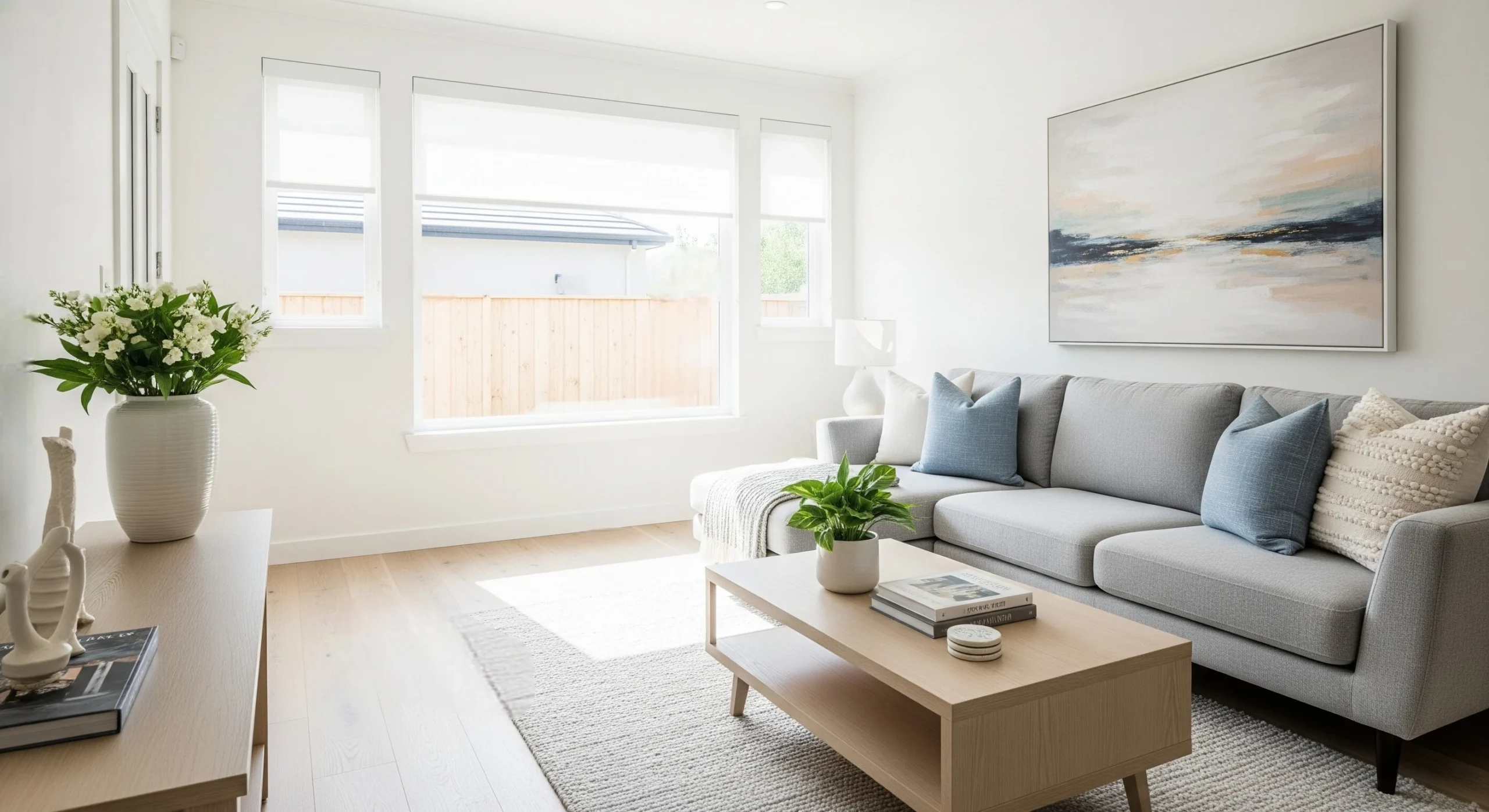
    When someone walks through the front door, the first thing they notice isn’t the square footage, it’s the way the space feels. If the walls are marked up, faded, or covered in colors that overpower the room, that feeling fades fast. Light, neutral shades like soft gray, warm beige, or clean white give the kind of backdrop that makes a home feel open and easy to picture as their own.

    But paint is more than the color on the wall. A smooth finish, carefully done trim, and consistency from room to room all signal that the home has been well cared for.

    After seeing a few homes in a day, buyers tend to remember the ones that felt ready from the start. Fresh paint can make a house stand out as the one they can move into without hesitation, and that often puts it ahead of the competition.

    Resale Value and Buyer Psychology

    Painting is one of those rare updates that pays off quickly and makes a visible difference. Freshly painted walls inside and out, tend to help homes sell faster and for a better price.

    There’s also a psychological factor at play. Buyers link a clean coat of paint with care, cleanliness, and fewer chores after moving in. Walking into a home that already feels updated means one less project on their to-do list, which lowers stress and raises the property’s appeal. For sellers, a modest investment in professional painting often brings a stronger position at the negotiating table and a quicker path to closing.

    Why Professional Painting Makes a Difference

    It’s easy to think a weekend of DIY painting will save money, but buyers can usually spot the difference. Uneven edges, thin spots, or finishes that don’t quite match can make a home feel less cared for and in a competitive market, that can turn buyers away.

    Professional painters bring more than just steady hands. They prep surfaces the right way, apply paint for even coverage, and use materials designed to last through daily wear and the South Jersey climate. Many also guide homeowners in selecting colors and finishes that resonate with today’s buyers.

    Long-Term Benefits Beyond the Sale

    Fresh paint isn’t only about impressing buyers. Over time, it works as a layer of protection. Walls that get touched up regularly are less likely to show cracks or water stains, and siding that’s sealed with the right finish won’t wear down as quickly in South Jersey’s mix of coastal moisture, summer heat, and winter chill. Since the weather never takes a break, that extra shield matters.

    It also makes day-to-day living better. Walking into a room with smooth, clean walls changes the way a home feels, it’s brighter, calmer, more inviting. For homeowners who keep up with painting, the payoff shows later too. When the time comes to sell, the house already looks cared for, which means fewer last-minute projects and an easier path to listing.

    Conclusion

    Selling a home in South Jersey means standing out in a crowded market. Something as simple as a new coat of paint can shift how buyers feel the moment they pull up to the curb and step inside. The outside sets the tone; the inside confirms it. Clean walls, even finishes, and the right colors tell buyers the place has been looked after.

    Choosing experienced painters doesn’t just check a box on a to-do list. It protects your home against South Jersey weather, keeps the rooms feeling fresh, and helps the property show its best when you’re ready to list. In a market this competitive, that kind of detail often makes the difference between a home that lingers and one that sells with confidence.

  • Why Selling Your Dallas Home Before the Holidays in Fall 2025 Makes Sense

    Why Selling Your Dallas Home Before the Holidays in Fall 2025 Makes Sense

    In real estate, timing can make a big difference. For homeowners in Dallas, the fall of 2025 is shaping up to be one of the better moments to put a house on the market. A lot of sellers wait until spring or summer, but listing before the holidays can actually give you a stronger position.

    Selling in the fall connects you with buyers who are motivated to close quickly and gives you a chance to start the new year without carrying extra financial weight. Having a Dallas top real estate agent who understands the fall market means you won’t have to guess at pricing or marketing. You’ll be set up for stronger offers now and a cleaner break heading into the new year.

    The Dallas Market in the Fall

    By the time fall rolls around, Dallas has a very different feel compared to the busy spring rush. Families that didn’t move over the summer are often still looking, hoping to get settled before the school year is too far along. At the same time, people relocating for jobs in Dallas’ growing tech, health care, and finance sectors usually want to close before year-end, since many new roles start in January. That combination keeps demand steady, and sellers benefit from buyers who aren’t just browsing, but they’re ready to act.

    The season itself helps too. Dallas in the fall is mild and comfortable, which makes weekend showings more enjoyable and gives outdoor spaces like patios and pools a chance to shine. Buyers can picture themselves using those areas without the distraction of triple-digit summer heat, and that can make a home feel more inviting.

    How Buyers Think Before the Holidays

    By October, buyers in Dallas usually have a clear reason for still being in the market. Parents want to get their kids settled before winter break, and people relocating for new jobs often need to be under contract before the year ends. These aren’t casual browsers, they’re buyers on a deadline.

    The season itself adds another layer. Most families would rather enjoy Thanksgiving and Christmas without the hassle of packing boxes, so many push hard to wrap up a purchase in the fall. Sellers who list at this time benefit from that urgency, since buyers are motivated to make decisions quickly instead of dragging out the process.

    Finances can also be part of the equation. Some buyers want the tax advantages of closing before December 31, especially when it comes to mortgage interest deductions. For that group, waiting until January isn’t an option, and they’re often more flexible in negotiations to make sure the deal gets done before year-end.

    Reduced Competition Among Sellers

    One of the biggest advantages of selling in the fall is that you’re not competing with a flood of listings. In North Texas, many homeowners wait until spring to put their houses up for sale, and when that happens buyers have plenty of choices. More choices for them usually means less leverage for you.

    A fall listing works differently. With fewer homes on the market, your property can grab attention more easily. Buyers who are ready to move don’t have as many places to choose from, so they’re more likely to focus on yours and make an offer without stalling. In Dallas suburbs where inventory tends to swing with the seasons, that lighter competition can give sellers a clear edge.

    Fall Curb Appeal Can Help You Sell

    Fall has a way of showing Dallas homes at their best. The heat has finally eased, the air is clearer, and neighborhoods lined with older trees start to show more color. Even a simple cleanup, such as fresh mulch, trimmed hedges, or a few plants by the front door, can make a house stand out to buyers driving by.

    The season also helps indoors. Softer light and cooler evenings make it easy to create a warm, comfortable feel with small touches like neutral décor or a cozy staging setup. Buyers walking through in October or November often respond to that atmosphere, because it lines up with the way people want to feel heading into the holidays.

    Financial Benefits of Selling Before Year-End

    Selling your house in the fall means you don’t carry it into the slow winter months. You avoid paying another round of property taxes, utilities, and maybe even two mortgages at once if you’ve already bought your next place. That extra breathing room lets you start January in a stronger position, whether you’re planning to upgrade, downsize, or simply move closer to family.

    For some sellers, the timing also lines up well with buyers who want to close before December 31 for tax purposes. When both sides have a reason to move quickly, deals often come together faster and with less back-and-forth.

    Why Selling Now Can Be Better Than Waiting for Spring

    A lot of homeowners in Dallas figure they’ll wait for the spring rush, but that move can backfire. By the time March rolls around, there are more houses on the market, and buyers have plenty of choices. Even if interest rates dip, you’re competing with a bigger crowd, and that can make it harder to stand out.

    Listing in the fall flips that script. Inventory is lighter, buyers who are still shopping are usually serious, and you get to close before prices shift again in the spring. In many cases, acting now simply means less guesswork and a cleaner path forward.

    Conclusion

    Selling in the fall gives Dallas homeowners an advantage that spring can’t always match. Buyers who are still out shopping before the holidays are usually serious, and with fewer listings on the market, your home has a better chance to stand out.

    If you’re ready to move, this is the time to get your house in shape and show it at its best. Start with a home appraisal checklist to be sure you’re pricing right and highlighting your home’s strongest features. A solid listing in October or November connects you with motivated buyers and makes the whole transition easier, without trying to juggle showings and holiday chaos at the same time.

  • The Realtor’s Checklist: Home Repairs That Close Deals Quicker

    Time is money. And nothing makes a buyer pause like a home that’s clearly still waiting on a to-do list. A cracked foundation, a musty basement, or peeling paint can say a lot, none of it good. Once trust starts slipping, so does the perceived value.

    The sellers who stay ahead of this? They knock out the critical repairs early such as foundation repair, HVAC and plumbing issues, basement waterproofing, and possible flood damage restoration. No drama during inspections. No back-and-forth over credits. Just stronger offers and smoother closings.

    This guide lays out which repairs matter most, how to prioritize without guesswork, and why having a professional on your side can make all the difference when it’s time to close.

    Why Repairs Matter Way More Than You Think

    Getting a home ready to sell isn’t just about throwing on a fresh coat of paint and lighting a few candles before the open house. If there are cracks in the walls or a soft spot in the floor, buyers notice and those red flags don’t just stay in their heads, they show up in offers (or the lack of them).

    Every scratch, leak, or outdated system invites more questions. More questions lead to longer inspections. And longer inspections? Usually mean slower sales, tighter negotiations, or deals that fall apart at the finish line.

    When a home feels cared for, buyers pick up on it instantly. It tells them the place wasn’t just lived in, it was loved. And that makes writing a serious offer feel a whole lot less risky.

    It All Starts at the Curb

    The moment someone pulls up outside, the mental checklist begins. And it’s quick. We found that curb appeal can swing a sale price by as much as 9%. That’s no small change.

    So if the walkway’s cracked or the bushes haven’t seen a trim since last spring, buyers notice. Their brains start doing the math: “If the outside looks like this, what’s waiting inside?”

    Those first impressions matter because they quietly shape the way buyers interpret everything that comes after. A tidy yard and a solid front step might not seal the deal, but they make it a lot easier to walk in with confidence instead of caution.

    Inspections and Appraisals: The Real Deal-Breakers

    Buyers might fall for crown molding and fresh tile, but inspectors and appraisers? They’re not swayed by good lighting. Their job is to dig deep behind the walls, under the floors, inside the crawlspace.

    And when buyers find moisture damage or signs of structural trouble, things can shift quickly. Issues like these almost always lower the value, which can result in price cuts, re-negotiations, or, in the worst case, a buyer who walks away.

    Taking care of problems before they show up on a report doesn’t just help the house look better, it keeps the deal on track. No last-minute scrambling. No stressed-out phone calls. Just steady momentum toward the closing table.

    Faster Sales, Higher Offers

    There’s something about a home that feels done. No to-do lists. No “we’ll fix it later.” Just unpack and live. And buyers? They love that feeling. Zillow’s 2024 Consumer Housing Trends Report found that people are willing to pay up to 4% more for a move-in-ready home. On an average house, that’s around $14,000, not exactly pocket change.

    But it works both ways. Homes that need obvious repairs? They tend to sell for up to 8% less. That’s a lot of money left on the table and it usually means fewer offers, more hesitation, and more time sitting on the market.

    So if the goal is to sell fast and walk away with a solid return, a little up-front effort can make a seriously big difference.

    The Repairs Buyers Spot First and Talk About Later

    Every home has its own personality. some charming, some… complicated. But there’s a short list of repairs that buyers, inspectors, and appraisers all notice right away. Skip them, and the red flags pile up. Handle them early, and suddenly the place feels solid, safe, and ready for someone new to move in.

    Foundation Fixes That Actually Set the Stage

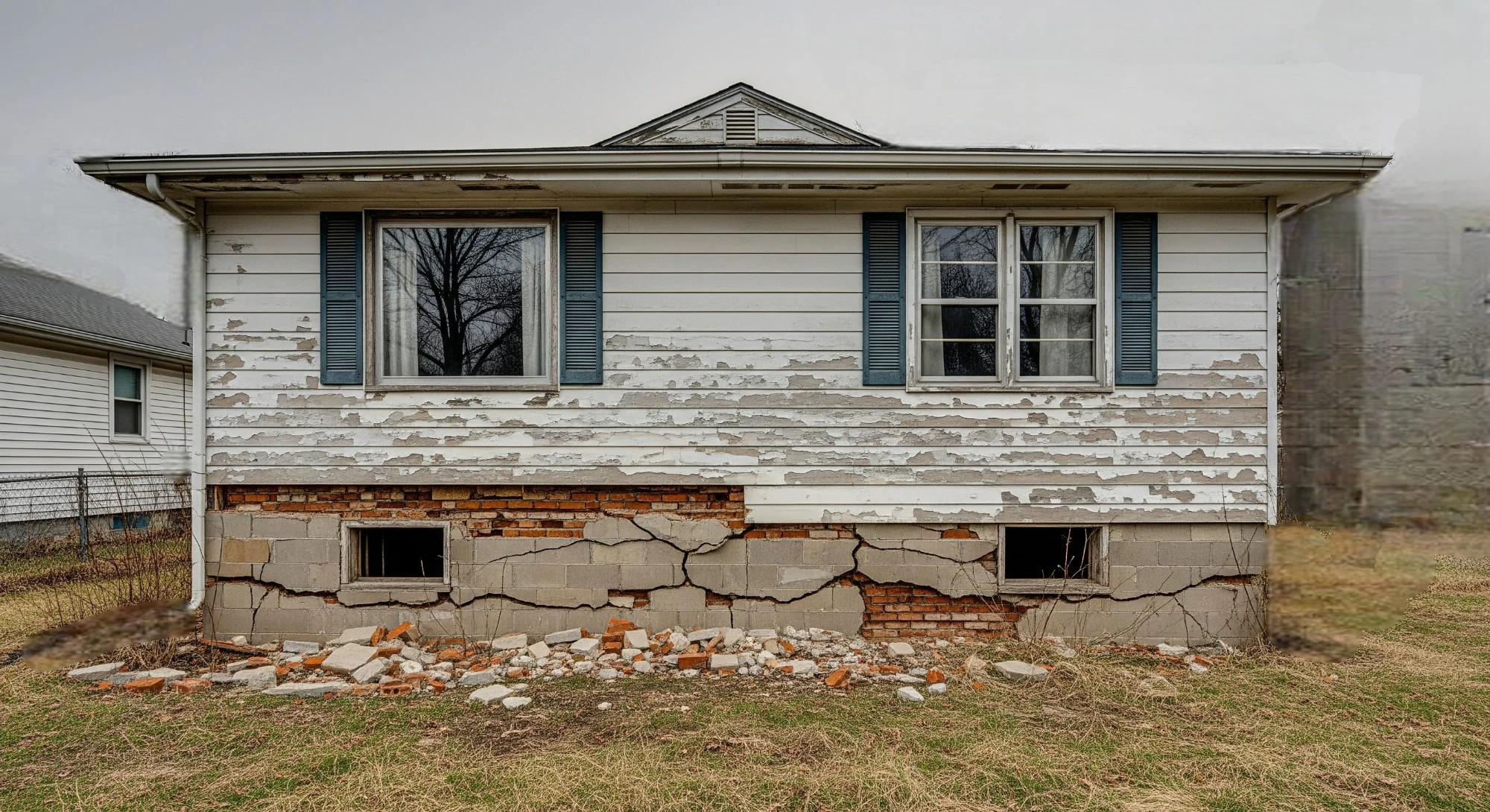
    If the floors feel a little wonky, the doors don’t shut quite right, or there’s a crack running down the brick outside buyers notice. These are classic signs of foundation movement. And foundation issues are one of the top five deal-breakers in a home sale.

    Getting a pro in to evaluate and repair the foundation does more than solve a structural headache. It shows buyers (and their lenders) that the serious stuff has been handled. Add documentation to the mix, and it’s one less reason for anyone to back out later.

    Basement Waterproofing

    Basements can be sneaky. That white powdery stuff on the walls? It’s called efflorescence, and it usually means water has been coming and going for a while. Throw in some discoloration or a musty smell, and buyers start imagining the worst: mold, flooding, long-term moisture damage.

    Basement waterproofing isn’t just about sealing cracks. Done right, it protects the whole space, keeps future problems out, and reassures buyers that the home has been taken care of from the ground up.

    Water Damage Needs More Than Paint

    Not all water damage is obvious. A small leak from years ago can hide behind fresh drywall. A flooded basement might smell fine now, but the subfloors could still be warped or moldy underneath. Cosmetic cover-ups won’t cut it.

    That’s where real restoration pros come in. They’ve got the tools to track hidden moisture and the know-how to get rid of the damage for good. Having that work documented? It can turn a potential deal-breaker into a confident yes.

    A Roof That’s Ready and Gutters That Don’t Overflow

    It doesn’t take a leak to make buyers nervous. Sometimes, just spotting a few curled shingles or overflowing gutters is enough to get them thinking about future repair bills. And honestly? They’re not wrong.

    The National Association of Realtors says roof condition is high on the list of buyer concerns. Luckily, it doesn’t take much to get ahead of it. A quick gutter clean-out, a few shingle repairs, maybe some new flashing and suddenly, the house reads as “well maintained” instead of “uh oh.” It’s a low-cost way to show buyers this home’s been taken care of from top to bottom.

    HVAC and Plumbing: Quiet Systems, Happy Buyers

    It’s hard to feel good about a house if the faucet hisses or the bedroom’s freezing while the living room’s roasting. HVAC and plumbing issues send up big red flags, even if the fixes are small.

    The most HVAC repairs cost under $500, which is peanuts compared to how much value can get shaved off in a buyer’s offer. A professional once-over can sort out weak water pressure, sluggish drains, and inconsistent temps fast. And once that’s done, buyers feel a whole lot better about the guts of the house working like they should.

    Where to Start and Why It Matters

    Here’s the truth: not everything has to be perfect before you list your home. But some issues, like cracks in the foundation or signs of moisture, carry a lot more weight than others. That’s why the smartest sellers don’t try to fix everything. They fix what matters most.

    Foundation problems and water issues are the two big ones

    A sagging beam or cracked exterior wall isn’t just a cosmetic concern, it’s a red flag for buyers, inspectors, and lenders alike. The same goes for musty basements and signs of mold. These problems feel serious, because they are. And if left unaddressed, they can derail deals fast.

    Fixing these first tells buyers the hard stuff’s already been handled. It also helps eliminate the mental checklist of “what else could be wrong,” which makes your home feel safer, more trustworthy, and worth the offer.

    Choosing Trusted Local Professionals

    There’s DIY, and then there’s don’t even try. When it comes to structural or water-related issues, like flood damage restoration, buyers and lenders both want receipts. That means licensed contractors, real documentation, and work that comes with warranties and follow-up if anything goes sideways.

    Not only does this earn buyer trust, it becomes a built-in selling point. “Handled by [local reputable company]” sounds a lot better than “we patched it ourselves.” When you lean on local pros with proven track records, the house doesn’t just show better, it sells better.

    Selling Smart Means Removing Doubt

    Price matters, sure. But confidence is what really seals the deal. Buyers want to feel like they’re stepping into something solid, something that’s been cared for, not just cleaned up.

    When sellers put real effort into key repairs like the foundation, water issues, HVAC, and more. It tells buyers this isn’t just a house. It’s a place that’s been looked after. And that leads to faster decisions, fewer negotiations, and way less stress all around.

    Because in the end, selling smart is about fixing what matters and letting the rest speak for itself.

  • Why Smart Dallas Realtors Sweat the AC Before the Open House Even Starts

    If you’re selling homes in Dallas, one silent deal killer can ruin a showing fast: weak AC. In the Lone Star State, buyers don’t just hope the AC works. They expect it to blast cold air the second they walk in. Whether it’s a sleek mid-century in Lake Highlands or a brand-new build in Frisco,

    If the AC feels weak, the whole showing feels off. People can overlook ugly light fixtures and quirky tile. But sweat? Not a chance. For realtors, understanding how AC plays into your listing’s curb appeal, inspection outcome, and buyer psychology can help keep your deals cool when the market’s anything but.

    AC Isn’t Just a Feature, It’s a Selling Point

    A stylish living room with a visible smart thermostat and AC vent

    Buyers in Dallas don’t ask if there’s central air. They ask how new it is. They ask about SEER ratings, filters, and warranties. A weak HVAC system can push a home into the “needs work” category with just one flick of the thermostat. You can have perfect staging, but if a buyer is sweating during the tour or hears a unit rattling like it is falling apart, the mood shifts fast.

    Smart agents always ask: How old is the unit? Has it ever been replaced? When was the last tune-up?. It might be tempting to do some DIY updates to make it look better, but this is where you slow down. Air systems are not a Pinterest project. Even small cosmetic changes like painting vents or swapping thermostats can go wrong without the right skills. It is safer and smarter to call a licensed pro if you want a clean inspection and fewer last-minute issues.

    Curb Appeal Is Key, But Don’t Let the AC Steal the Show

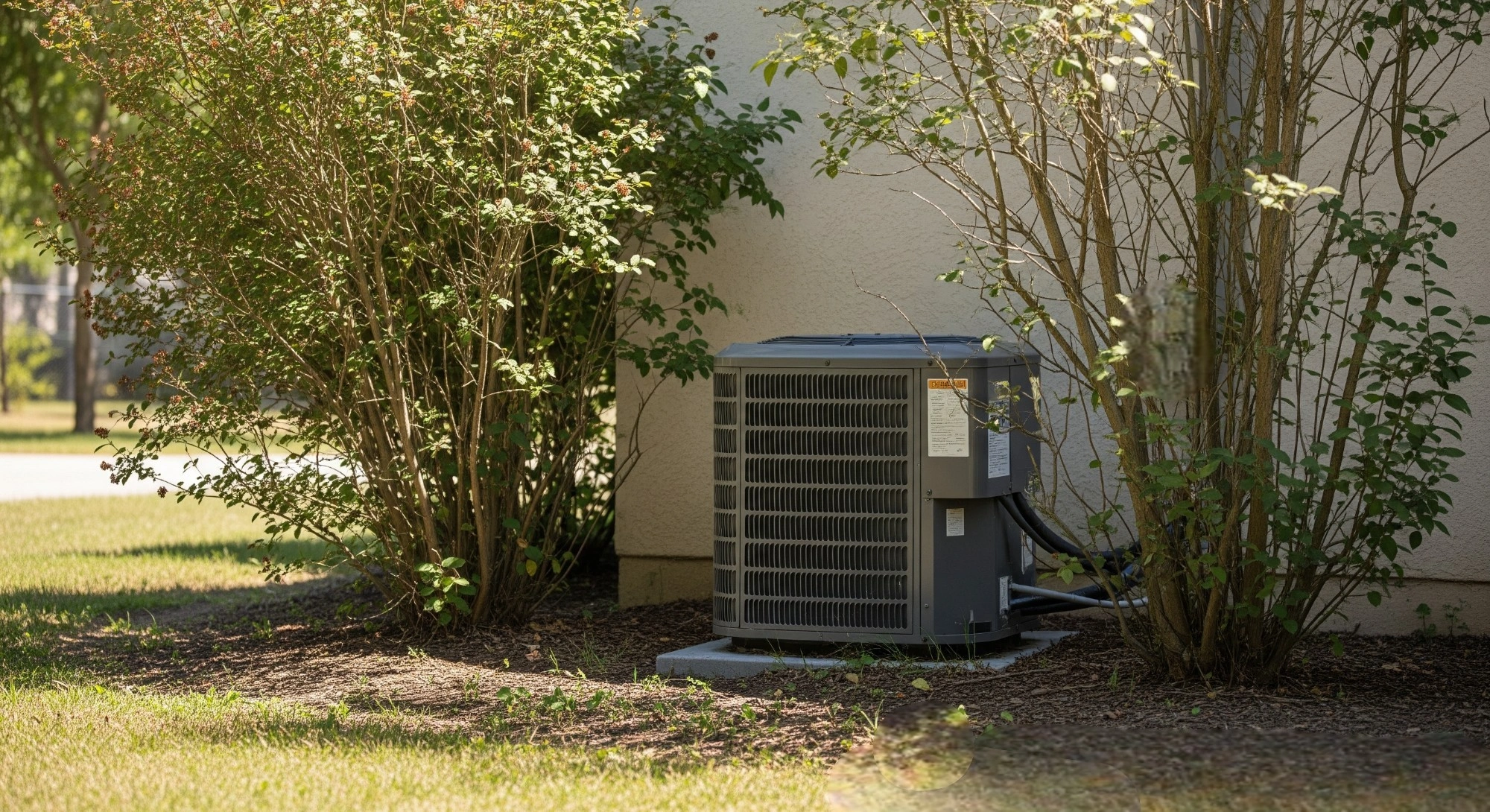
    Outdoor AC unit

    Let’s talk about showings. You’ve nailed the landscaping, the porch feels inviting, and the inside smells like freshly baked cookies or whatever magic scent your stager used. But there it is, humming like a truck next to the patio: the outdoor AC unit. Not cute. In Texas, you can’t exactly get rid of it, but you can be smarter about where it goes.

    Realtors with an eye for presentation will look for ways to hide your AC creatively. That might mean lattice panels, greenery, or even clever fencing that blends into the yard. Just don’t box it in too tightly—you still need airflow, and techs need access. Remind your sellers that curb appeal doesn’t end at the front path. Buyers notice the backyard too, especially if they’re thinking about entertaining. And again, no DIY panel jobs with nails sticking out or a curtain of shrubs suffocating the condenser. A well-hidden but accessible unit is the sweet spot.

    Old Units Equal Buyer Hesitation

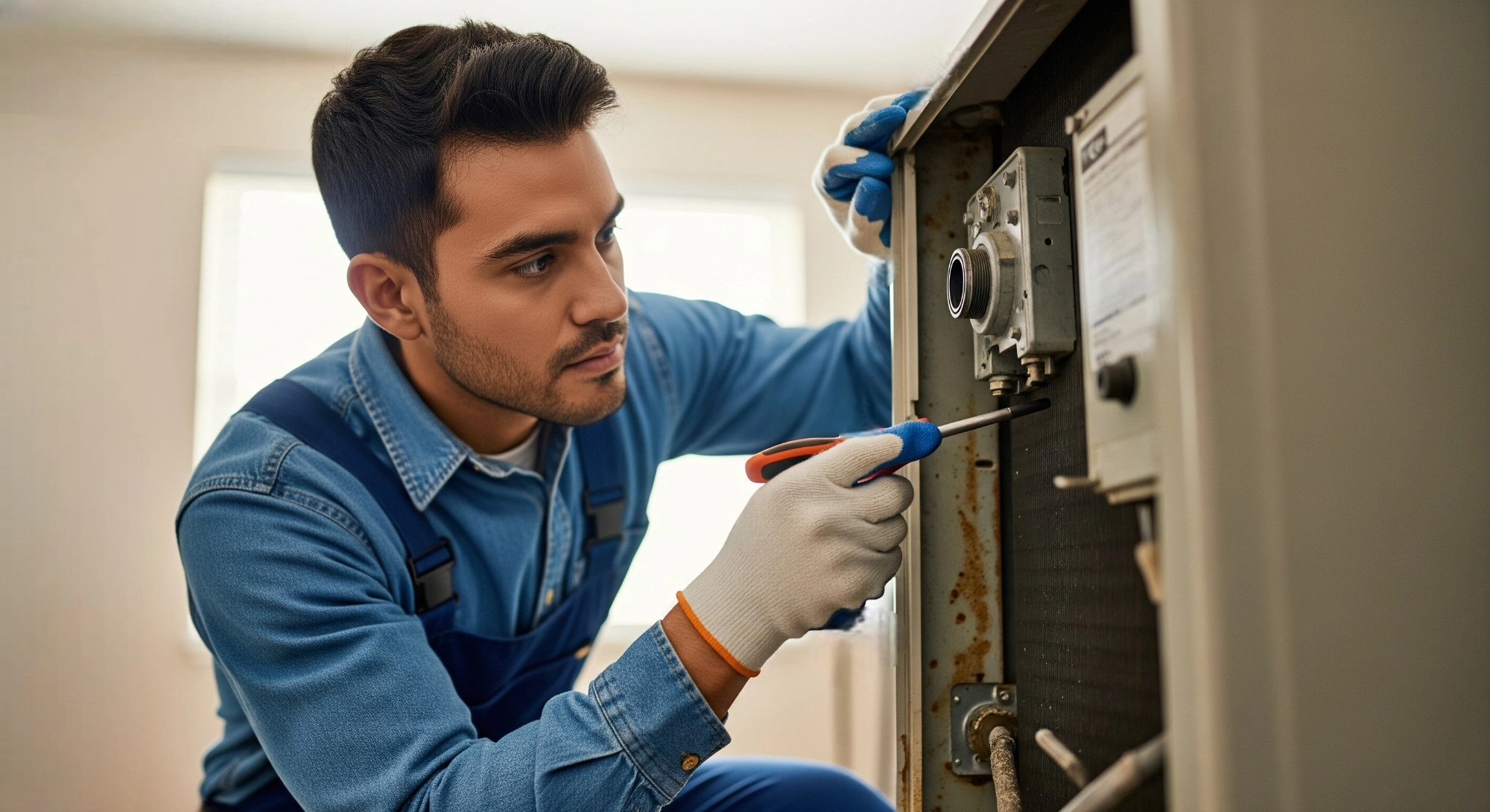
    Technician inspecting an old AC unit

    If a home’s AC is older than the buyer’s college degree, it’s going to raise questions. Inspectors will catch worn components, dirty coils, and undersized ductwork, things that can send buyers running or asking for price cuts. Realtors who’ve seen deals fall apart over HVAC issues know it’s better to get ahead of this. If the seller can’t replace the system outright, at least recommend a professional tune-up and inspection before listing. A clean bill of health gives buyers peace of mind.

    And while we’re on the topic: resist the urge to suggest a YouTube-guided “deep clean” of the indoor unit. It’s not worth the risk. One wrong move and you’re dealing with a flooded drain pan, a busted blower motor or worse, liability if something breaks between offer and closing. In a hot market, it’s tempting to rush and cut corners. But your reputation (and your seller’s bottom line) is safer when the guts of the system are handled by someone licensed and insured.

    When AC Goes Out Mid-Sale, You Need Backup Fast

    A mom making a phone call with an AC unit in the background

    Every seasoned Dallas agent has a story. The buyer falls in love with a home. The offer’s in. Everyone’s excited. Then—bam—the AC dies during escrow. And suddenly it’s chaos. This is where your vendor list is your lifeline. If you’ve already built a relationship with a local company that does air conditioning repair, you can jump into action instead of scrambling through Yelp at 9 PM.

    It’s also a big value-add for your clients when you show up with names ready. It shows you’re prepared, you’ve been through it, and you know what it takes to get a deal across the finish line in the Texas heat. The difference between a delayed closing and a smooth one might be who you call and how fast they can respond. Bonus: having a tech vouch for the system after repairs can be a powerful peace-of-mind tool in negotiations.

    Yes, AC Affects Appraisal—Here’s How to Talk About It

    Appraiser reviewing HVAC system during home inspection

    It’s not just buyer comfort and inspections—AC plays into the value of the home, too. Appraisers in Dallas take system age, efficiency, and functionality into account. If the unit is new and energy-efficient, it can nudge the value up slightly, especially when paired with smart thermostats or insulation upgrades. If it’s clearly limping along, that can drag comps down even in a hot zip code.

    Realtors who speak confidently about HVAC details can stand out. You don’t have to be an expert, but knowing whether the unit was replaced in the last five years, if it’s properly sized for the square footage, and what kind of maintenance has been done can boost your credibility with both buyers and appraisers. And again: let the pros do the talking when it comes to repairs, replacements, or anything involving wiring or ducts. You’re a realtor, not Bob Vila.

    Final Take

    In Dallas, air conditioning isn’t just another box to check, it’s part of the story you’re selling. It can be the reason buyers linger at the open house, feel more confident about their offer, or walk away entirely. Whether you’re listing a high-rise downtown or a family home in the suburbs, taking AC seriously shows you know your market, you understand your buyers, and you’re not here to sweat the small stuff, literally.