Tag: Buyer Appeal

  • Color Psychology in Paintings: How Wall Art Shapes Mood and First Impressions

    Two homes can have the same layout, the same flooring, and even the same paint color. Yet they still feel completely different the moment you step inside.

    Often, the difference is on the wall.

    A painting is not just a nice touch. It is an emotional shortcut. Before someone notices your coffee table styling or the quality of your curtains, their brain has already clocked the dominant colors in the room. It makes a snap judgment. Is it calm? Energizing? Cozy? Cold? Luxurious? Playful? Or serious?

    That judgment happens fast. This is one reason wall art can shape first impressions more than people expect. It means paintings can do more than fill space. They can steer the mood of a room on purpose. For home design fans or anyone thinking about resale, it is equally useful. The right painting palette can make a home feel welcoming, modern, and finished without a renovation budget.

    Here is how color psychology in paintings works in interiors and how to choose art that supports the mood you actually want.

    Why Paintings Influence Mood Faster Than Decor

    Home design is full of details, but first impressions happen in a blur. When you enter a room, your brain scans for the big signals like light, layout, and color. Paintings are often one of the largest blocks of color in the space. They are bigger than a vase and louder than a pillow. They are usually placed right in your sightline.

    That is why a painting can override the mood you thought you designed.

    Picture a soft beige room. Now hang a vivid red abstract painting in it. The room suddenly feels more intense, more modern, and maybe even slightly edgy. Swap that out for a hazy blue landscape. It is the same room, but it has a different emotional temperature. One invites conversation. The other invites you to exhale.

    Paintings are mood-setters because they carry color at scale.

    The Two Concepts That Matter Most

    Before picking a color, keep two things in mind.

    1. Visual temperature. Warm colors like reds, oranges, and terracotta tend to feel social and intimate. Cool colors like blues, greens, and cool grays tend to feel calm and spacious. Neither is better. They simply push the energy in different directions.
    2. Saturation and contrast. High saturation reads bold and lively. Low saturation reads refined and airy. High contrast looks dramatic and grabs attention. Low contrast feels cohesive and soothing.

    What Different Color Palettes Communicate

    Color psychology is not a strict rulebook. People’s experiences and culture matter. But in home interiors, certain palettes tend to create predictable impressions. Think of these as design signals rather than strict rules.

    Warm Tones Are Cozy and Social

    Paintings with reds, oranges, warm yellows, rust, and terracotta often make spaces feel more active and welcoming. They bring a sense of closeness. This is why warm-toned art can make large open-concept rooms feel less empty.

    • Where it works best. This palette is great for living rooms, dining areas, kitchens, and entryways.
    • What to watch for. Highly saturated reds can feel aggressive if the rest of the space is already visually loud. If you want warmth without intensity, look for warm tones in a muted, dusty, or earthy version.

    Cool Tones Are Calm and Spacious

    Blues, greens, cool grays, and sea tones tend to create a sense of calm and clarity. They can make a room feel larger and lighter, especially when the painting has soft transitions rather than sharp contrasts.

    • Where it works best. This is ideal for bedrooms, bathrooms, home offices, and modern living spaces.
    • What to watch for. If the room already has cool lighting and cool finishes like gray floors or chrome, too much cool-toned art can make the space feel cold. You should balance it with warm wood, brass, or textiles.

    Neutrals Are Timeless and Flexible

    Neutral paintings include creams, beiges, taupes, black-and-white work, and charcoal sketches. They support a quiet luxury vibe. They work well in homes that rely on texture and material quality like linen, wood grain, plaster walls, and boucle.

    • Where it works best. These work anywhere, especially in staged homes or resale properties.
    • What to watch for. Neutral art can disappear if everything else is neutral too. The fix is texture. Choose pieces with depth, visible brushstrokes, layering, or a strong focal area.

    Earth Tones Are Grounded and Natural

    Earth-tone paintings use clay, sand, olive, ochre, warm browns, muted greens, and stone grays. They feel organic and calming. They often connect modern clean lines with a more lived-in warmth.

    • Where it works best. Try these in living rooms, bedrooms, hallways, and homes with lots of wood.
    • What to watch for. Too much earth tone without contrast can feel flat. Add a little charcoal, deep green, or off-black detail to keep it intentional.

    Jewel Tones Are Luxurious and Dramatic

    Emerald, navy, burgundy, sapphire, and plum feel rich. Even a single jewel-toned painting can make a room feel more upscale, especially when paired with simple furniture and good lighting.

    • Where it works best. These shine in dining rooms, formal living rooms, offices, and boutique-style bedrooms.
    • What to watch for. Jewel tones can dominate a small space. Keep the rest of the palette quiet. You can also choose a painting where jewel tones are accents rather than the whole story.

    Pastels Are Soft and Approachable

    Dusty pink, pale blue, soft lavender, mint, and gentle peach can make a space feel bright, friendly, and relaxed. In modern interiors, pastels work best when they are slightly muted rather than sugary sweet.

    • Where it works best. Use these in bedrooms, nurseries, creative studios, and small apartments that need lightness.
    • What to watch for. Overly sweet pastels can feel juvenile in a luxury context. Pair them with structured frames, darker accents, or more grown-up textures like linen and natural wood.

    Think of your painting as either a focal statement that leads the room or a bridge piece that connects the room’s existing tones. Either approach works. Just do not try to do both on the same wall.

    Room-by-Room Guide to Mood

    Instead of asking what matches your sofa, ask a better question. How do I want this room to feel within five seconds?

    Entryway and Hallway

    Your entryway is a handshake. A painting here should feel inviting and confident. Warm neutrals, gentle earth tones, soft greens, or a balanced abstract with a calm palette work well. If your hallway is narrow, avoid highly contrasting art that acts like a visual stop sign. A calmer palette helps the space flow.

    Living Room

    Living rooms are social, but they are also where people unwind. Paintings with warm undertones often work beautifully here. Think rust, clay, warm beige, or muted gold. This works best when balanced by a few cooler touches like sage or soft blue.

    • If you want the living room to feel lively, choose higher saturation or stronger contrast.
    • If you want it to feel restful, choose softer transitions and muted tones.

    Bedroom

    For most people, bedrooms do best with low-saturation palettes. Think misty blues, dusty greens, warm neutrals, soft charcoal sketches, or gentle abstract work. A painting can still be interesting without being visually demanding. Avoid highly saturated reds or neon tones if sleep is a priority. They tend to keep the room’s energy turned on.

    Home Office

    Offices benefit from colors that support attention without raising stress. Think deep blues, forest greens, earthy neutrals, or structured abstracts with controlled contrast. If you want more creative energy, add a small amount of warmth. Burnt orange or ochre accents can stimulate without overwhelming.

    Dining Area and Kitchen

    These rooms look best with some warmth. A painting with terracotta, warm beige, or golden tones can make a dining space feel more inviting and connected. Even modern spaces look more human with art that has a warm center. If your kitchen is already warm with wood cabinets and warm lighting, you can introduce cooler art for balance. Just keep it soft.

    Bathroom

    Bathrooms tend to work well with cool tones and neutrals because they support a fresh and relaxed feeling. Stick to soft blues, sea greens, and monochrome prints. Keep the composition calm since too much visual busyness can fight the spa effect.

    Practical Tips to Choose the Right Painting

    You do not need a design degree to make this work. A few smart checks will prevent the most common mistakes.

    • Start with the purpose of the room. Put mood first and matching second. Decide what you want the space to do. Do you want to relax, energize, welcome, or focus?
    • Use the painting as the 10% color boost. In many rooms, the painting can act like the accent in the classic 60-30-10 color balance. If your room is neutral-heavy, the painting can provide that intentional pop without needing a dozen accessories.
    • Test in real light. Paintings change dramatically between daylight and evening light. View the piece in both. Step back and check it from the doorway. That is how most people will experience it first.
    • Mind undertones. A warm white wall and a cool gray painting can clash even if they look neutral on their own. Compare the whites and grays in the painting to your walls, floors, and large textiles.
    • Treat the frame as part of the palette. Natural wood frames add warmth. Thin black frames sharpen and modernize. Wide mats add breathing room and sophistication.
    • Go for mass appeal if you are selling. If your goal is first impressions for buyers or renters, soft blues, gentle greens, warm neutrals, and calm abstracts tend to feel universally comfortable. Extremely polarizing colors or aggressive imagery can distract people from imagining themselves in the home.
    • Avoid common sizing mistakes. Art that is too small for the wall, hung too high, or overly busy in a small space can make even a beautiful interior feel off. When in doubt, scale up and simplify.

    Conclusion

    Paintings are not just the finishing touch. They set the tone. Because color is processed quickly, the palette on your wall can shape how a space feels before anyone notices the details you worked so hard on.

    When you choose art with color psychology in mind, you get more control over mood and first impressions. Warm tones invite connection. Cool tones expand the space. Neutrals improve the design.

    The next step is simple. Pick one mood you want the room to deliver. It could be calm, welcoming, energized, or refined. Then choose a painting that makes that mood obvious within five seconds of walking in. When art leads with intention, the whole space feels more finished, more personal, and more memorable.

  • How Energy-Smart Homes Attract Buyers in Dallas

    Image Source: istockphoto.com

    A great location isn’t enough in this market anymore. Buyers want houses that look modern and help save on monthly bills. Features like better insulation, updated windows, and smart thermostats carry weight. They make a property look cared for and keep the electric bill from climbing when the summer heat sets in.

    You don’t always need a big remodel to get noticed. Swapping old bulbs for LEDs or installing a programmable thermostat shows buyers that the house is easy to run and ready for everyday living.

    Texas homeowners can also shop electricity providers through Power to Choose Texas, giving them another way to cut monthly costs. Put those savings together with a home that already runs efficiently, and you’ve got a selling point buyers will remember.

    Why Energy Efficiency Matters

    Utility bills here rise fast, especially when air conditioners run day and night. That’s why energy efficiency isn’t just a bonus, it’s a priority for many buyers. Families, retirees, and first-time homeowners all see the appeal of spending less on electricity and gas.

    On top of the financial side, buyers know an efficient home uses fewer resources and leaves a lighter footprint. That combination of comfort, savings, and sustainability makes energy-smart homes some of the most attractive properties on the market.

    Key Features That Catch Buyers’ Attention

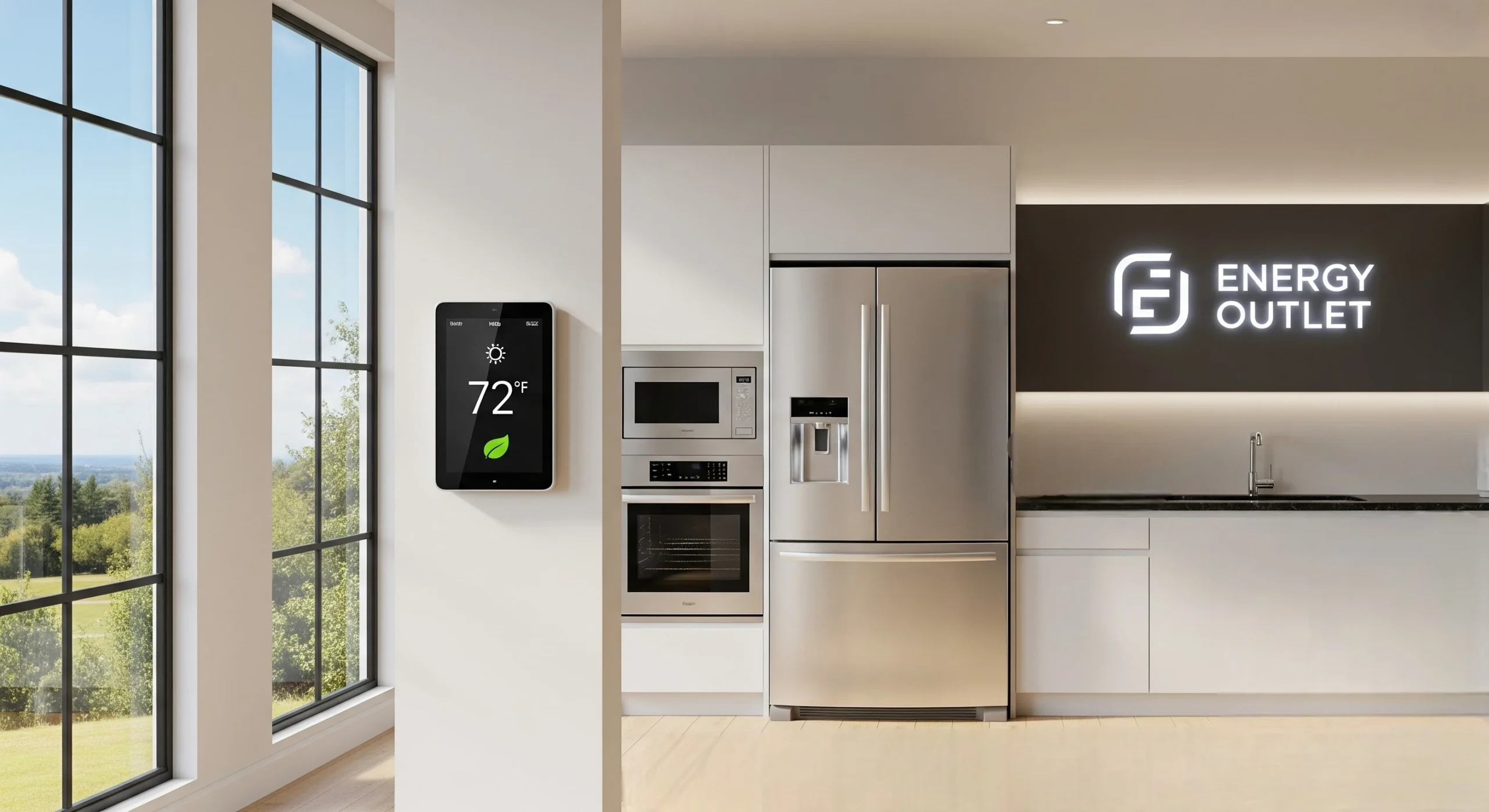
    • Smart thermostats and updated HVAC systems. Buyers here pay close attention to how a home handles the summer heat. A smart thermostat paired with a high-efficiency HVAC system keeps rooms comfortable without running up the electric bill.
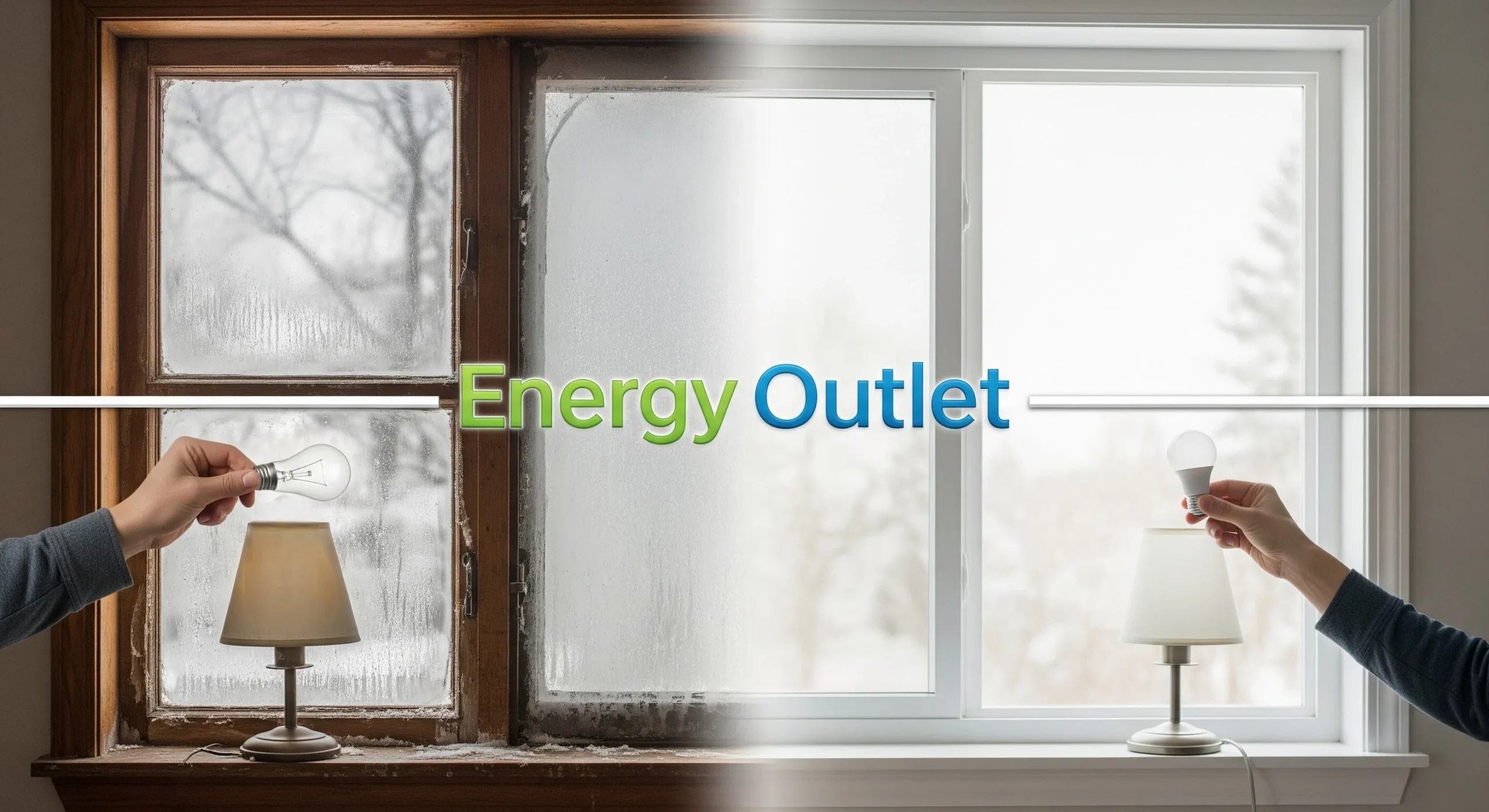
    • Better windows and insulation. Energy-efficient windows and well-insulated walls or attics keep cool air in during the summer and warmth in during the winter. That means fewer hours with the AC or furnace running and more savings on monthly utilities.
    • Energy Star appliances. Kitchen and laundry appliances with the ENERGY STAR label, like refrigerators, dishwashers, washers, and dryers, use less water and electricity. They save money over time and give buyers confidence that the home is equipped for everyday living.

    These kinds of updates don’t just lower bills. They make a house feel looked after and ready for the next owner. In Dallas, that can mean your place gets more attention and sells quicker. If you’re thinking about listing soon, adding a few energy-friendly touches can make life easier while you’re there and help your home stand out when it hits the market.

    Energy-Saving Home Upgrades That Add Value

    Energy-efficient features have moved from “nice to have” to “must-have.” Buyers are paying close attention to long-term costs, and homes that cut down on utilities tend to get more interest and stronger offers. For homeowners, making a few upgrades not only keeps daily living more comfortable but also helps your property stand out in a busy market.

    What Buyers Notice Most

    • Smart thermostats. Systems like Nest and Ecobee adjust on their own to keep the house comfortable while using less energy. Buyers like the convenience and the savings.
    • LED lighting. Switching to LED bulbs and efficient fixtures is one of the easiest, most affordable upgrades. It shows buyers the home has been cared for and updated.
    • High-efficiency HVAC. New heating and cooling systems are a big plus in Dallas, where summers are long and hot. Buyers want a system they can count on without sky-high bills.
    • Solar panels. More buyers are open to renewable energy. Solar can cut monthly expenses and add value. Even if panels aren’t on your roof, some families tap into community solar programs for similar benefits.
    • Better insulation and windows. Sealing leaks, upgrading insulation, and adding energy-efficient windows make a home more comfortable year-round. Buyers notice when a house feels solid and well-kept.

    When these upgrades come together, they do more than lower bills. They show buyers the home is ready for the future and well taken care of. In a market as competitive as Dallas, that can mean quicker offers and better prices.

    Energy Efficiency as a Selling Point

    Buyers aren’t just looking at square footage and curb appeal anymore. They also want homes that won’t cost a fortune to keep cool in the summer or warm in the winter. If your place already has energy-saving upgrades, that’s worth pointing out. It shows the home has been updated, cared for, and is ready for the next owner.

    What buyers respond to most are details that make daily living easier. Smart thermostats that adjust on their own, Energy Star appliances that use less water and electricity, and LED lighting that brightens a space without raising the bill. Efficient windows and solid insulation add even more value by keeping the home comfortable through both summer heat and cold snaps, while cutting back on heating and cooling costs.

    When you show that a house offers comfort and savings together, you tap into what today’s buyers want: efficient, practical, and stylish living.

    10 Energy-Saving Upgrades to Make Before You Sell

    Getting ready to put your house on the market? A few energy-friendly updates can help lower bills now and make your place more attractive when buyers walk through the door. Here’s a simple checklist to cover before you list:

    1. Update the HVAC.

    If your system is old, consider replacing it with a high-efficiency model. Even if it’s newer, schedule a tune-up so it’s running at its best.

    2. Add a smart thermostat.

    Buyers like the convenience of systems that adjust automatically. It’s an easy upgrade that shows off a modern touch.

    3. Switch to LED lighting.

    Replace every bulb with LEDs. They last longer, use less energy, and instantly make the home feel updated.

    4. Upgrade appliances.

    Energy Star refrigerators, washers, dryers, and dishwashers stand out in listings. They save on electricity and water, which buyers notice.

    5. Improve insulation.

    Add insulation in the attic and check for gaps around doors and windows. A well-sealed house feels more comfortable right away.

    6. Install efficient windows.

    Double-pane or Low-E windows keep the house cool in summer and warm in winter. Pair them with clean, modern window treatments for a fresh look.

    7. Weatherize.

    Door sweeps, caulking, and sealing up leaks go a long way. It’s a small fix that makes a big difference in comfort.

    8. Consider solar.

    Panels can cut down utility costs and catch the eye of eco-minded buyers. Even partial or community solar options are worth highlighting.

    9. Update the water heater.

    Tankless or high-efficiency water heaters save energy and are a nice bonus feature to mention in your listing.

    10. Highlight the upgrades.

    Don’t forget to call out the improvements in your marketing. Simple notes like “Energy Star appliances,” “Smart thermostat,” or “LED lighting throughout” tell buyers exactly what they’re getting.

    Making these upgrades can help your home feel more comfortable while you’re still living in it and give you an edge once it’s on the market. Homes that run efficiently often sell faster and for a better price.

  • How Living Room Rugs Can Boost Your Dallas Home Staging

    How Living Room Rugs Can Boost Your Dallas Home Staging

    There’s absolutely no denying how competitive the real estate market is here in Dallas, and this is only getting much worse as a record number of sellers outnumber homebuyers.

    That means first impressions matter more than ever for today’s sellers, and it’s important to remember how potential buyers will formulate opinions of your property within minutes.

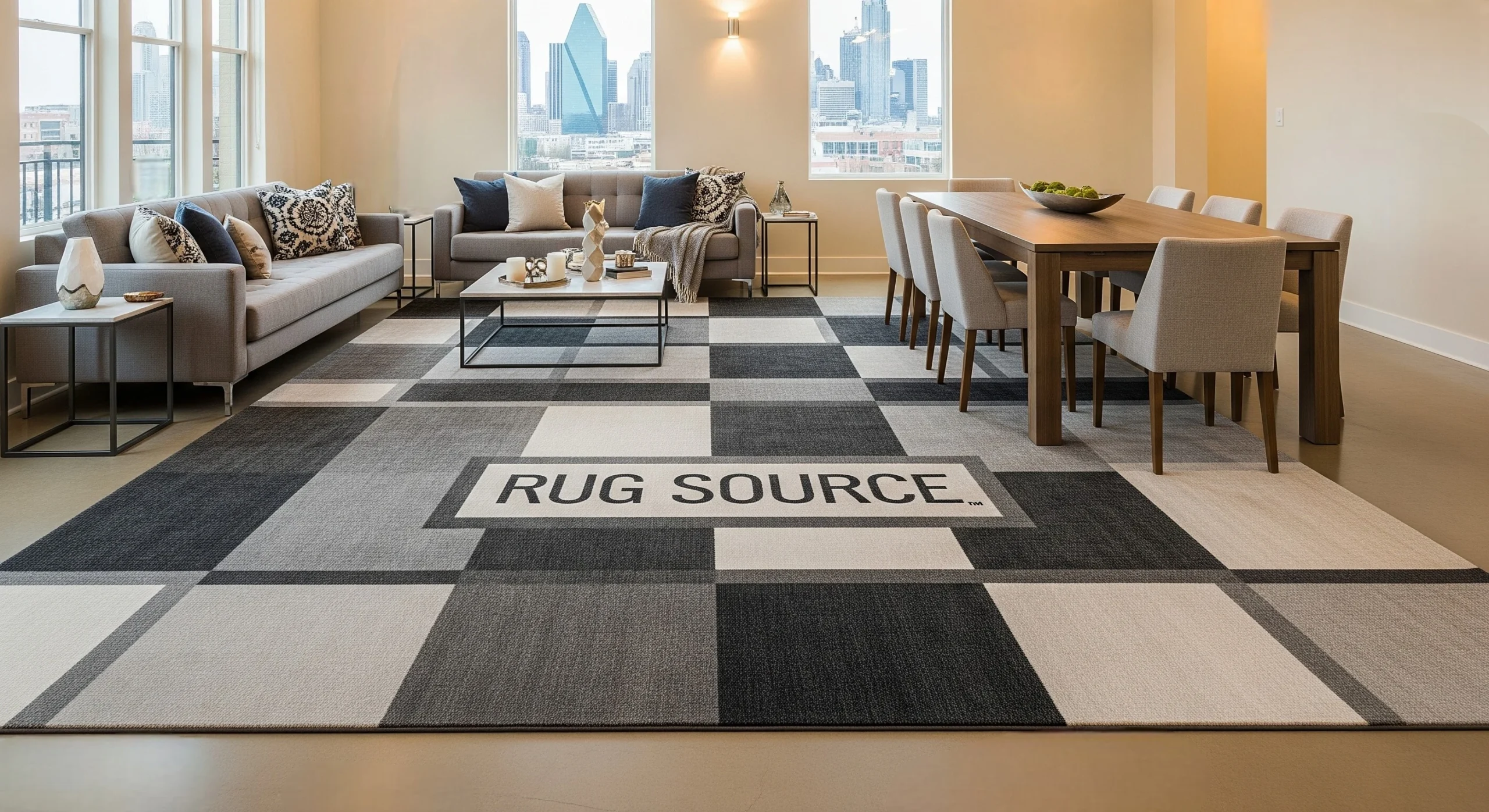
    Home staging is now essential for selling in Dallas, and one often-overlooked element is area rugs.

    The good news in this regard is that finding high-quality, affordable living room area rugs online is now easier than ever, and below you’ll see how living room rugs can boost your home’s overall staging appeal.

    Creating Clearly Defined Spaces

    Open-concept floor plans are very popular in many modern Dallas homes, but these layouts can make it harder for buyers to see how they’ll use the space with their existing furniture and décor.

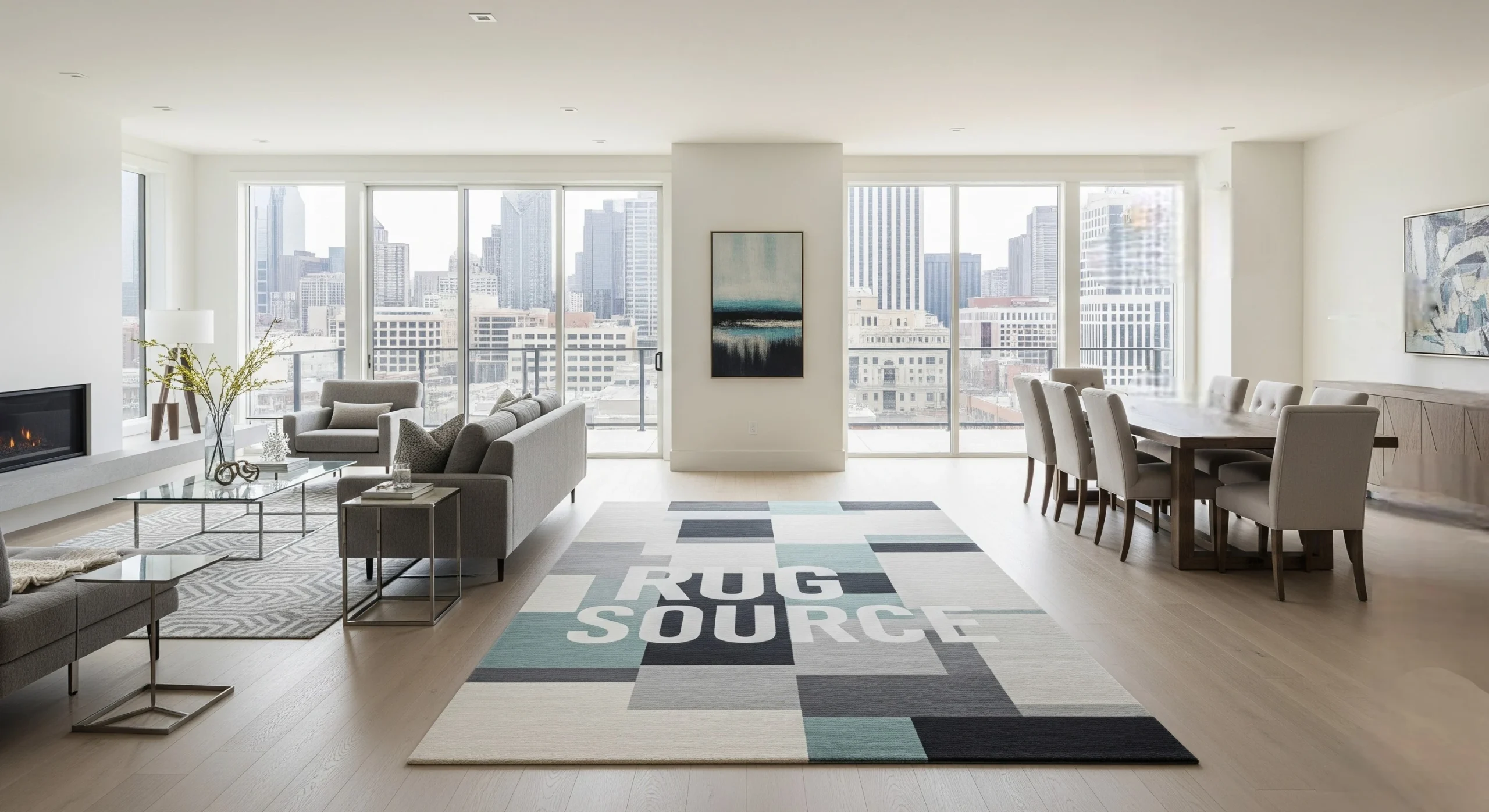
    A strategically placed rug goes a long way toward anchoring the living room and separating it from adjacent kitchen or dining areas. This creates a clearer visual flow, making it easier for buyers to picture themselves living there and boosting their overall impression.

    Adding Comfort and Warmth

    Even in the most minimalist homes, homebuyers want a feeling of comfort and warmth.

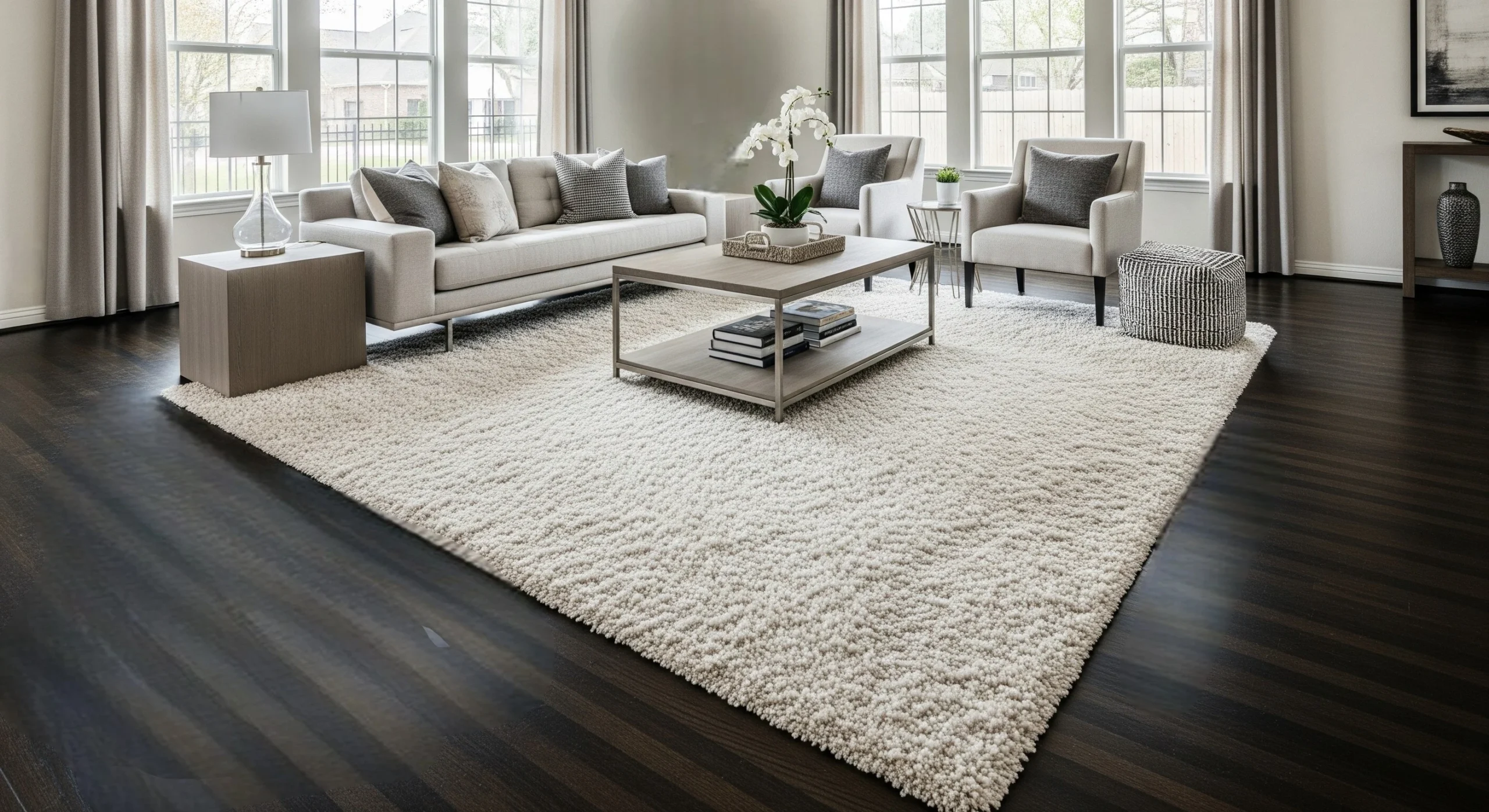
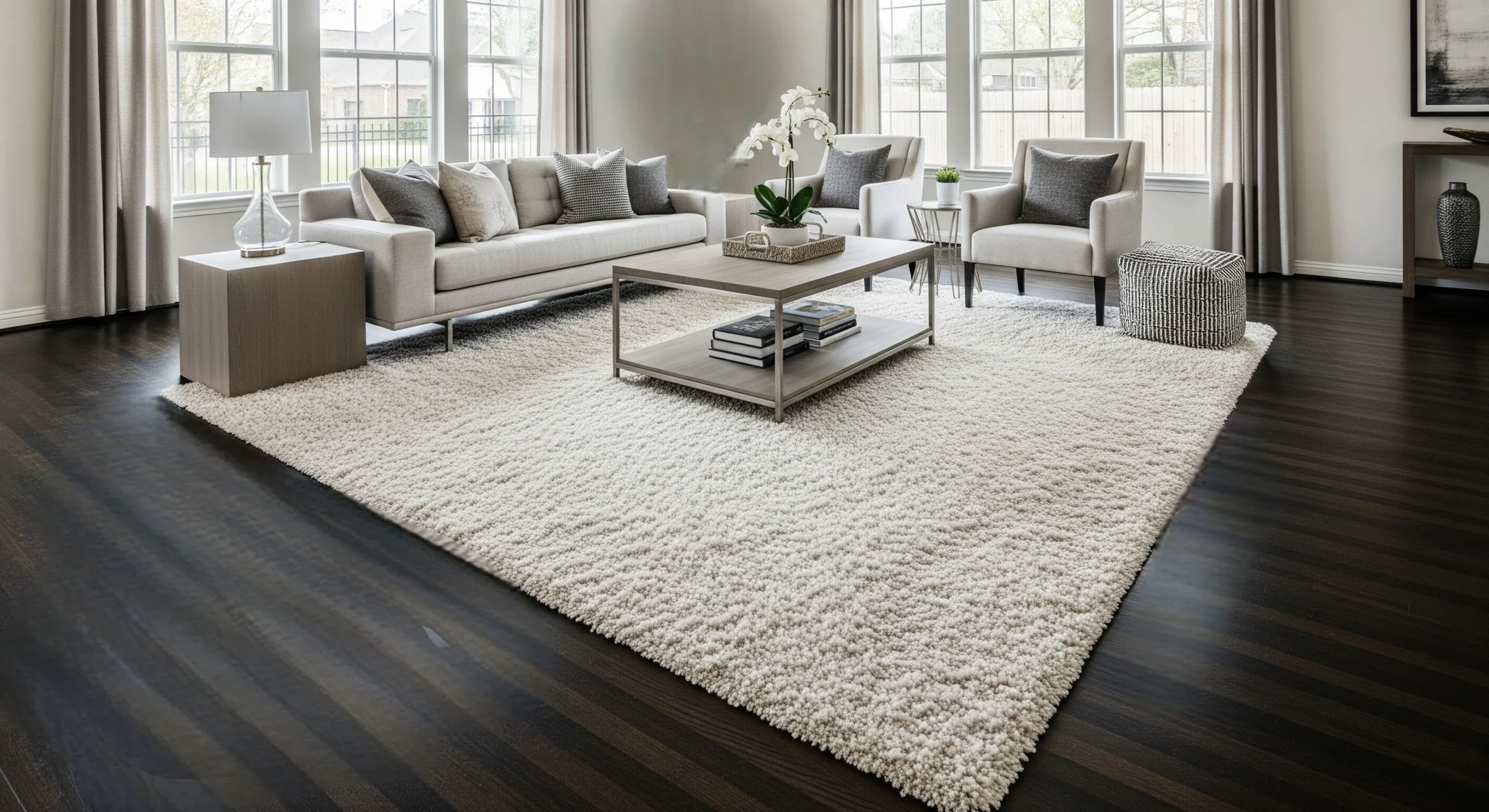
    Living room rugs add color, texture, and softness that make a space feel more inviting—especially when your home features tile, hardwood, or carpet. Buyers often tour multiple properties on any given day, so your home should project comfort and warmth to leave a lasting, competitive impression.

    Showcasing Personality and Style

    Most Dallas-area buyers want homes that feel both practical and stylish. Buyers are more likely to make an offer when a home feels stylishly curated.

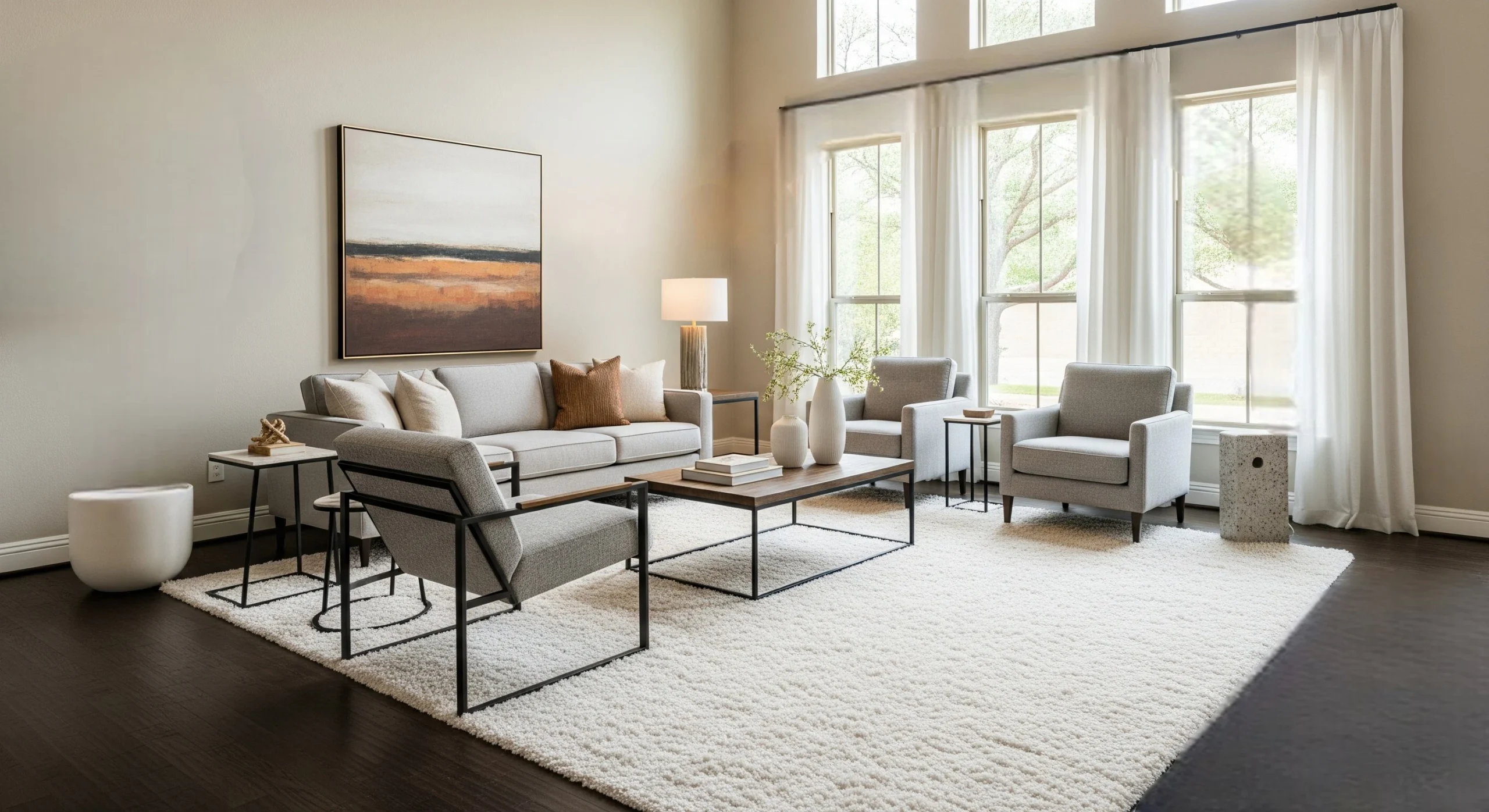
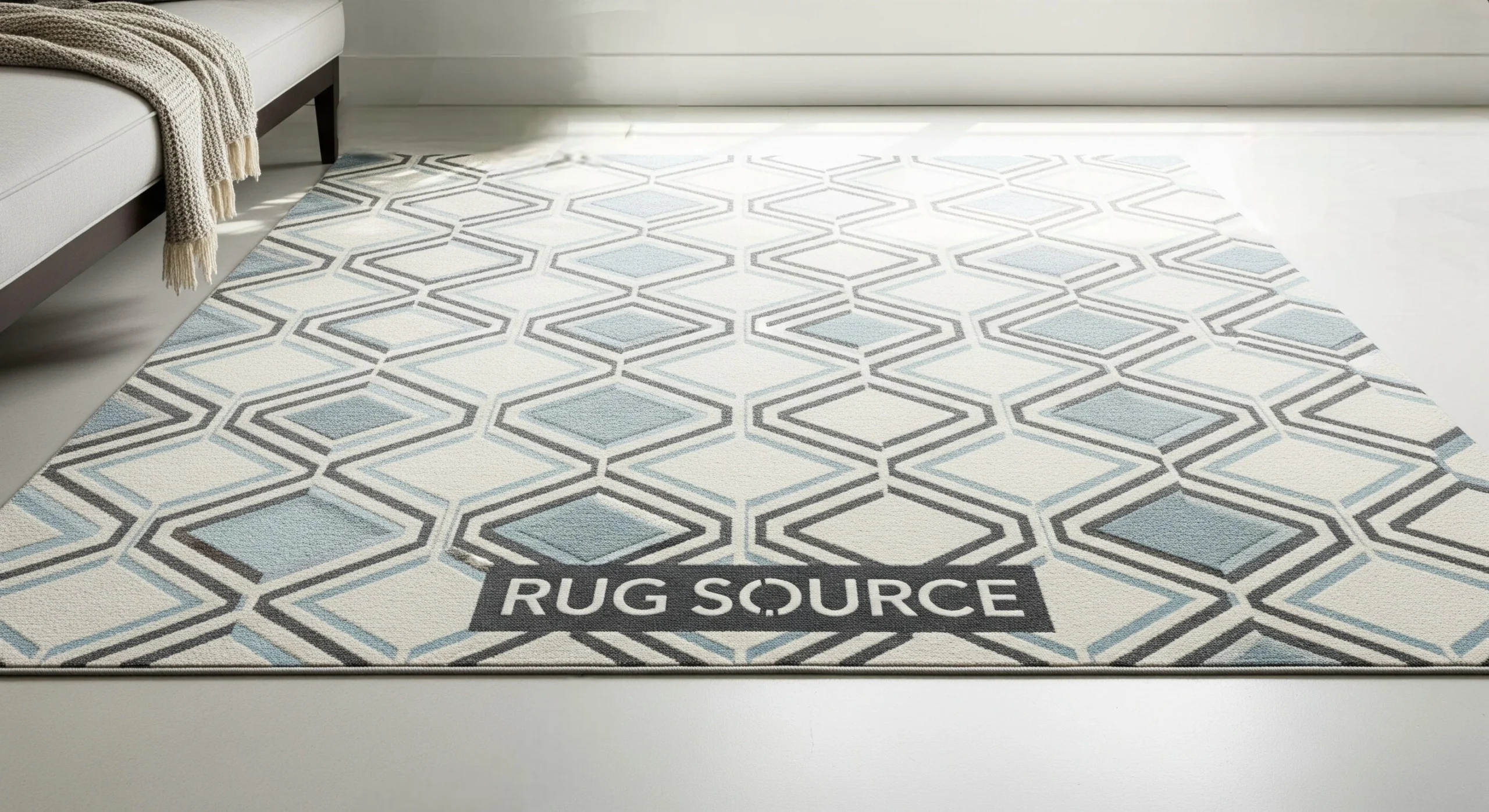
    A well-chosen rug can highlight your furniture, tie together existing décor, and showcase your home’s unique aesthetic. Whether you choose a traditional or modern look depends on your layout, but aligning the rug with your home’s overall aesthetic enhances your listing’s personality and sparks buyer interest.

    Enhancing Light and Color

    Rugs can significantly improve a home’s balance of color and light. In rooms with abundant sun, a neutral rug helps soften harsh sunlight. In smaller spaces in your home that get less light, subtle patterns and lighter tones visually brighten the room. This adds energy and visual interest throughout the home and helps you avoid first-glance turnoffs.

    Hiding Your Home’s Imperfections

    Area rugs also serve many practical purposes for Dallas listings, including covering up any flooring imperfections.

    This includes things like dated tile, hardwood floor scratches, and worn-out carpeting that could potentially turn off buyers.

    Replacing scratched hardwood floors can be expensive. Simply covering them with an area rug is a cost-effective way to refresh the room’s appearance and keep your listing appealing.

    Increasing Your Listing’s Perceived Value

    Home staging helps buyers see your property’s potential, which is why it focuses on thoughtful décor details and making your home look move-in ready.

    Good staging naturally increases perceived value, which often translates into stronger offers from multiple buyers.

    High-Quality Living Room Rugs Help Dallas Homes Sell Faster

    Every detail counts when you’re selling in the Dallas area, and a beautiful living room rug is a staging element that shouldn’t be overlooked.

    By choosing the right style, color, and size, you’ll create a home ambiance that’s alluring and capable of resonating with busy buyers touring quickly. Often, subtle touches make the biggest difference and thoughtful rug choices may be the finishing touch that sets your home apart before it hits the market.