Tag: Business Growth

  • How Small Businesses Are Using Shipping Containers for Storage and Retail Space

    For many small business owners, space becomes a challenge long before they expect it. Inventory grows quickly during busy seasons, equipment takes over every inch of the storeroom, and commercial rent continues to rise in many markets. As businesses look for ways to expand without driving up overhead costs, shipping containers have become an increasingly practical option for both storage and retail space.

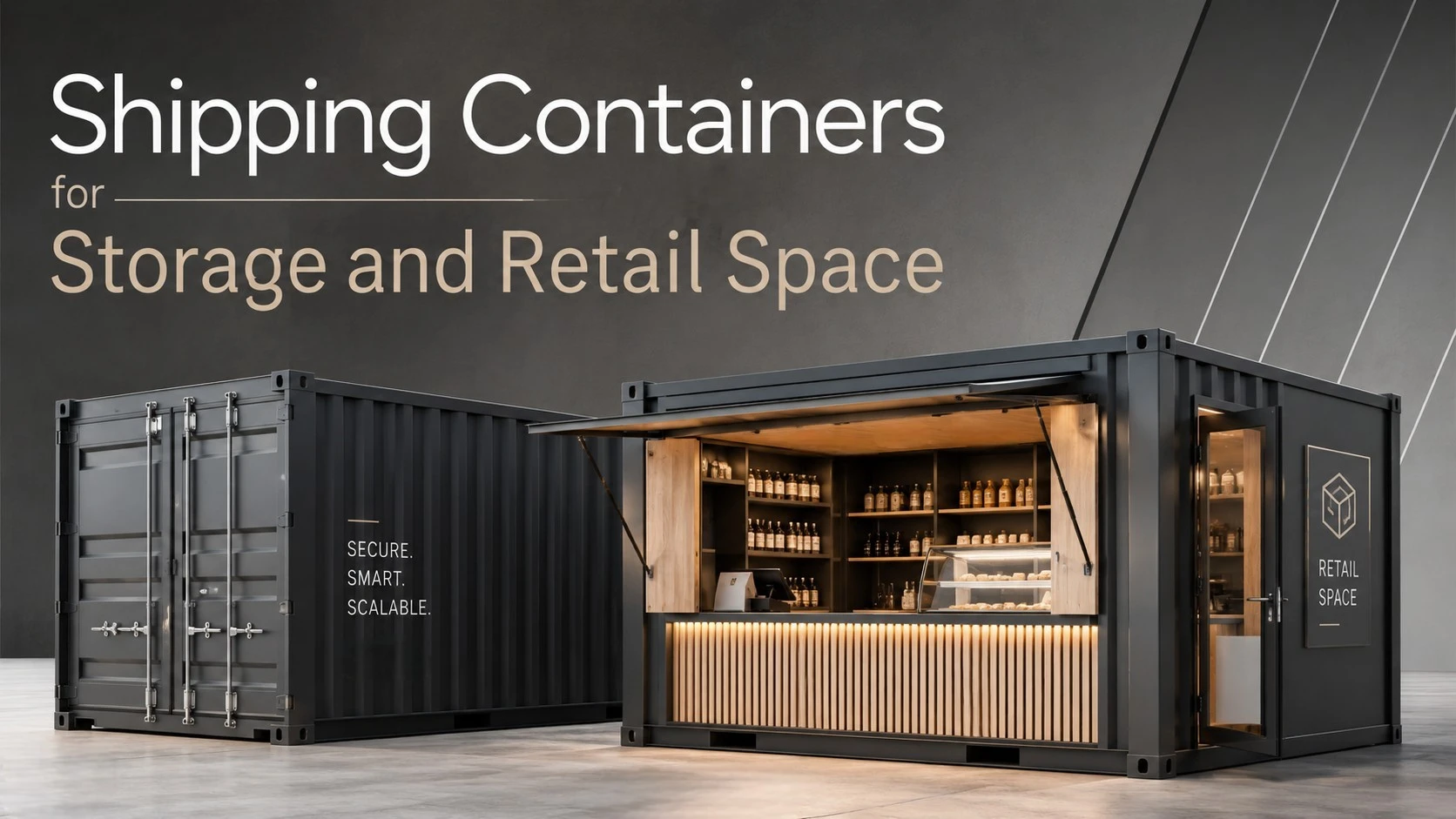
    Once just used to move goods across the ocean, shipping containers are now being repurposed as on-site storage, pop-up shops, mobile workspaces, and hybrid business facilities. They offer something many small businesses need which is flexibility without the financial pressure of traditional commercial real estate investments.

    A Practical Solution for Storage

    Storage is one of the first challenges many businesses face as they expand. Contractors need additional space for tools and materials while retailers need room for overstock, and landscaping companies need somewhere to keep seasonal equipment.

    Shipping containers solve those problems by providing storage that is secure, durable, and relatively affordable. With simple upgrades like shelving, lighting, or ventilation, they can easily be adapted to fit specific operational needs.

    Many business owners also appreciate the convenience of having storage directly on-site. Instead of driving to an off-site warehouse or storage facility, employees can quickly access tools, inventory, or equipment throughout the workday, helping improve efficiency and reduce downtime.

    Lower Costs and Increased Flexibility

    One reason shipping containers have become so popular among small businesses is cost control. Expanding into larger commercial space often requires significant upfront investment and long-term lease commitments. For businesses still growing or testing new markets, that level of financial commitment can create unnecessary risk.

    Containers offer small businesses a more flexible alternative. Purchasing a used or new one trip shipping container is generally far less expensive than leasing additional retail or warehouse space, and even customized retail-ready units usually cost less than a traditional commercial buildout.

    Using Shipping Containers as Retail Space

    Beyond storage, though, containers are increasingly being used as retail and customer-facing spaces. Coffee shops, boutiques, salons, breweries, and specialty retailers have all embraced shipping container-based solutions.

    Part of the appeal is financial, but shipping containers also offer a distinct visual presence that helps businesses stand out. A well-designed container storefront naturally attracts customer attention in ways that many traditional retail spaces don’t.

    Pop-up shops are one of the most common examples. Shipping containers can be converted into compact retail units with windows, lighting, branding, and climate control, then placed in high-traffic areas such as downtown districts, outdoor markets, festivals, or mixed-use developments.

    For small businesses, this creates opportunities that might otherwise be out of reach financially. A clothing brand can test a new neighborhood before signing a lease, just as a coffee business can establish a presence near office buildings or event venues, and retailers can participate in seasonal markets using a consistent and recognizable setup.

    Shipping containers also work well for hybrid business models that combine online sales with physical retail. Some businesses use part of the container as a showroom while the remaining space stores inventory for local fulfillment and shipping. This setup allows owners to maintain a physical presence without the expense of a large storefront.

    Faster Timelines Than Traditional Construction

    Speed is another major advantage of using shipping containers for retail expansion. Traditional construction projects can take months once permitting, contractors, and materials are factored in. Shipping containers dramatically shorten that timeline because the primary structure already exists.

    For businesses responding to seasonal demand or short-term opportunities, that speed matters. A company can move quickly on a high-traffic location or event opportunity without dealing with a lengthy construction timeline.

    Branding and Customer Experience

    Exterior paint, signage, landscaping, lighting, and large windows can transform a shipping container into a polished and inviting storefront. Interior finishes help create a space that feels intentional rather than temporary.

    For many small businesses, the containers become part of the brand itself. Their unique appearance often attracts customer attention and creates opportunities for social media visibility, especially in busy retail environments where standing out is increasingly important.

    Key Things to Consider

    Shipping containers are flexible, but they aren’t without their challenges. Local zoning laws and permitting requirements vary significantly depending on the municipality and intended use.

    Storage applications are generally easier to approve than customer-facing retail spaces, which may require additional inspections related to accessibility, safety, and occupancy. Before investing in a shipping container project, business owners should check local regulations and confirm site requirements.

    Climate control is another important factor. Steel containers heat up quickly in warm weather and can become quite cold in winter conditions without proper insulation and ventilation.

    Working with experienced shipping container suppliers or fabricators can help businesses predict and prevent common issues.

    A Flexible Path to Growth

    Shipping containers aren’t a perfect solution for every business, but they address many of the challenges small companies face when trying to grow responsibly. They provide affordable storage, adaptable retail space, and a lower-risk path to expansion in an increasingly expensive commercial real estate market.

    For some businesses, shipping containers remain a behind-the-scenes operational tool while for others, they become a visible part of the brand experience. In both cases, the value comes from flexibility and cost control.

    As more businesses look for ways to operate efficiently without overcommitting financially, shipping containers are likely to remain a practical option for storage, retail expansion, and long-term growth.

  • How Florida Contractors Can Use Insurance to Protect and Expand Their Business

    Strong insurance coverage protects contractors from more than accidents or property loss. It also proves that a business can handle risk, win bigger contracts, and stay compliant with legal requirements. Contractor insurance helps safeguard against costly claims while signaling that the business is ready for larger, more demanding projects.

    A contractor who treats insurance as a business tool, not just a safeguard, gains an advantage in a competitive market. Clients, general contractors, and municipalities often look at insurance limits and documentation to judge reliability before awarding contracts. So strong coverage supports both protection and growth.

    This article explains how key insurance solutions shield contractor businesses from setbacks and how the right coverage strategy can open doors to larger opportunities. It outlines the policies that protect daily work and the smart insurance choices that help contractors expand with confidence.

    Core Insurance Solutions to Protect Contractor Businesses

    Contractors face financial and legal exposure from site accidents, property damage, and client disputes. The right mix of coverage limits these risks through protection that addresses physical loss, employee safety, professional mistakes, and vehicle or equipment damage. Businesses seeking comprehensive contractor insurance in Florida can apply these same principles to meet state requirements while safeguarding daily operations.

    General Liability Insurance Essentials

    General liability insurance protects contractors against third-party claims involving property damage or bodily injury. For example, if a client trips over cables or materials on a job site, this coverage pays for medical costs and related damages. It also covers accidental property harm caused during construction, renovation, or installation work.

    Most clients and licensing agencies require proof of this insurance before work begins. Coverage usually includes the cost of legal defense if a lawsuit arises. Policies can also extend to advertising or personal injury, such as libel or slander.

    Contractors should review policy limits carefully. High-value projects or multi-unit developments often need higher limits to protect business assets from large settlements. Regular policy reviews prevent coverage gaps as project sizes and risks increase over time.

    Workers’ Compensation and Employee Protection

    Workers’ compensation insurance protects both the employer and the employee after a workplace injury or illness. It pays for medical bills, rehabilitation, and lost wages while shielding employers from direct lawsuits by injured workers. Even small contracting businesses with part-time employees benefit from carrying this coverage.

    Many states require this insurance once a contractor hires staff. Failing to maintain it can lead to fines or suspension of licenses. This coverage also builds trust with employees who know they will receive medical care if hurt on the job.

    Employers should document safety procedures and report accidents promptly. Safety training combined with strong insurance coverage helps stabilize premiums and prevent costly disruptions to ongoing projects.

    Commercial Auto and Tools Coverage

    Contracting work often relies on vehicles and specialized equipment that move between sites. Commercial auto insurance covers accidents, theft, or damage involving trucks, vans, and trailers. Personal auto policies usually exclude business use, so separate coverage is necessary for vehicles tied to company operations.

    Tools and equipment coverage pays for repair or replacement if essential items are lost or stolen on or off the site. Power tools, compressors, and rented gear often fall under this protection. Without it, replacing equipment out of pocket can delay projects and reduce profits.

    Adding both policies under one business package can lower costs and simplify claims management. Keeping a detailed inventory of tools with receipts or photos can make reimbursement faster and more accurate.

    Professional Liability and Errors & Omissions

    Professional liability, also called Errors and Omissions coverage, protects contractors from claims tied to design flaws, project delays, or advice that causes client losses. For contractors offering design-build or management services, this type of protection is essential to limit the effects of disputes.

    Claims may arise if a project fails to meet financial or performance expectations due to a planning mistake. This coverage pays for legal defense and settlements that result from these allegations. It offers financial stability during disagreements over project quality or delivery.

    Contractors should verify whether policies include both negligence and contract-related claims. Smaller firms benefit from tailored protection that addresses specific trades since professional risks differ for builders, electricians, and remodelers. Regular policy updates maintain protection that grows with the business.

    Strategic Use of Insurance to Expand and Secure Your Contracting Business

    Contractors who plan for growth use insurance as both protection and proof of professionalism. Solid coverage builds trust with clients, keeps projects compliant, and protects cash flow after losses. A smart insurance structure also supports business continuity and long-term stability.

    Proof of Coverage and Client Trust

    Clients often judge a contractor’s dependability by how well the contractor manages insurance and paperwork. A complete and current proof of coverage shows that the business takes risk seriously and meets industry standards. Certificates that list policy limits, additional insured endorsements, and completed operations coverage help win bids and reduce doubts before a project begins.

    General contractors and project owners prefer working with subcontractors who maintain updated construction insurance records. They use these documents to screen potential partners before qualification. Missing or outdated forms can cause immediate rejection, even if the contractor has the needed skills.

    Consistent communication with insurers keeps certificates accurate and aligned with project needs. Maintaining organized records also speeds future approvals and signals professionalism. This attention to detail builds trust and helps secure repeat business relationships.

    Meeting Insurance Requirements for Growth

    As projects grow in size and complexity, so do insurance demands. Many public and commercial jobs require higher policy limits, sometimes supported by umbrella insurance to extend liability coverage. Contractors may also need builder’s risk insurance for materials and structures under construction, inland marine insurance for tools and equipment, and surety bonds that guarantee performance and payment.

    Specific endorsements, such as waiver of subrogation and clear additional insured language, are often written directly into bid documents. Failure to meet these requirements can block access to larger contracts.

    A forward-looking business insurance for contractors plan covers future projects, not just current ones. Reviewing coverage alongside planned growth helps avoid last-minute policy changes. This preparation allows contractors to move confidently into bigger opportunities nationwide without delays or compliance issues.

    Risk Management and Business Continuity Planning

    Insurance supports a contractor’s construction risk management strategy by reducing exposure that could disrupt operations. Policies such as commercial property insurance, pollution liability, and business income insurance help the business recover after accidents, theft, or site damage.

    • A structured plan coordinates each type of coverage. For example:
    • Commercial property insurance protects offices and storage yards.
    • Builder’s risk insurance covers work in progress.
    • Business income insurance replaces lost revenue during repair periods.

    Proper limits matter as much as the right policy mix. Contractors who review coverage regularly with a qualified advisor maintain control of risks and meet client expectations. These measures protect profitability, support compliance, and allow business continuity under changing conditions, for general information only.

    Conclusion

    Contractors protect their businesses best through effective insurance planning. The right mix of coverage allows them to manage unexpected costs from accidents, property damage, or legal claims. It also demonstrates professionalism, which helps attract more clients and larger contracts.

    Insurance not only safeguards assets but also supports long-term growth. By meeting legal and client requirements, contractors strengthen their reputation and maintain steady operations even under financial pressure.

    Each policy, general liability, workers’ compensation, and commercial auto, plays a direct role in reducing business risks. That’s why clear understanding and regular review of policies help contractors stay compliant and prepared.

    In summary, contractors who treat insurance as a strategic investment build stable, trustworthy, and scalable businesses that can move forward with confidence.