Tag: Backyard Design

  • How Your Outdoor Space Can Make or Break a Home Sale

    Buyers make up their minds faster than most sellers realize.

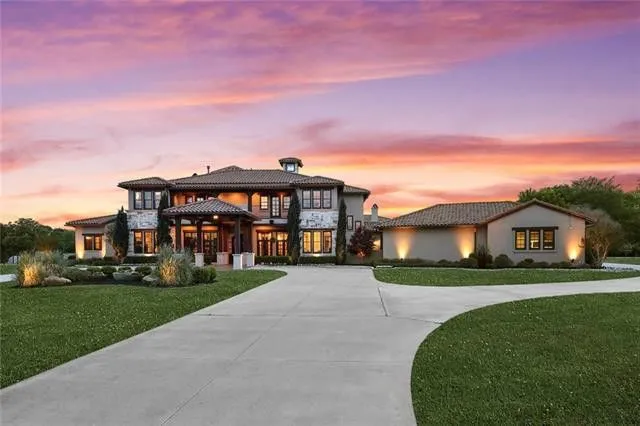
    Before they’ve even opened a closet or tested a faucet, they’ve already decided how a home makes them feel. And a big part of that feeling happens outside, in those first few seconds on the driveway and again when they step through the back door and take in the yard.

    Outdoor spaces are where imagination kicks in. That’s where buyers start mentally hosting dinner parties, picturing Sunday mornings with coffee, and wondering if the kids would be happy here. That kind of emotional buy-in is incredibly powerful, and most sellers are leaving it on the table.

    Whether you’re listing soon or just want to get more enjoyment out of your own property, investing time in your outdoor space consistently delivers some of the best returns in real estate.

    Image Source: pinterest.com

    Why Outdoor Spaces Drive Purchase Decisions

    People don’t buy homes on logic alone. They buy on feeling.

    Square footage and bedroom count matter, of course. But the homes that sell quickly and at top dollar are the ones that make buyers feel something. Outdoor spaces are uniquely good at triggering that emotional response because they represent freedom, ease, and a life well-lived.

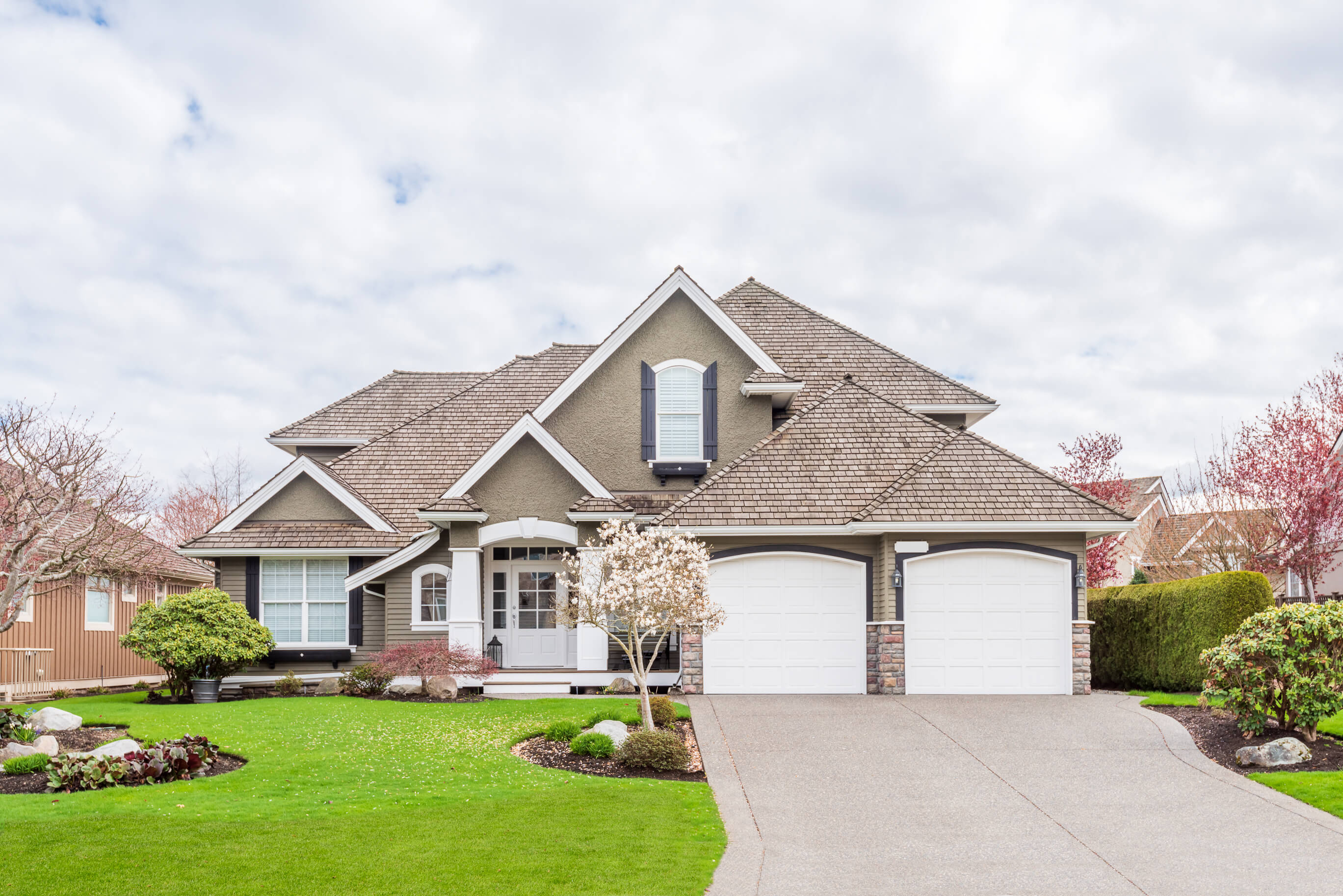
    A clean, shaded patio says, “You’ll actually use this place.” A manicured lawn says, “This home has been cared for.” Even a simple side yard with a potted plant and a swept walkway communicates attention to detail, which quietly raises a buyer’s confidence in the whole property.

    Stage the outside as thoughtfully as you stage the inside. That mindset shift alone can make a massive difference in how your home is received.

    Get the Basics Right First

    Nothing undermines a beautiful outdoor setup like a patchy lawn or shrubs that haven’t been touched in months.

    Start with the fundamentals. Mow and edge the grass along every walkway and garden bed. Trim anything overgrown. Pull weeds from visible beds and lay fresh mulch if the existing layer looks tired. These are inexpensive steps that create an immediate visual upgrade.

    Lighting is another underused tool. Solar path lights along a front walkway, a simple uplight on a mature tree, and string lights above a patio all add an atmosphere that photographs beautifully and lingers in a buyer’s memory long after the showing is over.

    If the showing includes evening hours, make sure every outdoor light is working and that the yard feels warm and welcoming from the moment someone pulls into the driveway.

    Image Source: unsplash.com

    Turn Your Backyard Into an Outdoor Room

    Here’s where most sellers stop short. They clean up the yard but forget to give it a sense of purpose.

    Interior designers talk about “outdoor rooms,” and the concept translates directly to real estate staging. The idea is simple: treat the backyard like you would any room in the house. Give it a focal point, a defined seating area, and a reason to linger.

    A patio rug anchors a furniture arrangement. A firepit draws people in and creates a natural gathering spot. Even a simple bistro set under a shaded corner transforms dead space into something a buyer can picture themselves actually using.

    Structure matters, too. Pergolas and built-in shade solutions are attractive, but they come with permits, contractors, and real money. For sellers staging a home or homeowners who want flexibility, a quality canopy tent is a smart, versatile alternative.

    The right one looks polished and substantial, defines the space beautifully, and provides genuine shelter from sun and light rain without driving a single nail into the ground. Commercial-grade options especially can give a backyard a finished, intentional look that pleasantly surprises buyers.

    Once a buyer can see the yard as a usable room rather than just empty grass, they start calculating how it fits into their life. That mental shift moves deals forward.

    Image Source: unsplash.com

    The Smaller Details That Buyers Actually Notice

    Once the big elements are in place, the finishing touches are what make a space truly memorable.

    Potted plants add layers of height and color without committing to a full landscape project. Group them in odd numbers and vary the heights. A cluster of tall ornamental grasses in containers can screen an unattractive fence and add a soft, natural movement to the space that photographs exceptionally well.

    Outdoor textiles make a bigger impact than people expect. Weather-resistant throw pillows, a patterned outdoor rug, and a draped throw on a chair arm all communicate comfort. Buyers see these touches and their brain quietly registers: “This place is already livable. I wouldn’t have to do anything.”

    Scent is a wildcard that most sellers never think to use. Potted lavender, rosemary, or jasmine near a seating area introduces a sensory layer that visitors absorb without consciously noticing. That warm, pleasant feeling gets associated with the home, and it sticks.

    Maintenance Speaks Louder Than Decor

    A beautifully styled yard can still raise concerns if the underlying maintenance has been ignored.

    Cracked pavers make buyers wonder about drainage. A leaning fence post suggests neglect. Peeling paint on an outdoor structure adds to a mental list of problems they’d inherit with the purchase.

    Before any staging, do a thorough walk-through with a critical eye. Tighten posts, reset or replace cracked pavers, repaint worn surfaces, and power-wash any concrete or stone. These fixes aren’t exciting, but they matter enormously. A move-in-ready exterior removes buyer anxiety, and buyers consistently pay a premium for peace of mind.

    When it comes to deciding which improvements are worth your budget and which ones aren’t, working with someone who knows the market well makes a real difference. Connecting with an experienced real estate agent can help you focus your time and money on the upgrades that actually move the needle for buyers in your specific market.

    Image Source: unsplash.com

    Water Features: A Small Addition With Big Sensory Impact

    Pools are polarizing. Some buyers see a pool as the ultimate perk. Others immediately start calculating liability, upkeep, and safety concerns. If you have one, keep it clean and stage the surrounding area with the same care as the rest of the yard.

    For sellers without a pool, smaller water features are an almost universally well-received addition. A self-contained fountain, a container water garden, or even a simple bubbling urn on a patio corner can add sound to the outdoor environment. That gentle ambient noise is psychologically calming in a way that’s hard to articulate but easy to feel.

    Calm buyers make faster, more confident decisions. It’s worth a plug-in fountain to get there.

    The Final Week Before Listing

    Everything you’ve done comes together in the last few days before your home hits the market.

    Do a final mow and edge. Refresh any mulch that looks faded. Clean every piece of outdoor furniture and make sure cushions are plump and in place. Remove personal clutter, children’s toys, garden hoses left out, and tools propped against the wall. The yard should look curated, not overly lived-in.

    Talk to your listing photographer about the time of day and how the outdoor space is oriented. Morning light flatters east-facing patios. Late afternoon golden hour is magic on west-facing spaces. Make sure the photos capture both the wide establishing shots that show scale and the close-up details that show care.

    When buyers arrive for the showing, they should step outside and feel like the outdoor space is ready to enjoy. Already comfortable. Already theirs.

    That feeling is what closes deals. And it doesn’t require a massive renovation budget. It just requires intention.
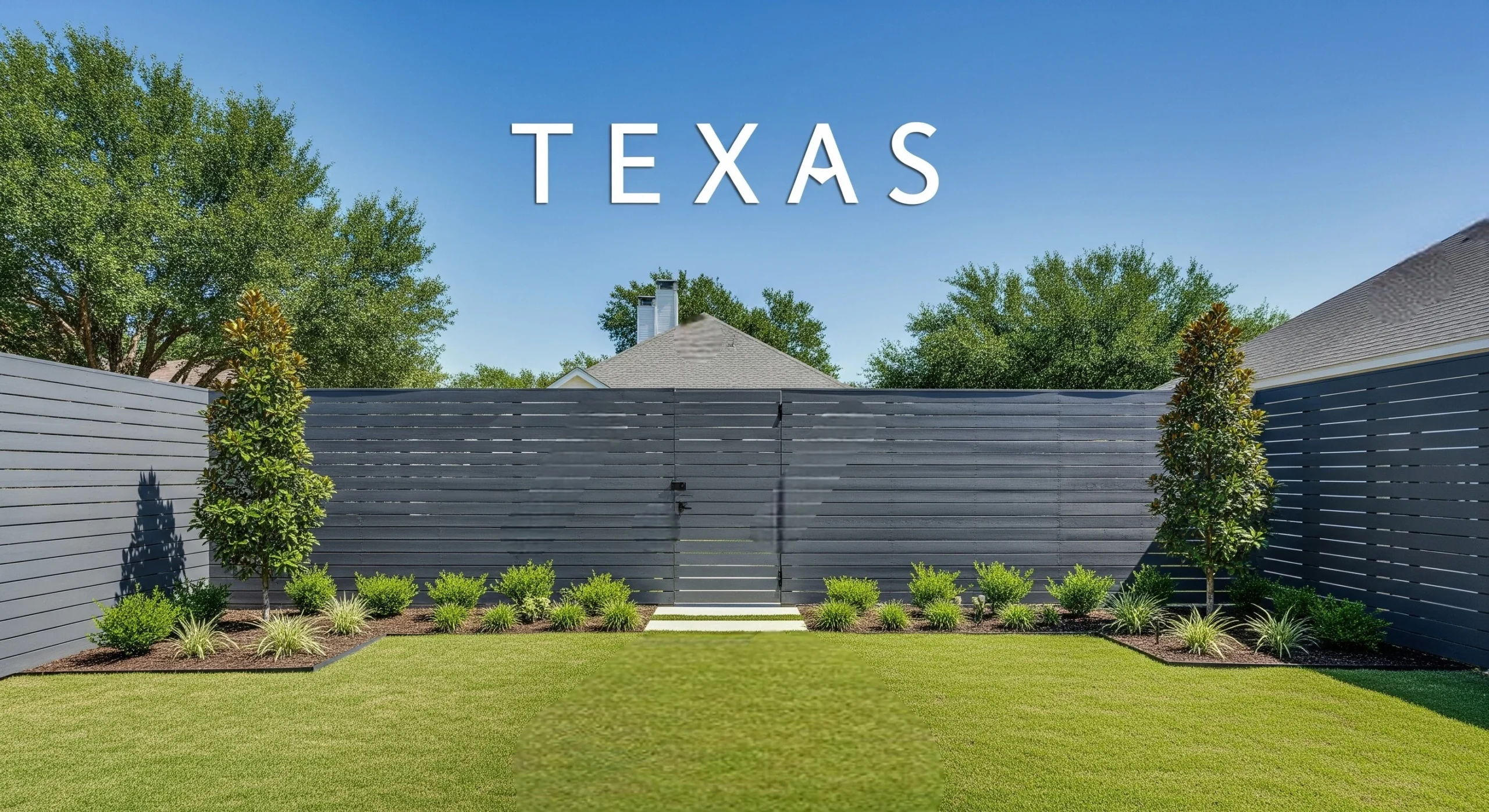
  • Backyard Fence Ideas 2025: Privacy Retreats and Durable Designs for Texas Homes

    Backyard Fence Ideas 2025: Privacy Retreats and Durable Designs for Texas Homes

    Backyard fences in Texas have become part of how people shape their outdoor space. They’re no longer just simple boundary lines around the yard. In many neighborhoods across the area, a fence is expected to give privacy, provide security for kids and pets, and hold up against long stretches of heat followed by heavy rain and wind. For many homeowners, it’s also a way to tie the backyard into the look of the house, so the design matters just as much as the build.

    This year, trends point to fences that balance durability with design. Homeowners are asking for options that can handle local weather, meet city or HOA rules, and still look attractive enough to add curb appeal. Materials are changing, with more choices that need less maintenance, and styles are being updated to fit the way people live outdoors now.

    Knowing which trends work well in Texas can help you design a fence that feels like a natural part of your home.

    Modern Backyard Fence Styles for 2025

    Horizontal slats

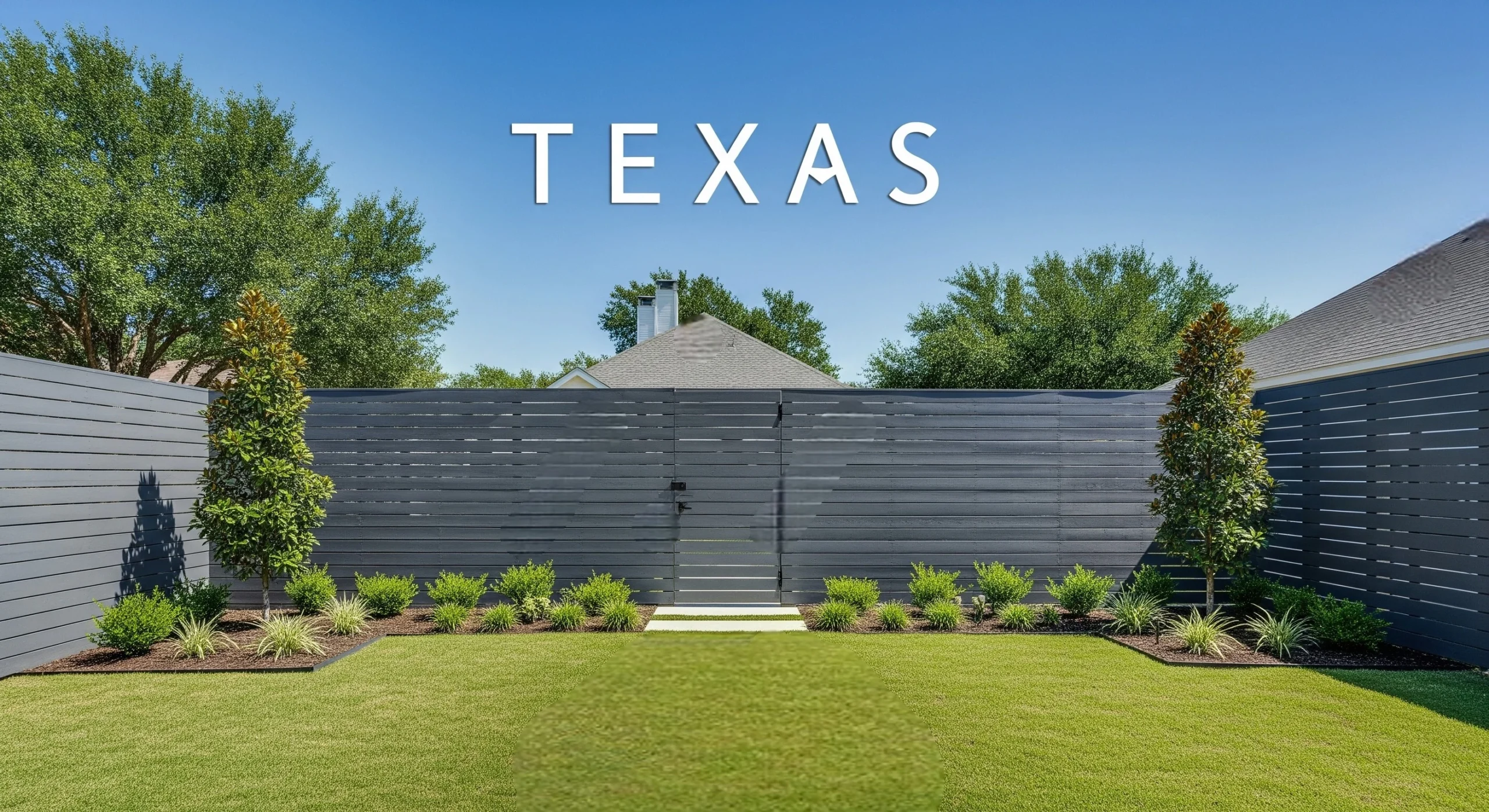
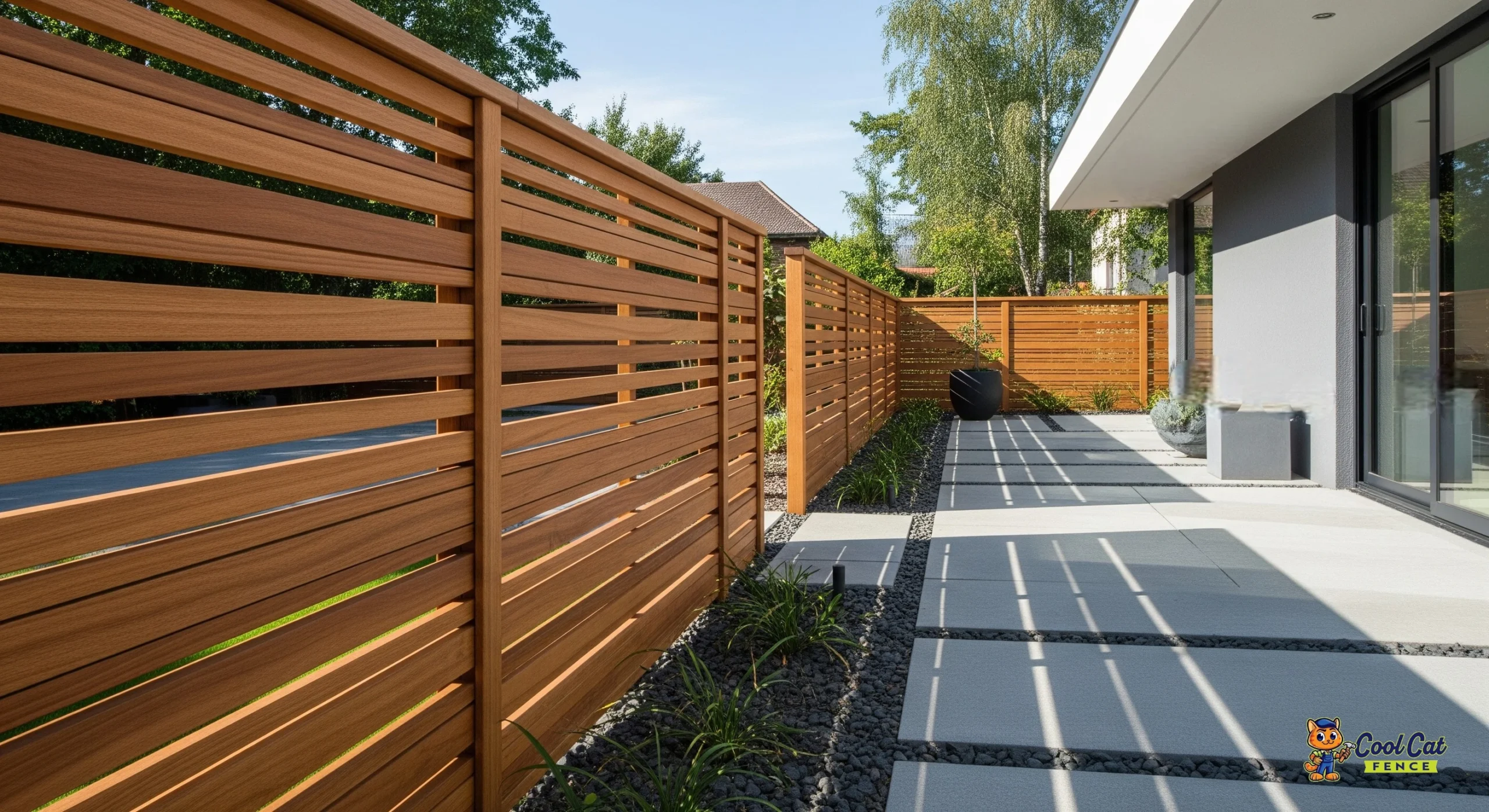
    You’ll see more horizontal fences going up in newer neighborhoods and suburban builds, especially in new builds. The boards run sideways instead of up and down, which gives a clean, modern look that fits well with newer homes.

    Some homeowners keep the spacing wide for airflow, others close it up for full privacy. It’s a simple style that works with low-maintenance yards and concrete patios, and it doesn’t take much to keep it looking good year after year.

    Board-on-board privacy fences

    For families who want to block out the view, board-on-board fences are still one of the best options. The overlapping planks leave no gaps, which means no one can see through.

    They also cut down on street noise, which helps if you live near a busier road in the area. Because it’s a heavier build, it tends to hold up better in wind and rain. Homeowners with kids or pets often choose this style for the extra strength and the peace of mind it brings.

    Mixed materials

    It’s also common to see wood panels combined with steel or composite posts. The wood keeps the natural feel that people like in a backyard, while the posts add support and keep the fence standing straight. That matters in areas with clay soil where wood posts might lean over time.

    The mix gives a solid structure and also updates the look, so it fits just as well on an older home as it does on new construction.

    Eco-friendly builds

    More homeowners are looking at fences made with sustainable materials. Bamboo panels, recycled composites, and certified lumber are now easier to find in Texas. These materials are designed to handle hot summers and sudden storms while lowering the environmental impact.

    For many, the draw is also less upkeep. You don’t have to stain or seal them as often, and they hold up longer than untreated wood. That makes them a smart choice for anyone who wants durability with less work, and they add value if you’re thinking about resale down the road.

    Adding Functionality and Personality to Your Fence

    Integrated lighting and smart features

    Fences are no longer just daytime features. Many homeowners are adding lighting that makes the backyard usable and welcoming after the sun goes down.

    Solar post caps, low-voltage LED strips, and even motion lights along the fence line improve security and set the right mood for evenings outside. In many places, where outdoor dinners and weekend get-togethers often run late, these upgrades are both practical and stylish.

    Planter boxes and vertical gardens

    Another way to give your fence more life is by building greenery right into it. Planter boxes attached to posts or vertical garden panels turn a plain fence into something that feels like part of the landscaping. Herbs, climbing vines, and hardy flowers do well in the Texas sun, and they add both color and privacy.

    For smaller yards in suburban neighborhoods, this is a popular solution because it adds green space without taking up much room.

    Gates, hardware, and hidden storage

    Simple changes to gates and hardware can make a fence more useful every day. A wider gate makes it easier to bring in lawn equipment. A heavy latch keeps pets secure. Some homeowners even add small storage compartments for hoses, pool gear, or kids’ toys right into the fence line.

    These touches are easy to overlook, but they save time and keep the yard looking tidy.

    Creating private wellness corners

    A fence also gives you the chance to carve out quiet corners for wellness. Homeowners are using shielded spots of the yard for meditation, stretching, or recovery after workouts. Companies like Kyfe specialize in wellness products such as portable backyard saunas and cold-plunge tubs. These products are becoming more available. And they fit perfectly into a space that’s already protected by a privacy fence.

    For families, where backyards often double as personal retreats, pairing a sturdy fence with a few wellness additions creates a space that feels private, comfortable, and tailored to daily routines.

    Fence Requirements You Should Know

    Typical fence heights

    Most backyards in the area allow fences up to six feet without a permit. Anything taller may need city approval, especially if it faces the street or sits near a property line. Homeowners who want the extra height for privacy or noise reduction should double-check local guidelines before starting construction.

    Pool enclosure rules

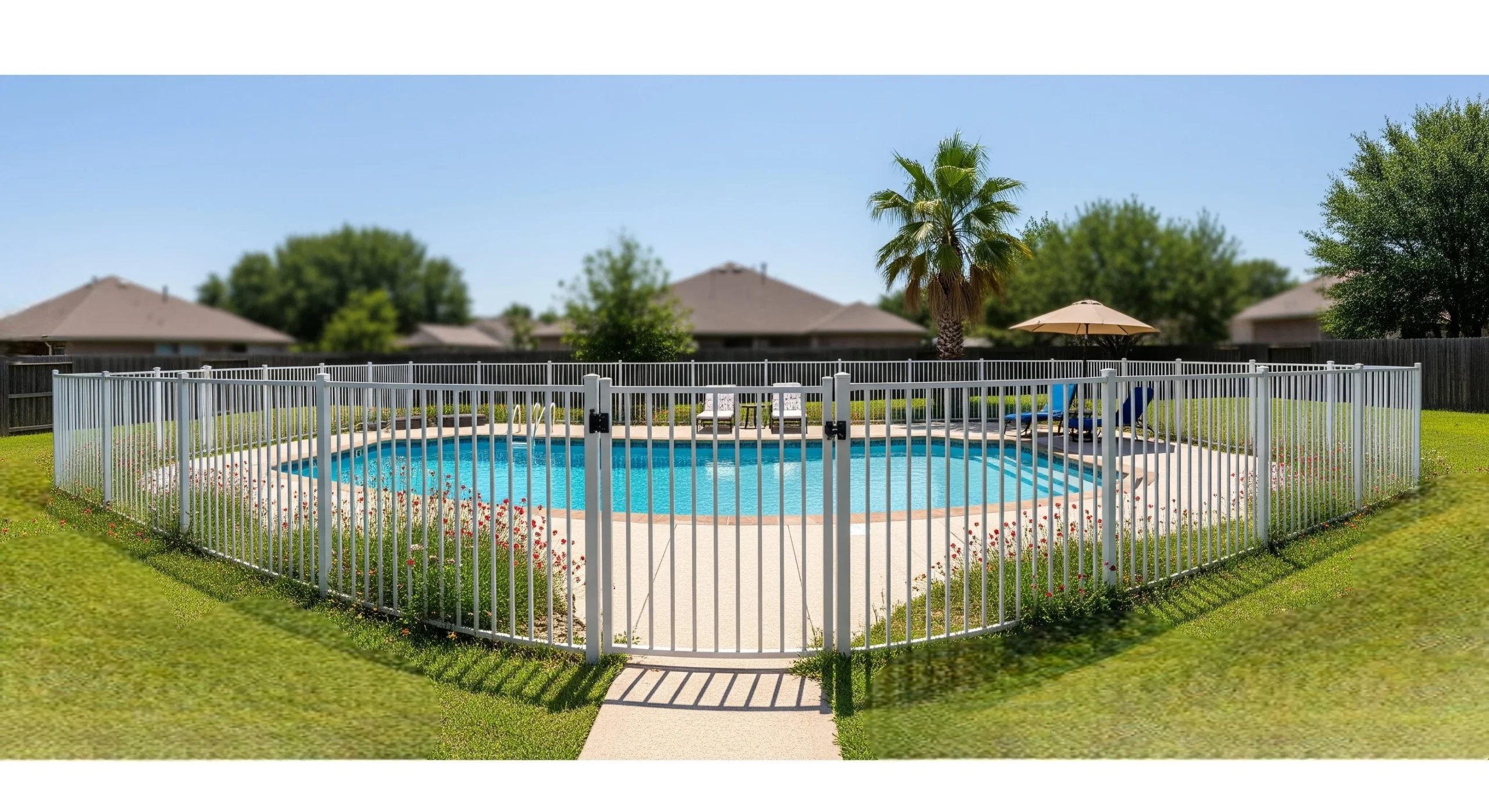
    For homes with a pool, safety codes are very specific. The fence must be at least 48 inches tall, and openings can’t be wider than four inches. Gates are required to be self-closing and self-latching. Inspectors do look for these details, and it’s one of the most common reasons a new fence gets flagged.

    HOA and neighborhood standards

    Many communities also have their own fence standards. These rules often set limits on height, materials, or even color. Checking your HOA’s paperwork before building can save time and help avoid costly changes later. It also ensures your fence design fits in with the rest of the neighborhood.

    Local installation experts

    Design is only half the job. A fence that isn’t installed properly won’t hold up against summer heat, storms, or shifting soil. Local contractors know the codes, the climate, and the most reliable materials. Companies like Cool Cat Fence provide residential and commercial services and can help balance design goals with the requirements that matter. Working with professionals makes the process smoother and ensures the finished product lasts.

    Budget and Maintenance Considerations

    Cost ranges in 2025

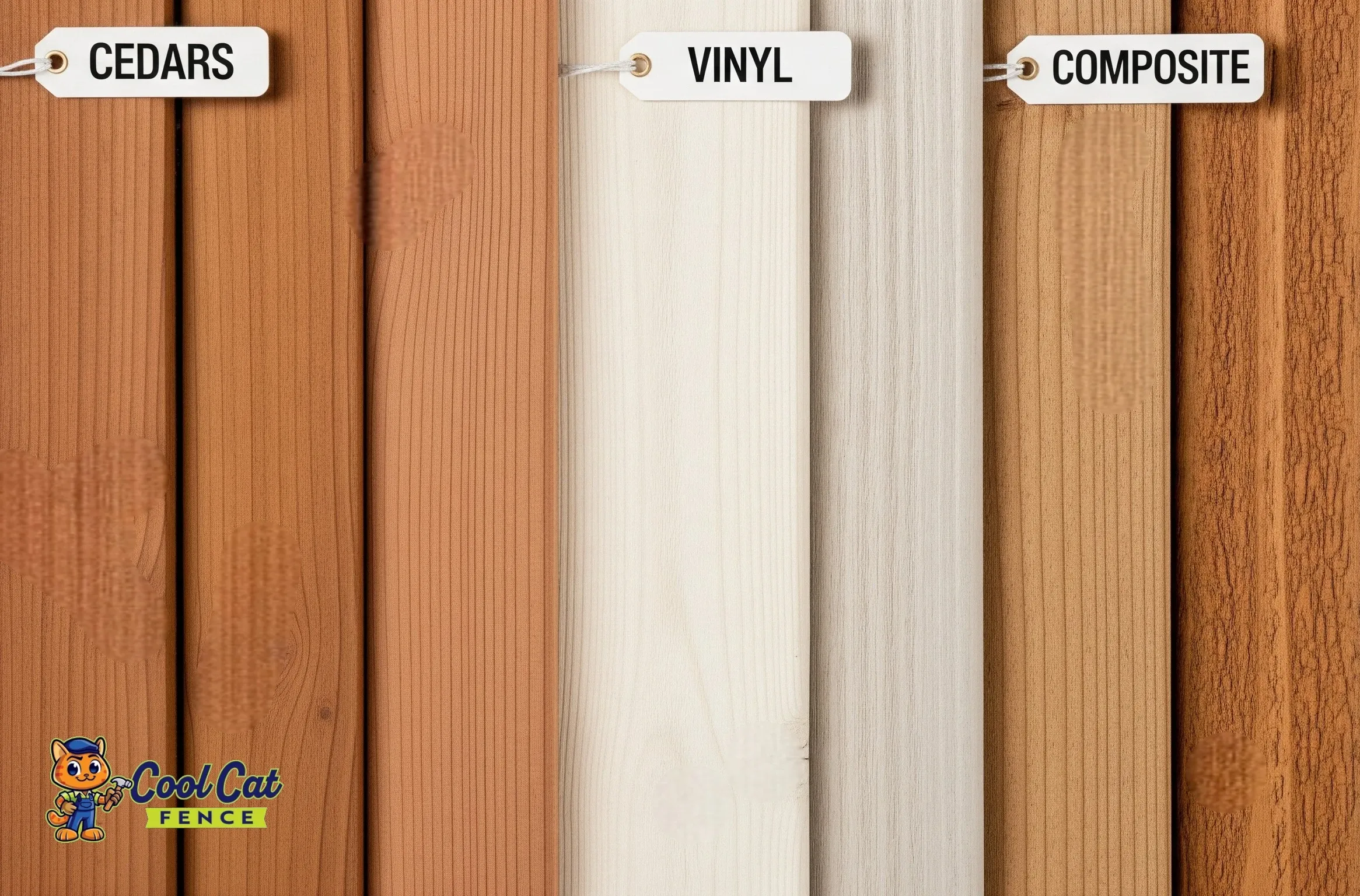
    Fence costs vary widely depending on material and design. A standard wood fence usually falls between $20 and $45 per linear foot, with cedar or redwood on the higher end. Vinyl runs a little more, typically $25 to $50 per foot, but it requires far less upkeep. Composite or hybrid designs, which blend wood with synthetic materials, can range from $35 to $60 per foot. While they cost more upfront, they’re built to last longer in the local climate and often look newer for years.

    Long-term maintenance needs

    Initial price is only part of the story. Wood fences need staining or sealing every few years to protect against sun and rain, which means regular time and expense. Vinyl and composites, on the other hand, need little more than the occasional rinse with a hose.

    Factoring upkeep into the budget helps homeowners see the real cost over time and decide whether it makes sense to spend more now for less maintenance later.

    Quick Checklist for Bringing Your Backyard Fence Ideas to Life

    • Start by asking what you really need the fence to do — give you privacy, add style, or just keep kids and pets safe.
    • Choose materials and a look that match your house and can handle the Texas weather.
    • Think about small upgrades, like adding lighting along the posts or planters that bring more green into the space.
    • Double-check city requirements and any neighborhood or HOA rules before breaking ground.
    • And finally, work with an installer who knows the local codes so the fence not only looks good but also lasts.

    Conclusion

    A backyard fence in 2025 is part of everyday living, not just a property line. Homeowners are using them to create privacy, cut down noise, and add design features that fit with the rest of the yard. From modern slat styles to eco-friendly panels and low-maintenance composites, there are options for nearly every budget and taste.

    When you balance the design you want with the practical side, such as permits, upkeep, and installation. The result is a fence that improves how your home looks and works for years to come.

  • A Look Inside the Outdoor Kingdom of Dak Prescott’s Prosper Estate

    Image source: Shutterstock

    In the affluent, ever-expanding suburbs north of Dallas, the town of Prosper, Texas, has become a magnet for the city’s elite, boasting large-scale properties that redefine residential luxury. Among its most notable residents is Dak Prescott, the quarterback and undisputed leader of the Dallas Cowboys. While his custom-built, 9,000‐square‐foot mansion is a marvel of modern design, the extensive outdoor complex truly establishes the estate as a private kingdom. This carefully planned oasis goes far beyond the well-publicized personal football field, revealing a resort-style environment built for both grand-scale entertaining and intimate private recuperation.

    The design of Prescott’s backyard reflects a broader architectural movement among high-profile figures. Recently highlighted by aerial views of Will Smith’s 150-acre California compound, this trend prompted internet users to question why celebrities create such isolated, self-contained worlds.

    Pursuing a space that offers absolute privacy and every conceivable amenity is the answer. These estates are not merely homes; they are custom resorts where every detail is tailored to the owner’s lifestyle, from professional-grade athletic facilities to serene relaxation zones. The Prescott property in Prosper is a prime example of this model. The lines between home, training facility, and five-star resort are purposefully blurred in this place. This trend is not isolated. From November 2023 to October 2024, the Dallas–Fort Worth metroplex saw 14% year-over-year growth in luxury home sales—nearly 5,000 homes priced at $1 million or more sold in that period, generating about $8.5 billion in transaction volume. That surge underscores the strength of the market for high-end, elaborate properties in the region.

    Beyond the Gridiron: The Architecture of a Modern Sanctuary

    While the regulation-size “D4K” branded football field is the estate’s most famous feature, the surrounding amenities complete its transformation into a comprehensive retreat. The design prioritizes smooth transitions between activity and leisure, creating distinct zones for different purposes while maintaining a unified look. This multi-function approach is essential for a modern athlete whose life blends intense physical demands with the need for mental rest and social connection.

    With Prescott confirming he is healthy and ready for training camp, the importance of a home environment supporting physical recovery and mental well-being ahead of a demanding season becomes clear. The estate’s layout facilitates this balance, offering spaces for rigorous workouts, quiet reflection, and lively social gatherings in equal measure.

    A Resort-Style Pool and Expansive Deck

    At the heart of the outdoor living space lies a colossal swimming pool, flanked by an expansive limestone deck and a dedicated cabana structure. This area accommodates large groups, with multiple covered lounge areas with high-quality, weather-resistant pieces. The choice of furniture is important in such a space, as seen in celebrity homes like Bruce Springsteen’s New Jersey estate, which features durable and stylish wicker armchairs.

    Design experts recommend high-quality rattan and similar materials made with PE synthetics, as they are among the most resistant options available and can withstand intense UV light and heavy rainfall. The pool is more than just a recreational feature; one report shows that homes with backyard pools command a substantial price premium—about 54% more than comparable homes without pools—demonstrating that even post-pandemic, swimming pools remain a major asset for property value. 

    The Ultimate Host: An Outdoor Kitchen and Bar

    Adjacent to the pool deck is a state-of-the-art outdoor kitchen and bar, underscoring the property’s role as an entertainment hub. This is not just a barbecue grill but a fully equipped culinary station featuring commercial-grade appliances, extensive stone countertops, several refrigeration units, and a full-service bar with built-in seating. Such a setup is ideal for hosting teammates, charity events, or large family gatherings, reflecting Prescott’s well-documented role as a team leader and an unofficial counselor in the locker room.

    The rising popularity of such amenities is reflected in the National Kitchen & Bath Association’s trends report, which ranks outdoor kitchens among the top ten most desired features in new home construction. This feature transforms the patio into a functional and luxurious extension of the main house, particularly suited for the Texas climate.

    The Grand Design: A Study in Luxury Hardscaping

    The architectural splendor of Prescott’s outdoor kingdom is anchored by its extensive and sophisticated use of hardscaping. Vast patios constructed from premium stone pavers connect the various zones—from the pool deck to the outdoor kitchen and fire pit areas. This network of walkways and terraces forms a unified and visually striking landscape, turning the entire backyard into a cohesive environment. The selected materials are key to this effect, likely involving high-end natural stone and porcelain pavers similar to those provided through exclusive collaborations. This investment in premium materials ensures durability and a timeless style worthy of a landmark property.

    This approach to landscape architecture is a hallmark of modern celebrity estates, where the grounds are curated as meticulously as the interior. The design achieves a sense of permanence and luxury that complements the main residence by choosing high-quality stone and pavers.

    The sheer scale of hardscape elements across a property—such as expansive patios, walkways, terraces, and event-ready outdoor surfaces—forms the foundation of multi-purpose estate design, offering durable, elegant spaces for sunbathing, entertaining, and large gatherings. This design principle is exemplified by celebrity estates like Will Smith’s 150-acre Calabasas property, where architect Stephen Samuelson was tasked with creating a secluded, sculpted environment that blends architecture, landscape, and privacy. The adobe-style residence spans 25,000 square feet and features meticulously crafted outdoor amenities—such as free-form pools, terraced patios, sports courts, walkways, a man-made lake, and structured grounds—demonstrating how extensive hardscaping provides functionality and aesthetic impact.

    The Practicality of Paradise: Maintaining a North Texas Oasis

    Owning a property in North Texas with such remarkable hardscaping presents unique maintenance challenges. While visually impressive, the large paver patios, stone walkways, and pool decking are constantly exposed to the region’s demanding climate, including blistering summer sun and heavy rainfall. Recent data from the National Centers for Environmental Information indicates that Texas experiences some of the most variable weather in the nation—including extreme fluctuations in temperature, heavy precipitation, high winds, and severe storms—which puts considerable stress on outdoor building materials. This ongoing exposure can lead to fading from UV rays, staining from organic matter, and potential damage from moisture penetrating porous stone, making proactive protection essential to preserving the property’s value and appearance.

    Property owners and managers often follow a rigorous maintenance schedule that includes professional cleaning and sealing to safeguard such an investment. Experts in hardscape preservation stress that sealing pavers is crucial in long-term care. A quality sealant gives the stones a fresh, wet look and provides a valuable protective barrier. This treatment helps prevent fading from sun exposure. It makes it easier to remove the dirt, grease, and grime that naturally accumulate in an active outdoor space, ensuring the surfaces remain pristine.

    Protecting these surfaces requires a balanced view of the benefits and drawbacks. For an estate designed with immaculate presentation in mind, such measures are not an extravagance but a necessity. The sealing pavers pros and cons are important considerations:

    ProsCons
    Prevents water intrusion and cracking from freeze-thaw cycles.Involves an initial expense for materials and professional application.
    Protects against UV fading and stains from grease or grime.Requires periodic re-application to maintain effectiveness.
    Inhibits the growth of weeds and mildew in the joints.Can make surfaces slippery if an unsuitable sealant is used.
    Enhances drainage and preserves structural integrity.Improper application can trap moisture, causing a cloudy finish.

    The long-term benefits of a high-value property are clear. An effective sealant penetrates the pores of the stone and the joints between them, preserving the hardscaping’s intricate design and durability for years to come.

    A Reflection of Status: The Celebrity Backyard Trend in DFW

    Dak Prescott’s outdoor sanctuary is a prime example of a larger trend dominating the luxury real estate market in the Dallas-Fort Worth area. High-profile athletes and executives increasingly commission homes with all-encompassing outdoor environments designed for sport, entertainment, and privacy. 

    These expansive backyards are far more than just a collection of amenities; they are statements of status and essential components of the modern celebrity lifestyle. They serve as private training grounds, secure retreats for family life away from the public eye, and impressive venues for hosting events that strengthen personal and professional relationships.

    For a figure like Prescott, who shoulders the weight of a franchise and has demonstrated deep community ties, his home is his fortress. It is a place to recover, strategize, and live, reinforcing that the ultimate luxury in today’s high-stakes sports environment is a private, precisely controlled setting.

  • Synthetic Vs. Natural Turf In Texas: What Works Best For DFW Homes?

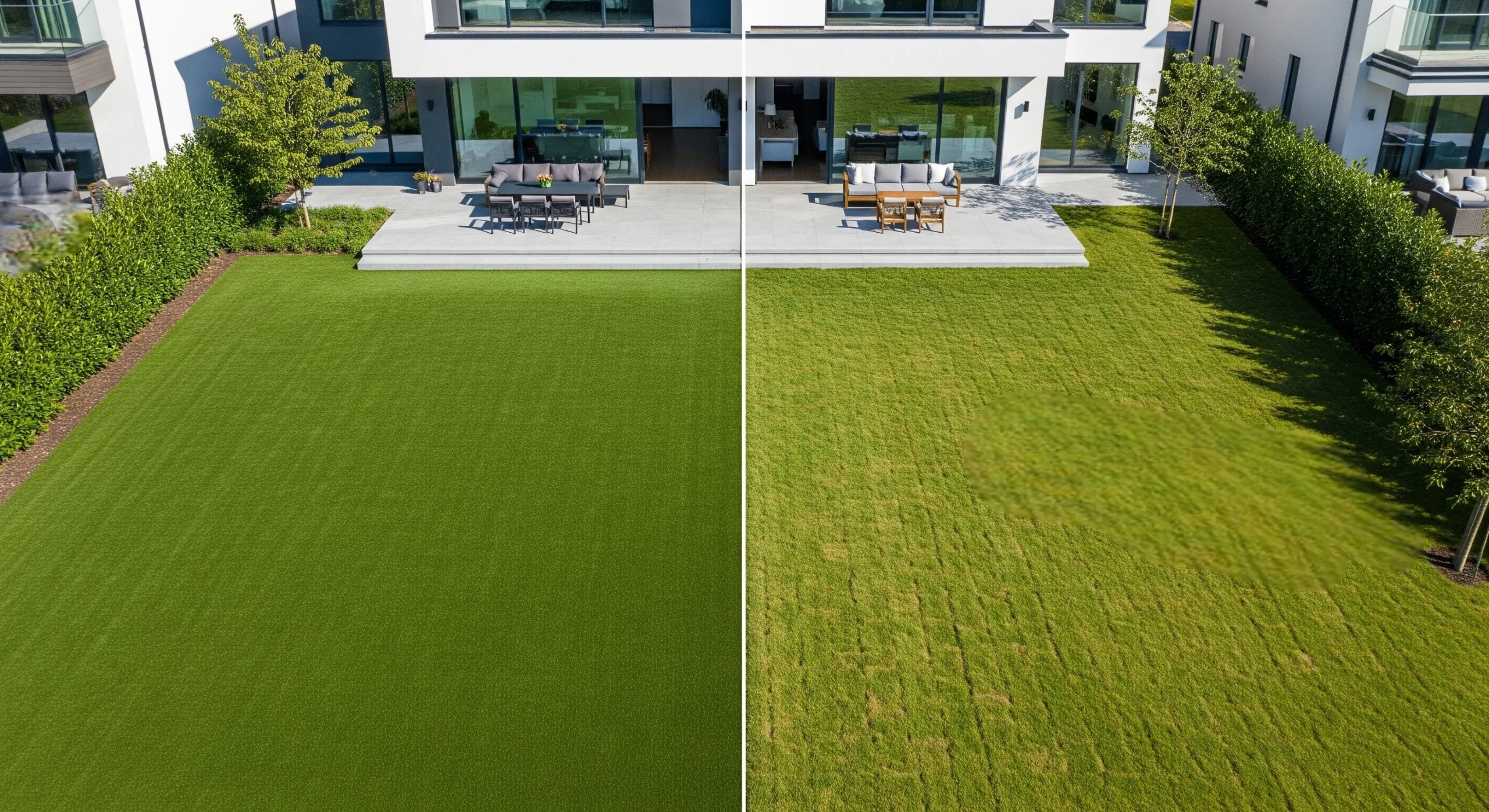
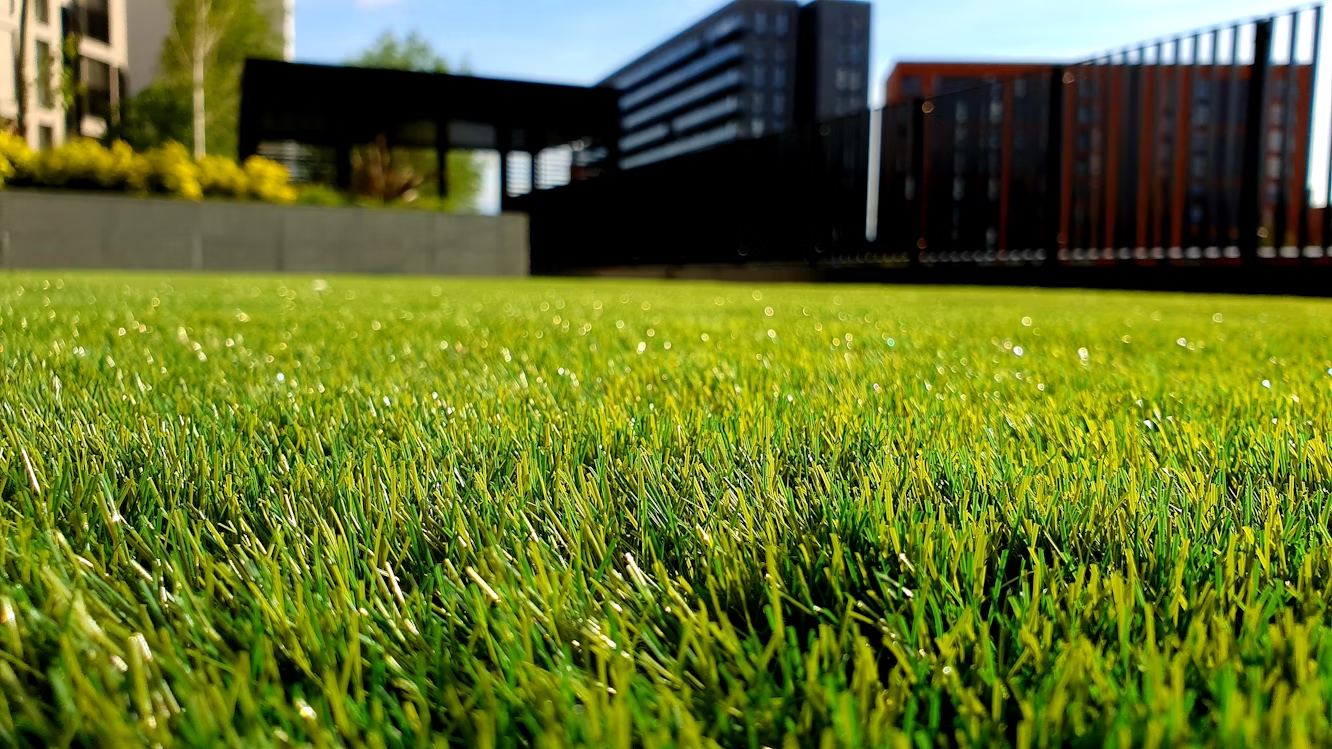
    Maintaining a green, lush lawn in Texas—especially the Dallas-Fort Worth (DFW) area—is no easy task. Intense summer heat, unpredictable rainfall, and water restrictions have made many homeowners reconsider their landscaping strategy. While traditional grass still appeals for its natural texture and environmental feel, synthetic turf has emerged as a water-wise, low-maintenance alternative. 

    Photo by Peter Burdon on Unsplash

    Each option has its strengths and drawbacks, and the best choice often depends on your priorities—durability, aesthetics, budget, and sustainability. This guide explores those trade-offs and highlights the top artificial turf installers transforming outdoor spaces in the DFW region.

    Leading Artificial Turf Installers Serving The Dfw Area

    Finding the right installer can make all the difference when switching to synthetic turf, and DFW boasts a strong market of experienced providers.

    DFW Turf Solutions

    DFW Turf Solutions serves homeowners across the Dallas-Fort Worth metroplex with high-quality synthetic grass systems that balance function, aesthetics, and sustainability. Their turf products are designed for long-term performance in local climates, with UV-resistant features that support various residential uses.

    ToughLawn

    ToughLawn specializes in pet- and kid-friendly turf systems across the greater DFW metroplex. Known for their work in Fort Worth and Arlington, they focus on turf types engineered for high activity areas such as playgrounds, dog runs, and sports courts. 

    Their synthetic grass includes UV stabilization technology to resist color fading, and their warranties offer peace of mind with up to 15 years of coverage. Their team also helps clients navigate HOA guidelines or local permits when needed.

    SYNLawn Texas

    As part of a nationwide franchise, SYNLawn brings patented turf technology and decades of R&D into local installations. Their showroom in Carrollton features everything from golf putting greens to rooftop grass systems. 

    They emphasize eco-friendly turf products that are 100% recyclable and lead-free, often appealing to environmentally conscious homeowners in neighborhoods like University Park or Highland Park. SYNLawn also partners with local architects and landscape designers to offer fully customized solutions.

    Weighing Synthetic Turf: The Pros For Dfw Homes

    With unpredictable weather patterns and increasing water bills, more North Texans are choosing synthetic turf—and for good reason.

    • Water Conservation: Artificial turf requires no irrigation, which can save thousands of gallons of water annually. For homeowners facing municipal restrictions during summer droughts, this is a major advantage.
    • Durability in Extreme Weather: Texas summers are notoriously harsh. Quality synthetic turf retains its shape and color despite long periods of sun exposure, while natural grass often wilts or browns under such conditions.
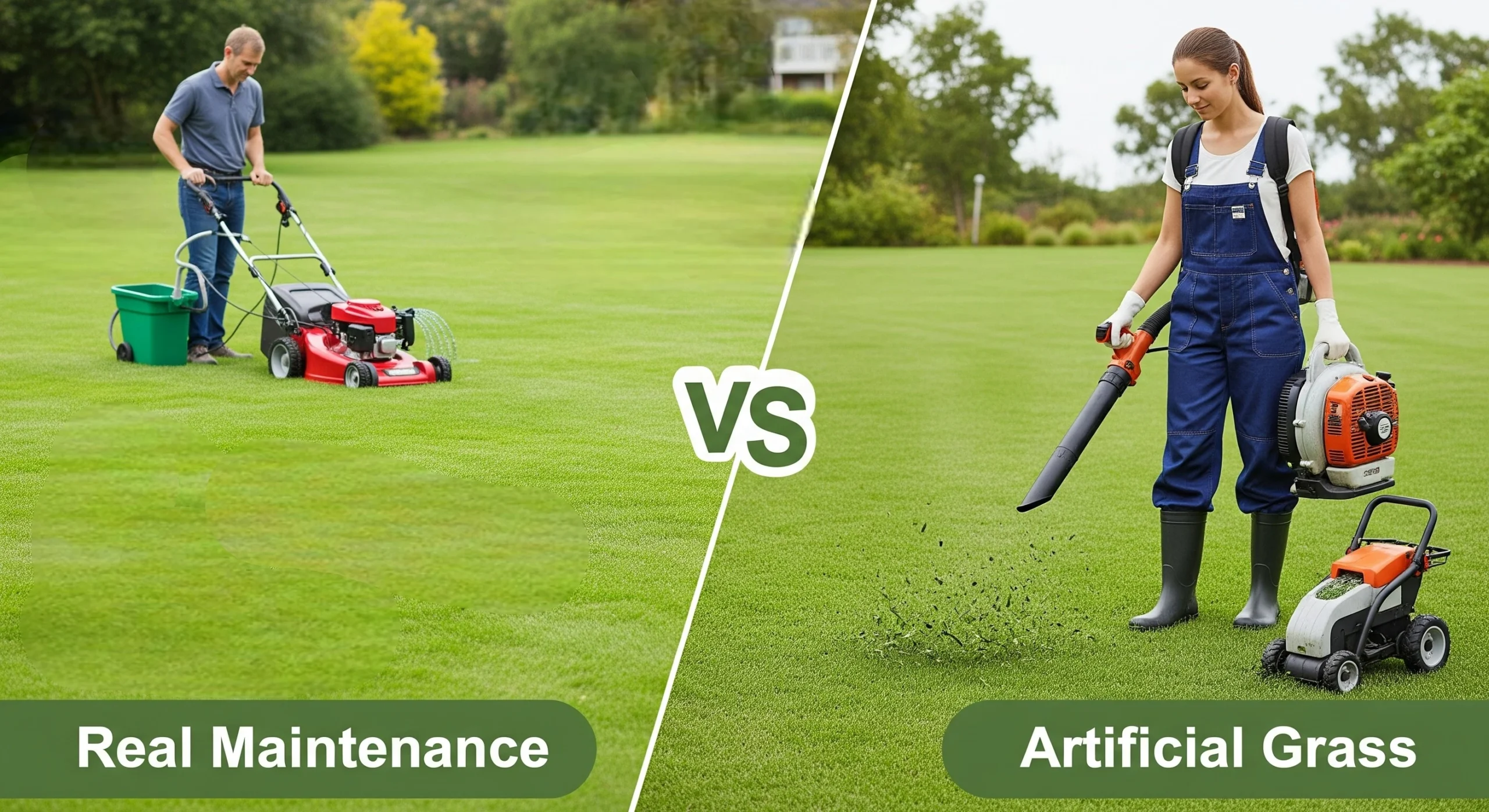
    • Low Maintenance: Say goodbye to weekly mowing, edging, fertilizing, or reseeding. Artificial turf eliminates most recurring lawn tasks and reduces the need for mowing, reseeding, and chemical treatments, saving time and lowering exposure to lawn chemicals, especially for families.
    • Cost Predictability: While synthetic turf has higher upfront costs, its long-term savings on water and maintenance are covered in more detail below.
    • Allergen Reduction: For allergy sufferers, synthetic lawns reduce exposure to pollen and mold. Families with children often find synthetic turf improves outdoor accessibility during allergy season.
    Photo by Nora Jane Long on Unsplash

    The Case For Natural Grass: Beauty And Biodiversity

    While synthetic lawns offer convenience, natural grass still holds strong appeal, especially for traditionalists and environmentalists.

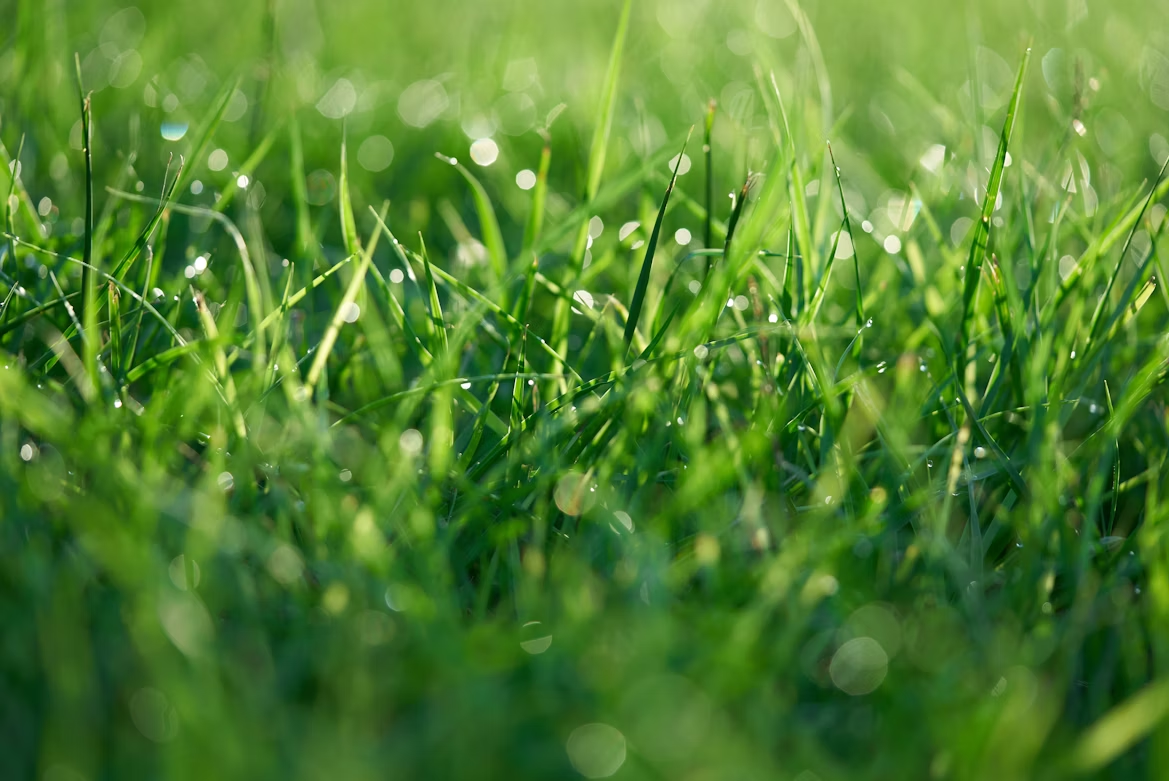
    • Aesthetic Softness: Nothing quite matches the feel and scent of freshly mowed grass. It creates a sensory experience that artificial alternatives simply can’t replicate. For homes with shaded lots or efficient sprinkler systems, keeping a lush lawn is more attainable.
    • Cooling Effect: Live grass helps cool its surroundings, creating a more comfortable microclimate—especially important for outdoor play or pets during hot Texas summers.
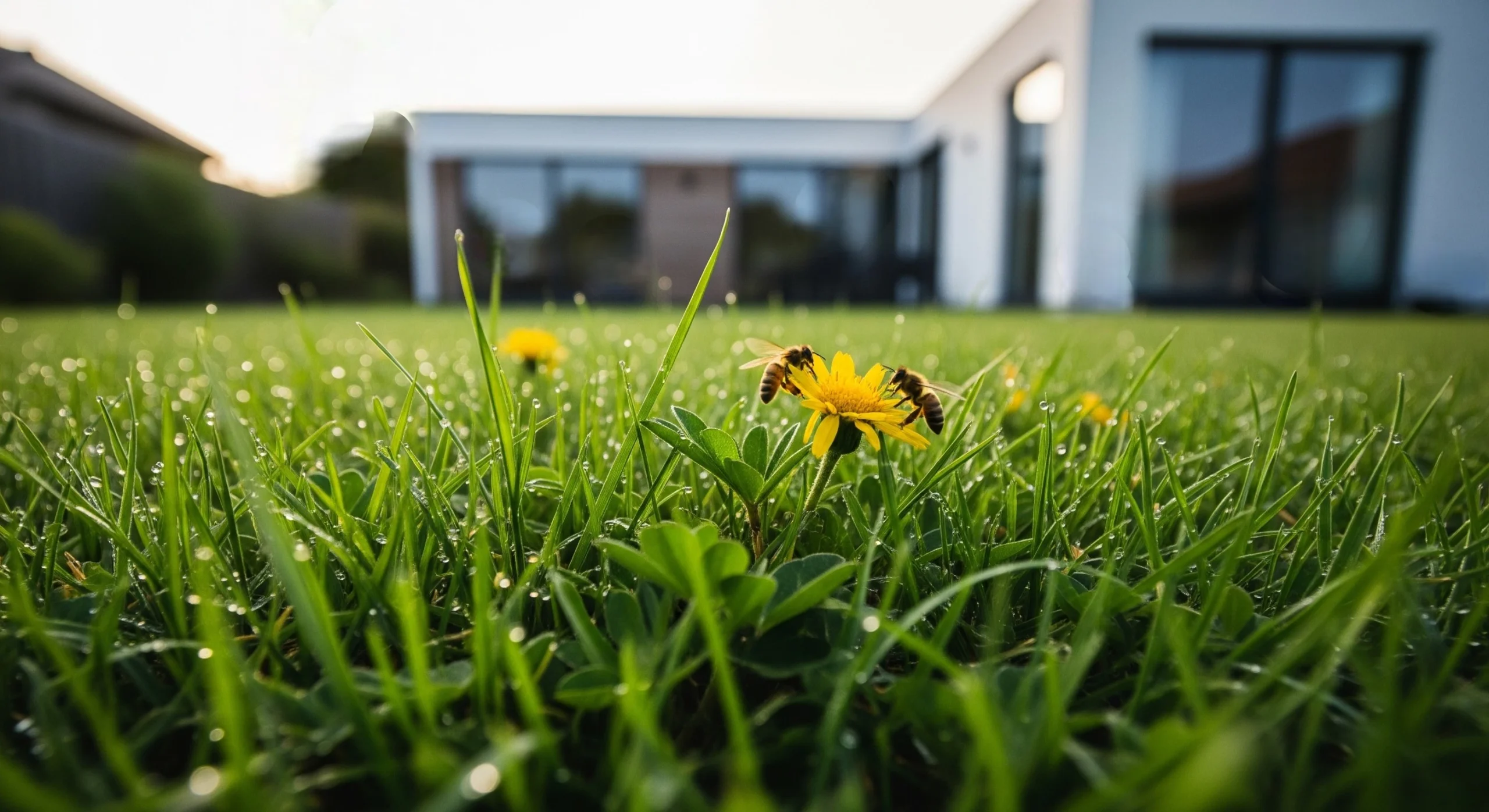
    • Ecological Role: Natural grass supports local biodiversity, including insects, birds, and microorganisms that artificial turf displaces. For homeowners interested in pollinator-friendly gardening, a live lawn complements native plants and rain gardens.
    • Initial Cost Advantage: Installing sod is generally cheaper upfront, with prices between $1 to $3 per square foot. While it requires ongoing maintenance, it’s less of a financial hit than synthetic turf at the outset.
    • Soil Health and Permeability: Grass-covered soil promotes water infiltration and reduces runoff, helping recharge aquifers. Artificial turf can sometimes interfere with natural drainage unless specially designed sublayers are installed.

    Real Costs Of Installation And Ownership In Dfw

    Cost is one of the biggest factors in choosing between synthetic and natural turf, and understanding the true lifetime cost matters for making the right decision.

    • Synthetic Turf: As mentioned, the installation typically ranges between $8 to $15 per square foot in DFW, including site prep, base layers, and infill. A 1,000-square-foot lawn could cost $10,000 or more. However, the turf lasts up to 20 years with minimal upkeep. The absence of water bills, fertilizers, and lawn services gradually balances out the high initial expense.
    • Natural Grass: Installing new sod will cost $1,500 to $3,000 for the same area. But monthly costs add up—expect to spend $150–$300 monthly on water, fertilizer, mowing, and other care during peak seasons. If patching, reseeding, or pest control becomes necessary, that number grows. Over 10 years, natural grass can actually exceed synthetic turf in cumulative cost.

    Environmental And Safety Considerations For Texas Yards

    Homeowners today aren’t just thinking about aesthetics or cost—they also care about environmental footprint and safety, especially for kids and pets.

    • Artificial Turf: Critics argue that artificial turf contributes to urban heat islands and doesn’t biodegrade at end-of-life. However, many Texas-based providers now use recyclable, non-toxic materials and infills such as coconut fiber or walnut shell blends to reduce heat buildup. When installed with proper drainage layers, it can also mitigate runoff and flooding risks in urban neighborhoods.
    • Natural Grass: While eco-friendly in many ways, conventional lawn care often involves chemical fertilizers and pesticides that pose runoff and health risks. More sustainable practices, such as xeriscaping or integrating native grass species like buffalo grass or Zoysia, help reduce water use and pollution.
    Photo by Petar Tonchev on Unsplash

    Wrapping Up

    For homeowners exploring alternatives beyond turf, Texas native groundcovers like horseherb, frogfruit, and silver ponyfoot are gaining popularity as low-maintenance, drought-tolerant options. 

    These living carpets require less water than grass, support local pollinators, and thrive in both sun and shade. Whether you’re leaning synthetic or natural, expanding your landscaping palette could be the smartest move for long-term beauty and resilience in the DFW climate.

  • Boost Your Property’s Value With These 9 Stunning Landscaping Ideas

    Landscaping is more than just making your yard look pretty; it can significantly boost the value of your property. It plays a vital role in how potential buyers and guests perceive your property. It’s a simple fact: curb appeal matters, and investing in landscaping can yield a fantastic return on investment.

    In this article, we’ll explore nine landscaping ideas that can transform your property and increase its value. 

    1. Create a Welcoming Entrance

    First impressions are everything, and the entrance to your home sets the tone for the rest of your property. A well-designed and maintained entryway gives off an immediate sense of warmth and care.

    • Add a Decorative Front Door: A fresh coat of paint or a unique design on your front door can immediately make your home feel more inviting. Consider bold colors that complement the rest of your home’s exterior.
    • Install Pathways and Lighting: Simple stone pathways or a paved walkway can add a charming and welcoming touch. Install lights along the path to make the entrance stand out even at night.
    • Add Potted Plants or Flower Boxes: Decorative plants at the entrance make it feel lively and welcoming. Use a mix of seasonal flowers or low-maintenance plants that add color and texture.

    2. Build A Stunning Garden Area

    A well-maintained garden brings beauty, color, and freshness to your property. Gardens add life to your space and can be a major selling point for potential buyers who enjoy outdoor activities.

    • Plant a Variety of Flowers and Shrubs: Include a variety of flowers that bloom throughout the year to ensure constant color. Pair these with evergreen shrubs to create a balance of colors in every season.
    • Use Raised Beds: Raised garden beds are a great way to add visual interest while also improving soil quality. These structures help create an organized and well-kept appearance.
    • Incorporate Native Plants: Native plants are not only beautiful but also low-maintenance. They are well-suited to the local climate and attract wildlife, such as butterflies and birds.

    3. Add Water Features To Your Landscape

    Water features are an exceptional way to create a peaceful ambiance in your outdoor space. They can add a touch of luxury and calmness to your landscape, and there are a variety of styles to choose from.

    • Install a Fountain: A fountain can bring a sense of tranquility with the soothing sound of running water. For ponds or larger water features, floating fountains add graceful spray patterns while improving water circulation and visual appeal.
    • Create a Pond: Adding a pond with koi fish or water lilies creates an elegant and serene atmosphere. Ponds are often the centerpiece of a landscape, making them a great way to attract attention.
    • Get Quality pond kits: If you’re thinking about adding a pond, consider pond kits from Your Pond Pros. These kits have everything you need to create a stunning water feature, including filtration systems and pumps.

    4. Plant Trees For Shade And Beauty

    Trees are a valuable addition to any landscape. They provide shade, improve air quality, and add long-term value to your property.

    • Plant Shade Trees: Plant trees that provide shade in your backyard. Large trees, such as oaks and maples, can help cool your home in the summer and reduce energy bills.
    • Use Ornamental Trees: Consider planting ornamental trees that bloom seasonally for added beauty. Trees like dogwoods or cherry blossoms add stunning color to your landscape.
    • Plant Fruit Trees: Fruit trees like apple, peach, or lemon trees not only provide shade but also the potential for fresh, homegrown fruit. These trees are perfect for a functional and beautiful landscape.

    5. Create Defined Outdoor Living Spaces

    Defined outdoor living spaces extend your home’s usable square footage and offer a great way to entertain and relax.

    • Build a Deck or Patio: A well-built deck or patio gives you a designated outdoor space for dining, lounging, or entertaining guests. You can personalize this area with comfortable furniture and accessories.
    • Install a Fire Pit: Fire pits add warmth and ambiance to your outdoor space. They are great for socializing and can be used year-round for cozy evenings under the stars.
    • Add Outdoor Kitchens or Bars: Consider installing an outdoor kitchen or bar if you enjoy cooking or entertaining. These features create a functional space that allows you to host barbecues and parties without leaving the comfort of your yard.

    6. Improve Lawn Care And Maintenance

    A well-maintained lawn is one of the easiest ways to enhance your property’s curb appeal. A lush, green lawn shows that you care about your property and invest in keeping it in good shape.

    • Regular Mowing And Trimming: Keep your lawn neat by mowing it regularly and trimming the edges. A manicured lawn helps create a polished look that appeals to potential buyers.
    • Fertilize And Water Consistently: Fertilize your lawn to ensure it stays healthy and vibrant. Consistent watering and proper drainage are key to maintaining a thick, green lawn.
    • Add Sod or Grass Seed: If your lawn has bare patches, consider laying down sod or seeding the area. This will help fill in any gaps and create a lush, full lawn.

    7. Use Colorful And Creative Outdoor Lighting

    Outdoor lighting doesn’t just serve a functional purpose; it also adds drama and appeal to your property. It can make your home look more inviting and highlight the best features of your landscape.

    • Install Landscape Lights: Use low-voltage landscape lighting to illuminate paths, gardens, and trees. This will not only improve safety but also enhance the beauty of your property at night.
    • Add Spotlights for Trees or Water Features: Spotlights can highlight trees, sculptures, or water features, creating a dramatic focal point after dark.
    • Use String Lights: String lights are an easy and inexpensive way to create a cozy, magical atmosphere in your yard. Hang them along fences, around decks, or over patios for a whimsical feel.

    8. Create A Sustainable Landscape

    Sustainability is more important than ever, and creating a sustainable landscape is good for the environment. However, it can also be appealing to potential buyers who value eco-friendly practices.

    • Use Native Plants: Native plants require less water and maintenance, making them perfect for creating a sustainable landscape. They’re also well-suited to your local climate and attract pollinators.
    • Install a Rain Garden: A rain garden helps manage stormwater runoff while adding beauty to your landscape. These gardens collect rainwater and allow it to soak into the ground, reducing the need for irrigation.
    • Utilize Xeriscaping: Xeriscaping uses drought-tolerant plants and minimizes water use. This landscaping technique is especially beneficial in areas with water restrictions or dry climates.

    9. Add Fencing Or Privacy Screens

    Fencing and privacy screens offer both security and aesthetic value to your property. They can also help create a sense of enclosure and privacy, which is highly desirable for many homeowners.

    • Install a Decorative Fence: A decorative fence adds charm to your property while providing privacy. Choose materials like wood, vinyl, or wrought iron that complement your landscape.
    • Use Lattice or Bamboo Screens: For a more modern look, consider using lattice or bamboo screens. These elements can add texture and style while still offering a level of privacy.
    • Create Natural Barriers with Hedges: Planting dense hedges along the perimeter of your yard can serve as a natural privacy screen. They also enhance the overall appearance of your landscape.

    Conclusion

    By implementing these nine landscaping ideas, you can make your property stand out and increase its value. Whether you’re looking to sell or just improve your outdoor space, these ideas will help you create a stunning and functional landscape that appeals to buyers and visitors alike.

  • Custom Features for Your Washington Deck: Built-in Seating, Planters & More

    Source: facebook.com

    A deck is more than just an outdoor area; it’s also a comfortable spot to enjoy nature, spend time with family, or entertain friends. Seating, lighting, plants, and built-in storage can all help to enhance both comfort and style. Here’s how you can personalize your deck to create a one-of-a-kind outdoor retreat.

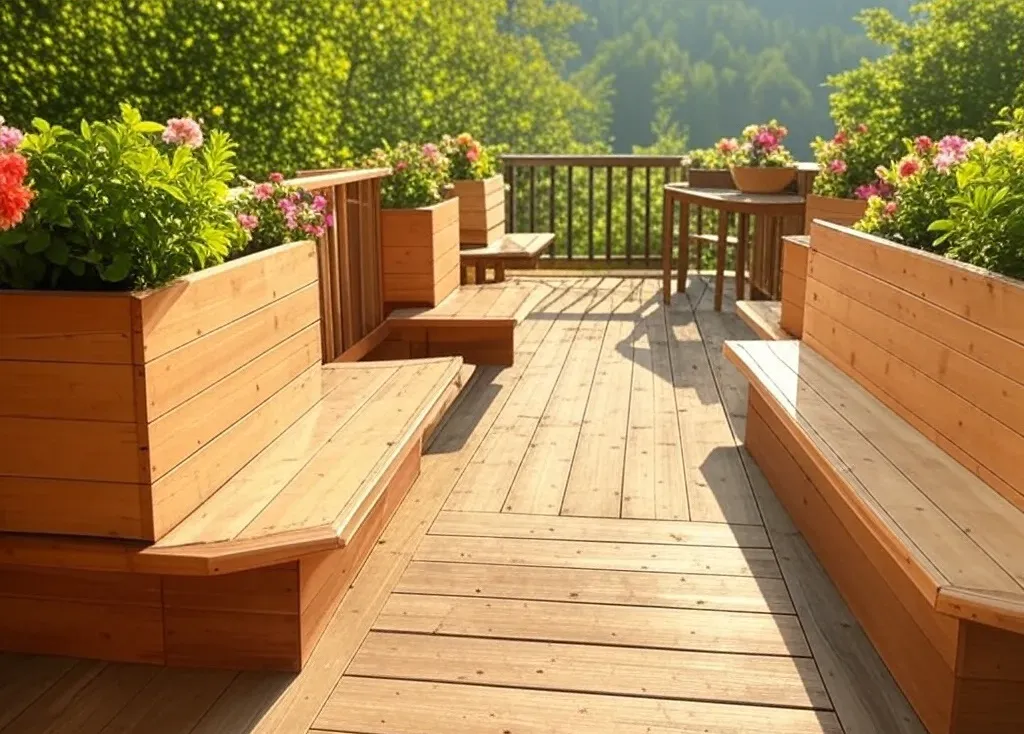
    1. Built-in Seating is both comfortable and space-saving

    A built-in bench keeps your deck organized and comfortable without the need for extra furniture. Ideal for relaxing or entertaining guests.

    • Long Bench: Use the deck’s edge to maximize seating.
    • Corner Bench: The L-shaped design creates a more intimate setting.
    • Bench with Storage: Extra space for storing pillows, gardening tools, or outdoor supplies.

    2. Built-in Planters: Aesthetic and Privacy

    Plants can enhance your deck and create a natural divider.

    • Raised Planter Box: Creates the appearance of a small garden on your deck.
    • Tiered Planters: Add visual depth and color variety.
    • Privacy Planters: Plant bamboo or decorative grasses to create a natural screen between you and your neighbors.

    3. Deck Lighting: Warm and Functional

    The right lighting makes your deck comfortable to use at any time.

    • Staircase Lights: Provide safety and a modern look.
    • Deck Post Lights: Offer soft lighting along the railings.
    • Under-Bench Lighting: A stylish touch that adds a welcoming ambiance.
    • String Lights: Create a casual, festive atmosphere perfect for social gatherings.

    4. Outdoor Kitchen and Bar: Enjoy outdoor dining

    Add a kitchen or bar for a more convenient and seamless dining experience.

    • Built-in Grill: Cooking space with a prep counter.
    • Mini Fridge and Sink: Easily access drinks and clean up after meals.
    • Bar Table: A cozy spot for sharing meals and drinks with guests.

    5. Fire Feature: Provides warmth and ambiance

    A fire pit or fireplace keeps your deck warm on chilly evenings or cooler seasons.

    • Fire Table: A multipurpose centerpiece and source of warmth.
    • Built-in Fireplace: Creates an elegant focal point.
    • Gas Fireplaces: A modern, smokeless option.

    6. Hidden Storage: Keeps your deck tidy and functional

    Make use of hidden spaces to store outdoor equipment.

    • Bench with Storage: Combines seating and storage in one.
    • Underdeck Space: Extra room for outdoor gear.
    • Hidden Trash Can: Keeps the deck clean without sacrificing style.

      Final Thoughts

      Adding personalized elements to your deck enhances not only its design but also its comfort and functionality. Whether it’s built-in seating, planters, or a fire pit, the right design will make your deck more suited for your Washington lifestyle and climate. If you’re planning to build or remodel a deck, work with a professional contractor to ensure a comfortable and practical outdoor space.