Tag: Australia Real Estate

  • 9 Important Things to Do Before Buying Property in Australia

    If you want to buy property in Australia and have found your dream home, don’t rush into signing the contract. There are certain steps you can take to avoid future complications.

    Without proper planning, your home can become a financial burden. such as facing hidden costs, ownership concerns, and costly unplanned maintenance can all be stumbling barriers. To avoid this, the following are nine crucial procedures before purchasing property in Australia.

    1. Check Your Finances

    Before purchasing, take a close look at your finances. Check your credit score, calculate your income, and determine how much you can comfortably afford. In Australia, your credit history plays a significant role in securing a home loan with a favourable interest rate.

    2. Set a Realistic Budget

    Don’t just consider the price of the house. Also factor in property taxes, insurance premiums, strata fees (if buying an apartment), and ongoing maintenance costs. Also factor in conveyancing fees and property transfer fees (stamp duty), which can vary by state. If purchasing a strata-titled property, consider the quality of the strata management, as poor management can lead to higher fees and unexpected costs in the future.

    3. Get a Home Loan Pre-Approval

    Applying for a pre-approval from a bank or financial institution will give you a clear picture of the price range of the home you can purchase. It also shows the seller that you are serious and have sufficient funds.

    4. Research the Location and Surrounding Area

    Location is a key factor in property investment. Make sure it is good access to public transport, as well as amenities such as schools and hospitals, and consider the potential for property value growth in the area. Also, research the potential for property value growth and understand local zoning regulations and future development plans.

    5. Hire an Experienced Real Estate Agent

    Hiring a real estate agent, especially a buyer’s agent, can be extremely helpful. They can find you a property that suits your needs and negotiate the best price.

    6. Conduct a Thorough Property Inspection

    Before buying, schedule a building and pest inspection, and check the property’s structural integrity, electrical system, plumbing, and any signs of termites, especially in older homes.

    7. Review the Property’s Legal Documents

    Make sure the property has clear title and is free from legal issues such as caveats or easements that could limit land use. If purchasing an apartment or unit, review the strata report to understand the community rules and applicable strata fees. It is advisable to consult a local conveyancing expert to ensure all legal aspects are thoroughly checked before proceeding with the purchase.

    8. Calculate Additional Costs and Closing Costs

    You also need to calculate other expenses such as stamp duty, legal fees, conveyancing fees, and property lawyer fees. Stamp duty in Australia can reach tens of thousands of dollars depending on the property price and location.

    9. Plan for the Long Term

    Are you buying to live in or as an investment? If for investment, consider factors such as rental demand, capital growth, and potential changes in property tax regulations in the future.

    Buying property in Australia requires research, patience, and a strategic approach. By following the steps above, you can ensure that the home you purchase is truly a comfortable place to live or a profitable investment.

  • Real Estate Owners in Sydney: Fast and Affordable Rubbish Removal

    Source: yelp.com

    Getting rid of junk can be a pain for homeowners and real estate agents trying to sell. Junk from garden waste removal, renovations, demolitions, or old tenants can mess up a sale, bring down the value, or even cause safety issues. That’s why you need a fast, affordable, and reliable junk removal service to get your home ready to sell.

    Residential and Commercial Cleaning Strategies

    We understand property owners and realtors often have busy lives with deadlines but still want their properties in top condition. In these situations, cleaning services are the solution to tackle those problems.

    Tip for you:

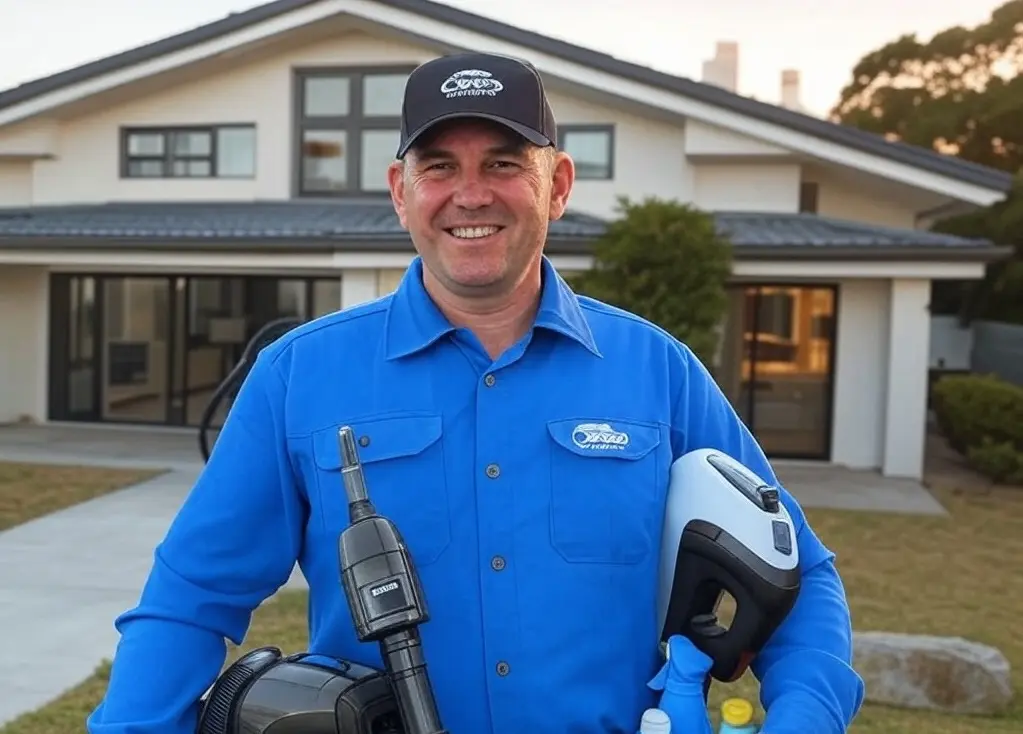
    • Use Professional Services: Hire a licensed, insured professional to get rid of construction materials, furniture, electronics, and hazardous stuff like chemicals and paint, All while following local rules like building codes, health regulations, and EPA NSW guidelines for hazardous materials.
    • Initial Planning: Before getting started, do a full walkthrough of the property. Figure out the type, amount, and any hazardous stuff like chemicals, paint, or sharp objects. Set a clear plan, including the budget and schedule.
    • Sorting and Packing: Sort items into categories. Set aside valuables, important papers, and keepsakes. Donate furniture, clothes, or appliances that still work. Paper, cardboard, plastic, metal, and glass can be recycled, but toss everything else that can’t be donated or recycled. Get rid of hazardous materials like paint, solvents, batteries, and pesticides safely. Use labeled boxes to make sorting easier.

    Available Waste Disposal Options

    There are different ways to dispose of waste, each with its pros and cons. Availability and details can vary by location, so it’s a good idea to ask about it in Sydney.

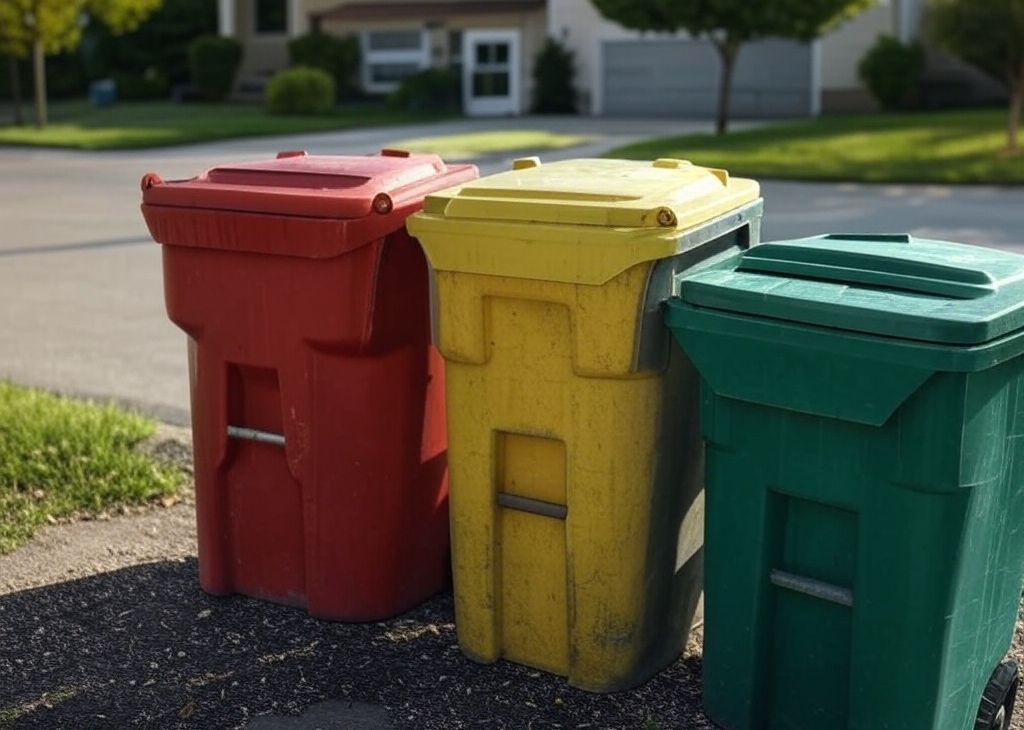
    • Council Waste Collection: This is the usual option for general household waste. You’re typically given a set of color-coded bins for different types of trash (general, recycling, organics). Sydney City Council usually has regular pickups, but there are limits on bulky and hard waste.
    • Hard Rubbish Collection: Councils in Sydney generally offer scheduled or request-on-demand bulk rubbish collections. They consist of things that won’t fit in regular bins, such as furniture, mattresses and electrical appliances. There is a difference in the regulations and timetables for each council, so please refer to your council website for more details.
    • Skip Bin Hire: Hiring skip bins is ideal for renovations, large clean-ups and construction projects. You can hire skip bins from private companies, fill them yourself and they will take them away. Skip bins come in a range of sizes, from small (around 2 cubic metres) to very large (over 10 cubic metres). If you plan to place your skip bin on a street or public area, you may need permission from council.

    Cost and Efficiency Considerations

    • Compare Quotes: Get quotes from different service providers. Check prices, what’s included (like on-site sorting), any hidden fees like extra weight charges, and don’t forget to look at their cancellation policies.
    • Consider the Volume and Type of Waste: Disposal costs can vary a lot depending on the amount, usually measured in cubic meters, and the type of waste, like general, green, construction, or hazardous.
    • Effective Scheduling: Plan cleaning and junk removal so they don’t cause any disruptions, especially if the property is rented out or being prepared for sale.
    • Recycle and Donate: This can cut disposal costs, help the environment, and even give you tax benefits if you donate items to a registered charity.

    Different Situations in Property Cleaning

    • Cleaning After a Tenant Moves Out: Do a full inspection, clean, and make repairs, like painting, small fixes, and carpet cleaning. Get rid of anything the tenant left behind following local tenancy laws.
    • Cleaning After an Eviction or Lender Sale: Follow the right legal procedures, handle personal belongings carefully as per the rules, and clean the property thoroughly to boost its resale value.
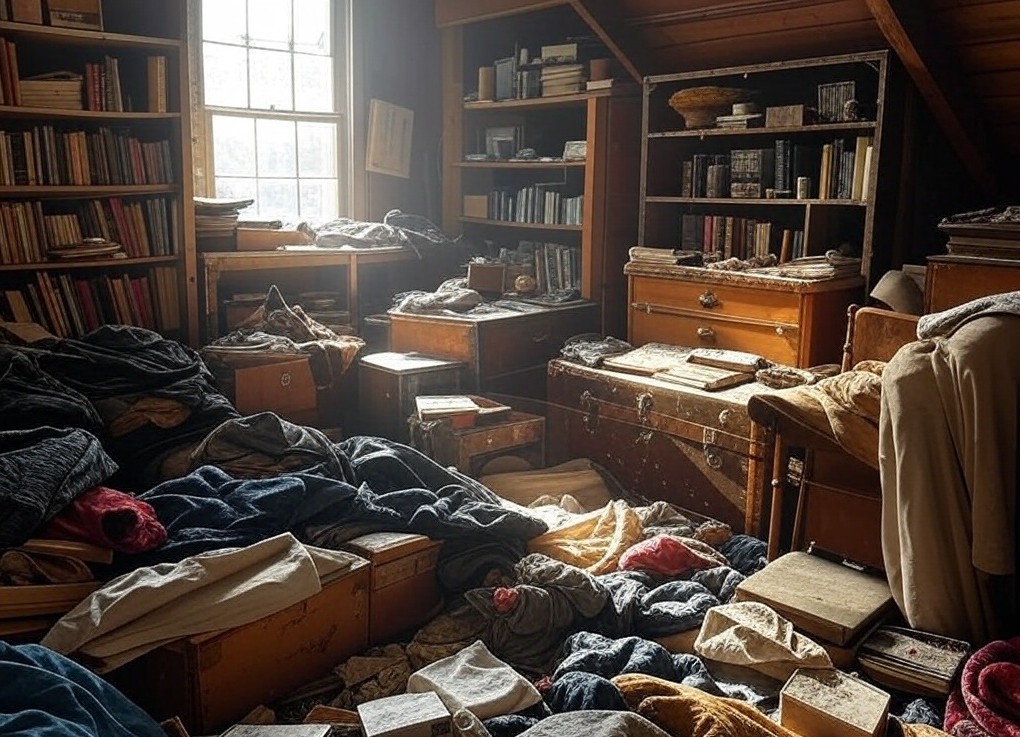
    • Attic and Garage Cleanout: Go through what to keep, donate, recycle, or toss. You might also want to sell things that are still in good shape.

    Benefits of Managing Property Waste Properly

    • Boost Property Value: A clean, junk-free property looks better to buyers or tenants.
    • Speed Up Sales/Rentals: In real estate, time is money. A quick cleanup helps you get your property on the market faster.
    • Reduce Risks: Piles of junk can be a fire hazard, attract pests, and lead to legal trouble.
    • Improve Your Professional Image: Show that you’re serious about taking care of your property.
    • Stay Compliant: Make sure you’re following all local laws and regulations about waste disposal.

    Managing property waste is an important but regular task. With good planning, smart methods, and knowing your disposal options, you can handle it right, boost your property’s value and appearance, and stay within the rules. If needed, professional help is always available. Learn more at Dirt Cheap Rubbish Removal for all your disposal needs in Sydney.