It’s a scene every New Yorker dreads: you step outside your apartment to take out the trash or grab a delivery, and just like that, the door clicks shut behind you. No keys, no phone, no way back in. Being locked out of an apartment NYC style is an all-too-common urban rite of passage. It doesn’t matter if you live in a pre-war walk-up or a luxury high-rise, lockouts can and do happen to anyone, often at the worst possible moment.
The panic hits quickly. Do you buzz the neighbors? Try the fire escape? Call your super? In the rush to fix it, people often make costly mistakes. But the truth is, getting back into your place doesn’t have to be a disaster, if you handle it wisely. Here’s a clear, step-by-step guide on exactly what to do (and what not to do) when you find yourself locked out in NYC.
Stay Calm and Assess the Situation

The first step is deceptively simple: stay calm. When you realize you’re locked out, adrenaline spikes and logic often flies out the window. But panicking won’t help you think clearly or solve the issue faster. Take a deep breath and assess your surroundings. Are you completely locked out, or is there a chance a roommate, doorman, or neighbor might be able to help?
If you live in a building with a doorman, head there first. Many buildings keep a spare key for emergencies or have access to a master key system. If your super is on-site or lives nearby, they may be able to help you out quickly. For walk-ups or older buildings without staff, think through your connections. Is there someone nearby who has a copy of your key? Sometimes the solution is closer than you think and free.
Seriously, Don’t Try to Break In
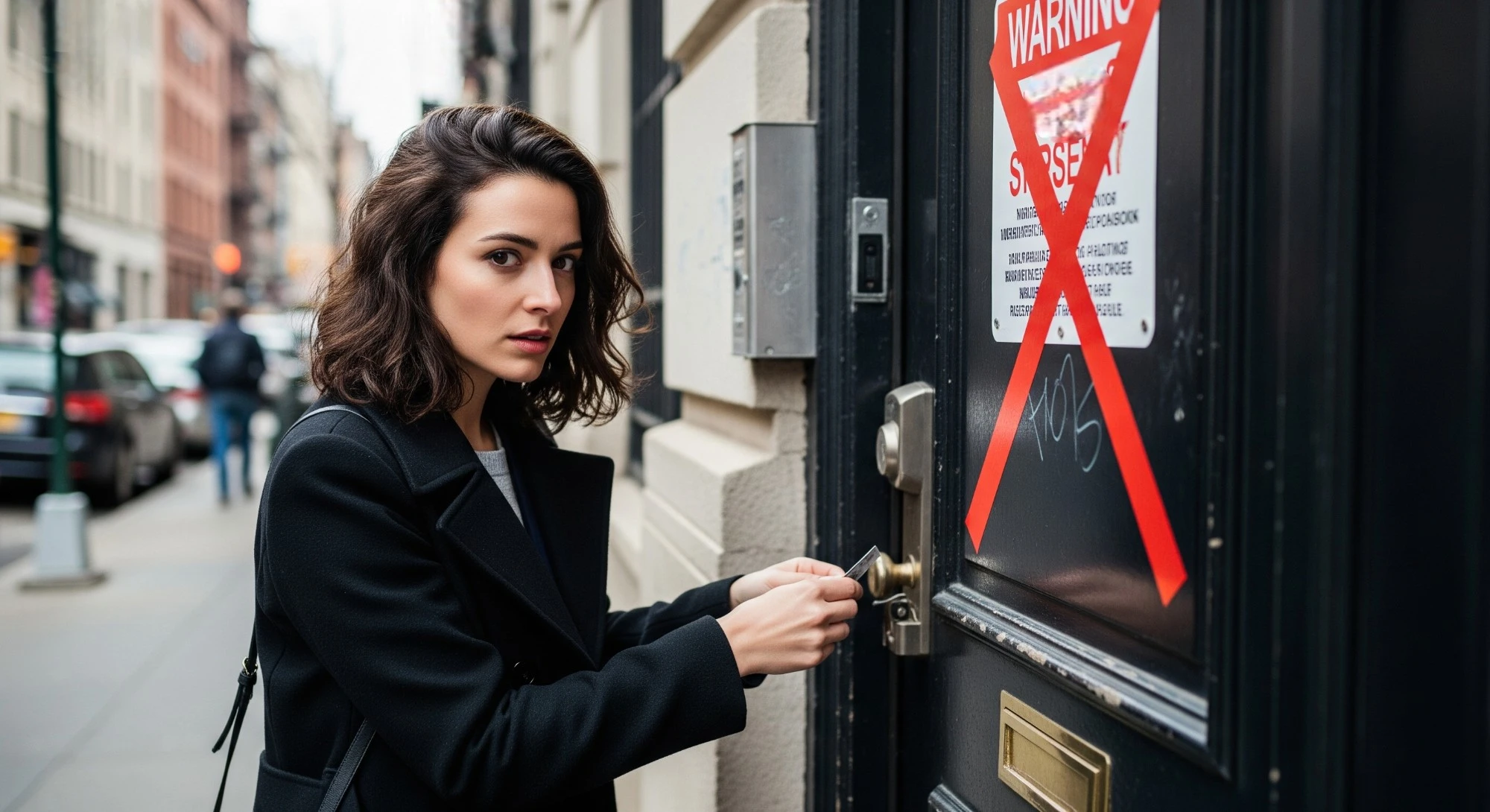
It may be tempting to channel your inner spy and try to pick the lock or push a credit card between the door and frame. Don’t even try. Those DIY tricks may work in movies, but in real life, they almost always end in damage. You could bend the door, break the frame, or scratch the lock mechanism, leading to repair costs that far exceed what you’d pay a professional. Even worse, someone could mistake you for an intruder, which introduces a whole new set of problems you don’t want to deal with in New York.
Climbing fire escapes, shimmying through windows, or trying to remove door hardware from the outside can be incredibly dangerous. Besides the physical risk, there’s the legal liability if you cause damage to the building or another unit. Especially in co-ops and condos, any form of forced entry can violate your lease and result in costly penalties.
Check If You Have Access to a Spare Key
Many seasoned New Yorkers plan for lockouts by stashing a spare key with someone they trust. If you’ve left a backup with a friend, family member, or neighbor, now’s the time to reach out. Even if it’s late, don’t be shy, most people would rather help than see you stuck outside. If you live with roommates, try calling or messaging them (assuming you still have your phone). They might be able to swing by and let you in, especially if they’re in the neighborhood or haven’t gone to bed yet.
In buildings with front desk staff, it’s worth asking whether they hold spare keys for tenants or if your landlord or management company keeps one on file. Some buildings require written permission in advance for staff to release a spare key, but others are more flexible. If you’re locked out of your apartment in NYC and don’t already have a plan in place, take this as a learning opportunity.
Call a Licensed NYC Locksmith, Not Just the First One You Find
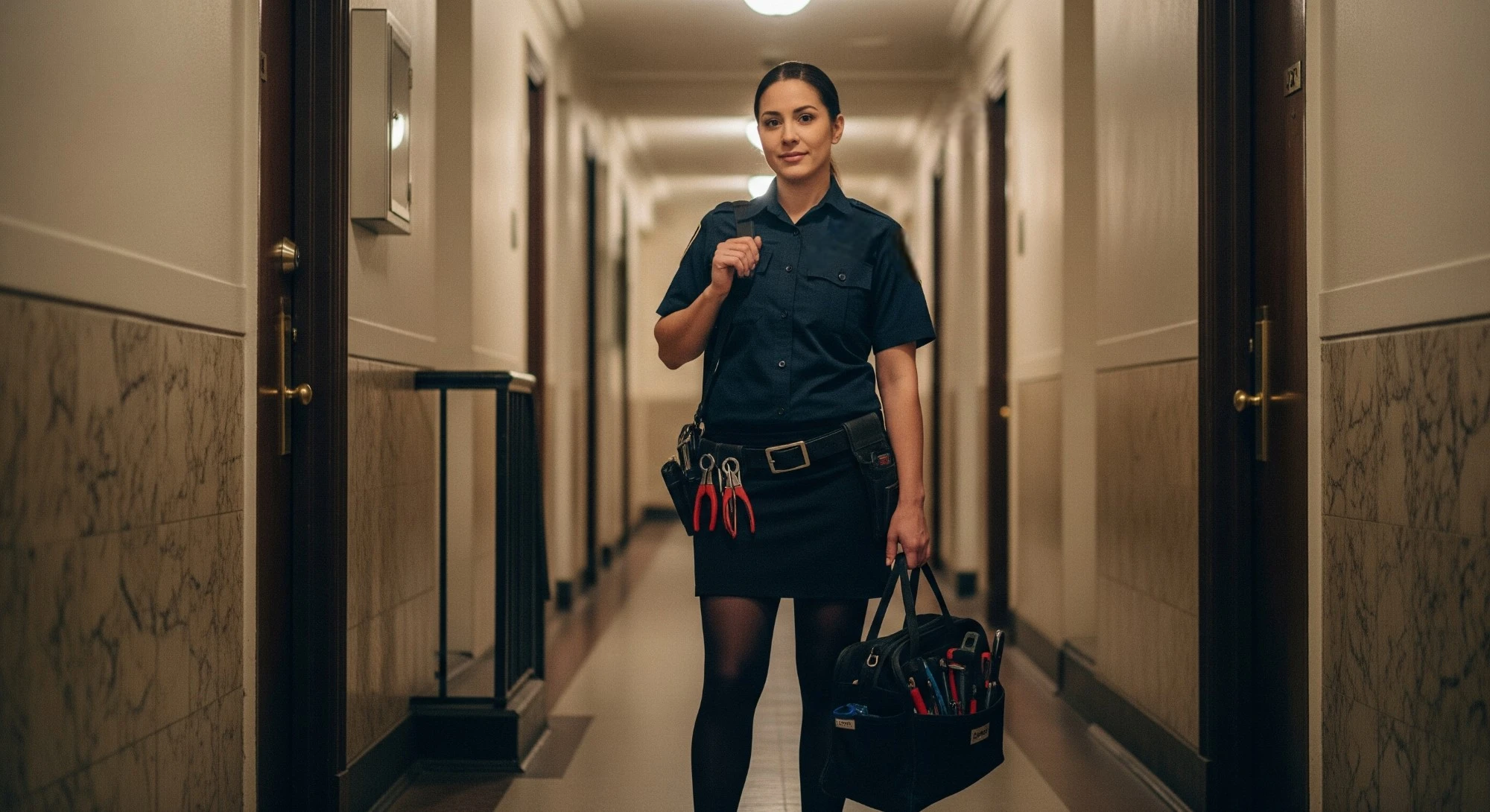
If you’ve exhausted your immediate options, it’s time to call a locksmith. But be careful, NYC is full of fly-by-night operators who overcharge or cause damage in the name of speed. When choosing a locksmith, don’t just Google “locksmith near me” and call the first result. Look for a licensed professional with verifiable reviews, a physical address in the city, and a track record of honest, transparent pricing.
Expect to pay between $100 and $250 for a standard lockout service in NYC, depending on the time of day, complexity of the lock, and whether any drilling or replacement is required. Be wary of companies advertising “$19 service calls”, this is often a bait-and-switch tactic. They’ll show up and then claim your lock is “special” or “high security” and charge hundreds more to unlock it. A legitimate locksmith will ask you questions about your lock type, give a range of pricing upfront, and arrive with proper identification.
Verify Ownership or Residency Before Entry
Once the locksmith arrives, don’t be surprised if they ask for proof that you live in the apartment. While this might feel like an inconvenience, it’s actually a sign you’ve hired a responsible professional. Locksmiths are required to verify that the person requesting access is authorized to enter the property. If you don’t have an ID on you, offer to show a lease, utility bill, or even photos from inside the apartment once you’re let in.
In some cases, they may ask for a signature or require that you sign a service agreement before proceeding. Cooperate fully it’s standard procedure and another sign you’re dealing with a professional. If a locksmith seems too eager to bypass verification or doesn’t ask for proof at all, that’s a red flag. It could mean they’re operating without a license, which could jeopardize your security or lead to poor-quality service.
Avoid Drilling Unless Absolutely Necessary

Some locks can’t be picked or bypassed easily, especially high-security models or smart locks with electronic components. But drilling should always be a last resort. It destroys the existing lock and often requires a full replacement, which increases your cost significantly. A skilled locksmith will try multiple techniques, bypass tools, pick sets, or decoding devices, before drilling becomes necessary.
If you have a standard residential lock and the locksmith immediately recommends drilling, ask them to explain why and whether there are alternatives. In many cases, a competent locksmith can unlock most doors without resorting to destruction. If you’ve invested in a high-security deadbolt or custom smart lock, make sure the technician is familiar with that specific model. Some locksmiths specialize in modern systems and can troubleshoot without damaging your door.
Final Thoughts: Lockouts Happen, But They Don’t Have to Derail Your Day
Being locked out of an apartment in NYC may feel like the end of the world when it happens, but it’s a problem that thousands of residents face every year and there are reliable, professional solutions available around the clock. The key is to stay calm, avoid rash decisions, and know who to call. By taking a smart, strategic approach, you can turn a stressful situation into a minor inconvenience.
Once you’ve resolved the issue, use it as a chance to improve your routine, upgrade your lock system if needed, and plan ahead. Because in a city that moves as fast as New York, being prepared is essential. And when the inevitable happens again, you’ll be more than ready to handle it like a seasoned New Yorker.