Author: Rachel Finkbohner

  • How to Avoid Common Pest Issues When Buying an Older Property

    Image Source

    Buying an old house may come with a significant history. However, one drawback that can often be found with this type of home is insects or rodents residing within its structure. In houses roughly 100 years old, there tends to be more infestation than in newer homes. This article will outline measures you can take to avoid ending up with any creepy crawlies—or hazardous chemicals—when purchasing an older home.

    Common Pests in Older Homes

    Older homes are much more susceptible to pest infestation due to age in their structure. Such points of hiding hardly get tapped, and as a home owner, one should have an idea about them and how they may be able to drive away the undesired tenant(s).

    Below is a detailed overview of the most prevalent pests and their impacts:

    PestCommon Areas FoundDamage/ConcernsSigns of Infestation
    TermitesWooden beams, foundations, wallsStructural damage to wood; expensive repairsHollow-sounding wood, mud tubes, discarded wings
    CockroachesKitchens, bathrooms, basementsContaminate food, spread bacteria, trigger allergiesDroppings, unpleasant odor, sightings at night
    RatsAttics, basements, wall cavitiesChew electrical wiring, damage property, spread diseasesDroppings, gnaw marks, scratching noises
    Bed BugsMattresses, furniture, crevicesBite humans, cause skin irritation, difficult to eliminateRed welts on skin, small blood stains on bedding, eggshells
    SilverfishBathrooms, attics, basementsDamage paper, wallpaper, fabricSilvery, wriggling insects in dark, damp places
    MosquitoesNear stagnant water, lawns, basementsCarry diseases like malaria and dengue; irritate with bitesBuzzing sounds, itchy bites, larvae in standing water
    FliesKitchens, garbage areas, damp spotsCarry pathogens, contaminate foodFrequent sightings, buzzing, eggs or maggots in garbage or food sources

    Addressing these pests effectively can help resolve many problems with old houses and maintain their historical charm.

    Tip: Refer to the ‘Signs of Infestation’ column to identify potential red flags when evaluating old homes.

    Best Pest Control Tips For Buying A Historic House

    When purchasing a historic home, preventive measures and proactive pest control are essential. Below are the most common pest concerns you might face, along with practical tips for each.

    Termite Damage Prevention and Control

    One of the problems the 100 year old houses are termites, which eat up most of the wooden members, costing hence a lot in the working repair. The problem becomes drastically serious in case of historical edifices as they form an important constituent of Tourist attraction.

    While traditional chemicals remain effective, biological alternatives have gained more attention over recent years. Essential oil extracts, plant-derived biocides, fungi, and nematodes represent non-toxic, environmentally friendly approaches for the control of termites. Such solutions best suit historic properties that require the conservation of initial fabric.

    To prevent termite infestation in an older property:

    • Inspect Regularly: Conduct thorough inspections of wooden structures, particularly in basements, attics, and crawl spaces.
    • Control Moisture: Termites thrive in damp environments. Ensure proper drainage, fix leaks promptly, and consider dehumidifiers.
    • Use Treated Wood: Where possible, incorporate termite-resistant or treated wood for repairs and renovations.

    Rodent Infestation

    Rodents often chew through walls and foundations, leading to significant pest issues in older homes. Here are some rodent control strategies you can look into:

    • Rodenticides: Modern rodenticides, such as Brodifacoum, are effective but should be applied strategically to avoid unintended critters.
    • Traps: Mechanical traps offer a humane alternative but work best in combination with other methods.
    • Biological Controls: Introducing natural predators or disease-causing agents can limit rodent populations, though this method requires careful ecological consideration.
    • Genetic Engineering: Emerging technologies like RNA interference and gene editing hold promise for long-term population control by targeting reproduction, though they remain in development.

    To prevent these unwanted visitors, start by decluttering storage areas, storing food in airtight containers, and maintaining cleanliness. Remember, rodents thrive in dirty, food-rich environments, so keeping everything clean keeps them at bay.

    Cockroach Infestation

    To keep such strong insects off, one only needs to practice cleanliness and conduct regular checks or simply use exclusion methods.

    Let there be no garbage that could provide a nice hiding spot under the sink or some other places, and remove the trash fairly frequently! Dispose of any remnants daily and store all food, including pet food by the way, in airtight packages or containers!. Outdoors, ensure that dustbins are clean and kept away from the house.

    Seal cracks around doors, windows, plumbing, and walls to block entry points. Regularly inspect hiding spots, like stacks of paper, cardboard, or firewood, and keep them away from your home.

    Bed Bug Infestation

    In modern conditions, bed bug infestation is on the rise, especially in old houses. It is not easy to defeat the insects that live deep in the house and sometimes, one can feel that all the means of prevention taken are inadequate-what to do in this situation?

    • Integrated Pest Management (IPM): This approach combines monitoring, understanding the signs and behavior of bed bugs, and non-chemical treatments.
    • Proactive Monitoring: Regular inspections are crucial to catch pests early, especially in older homes where hidden cracks and gaps may be present.
    • Community-wide Programs: In a neighborhood, a coordinated pest management program is more sustainable and cost-effective than relying on insecticides alone.

    Benefits of Professional Pest Control Services

    We spoke with Luqman Butter who owns and operates Pestend Pest Control based in Toronto. In our discussion with him, he had some solid reasons why professionals are always a better hire when the intention is to tackle stubborn pests. Here, he details benefits associated with professional pest control:

    • Expertise and Experience: Professionals have the knowledge and training to deal with all types of pests. They understand the behavior of pests and know the most effective methods for elimination.
    • Advanced Equipment and Techniques: With access to the latest tools and treatments, pest control experts can address infestations more efficiently than DIY methods.
    • Long-Term Prevention: Professionals not only eradicate pests but also help prevent future invasions through strategies like sealing entry points and providing guidance on home maintenance.
    • Safety: Professional services use eco-friendly and safe treatment solutions to protect your family and pets.
    • 100% Money-Back Guarantee: If you’re not satisfied with their extermination services, pest control companies will fully refund your payment (granting you have followed their recommendations).

    In summary, while DIY solutions may seem cost-effective, working with a professional pest control service like Pestend ensures a thorough, long-term solution for keeping your newly bought old home pest-free.

    Conclusion

    While one can most definitely appreciate the character and the history that come along with any old house, actually such buildings happen to be quite vulnerable toward pest manifestation. To have that old house of your most beautiful dream, it becomes necessary for you to practice 2 things-anti-infestation precautions and involvement with professional pest control service. This blog will be helpful if you ever need to revisit how to keep pests out of your home.


  • How Explainer Videos Can Make the Home Buying Process Simpler

    The explainers are short yet engaging clips; they simplify difficult concepts into simpler fragments and make them comprehensible, thus very useful in many fields-even when it relates to buying property. These take hard-to-convey topics and deliver visual, engaging content which increases comprehension for their viewers-sometimes busy ones.

    Using an explainer video maker may be a game-changer for anyone interested in making their explanation films. With the help of these technologies, house merchandisers and real estate brokers may create personalized videos that walk viewers through the steps of purchasing or managing a property. These videos may be tailored to certain interest areas, assisting implicit buyers in comprehending the subtleties of the request.

    Furthermore, they make the transaction of real estate smooth by attaching an emotional connection with the help of affable language choices and appealing imagery.


    With regard to prospective buyers specifically, the best explainer videos are more accessible resources that provide extensive information on how to navigate each step of the process in acquiring residential premises. Since financial terminology can be obtuse and confusing for many people, such audio-visual aids can go a long way in helping explain these complex concepts in simple terms before directing one’s attention to those aspects best known to make all the difference when choosing where to live.

    Also, since creators have the ability to produce customized content specific to different spheres that people may be interested in-things like neighborhoods known for being family-friendly or a hotspot for investment-it is easy to see how the recordings allow potential buyers navigate through market landscapes by means of expert guidance.

    Realtors can create informative videos to explain certain property attributes that would enhance understanding and alleviate buyer confusion. The explanation of minute details from floor plans to showing the communities around helps the prospect understand the big picture.

    Moreover, these videos also let agents explain in detail eco-friendly construction techniques or smart home automation arrangements and thereby help audiences make much better choices with fewer misconceptions among them.

    Besides, business players can make use of video maker app to create professional-looking videos for publishing. This might include but is not limited to walk-throughs or other sorts of informative clips that have been created so easily with the help of a smartphone. By implementing the right technologies-mentioned audio-visual aids, among others-stakeholders guarantee increased accessibility and heightened attention along the consumer purchasing journey.

  • How Social Media Marketing is Revolutionizing the Way of Real Estate Sales

    Social media in real estate marketing is something whose importance can never be overstated. In fact, over 90% of agents use these platforms to market properties, indicating the industry’s heavy reliance on them.

    The visual element is what brings into focus this kind of marketing. For instance, through photo galleries, videos, and virtual tours, Facebook, Instagram, and TikTok can help estate agents showcase their commodities. Besides, such platforms give way to large audiences and targeting tools second to none. Location and income aside, agents are allowed to target those individuals who show interest or a specific behavior.

    By integrating a video maker into their workflow, agents can create property tours, client testimonials, neighborhood overviews, and market updates—all without the need for technical expertise. These videos can be uploaded directly to social media platforms, ensuring that potential buyers and sellers have access to the most current and dynamic content, which ultimately improves their decision-making process.

    Thanks to technologies, video creation tools became more affordable over the last years, which means even those smaller agencies that lack the needed resources to hire professional videographers can still finish polished footage without special expertise whatsoever.

    For real estate agents, using a video AI app. Artificial intelligence is revolutionizing the face of real estate marketing.

    By using AI social media marketing tools, real estate agents can ensure that their campaigns are precisely aligned with the needs of their target audience.

    From custom-targeted information being delivered direct to individual clients, with chances for overall success improved through increasing rates of customer engagement even peripherally, due simply to improved conversion-all not requiring human intervention of any kind! And let’s not forget about video: now as easy as pie, thanks again to AI.

  • The Pros and Cons of Buying a Fixer-Upper: A Guide for First-Time Homebuyers and Real Estate Investors

    Source: unsplash.com

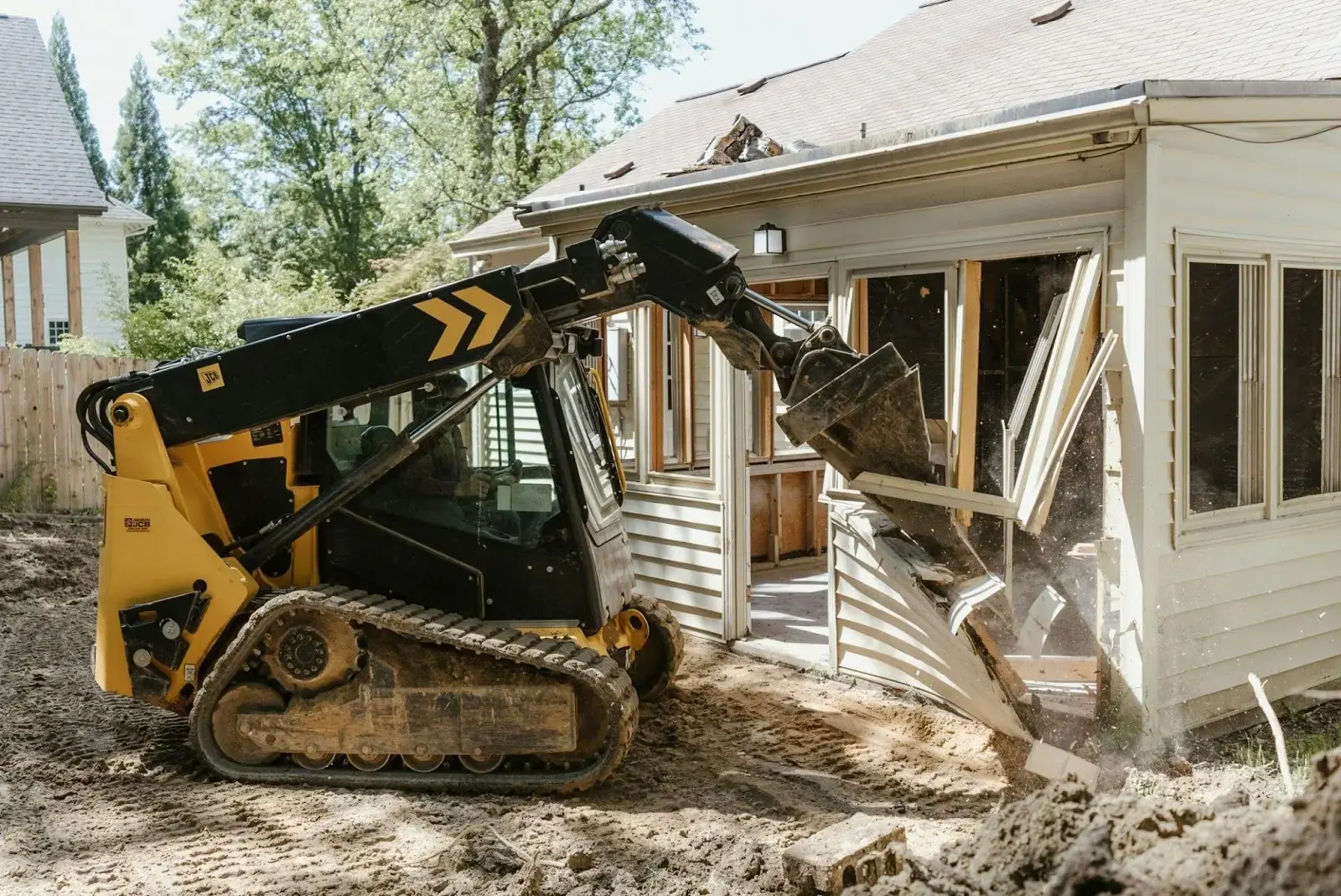
    With the increasing prices of houses, prospective homebuyers and real estate investors are looking at cheaper alternatives to immediately habitable houses. One option that is slowly gaining popularity is fixer-uppers-homes that require TLC but give buyers opportunities to create their dream homes at lower costs.

    Pros of Buying a Fixer-Upper

    There are a lot of great reasons to buy a house that needs work, including a lower price, the fact that you can personalize renovations, and an increase in value.

    Let’s go in-depth on these below. 

    Lower Upfront Costs

    Perhaps the biggest advantage of investing in a fixer-upper over a house ready to move in has got to be the much-reduced upfront cost. In most cases, these are available at drastically reduced prices compared to other similarly sized houses that don’t require renovation work.

    Customization Opportunities

    Purchase a fixer-upper, allowing you to personalize every aspect of your home, ensuring it’s an authentic reflection of you. Unlike move-in ready properties, these properties offer endless possibilities for imagination and originality.

    Increasing Home Value

    Fixer-upper investments can yield significant financial returns if thoughtfully approached, with renovations focusing on high-impact areas like kitchens and bathrooms, potentially increasing property value.

    Less Competition

    First-time buyers can gain an advantage in the cutthroat real estate market by opting for fixer-uppers instead of move-in-ready properties. Because these homes attract fewer suitors, negotiating with sellers often proves more fruitful — potentially resulting in a lower purchase price overall.

    Cons of Buying a Fixer-Upper

    Owning a fixer-upper means you’ll need to do extensive renovations, and many people aren’t exactly excited about that. A survey from the National Association of Realtors found that 35% would rather move than renovate their home. Let’s take a look at why that might be. 

    Unforeseen Expenses

    Fixer-uppers offer lower prices but often come with unexpected expenses like plumbing, electrical, or structural repairs. It’s crucial to have a financial cushion to cover these unexpected costs, as they can derail renovation plans and budget.

    Time-Consuming Renovations

    Renovating a fixer-upper can be a challenging task, often causing delays in the move-in date. Issues like material shortages or permit complications can cause delays. Those with a tight timeline should be prepared for extended renovations that may leave them in limbo for longer than expected.

    Stress Management

    Fixer-upper renovations can be overwhelming, involving coordination of contractors and permits, and can strain mental well-being and relationships. It’s crucial to weigh the time and energy required for this project, and if stress management isn’t your forte, consider a move-in-ready home.

    Mold and Other Risks

    Older properties pose risks, including mold issues, which can pose serious health risks if left untreated. Addressing mold removal or remediation during renovations can be both time-consuming and costly. Thorough home inspections are crucial to identify signs of mold or other environmental hazards, as these can significantly impact renovation plans and budgets.

    Financing a Fixer-Upper

    Renovating fixer-uppers can be funded in several ways: traditional mortgages, like FHA 203(k) loans; specialized renovation loans; or personal ones. Each has downsides such as higher interest rates, shorter repayment terms – so evaluate your financial situation carefully. Personal loans are another option, allowing you to fund your renovation projects.

    One thing to consider is whether any option will cover all costs and allow for longer-term repayments before deciding on the best route for financing renovations.

    Key Considerations Before Purchasing a Fixer-Upper

    It’s essential to consider a few critical factors that will impact your experience:

    1. Budget: Don’t just consider the purchase price — figure the estimated renovation costs into your budget as well. Having a comprehensive understanding of your financial capabilities will help you make informed decisions.
    2. Skills and Time Commitment: Assess your own skills and the time you can realistically commit to a renovation project. If you’re handy, you may be able to tackle some tasks yourself, but if not, you’ll need to account for hiring professionals, which can increase costs.
    3. Home Inspection: Identify potential issues before finalizing your purchase. Your realtor should work with you and the seller to arrange for a qualified inspector to completely assess the property. As part of this negotiation, you may not need to pay for it.

    Do your due diligence and put some careful thought into it. After all, you don’t want to be stuck with a home that requires repairs beyond your budget.

    Conclusion

    Buying a fixer-upper can be a very exciting for first-time homebuyers and investors alike. On the other hand, it is very important to weigh its advantages and disadvantages so you can firmly establish if this avenue will suit your financial goals, capacity, and preference.

    By adequately readying yourself and adopting the correct outlook, venturing into fixing up a run-down property could bring about an exquisite abode that epitomizes your aesthetic taste while simultaneously constituting a sound investment in perpetuity.