Author: Oracle Batie-Smith

  • Why Cultural and Musical Events Are the Secret Weapon in Real Estate Marketing

    A real estate agent and a couple in a house
    Image Source: freepik.com

    Posting an online listing, sending out flyers, or making a few phone calls used to be enough to get attention on a property. These tools still work, but today’s buyers expect more. They’re not just comparing numbers on a sheet. They want something that feels personal, something that makes them remember the house long after they leave.

    That’s where cultural and musical events come in. An open house with live music, local food, or an art showcase can turn a standard showing into an experience. Instead of buyers walking through quietly and leaving after a few minutes, they stay longer, connect with the space, and picture what life there could feel like. These moments make a property memorable in a crowded market.

    Why Events Matter in Real Estate Marketing

    Flyers and online photos can show a house in its best light, but they rarely capture what it’s like to actually be inside. A glossy brochure might highlight the hardwood floors, yet it won’t tell a buyer how the place feels on a Saturday afternoon with people gathered in the kitchen.

    You’ve probably seen it happen before: buyers walk into an open house, glance around, nod politely, and slip out a few minutes later. They don’t connect with the space, and by the end of the day that house blends in with all the others they toured.

    An event changes that rhythm. Maybe it’s a small jazz group with talented jazz band performers playing in the living room, or a tasting table with regional dishes set up in the dining area. Suddenly the house feels alive. People linger. They chat, laugh, and picture themselves hosting their own friends there. Those little moments, hearing music in the background or tasting food at the kitchen counter give buyers something to remember when they talk about the home later.

    According to Newsweek, Dallas is experiencing a surge in homes for sale. Market prices have also dropped. It becomes more challenging to attract the right buyer. That’s when events can help you rise above the competition.

    In a busy market, where buyers see one property after another, the homes that stand out are the ones that leave an impression. An event gives them that impression, not through sales talk, but through a feeling they carry with them after they walk out the door.

    Cultural Events as Community Builders

    Every neighborhood carries its own rhythm. Sometimes it’s the corner diner that’s been around forever, sometimes it’s the muralist painting on a brick wall, or the weekend market that draws families together. When you fold that character into an open house, you’re essentially using experiential marketing, the property feels less like a listing and more like a place people already know.

    Picture walking through a showing where a local baker offers samples in the kitchen, while a guitarist plays on the porch. Guests linger, not just to look at rooms, but to talk with neighbors and soak in the atmosphere. They’re not only seeing a house, they’re getting a taste of daily life.

    That kind of experience is hard to forget. Long after the brochures are tossed, buyers will remember the sound of music drifting through the rooms, the smell of fresh bread, or the casual chat with a neighborhood artist. It feels real, and it makes the house harder to shake from their minds.

    Musical Events: Rhythm Adds Appeal

    Step into a typical open house and the first thing you notice is often the silence. Footsteps echo in empty rooms, conversations stay hushed, and within minutes people are back out the door. Nothing about it lingers.

    Now add music. A soft piano in the living room, a jazz trio in the backyard, or even a simple playlist that matches the vibe of the home. The atmosphere changes instantly. Guests stay longer, they talk more freely, and the house feels less like a product on display and more like a place where life happens.

    Music has a way of shaping memory. Buyers may forget the exact square footage, but they’ll remember the sound of a saxophone filling the hallway, or how a lively song in the kitchen made them smile. Those impressions stick far better than numbers on a sheet.

    Different styles can highlight different moods. Classical strings add a touch of elegance, acoustic guitar brings warmth, and upbeat jazz encourages energy and conversation. Choosing the right sound isn’t about background noise—it’s about letting buyers feel something real while they’re in the space.

    Planning Event-Driven Property Marketing

    Good events don’t just happen by accident. To really make an impression, you need a clear plan that matches the property and the people you want to reach.

    Know your buyers

    A condo near a university attracts a different crowd than a home in a retirement community. Think about who’s most likely to walk through the door and tailor the experience to them. A young couple might enjoy a lively local band, while a more upscale audience may respond better to a string quartet or a wine tasting.

    Work with local talent

    Musicians, artists, and chefs from the area bring authenticity to the event. They also help draw in guests who already follow their work. Partnering with community talent adds credibility and makes the event feel connected, not staged.

    Pick the right time

    The schedule matters. Weekend afternoons tend to work best for families, while evening events may attract professionals who stop by after work. Seasonal touches also make a difference—think holiday carols in December or outdoor acoustic sets in the summer.

    Plan the flow

    A successful event feels smooth, not crowded or chaotic. Make sure people can move easily from room to room, that food and drinks are placed where they invite conversation, and that the music complements rather than overwhelms the space. Comfort keeps guests around longer, which means more time for them to imagine themselves living there.

    Wrapping Up

    Selling homes has never been just about square footage or countertops. Buyers want something they can connect with. That’s why more agents are turning open houses into small experiences—whether it’s live music in the living room or a tasting table in the kitchen.

    These touches don’t have to be complicated. A local band, a few dishes from a neighborhood restaurant, or an artist showing their work can make a simple tour feel different. Guests stay longer, talk more, and walk away remembering the house instead of blending it with the others they saw that week.

    The goal is simple: help people imagine what life might feel like in that home. Cultural and musical events are just one way to make that picture a little clearer.

  • Selling Your House As-Is in Akron, Ohio

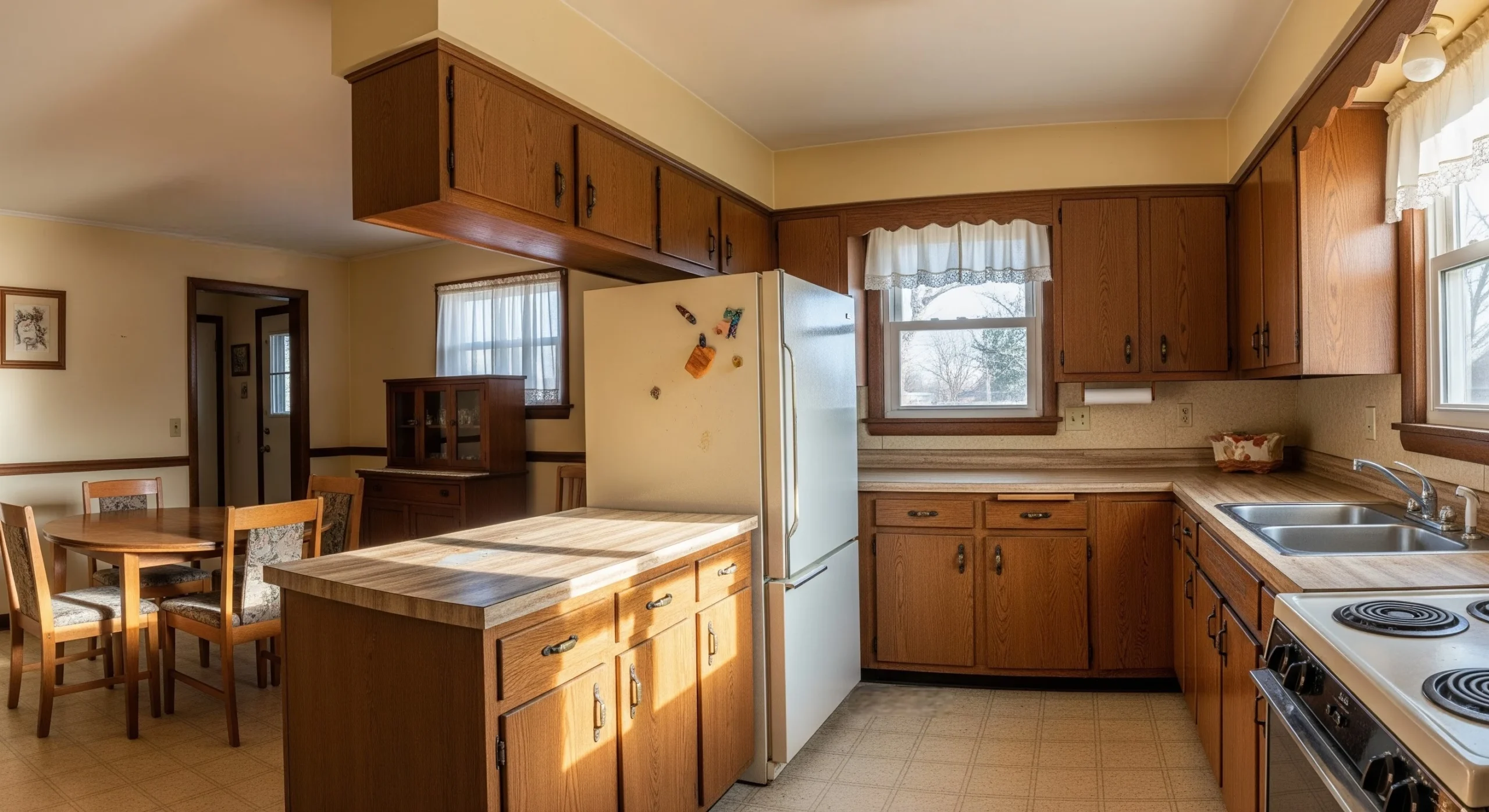
    In Akron, it’s not unusual to see homes sold just the way they stand. Maybe the roof has worn out after one too many Ohio winters, the basement leaks during heavy rain, or the kitchen still looks like it belongs in the 1970s. Whatever the case, selling your house “as-is” can be a smart move if you’d rather not sink money and time into fixing it before moving on.

    What “As-Is” Means in Akron

    When you put your Akron house on the market as-is, you’re letting buyers know that you won’t be making repairs or upgrades before the sale. Some sellers even leave behind furniture, appliances, or boxes they don’t want to move. Once the closing is done, everything becomes the buyer’s responsibility.

    That said, Ohio law still requires you to disclose known problems. If the foundation has shifted, the furnace doesn’t work, or there’s been past fire damage, you have to put that in writing. Most sellers find that being upfront not only protects them legally but also saves time, buyers who stick around after hearing the full story are more serious.

    Pricing Your Property Fairly

    Akron’s housing market is mixed. As of early 2025, the median price for a single-family home in the city is around $145,000, but houses that need work often sell below that mark. To set the right price, look at sales in your own neighborhood. A fixer-upper in Firestone Park won’t draw the same price as a similar property in Highland Square, even if the square footage is close.

    If you want buyers to take you seriously, your asking price has to reflect the home’s condition. Overpricing an as-is house only drives buyers away.

    Choosing How to Sell

    You’ve got a few paths:

    • Work with a real estate agent. An experienced Akron agent can market your home widely and get you more offers, but traditional buyers usually want inspections and bank financing. If the house doesn’t meet the lender’s standards, the deal may drag on or fall through.
    • Sell it yourself (FSBO). This saves you the commission but puts all the work—showings, negotiations, contracts on your shoulders.
    • Go with a cash buyer or investor. Akron has plenty of investors who buy homes in any condition. They usually close fast, sometimes in a week or two, without appraisals or financing delays. The price will be lower, but you trade dollars for speed and certainty.

    Inspections and Disclosures

    Even if you sell as-is, most buyers will want an inspection. If they find a big surprise—say, old knob-and-tube wiring or a major plumbing issue, they may walk away. One option is to order your own inspection before listing. That way you know what’s coming, and you can share the report with buyers. Being open about the condition from the start often makes negotiations smoother.

    Nik Hilmoe, owner of Snap Sell Homebuyers, often points out that a pre-listing inspection can save sellers time and stress. By knowing the condition of your Akron home ahead of time, you can disclose any issues upfront and avoid surprises that might derail a deal later.

    Negotiations You Should Expect

    Most buyers see as-is homes as a chance to bargain. Some will make a lower offer right away. Others will come back after the inspection asking for credits or help with closing costs. If you’ve already priced your home with its condition in mind, stand by that. Let buyers know it’s priced for its current state.

    Still, sometimes giving a little, like covering part of the closing costs can keep the deal alive. The goal is to know what you’re willing to bend on and what’s non-negotiable for you.

    Legal Details in Ohio

    Don’t forget the paperwork. In Ohio, sellers have to fill out a Residential Property Disclosure Form. It’s not optional, and skipping it can land you in court later. If you’re selling without an agent, it’s worth hiring a local real estate attorney to review your contract. Make sure the agreement clearly states that the property is being sold as-is.

    Wrapping It Up

    For Akron homeowners, selling a house as-is can be the cleanest way forward. You may not get the highest sale price on the block, but you’ll avoid months of repairs, contractors, and second-guessing buyers.

    If you’re honest about the condition, price it fairly, and choose the selling method that matches your priorities, you’ll reach the closing table with fewer surprises. In the end, selling as-is isn’t about giving up, it’s about knowing what matters most to you and moving on with confidence.

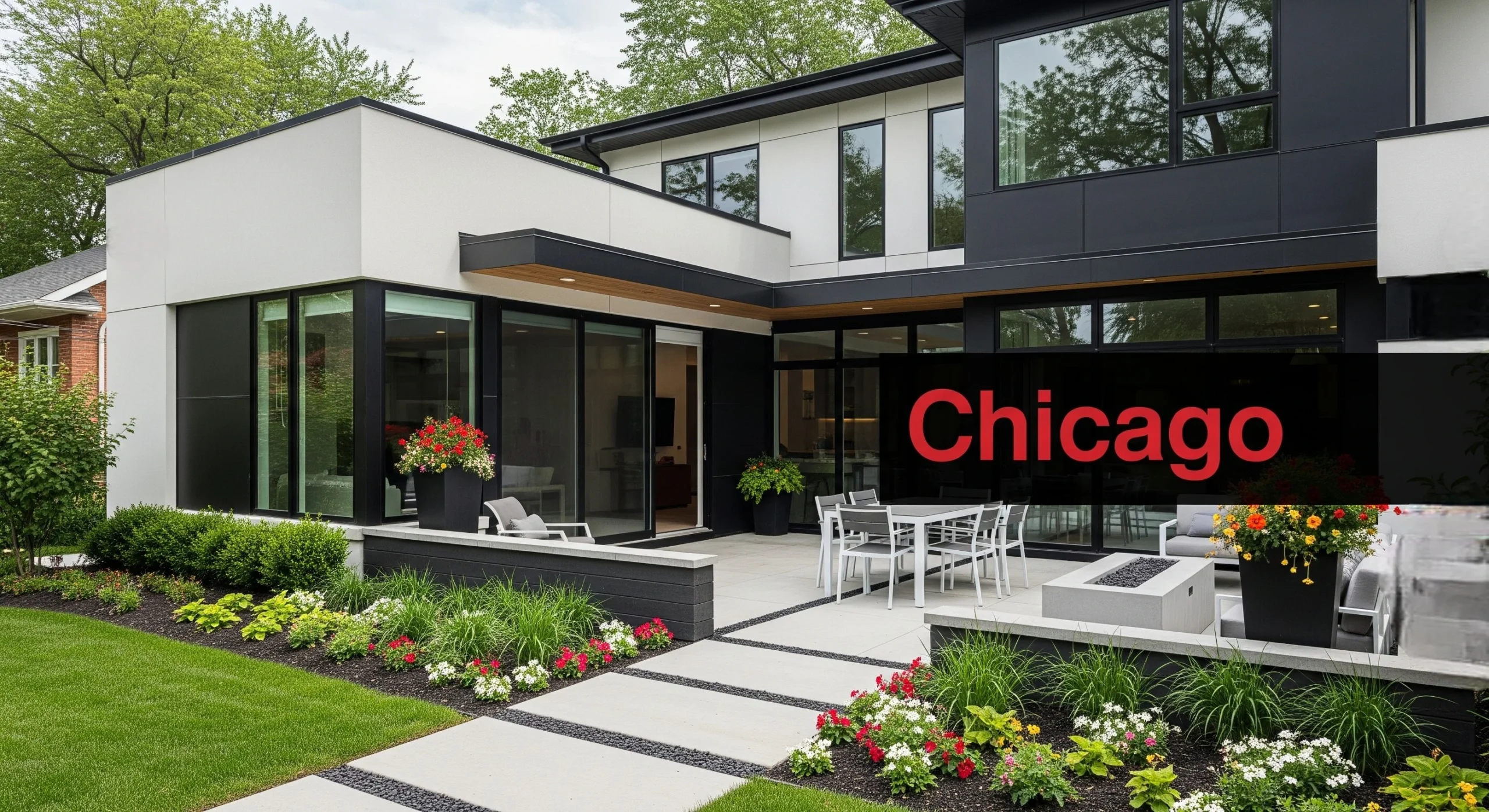
  • Ways to Improve Your Chicago Home’s Curb Appeal

    Image Source: https://www.sunsetpools-spas.com/portfolio/arrowhead

    Whether you are selling your home or you are just looking for ways to increase its value, you need to be aware of some of the most effective ways to improve the value of your home. There are lots of improvements that you could opt to make, but you probably only want to invest in the ones that will make your home more valuable and more fun to spend time in.

    The interior of your home has a lot to do with its value, but you cannot neglect the exterior if you want to increase curb appeal and value at the same time. Many people tend to forget that the exterior of their home is what makes the first impression on people who are looking at it to buy, or on guests who are visiting. Improving the appearance of your home can be beneficial for so many reasons, and you should never snooze on this important means of making your home look its best and have an increased market value.

    Ways to Improve Your Home’s Curb Appeal

    Caring for your home’s curb appeal matters. You want to feel excited about coming home to relax and unwind after a long day, and you also want guests and family to feel welcomed home each time they drive up. Improving the curb appeal of your home impacts its value but it also changes the way that your home feels to you and your loved ones in the best ways.

    1. Install a Swimming Pool

    It’s no secret that a swimming pool looks nice and is highly beneficial to homeowners and guests alike. If you are tired of looking at a boring lawn and a few shrubs in your backyard, you need to reach out to an experienced Chicago pool builder to get a quality pool installed on your property. There is so much to love about having a swimming pool. Not only can you cool off during the peak of the summer’s heat, you can also create usable spaces around the pool that are ideal for entertaining, sunbathing, and so much more.

    Swimming pools can be customized to your specific needs and desires, and they can also include a spa and other areas that can be used even during the coldest part of the year. There is no reason to think that a swimming pool isn’t an option for your property. You should reach out to a skilled pool builder and find out just how much is possible for your swimming pool project.

    2. Repaint

    Paint can make a huge difference when it comes to curb appeal. While it can be tedious to repaint your home’s exterior, the investment is well worth it. Repainting freshens up the appearance of your home, and you will also be protecting your home from damage due to rain and snow.

    When you live in a place like Chicago, where the seasonal shifts are pretty extreme, your paint can take a beating. Your paint might need more attention due to the harsh winters and hot summers in Chicago. You should be sure that you are paying attention to the health of the paint on your home for a host of practical reasons, but also to be sure that your home looks its best.

    3. Take Care of Your Grass

    While it can be a lot of work to take care of your lawn, you need to be sure that you are doing so. A dead, dried-out lawn is a hallmark of a house that is not being cared for, and this can immediately impact your home’s value. If you don’t have the time to care for a lawn or are not able to irrigate reliably all summer long, you should consider installing a faux lawn that will not need much upkeep to stay green and lush-looking.

    Green swaths of lawn are ideal for allowing kids and pets to play, and they look really sharp when they are carefully mowed and edged. You also have the option of removing your grass in favor of bark and shrubs or a rock garden that is carefully planned out. Keeping the landscaping up at the front of your home matters for its value as well as its overall appearance.

    Image Source: https://www.sunsetpools-spas.com/portfolio/arrowhead

    4. Install a Patio or Deck

    When you have a backyard that isn’t usable, your home’s value and beauty will be impacted. Mud might impact kids playing and come into the house on puppy feet, and you might not even want to roll up the blinds on that side of your home. Adding a patio or a deck can increase the footprint of your home and create usable outdoor spaces that didn’t exist before your investment.

    You have lots of choices when it comes to the materials that you can use for your patio or deck as well. From imitation wood that doesn’t need to be sanded or stained to products like marble or paving stones, there are lots of ways to create a patio or a deck that speaks to you and matches the rest of the aesthetic of your home.

    Image Source: https://www.sunsetpools-spas.com/portfolio/arrowhead

    Improving Your Home’s Curb Appeal Improves the Way Your Property Can Be Used and is Viewed by Others

    The curb appeal of your home doesn’t have to be something that you struggle to maintain. You should feel inspired by the idea of creating usable spaces and cleaning up the exterior of your home, especially if you have budgeted for these activities to take place. Be sure that you have routine processes on your radar, such as cleaning out the gutters and caring for the lawn. Being able to keep up with these routine tasks can help keep your home looking great throughout the year.

    If you want to create usable spaces that you will fall in love with over and over again, you need to consider adding a swimming pool, a patio, or a deck to your property as well. Creating a space that can be enjoyed for entertaining and relaxation is important to the value of your home.

  • How Automations Add Value to High-Rise Properties

    Managing a high-rise is no small job. In one building you may have apartments, offices, retail shops, gyms, and parking all stacked together. Every day, the property team has to keep people safe, make sure the elevators run, manage energy costs, and respond when something breaks — all while trying to keep residents and tenants happy.

    That’s where automation shows its value. Think of a lobby with keyless entry, parking levels with motion-sensor lighting, or a heating and cooling system that adjusts itself when spaces are empty. When those pieces are connected, you cut down on wasted energy, reduce service calls, and give people a smoother experience from the front door to their unit.

    For owners and investors, the payoff is just as clear. A building that runs efficiently is less expensive to operate, easier to maintain, and more attractive to the market. For residents and tenants, it feels safer and more comfortable. In the end, automation helps the property team manage the day-to-day work while raising the overall appeal of the building.

    1. Building Access and Security Systems

    High-rises need to stay open for the right people and closed off to everyone else. That’s where modern access systems step in. Residents can use a key card, fingerprint scan, or even a video intercom to let in guests without calling security every time. It feels smoother for people who live there and safer for the property overall.

    For the management team, connected systems add another layer of control. Entry logs can be pulled up in seconds, unusual activity can trigger an alert, and security staff can unlock or lock doors from a remote station. You don’t need guards at every single entrance anymore, the system keeps track for you. And if an incident comes up later, there’s already a digital record to review.

    2. Energy Management and Sustainability

    If you’ve ever looked at a utility report for a high-rise, you’ll see heating, cooling, and lighting eating up most of the costs. That’s why more properties are leaning on smart energy controls. The system can lower the air conditioning on an empty floor, dim the lights in hallways at midnight, or adjust the temperature when the weather shifts. Little things like that add up quickly on the monthly bill.

    But the impact goes further than savings. Many cities now push green standards, and high-rises that meet them can stand out in the market. Owners see the benefit in higher property values, while residents enjoy knowing their building is not only comfortable but also lighter on the environment.

    3. Smart Maintenance Scheduling

    Waiting until something breaks almost always costs more in the long run. In a high-rise, that might look like an elevator stuck during the morning rush or an air conditioner quitting on a sweltering afternoon. Breakdowns like that can throw off the entire building’s routine and cost a lot more to repair in a rush.

    Predictive maintenance helps avoid the scramble. Sensors pick up early signs, maybe a pump starts to shake, or a motor runs a little hotter than normal. Those small signals give the team a chance to fix the problem before it becomes a full shutdown. On top of that, scheduling software keeps things moving. Repairs can be lined up, parts ordered, and tasks assigned without anyone juggling spreadsheets or stacks of paperwork.

    A repair ticket can be created automatically, parts can be ordered on time, and the job assigned to the right technician without anyone juggling paperwork. The result is less downtime for residents and longer life for critical systems like pumps, air conditioning units, and elevators.

    4. Amenity and Space Booking Systems

    High-rises today often come with extras, such as a gym, a pool, maybe a lounge or meeting room. The challenge is making sure everyone gets fair use without the hassle of sign-up sheets or back-and-forth with staff. A booking app solves a lot of that. Residents can grab a time slot from their phone, see what’s available, and get a quick reminder so they don’t lose their spot.

    Tie that system into the building’s access controls and it gets even smoother. Doors unlock only for the person who booked and only during their reserved hours. It keeps the space secure, avoids double use, and saves the management team from dealing with disputes.

    5. Automated Parcel Management

    E-commerce growth has turned parcel management into one of the busiest operations in high-rise buildings. Manual logging is time-consuming, error-prone, and costly. Based on data from this parcel cost-benefit comparison, manual logging for just 100 parcels per day can require over 40 staff hours per week, equating to thousands of dollars in annual labour costs.

    By implementing the use of efficient parcel management software, properties can automate logging, send instant collection notifications, and maintain a digital audit trail. This can cut processing time per parcel from minutes to seconds. Over a year, the labour savings and reduced lost-package claims can translate into significant ROI.

    For example:

    MethodAverage Time per ParcelLabour Cost per 100 Parcels/Day
    Manual logging2–3 minutes~40 staff hours/week
    Automated loggingUnder 15 seconds~5 staff hours/week

    Automation in the mailroom also improves resident satisfaction, as tenants can collect parcels 24/7 through secure lockers or attended desks with streamlined processes.

    6. Integrated Communication Platforms

    Clear communication is one of the cornerstones of managing a high-rise. Automated platforms make it easier by sending alerts to residents instantly, whether it’s a maintenance notice, a security update, or an emergency. Messages can go out by text, email, or app notification so nobody misses the news.

    The same system also works the other way around. Residents can log service requests or share feedback directly through the platform, which means less risk of messages being overlooked and faster response times from the management team.

    7. Waste and Recycling Management

    Handling waste in a tall building is a constant challenge. Some properties now use automated collection systems that move trash and recyclables through sealed chutes or vacuum tubes to a central area. This setup cuts down on manual hauling, keeps common spaces cleaner, and improves hygiene.

    Sensors can also track how full bins are, so collections happen only when needed. That saves on labor, reduces unnecessary trips, and helps buildings hit their recycling and sustainability goals.

    8. Parking and Vehicle Access Automation

    Parking is often limited in high-rises, and managing it fairly can be tricky. Automated systems help by using sensors and license plate recognition to control entry, monitor occupancy, and direct drivers to open spots.

    In mixed-use buildings, the system can allocate spaces dynamically. For example, office tenants may use more spots during the day, while residents need them at night. Smart allocation ensures the garage is used efficiently without wasting space.

    9. Data Analytics for Strategic Decisions

    Every system in a high-rise leaves behind a trail of numbers, from how often the elevators run, to when the gym is packed, to the flow of package deliveries each day. Looked at separately, the data doesn’t say much. But once it’s pulled together, it shows clear patterns. Maybe the fitness room is busiest before work, or maybe deliveries pile up on Mondays more than any other day.

    For managers, this kind of insight is practical. It helps decide where the budget should go, how staff shifts are arranged, and which upgrades make the most sense. If one lounge sits empty most of the week while the coworking area is crowded, it may be time to rethink the space. Instead of guessing, decisions are backed by real use from the people who live and work in the building.

    Implementation Considerations

    Rolling out automation requires strategic planning:

    • Assess needs and pain points: Identify where automation will have the greatest impact.
    • Select integrated platforms: Choose solutions that can connect with existing building systems.
    • Pilot before scaling: Test systems in one section or department to refine processes.
    • Train staff and residents: Ensure everyone understands how to use the systems effectively.
    • Monitor and adapt: Use performance data to make ongoing improvements.
    StepPurpose
    Needs assessmentIdentify high-impact automation areas
    Platform selectionEnsure compatibility and scalability
    Pilot projectMinimise risk before full rollout
    TrainingBoost adoption and correct use
    Continuous monitoringKeep systems efficient over time

    Final Thought

    Running a high-rise has never been simple, and the rise of automation shows why many buildings are rethinking their approach. A lobby door that unlocks with a scan, lights that dim when a floor is empty, or a parcel system that keeps track of hundreds of daily deliveries, each piece makes life a little easier for the people who live and work there.

    For management, the benefit is just as clear. Fewer emergencies to respond to, lower utility bills, and better use of staff time all feed back into the long-term health of the property. And for residents, it adds up to something more basic: a building that feels safe, comfortable, and convenient.

    High-rises that start building these systems in today aren’t just modernizing. They’re shaping what city living will look like in the years ahead.

  • How Profitable Is It to Invest in a New Home in St. Louis?

    Image Source: pexels.com

    Investing in a new home can feel like stepping onto a shiny, freshly waxed dance floor. Everything looks perfect, but you still need the right moves to avoid slipping. The truth? A new home can be a money-maker, but only if you understand what drives its value, where it’s built, and how you manage the costs. Let’s break it down without the boring parts.

    Factors That Affect the Profitability of a New Home Investment

    A new home’s profit potential doesn’t just appear out of thin air. It comes down to a mix of location, timing, and market health. Buy in a neighborhood with rising demand, and you’ll ride the wave of price appreciation. Buy in a slow-moving market, and you might be waiting a while for those numbers to climb.

    Builder reputation matters too. A property from a developer known for quality finishes and solid construction tends to hold and grow its value better.

    And don’t forget about interest rates. Low borrowing costs can make your numbers work out beautifully, while higher rates might eat into your returns.

    Benefits of Buying a New Construction Property

    A new home is like the first slice of a fresh cake — untouched, clean, and ready to be enjoyed. There’s no outdated wallpaper, no mystery stains in the carpet, and no hidden repair list from the previous owner.

    Energy efficiency is a huge plus. Modern builds often have better insulation, updated appliances, and eco-friendly materials that cut utility costs.

    Warranties sweeten the deal. Many freshly built homes come with a safety net that covers big-ticket items like the structure and major systems. That means fewer surprise expenses in the early years.

    Average Return on Investment for Newly-Built Homes

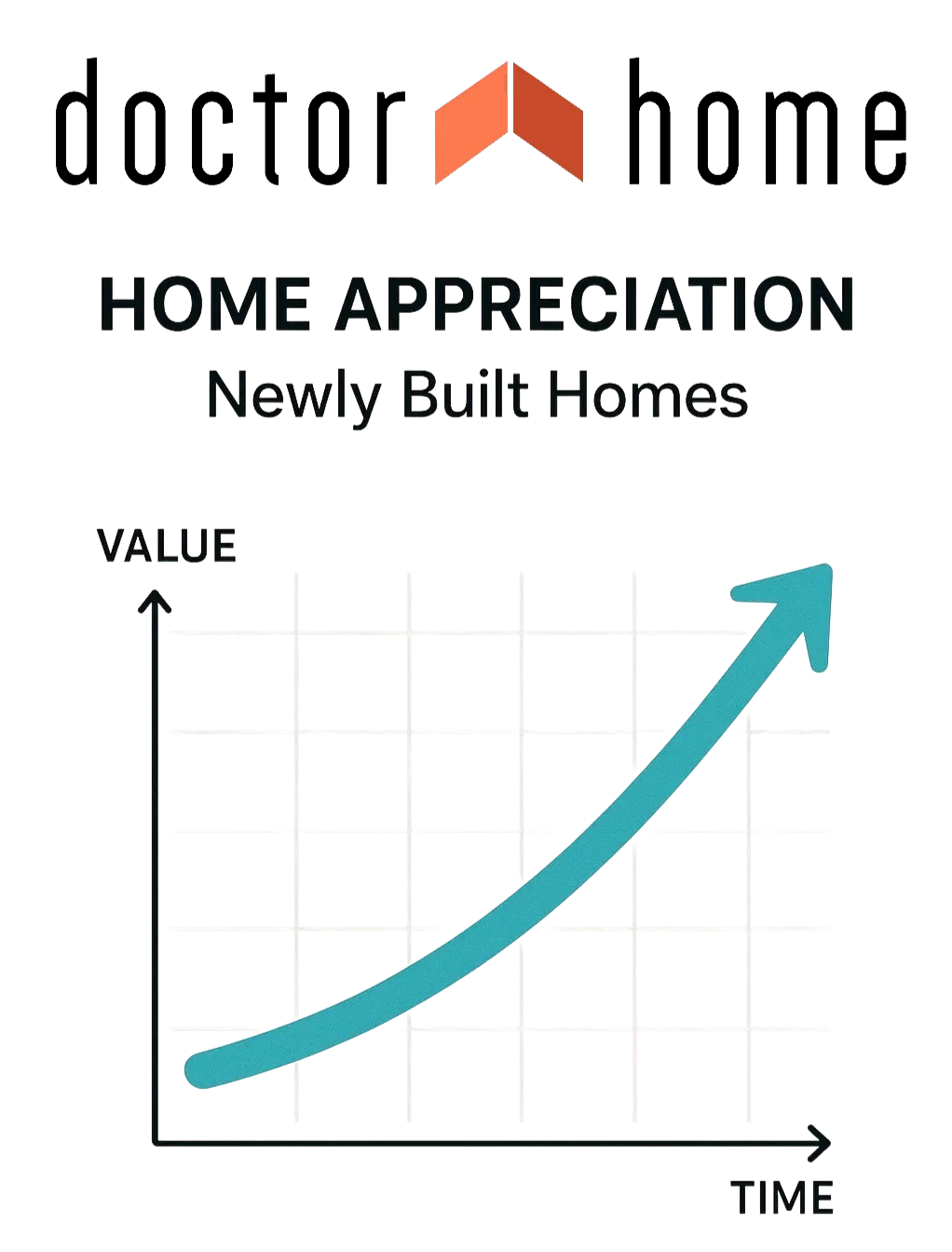
    Returns on new homes can vary as wildly as lottery outcomes. In hot markets, appreciation rates can hit double digits over a few years. In slower markets, growth might be more modest.

    The real draw is combining value growth with cost savings. Lower maintenance in the first 5–10 years means you’re not pouring money into constant repairs. That can make your net gain look much healthier than with an older property. And when it’s time to sell, you can sell fast with Doctor Home – a trusted cash home buyer in St. Louis, helping you lock in profit without the headaches of a drawn-out listing process.

    New Homes vs. Older Properties: Appreciation Rates

    Older homes sometimes have character, but new builds have curb appeal that buyers crave. And right now, many buyers are willing to pay a premium for “turnkey” properties.

    New builds in desirable areas often appreciate faster in the first decade because they match current design trends and energy standards. Older homes may catch up later after renovations, but those updates cost time and money.

    Costs to Consider Before Investing in a New Home

    That price tag is just the opening chapter of the whole story. Budget for the extras, because they add up fast:

    • Closing costs – think legal fees, title coverage, and those unavoidable taxes.
    • Upgrades – builders love to offer add-ons, and it’s easy to overspend.
    • HOA fees – a regular guest in new communities that offer shared perks and amenities.
    • Property taxes – often higher on new builds because the valuation is based on current market rates.
    • Landscaping – that perfect lawn? Not always included.

    Skipping these calculations can turn a profitable investment into a tight squeeze.

    Best Locations for High-Value New Home Investments

    Location can make or break your returns. Areas near expanding job markets, top-rated schools, and upcoming infrastructure projects tend to appreciate quickly.

    Look for neighborhoods that are just starting to buzz, not ones that have already peaked. You want to buy before the coffee shops, farmers markets, and boutique gyms arrive. That’s when prices start climbing fast.

    And remember, a beautiful house in a stagnant area is like a sports car in a traffic jam, it’s not going anywhere fast.

    Final Tips for Boosting Profit from Your New Home Purchase

    If you want to squeeze the most juice from your investment, treat it like a long game. Keep it well-maintained, pick upgrades that matter to future buyers, and keep an eye on the market.

    Selling at the right time, ideally when supply is low and demand is high, can be the difference between a decent profit and a great one.

    Above all, think like both a homeowner and an investor. You want a place that’s comfortable to live in now, but also positioned to pay you back later.

    FAQs

    Are new homes more profitable than older ones?

    Often, yes. New homes typically have lower repair costs early on and can appreciate quickly in hot markets. But location and timing still matter most.

    How long should I hold a new home before selling?

    Many investors aim for at least 5 years. That allows enough time for value growth to cover closing costs and generate profit.

    Do I need to pay for upgrades in a new home?

    Not necessarily. Basic finishes can still be profitable, but smart upgrades like kitchens, flooring, and energy-efficient systems can boost resale value.

    Is it risky to invest in a new home during a market slowdown?

    It can be. Slower demand means slower appreciation. But buying in a growing area can still pay off over the long term.

    What’s the fastest way to sell a new home for profit?

    Work with a cash buyer or investor. You’ll avoid agent fees, repairs, and long wait times and walk away with your money faster.

  • Why SEO Matters for Your Real Estate Website

    Image Source: freepik.com

    If you’re in real estate, you already know how competitive the market can be. The challenge isn’t just having a website, it’s making sure people can actually find it when they search for homes or agents online. Many realtors lose valuable opportunities simply because their sites don’t appear on the first few pages of Google. When that happens, potential buyers and sellers often connect with another agent instead.

    Search engine optimization (SEO) changes that. By improving how your site shows up in search results, you can draw in people who are actively looking for homes in your area or ready to list their property. A well-optimized website doesn’t just increase traffic, it brings you the right kind of traffic. With stronger visibility, you’ll have more qualified leads, more inquiries, and ultimately more closed deals.

    How SEO Boosts Visibility for Real Estate Websites

    Most home searches start online. In fact, that more than 97% of buyers used the internet at some point during their home search in 2025. That means if your website doesn’t show up in Google results, you’re missing the first and often the most important, chance to connect with new clients.

    The role of SEO is to put your business in front of people who are already looking. Say someone types “2-bedroom condo in Dallas” or “best realtor in Phoenix.” If your website is optimized with the right mix of keywords and local content, you stand a much better chance of appearing in those searches. The result isn’t just more clicks, but more qualified leads, people who are serious about buying or selling.

    Local SEO makes an even bigger difference for agents. Real estate is inherently tied to neighborhoods and zip codes. When your site is optimized for terms like “homes near Dallas Park” or “Orlando townhouse for sale,” you’re targeting buyers and sellers who are ready to act in those exact areas. That’s a level of precision traditional advertising can’t easily match.

    There’s also the trust factor. Studies consistently show that users gravitate toward the first few results on Google. We’ve found that organic search drives over half of all website traffic across industries. For real estate professionals, ranking high doesn’t just increase visibility, it signals authority. People tend to assume that if Google places you at the top, you must be a credible choice.

    Key SEO Techniques for Real Estate Websites

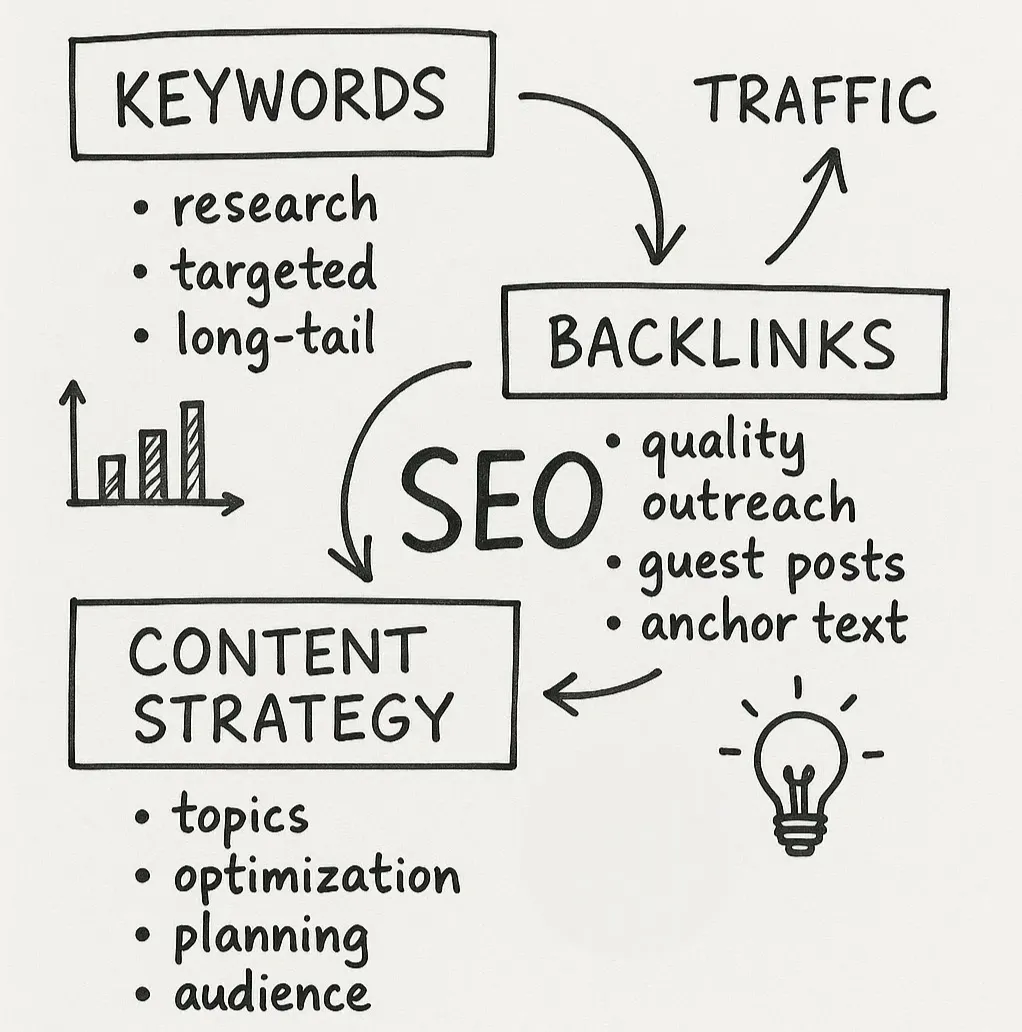
    To make your real estate website stand out, you’ll need more than just listings and photos. A strong SEO strategy combines several techniques that work together to bring in more visitors and convert them into clients. Here are a few core areas to focus on:

    Keyword Optimization

    People don’t just search “real estate”, they type phrases like “5-bedroom home in Dallas” or “condos near Miami Beach.” By weaving these location-based keywords into your site, you make sure it shows up when buyers and sellers are actively searching. The closer your keywords match their intent, the higher your chances of ranking and attracting qualified leads.

    Backlink Building

    Search engines look at backlinks as a vote of confidence. If reputable sites point to your content, Google sees your website as more trustworthy. For realtors, guest posting on real estate blogs, being featured in local news articles, or partnering with community organizations are all smart ways to earn those quality links. Each one strengthens your authority and helps boost rankings.

    Content Marketing

    Real estate is all about information of market trends, neighborhood insights, home buying tips. Publishing blogs, detailed property descriptions, and local guides gives visitors what they need while also feeding search engines fresh, keyword-rich content. Consistent publishing builds long-term credibility. Think of it as showing up to every open house, you may not see results overnight, but over time the exposure pays off.

    User-Friendly Layouts

    Your website design affects SEO more than most people realize. Clear menus, fast load times, and pages that make sense to the user keep people from bouncing off your site. Search engines notice that behavior and reward it. If you want inspiration, many real estate web design firms showcase examples of high-converting layouts built specifically for agents. You can see the portfolio of realtor web design by Red Spot Design.

    Mobile Optimization

    More than half of real estate searches now happen on smartphones. If your site doesn’t adapt well to smaller screens, you risk losing clients before they even see your listings. A responsive design ensures your photos load quickly, maps display correctly, and contact buttons are easy to tap, all small details that improve engagement and rankings.

    SEO isn’t a one-time task; it’s an ongoing effort. By consistently updating your strategy, monitoring your performance, and adjusting to changes in search behavior, you’ll keep your site visible to the right audience and ahead of your competition.