Author: MaryJane Mathew

  • What Happens If a Delivery Driver Gets Into an Accident on Your Property?

    Who doesn’t order online these days? We all do! With more packages showing up at our doors, delivery drivers are constantly coming and going. Companies like Amazon and UPS make life easier by delivering packages right to our door—but have you ever considered what happens if a delivery driver is injured on your property? You may not realize it, but you could be legally and financially liable.
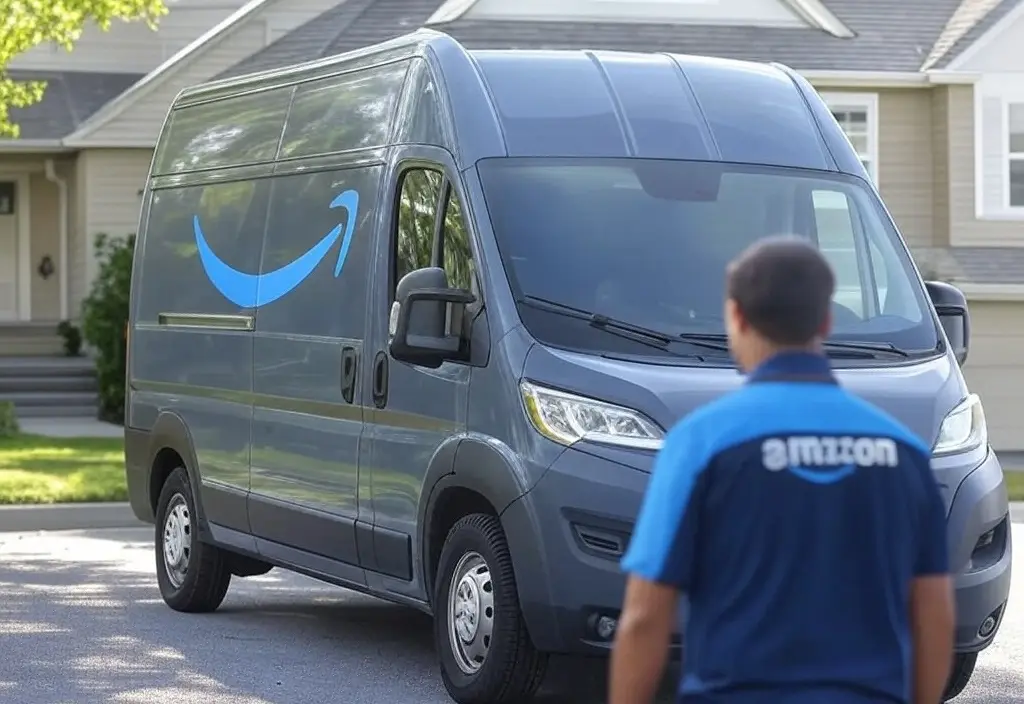
    Here’s what you need to know to stay protected.

    Understanding Liability: Who’s Responsible?
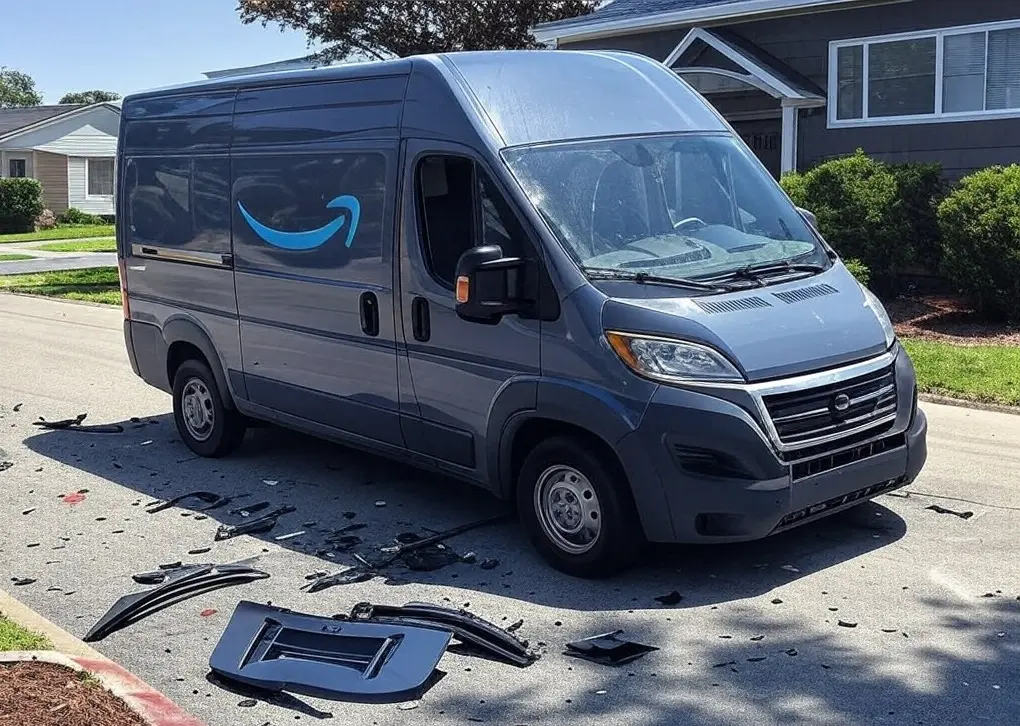
    When an accident happens, one of the first questions is: Who is responsible? The answer depends on the cause of the incident.

    • Property Owner’s Liability: If unsafe conditions on your property—such as icy walkways, unmarked potholes, or poor lighting—lead to an accident, you could be held responsible. Property owners are required to maintain a reasonably safe environment for visitors, including delivery drivers. If the accident was caused by negligence in property maintenance, liability may fall on the owner.
    • Driver or Delivery Company Responsibility: If the accident was caused by the driver’s actions—such as reckless driving or parking in a dangerous manner—the driver or their employer may be held liable. Some companies, like Amazon, may provide insurance coverage for their drivers, which could help cover any resulting damages.

    The Role of Insurance in Protecting Your Property
    Having the right insurance coverage can help mitigate financial risks from accidents.

    • General Liability Insurance: Covers injuries sustained by third parties on your property due to hazardous conditions.
    • Commercial Property Insurance: Covers damage to your business property caused by a delivery driver.
    • Auto Insurance: If a driver damages your property with their vehicle, their employer’s insurance may cover the costs, depending on the company’s policy.

    How to Handle an Accident on Your Property
    If an accident occurs, act quickly to protect yourself:

    • Immediately Document Everything: Take photos, gather witness statements, and review security camera footage if available.
    • Notify Your Insurance Provider: File a claim as soon as possible to start the coverage process.
    • Contact the Delivery Company: If the driver was at fault and on duty at the time of the accident, their employer’s insurance may cover the damages.
    • Seek Legal Advice if Needed: If liability is disputed, the damages are significant, or you encounter difficulties with insurance claims, consult a lawyer.

    Preventing Accidents Before They Happen
    The best way to protect yourself from legal and financial issues is through prevention.

    • Maintain Your Property: Regularly inspect your property and address hazards like potholes, uneven pavement, and ice buildup to prevent accidents.
    • Improve Signage & Lighting: Ensure all driveways, walkways, and parking areas are well-lit and clearly marked to enhance visibility and prevent accidents.
    • Provide Clear Instructions: Designate parking areas and safe routes for delivery drivers, customers, and visitors to follow, reducing confusion and potential hazards.

    Protecting Your Property and Investment

    Accidents can happen anytime, no matter how careful you are. Homeowners and business owners can reduce risks and protect themselves financially by knowing liability, having appropriate insurance, and taking preventative measures, having proper insurance, and taking preventive measures. If an accident happens, acting quickly and seeking professional advice when needed.
  • Budget-Friendly Siding Options to Maximize Curb Appeal for Dallas Homes

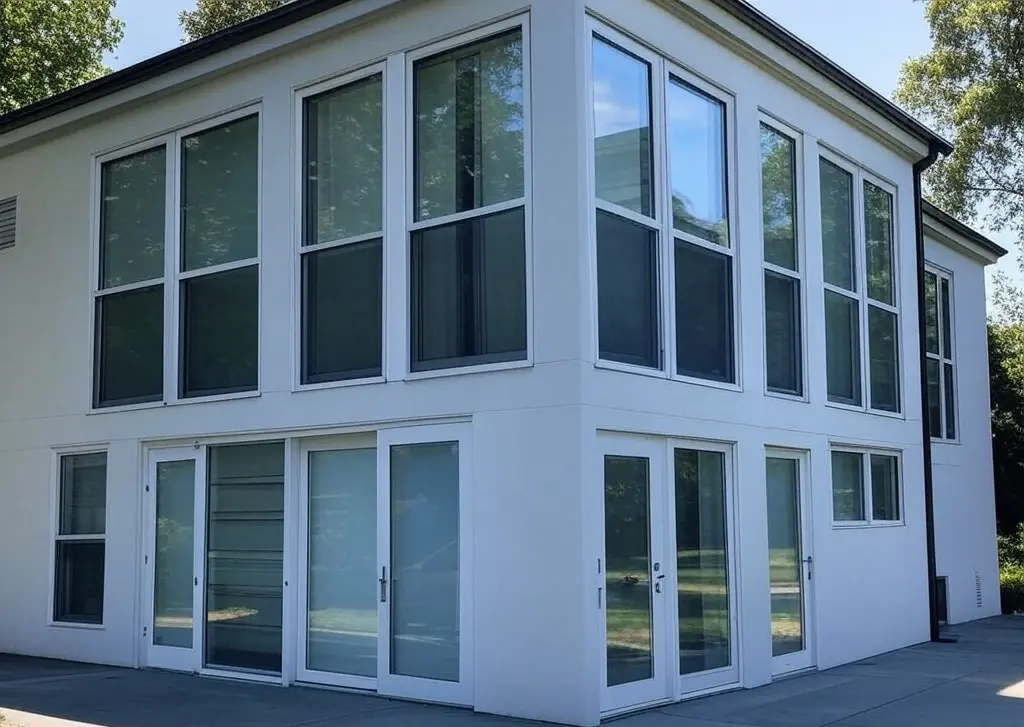
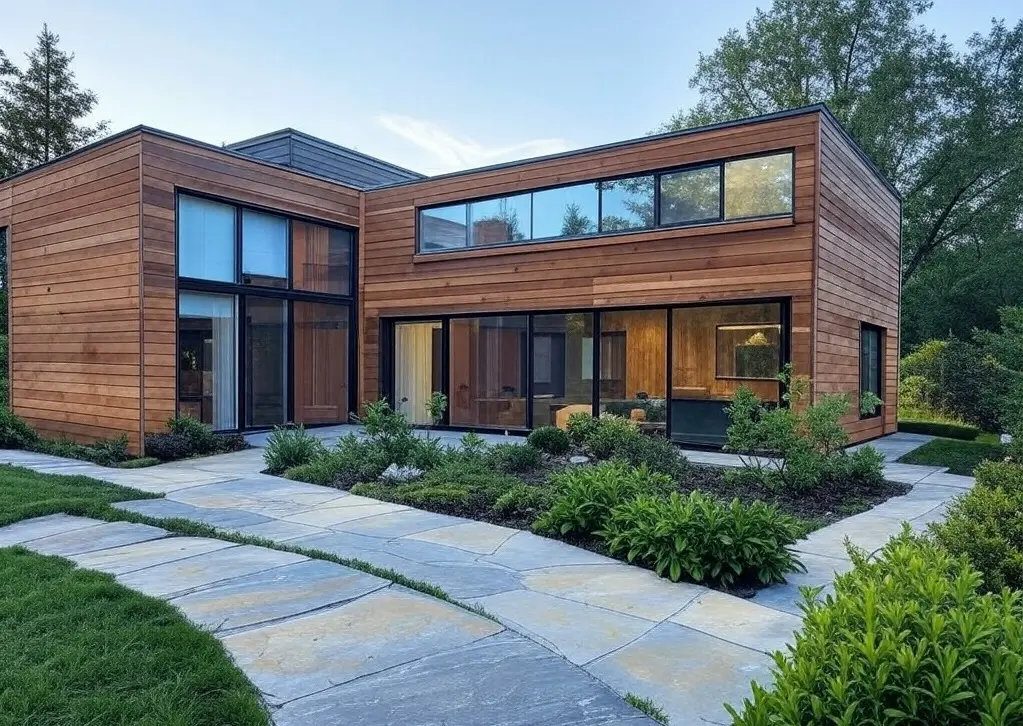
    When it comes to curb appeal, the first things potential home buyers see when they visit your home are your yard and your siding. As such, siding that’s installed properly by Dallas siding contractors will play a huge role in maximizing curb appeal and getting a good price for your home. You can also DIY it if you have the right skills.

    Either way, you don’t want siding that looks great but falls apart easily—you’ll just end up constantly repairing or replacing it, especially with Dallas’ hot summers and fierce storms.

    If you’re worried about spending a fortune on siding that looks good and lasts, don’t worry. Here are budget-friendly siding options that look great, provide protection, and are built to last.

    1. Vinyl

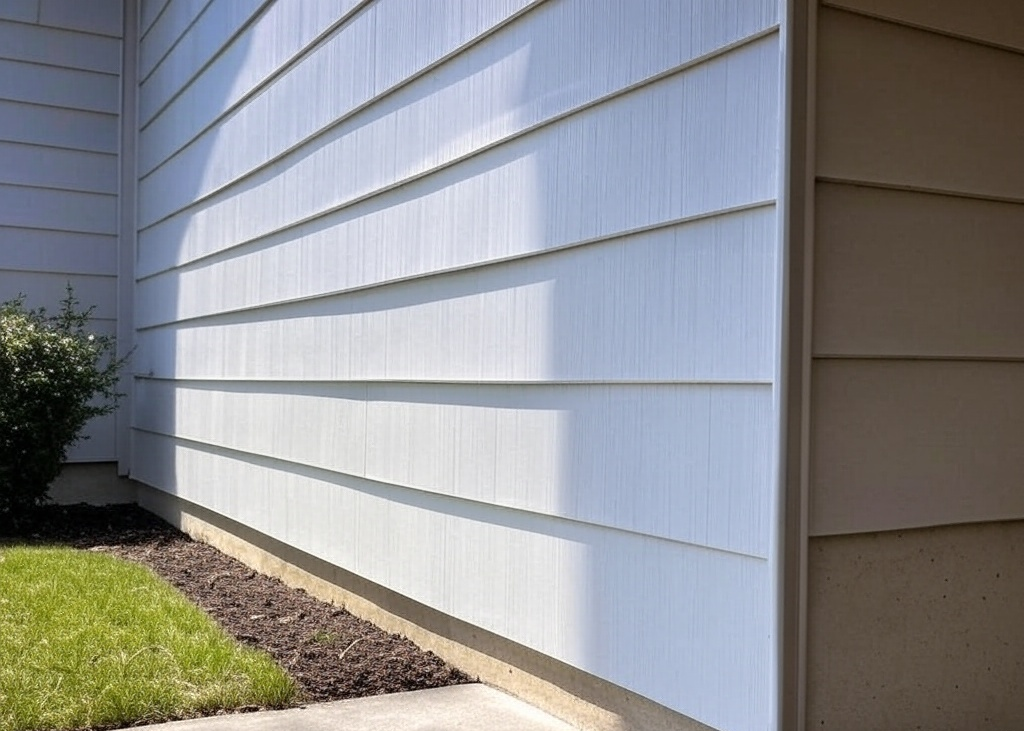
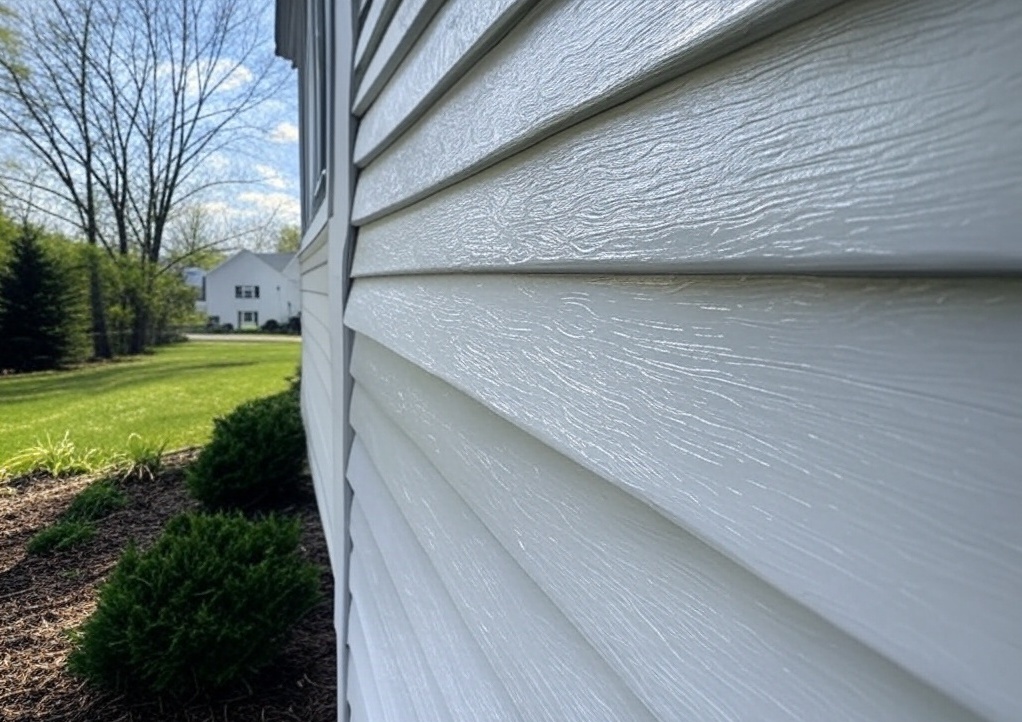
    Vinyl siding is one of the most popular choices, thanks to its affordability, low maintenance, and solid durability. Vinyl is well-known as one of the most budget-friendly siding options. It’s also easy to install, keeping installation costs low.

    Although vinyl isn’t as sturdy or durable as high-end options like brick and metal, it still offers great value and lasts around 20+ years. Vinyl is also highly versatile and can mimic premium materials like natural stone, giving you a stylish look for less. Overall, vinyl is a great investment—it looks good and lasts a long time.

    2. Fiber Cement

    Fiber cement is a widely used siding option, and for good reason—it’s durable, versatile, and great for curb appeal. Like vinyl, fiber cement comes in a variety of textures and colors, making it a strong choice for curb appeal. Its biggest advantage is durability. Fiber cement is one of the most durable siding materials, lasting 40+ years. This durability is a major benefit in Dallas’ harsh climate.

    On top of that, fiber cement is fire-resistant and offers great insulation, helping with energy efficiency and safety. These benefits do come at a cost. Fiber cement costs more than vinyl, but not by much. The biggest extra cost comes from installation.

    Fiber cement is more difficult to install and requires skilled professionals, which adds to the cost. Its heavier weight also increases the price. This makes fiber cement harder to install and 20-50% more expensive than vinyl.

    While that may seem like a big jump, vinyl is one of the cheapest options, so even with a 20-50% increase, it remains affordable. Its long lifespan means you’ll save significantly on repairs and replacements.

    Lastly, fiber cement is much safer than vinyl, making it a more reliable option in extreme conditions. Overall, fiber cement costs more, but it’s worth every penny.

    3. Engineered Wood

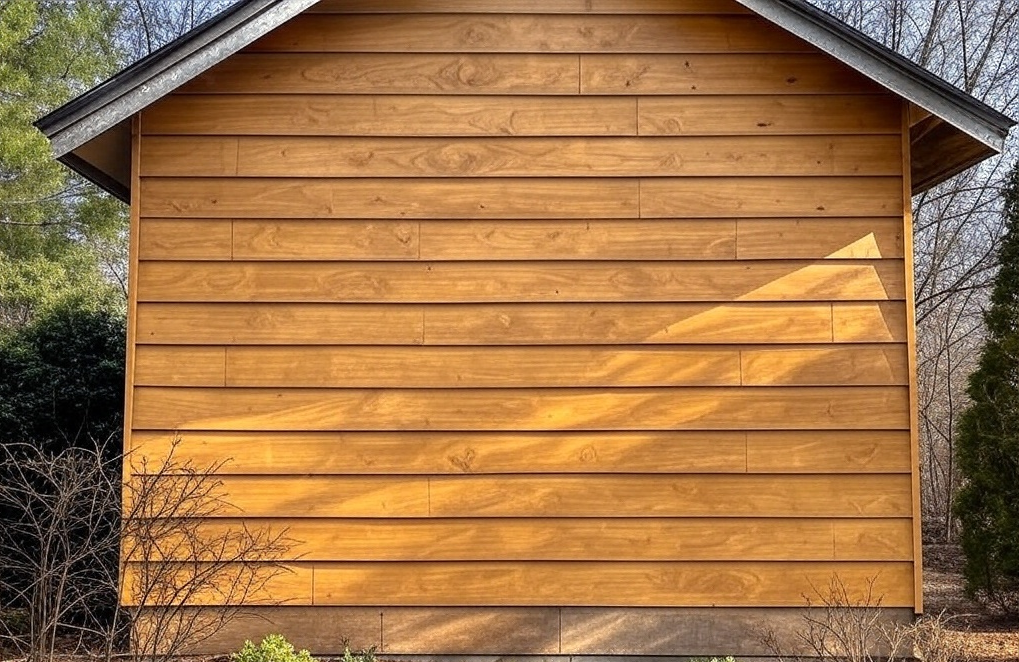
    Engineered wood isn’t the most popular choice, but it has a warm, timeless look. For farmhouses or rustic-style homes, nothing matches its aesthetic appeal.

    Engineered wood costs less than traditional wood siding because it’s made from compressed wood fibers, which are cheaper than solid wood.

    Since it’s man-made, engineered wood is more resistant to moisture, rot, and pests than traditional wood. It lasts about as long as vinyl and offers similar durability. However, it requires more maintenance, and installation is also more expensive.

    Engineered wood is priced between vinyl and fiber cement. Aside from its natural, timeless look, it offers little benefit over vinyl. It’s ideal for homeowners who want a natural wood look, but it’s not the right choice for everyone.

    More Ways to Save Money on Siding

    Those are the three best siding options if you’re on a budget. Now, let’s explore more ways to save money.

    1. Group Projects Together

    Every project comes with transportation costs for both labor and materials. Hiring one company for multiple projects—like roofing, siding, and windows—means you only pay for a single transportation fee.

    A single large truck for all materials costs less than multiple smaller trucks from different companies. If you hire one company for a large project, you can often get bulk discounts—businesses prefer handling bigger jobs for a single client rather than multiple smaller ones.

    2. Choose The Off-Peak Season

    Most homeowners do exterior upgrades in warmer months since cold weather makes projects harder. And if they rush the project, it could lead to problems down the line.

    As a result, business slows down in winter. Since Dallas has mild winters, siding jobs can still be completed without issues. When business slows down, contractors often lower their prices to attract clients. Scheduling your siding project in winter lets you take advantage of lower prices.

    3. Choose More Established Contractors

    Too often, people hire cheaper contractors only to end up with poor results, costly rework, or worse—scammers who take the money and disappear. You don’t need to hire a large corporation, but always check a contractor’s reputation and track record. A reliable contractor may cost more, but you’re paying for quality and peace of mind—it’s worth it.

    Get the Best Look for Less!

    These siding options and tips will help you cut costs on your project. Here’s one last tip: You don’t need to use the same siding material everywhere. Mixing materials—like using natural stone accents on the front—can enhance curb appeal without significantly increasing costs.

  • Why Energy-Efficient Doors and Windows Matter Now More Than Ever

    Nowadays, sustainability matters more than ever. Perhaps the most straightforward ways to become energy efficient in our buildings and homes are through having good quality energy-saving doors and windows.

    So, the question lies in, exactly, why are energy efficient doors and windows so necessary? So, let’s see the reasons.

    The Growing Need for Energy Efficiency

    Energy efficiency matters more than ever to businesses, home owners, and the government. Higher energy bills and concerns about global warming have sensitised everyone to the size of the carbon prints—and to cutting electricity bills. BlueBird Windows puts its energies into developing high-quality, energy-efficient solutions to meet these demands.

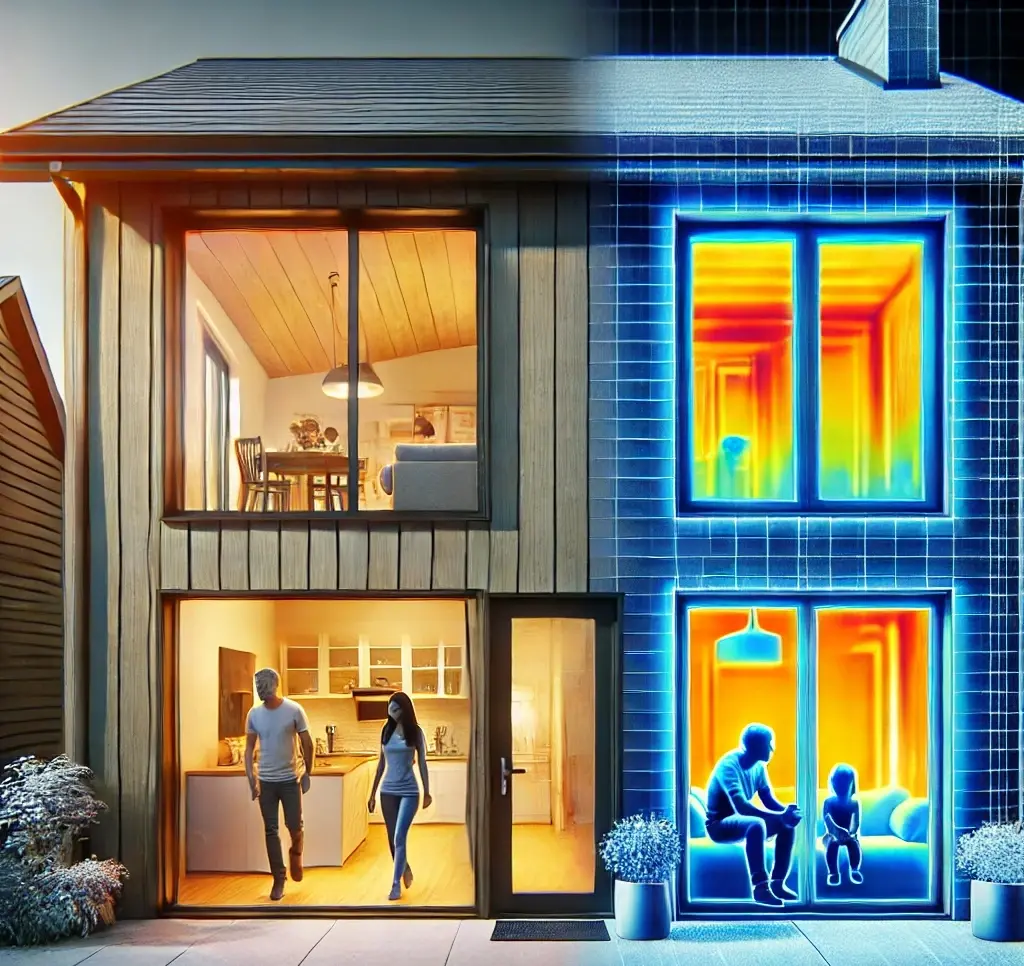
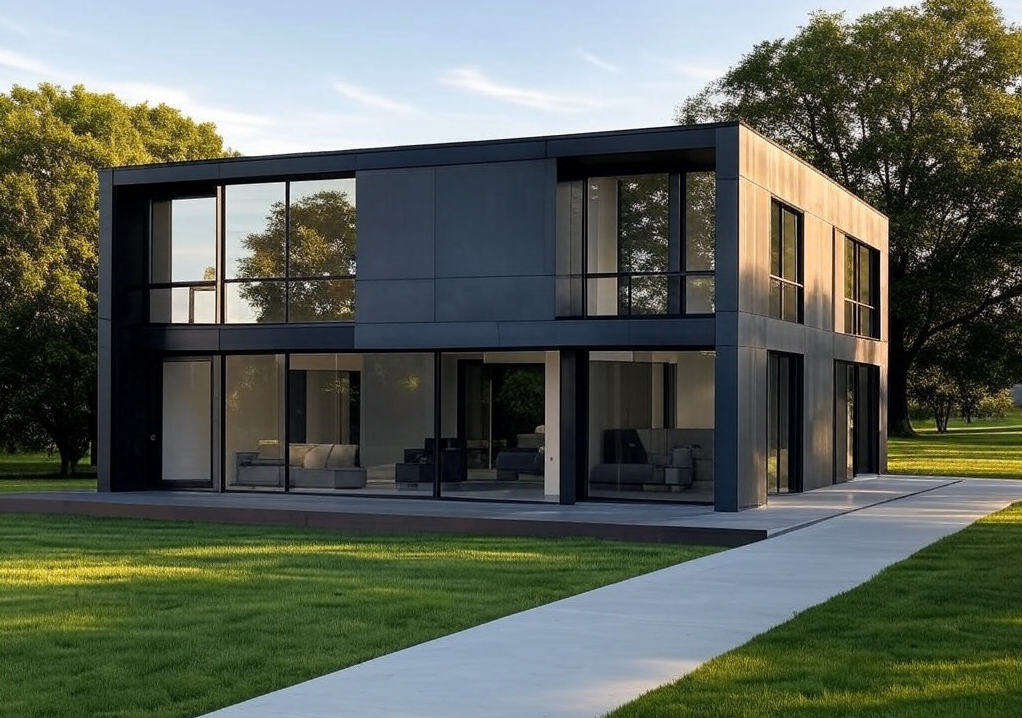
    Energy-efficient black steel doors and windows help regulate indoor temperatures, making it easier on your heating and cooling systems. This lowers energy consumption and, in turn, decreases greenhouse gas emissions—a win for both your wallet and the environment.

    Environmental Impact and Sustainability

    A big reason to switch to energy-efficient doors and windows is their positive impact on the environment. Traditional windows and doors let heat escape in the winter and allow excess heat in during the summer, making energy use skyrocket. This leads to more pollution in the air, adding to global warming and climate change, which contribute to global warming and climate change.

    By upgrading to energy-efficient doors and windows, homeowners can use up to 30% less energy, reducing strain on heating and cooling systems while lowering utility bills and carbon footprints. This also reduces the need for power plants to burn more fuel, many of which rely on fossil fuels. If more people make this switch, the collective impact could lead to a big drop in pollution and harmful emissions, helping to create a cleaner planet for future generations.

    Lower Energy Bills

    While energy-efficient doors and windows may cost more upfront, the long-term savings make them a smart investment. Their design helps keep the heat inside when it’s cold and out when it’s hot, meaning your heating and cooling systems won’t have to work as hard to keep your home comfortable. Less energy use translates to lower monthly bills.

    Many federal and state programs, such as the Energy Star program and the Database of State Incentives for Renewables & Efficiency (DSIRE), give homeowners rebates or tax breaks for upgrading to energy-efficient features. Checking local utility companies or government websites is a great way to find out what’s available.

    These perks help offset the initial cost, making the investment even more worthwhile. Over time, the money saved on energy bills can more than cover the cost of installation, providing an excellent return on investment.

    Improved Comfort and Air Quality

    Besides saving energy, energy-efficient doors and windows help keep your home cozy all year round. Their advanced insulation technology keeps indoor temperatures stable, eliminating cold drafts in the winter and excessive heat in the summer. No more struggling to keep your home warm or cool—you’ll feel comfy no matter the season.

    They also help reduce outside noise, which is great if you’re tired of hearing traffic or loud neighbors if you live near a busy street or in a noisy neighborhood. Additionally, better sealing means fewer dust particles, allergens, and pollutants can enter your home, leading to improved indoor air quality and a healthier living environment.

    Boosting Property Value

    In today’s real estate market, energy efficiency is a major selling point. Homes with energy-efficient doors and windows are more attractive to buyers because they promise lower utility costs and a reduced environmental impact. This can significantly boost a home’s resale value.

    Energy efficiency certifications and ratings make your home even more attractive to buyers, helping a home stand out in a competitive market. Buyers are increasingly looking for sustainable living options, so upgrading your doors and windows can be a great way to increase your home’s future resale potential.

    Latest Innovations in Energy-Saving Technology

    Technology in energy-efficient doors and windows has advanced significantly in recent years, with innovations such as smart glass that adjusts to light conditions, vacuum-insulated glazing for better insulation than ever, and advanced weatherstripping techniques that further minimize heat loss. Features like low-emissivity (Low-E) glass coatings, double or triple glazing, and high-performance frame materials provide better insulation.

    For example, Low-E glass has a thin coating that reflects heat while still letting in natural light, keeping your home warm in the winter and cool in the summer. Multi-glazed windows add an extra layer of insulation to minimize heat transfer. Modern frame materials like fiberglass and vinyl offer better insulation than old-school wood or aluminum frames, helping your home stay comfortable while using less energy.

    A Step Toward Energy Independence

    Reducing energy consumption through energy-efficient doors and windows also helps reduce our need for imported energy. When individual homeowners cut their energy use, the overall demand on power grids decreases.

    This reduces reliance on imported fuels and supports the development of local renewable energy sources, ultimately strengthening national energy security. This reduced demand enhances national security by decreasing reliance on imported fuels, especially during times of global conflicts or rising fuel prices.

    Energy independence strengthens national resilience by reducing reliance on global energy markets and encouraging the growth of local renewable energy sources.

    A Smart Choice for the Future

    The growing demand for energy-efficient doors and windows isn’t just about saving money—it’s about making a real difference. With climate change, rising energy prices, and the push for sustainable living, choosing energy-efficient options is a smart way to prepare for the future.

    Whether you’re building a new home, renovating an old one, or simply looking for ways to cut your carbon footprint, investing in energy-efficient doors and windows is a smart choice for your home and the environment that benefits both you and the planet. To learn more about energy-efficient home upgrades and available incentives, check out local energy programs or consult with a certified energy expert.

  • The Hidden Dangers of Neglecting HVAC Maintenance

    Source: unsplash.com

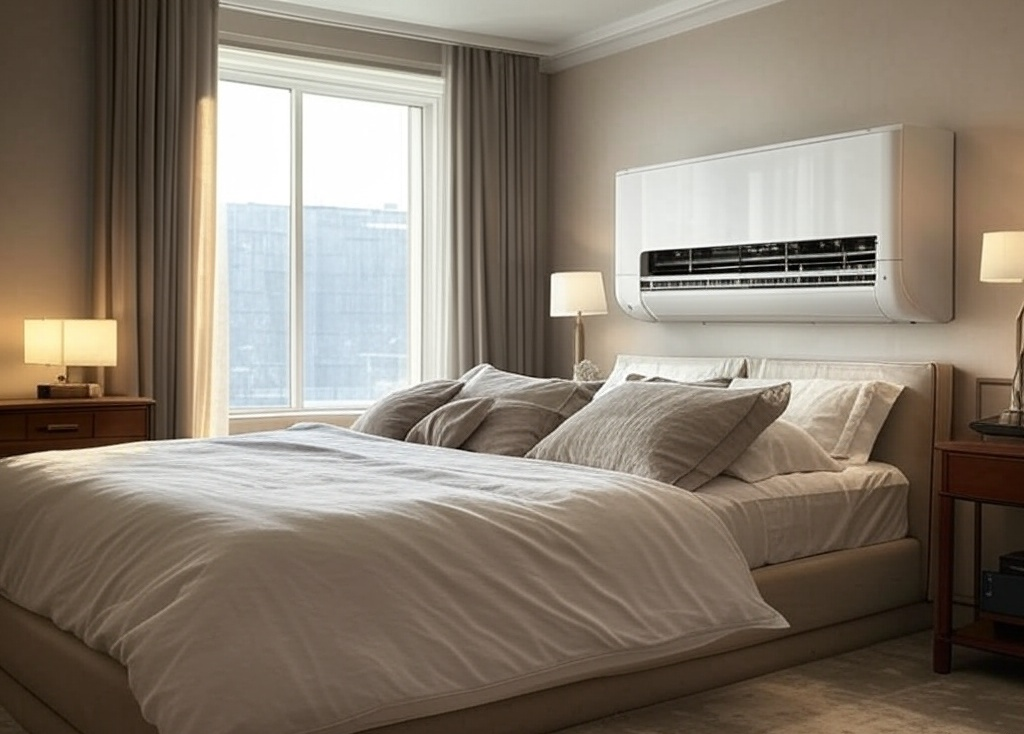
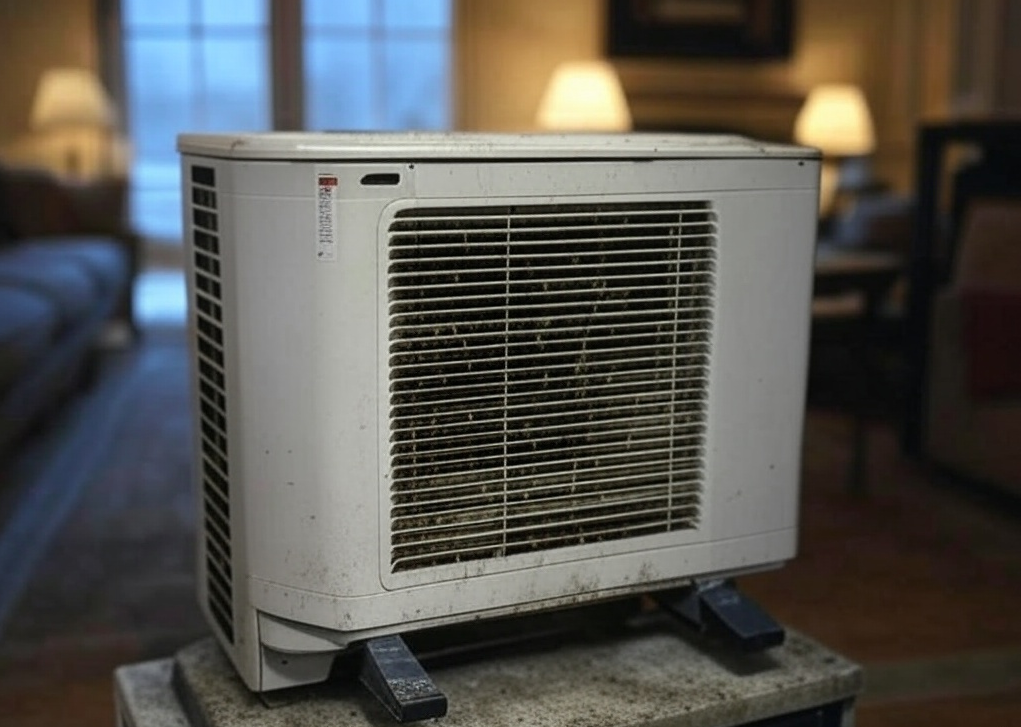
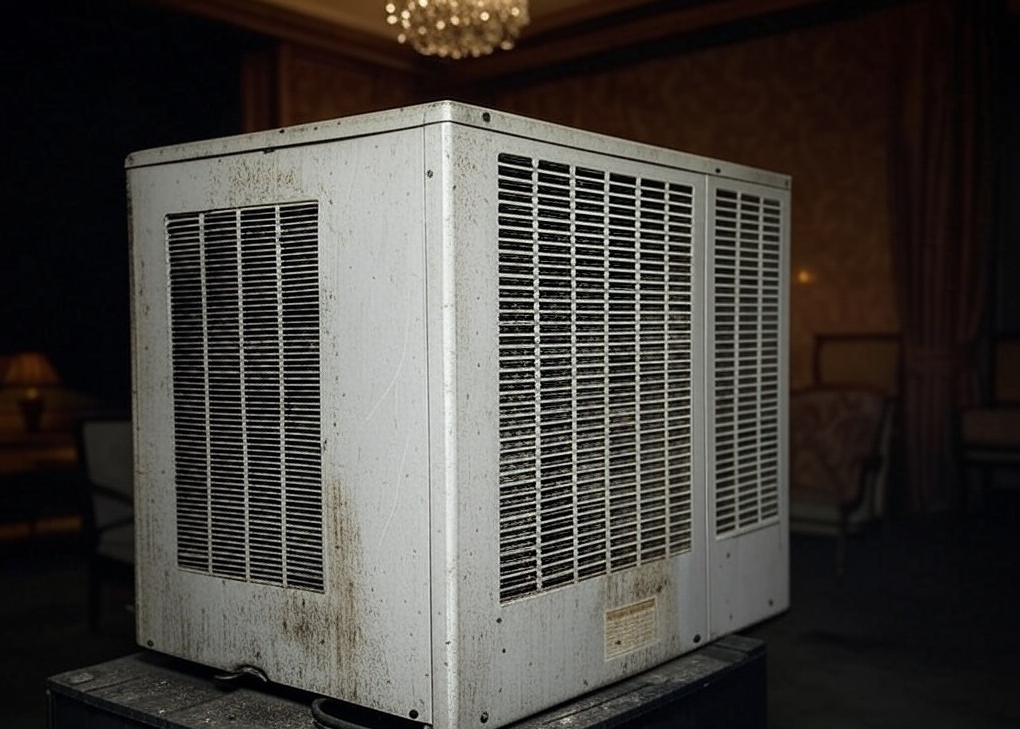
    Home comfort depends on the HVAC system. The HVAC system regulates room temperature, controls humidity, and ensures clean air indoors. However, many homeowners and commercial building owners neglect regular HVAC maintenance until a breakdown occurs.

    Neglecting regular upkeep might not seem like a big deal initially, but over time, it can lead to higher energy costs, poor air quality, unexpected system failures, and even health risks. Here’s why regular HVAC maintenance is crucial and the consequences of neglecting it.

    Higher Energy Bills & System Overload

    A neglected HVAC system has to run longer and use more energy to maintain the desired temperature, increasing your electricity bill. Common culprits include:

      • Clogged air filters – restrict airflow, forcing the system to work longer
      • Dirty coils – reduce heat exchange efficiency
      • Blocked vents or ducts – disrupt proper air circulation
      • According to the U.S. Department of Energy, replacing a dirty air filter can lower HVAC energy consumption by up to 15%.
      • Impact: If ignored, this extra strain shortens the system’s lifespan and can lead to costly repairs or early replacement.

      Poor Air Quality & Health Issues

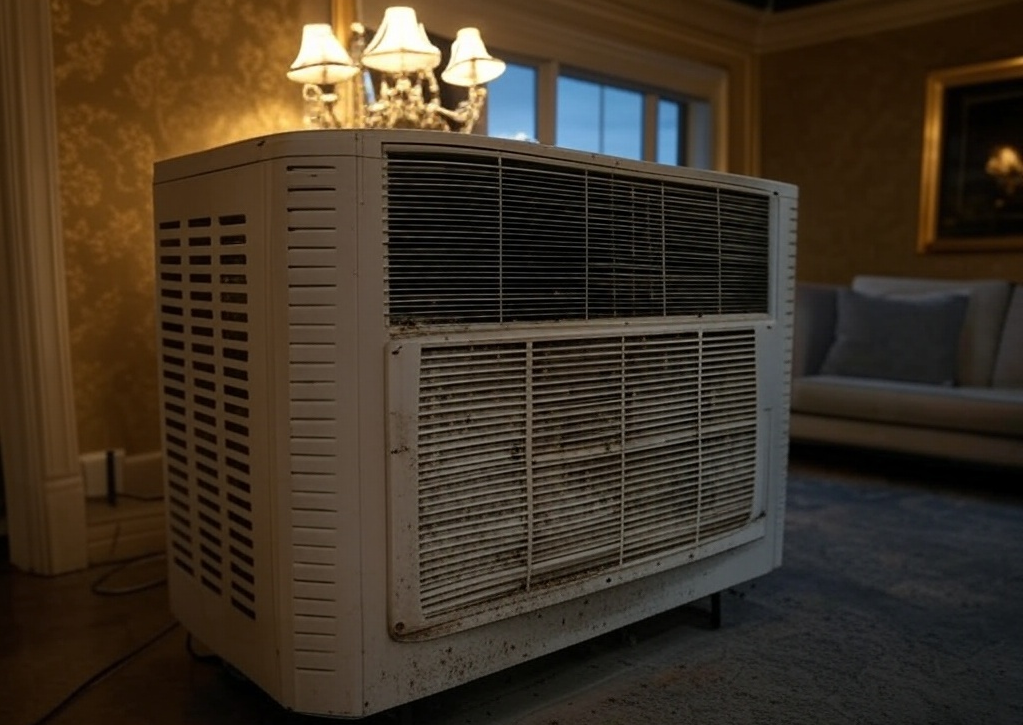
      Your HVAC system moves air throughout your home, meaning any dust, mold, or bacteria inside the system can spread to your living spaces. When maintenance is neglected, dust, mold, pet dander, and bacteria can accumulate inside the system and get blown into your living space. Possible consequences:

        • Aggravated allergies and respiratory problems
        • Mold growth, leading to musty odors and health risks
        • Sewer gas smell in the bathroom, often caused by poor ventilation or clogged drains interacting with the HVAC system
        • Increased indoor air pollution Example: Ever noticed a stale or musty smell when your AC turns on? That could be mold in your air ducts, thriving in dark, damp environments.
        • Solution: Regular maintenance includes cleaning air ducts, replacing filters, and controlling humidity to stop mold and dust buildup.

        Risk of Sudden Breakdowns & Costly Repairs

        Many HVAC failures begin as minor issues—like a loose wire or a dirty filter—that worsen over time. Common preventable problems:

          • Refrigerant leaks – Can lead to compressor failure ($1,500+ repair)
          • Worn-out components – Overheats the system, causing sudden shutdowns
          • Frozen evaporator coils – Block airflow, making the system inefficient
          • Impact: Without routine maintenance, a system that should last 15–20 years might fail within 10 years or less.
          • Solution: Routine inspections can catch these issues early, potentially saving you thousands in repair costs.

          Fire Hazards & Electrical Risks

          Your HVAC system runs on electrical components, including motors, wiring, and circuit boards. Over time, dust buildup or loose connections can create fire hazards. Common risks:

            • Overheating motors – Can ignite surrounding dust or debris
            • Faulty wiring – Can cause electrical shorts or even house fires
            • Blocked HVAC vents – Can trap heat, increasing fire risks
            • Fact: According to the NFPA (National Fire Protection Association), HVAC-related fires account for thousands of home fires each year, many of which are preventable with regular inspections.
            • Solution: Checking for obstructions in vents and ducts to maintain proper airflow.

            Carbon Monoxide Leaks – A Silent Threat

            If you have a gas-powered furnace or HVAC system, a cracked heat exchanger or blocked vent can cause carbon monoxide (CO) leaks. Carbon monoxide is odorless and colorless, making it hard to detect without a CO detector. It’s highly toxic and can cause dizziness, nausea, confusion, or even death. It’s even more dangerous in winter when homes are sealed tight.

              • Solution: Install carbon monoxide detectors near bedrooms and HVAC units. Schedule yearly inspections to check for cracks, blockages, or leaks.

              Shortened System Lifespan & Higher Replacement Costs

              An HVAC system is a major investment, and regular maintenance keeps it running longer.

                What happens if you neglect maintenance:

                • Neglected system: May fail in 8–10 years
                • Well-maintained system: Can last 15–20 years
                • Cost of early replacement: Replacing an HVAC unit can cost anywhere from $5,000 to $12,000
                • Solution: Investing in annual tune-ups prevents premature wear and extends your system’s lifespan, saving you money in the long run.

                The Simple Solution: Regular Maintenance

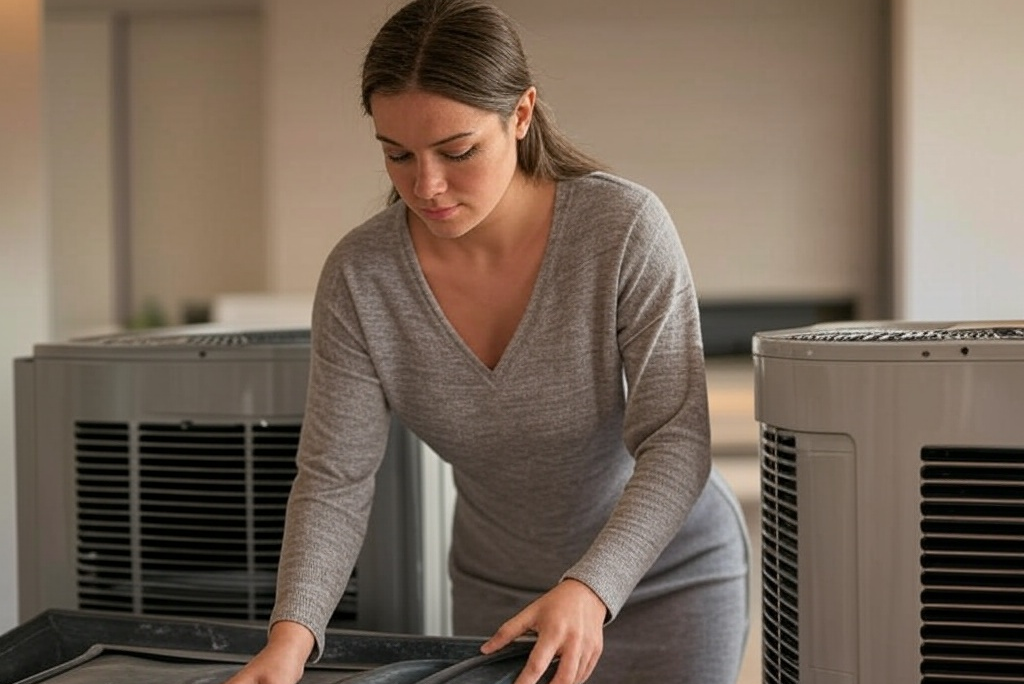
                The best way to prevent these issues is with routine HVAC maintenance. Experts recommend servicing your system at least once or twice a year

                  • Replace disposable air filters or clean reusable ones every 1–3 months
                  • Clean air ducts to remove dust buildup
                  • Check refrigerant levels and look for leaks
                  • Test the thermostat for accuracy
                  • Inspect electrical wiring and connections
                  • Make sure the system drains properly to prevent moisture buildup and keep your system running efficiently.

                  Don’t Wait Until Your HVAC Fails!

                  Neglecting HVAC maintenance may seem harmless—until you’re stuck with a skyrocketing energy bill, an unexpected breakdown, or a major health risk. A little maintenance now can save you thousands later. Breathe cleaner air, lower your bills, and keep your home safe. Book an HVAC check-up today!

                1. How to Choose the Right Location for a Medical or Dental Office

                  Source: pixabay.com

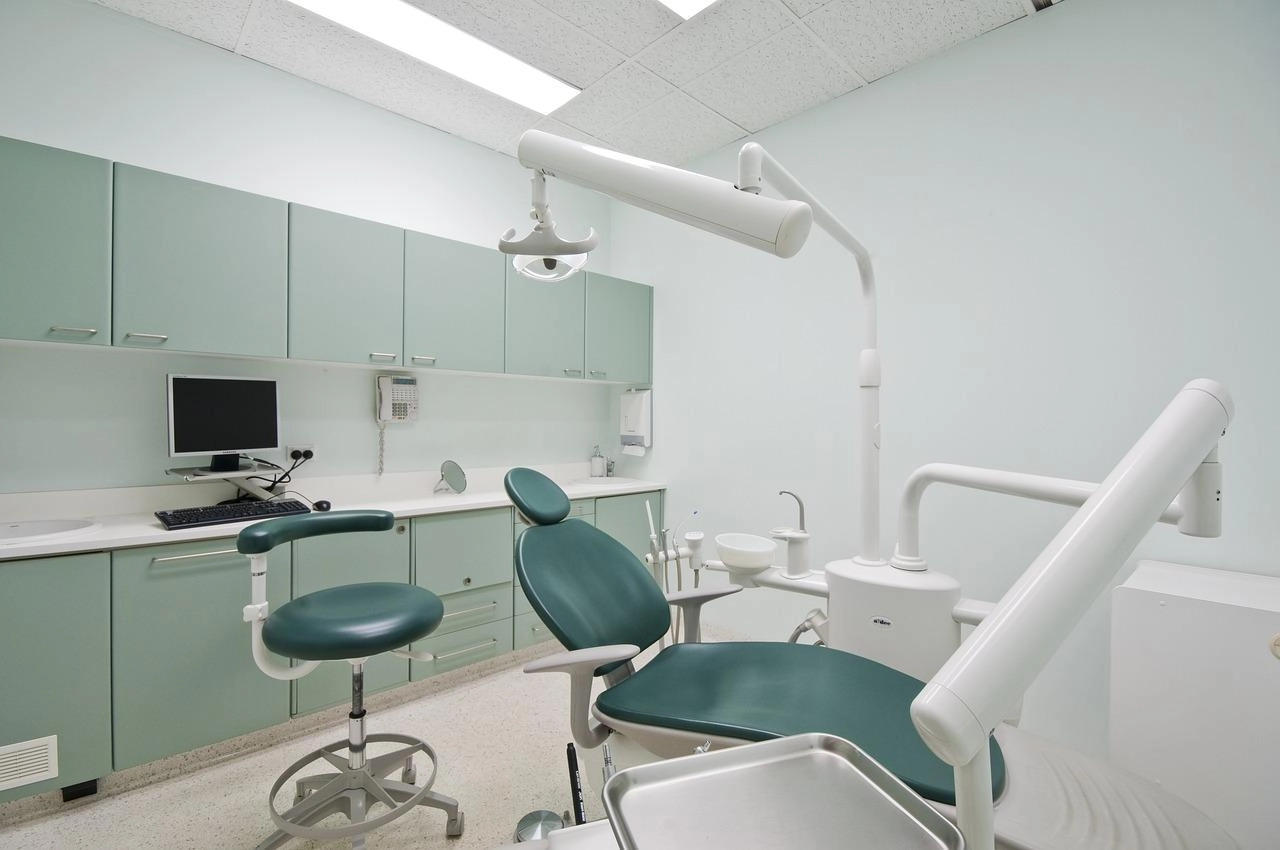
                  Choosing the right location for your medical or dental practice is a big decision that can impact your success. The right spot makes it easier for patients to find you, increases visibility, and supports business growth. When selecting a location, consider patient demographics, competition, rental costs, and local regulations.

                  Choosing a good location can help attract new patients, retain the current, and be conveniently and easily accessible to them, if you are starting up, or if you are in the process of expansion, proper research shall eliminate costly errors.

                  For dental professionals, location is even more important. Unlike other businesses, clinics must also comply with specific regulations and zoning laws. It’s important to find a building that complies with these regulations, is cost-effective, and easily accessible for patients.

                  This guide highlights the key factors to consider when choosing the right location for your medical or dental office.

                  Understanding Market Demand and Availability

                  Before choosing the location, assess the demand in the community for dental care or medical care. A developing, high-density location usually means good demand potential. Review the significant demographic factors—age structure, income, and the availability of current healthcare providers—on the basis of which you can determine if the location is the right place to build a new practice.

                  Some level of competition is inevitable, but oversaturating the market could result in greater difficulty in bringing in new patients. Alternatively, a sparse area in terms of healthcare providers could offer an opportunity—but you also need to consider the reasons providers are scarce. A shortage of providers could result from low demand from patients, or from the area’s population simply being too small to support a practice. Conduct research into local populations, insurance coverage, and healthcare use patterns before you decide

                  If you’re starting from the ground up, buying an established office could be a good move, there are organizations that can help you set up dental practices for sale efficiently. This tactic offers some significant positives, including an established patient base, infrastructure, and established community reputation. The American Dental Association (ADA) and medical office brokers are also available to guide professionals in finding available practices.

                  Accessibility and Convenience for Patients

                  Your practice’s success depends on how easy it is for patients to reach you. A location that’s difficult to access or lacks proper transportation options may discourage visits. Ensure your office is accessible by car, public transportation, or foot traffic.

                  Parking availability is another critical factor. Patients should not struggle to find a parking spot. A location with designated parking spaces or nearby parking facilities improves patient experience and convenience.

                  Additionally, consider accessibility for individuals with mobility challenges. An office located in a building with elevators, ramps, and wide entryways ensures compliance with accessibility standards and provides a welcoming environment for all patients.

                  Visibility and Signage for Marketing

                  Your medical or dental office should be easy to locate for both current and potential patients. High-traffic areas or locations near main roads provide greater visibility and can help attract new patients.

                  Being near shopping centers, medical plazas, or hospitals can also increase foot traffic and referrals. Ground-floor offices tend to be more accessible and visible, making them an attractive option.

                  Clear and professional signage is essential. A well-lit, easy-to-read sign reinforces brand recognition and helps patients find your office. Be sure to check local regulations on signage to ensure compliance.

                  Evaluating Rental Costs and Long-Term Growth

                  Cost is a major factor in selecting a location. While a lower-cost space may seem appealing, think about long-term growth. An affordable location today might not support future expansion, especially if your patient volume increases or if you need to add more services.

                  Compare rental prices in different locations and weigh the expenditure against the payoff from the patients. A location with high rent and demand and heavy traffic might be worth the premium to increase visibility and convenience. But if the rent gets too high, you might end up stressing your bottom line—partly in the first few years.

                  Negotiate lease terms to provide future expansion or relocation. Leases are flexible to some, commercial agreements are flexible to some, and some are flexible to all. Review the lease first with a real estate attorney to see if the lease fits into long-term company goals and avoid surprises in the form of property taxes, maintenance, or restrictive renewal. A good lease avoids money issues and encourages long-term growth.

                  Zoning and Legal Considerations

                  Before committing to a location, verify medical or dental use approval from your local city planning department or the zoning office. A few are restrictive in signage, waste disposal, and parking, so getting to know them in advance can eliminate added costs.

                  If you’re unsure, consulting a real estate lawyer or zoning specialist can help ensure compliance with all local laws. They can also assist in identifying any restrictions on business hours, patient capacity, or necessary building modifications.

                  Conclusion

                  Selecting the right location for your medical or dental office requires careful planning and research. A well-chosen site ensures accessibility, supports business growth, and enhances patient satisfaction.

                  Evaluating market demand, patient demographics, and local competition can help determine the best areas for your practice. Accessibility, parking availability, and office visibility play a crucial role in attracting and retaining patients.

                  Financial considerations, including rental costs and long-term growth potential, should be analyzed thoroughly to ensure sustainability. Finally, compliance with zoning laws and legal regulations prevents operational challenges down the road.

                  Whether starting fresh or purchasing an existing practice, taking the time to choose the right location can significantly impact your success. With the right approach, you can build a thriving practice that meets both patient needs and business goals.