Author: Jack Harrell

  • Get Your Deck Ready for Every Season

    Keeping your deck in shape all year helps it last longer and keeps everyone safe. Whether you’re flipping burgers in July or bundled up in January, your deck should handle heat, rain, and cold without any drama.

    From blazing sun to frosty mornings, here’s a simple plan to keep your deck ready for every season.

    Why Seasonal Deck Maintenance Matters

    Regular maintenance keeps your deck looking great and prevents small issues from becoming costly repairs. If you skip maintenance, you may see cracked boards, loose fasteners, and faded finishes after tough weather. Knock out a few seasonal tasks to block summer UV, fall rain, and winter snow and ice, and you will keep the surface safer underfoot.

    Your deck material determines the workload, and that affects how you maintain it. Wood needs periodic cleaning and a fresh coat of penetrating stain or water repellent, while most capped composite and PVC decks only need an occasional wash. Do a quick seasonal check for loose hardware, soft spots, and wobbly rails. Those five minutes could add years to your deck’s life and save you money down the road.

    Get Your Deck Summer-Ready
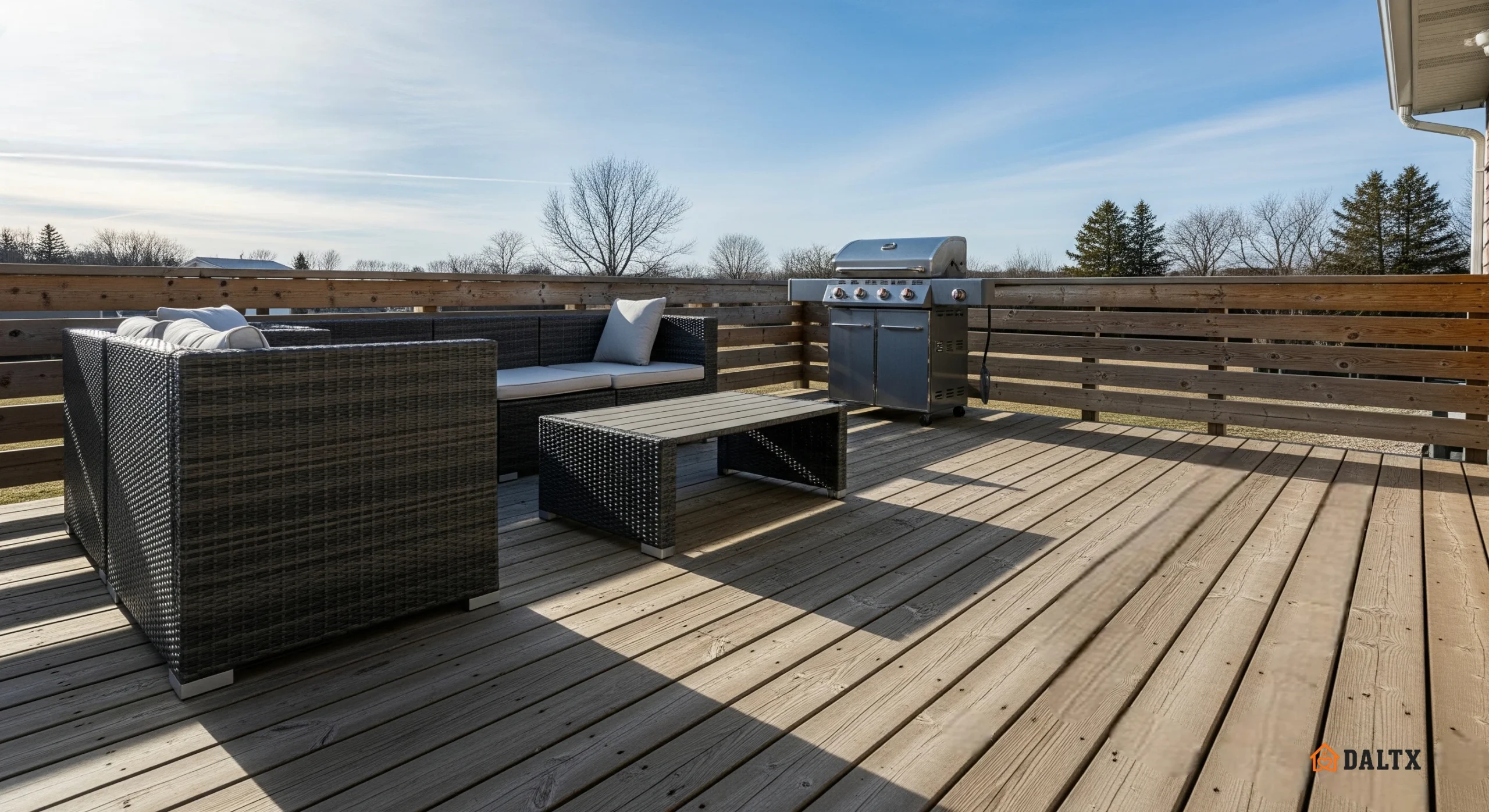
    Summer is peak deck season, and sun and heat can be tough on bare wood and worn finishes. Use a high-quality UV-blocking stain or clear water repellent on wood when the boards are dry and the temperature is between about 50 °F and 90 °F, so the finish cures evenly. For composite or PVC decks, follow the manufacturer’s directions, since most capped boards don’t require sealing and usually just need a good cleaning.

    Give your deck a deep clean before summer kicks in so the surface is ready. Scrub with a deck cleaner or use a pressure washer on low, around 500 to 1,200 PSI with a 40-degree tip. And keep the wand moving along the grain to avoid scarring the wood. Once it’s dry, check for popped screws, lifted boards, and loose posts, then tighten or replace any hardware as needed.

    Choose furniture that can handle heat and sudden storms, and set protective pads under the legs to prevent dents and stains. Use breathable covers for cushions and store fabrics in a dry bin to prevent mildew. If you have a grill, place a fire-resistant mat underneath, keep it a safe distance from railings and siding, and always follow local fire regulations.

    Fall Prep: Protecting Your Deck Before the Chill

    When leaves start dropping, keep your deck clear because wet piles can stain wood or composite and make the surface slippery. Sweep often or use a blower, and clean out the gaps between boards so water can drain properly.

    Fall is a great time to seal bare wood before winter arrives. A fresh coat of penetrating stain or clear water repellent helps block the moisture that freezes and thaws. A cycle that causes checks and splits over time. Capped composite doesn’t need sealing, and a gentle wash is all it takes to keep it looking new.

    Winterizing Your Deck for Cold Weather
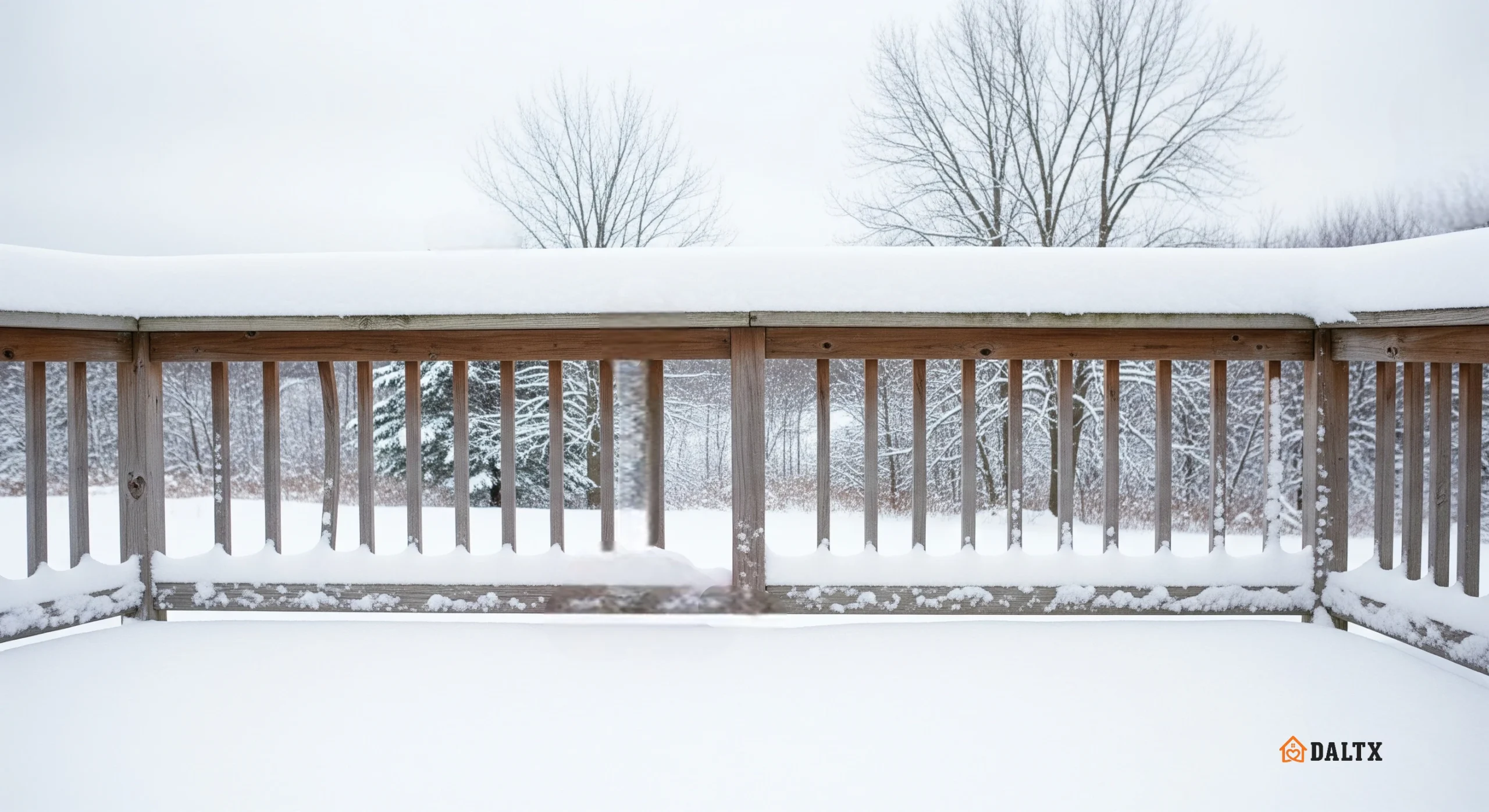
    Snow and ice are tough on decks, especially when water sits for days without drying out. Shovel right after storms using a plastic shovel, and push along the direction of the boards so you don’t catch the edges. Avoid rock salt on natural wood since it’s corrosive, and check your manufacturer’s recommendations before using ice melt on composite. If you need traction, sprinkle sand or use an ice melt labeled safe for your deck material, such as calcium chloride for most capped composites.

    For extra protection, use a breathable, fitted winter cover, since trapped moisture is the real enemy. Before the deep freeze hits, treat any exposed wood with a coat of water-repellent finish (or another water repellent), and make sure the house flashing is secure so meltwater can’t sneak behind the ledger.

    Spring Deck Prep and Bring Your Deck Back to Life

    Once it warms up, start with a thorough clean to wash away winter grime and pollen. Use a cleaner made for your material, rinse well, and let the boards fully dry.

    Spring is the best time to restain or reseal wood if water no longer beads on the surface. Pick a dry stretch and apply thin, even coats so the finish lasts longer and cures evenly. Composite and PVC decks usually just need a wash with mild soap and a soft brush to remove chalky film or dirt.

    Finish with a safety check before the season gets busy. Tighten loose rails, reset any proud fasteners, and inspect the ledger, joist hangers, and posts for rust or rot. Replace any soft or cracked boards and test GFCI outlets and lighting to make sure everything’s ready to go.

    Choosing Deck Materials That Work All Year

    If you’re building new or replacing old boards, choose materials that fit your climate and match how much maintenance you’re willing to do. Popular options include pressure-treated lumber, cedar, redwood, tropical hardwoods, composite, PVC, and aluminum.

    Pressure-treated lumber is affordable and strong, but it needs regular cleaning and an occasional stain to keep it looking good. Cedar, redwood, and tropical hardwoods offer rich color and natural beauty and can last for years with the right oil or stain, though they still need routine care. Composite and PVC decking are low maintenance, resist rot and splinters, and aluminum is extremely durable and sheds water quickly, making it ideal for areas with wide weather swings.

    Stone deck vs composite materials each have their pros and cons. Stone and paver patios also make great outdoor living spaces, but they aren’t decking since they sit directly on the ground. If you’re choosing between a raised deck and a patio, consider drainage, frost, and how you’ll use the space, then go with what best fits your site.

    Make Your Deck a Year-Round Hangout

    Add a few comfort upgrades so the deck works in every season. In winter, outdoor heating such as a code-compliant fire pit or outdoor heater keeps cold nights cozy, and in summer, shade from a pergola, an umbrella, or a retractable awning keeps things cool.

    Finish your setup with inviting details that pull their weight. Choose comfortable seating, quick-dry outdoor rugs, and string lights that are rated for wet locations. Whether you are hosting friends or unwinding after work, these touches make the deck feel like part of your home.

    Conclusion

    A little seasonal care keeps your deck looking good and safe to use. With a quick checklist for summer, fall, winter, and spring, you will spend less on repairs and get more time outside. No matter what your deck is made of, steady cleaning, quick fixes, and the right finish will keep it ready for any weather for years.


  • Types of NC General Contractor Licences to Consider

    If you’ve been thinking about starting a handyman or general contractor business in North Carolina, there’s a lot you should know before picking up your tools. That’s because the legal system in this state has some unique requirements, especially if you intend to work on larger projects.

    This post will help you understand the various types of general contractor (GC) licences you can consider depending on your needs.

    First Things First: When Do You Need a Licence?

    You will need a general contractor licence from the North Carolina Licensing Board for General Contractors if your project is valued at over $40,000. This applies whether you are bidding, building, or managing the job. You will even have to renew your licence and take an NC general contractor continuing education course to complete your renewal application.

    If you’re working on smaller projects under $40,000, you may not need a licence. Still, you will need a licence for certain specialities, even without considering the value of your project.

    Types of Licences for a GC in North Carolina

    There are five main types of general contractor licenses you can apply for in North Carolina:

    1. Building Contractor

    If you take on projects that involving construction or demolition, you will need a building contractor licence. For this type, you can choose to engage in commercial, residential, industrial, and institutional building construction. Some of the common projects you can work on with this licence include parking decks, grading and paving parking lots, sidewalks, gutters, site work, and more.

    Getting a building contractor’s licence also covers you for the following speciality licences:

    • Insulation
    • Concrete
    • Marine construction
    • Masonry
    • Metal structures
    • Roofing
    • Swimming pools
    • Interior construction
    • Wind turbine construction
    • Asbestos

    2. Residential Contractor

    A Residential Contractor license in North Carolina covers all construction and demolition work for residential units built according to the state’s Building Code Council building codes.

    Earning this type of licence also covers different specialities. These are:

    • Masonry
    • Interior construction
    • Roofing
    • Insulation
    • Swimming pools
    • Asbestos

    3. Highway Contractor

    If you’re more interested in projects that involve highway construction activity, such as paving of all types, grading, relocation of utility lines, installation of artificial athletic surfaces, and more, this is what you need. This licence also gives you the ability to construct fencing, guard rails, and signage.

    The highway contractor licence also allows for some airport work, such as grading and paving runways/taxiways, installing signage, marking, runway lighting, and more. Like the other two licences, this one also covers different specialities:

    • Railroad construction
    • Concrete construction
    • Grading and excavating
    • Marine construction
    • Boring and tunnelling

    4. Public Utilities Contractor

    This licence allows you to take on projects involving public water and wastewater systems. It also includes specialties like:

    • Water and sewer lines
    • Boring and tunnelling
    • Fuel distribution
    • Swimming pools
    • Electrical (Ahead of the point of delivery)
    • Communications
    • Water purification and sewage disposal

    5. Speciality Contractor

    In most cases, you will encounter the four licences we’ve mentioned above, but technically, the speciality contractor licence is also a form of a general contractor’s licence. In truth, the State of North Carolina includes it under the general contractor licensing subsection.

    The different types of specialities you can get a licence for are the ones we’ve mentioned under the first four types of general contractor licences. Each one allows you to handle different types of work. For instance, the roofing speciality licence permits you to install, demolish, and repair roofs and decks on structures in the commercial, residential, industrial, and institutional categories.

    It’s also important to note that some of the speciality licences come with caveats. The asbestos licence, for instance, becomes necessary only when your contracts exceed $30,000.

    Make Your Licensing Journey Easier

    Getting your NC GC licence is a great investment for your career and your company’s future. With the right licence, you can unlock a limitless ability to aim for bigger projects while assuring clients you are qualified. All this goes a long way in positioning you as a highly sought-after professional in a very competitive industry.

    Ready to spread your wings and fly? Here’s where RocketCert comes in! With expertly written and fully narrated courses that are easy to understand, you have no excuse not to reach your dreams.

  • Understanding the Value of Gold and Coins in Today’s Dallas Economy

    Dallas homeowners and real estate investors are dealing with a busy, expensive market, and that has a lot of people double‑checking their money moves. High interest rates, bigger property tax bills, and rising insurance costs make every dollar count, so more folks are looking at assets that do not move in lockstep with housing or stocks. Gold and collectible coins serve that role because they hold value well, and they play a real part in how people here protect wealth.

    Why Dallas Residents Consider Precious Metals

    Dallas‑Fort Worth keeps adding people and jobs, which is great for growth and also tough on predictability. Neighborhoods change fast, prices swing, and not every investment rises at the same time, so locals want something steady that is not tied to the next building boom.

    Gold has a long track record as a store of value, and it is a physical asset you can hold when markets get jumpy. That matters to anyone who has watched retirement accounts or property values bounce around. If you want to sell gold coins, silver, or other precious metals in Dallas, local shops such as Dallas Coin Buyers can give same‑day evaluations that follow current spot prices and typical dealer premiums.

    Here is why that matters at home. Plenty of people have gold jewelry, inherited coin albums, or a few bullion pieces tucked away without a clear idea of what they are worth. When an emergency pops up or you are planning a downsize, knowing the real number makes it much easier to budget and make a smart call.

    The Current Gold Market in 2025

    The gold market in late 2025 has seen a significant price surge, with prices reaching a high of over $4,300 per ounce due to economic uncertainty, inflation fears, and a weakening dollar.

    Gold prices react to big themes like inflation, global uncertainty, and currency moves, and they usually care a lot about the Federal Reserve’s path on rates. Gold does not pay interest, so higher rates can make cash and bonds look better, and lower rates or sticky inflation can push investors back toward metal, although the relationship is not perfect every time.

    Central banks have been steady buyers in recent years, which has supported demand and sent a signal that gold is still a long‑term reserve asset. Individual investors often follow that same logic when they want a buffer in their portfolio.

    Types of Gold and Coins Worth Knowing

    • Gold bullion which is bars or modern bullion coins valued mostly for metal content. Think American Gold Eagles, Canadian Maple Leafs, and bars from well‑known refiners, and expect prices to track the spot price plus a premium that covers minting and distribution.
    • Numismatic coins which are older or rare pieces prized by collectors for scarcity, history, and condition. A key‑date Morgan dollar in great shape can sell far above melt value because collector demand is strong.
    • Gold jewelry which is priced by gold content and also by design and brand. Most everyday pieces sell near melt based on purity marks like 10K, 14K, 18K, or 24K, while some designer items can bring more.
    • Foreign coins which include items like British Sovereigns, South African Krugerrands, and Mexican Pesos that can carry both bullion and collector appeal. Demand in the United States varies by type and condition.
    • Silver bullion and classic silver coins which are popular entry points because they have lower price per ounce. Look for purity marks like 0.999 on bars and rounds or 90 percent on many older U.S. coins, and remember that premiums and spreads are usually higher by percentage than gold.

    How Dallas Real Estate and Gold Investing Connect

    Real estate builds equity and can throw off rent, while gold helps preserve purchasing power and is easy to convert to cash. A lot of local owners discover they are sitting on value in old coins or jewelry, and turning a drawer full of metal into money can cover a roof repair, a remodel, or the down payment on the next place.

    When the housing market moves quickly, being able to turn bullion or coins into cash within a day or two gives you flexibility right when you need it most.

    What Affects Gold and Coin Values in Dallas

    Your offer depends on metal prices, demand, and the buyer you choose, and Dallas has a deep network of shops and dealers that keeps bids competitive. Living in a large metro helps because you can compare quotes the same afternoon without shipping or extra appraisal costs.

    Local money trends matter too. When paychecks are strong and the energy and tech scenes are humming, collectors tend to buy more, and when budgets tighten, more people sell, so the market stays active year‑round.

    Evaluating Your Gold and Coins

    Before you sell, take a minute to figure out exactly what you have and what a fair price looks like.

    • Identify the type and separate bullion, collectibles, and jewelry so you can compare the right way.
    • Check live spot prices and ask dealers for their buy price and premium or discount so you understand the spread.
    • Assess condition because scratches, cleaning, and polishing can knock a collectible down fast, and you should avoid touching raw coins with your fingers.
    • Research rarity by checking dates, mint marks, and population reports, and look up recent sale comps so your expectations are real.
    • Verify authenticity with simple checks like weight, dimensions, and magnet tests at home, and let the buyer confirm with XRF or acid tests while you watch.
    • Bring paperwork such as PCGS or NGC grading slips, original mint packaging, and receipts because those can help your offer.
    • Get two or three written quotes since reputable buyers in Dallas usually offer free evaluations with no pressure.

    The Role of Professional Buyers

    Professional shops use calibrated scales and testing equipment, they quote against real‑time markets, and they pay on the spot. Working with an established local shop adds comfort because they know Texas norms and provide clear documentation for your records.

    Good buyers walk you through the test, show you weights and purity readings, and explain how they got to their number. If the vibe is off or the math does not add up, get a second opinion and take your time.

    Tax Considerations for Dallas Sellers

    Selling precious metals can create a taxable gain at the federal level because the IRS treats many coins and bullion as collectibles with a long‑term rate that can be as high as twenty‑eight percent, and short‑term gains are taxed as ordinary income. Texas has no state income tax, so you are only dealing with federal rules, and good records of what you paid and when you bought make filing much easier.

    Some transactions trigger dealer reporting, and large cash deals can require extra ID and forms, so do not be surprised if the shop asks for information to stay compliant. For personal advice, talk with a tax pro who can help you track basis, offset gains with losses, and plan the timing of a sale.

    Making Smart Decisions

    Whether you are buying or selling, the best protection is knowing what you own and how the market works. Ask questions, compare offers, and do not rush.

    Gold and rare coins can add liquidity, stability, and balance to a portfolio that is heavy on real estate, and that mix helps you stay flexible when the market turns. Dallas has the scale and demand to support an active precious metals scene, so sellers usually find quick, competitive bids.

    Moving Forward

    Start by taking inventory at home, and pull out the jewelry box, the safe contents, and any inherited coin folders so you know what is there. You may have more value than you think.

    Then check spot prices, read up on your items, and visit a couple of well‑reviewed local buyers to see where offers land. Being prepared makes it much easier to get the deal you want.

    Finally, think about how metals align with your overall financial plan because if you are heavy in property, a little gold or silver can spread out your risk, and if you are sitting on pieces you do not need, converting them to cash can fund your next move. Dallas will keep growing and changing, so it helps to keep your strategy fresh, and understanding the value of gold and coins today sets you up to make strong, long‑term choices.

  • Why Every Outdoor Space Needs a Touch of Bedroom Comfort

    The line between indoor and outdoor living has become beautifully blurred. Your patio is no longer just a place to park a couple of lawn chairs and call it done. Today’s homeowners are creating outdoor sanctuaries that rival the comfort of their favorite indoor spaces, and they’re bringing bedroom-level coziness to their patios, decks, and gardens.

    Outdoor Living as an Extension of Home

    Outdoor spaces have seriously leveled up in the past few years. Nearly 40% of homeowners upgraded their outdoor areas in 2025, and that trend’s not slowing down anytime soon. People are putting real time and money into turning their backyards into full-on living rooms, dining spots, and even work-from-home zones.

    And it totally makes sense, if you’re dropping serious cash on outdoor furniture, you want to actually use it. But a lot of those sleek patio sets look amazing and still feel like sitting on a park bench. What’s missing? That same cozy, cushy vibe you expect from your bedroom.

    Creating Comfort Through Thoughtful Textiles

    The secret to making outdoor spaces truly livable is all in the details. Think about what makes your bed irresistible after a long day, like plush pillows, soft blankets, and layers of texture that practically beg you to sink in. Your outdoor space deserves that same treatment.

    Pillows That Actually Make You Want to Sit Down

    Outdoor throw pillows have come a long way from those scratchy, rock-hard cushions your parents used to have. Today’s outdoor textiles balance weather-resistant toughness with actual comfort. Fabrics like performance velvet, outdoor linen, and premium acrylics feel just as good as indoor pillows and still hold up against sun, rain, and heat.

    The key is layering different shapes, sizes and textures. Start with big square pillows, toss in some lumbar ones for lower back support, and finish with round or bolster pillows for a cozy, styled look. Just like your bedroom, variety is what makes it comfy and visually interesting.

    Bringing Bedroom Luxury to Your Patio Furniture

    Think of your patio like your bedroom, the same things that make your bed a dream spot apply outside too. Quality matters if you want your patio to feel like a legit retreat. Good textiles stay soft and stylish season after season, making them totally worth it.

    This goes beyond just pillows. Take premium duvet covers, for example, they show how top-notch fabric can turn an ordinary piece into something special. Brands like Doze Bedding totally get this. They’ve built a reputation for crafting high-quality bedding that turns comfort into an experience. Check out their collection at dozebedding.com to see how premium materials can seriously upgrade any space.

    Practical Considerations for Outdoor Comfort

    Bringing that bedroom-level comfort outside takes a bit of planning. Not every indoor fabric can survive the elements, but you don’t have to give up softness or style.

    Choosing Weather-Resistant Materials

    Outdoor fabrics have gotten super advanced. Look for materials made for the outdoors: solution-dyed acrylics, performance polyesters, or treated natural fibers that can handle sun, moisture, and wear. These fabrics now come in everything from sleek finishes to chunky textures, so you still get the same design freedom you’d have inside.

    UV-resistant fibers keep colors bright, while water-repellent coatings protect against sudden showers. Many even have antimicrobial finishes to fight mildew and odors, keeping your space fresh.

    Maintenance Made Simple

    Outdoor comfort should be effortless. Go for pieces with removable, washable covers so cleanup’s a breeze. Premium outdoor pillows usually have zippered covers that come right off. Throws should be machine washable too, if they’re easy to clean, you’ll actually use them.

    And when bad weather hits, stash your stuff in a weatherproof storage box or bench to keep everything clean and ready to go. That simple step keeps your textiles looking new way longer.

    Design Strategies That Work

    Creating cozy outdoor spaces follows the same basic design rules as your indoor setup.

    Color Coordination and Layering

    Neutrals make a great base outdoors. Then, layer in accent colors that vibe with your landscaping or house. Earthy tones keep things calm and grounded, while pops of color show off your personality. Stick to two or three main colors with some texture variety for a balanced, stylish look.

    Scale and Proportion

    Outdoors, you can go bigger. Oversized pillows and large throws look inviting, not over the top. A casually draped throw or an extra-large cushion instantly gives that “come chill here” energy.

    Making It Work for Your Space

    Every outdoor area’s got its own personality, so your comfort strategy should match.

    Small Patios and Balconies

    Limited space doesn’t mean limited comfort. Focus on a few high-quality pieces instead of cramming too much in. One great chair with a soft cushion and throw can make a perfect reading or coffee spot. Add small pillows for color and comfort without clutter.

    Large Decks and Entertaining Spaces

    Bigger setups call for multiple zones. Create a lounge area for relaxing and a dining area with cushioned seating for meals that last all night. Use matching colors or patterns across both to tie the look together.

    Covered Versus Exposed Areas

    Covered patios give you more freedom, you can use slightly fancier fabrics since they’re shielded from sun and rain. For fully open spaces, go for durable, weatherproof options that still feel soft. These days, the difference in look and feel is almost impossible to spot.

    Conclusion

    Bringing that bedroom-level coziness to your outdoor space might be one of the easiest, most rewarding upgrades you can do. You don’t need a massive remodel or a big budget. A few quality pillows, soft throws, and smart fabric choices can totally change how you use your outdoor space. Start small, figure out what makes you actually want to hang out outside, and build from there.

  • How to Simplify Mass Payments for International Clients

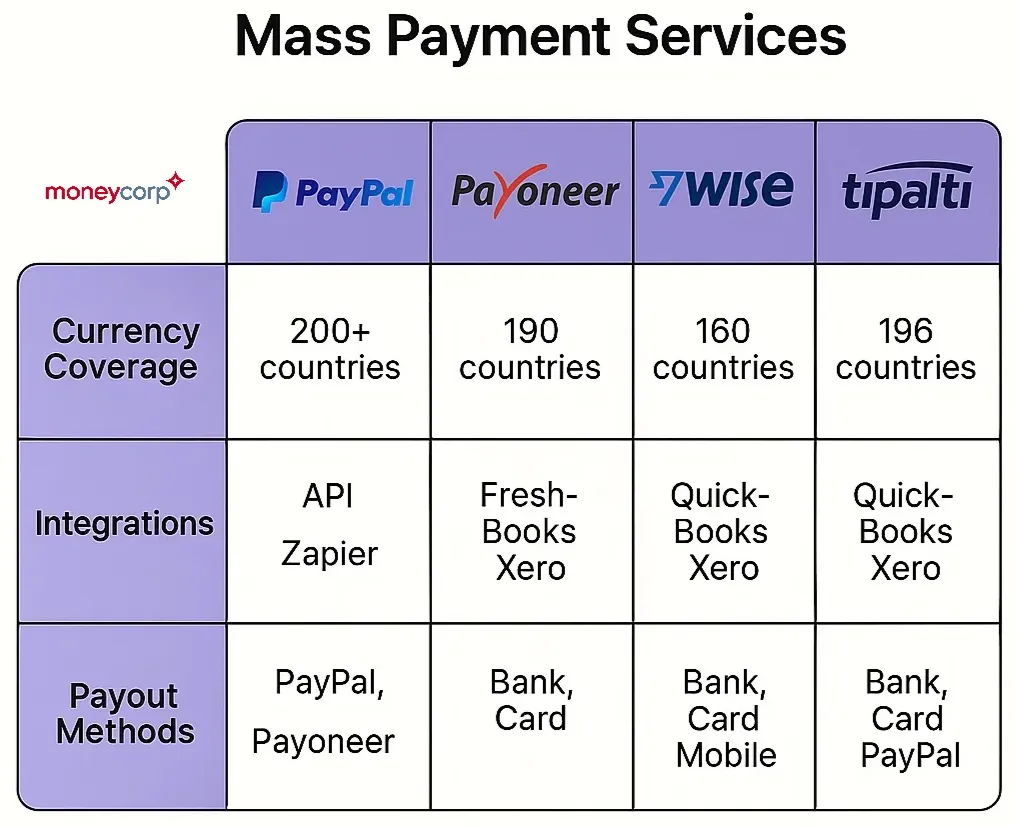
    The vast majority of North American businesses have international supply chains, and many work with global teams and freelancers. Yet while opportunities expand across borders, managing payments to multiple recipients in different countries can quickly become a logistical challenge.

    International mass payments can force teams to deal with fluctuating exchange rates and regional banking restrictions. With the right tools, your business can streamline these processes and reduce the operational complexity of its global financial workflows.

    The Challenges of Global Mass Payments

    You have to manage currency conversion, per‑payment fees, and a web of banking rules while staying on the right side of local law. Paying a designer in Europe, a supplier in Asia, or a partner in Latin America often means different account formats like IBAN, local clearing codes, and country‑specific forms. Intermediary banks can sit in the middle and add time and cost. FX rates can quickly impact overall costs and profitability if not managed effectively.

    Handling all of this by hand is risky because small mistakes or late payments can mess with trust and throw off your schedule. Once you start scaling, it’s tough to keep up with thousands of payouts, and poor visibility just creates roadblocks that drag everything out.

    Benefits of Automating

    In cross-border payments, automation saves time, reduces errors, and gives your team a clear view of what went out and why. Modern payout tools let you send money to many recipients in many currencies at once and they use live FX rates or locked quotes. Automation removes manual data entry, shortens payout cycles, and creates clean audit trails with built‑in verification.

    Your clients, partners, and contractors get paid faster and with fewer hiccups, which matters a lot in work that lives on on‑time delivery. The same system keeps working as you grow, so you scale without stacking more admin work. Good platforms also route payments over local rails like SEPA and Faster Payments when possible, which cuts wire fees and improves speed.

    Choosing the Right Mass Payment Platform

    Choose a platform that actually fits how you work. Look for broad country coverage, support for the currencies you pay most, and plug‑and‑play integrations with your accounting, payroll, and ERP tools.

    Go for providers that offer transparent FX pricing with upfront markups, flexible payout options, and support for bank transfers, local payment rails, and digital wallets, especially if you’re managing regular money transfer overseas operations. Look for ones that specialize in multi-currency business payments and offer features like rate locks, bulk approvals, and real-time tracking.

    Strong integrations matter because they sync vendors, invoices, and payout statuses, which gives finance end‑to‑end visibility and smooth handoffs from approval to reconciliation. Make sure you get role‑based controls, approval rules, and a clear audit log so you can meet internal policy without slowing people down.

    Ensuring Compliance and Security in Cross-Border Transactions

    Cross‑border payments must follow rules such as anti‑money laundering and know your customer checks, and you can face fines or frozen funds if you get it wrong. Use providers that handle verification, sanctions screening, and ongoing monitoring automatically. If you pay international contractors, collect the right tax forms like W‑8BEN or W‑8BEN‑E and check sanctions lists such as OFAC before you send funds.

    Security should be non‑negotiable. Partner with providers that use modern encryption, tokenized account storage, and multi-factor authentication to prevent unauthorized access. Clear reporting, payment tracking, and exportable logs make it easier to prove compliance and stay accountable from setup to settlement.

  • Expert Handyman Solutions for Home Repairs and Improvements on the Emerald Coast, FL

    Taking care of a home on the Emerald Coast in Florida is a lot to handle since surprise repairs and planned upgrades never stop. That’s why having a reliable handyman service is essential. It keeps your to-do list moving and your weekends free. Professional handymen offer quick response, quality craftsmanship, and fair pricing to keep your home comfortable and functional all year.

    Comprehensive Home Services in One Place

    Modern handyman teams cover a wide range of work so you do not have to juggle a bunch of contractors. From small fixes to bigger projects, they handle the details with care.

    Here are the most requested services:

    • Interior and exterior painting that gives walls, ceilings, trim, and outdoor surfaces a clean and durable finish.
    • Flooring installation for laminate, vinyl, tile, and hardwood with tight seams and proper underlayment.
    • Fencing and gate work that installs or repairs wood, metal, or vinyl options to boost curb appeal and security.
    • Drywall repair and finishing with seamless patches for cracks, dents, and water spots.
    • Furniture assembly for dressers, beds, cabinets, and shelving with everything leveled and anchored.
    • Door and window installation with a precise fit for better energy savings and curb appeal.
    • Deck and porch construction plus maintenance so your outdoor space is strong, safe, and easy to enjoy.
    • Storm prep and coastal upkeep such as installing hurricane shutters when allowed by local rules, replacing weatherstripping, and fixing salt‑air damage.
    • Caulking, grout repair, and tile backsplash updates that freshen kitchens and baths.
    • Light fixture swaps and faucet replacements when the scope is allowed by local rules and permits.
    • Small carpentry and trim work from baseboards to built‑ins.

    In Florida, larger electrical, plumbing, roofing, HVAC, structural changes, and full window or door replacements must be handled by a properly licensed contractor. A reliable handyman will tell you when a permit or licensed trade is needed and can coordinate those pros so the job stays on track.

    Simple, Transparent, and Reliable Process

    Booking help should be straightforward with clear communication from the first call to the final clean‑up. You know what to expect at every step and you know the price before work begins.

    Getting started is simple:

    • Submit a request and describe the issue, and attach a photo to speed up the estimate.
    • Get matched and hear from a qualified handyman who will confirm your appointment.
    • Work day arrives and the pro completes the job with the right tools and know‑how.
    • Review the results and if anything is not right the pro will make it right under the stated guarantee.

    Why Homeowners Trust Professional Handymen

    A reputable handyman service brings vetted techs, proper insurance, and clear pricing so you are not guessing. You get professional results and honest timelines and you avoid the stress of doing it yourself. If a job needs a licensed trade or a permit they will say so up front and handle the handoff.

    Core Values Behind Every Service:

    • Efficiency means quick response times and easy scheduling.
    • Professionalism means experienced pros who respect your home and clean up before they leave.
    • Transparency means upfront pricing and updates as the job moves along.
    • Customer commitment means personalized service and follow‑through after the work is done.

    Ask for a written estimate that lists labor, materials, and any travel fees. For coastal projects, request stainless fasteners and exterior‑grade materials so repairs hold up in salt and sun.

    Your Partner in Everyday Home Care

    Local handymen working across the Emerald Coast, FL, take care of everything from small repairs to full home makeovers. With reliable scheduling, solid craftsmanship, and fair pricing, home care stays simple and stress free.

    When something breaks or needs an upgrade, count on a local pro to handle it with care and keep your home safe, functional, and looking its best.