Author: gcuen

  • Texas county faces lawsuit from nation’s largest homebuilder over infrastructure costs

    Homebuilding giant D.R. Horton has sued Rockwall County, Texas, escalating a dispute that could set a pivotal precedent for who pays to expand infrastructure in some of the state’s fastest-growing regions. The lawsuit comes after local officials sought to make the developer shoulder millions of dollars in costs for roads, utilities, and emergency services tied to a major new subdivision.

    At the heart of the clash is River Rock Trails, a planned 418-home community on 85 acres in unincorporated southern Rockwall County—just outside the Dallas-Fort Worth area, where growth has surged. County leaders insist developers should pay a fair share to help expand services like roads, water lines, and police coverage that new residents will inevitably need. They argue that without such contributions, longtime taxpayers would end up footing the bill.

    In February, Rockwall County adopted stricter rules requiring developers to fund portions of 16 types of infrastructure. By December, officials had calculated D.R. Horton’s expected share, including roughly $339,000 to improve Farm-to-Market Road 548 near the project site.

    D.R. Horton pushed back on paying the full slate of costs. The company countered with an offer: it would pay for road upgrades and add about $529,000 to help hire two sheriff’s deputies. The county initially rejected the compromise. By the time officials reversed course and tried to accept the limited offer, D.R. Horton had already withdrawn it, frustrated that its earlier proposal had been rejected.

    In June, D.R. Horton and landowner DMDS Land Co. filed suit, claiming Rockwall County imposed “unreasonable and disproportionate” fees that violated their property rights under Texas law. They’re seeking damages and legal costs, while also challenging the county’s authority to demand extensive developer payments.

    The showdown highlights a broader tension across Texas. As booming suburbs push new subdivisions beyond city limits, local governments are grappling with how to fund the infrastructure to support them. One common tool is the use of municipal utility districts (MUDs), which levy extra property taxes on homeowners in new developments to repay bonds for water and sewer systems. River Rock Trails has a MUD in place for those basics—but county roads and public safety often require separate arrangements.

    Recent shifts in state law have further complicated matters. Texas Senate Bill 2038, passed in 2023, made it easier for landowners to remove properties from a city’s extraterritorial jurisdiction (ETJ). That move lets developers avoid city annexation and the stricter regulations or fees that typically accompany it, pushing more responsibility onto counties that historically had limited planning powers.

    Rockwall County Judge Frank New has defended the county’s push for developer contributions, warning that without them, existing residents would effectively subsidize large private projects. “We welcome growth, but not at the expense of people who’ve lived here for years,” New said in a recent statement.

    The stakes are significant for both sides. D.R. Horton, the nation’s top homebuilder by volume with nearly $37 billion in 2024 revenue, has extensive holdings in North Texas. A favorable ruling could encourage similar large-scale developments outside city oversight. For Rockwall County, the case could determine how aggressively local governments can require developers to offset the costs of rapid growth.

    For now, construction on River Rock Trails is on hold pending the court battle, leaving developers, county officials, and other fast-growing Texas communities watching closely. As suburbs keep expanding into once-rural territory, the outcome may help define who ultimately pays to build the roads, extend utilities, and bolster public safety.


  • Catastrophic Texas floods kill over 100 as communities rally relief efforts

    Flooded street in Kerrville or Hunt

    Kerrville, Texas—Flash floods tore through Central Texas over the Fourth of July weekend, killing more than 100 people and leaving dozens missing, officials reported. The Guadalupe River rose an astonishing 26 feet in just 45 minutes. Entire communities were inundated, and widespread destruction followed.

    Among the hardest-hit locations was Camp Mystic, an all-girls Christian summer camp in Hunt, where 27 campers and staff members lost their lives, and 10 girls along with a counselor remain unaccounted for. The camp draws attendees from across Texas, including the Dallas-Fort Worth area. Former First Lady Laura Bush once served as a counselor there.

    Texas-based businesses are mobilizing to help, with several major names pledging support:

    • The Dallas Cowboys and Houston Texans, along with the NFL Foundation, pledged $1.5 million to help fund recovery efforts.
    • San Antonio-based grocery chain H-E-B dispatched emergency convoys to deliver essential supplies and support first responders in the affected areas.
    • AT&T deployed its 40-foot Mobile Connectivity Center to Kerrville, offering free Wi-Fi, computers, and charging stations for displaced residents and first responders.
    • Neiman Marcus partnered with the American Red Cross to facilitate customer donations for disaster relief efforts.

    Other Texas-based companies, including Whataburger, USAA, James Avery, and Kendra Scott, have also contributed to the relief operations, demonstrating a statewide commitment to supporting affected communities.

    Texas Gov. Greg Abbott declared a disaster in several counties, mobilizing state and federal resources to assist in ongoing search and rescue missions. President Donald Trump, who returned to office earlier this year, pledged federal support.

    Authorities urge residents to remain vigilant, with more rain in the forecast that could worsen already dangerous conditions. Still, as search teams press on, communities across Texas are doing what they’ve always done, coming together to rebuild.

  • Polsinelli relocates Dallas office to historic Old Parkland

    Source: polsinelli.com

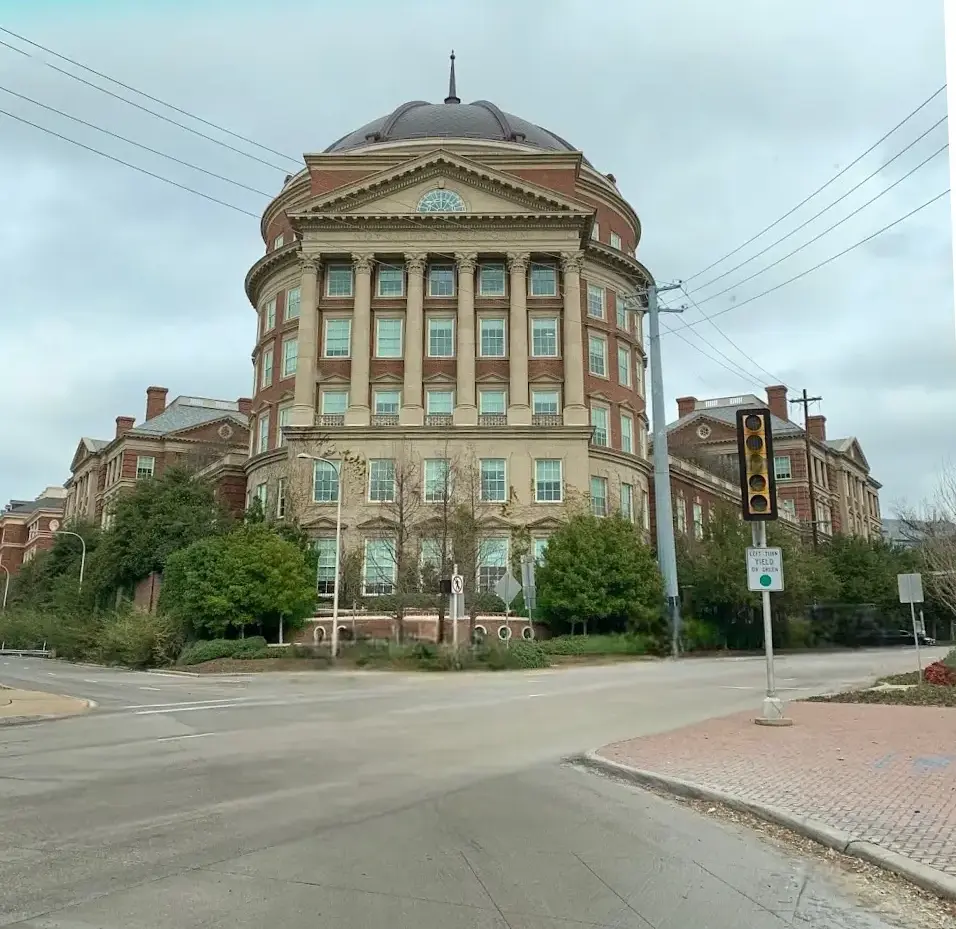
    DALLAS, Texas — National law firm Polsinelli has officially opened the doors to its new Dallas base at Old Parkland East, reinforcing its commitment to modern work culture and long-term growth in North Texas.

    The relocation, completed June 13, brings together more than 120 attorneys and staff on a single floor spanning roughly 285,000 square feet across Resolute Tower, Providence Hall, and Endeavor Hall.

    Polsinelli’s Dallas managing partner, Brian Bullard, says the firm intentionally traded a traditional multi-floor law office for a layout that prioritizes connectivity and informal collaboration. Open meeting lounges, glass-walled conference pods, and tech-enabled huddle areas are key features meant to break down silos and encourage spontaneous teamwork.

    “We didn’t want just a bigger office — we wanted a smarter one,” Bullard told local reporters. “Bringing everyone to one level transforms how our teams interact daily and, ultimately, how we serve our clients.”

    The firm, founded in Kansas City in 1972, has steadily climbed the AmLaw 100, currently ranking No. 59 with 2024 revenues approaching $1 billion. Its Dallas branch alone has more than doubled in headcount over the past decade, prompting the shift from Frost Tower in the Harwood District to the more distinguished Old Parkland campus on Maple Avenue.

    Real estate experts say Polsinelli’s move reflects a wider trend among top-tier professional services firms in Uptown and Turtle Creek, where high-quality historic redevelopments often command occupancy rates above 90% despite national headlines about shrinking office demand. Class A office space in Uptown Dallas currently averages around $55–$60 per square foot annually, well above the citywide average, according to CBRE.

    “In Dallas’ premium corridors, the flight to quality is real,” said Mark Dorsey, a commercial property analyst with CBRE not involved with the deal. “Old Parkland stands out because it blends iconic architecture with cutting-edge workspace design — that’s a rare combo.”

    Old Parkland East—4020 Maple Avenue, Dallas, TX 75219

    Originally built as a public hospital in 1894, Old Parkland was rescued from decline by Crow Holdings in 2006 and has since become one of Dallas’ most coveted addresses for investment firms, family offices, and corporate HQs. The East expansion, where Polsinelli is now housed, is about 75% leased, according to Crow Holdings, with tenants like NYSE Texas anchoring the new footprint.

    While details of Polsinelli’s lease remain private, Bullard confirms the firm views Old Parkland as a cornerstone for its next decade in Dallas. He adds that the fresh layout is already driving more in-person client meetings — a shift from the remote-heavy years immediately following the pandemic.

    “Our clients appreciate the sense of place here,” Bullard said. “It’s classic Dallas heritage on the outside but entirely future-facing inside. That’s the balance we were looking for.”

  • How to Choose the Perfect Studio for Rent in Dubai

    When looking for a studio for rent in Dubai, isn’t just about location. It’s also about comfort, style, and whether the space will still work for you down the road. With the expected market changes in 2025, renters are getting pickier and more mindful of what they’re paying for, and now they are paying attention to more than just the living space.

    This guide explains how Dubai curtain choices, along with appropriate compact cold storage units, can enhance rentals and elevate the living experience in Dubai.

    Understanding the Dubai Studio Rental Market

    Before jumping into floorplans and finishes, it helps to understand what’s actually happening in Dubai’s rental scene this year.

    Supply, Demand, and Pricing Trends

    The residential market in Dubai remains active in 2025. Builders plan to complete thousands of new homes this year, and the continued growth in property transactions is a good sign.

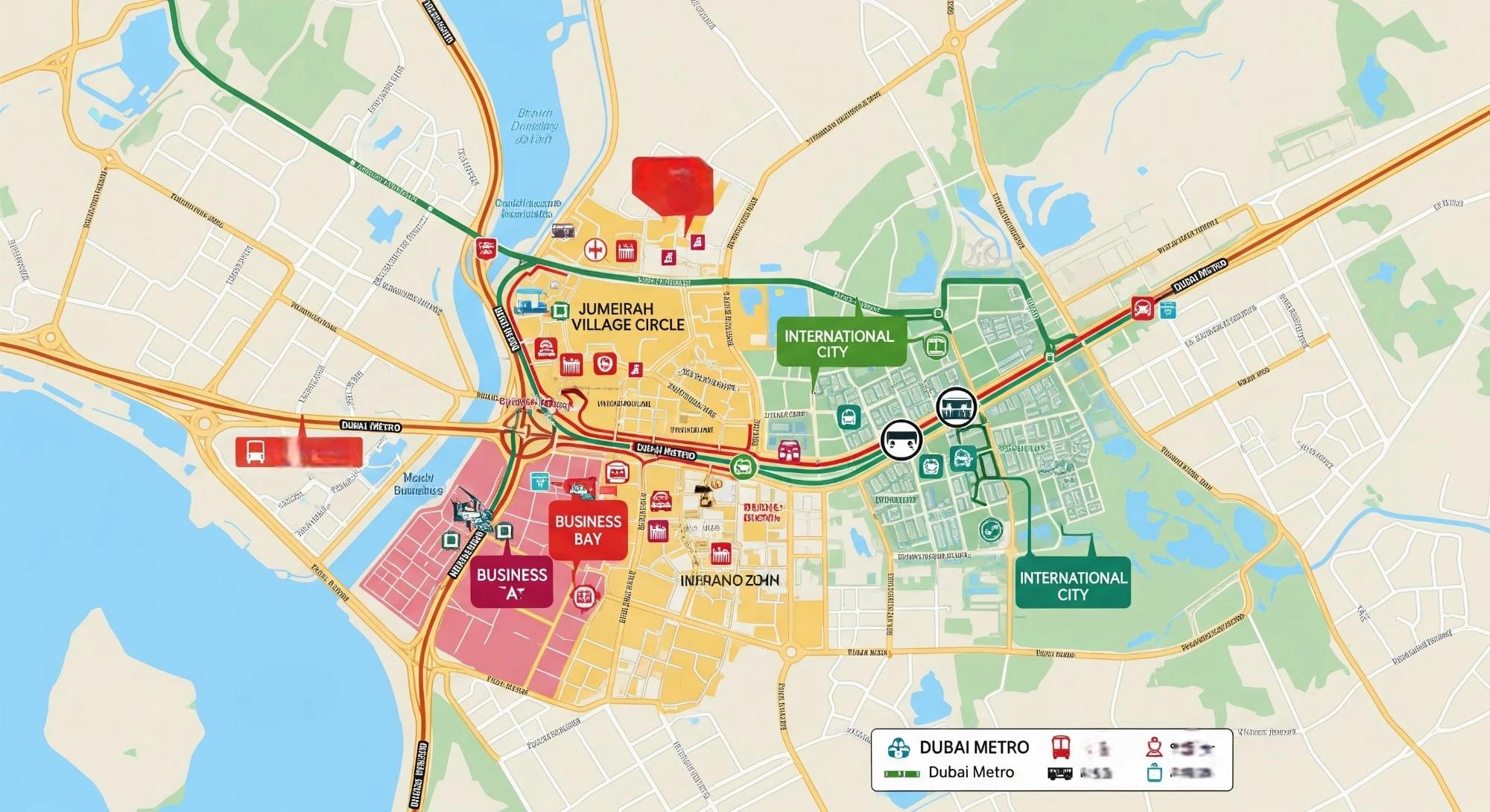
    Popular areas such as Downtown Dubai and Business Bay see higher-than-average demand. Rental prices per square foot are increasing, with strong interest in compact and smart living spaces among young professionals and new residents.

    Key Considerations When Renting a Studio in Dubai

    So what actually matters when picking the right studio? Location is key, but there’s more to it than just pinning your commute on Google Maps.

    Location and Connectivity

    Choosing where to live in Dubai is all about budget, lifestyle, and how painful your commute will be. Areas like JVC and International City offer a solid mix of affordability and access. International City, in particular, has a strong community vibe that appeals to long-term renters.

    Layout and Amenities

    A studio’s functionality depends heavily on how the space is planned. Consider:

    • Efficient space use like loft beds and built-in storage
    • Natural light
    • Compact kitchenettes
    • Access to amenities like gyms and pools

    These features help small spaces feel more open and livable.

    Style Meets Function: Dubai Curtains

    After the basics are addressed, interior elements like curtains play a surprisingly important role in studio comfort.

    Why the Correct Curtains Matter

    In Dubai’s climate, curtains aren’t just decorative. They provide privacy, regulate light, and help control indoor temperatures, especially during the hotter months.

    Common Styles and Materials Used

    • Linen: Lightweight, breathable, minimal insulation, daytime privacy
    • Cotton: Strong, low maintenance, suitable for various decors
    • Blackout: Popular for bedrooms; blocks light and reduces heat
    • Noble Blackout: Blocks daylight while offering gentle illumination

    Smart and Custom Options

    Motorized and custom curtain systems are widely available in Dubai. Many vendors offer same-day fitting, smart home compatibility, and bespoke finishes—blending technology with design.

    Comfort and Effectiveness: Studio Cold Room Condensing Units

    What Are They?

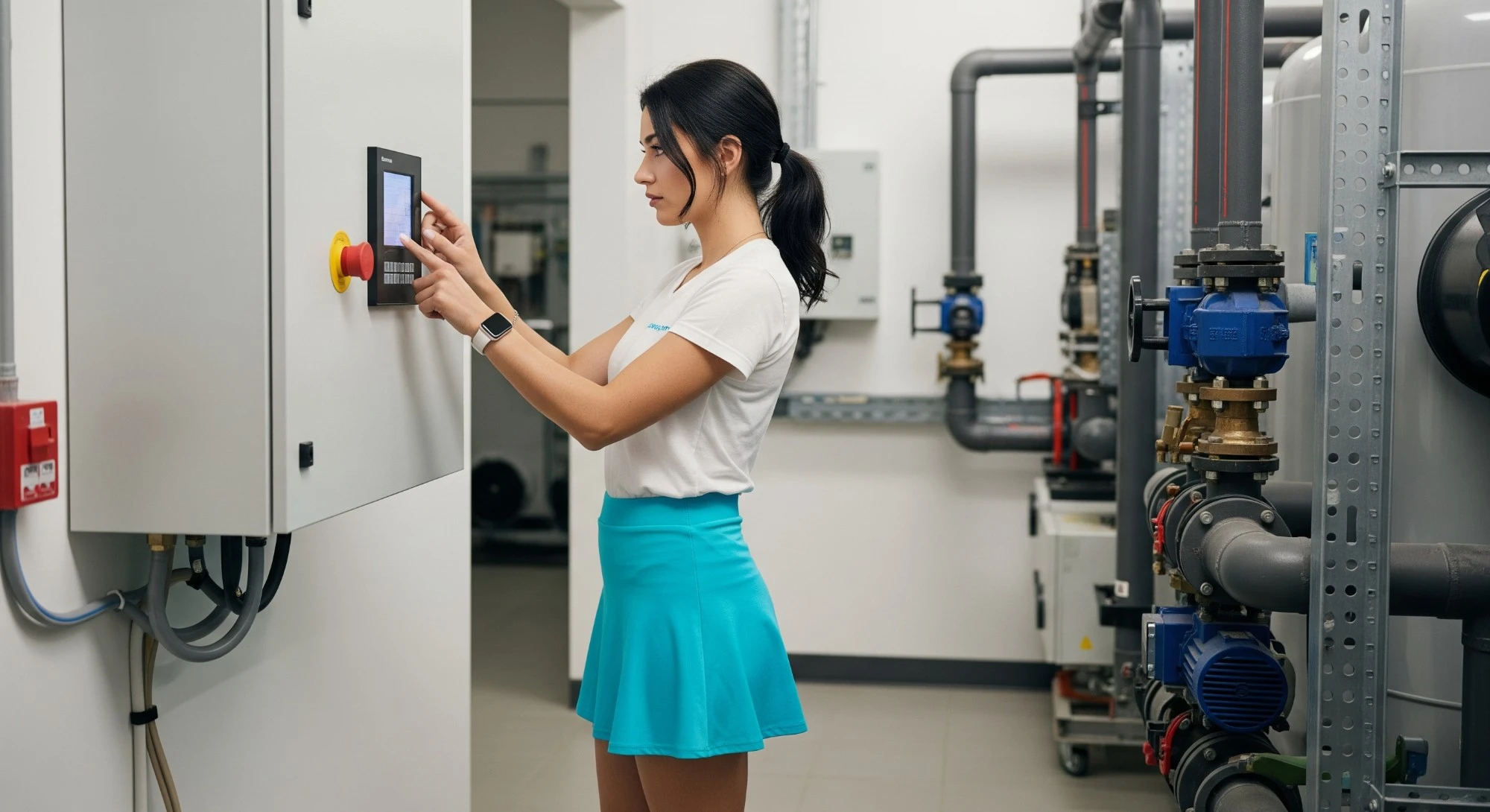
    Cold room condensing units, typically used in commercial settings, now have energy-saving mini versions for residential HVAC systems, useful for food storage or temperature-sensitive hobbies.

    Why They Matter

    • Regulate temperature in kitchens, home offices, or pantries
    • Digitally controlled for energy efficiency
    • Quieter than standard AC units

    They’re especially useful for renters who cook often or store perishables, adding long-term functionality to the space.

    Bringing It All Together

    Now that you’ve thought through all the essentials, it’s time to pull everything together and make the space truly yours.

    Setting Your Priorities

    • Budget: Factor in rent, utilities, and extras like blackout curtains or condensing units
    • Style: Choose fabrics based on lighting needs and room ambiance
    • Performance: If cooking or storing perishables often, a compact condensing unit improves comfort

    Partnering with the Right Supplier

    Specialized HVAC providers and curtain retailers in Dubai can help you make the right choice. Look for experienced vendors offering responsive service and reliable after-sales support.

    Studio Living Maintenance Tips

    A well-equipped studio also requires minimal upkeep to stay functional and comfortable.

    • Curtains: Dust or vacuum monthly; wash liners seasonally. For motorized units, check battery or app functionality regularly.
    • Condensing Units: Clean filters and coils annually. During peak seasons, professional maintenance ensures performance.

    Prospects for Studio Rentals in Dubai

    Looking ahead to the rest of 2025, certain trends are expected to shape the market.

    • Widespread adoption of smart furnishings, including automated curtains and efficient HVAC units.
    • Greater supply of rental properties, which could ease price increases.
    • Increased demand for studios with built-in tech features that support remote work and energy management.

    Conclusion

    Studios in Dubai are more than compact living spaces. With thoughtful additions, like remote-controlled curtains or cold room condensing units, they become stylish, efficient, and multifunctional homes.

    About the author:

    Sofiko Saltkhutsishvili is a content writer and a senior outreach specialist at SEO Sherpa – Global Best Large SEO Agency Winner, focusing on SEO, PPC, Digital PR, and Search Everywhere Optimization. She enjoys conducting in-depth research on topics she writes about and shares her authentic experiences with readers. On the side, Sofiko is a career mentor for people in marketing. Originally from beautiful Georgia, she currently resides in its capital, Tbilisi.
  • Thousands of homes planned in Gunter, Texas as semiconductor industry expands

    GUNTER, Texas — Across the quiet prairie of Grayson County, a sweeping transformation is underway. Land once held by generations of ranchers is being reimagined as what could become North Texas’s next major master-planned community, a bold move driven by a regional tech boom and the promise of thousands of new jobs.

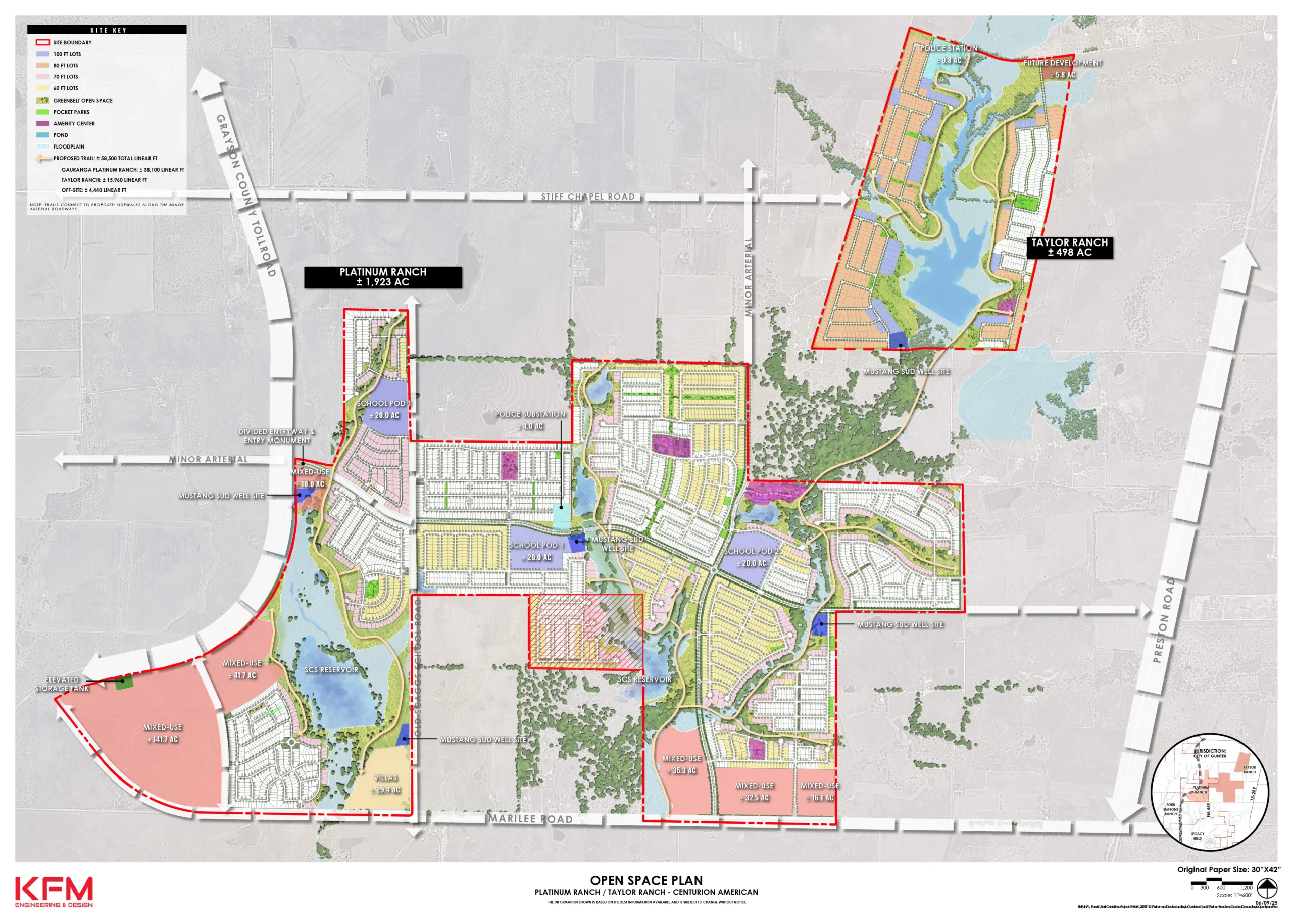
    Centurion American Development Group, a leading developer based in North Texas, completed the acquisition of 1,061 acres on June 10. This purchase is a cornerstone of the 1,998-acre “Platinum Ranch” project. Led by CEO Mehrdad Moayedi, the development aims to create not just housing, but a fully integrated urban environment in response to surging demand north of Dallas.

    The catalyst for this expansion is the construction of large semiconductor manufacturing facilities in nearby Sherman. With billions of dollars in investment from global tech firms such as Texas Instruments and GlobiTech, the region is bracing for a wave of new residents. Centurion American is betting that towns like Gunter will become the next frontier of metropolitan growth.

    “Gunter is next in line for major developments along the golden corridor,” said Rex Glendenning of Rex Real Estate, who brokered the land deal. He was referring to the explosive growth along Preston Road and the Dallas North Tollway, which has transformed the area over the past decade.

    Platinum Ranch Master-Planned Community – Gunter, TX

    Platinum Ranch is planned on a grand scale: 4,200 single-family homes, nearly 300 residential villas across 29 acres, and up to 3,000 apartments. The project also includes 277 acres for mixed-use development and 223 acres of green space, featuring parks, lakes, and trails. Several amenity centers are planned, along with enhanced lakes and pedestrian pathways. A school campus will be built within the community, served by the award-winning Gunter Independent School District, a key draw for families.

    Strategically located less than a mile from Preston Road and with direct frontage on the Grayson County Toll Road, Platinum Ranch offers easy access to the wider North Texas region. The multifamily and commercial zones will be concentrated along Marilee Road and the tollway, ensuring accessibility and visibility.

    The project has been zoned to accommodate a diverse mix of residential and commercial uses, reflecting Centurion’s commitment to building a balanced and sustainable community. The 223-acre green space allocation underscores the developer’s focus on enhancing quality of life through open areas, recreational amenities, and environmental stewardship. Several natural lakes within the property will be enhanced and integrated into the community’s design, supporting both aesthetics and ecological value.

    Centurion American emphasizes that Platinum Ranch aims to offer families thoughtful planning, access to quality education, and abundant recreational opportunities. The inclusion of multiple amenity centers and expansive green zones reflects a vision for a vibrant, active, and socially connected community.

    According to company statements, the acquisition was two years in the making. Financing was secured through a consortium of lenders including UBank, Liberty Bankers, and Chambers Bank. Meanwhile, Trez Capital served as the lender for Centurion’s adjacent Taylor Ranch project, a 500-acre development acquired in 2022.

    Centurion has been deeply rooted in Gunter for over a decade, having developed The Bridges at Preston Crossings since 2012, which features a Fred Couples-designed golf course. These projects highlight confidence in the region’s sustained demand for high-quality homes, supported by strong infrastructure and schools.

    “While we spent two years planning the acquisition and development of Platinum Ranch, our commitment to Gunter and Grayson County goes back much further,” Moayedi said in a statement. “We are proud to be a part of the growth story in Gunter and to bring exceptional communities to this beautiful city.”

    Caleb Lavey of Rex Real Estate described the project as a milestone for Gunter, calling it a “template for quality growth” along the Dallas North Tollway corridor.

    With excavation set to begin in Q4 2025, the Texas prairie will soon give way to streets, homes, and commercial centers. Platinum Ranch stands as a symbol of the demographic and economic shifts reshaping the American landscape, where the lines between city, suburb, and countryside continue to blur.

  • Texas Is Booming And DFW Is Building Like There’s No Tomorrow

    Many people are leaving places like California and New York faster than you can say “state income tax.” And guess where they’re going? Texas!.

    No, it’s not just the brisket or the cowboy boots. It’s economics. It’s quality of life. It’s the insane idea that maybe, you shouldn’t need two full-time jobs and a trust fund to own a house. And right at the heart of this stampede is Dallas–Fort Worth (DFW), a metroplex that’s quietly turned into one of the most active construction zones in America, minus the orange cones and backed-up traffic (well, mostly).

    Why DFW? Because Texas Is Playing 4D Chess While Other States Are Still Moving Pawns

    DFW isn’t just coasting on the state’s no-income-tax flex. It’s pulling its weight with a diversified economy, a logistical sweet spot, and infrastructure that can actually support growth. Major companies like Toyota, JPMorgan Chase, and Charles Schwab didn’t move here for the view. They came for business continuity, affordability, and a workforce that isn’t bled dry by coastal cost-of-living curves.

    Real estate development firms like Jome Inc. have responded quickly to this trend, leveraging deep market expertise to identify high-growth areas and create thoughtfully planned communities that align with the evolving needs of Texas families.

    Translation: jobs are moving in, families are moving in, and houses are going up.. fast.

    This isn’t just a real estate story. It’s a migration story. A demographic shift. A game of musical chairs and the music’s getting faster.

    The Usual Suspects Are Tapped Out, Here’s Where the Smart Money Is Looking

    Frisco and McKinney? Yeah, everyone already knows those. They’re great, but let’s be honest, they’ve reached the “Whole Foods and $9 smoothies” stage of suburbia. If you’re buying there now, you’re either cash-heavy or late to the party.

    But just outside the spotlight, a handful of suburbs are quietly blowing up, without blowing out your budget.

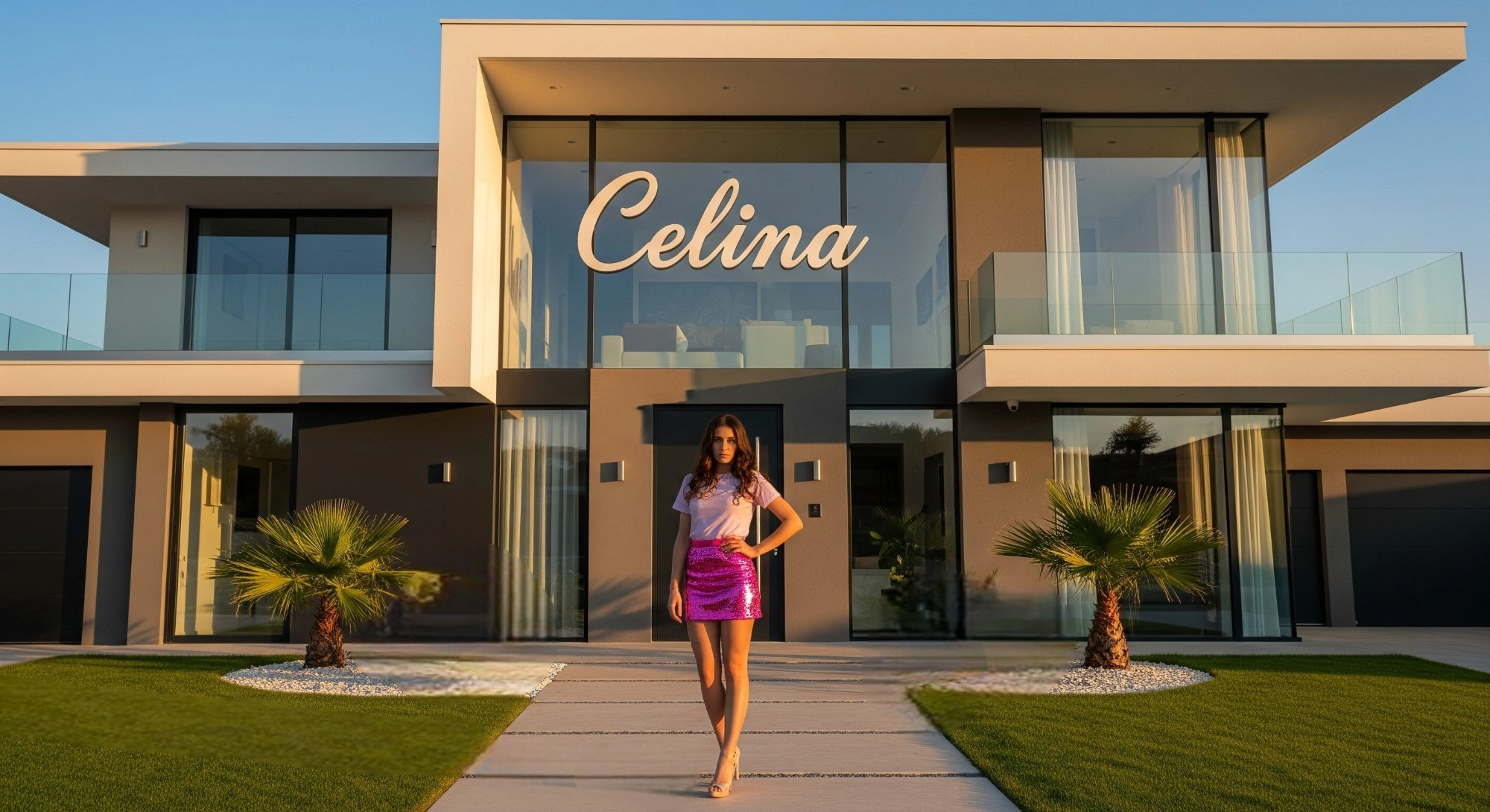
    1. Celina (Collin County): The New Frisco But With Elbow Room

    Celina is what happens when someone takes the Frisco blueprint, adds more land, fewer Teslas, and just the right amount of ambition. The city’s population is projected to balloon from 30,000 to over 350,000 in the coming decades. That’s not growth. That’s transformation.

    Developers like Perry Homes and Highland Homes are rolling out communities with resort-style vibes, pools, clubhouses & trails. All anchored by good schools and proximity to the Dallas North Tollway. You want luxury with a side of long-term upside? Celina’s your move.

    2. Justin (Denton County): The Underdog That’s Not Playing Anymore

    If Justin were a person, it’d be that quiet kid from high school who now runs three businesses and drives a Range Rover. This place used to be farm country, now it’s becoming a strategic extension of the Alliance Texas corridor. Think Amazon warehouses, BNSF Railway logistics, and a short hop from Fort Worth Alliance Airport.

    New homes, low taxes, room to grow. Northwest ISD keeps families interested, while highway upgrades keep the commute tolerable. It’s still under the radar, but not for long.

    3. Mansfield (Tarrant County): The Veteran With a Second Wind

    Mansfield has been a family-friendly favorite for years, but now it’s making its second act count. The city is upgrading everything, schools, healthcare facilities, parks & retail. All while keeping prices below the stratosphere.

    Its location, nestled between Dallas and Fort Worth, makes it a commuter’s dream. And with a mix of master-planned developments and custom home options, it’s a prime spot for buyers who want options without sacrificing sanity.

    4. Princeton (Collin County): Quiet Now, But Not For Long

    Princeton is where you go when you want a brand-new home but don’t want to spend your kid’s college fund to get it. Located just east of McKinney, it’s riding the coattails of growth in every direction, U.S. Highway 380 upgrades, school expansion, and builder activity from the likes of DR Horton and LGI Homes.

    Right now, it’s investor bait. But give it a few years, and it’ll be on every relocation agent’s “you-should-consider” list.

    So What’s a Buyer Supposed to Do in This Mad Scramble?

    If you’re looking to buy in North Texas, bring more than just a checkbook. Bring strategy.

    You’ll need a savvy local agent, someone who knows the builder reps, can decode incentives, and isn’t afraid to tell you when a “deal” smells fishy. Use tech tools like virtual tours, online pre-approvals, and instant inventory alerts aren’t nice-to-haves anymore. They’re essential.

    And don’t get hung up on amenities that aren’t there yet. Smart buyers don’t just shop for today, they buy where tomorrow is being built. Celina might not have the Whole Foods yet. But wait five years. You’ll wish you had gotten in early.

    Don’t Wait for a Perfect Market, Bet on a Growing One

    The DFW new-build boom isn’t slowing down, it’s evolving. The big names are priced high, and the hidden gems are being quietly scooped up by people who do their homework and act fast.

    Celina, Justin, Mansfield and Princeton. These aren’t just names on a map. They’re ground floors in a region that’s rewriting the rulebook on suburban living.

    So no, this isn’t a hype piece. It’s a wake-up call.

    Texas isn’t just growing. It’s redefining how and where America lives next.

  • How Content Marketing Builds Real Estate Brands That Sell

    10003

    In an age where information is at every buyer’s fingertips, real estate marketing is no longer just about showcasing properties, it’s about building a brand, telling a story, and earning trust before you ever meet your next client.

    While visuals like professional photography and 3D virtual tours are essential, they only represent one piece of the puzzle. What sets great agents, brokers, and developers apart in today’s hyper-competitive market is their ability to connect through content.

    Why Content Marketing Matters More Than Ever in Real Estate

    When buyers and investors research a property, they’re also researching you. They want to know:

    • Are you knowledgeable about the local market?
    • Do you understand their lifestyle or investment goals?
    • Can you help them make smarter decisions?

    Content marketing gives you a chance to answer all of these questions before they even ask.

    Instead of just pushing listings, you’re providing value. And value builds loyalty, shares, referrals, and ultimately, sales.

    The Shift from Sales Pitch to Thought Leadership

    Ten years ago, real estate advertising focused on newspaper spreads and open houses. Today, your reputation is shaped by what you publish online:

    • Blog articles about neighborhood trends
    • Market update videos on YouTube
    • Instagram reels with design inspiration
    • LinkedIn posts with investment insights

    This content shapes how people see your brand, whether you’re a trusted advisor, a local expert, or a developer with a vision.

    Building a Real Estate Content Strategy That Works

    Let’s break down the steps to building an effective real estate content strategy:

    1. Define Your Niche and Ideal Client

    Before writing a single article, clarify who you’re talking to:

    • First-time homebuyers?
    • Luxury property investors?
    • Commercial tenants?
    • Relocation families?

    Each audience is looking for something different. Speak their language, solve their problems, and tailor your tone to match their expectations.

    2. Choose the Right Content Formats

    Not everyone consumes content the same way. A successful content strategy should combine:

    • Blog posts: Long-form articles that improve SEO and establish authority.
    • Short-form videos: Instagram Reels, TikToks, or YouTube Shorts that offer fast tips or behind-the-scenes glimpses.
    • Infographics and charts: Especially useful for market reports or renovation timelines.
    • Newsletters: Regular updates keep leads warm and position you as a consistent source of insight.

    3. Topics That Drive Engagement

    Some high-performing real estate content ideas include:

    • “Top 5 Mistakes First-Time Buyers Make (And How to Avoid Them)”
    • “How to Time Your Home Sale with Market Trends”
    • “What $500,000 Gets You in 3 Different Neighborhoods”
    • “The ROI of Kitchen Renovations Before Selling”
    • “Monthly Market Update: What You Need to Know”

    These are not just filler posts. They help your audience make decisions—with your help.

    How Branding Strengthens Your Real Estate Marketing

    Publishing great content consistently creates a brand narrative. Over time, your audience comes to associate you with certain values, expertise, and experiences.

    Brand Positioning in Practice:

    Content TypeBrand Message Conveyed
    Weekly blog on local zoning law changes“I’m informed, reliable, and investor-friendly.”
    Instagram photos of mid-century interiors“I understand style and what’s trending.”
    YouTube series on real estate tax tips“I speak the language of high-net-worth buyers.”

    Your branding doesn’t live in your logo. It lives in the consistent voice, perspective, and depth of the content you share.

    Tools and Platforms to Support Your Strategy

    You don’t need a full production studio or a team of writers to start strong. Here’s what helps:

    • Canva: For branded visuals and infographics
    • Google Trends / AnswerThePublic: For finding popular real estate questions
    • ChatGPT / Grammarly: For drafting and polishing posts
    • Buffer or Later: For scheduling content on social media
    • WordPress / Webflow: For managing your blog or content hub
    • Mailchimp / Substack: For building your email list

    If you’re working in-house or alone, start small and stay consistent. One article per week and three social posts per week is a great baseline.

    Real-World Example: Building a Brand through Content

    Let’s look at a hypothetical agent Andre, who specializes in selling historic homes in Dallas.

    Andre builds his real estate marketing around:

    • A blog called “The Kocher Team”
    • Weekly TikToks about architectural history and renovation
    • Free downloadable PDFs like “How to Finance a Historic Home”
    • Collaborations with local designers for home-staging content

    Over time, Andre begins to incorporate interactive media. For one popular post about renovating antebellum homes, she included a photo series plus a digital reconstruction using a LiDAR camera to show original vs. restored layouts. This not only showcased her authority, but made the content shareable and visually compelling.

    10008

    How This Strategy Complements Visual Tools Like 3D Tours

    Content marketing doesn’t replace real estate photography or 3D virtual tours it amplifies them.

    For example:

    • A blog post on “5 Features That Sell Luxury Condos Faster” could embed a 3D virtual tour as a case study.
    10030
    • A YouTube video showing “Before and After Home Staging” builds curiosity, and the link leads to the full virtual tour.
    • A newsletter about neighborhood growth can include a call-to-action to view new listings with full photo galleries and virtual walkthroughs.

    Realsee and other platforms that offer immersive visual experiences can be positioned within your content to support your story. Instead of simply saying “Look at this house,” you’re saying “Let me walk you through this lifestyle—and here’s the 3D proof.”

    Metrics That Matter

    How do you know your content marketing is working? Track:

    • Website traffic from blog articles
    • Time-on-page for long-form content
    • Lead form completions
    • Social shares and comments
    • Email list growth
    • Keyword rankings (SEO)

    Over time, you’ll see your content drive more qualified inbound leads and make your sales process smoother.

    Final Thoughts

    Great real estate brands aren’t built overnight but they are built online.

    If you want to win in 2025 and beyond, think beyond listings. Think beyond images. Build a content machine that supports your authority, tells your brand story, and creates consistent, authentic value. Because in the end, people don’t just buy property. They buy trust. And content is how you earn it.

  • McDonald’s to close all of its CosMc’s stores in DFW after less than 2 years

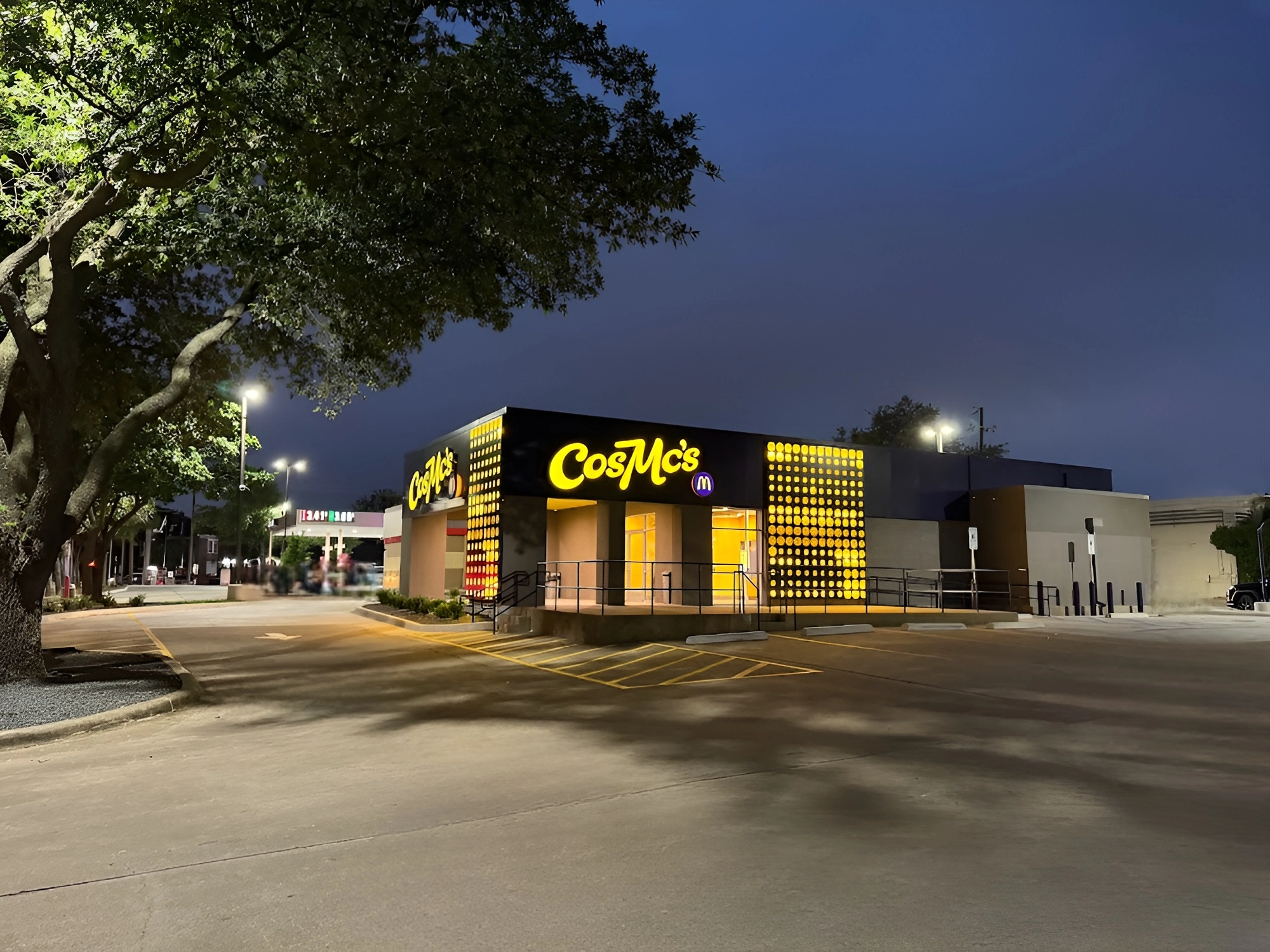
    Nighttime view of CosMc’s restaurant in Dallas with bright yellow lights and signage, surrounded by an empty parking lot

    DALLAS—McDonald’s is shutting down all five of its standalone CosMc’s locations, including the remaining stores in Allen and Fort Worth, Texas, as well as two in San Antonio and the original site in Bolingbrook, Illinois. The closures mark the end of the company’s short-lived experiment in the specialty beverage space.

    Key Points:

    • McDonald’s will close all five CosMc’s locations, including two in the DFW area and two in San Antonio.
    • The closures come after underwhelming performance at larger-format stores.
    • Digital services, including the CosMc’s app and loyalty program, ended on June 23, 2025.
    • McDonald’s plans to introduce CosMc’s-inspired drinks at existing restaurants.

    CosMc’s began winding down operations in late June. All digital services, including its loyalty program, mobile app, and online ordering, were discontinued by June 23, 2025, marking the end of the standalone CosMc’s experiment less than two years after it began.

    The company cited underwhelming performance at its larger-format stores, many of which had been converted from former McDonald’s locations. Company executives noted that smaller, more focused sites were better suited to the brand’s beverage-centric model, aligning more closely with customer habits and operational efficiency.

    Earlier this year, CosMc’s quietly closed three of its Texas locations, in Watauga, Arlington, and one undisclosed site, after reporting stronger results from smaller stores. The full wind-down suggests that even the remaining locations failed to meet McDonald’s financial or strategic goals.

    Still, the company says the pilot was not without value. McDonald’s plans to apply lessons from the CosMc’s test to its core business, starting with a nationwide beverage rollout later this year. Drinks inspired by the now-defunct chain, such as matcha iced lattes and prickly pear slushes, are expected to appear on McDonald’s menus as part of an effort to boost afternoon sales and tap into the $100 billion beverage market, without the operational complexity of maintaining separate storefronts.

    Public response to CosMc’s in the Dallas–Fort Worth area was mixed. On Reddit, some users praised drinks like the turmeric spice latte and blueberry ginger boost, comparing them favorably to Starbucks refreshers.

    Others criticized offerings like the S’mores cold brew, calling it a “chemical sugar bomb.” A BuzzFeed review described the Churro Frappe as “delectable,” while a post on X noted an empty parking lot at the Allen location.

    McDonald’s has not released revenue figures for CosMc’s, but the decision to close all locations suggests the concept fell short of expectations. The company struggled to generate momentum at its larger-format stores and eventually shifted focus to smaller formats. That pivot, however, was not enough to sustain the brand. McDonald’s now plans to bring CosMc’s beverage ideas into its main restaurant business.

    In a statement, McDonald’s chief executive, Chris Kempczinski, described CosMc’s as a “learning lab” that allowed the company to test new flavors and technologies without disrupting its main brand. “We’ve learned so much, so quickly from the CosMc’s test,” the company said. It now plans to bring select drinks from the pilot into existing McDonald’s restaurants.

    CosMc’s opened its first Texas location on March 20, 2024, at 6033 Campbell Road in Dallas, following the brand’s initial launch in Bolingbrook, Illinois, in December 2023. McDonald’s had planned to open nine pilot locations across the Dallas–Fort Worth area and San Antonio by the end of that year.

    Several locations did open across North Texas:

    LocationAddressOpened
    Dallas6033 Campbell Rd.March 2024
    Allen861 W. Stacy Rd.February 2025
    Fort Worth5341 McPherson Blvd.August 2024
    Watauga7304 Denton Hwy.April 2024
    Arlington300 E. Abram St. #150April 2024
    Photo taken by Yasmin Ledezma

    While CosMc’s may not have found lasting success as a standalone brand, its brief run offered McDonald’s a low-risk way to test new ideas in a fast-changing beverage market. With the experiment now concluded, the company is turning its attention to what worked—and how those lessons might shape the future of its core menu.

  • 48 Inch Round Glass Table Top – Best Uses, Benefits, and Maintenance Guide

    When it comes to adding elegance, functionality, and versatility to your home or office, few options compare to a 48″ round glass table top. Whether you’re looking to replace a damaged top, protect a wooden surface, or design a new table, this glass size is one of the most popular choices for a reason.

    In this article, we’ll cover everything from dimensions and material types to use cases, design ideas, benefits, and maintenance tips — giving you a full understanding of why a 48-inch round glass table top might be exactly what you need.

    What Is a 48″ Round Glass Table Top?

    A 48″ round glass table top is a circular sheet of glass with a 48-inch diameter. This size is commonly used for dining tables, coffee tables, patio sets, and even office meeting tables. The glass can be made in various thicknesses and finishes depending on how and where it will be used.

    Standard Specifications

    When discussing a 48″ round glass table top, it’s important to understand a few common features:

    Diameter

    • 48 inches (4 feet) across. This size provides ample surface space without being overwhelmingly large.
    • Suitable for seating 4 to 6 people comfortably.

    Glass Thickness

    • 1/4″ (6mm): Ideal for protective covers or light-duty tables.
    • 3/8″ (10mm): A common choice for moderate strength and a clean look.
    • 1/2″ (12mm): Best for structural use, like standalone tops or high-traffic surfaces.

    Edge Types

    • Flat Polish (Flat Edge): Clean and modern look.
    • Pencil Polish (Rounded Edge): Smooth to the touch, slightly curved.
    • Beveled Edge: Angled cut along the edge, adds a decorative touch.

    Tempered Glass Option

    Most glass table tops are tempered for safety. Tempered glass is heat-treated to be stronger and, if broken, it shatters into small, less dangerous pieces.

    Common Uses for a 48″ Round Glass Table Top

    This versatile size makes it suitable for a variety of applications:

    Dining Tables

    A 48″ round glass table is ideal for small-to-medium dining spaces. It fits four diners comfortably and offers a modern or minimalist aesthetic.

    Coffee or Accent Tables

    Used as a top for a decorative base or sculptural stand, the round shape softens the appearance of a room and improves flow.

    Patio or Outdoor Tables

    Tempered glass with UV resistance makes for a great outdoor tabletop. It’s easy to clean and doesn’t weather like wood or metal.

    Protective Surface

    Placed over wood, stone, or other furniture, a 48″ round glass top protects the surface from scratches, stains, or moisture.

    Office Meeting Tables

    This size can also serve as a small meeting table for informal office areas, adding sophistication without bulk.

    Benefits of a 48″ Round Glass Table Top

    Choosing glass as a table material brings with it several unique advantages:

    1. Timeless Style

    Glass blends with almost any design scheme—modern, rustic, industrial, or traditional. It complements wood, metal, and stone bases equally well.

    2. Space Illusion

    The transparent nature of glass creates an open, airy feeling. This is especially helpful in small rooms where you want to avoid bulky visual weight.

    3. Easy Maintenance

    Glass is one of the easiest surfaces to clean. A simple glass cleaner and soft cloth keep it streak-free.

    4. Durability with Tempered Options

    Tempered glass is very durable and can withstand moderate impacts, temperature changes, and everyday use.

    5. Non-Toxic and Hypoallergenic

    Unlike some synthetic materials, glass doesn’t emit fumes, attract dust, or trap allergens. It’s a safe option for homes with kids or pets.

    Choosing the Right Glass Type for Your Needs

    Not all glass is created equal. When selecting a 48″ round glass table top, consider the following types:

    Clear Glass

    • Most popular and versatile.
    • Offers full visibility of the base.

    Frosted Glass

    • Provides a diffused, opaque appearance.
    • Great for privacy or softer lighting.

    Tinted Glass

    • Available in bronze, gray, or black.
    • Adds color and reduces glare or UV exposure.

    Low-Iron Glass

    • Ultra-clear with minimal greenish tint.
    • Best for high-end applications or artistic designs.

    Base Compatibility and Design Ideas

    One of the great things about a 48″ round glass top is how well it pairs with different types of bases:

    • Pedestal Bases – Great for maximizing legroom and visual balance.
    • Metal Frames – Ideal for a sleek, industrial look.
    • Wooden Bases – Adds warmth and classic appeal.
    • Concrete or Stone Sculptures – For a bold, contemporary statement.

    When choosing a base, ensure it has enough surface contact and support to safely hold the weight of the glass.

    Installation Tips

    Proper installation ensures safety and longevity. Here are a few tips:

    • Use clear rubber bumpers or spacers between the glass and base to prevent slipping and vibration.
    • Ensure the base is level and strong enough to support the glass weight.
    • Always handle with care and preferably with help, especially with thicker or heavier glass.

    Cleaning and Maintenance

    Maintaining a 48″ round glass table top is simple, but a few best practices go a long way:

    • Daily Cleaning: Use a non-abrasive glass cleaner and microfiber cloth.
    • Avoid Harsh Scrubbing: Never use steel wool or coarse pads.
    • Protect from Heavy Impacts: While tempered glass is strong, it’s still glass.
    • Avoid Direct Contact with Hot Pans or Items: Use trivets or mats.

    Is a 48″ Round Glass Table Top Right for You?

    Choosing a 48″ round glass table top makes sense for many scenarios:

    • You have a medium-sized dining area.
    • You’re looking for a timeless, minimalist upgrade.
    • You want to protect an existing surface.
    • You need a tabletop that works indoors or outdoors.

    It’s an investment in both form and function — offering durability, beauty, and ease of care in one sleek package.

    Final Thoughts

    A 48″ round glass table top from Fab Glass and Mirror is more than just a surface — it’s a design element that enhances the room it’s placed in. Its size fits a wide range of settings, and its aesthetic appeal complements nearly every interior or exterior style. By understanding the various types, thicknesses, finishes, and uses, you can make an informed decision that brings both practicality and elegance to your space.

    Whether you’re replacing, protecting, or designing from scratch, the 48″ round glass top from Fab Glass and Mirror is a smart, stylish, and versatile choice.

  • What Smart Property Owners Ask Before Hiring an HVAC Pro

    Heating and cooling might not be flashy, but when things go wrong, you feel it. Whether your tenants are calling about freezing bedrooms or your building’s system sounds like it’s about to lift off into space, you know that HVAC problems can turn into expensive ones—fast. That’s why hiring the right HVAC contractor matters. And if you own property—whether that’s a couple of rental units, a small commercial building, or something bigger—you need someone who actually knows what they’re doing and treats your building like it’s theirs.

    But let’s be honest. Everyone says they’re certified. Everyone shows up with a logo on their van. And everyone throws around words like “energy efficient” and “inspection included.” So how do you actually know who to trust? Here’s how to look past the sales pitch and figure out who’s worth calling back.

    Licenses Aren’t Just Paperwork—They Protect You

    The first thing you want to check is licensing, but not just because someone told you it’s the right thing to do. Licensed HVAC contractors have been tested on their knowledge. They’ve had to pass state exams and usually have insurance and bonding as well. That means if something goes sideways—like a tech damages your building or forgets to pull the right permits—you’re not left holding the bag.

    But there’s more to it than just checking a license number. Ask about ongoing education. HVAC systems change, especially with tighter energy standards and more eco-friendly tech becoming the norm. You want a contractor who isn’t stuck in the 1990s. If they’re keeping up with training, chances are they care enough to do things right the first time.

    Also, if you’re dealing with anything beyond a basic home setup—say, rooftop units or multi-zone buildings—make sure they’ve worked on properties like yours. There’s a big difference between installing a single furnace and managing a whole building’s climate control.

    Reputation Still Matters, Even in a Review-Flooded World

    You can find a thousand reviews for any service these days, but the good ones still stand out. Look for patterns. If five different property owners all say a company shows up late, that’s probably not a fluke. On the flip side, if someone writes a three-paragraph review about how a contractor saved them money by spotting a code issue the last guy missed, that’s worth paying attention to.

    Call a few past clients if possible—especially ones who’ve had similar work done. Ask how long the job took, whether the price stayed the same, and how the crew treated their building. A good HVAC contractor doesn’t just finish the job. They leave your place cleaner than they found it and answer your 10pm question when your heat randomly shuts off.

    Also, pay attention to how they treat you in the early stages. Are they walking through your space with care? Asking thoughtful questions? Talking through not just what you want but why you want it? That kind of communication is golden—especially if you’re planning on upgrading an HVAC system in a property you manage long-term.

    Modern Contractors Use Tools That Make Your Life Easier

    If a contractor still writes quotes by hand and shuffles paper invoices in a metal clipboard, that might be fine for small jobs. But if you’re running a building, or even several, you need someone who knows how to keep things smooth and efficient. That’s where their tech setup can really help—or hurt—you.

    Today’s best HVAC contractors use streamlined tools behind the scenes that make things run faster and with less confusion. Ask what kind of systems they use to track service calls, schedule appointments, and handle billing. If they shrug or say, “we just kind of wing it,” that’s a red flag.

    The contractors worth working with know that their HVAC software will streamline the communication with techs and you as well as make paperwork a breeze. No more wondering when someone’s going to show up or digging through old emails to find an invoice. When systems are organized, jobs get done faster, mistakes are fewer, and you get to focus on bigger things—like your next building acquisition or just getting through the week without five maintenance calls.

    Pricing Should Be Clear, Not a Puzzle

    Let’s talk about the money part. You should never feel like you’re guessing. A good HVAC contractor will walk you through their estimate, explain why they’re recommending certain repairs or replacements, and tell you where you have options. They won’t pressure you into replacing a whole unit when a tune-up would do. And if you do need a big upgrade, they’ll show you the numbers behind the why—like projected energy savings or longer equipment lifespan.

    Watch out for vague language in contracts, too. “Miscellaneous fees” should raise a red flag. Ask them to spell it out. The best pros are transparent because they’ve got nothing to hide. And if they offer financing or service plans, those should be explained clearly. Not every landlord needs a monthly plan, but if it helps avoid surprise repairs, it might be worth it.

    Also, don’t fall for the lowest bid just because it’s cheap. Sometimes that number means corners are being cut, or worse, the work won’t be up to code. Remember, heating and cooling problems often hit at the worst time—like the middle of summer or during a January cold snap. You don’t want to be left with a contractor who ghosts when things get messy.

    Long-Term Relationships Beat One-Off Fixes

    An HVAC system isn’t a set-it-and-forget-it kind of deal. You’re going to need someone to call when things stop working—and they will, eventually. That’s why it pays to build a long-term relationship with a contractor who already knows your building. They’ve seen your system before. They’ve got notes on your past repairs. They can spot patterns that save you money down the road.

    Ask contractors if they offer ongoing maintenance plans or regular inspections. Even something as simple as twice-a-year checks can catch problems early, extend the life of your equipment, and keep tenants happy. It’s not just about avoiding big repairs—it’s about keeping your property running smoothly and avoiding the stress of emergency calls.

    A contractor who sticks around and gets to know your property becomes part of your operations team. And when you’ve got someone you trust, those late-night calls feel a lot less stressful.

    In the end, picking an HVAC contractor shouldn’t feel like a gamble. When you ask the right questions, pay attention to the details, and watch how someone treats your property from day one, you’ll be able to tell who’s the real deal. And once you’ve got the right pro on your side, you’ll wonder how you ever managed without them.