Author: gcuen

  • How to Avoid Common Pest Issues When Buying an Older Property

    Image Source

    Buying an old house may come with a significant history. However, one drawback that can often be found with this type of home is insects or rodents residing within its structure. In houses roughly 100 years old, there tends to be more infestation than in newer homes. This article will outline measures you can take to avoid ending up with any creepy crawlies—or hazardous chemicals—when purchasing an older home.

    Common Pests in Older Homes

    Older homes are much more susceptible to pest infestation due to age in their structure. Such points of hiding hardly get tapped, and as a home owner, one should have an idea about them and how they may be able to drive away the undesired tenant(s).

    Below is a detailed overview of the most prevalent pests and their impacts:

    PestCommon Areas FoundDamage/ConcernsSigns of Infestation
    TermitesWooden beams, foundations, wallsStructural damage to wood; expensive repairsHollow-sounding wood, mud tubes, discarded wings
    CockroachesKitchens, bathrooms, basementsContaminate food, spread bacteria, trigger allergiesDroppings, unpleasant odor, sightings at night
    RatsAttics, basements, wall cavitiesChew electrical wiring, damage property, spread diseasesDroppings, gnaw marks, scratching noises
    Bed BugsMattresses, furniture, crevicesBite humans, cause skin irritation, difficult to eliminateRed welts on skin, small blood stains on bedding, eggshells
    SilverfishBathrooms, attics, basementsDamage paper, wallpaper, fabricSilvery, wriggling insects in dark, damp places
    MosquitoesNear stagnant water, lawns, basementsCarry diseases like malaria and dengue; irritate with bitesBuzzing sounds, itchy bites, larvae in standing water
    FliesKitchens, garbage areas, damp spotsCarry pathogens, contaminate foodFrequent sightings, buzzing, eggs or maggots in garbage or food sources

    Addressing these pests effectively can help resolve many problems with old houses and maintain their historical charm.

    Tip: Refer to the ‘Signs of Infestation’ column to identify potential red flags when evaluating old homes.

    Best Pest Control Tips For Buying A Historic House

    When purchasing a historic home, preventive measures and proactive pest control are essential. Below are the most common pest concerns you might face, along with practical tips for each.

    Termite Damage Prevention and Control

    One of the problems the 100 year old houses are termites, which eat up most of the wooden members, costing hence a lot in the working repair. The problem becomes drastically serious in case of historical edifices as they form an important constituent of Tourist attraction.

    While traditional chemicals remain effective, biological alternatives have gained more attention over recent years. Essential oil extracts, plant-derived biocides, fungi, and nematodes represent non-toxic, environmentally friendly approaches for the control of termites. Such solutions best suit historic properties that require the conservation of initial fabric.

    To prevent termite infestation in an older property:

    • Inspect Regularly: Conduct thorough inspections of wooden structures, particularly in basements, attics, and crawl spaces.
    • Control Moisture: Termites thrive in damp environments. Ensure proper drainage, fix leaks promptly, and consider dehumidifiers.
    • Use Treated Wood: Where possible, incorporate termite-resistant or treated wood for repairs and renovations.

    Rodent Infestation

    Rodents often chew through walls and foundations, leading to significant pest issues in older homes. Here are some rodent control strategies you can look into:

    • Rodenticides: Modern rodenticides, such as Brodifacoum, are effective but should be applied strategically to avoid unintended critters.
    • Traps: Mechanical traps offer a humane alternative but work best in combination with other methods.
    • Biological Controls: Introducing natural predators or disease-causing agents can limit rodent populations, though this method requires careful ecological consideration.
    • Genetic Engineering: Emerging technologies like RNA interference and gene editing hold promise for long-term population control by targeting reproduction, though they remain in development.

    To prevent these unwanted visitors, start by decluttering storage areas, storing food in airtight containers, and maintaining cleanliness. Remember, rodents thrive in dirty, food-rich environments, so keeping everything clean keeps them at bay.

    Cockroach Infestation

    To keep such strong insects off, one only needs to practice cleanliness and conduct regular checks or simply use exclusion methods.

    Let there be no garbage that could provide a nice hiding spot under the sink or some other places, and remove the trash fairly frequently! Dispose of any remnants daily and store all food, including pet food by the way, in airtight packages or containers!. Outdoors, ensure that dustbins are clean and kept away from the house.

    Seal cracks around doors, windows, plumbing, and walls to block entry points. Regularly inspect hiding spots, like stacks of paper, cardboard, or firewood, and keep them away from your home.

    Bed Bug Infestation

    In modern conditions, bed bug infestation is on the rise, especially in old houses. It is not easy to defeat the insects that live deep in the house and sometimes, one can feel that all the means of prevention taken are inadequate-what to do in this situation?

    • Integrated Pest Management (IPM): This approach combines monitoring, understanding the signs and behavior of bed bugs, and non-chemical treatments.
    • Proactive Monitoring: Regular inspections are crucial to catch pests early, especially in older homes where hidden cracks and gaps may be present.
    • Community-wide Programs: In a neighborhood, a coordinated pest management program is more sustainable and cost-effective than relying on insecticides alone.

    Benefits of Professional Pest Control Services

    We spoke with Luqman Butter owns and operates Pestend Pest Control based in London, Ontario. In our discussion with him, he had some solid reasons why professionals are always a better hire when the intention is to tackle stubborn pests. Here, he details benefits associated with professional pest control:

    • Expertise and Experience: Professionals have the knowledge and training to deal with all types of pests. They understand the behavior of pests and know the most effective methods for elimination.
    • Advanced Equipment and Techniques: With access to the latest tools and treatments, pest control experts can address infestations more efficiently than DIY methods.
    • Long-Term Prevention: Professionals not only eradicate pests but also help prevent future invasions through strategies like sealing entry points and providing guidance on home maintenance.
    • Safety: Professional services use eco-friendly and safe treatment solutions to protect your family and pets.
    • 100% Money-Back Guarantee: If you’re not satisfied with their extermination services, pest control companies will fully refund your payment (granting you have followed their recommendations).

    In summary, while DIY solutions may seem cost-effective, working with a professional pest control service like Pestend ensures a thorough, long-term solution for keeping your newly bought old home pest-free.

    Conclusion

    While one can most definitely appreciate the character and the history that come along with any old house, actually such buildings happen to be quite vulnerable toward pest manifestation. To have that old house of your most beautiful dream, it becomes necessary for you to practice 2 things-anti-infestation precautions and involvement with professional pest control service. This blog will be helpful if you ever need to revisit how to keep pests out of your home.


  • Transform Your Home with DIY Art: A Paint-by-Numbers Guide for Interior Design

    Personalizing your home can seem daunting, but it doesn’t have to be. 

    Paint-by-numbers kits are a fun, affordable way to bring unique art into your space without needing years of artistic training. 

    These kits, often referred to as numbered paintings, are accessible, customizable, and can completely change the way your walls look. 

    Whether you’re sprucing up a dull corner or designing a gallery wall, they’re an easy and creative way to make your space feel like home.

    Source: pexels.com

    Why Paint-by-Numbers Is Perfect for Home Decor

    For those seeking a simple way to produce polished artwork, paint-by-numbers can be perfect.

    This art form is particularly well suited to home decoration because it enables you to fashion unique designs that suit your interior theme – whether that’s modern abstracts, tranquil scenes or floral extravaganzas.

    Plus, paint-by-numbers art or numbered painting adds a personal story to your space.

    By personalising your space in this manner, you’ll not only imbue it with individuality but also enjoy a satisfying sense of achievement.

    Moreover, since such kits are both affordable and adaptable, they represent an economical means of refreshing your surroundings whenever trends or seasons dictate.

    Choosing the Right Paint-by-Numbers Kit for Your Space

    If you’re aiming for a cohesive look throughout your home, try matching colours with existing decor; earthy tones work well within boho schemes while minimalist interiors benefit from black-and-white designs.

    Consider proportions: larger canvases are great at filling blank walls (or creating focal points above furniture) whereas smaller sizes lend themselves beautifully to creating clusters on gallery-style displays or arranging atop shelving units… Next it’s time to consider subject matter – after all there’s no point investing hours upon end into something that doesn’t resonate personally!.

    There are endless options, and brands like Art by Maudsch offer unique designs that suit various tastes. It’s all about finding something that feels like you and fits into your home’s overall vibe.

    Step-by-Step Guide to Creating Your Paint-by-Numbers Artwork

    Beginners will easily get the hang of paint-by-numbers, but there are several pointers that can facilitate the process.

    Initially, make sure you have everything necessary on hand: your kit (complete with paints and brushes), a brush-cleaning water cup and an adequately illuminated, cozy workspace.

    While certain individuals opt for a methodical top-to-bottom approach, others favor concentrating solely on one shade before proceeding to another—rest assured though: there isn’t any ‘right’ or ‘wrong’ procedure here, so simply go with whatever feels most instinctive to you.

    When you’re painting, use small, steady strokes to fill each section.

    Don’t rush; the slower you go, the neater your lines will be. If a number shows through the paint, apply a second coat after the first one dries.

    Blending colors can add depth and make the piece feel more professional, so don’t be afraid to experiment once you’re comfortable.

    Mistakes happen, and that’s okay. Keep a damp cloth nearby to quickly clean up stray paint.

    The beauty of this project is that even with small imperfections, the final result will still look impressive.

    Source: pexels.com

    Displaying Your Finished Artwork

    Most paint-by-numbers art can be enhanced by basic black or white frames, although ornate frames may lend a more classic feel.

    To further emphasize the artwork, consider using floating frames for a gallery-like effect. Where you position pieces matters—hanging them above furniture is an easy way to create focal points; combining works with photographs and mirrors makes for balanced gallery walls.

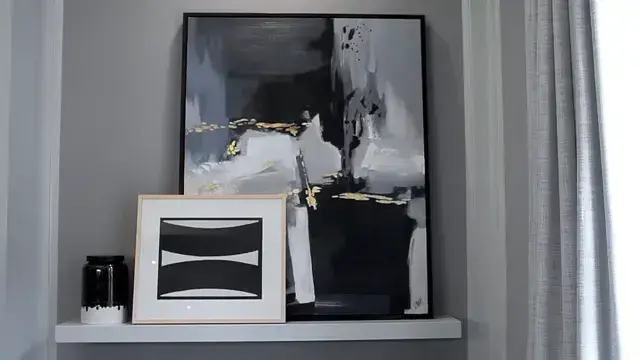
    Shelves provide casual alternatives; try leaning art against a floating shelf amid books and plants to introduce depth. Assemble and reassemble until you find the perfect display arrangement.

    How DIY Art Can Transform Your Home

    The art you create yourself has the power to turn your home into a place that feels truly yours, welcoming visitors with open arms and telling the story of who you are.

    It’s not just about style or taste – it can be an escape from screens, a chance for relaxation and meditation; displaying what we’ve made gives our efforts extra meaning because now they’re memories too.

    And when those homemade artworks are one-of-a-kind conversation starters? Well then everyone gets to join in on these little acts of self-expression which connect us all together.

    Tips for Keeping Your Artwork Looking Great

    Prevent exposure to sunlight directly as this can lead to color fade; for rooms that receive ample sunshine, employ UV-resistant glass or film. In spaces where humidity is an issue, safeguard against moisture damage by spritzing safeguarding spray.

    By taking these measures, you’ll ensure long-lasting vibrancy in your artwork—should time ever feel like it’s taking its toll on certain pieces simply create new ones thereby enabling rotation within collections!.

    Plus not only does engaging with paint-by-number provide satisfaction through honing artistic skills but also lets individuals personalize their living spaces since designs catering all tastes exist – so why wait? Embark upon this gratifying endeavor today by purchasing kit!.

  • The Essential Checklist for Preparing Your Home for Sale in Dallas

    Welcome, future seller, to the ultimate strategy guide for staging and selling your Dallas home. Whether you are getting ready to sell a sprawling estate or a simple mobile home, you’ve got a goal: list, impress, and sell for top dollar. The challenge? Turning your lived-in space into an irresistible showpiece. But don’t worry. This checklist is designed to help you navigate the selling process with ease and confidence, transforming your space and maximizing value.

    Let’s dive in, level by level.

    Level 1: Declutter and Depersonalize – The Great Purge Begins

    Before you even think about painting walls or rearranging furniture, it’s time to declutter. Imagine you’re creating a blank canvas. Buyers want to envision their lives in your home, not be reminded of yours. So, remove personal items, clear countertops, and streamline every space.

    Start with the easy stuff: toss out or donate items you don’t need, pack up family photos, and clear off surfaces. Less is more here. The goal? Give every room a clean, spacious feel.

    Level 2: Make Necessary Repairs – Fix It or Lose It

    Think of Level 2 as the “damage control” phase. Buyers notice everything, from cracked tiles to dripping faucets. You may have learned to live with the quirks, but buyers will see them as extra costs. This is your chance to fix the little issues that could turn into big red flags.

    So, patch up holes, tighten handles, repair leaky faucets, and replace burnt-out bulbs. A well-maintained home reassures buyers they won’t be facing unexpected repair bills.

    Level 3: Deep Clean Every Corner – Sparkling or Nothing

    Cleaning is non-negotiable in the home-selling game. We’re talking about a top-to-bottom, every-nook-and-cranny kind of clean. Your goal here is to give every room a fresh, like-new feel, especially high-traffic areas like the kitchen and bathrooms.

    Hire professionals if you can. Clean the carpets, wipe down baseboards, scrub the grout. A sparkling home is a show-stopper, and it sends a message to buyers: this place has been cared for. Don’t underestimate the power of a spotless space.

    Level 4: Amp Up the Curb Appeal – First Impressions Matter

    Buyers start forming opinions the second they pull up to your property. This is your chance to make a winning first impression. The front yard, walkway, and entryway need to look inviting and well-kept.

    Trim bushes, mow the lawn, plant some fresh flowers, and maybe add a new welcome mat or porch light. The goal here is simple: make buyers want to see what’s inside. A home with strong curb appeal sets a positive tone for the entire showing.

    Read more: https://daltxrealestate.com/the-essential-checklist-for-preparing-your-home-for-sale-in-dallas/

  • Texas Property Taxes Soar Over 20%—Here’s How to Keep More Money in Your Pocket

    Have you noticed your property tax bill creeping higher every year? Texas homeowners have been hit hard by rising property taxes, with some counties seeing annual increases of around 10-20% due to property value jumps and budget demands. Let’s break down why taxes are going up and what you can do to keep costs in check.

    Why Property Taxes Are Skyrocketing in Texas

    1. Real Estate Market Boom

    Texas has seen a surge in property values, with some areas experiencing year-over-year growth of 20% or more. As home values increase, so do assessed property values, directly impacting your tax bill. It’s a double-edged sword—while your home’s market value is increasing, so is the taxable amount.

    2. Funding Local Services

    Property taxes are the primary funding source for schools, roads, and public safety. In fast-growing Texas cities, rising populations create more demand for services, which requires more tax revenue. Local governments often adjust tax rates to keep up, which leads to higher bills for homeowners.

    3. Adjustments by Local Governments

    Even if your county’s base tax rate doesn’t increase, the rising property value means you’re paying more. Some municipalities also raise tax rates to meet budget goals. Texas law caps annual increases at 10% for properties with a homestead exemption, but without it, you could face an even bigger hike.

    4. State-Level Caps and Policies

    Texas has introduced property tax caps to limit how much local governments can increase taxes. However, these caps sometimes encourage municipalities to adjust their rates to the maximum allowed to ensure consistent revenue. Ironically, these protections can lead to higher taxes in some cases.

    What You Can Do to Manage Rising Property Taxes

    Source: giphy.com

    Rising property taxes can feel overwhelming, but there are several strategies you can take to bring down your bill and get the most out of Texas’ tax exemptions.

    1. File for a Homestead Exemption

    Homestead exemptions are the best starting point to reduce your property tax liability. Available to Texas residents in their primary residence, this exemption caps your assessed value growth at 10% per year and provides an additional $25,000 off your home’s value for school taxes. If you’re over 65 or disabled, additional exemptions apply. Filing is simple and can usually be done online through your local county appraisal district website.

    2. Challenge Your Property Appraisal

    If you think your home’s value has been assessed too high, consider filing a protest with your local appraisal district. This process allows you to present evidence—like comparable sales data—to show that your home’s assessed value should be lower. Property tax appeals can save you significant amounts if you successfully reduce your property’s taxable value.

    3. Stay Active in Local Government Decisions

    Local government decisions have a big impact on property taxes, and your voice matters. Attending city council and county meetings, staying informed on budget proposals, and voting in local elections all contribute to keeping tax rates in check. Many residents overlook this step, but your participation can help shape tax policy in your area.

    Common Property Tax Exemptions in Texas

    • Homestead Exemption: Reduces taxable home value by $25,000 for primary residences.
    • Over 65 or Disabled Exemptions: An additional $10,000 off your home’s taxable value for school district taxes.
    • Disabled Veteran Exemption: For veterans with disabilities, based on their disability rating, and even full exemptions for those with a 100% disability rating.

    By filing for all eligible exemptions, you ensure you’re not paying more than necessary.

    3 Key Strategies for Lowering Your Property Taxes

    1. Know Your Home’s Market Value: Real estate values fluctuate, and it’s worth staying up-to-date on your neighborhood’s trends. If market values have dropped, appeal your assessment with evidence.
    2. File Early for Exemptions: Most exemptions, including the homestead, must be filed by April 30. Missing this deadline means you’ll wait until the next tax cycle to benefit, so set a reminder.
    3. Keep track of local tax rate proposals: Tax rates are set locally, and knowing what’s coming up in the next council meeting can help you advocate for fair rates or budget transparency.

    Is Your Property Tax Bill Higher Than It Should Be?

    To check if you’re overpaying on property taxes, start by comparing your property’s assessed value with recent sales data in your area. If homes like yours are selling for less than your assessed value, it’s time to appeal. Also, ensure all exemptions you’re eligible for are applied correctly—it’s easy to miss out on savings if you haven’t updated your exemption status.

    Key Takeaways: Staying Ahead of Property Taxes with Abode

    Property taxes are likely to continue rising as Texas grows, but that doesn’t mean you’re stuck with a sky-high bill. Taking proactive steps like filing for exemptions, attending local budget meetings, and challenging over-assessments are essential for keeping costs in check. At Abode, we can help you navigate Texas property taxes, from applying for exemptions to successfully filing appeals. Reach out to us to maximize your savings and make sure you’re not overpaying.

    Consider Working with Abode

    Navigating the property tax appeal process can feel overwhelming, especially if it’s your first time. That’s where Abode comes in. Our team of experts is here to guide you every step of the way, from gathering the right documentation to submitting a compelling case. We make it simple for you to potentially save hundreds, if not thousands, on your property taxes every year. Don’t leave money on the table! Visit Abode today to learn more about how we can help you navigate the property tax appeal process.

  • 10 Reasons to Appeal Your Property Taxes Every Year in Texas

    Source: ownabode.com

    Property taxes are a big deal if you own a home in Texas. They’re a huge chunk of your budget every year, but did you know you could save thousands by appealing to them annually? That’s right—big savings are on the table. In this article, we’re breaking down the top 10 reasons why appealing your property taxes is worth it, plus how Abode can guide you every step of the way to keep that extra cash in your pocket.

    How Property Taxes Work in Texas?

    Property tax is an annual tax levied by local governments (cities, counties, and school districts) on real estate property. It’s calculated based on the assessed value of your home and land. In Texas, property taxes are a major source of revenue for schools, hospitals, and local infrastructure projects. The more your property is valued, the higher your tax bill. Unfortunately, sometimes the assessed value doesn’t reflect reality, and that’s where appealing comes in.

    1. Property Values Fluctuate

    Property values are always changing based on market conditions. Just because your County Appraisal District (CAD) says your home is worth more doesn’t mean the market agrees. Appealing your property taxes gives you a chance to argue that your home’s value hasn’t increased as much as they think. This could mean lower taxes for you!

    Quick Tip: Check Zillow or Redfin to get an idea of your home’s market value compared to similar properties. If the numbers don’t add up, it’s time to file that appeal!

    2. Errors in Appraisal Are Common

    County appraisal districts can sometimes get it wrong. Maybe they’ve miscalculated your square footage or overlooked necessary repairs that lower your home’s value. Mistakes happen, but you shouldn’t have to pay for them!

    Pro Tip: When you appeal, provide evidence like updated measurements or recent photos of your property that show its actual condition. This can make a huge difference in your assessment.

    3. Comparable Sales Data Matters

    What are your neighbors’ homes selling for? If houses in your area are selling for less than your home’s assessed value, you’ve got solid grounds for an appeal. Comparable sales data is one of the strongest arguments you can use to lower your property tax bill.

    Did You Know? Websites like Realtor.com and the Multiple Listing Service (MLS) can provide you with recent sales data to help back up your case.

    4. Exemptions Might Be Overlooked

    You might be missing out on property tax exemptions that you qualify for. Whether it’s a homestead exemption or a senior citizen reduction, not applying these can cost you big. Filing an appeal ensures you’re getting all the breaks you deserve.

    Make Sure To: Double-check that all eligible exemptions are being applied to your account. Abode can help you identify exemptions you may qualify for and guide you through the process.

    5. Appealing Is Easier Than You Think

    In Texas, appealing your property taxes is more straightforward than you might expect. Most counties allow you to file appeals online, saving you the hassle of long lines and paperwork. It’s a small investment of time that can yield huge savings!

    Fast Fact: You have until May 15 or 30 days after receiving your assessment notice to file an appeal, whichever comes later.

    6. Small Increases Add Up Over Time

    Even small annual increases in your property tax can significantly add up over the years. By appealing each year, you can keep your tax bill under control and prevent these incremental hikes from eating into your budget.

    Money-Saving Tip: Make it a habit to review your property tax statement every year, even if the increase seems minor. Consistency is key to maximizing your savings.

    7. No Risk of Increase in Texas

    Good news! In Texas, filing an appeal won’t lead to your property taxes increasing. There’s no penalty for challenging your assessment, so you’ve got nothing to lose by giving it a shot!

    Why Not Try? If there’s no downside to appealing, it’s worth the effort to see if you can save.

    8. Keep Your Assessment Accurate

    Over time, your property’s market value can fluctuate, and your assessment might not reflect the current reality. Regular appeals help keep your assessment up-to-date and aligned with what your home is actually worth.

    Pro Move: Building a habit of appealing your taxes helps ensure that you’re not paying more than your fair share.

    9. Build a Record of Appeals

    When you appeal every year, you build a documented history that can help you in future disputes. Showing a pattern of overvaluation strengthens your argument and makes it more likely that you’ll win future appeals.

    Pro Insight: Having a paper trail can be your best ally when dealing with the appraisal district. Consistency speaks volumes!

    10. It’s Your Right as a Texas Homeowner

    In Texas, you have the right to appeal your property taxes every year, and exercising this right is the best way to ensure you’re not overpaying. It’s not just about saving money—it’s about holding the system accountable and making sure you’re treated fairly.

    Fact Check: Many Texas homeowners don’t realize they can appeal every year. Taking advantage of this right can significantly lower your tax burden over time.

    Consider Working with Abode

    Navigating the property tax appeal process can feel overwhelming, especially if it’s your first time. That’s where Abode comes in. Our team of experts is here to guide you every step of the way, from gathering the right documentation to submitting a compelling case. We make it simple for you to potentially save hundreds, if not thousands, on your property taxes every year. Don’t leave money on the table! Visit Abode today to learn more about how we can help you navigate the property tax appeal process.

  • Why MLO License Renewal Matters at Career Classroom

    Source: CareerClassroom.com

    The MLO license is the most critical factor in the mortgage industry to keep practicing in the business due to federal and state compliance policies. Delays in renewal can lead to serious legal consequences: financial penalties, fines, or the inability to continue to practice in the field. If a license has lapsed, career advancement may seriously be affected, and clients will lose their trust in that particular originator, hence losing any potential business.

    Renewal of an MLO license is not just a regulatory need but also pegs the credibility and professionalism of loan originators in a progressively demanding mortgage market. Career Classroom was established to serve as an online leader in mortgage professional education, more precisely those that aim to renew their MLO license. The firm strives to make the licensing renewal process easy and hassle-free through quick, accessible, and comprehensive online courses.

    Choose Self-Paced Learning

    This self-directed, modular, and web-based online mortgage education enables you to carve out specific time to learn. The certified courses give you the opportunity to learn about how updates in federal laws and regulations, non-traditional financing, The Homeowners Protections Act (HPA) and more!.

    NMLS-Approved Continuing Education

    If you’re in the mortgage industry, you will want to stay current on your education. NMLS-approved mortgage continuing education enables you not only to keep your license current but also to stay abreast of the most recent compliance regulations and best practices. Your newfound knowledge better equips you to serve your clients and adds to your credibility in the field.

    If you’re looking to fulfill your continuing education requirements for mortgage licensure, taking an 8-hour NMLS approved mortgage CE course is a smart choice. It provides a comprehensive overview of essential updates and industry standards. The streamlined format allows you to finish your requirements quickly and efficiently.

    About the Company

    Career Classroom LLC is headquartered in Austin, Texas. It owes the quality of education at least to the collaboration that has been developed within its local community. The organization now focuses on flexibility by allowing professionals to consume educational content anywhere, anytime, and fit ongoing learning into their busy schedules.

    When comparing it to their competitors within the mortgage education sector, it becomes quite evident that their comprehensive approach to affordability is a major factor in driving Career Classroom further ahead. Many former students have spoken very highly of not only the course material itself but also the overall value they’ve received when mentioning how Career Classroom helped them renew their MLO licenses in an effective manner while still keeping education budget-friendly.

  • Real Estate 3D Expenses: What to Expect and How to Calculate for Non-Professionals

    Understanding architectural rendering price is essential for anyone venturing into real estate. This is especially important for amateurs who may wish to enhance the appearance of their projects using 3D models but have no clue where to start. The fact is that whether you are looking forward to unleashing a fresh project into the market, selling off some units or just trying to plan for the future; then the use of 3D render will greatly impact on your work!. The reason why these are so important is because they give life to your project and thereby facilitate communication with buyers, investors, and contractors. Be that as it may, there is a flip side to it — 3D rendering does not come cheaply, & its cost is not uniform either.

    Navigating the 3D rendering cost landscape can feel overwhelming, mainly because many factors affect the final price. This article will teach you more about expenses, what influences those costs, and how to plan your budget effectively. Let’s ensure your project gets the visual representation it deserves without breaking the bank.

    Factors Influencing 3D Rendering Costs

    Type of Service

    The 3D rendering cost largely depends on the type of service you need. Not all renderings are created equal, and different visualizations come with varying price tags. Here’s a brief overview:

    1. Interior Rendering: These renderings focus on the inside of a property, giving life to furniture, light, textures, and more. Interior rendering costs typically range from $400 to $2,500, depending on the level of detail required, such as customized furniture or realistic lighting.
    2. Exterior Rendering: Want to see how your building looks from the outside, perhaps with its surroundings? Exterior visualizations can cost anywhere between $600 and $4,000. Complex projects, like aerial views of neighborhoods, generally cost more.
    3. 3D Floor Plans: These are great for clearly visualizing space. Depending on the floor layout’s complexity and the required details, they typically cost $500 to $2,000.
    4. Animation: If you want an engaging fly-through of your building, expect to pay around $100 to $250 per second of animation. It can add up quickly if you need a lengthy video, but animations provide an incredibly immersive experience.

    Pricing Models in the 3D Rendering Industry

    Now, let’s talk about how studios determine pricing. The 3D rendering cost you pay can vary based on the studio’s pricing model:

    • Paying per Image: If your project is small and requires just a few visualizations, paying per image might be the best option. This allows you to control the number of images you need and their quality.
    • Per Package: A flat-rate package can provide better value for larger projects. This gives an idea of the upfront cost, ideal for projects with multiple views and renderings.
    • Hourly Rate: When a project’s requirements are evolving or unclear, opting for an hourly rate might be beneficial. Depending on the project’s length, it provides flexibility but might be costlier.

    Typical 3D Rendering Cost Ranges

    Interior and Exterior Renderings

    Interior 3D architectural rendering may cost between $400 and $2,500. Interior designs usually require a lot of details which may include complex lighting systems, different material finishes with textures, as well as furniture types. The increased level of detail accounts for why interior renderings are somewhat costlier than those done on the outside. Be that as it may, exterior rendering is cheaper costing between $600 to $4,000 depending on factors like complexity or views needed while other cases may apply too.

    Animation and 3D Floor Plan Costs

    The pricing of animations is done on a per second basis with the cost ranging from $100 to $250. Such costs may be attributed to factors like the length, animation style and rendering requirements in terms of computing power. In the same way, most 3D floor plans cost about $500-$2000 each but they really help see if one room smoothly goes after another one in a building!.

    How to Calculate 3D Rendering Costs for Your Project

    Preparing a Detailed Brief

    To accurately calculate your project’s 3D architectural visualization cost, start with a well-prepared brief. This helps in budgeting and ensures you and the studio are on the same page. Here are the key elements to include:

    • Project Description and Purpose: Outline why you need the rendering for marketing or personal use. Attach any drawings, sketches, or architectural plans.
    • Level of Detail: Are you looking for photorealism, or is a simplified version sufficient? Specifying the level of detail upfront helps studios estimate costs accurately.
    • Number of Images or Animation Duration: Clearly define how many images or animations you need.
    • Deadlines and Style References: Provide the timeline and any specific styles or visual references you want to ensure everyone’s on the same page.

    Key Factors Affecting Costs

    1. Complexity of Design: The more complex the design, the higher the cost. Features like intricate textures, realistic light, shade, or multiple layers of depth can increase the time and expense of rendering.
    2. Revisions and Changes: It’s best to keep revisions minimal. The more changes you request, the more expensive it becomes, as each revision may require a complete re-render of the image or scene.
    3. Experience of the 3D Artist: A highly experienced artist will undoubtedly charge more, but the quality and efficiency often justify the cost. Investing in experienced professionals is usually worth it if you’re looking for top-notch quality.

    Ways to Save on 3D Rendering Costs

    Using Standard Libraries

    Employing standard libraries as opposed to tailor-made models is a great strategy of cutting down architectural rendering cost. For example most of the studios would have some 3D models which are already available for certain furniture’s or fixtures and this can be included into your rendering!. It is much cheaper to create new models from scratch; therefore, this approach is also cost effective and efficient.

    Efficient Project Planning

    Good planning can make all the difference. Communicate clearly and provide as much information upfront as possible to reduce revisions. This not only saves time but also keeps the rendering budget under control. A well-thought-out plan helps the studio focus on the creative aspects without getting bogged down in continuous edits.

    Choosing the Right Pricing Model

    The suitable pricing model depends on the nature of your project:

    • If you only need a few visuals, per-image pricing may be best.
    • A package deal might offer better value if looking at a more extensive development.
    • If you need flexibility and don’t have a fixed plan, go for an hourly rate.

    Choosing the right model can significantly reduce overall costs and help you get the best value for your money.

    Challenges in Estimating Rendering Costs

    Variation by Studio and Location

    Costs can vary significantly depending on the studio’s location. Studios in developing countries may offer cheaper rates, which might come with downsides like language barriers or stylistic differences. It’s crucial to weigh these pros and cons before choosing a studio.

    Balancing Quality and Budget

    Balancing quality and budget can be challenging, especially if you’re new to this. Going for cheaper options is tempting, but remember, quality often comes at a price. Lower-cost services might work if your project is purely conceptual, but for commercial purposes, higher-quality renderings can make a significant impact.

    Conclusion

    Even though it may seem complicated to calculate and comprehend the costs involved in 3D rendering, this is not true. With some certain information & plan, even amateurs can pull it off like a pro. People who are not experts can follow this by knowing about what kind of options are there for them regarding services, how prices are usually set at certain levels, as well as what may increase final expenses. The most important factor whether you have taken the per image cost or going with complete package is to plan properly, select appropriate studio and communicate openly on expectations while keeping track of additional costs!. In the end, an excellently created three-dimensional visual representation serves more than just connecting one’s dreams with reality on a two-dimensional platform; it creates a sense of touch even when nothing has been constructed yet!


    Author :

    Diana Coleman is a Content Marketing Manager at Omega Render, specializing in 3D architectural modeling services. With a keen focus on creating compelling content that drives engagement, Diana blends her marketing expertise with a deep understanding of the 3D rendering industry. She helps Omega Render connect with clients and showcase its innovative services.

  • Discover the Hidden Treasures of Yellowstone: A Nature Lover’s Paradise

    Yellowstone was the first national park in America and was famous for its natural beauty, embracing a large number of Earth’s geothermal features. The place gives a great chance to take you right into nature. In this article, we will look at many wonders of Yellowstone and help you by providing some useful tips to help you make the most of your visit.

    The Geothermal Marvels of Yellowstone

    Yellowstone has an amazing array of geothermal features that are totally unique from any other place on this earth. This is because it sits atop a supervolcano since it fuels the innumerable hot springs, geysers, and mud pots that outline the area.

    Old Faithful: The Iconic Geyser

    No visit to Yellowstone would be complete without a view of the eruption of Old Faithful, the park’s most famous geyser. This natural wonder erupts approximately every 90 minutes, shooting scalding water as high as 180 feet into the air. The predictability of Old Faithful eruptions has made it a must-see attraction for visitors around the world.

    Grand Prismatic Spring: A Rainbow of Colors

    Equally unmissable is the Grand Prismatic Spring, the largest hot spring in the United States of America. This vast pool of water is famous for its striking colors, with a deep blue center giving way to orange and red towards its edges. The colors are created by heat-loving microorganisms that thrive amidst such extreme conditions.

    Mammoth Hot Springs: Nature’s Living Sculpture

    The Mammoth Hot Springs are terraced formations that let visitors observe geology in action. Limestone, constantly built by mineral-rich water flowing from underground hot springs, provides a scenic view of steaming terraces and an intricate pattern.

    Wildlife Viewing Opportunities

    Yellowstone is home to an incredible diversity of wildlife, making it a paradise for nature enthusiasts and photographers. The park’s vast wilderness provides habitat for numerous species, including some of North America’s most iconic animals.

    Bison: The Symbol of the American West

    Yellowstone is the home of the biggest population of wild bison in North America. These huge mammals could be seen very often in the meadows of the park, or even crossing the roads, a fact that permits all visitors to enjoy unforgettable encounters with these prehistoric-looking creatures.

    Wolves: The Return of a Keystone Species

    The most obvious result of wolf reinstatement, in the 1990s, has been on Yellowstone Park’s ecosystem. Wolf-watching guided tours offer visitors a way to locate these elusive predators in their natural habitat.

    Bears: Grizzlies and Black Bears

    Grizzly and black bears are residents of Yellowstone. While a sighting is not guaranteed, visitors to the off the beaten path and backcountry areas of the park just might glimpse these tremendous creatures.

    Scenic Drives and Hiking Trails

    Yellowstone offers many opportunities for outdoor enthusiasts to explore its stunning landscapes and diverse ecosystems.

    Grand Loop Road

    The 142-mile Grand Loop Road is Yellowstone’s main artery, connecting many of the park’s major attractions. This scenic drive allows visitors to experience the park’s diverse landscapes, from rolling meadows to rugged mountain passes.

    Hiking Trails for All Skill Levels

    Yellowstone boasts over 900 hiking trails, ranging from easy boardwalk strolls to challenging backcountry treks. Some popular trails include:

    1. Fairy Falls Trail: A moderate 5-mile round trip hike leading to a beautiful 200-foot waterfall.
    2. Mount Washburn Trail: A strenuous 6.2-mile round trip hike offering panoramic views of the park.
    3. Storm Point Loop: An easy 2.3-mile loop featuring stunning lake views and wildlife viewing opportunities.

    Seasonal Considerations

    Yellowstone’s climate varies dramatically throughout the year, with each season offering unique experiences for visitors.

    Summer: Peak Season

    Summer is the busiest time of year in Yellowstone, with perfect temperatures and longer days for wandering aimlessly. However, crowds can be great, and reservations for amenities and popular activities come highly recommended well in advance.

    Fall: Colorful Landscapes and Wildlife Activity

    Autumn brings cooler temperatures and fewer crowds. This is also one of the best times for wildlife viewing as many animals become more active in order to prepare for winter.

    Winter: A Snowy Wonderland

    Winter transforms Yellowstone into a snow-covered wonderland of cross-country skiing, snowshoeing, and guided snowmobile tours. Most park roads are closed to normal traffic, affording a unique and quiet beauty.

    Spring: Renewal and Wildlife Babies

    Spring in Yellowstone means new life to the wildflowers and baby animals making first appearances. Even though there is still some snow in some areas, the tourist season at this time allows visitors to see the rebirth of the park when it is less crowded.

    Planning Your Visit

    To make the most of your Yellowstone adventure, consider the following tips:

    1. Book accommodations well in advance, especially for summer visits.
    2. Research and plan your itinerary, focusing on the areas and activities that interest you most.
    3. Pack appropriate clothing and gear for changing weather conditions.
    4. Follow park rules and safety guidelines, particularly regarding wildlife and geothermal areas.
    5. Consider hiring a guide or joining a tour to gain deeper insights into the park’s natural wonders.

    When planning your trip, remember that property management Yellowstone services can provide comfortable and convenient accommodations, allowing you to fully immerse yourself in the park’s natural beauty.

    Preserving Yellowstone for Future Generations

    As visitors, it’s our responsible to care for the fragile ecosystems and natural wonders of Yellowstone so that this unbelievable place can go on to inspire and continue to amaze forthcoming generations of nature lovers by adhering to the principles of Leave No Trace, respecting wildlife, and following all regulations.

    In Summary

    Yellowstone National Park affords an unrivaled opportunity to observe raw power and beauty unfolded through nature. From its geysers and colored hot springs to a variety of wildlife and spectacular scenery, Yellowstone counts as one of the natural wonders of the world that must be seen by every traveler. Plan thoughtful visits, and enter the park with respect and a sense of wonder. You will leave with lifetime memories of a special place and a greater appreciation for why we preserve any natural heritage area.

  • From Deposit to Deed: A Year-One Cost Analysis for U.S. Investors Buying Dubai Property

    With its remarkable skyline, tax-free environment, and anticipated gains, Dubai’s real estate market constantly attracts foreign investors—especially those from the United States. However, negotiating the complexities of property purchase in this international hub calls for a thorough awareness of the related expenses. This article offers US investors considering a property purchase a comprehensive year-one cost analysis along with the fees for buying property in Dubai, therefore guiding their decisions.

    Initial Purchase Costs

    The initial expense, which accounts for a substantial portion of your investment, is where the journey starts. For US investors, it’s important to realize that these expenses go beyond the quoted price of the property.

    • Property Deposit

    Usually, a 10% deposit of the purchase price is needed to guarantee a property in the secondary market in Dubai. Usually paid by a cheque to the seller via the real estate brokerage, this first commitment shows your intention to buy.

    • Dubai Land Department (DLD) Fee

    Comprising 4% of the purchase price of the house, the Dubai Land Department (DLD) Fee is among the most significant additional costs. This fee is charged on all property sales in Dubai.

    • Property Registration Fees

    The property value determines these charges:

    • For properties below AED 500k (approx USD 136,132): AED 2,000 (approx USD 545) + 5% VAT
    • For properties above AED 500k: AED 4,000 (approx USD 1,089) + 5% VAT
    • Mortgage Registration Fees (if applicable)

    Should you be financing your purchase with a mortgage, you will have to allocate a 0.25% mortgage registration fee + AED 290 (approx USD 79).

    • Legal and Documentation Costs

    These vary but usually include Title Deed costs of AED 520 (approx USD 142).

    Agent and Brokerage Fees

    For international investors not acquainted with the local market, engaging in professional assistance is usually rather important. However, these offerings have a cost:

    • Real Estate Agent Commission

    Agent services should cost around 2% of the buying price + 5% VAT. This cost includes guidance during the buying process, pricing negotiations, and property sourcing.

    • Conveyance Fees

    Usually running from AED 5,000 to AED 10,000 (approx USD 1,361 to USD 2,723), legal transfer and conveyancing services guarantee all contracts and legal conditions follow UAE legislation.

    Financing Costs and Mortgage Considerations

    If you are choosing a mortgage to pay for your Dubai home purchase, extra expenses apply:

    • Bank Mortgage Arrangement Fee

    Usually, this comes out to be 1% of the loan total + 5% VAT.

    • Property Valuation Fee

    Essential for mortgage approval, this usually runs between AED 2,500 and AED 3,500 (approx USD 681 to USD 953) plus 5% VAT.

    • No Objection Certificate (NOC) Fee

    Should one be buying a house with an existing mortgage, this cost might run from AED 500 to AED 5,000 (approx USD 136 to USD 1,361).

    Ongoing Costs & Maintenance

    Once you have your property, numerous ongoing costs should be included in your year-one budget:

    • Annual Service Charges

    These fees pay for the maintenance of shared amenities and spaces in your building or residential community. Usually paid quarterly, they change depending on the RERA Service Charge and Maintenance Index. Note that typically speaking, apartments have more service costs per square foot than villas and townhouses.

    • DEWA Fees

    An apartment would pay AED 2,000 (approx USD 545) for setting up power and water connections via the Dubai Electricity and Water Authority (DEWA); a villa would pay AED 4,000 (approx USD 1,089).

    • Home and Contents Insurance

    Although not required, this is strongly advised and costs around AED 1,000 (approx USD 272) depending on house value and contents.

    • Life Insurance for Mortgage

    If you have a mortgage, life insurance usually is required. This typically costs 0.4-0.8% per year on the declining loan debt.

    Total Cost Analysis

    After all these expenses are summed up, US investors could estimate the first year’s total cost of purchasing and maintaining a home in Dubai to fall between 7% to 10% of the property price, excluding the purchase price itself.

    Let’s use a hypothetical example:

    Assuming you are buying a ready apartment in Dubai Marina for AED 2,000,000—about USD 544,529:

    • Property Deposit: AED 200,000 (approx USD 54,453) (10%)
    • DLD Fee: AED 80,000 (approx USD 21,781) (4%)
    • Property Registration: AED 4,000 (approx USD 1,089) + 5% VAT
    • Agent Commission: AED 40,000 (approx USD 10,891) + 5% VAT
    • Conveyance Fees: AED 7,500 (approx USD 2,042) (mid-range estimate)
    • Mortgage Arrangement Fee (assuming 70% mortgage): AED 14,000 (approx USD 3,812) + 5% VAT
    • Property Valuation: AED 3,000 (approx USD 817) + 5% VAT
    • Annual Service Charges: Approximately AED 15 (approx USD 4) per sq ft for a 1,000 sq ft apartment = AED 15,000 (approx USD 4,084)
    • DEWA Setup: AED 2,000 (approx USD 545)
    • Home Insurance: AED 1,000 (approx USD 272)
    • Mortgage Life Insurance: Approximately AED 5,600 (approx USD 1,525) (0.4% of the loan amount)

    Total Additional Costs: Approximately AED 379,575 (approx USD 103,345) or about 19% of the property value

    This analysis shows US investors should be ready for significant additional costs beyond the actual property value. Many of them, however, are one-time fees; so, future years will have lower ongoing yearly expenses.

    Disclaimer: The costs and fees mentioned are based on recent information but may change. Always conduct your own research and consult local experts before making investment decisions.

    Key Takeaways for US Investors

    • Comprehensive Budgeting: Plan your investment considering all related expenses, not just the property cost.
    • Long-term Perspective: Although the initial charges are high, many are one-time payments. Think about long-term value and possible returns on your investment.
    • Professional Guidance: Although it adds additional costs, hiring local experts can be very beneficial considering the intricacy of the Dubai real estate market.
    • Financing Considerations: If choosing a mortgage, take into account not only the loan payments but also related fees and required insurance premiums.
    • Ongoing Expenses: Ongoing expenses include utilities and service charges, which vary greatly depending on the type of property and location.

    Conclusion

    For US investors, Dubai’s real estate market has interesting prospects; however, success depends on careful preparation and a complete awareness of all related expenses. Investors can make better decisions by taking this year-one cost analysis into account, therefore avoiding unanticipated costs and setting themselves up for long-term success in Dubai’s vibrant property market.

    Recall that while the analysis offers a broad picture, individual circumstances might differ. See local real estate experts and financial advisers to customize your investment plan to fit your particular requirements and objectives.

    Frequently Asked Questions

    Q: As a US investor, are there any restrictions on property ownership in Dubai?

    A: US buyers may acquire freehold property in certain Dubai neighborhoods. There are no nationality limitations, however, ownership is restricted to some zones, notably newer projects and popular expatriate areas.

    Q: How does the property purchase process in Dubai differ from the US?

    A: Unlike in the US, most property sales in Dubai are paid for in cash; mortgages are rare. The process is often faster, with most cases concluded within 30 days. Furthermore, the idea of escrow is different; usually, payments are sent straight to the developer or seller.

    Q: Are there any tax implications for US citizens owning property in Dubai?

    A: Although Dubai itself does not levy property taxes, US individuals must disclose global income to the IRS. This covers rent from Dubai properties. Though Dubai is tax-free, capital gains from property sales might still be taxed in the US. See a tax expert knowledgeable in foreign property ownership for advice.

  • Problems You Should Look for in California Rentals

    Without doing your own research, you could end up in an awful housing situation. Make sure to only sign contracts with a free California residential lease agreement template for extra peace of mind. Here are a few key concerns you might have about your Cali rental.

    The Property’s Overall Condition

    Always view the home from top to bottom before you sign anything. Even the smallest fault can point toward bigger concerns. For example, a crack in the wall may be a sign of water damage. Similarly, a window that won’t close fully is a serious security risk. It also makes your home a lot less energy efficient.

    Test the appliances when you get the chance. Make sure they work just as you expect and have no frayed wires. Do the same with the faucets and shower. This might seem excessive, but you need to know if everything works. Don’t be afraid to speak to the current tenant or tenants. Ask them about the property and if there are any issues to keep in mind.

    No home is perfect. You can forgive some wear and tear and other minor issues. However, you have to be on guard for red flags. Make sure the property has a carbon monoxide detector, clear fire exits, and working locks. These aren’t just convenient add-ons — they could save your life in an emergency.

    Landlord Problems

    If the landlord is trying to rush the sale, you should ask yourself why. Are they speeding through the viewing? Are there any rooms they don’t want you to see? Do they take a while to respond to your emails?

    Look up the landlord once you know their name. If all you find is complaints from ex-tenants, it’s probably best to keep your options open. They might be infamous for keeping deposits on shaky grounds, for example.

    California currently has a state-wide rent cap until 2029. This means you should be wary if the landlord increases your rent. Check that they’re staying within these laws. Similarly, security deposits in California should only be 2-3 months’ rent for unfurnished and furnished places, respectively.

    Neighborhood Concerns

    It’s always worth looking into the neighborhood you might soon be living in. Searching the area’s crime rate online could help you see if you’d feel safe there. You can also check if there’s a local neighborhood watch.

    Take note of the outside noise levels when viewing the home. If possible, try to find out how loud the roads will be at peak hours. If this would be a serious disturbance, consider looking at other properties.

    General convenience might be lower on your list of priorities — but it should still be a factor. Ask the landlord about residential parking permits if you have a car. If you don’t, look into the nearby public transport options. Some parts of California have great public transport, but the system still has blind spots.

    Unclear Lease Agreements

    If your landlord provides a lease agreement, look over it at least twice. Make sure it matches the conversations you’ve had with them. If they offered to add a clause and it isn’t in the document, don’t take them at their word. Bring this up right away.

    The lease may also come with a number of errors. It might not outline every relevant tenant fee, for example. Its terms might also be too vague to be legally binding. Ask the landlord where the document is from and if it uses a pre-made template that fits California law.

    You have a right to negotiate every detail of your lease. This includes the actual format or layout of the document itself. Without a template, you won’t know if the agreement has every important section. To make sure it’s legally sound, ask to use an online template that’s fair to every party.

    Environmental Issues

    Between May and November, there are serious risks of wildfires in some parts of California. The place you have your eye on could be in a high-risk area. Check this online and talk to the owner; ask about any precautions they’ve added. The building should at least have a ‘defensible space’ around it to stop the fire from spreading to your home.

    The state’s air quality is famously poor. This is partly because of the wildfires but also due to the state’s oil production. Use the Air Quality Index to view the property’s pollution levels. You may suffer serious breathing problems if you don’t find somewhere else. Small earthquakes are also quite common in California, so your home needs to be up to code.

    Final Thoughts

    Your California rental will naturally come with certain risks. Some of these are just a natural part of renting. Others are more specific to the state’s own conditions or environment. However, you can still find a rental property that follows the rules and works to protect tenants.

    Source