DALLAS—McDonald’s is shutting down all five of its standalone CosMc’s locations, including the remaining stores in Allen and Fort Worth, Texas, as well as two in San Antonio and the original site in Bolingbrook, Illinois. The closures mark the end of the company’s short-lived experiment in the specialty beverage space.
Key Points:
McDonald’s will close all five CosMc’s locations, including two in the DFW area and two in San Antonio.
The closures come after underwhelming performance at larger-format stores.
Digital services, including the CosMc’s app and loyalty program, ended on June 23, 2025.
McDonald’s plans to introduce CosMc’s-inspired drinks at existing restaurants.
CosMc’s began winding down operations in late June. All digital services, including its loyalty program, mobile app, and online ordering, were discontinued by June 23, 2025, marking the end of the standalone CosMc’s experiment less than two years after it began.
The company cited underwhelming performance at its larger-format stores, many of which had been converted from former McDonald’s locations. Company executives noted that smaller, more focused sites were better suited to the brand’s beverage-centric model, aligning more closely with customer habits and operational efficiency.
Earlier this year, CosMc’s quietly closed three of its Texas locations, in Watauga, Arlington, and one undisclosed site, after reporting stronger results from smaller stores. The full wind-down suggests that even the remaining locations failed to meet McDonald’s financial or strategic goals.
Still, the company says the pilot was not without value. McDonald’s plans to apply lessons from the CosMc’s test to its core business, starting with a nationwide beverage rollout later this year. Drinks inspired by the now-defunct chain, such as matcha iced lattes and prickly pear slushes, are expected to appear on McDonald’s menus as part of an effort to boost afternoon sales and tap into the $100 billion beverage market, without the operational complexity of maintaining separate storefronts.
Public response to CosMc’s in the Dallas–Fort Worth area was mixed. On Reddit, some users praised drinks like the turmeric spice latte and blueberry ginger boost, comparing them favorably to Starbucks refreshers.
Others criticized offerings like the S’mores cold brew, calling it a “chemical sugar bomb.” A BuzzFeed review described the Churro Frappe as “delectable,” while a post on X noted an empty parking lot at the Allen location.
McDonald’s has not released revenue figures for CosMc’s, but the decision to close all locations suggests the concept fell short of expectations. The company struggled to generate momentum at its larger-format stores and eventually shifted focus to smaller formats. That pivot, however, was not enough to sustain the brand. McDonald’s now plans to bring CosMc’s beverage ideas into its main restaurant business.
In a statement, McDonald’s chief executive, Chris Kempczinski, described CosMc’s as a “learning lab” that allowed the company to test new flavors and technologies without disrupting its main brand. “We’ve learned so much, so quickly from the CosMc’s test,” the company said. It now plans to bring select drinks from the pilot into existing McDonald’s restaurants.
CosMc’s opened its first Texas location on March 20, 2024, at 6033 Campbell Road in Dallas, following the brand’s initial launch in Bolingbrook, Illinois, in December 2023. McDonald’s had planned to open nine pilot locations across the Dallas–Fort Worth area and San Antonio by the end of that year.
While CosMc’s may not have found lasting success as a standalone brand, its brief run offered McDonald’s a low-risk way to test new ideas in a fast-changing beverage market. With the experiment now concluded, the company is turning its attention to what worked—and how those lessons might shape the future of its core menu.
When it comes to adding elegance, functionality, and versatility to your home or office, few options compare to a 48″ round glass table top. Whether you’re looking to replace a damaged top, protect a wooden surface, or design a new table, this glass size is one of the most popular choices for a reason.
In this article, we’ll cover everything from dimensions and material types to use cases, design ideas, benefits, and maintenance tips — giving you a full understanding of why a 48-inch round glass table top might be exactly what you need.
What Is a 48″ Round Glass Table Top?
A 48″ round glass table top is a circular sheet of glass with a 48-inch diameter. This size is commonly used for dining tables, coffee tables, patio sets, and even office meeting tables. The glass can be made in various thicknesses and finishes depending on how and where it will be used.
Standard Specifications
When discussing a 48″ round glass table top, it’s important to understand a few common features:
Diameter
48 inches (4 feet) across. This size provides ample surface space without being overwhelmingly large.
Suitable for seating 4 to 6 people comfortably.
Glass Thickness
1/4″ (6mm): Ideal for protective covers or light-duty tables.
3/8″ (10mm): A common choice for moderate strength and a clean look.
1/2″ (12mm): Best for structural use, like standalone tops or high-traffic surfaces.
Edge Types
Flat Polish (Flat Edge): Clean and modern look.
Pencil Polish (Rounded Edge): Smooth to the touch, slightly curved.
Beveled Edge: Angled cut along the edge, adds a decorative touch.
Tempered Glass Option
Most glass table tops are tempered for safety. Tempered glass is heat-treated to be stronger and, if broken, it shatters into small, less dangerous pieces.
Common Uses for a 48″ Round Glass Table Top
This versatile size makes it suitable for a variety of applications:
Dining Tables
A 48″ round glass table is ideal for small-to-medium dining spaces. It fits four diners comfortably and offers a modern or minimalist aesthetic.
Coffee or Accent Tables
Used as a top for a decorative base or sculptural stand, the round shape softens the appearance of a room and improves flow.
Patio or Outdoor Tables
Tempered glass with UV resistance makes for a great outdoor tabletop. It’s easy to clean and doesn’t weather like wood or metal.
Protective Surface
Placed over wood, stone, or other furniture, a 48″ round glass top protects the surface from scratches, stains, or moisture.
Office Meeting Tables
This size can also serve as a small meeting table for informal office areas, adding sophistication without bulk.
Benefits of a 48″ Round Glass Table Top
Choosing glass as a table material brings with it several unique advantages:
1. Timeless Style
Glass blends with almost any design scheme—modern, rustic, industrial, or traditional. It complements wood, metal, and stone bases equally well.
2. Space Illusion
The transparent nature of glass creates an open, airy feeling. This is especially helpful in small rooms where you want to avoid bulky visual weight.
3. Easy Maintenance
Glass is one of the easiest surfaces to clean. A simple glass cleaner and soft cloth keep it streak-free.
4. Durability with Tempered Options
Tempered glass is very durable and can withstand moderate impacts, temperature changes, and everyday use.
5. Non-Toxic and Hypoallergenic
Unlike some synthetic materials, glass doesn’t emit fumes, attract dust, or trap allergens. It’s a safe option for homes with kids or pets.
Choosing the Right Glass Type for Your Needs
Not all glass is created equal. When selecting a 48″ round glass table top, consider the following types:
Clear Glass
Most popular and versatile.
Offers full visibility of the base.
Frosted Glass
Provides a diffused, opaque appearance.
Great for privacy or softer lighting.
Tinted Glass
Available in bronze, gray, or black.
Adds color and reduces glare or UV exposure.
Low-Iron Glass
Ultra-clear with minimal greenish tint.
Best for high-end applications or artistic designs.
Base Compatibility and Design Ideas
One of the great things about a 48″ round glass top is how well it pairs with different types of bases:
Pedestal Bases – Great for maximizing legroom and visual balance.
Metal Frames – Ideal for a sleek, industrial look.
Wooden Bases – Adds warmth and classic appeal.
Concrete or Stone Sculptures – For a bold, contemporary statement.
When choosing a base, ensure it has enough surface contact and support to safely hold the weight of the glass.
Installation Tips
Proper installation ensures safety and longevity. Here are a few tips:
Use clear rubber bumpers or spacers between the glass and base to prevent slipping and vibration.
Ensure the base is level and strong enough to support the glass weight.
Always handle with care and preferably with help, especially with thicker or heavier glass.
Cleaning and Maintenance
Maintaining a 48″ round glass table top is simple, but a few best practices go a long way:
Daily Cleaning: Use a non-abrasive glass cleaner and microfiber cloth.
Avoid Harsh Scrubbing: Never use steel wool or coarse pads.
Protect from Heavy Impacts: While tempered glass is strong, it’s still glass.
Avoid Direct Contact with Hot Pans or Items: Use trivets or mats.
Is a 48″ Round Glass Table Top Right for You?
Choosing a 48″ round glass table top makes sense for many scenarios:
You have a medium-sized dining area.
You’re looking for a timeless, minimalist upgrade.
You want to protect an existing surface.
You need a tabletop that works indoors or outdoors.
It’s an investment in both form and function — offering durability, beauty, and ease of care in one sleek package.
Final Thoughts
A 48″ round glass table top from Fab Glass and Mirror is more than just a surface — it’s a design element that enhances the room it’s placed in. Its size fits a wide range of settings, and its aesthetic appeal complements nearly every interior or exterior style. By understanding the various types, thicknesses, finishes, and uses, you can make an informed decision that brings both practicality and elegance to your space.
Whether you’re replacing, protecting, or designing from scratch, the 48″ round glass top from Fab Glass and Mirror is a smart, stylish, and versatile choice.
Heating and cooling might not be flashy, but when things go wrong, you feel it. Whether your tenants are calling about freezing bedrooms or your building’s system sounds like it’s about to lift off into space, you know that HVAC problems can turn into expensive ones—fast. That’s why hiring the right HVAC contractor matters. And if you own property—whether that’s a couple of rental units, a small commercial building, or something bigger—you need someone who actually knows what they’re doing and treats your building like it’s theirs.
But let’s be honest. Everyone says they’re certified. Everyone shows up with a logo on their van. And everyone throws around words like “energy efficient” and “inspection included.” So how do you actually know who to trust? Here’s how to look past the sales pitch and figure out who’s worth calling back.
Licenses Aren’t Just Paperwork—They Protect You
The first thing you want to check is licensing, but not just because someone told you it’s the right thing to do. Licensed HVAC contractors have been tested on their knowledge. They’ve had to pass state exams and usually have insurance and bonding as well. That means if something goes sideways—like a tech damages your building or forgets to pull the right permits—you’re not left holding the bag.
But there’s more to it than just checking a license number. Ask about ongoing education. HVAC systems change, especially with tighter energy standards and more eco-friendly tech becoming the norm. You want a contractor who isn’t stuck in the 1990s. If they’re keeping up with training, chances are they care enough to do things right the first time.
Also, if you’re dealing with anything beyond a basic home setup—say, rooftop units or multi-zone buildings—make sure they’ve worked on properties like yours. There’s a big difference between installing a single furnace and managing a whole building’s climate control.
Reputation Still Matters, Even in a Review-Flooded World
You can find a thousand reviews for any service these days, but the good ones still stand out. Look for patterns. If five different property owners all say a company shows up late, that’s probably not a fluke. On the flip side, if someone writes a three-paragraph review about how a contractor saved them money by spotting a code issue the last guy missed, that’s worth paying attention to.
Call a few past clients if possible—especially ones who’ve had similar work done. Ask how long the job took, whether the price stayed the same, and how the crew treated their building. A good HVAC contractor doesn’t just finish the job. They leave your place cleaner than they found it and answer your 10pm question when your heat randomly shuts off.
Also, pay attention to how they treat you in the early stages. Are they walking through your space with care? Asking thoughtful questions? Talking through not just what you want but why you want it? That kind of communication is golden—especially if you’re planning on upgrading an HVAC system in a property you manage long-term.
Modern Contractors Use Tools That Make Your Life Easier
If a contractor still writes quotes by hand and shuffles paper invoices in a metal clipboard, that might be fine for small jobs. But if you’re running a building, or even several, you need someone who knows how to keep things smooth and efficient. That’s where their tech setup can really help—or hurt—you.
Today’s best HVAC contractors use streamlined tools behind the scenes that make things run faster and with less confusion. Ask what kind of systems they use to track service calls, schedule appointments, and handle billing. If they shrug or say, “we just kind of wing it,” that’s a red flag.
The contractors worth working with know that their HVAC software will streamline the communication with techs and you as well as make paperwork a breeze. No more wondering when someone’s going to show up or digging through old emails to find an invoice. When systems are organized, jobs get done faster, mistakes are fewer, and you get to focus on bigger things—like your next building acquisition or just getting through the week without five maintenance calls.
Pricing Should Be Clear, Not a Puzzle
Let’s talk about the money part. You should never feel like you’re guessing. A good HVAC contractor will walk you through their estimate, explain why they’re recommending certain repairs or replacements, and tell you where you have options. They won’t pressure you into replacing a whole unit when a tune-up would do. And if you do need a big upgrade, they’ll show you the numbers behind the why—like projected energy savings or longer equipment lifespan.
Watch out for vague language in contracts, too. “Miscellaneous fees” should raise a red flag. Ask them to spell it out. The best pros are transparent because they’ve got nothing to hide. And if they offer financing or service plans, those should be explained clearly. Not every landlord needs a monthly plan, but if it helps avoid surprise repairs, it might be worth it.
Also, don’t fall for the lowest bid just because it’s cheap. Sometimes that number means corners are being cut, or worse, the work won’t be up to code. Remember, heating and cooling problems often hit at the worst time—like the middle of summer or during a January cold snap. You don’t want to be left with a contractor who ghosts when things get messy.
Long-Term Relationships Beat One-Off Fixes
An HVAC system isn’t a set-it-and-forget-it kind of deal. You’re going to need someone to call when things stop working—and they will, eventually. That’s why it pays to build a long-term relationship with a contractor who already knows your building. They’ve seen your system before. They’ve got notes on your past repairs. They can spot patterns that save you money down the road.
Ask contractors if they offer ongoing maintenance plans or regular inspections. Even something as simple as twice-a-year checks can catch problems early, extend the life of your equipment, and keep tenants happy. It’s not just about avoiding big repairs—it’s about keeping your property running smoothly and avoiding the stress of emergency calls.
A contractor who sticks around and gets to know your property becomes part of your operations team. And when you’ve got someone you trust, those late-night calls feel a lot less stressful.
In the end, picking an HVAC contractor shouldn’t feel like a gamble. When you ask the right questions, pay attention to the details, and watch how someone treats your property from day one, you’ll be able to tell who’s the real deal. And once you’ve got the right pro on your side, you’ll wonder how you ever managed without them.
Electrical problems at home can be annoying and dangerous. It’s important to know when to call an expert. Here are 10 signs that you might need professional help with your home’s electricity. These issues range from small problems to big safety risks.
Let’s look at when it’s time to call in the pros to keep your home safe and working well.
1. Frequent Circuit Breaker Trips
If your circuit breakers keep turning off, it’s a sign your electrical system is having trouble. This could be because too many things are plugged in, or there’s a problem with the wiring. It’s not normal for this to happen a lot. If it does, you should call electrical repair services. They can fix the problem before it becomes dangerous.
Sometimes, this means your electrical panel is old and can’t handle all your electronics. An electrician can check if you need a new panel to make your home’s electricity safe and work better.
2. Flickering or Dimming Lights
Have you seen your lights flicker in the kitchen light when the microwave runs. It happens again a few days later when you start the dryer. And at first, you ignore it. It’s easy to write off.
But these flickers aren’t just quirks. They’re signals. Clues that your home’s electrical system, designed for a different era, is being pushed past its limits.
Most of us don’t think about our wiring until something breaks. But the infrastructure behind our walls is just as critical as the appliances we rely on every day. Having an electrician inspect things isn’t overreacting it’s maintenance. It’s prevention. It’s keeping the small problem from becoming the big one.
3. Burning Smell or Discolored Outlets
If you catch a whiff of something burning or notice scorch marks around your outlets, don’t ignore it. That’s not just a weird smell or a cosmetic issue, it’s your wiring trying to tell you something’s wrong. Something serious. Overheating wires or loose connections can escalate fast, and yes, they can start a fire.
This isn’t a DIY moment. A burning smell could mean the insulation on the wires is melting. Those dark marks? They might be from electricity arcing through gaps in a loose connection, generating enough heat to damage the outlet. It’s risky, it’s real, and it’s time to call an electrician. They’ll not only fix the issue but also check your system to make sure nothing else is on the verge of failure.
4. Buzzing or Crackling Sounds
Your electrical system should be quiet. If you hear buzzing, crackling, or other weird noises from your outlets or switches, something’s wrong. These sounds often mean connections are loose or wiring is bad. This can cause electricity to jump through the air, which wastes energy and could start a fire. Don’t ignore these sounds.
This isn’t something to sit on. Call an electrician. In some cases, buzzing can also mean the circuit is overloaded because something’s drawing more power than it should. That kind of strain can lead to overheating. A licensed electrician can figure out what’s behind the noise and either rewire the area or upgrade your panel to make the whole system safer.
5. Warm or Vibrating Outlets
Outlets shouldn’t feel warm to the touch, and they definitely shouldn’t wiggle when you plug something in. If they do, it’s a sign that something’s wrong, maybe the system is overheating, maybe the connections are loose. Sometimes it’s because too many devices are drawing power from one spot. Other times, the wiring isn’t right or something inside the outlet has broken down.
That heat and movement aren’t just annoying. They waste energy and increase the risk of fire. The longer it goes unchecked, the more likely it is to damage the outlet itself, or even nearby materials, creating a serious hazard.
If the outlet feels loose, the wiring inside the wall might be loose too. That’s how sparks happen. That’s how fires start. An electrician can replace damaged parts, tighten everything up, and make sure your system is grounded and ready to safely handle what your home needs.
6. Outdated Wiring
If your house is more than 30 years old and no one’s touched the electrical system since, there’s a real chance the wiring is outdated. You might be dealing with knob-and-tube or aluminum wiring, both common in older homes, and both out of step with how we use electricity today. These systems weren’t built for phone chargers in every outlet, high-powered kitchen appliances, or the quiet hum of devices that are always on, even when we’re not using them.
Even if nothing seems wrong on the surface, it’s worth having an electrician take a look. Older wiring can come with a long list of issues, higher risk of fire, inconsistent power, and frequent outages or weird electrical behavior that gets worse over time.
Today’s homes rely on grounded outlets and circuits that can handle everything from microwaves and gaming consoles to space heaters and work-from-home setups. An electrician can walk through what you’ve got, what’s outdated, and what needs to be brought up to speed, not just to keep things running, but to keep you safe.
7. Electrical Shocks from Appliances
If you’ve ever gotten a little zap when plugging something in or touching an appliance, you might’ve brushed it off. Static, maybe. Old outlet, probably. But it’s not normal. And it’s not harmless. That little jolt is your home’s way of telling you something’s off, maybe it’s faulty wiring, maybe it’s a grounding issue, or maybe the appliance itself is the problem. Either way, it’s not something you should ignore.
Whatever the cause, don’t brush it off. Electrical shocks are serious. They can injure you, and they’re often a warning sign of bigger risks down the line. Sometimes it’s worn-out insulation. Sometimes it’s moisture creeping into places it shouldn’t be. Sometimes it’s a faulty GFCI outlet that’s supposed to protect you but isn’t doing its job.
A good electrician won’t just patch things over. They’ll figure out exactly what’s going on — whether the wiring needs work, an outlet needs replacing, or something else is putting you at risk. And in homes where water and electricity are always close, like kitchens, bathrooms, or laundry areas, they can add or update GFCI outlets so the system actually protects you the way it’s supposed to.
8. Increased Electricity Bills
If your electricity bill has jumped and you can’t point to a clear reason, it might be something deeper. Sure, rates go up and seasons shift, but when the spike feels out of step with your actual usage, it’s worth paying attention. Sometimes, it’s not your habits. It’s your wiring.
Old systems, faulty appliances, or just generally inefficient setups can suck more power than they should. That means higher bills, yes, but it can also be an early warning sign. Wiring that isn’t working properly can make your whole system strain harder to do basic things. Devices overcompensate. Circuits overheat. Energy gets wasted as heat instead of powering what it’s supposed to.
Bringing in an electrician for an energy check might sound like overkill, but it’s often the quickest way to figure out what’s going on. They can spot the weak points — a bad outlet here, a poorly wired fixture there and help your home run more efficiently. In the long run, that can mean lower bills and fewer expensive surprises.
9. Power Surges
If you often have power surges, it’s more than just annoying; it’s a sign your home’s electricity needs attention. While things like lightning can cause surges, if they happen a lot, it usually means there’s a problem inside your home.
These surges can damage or shorten the life of your electronics and appliances. If you’re having regular power surges, it’s time to call electrical repair services to check your home’s electrical system and maybe install surge protectors. Power surges can be caused by broken appliances, damaged wiring, or problems with the main power line.
Over time, they can quietly wear down your electronics and your home’s electrical system, not in one dramatic burst, but gradually, almost invisibly. An electrician can install a whole-house surge protector, something that offers a kind of quiet reassurance: protecting not just your major appliances, but every device, from both external surges and those that originate inside. They can also trace wiring issues back to their source, fixing what’s faulty and ensuring that your electricity isn’t just working, but stable and safe, throughout your entire home.
10. Non-functioning Outlets or Switches
If you have outlets or switches that don’t work, it’s more than just annoying, it’s a signal that something in your home isn’t functioning the way it should. Non-working electrical parts can point to a range of issues, from something as minor as a loose connection to something far more serious, like deteriorating wiring no one sees but everyone relies on.
Ignoring these signs doesn’t make them go away. Instead, it pushes the problem elsewhere—onto outlets never meant to carry the extra load, or into a mess of extension cords that were only meant to be temporary. The safest move is asking an electrician to take a look, to ensure your electrical system is doing what it’s supposed to: keeping your home running, and keeping it safe.
Dead outlets or switches aren’t always isolated issues. They’re usually signs that something deeper isn’t working the way it should be. Maybe it’s the breaker. Maybe it’s the wiring, old and fraying behind drywall. Maybe it’s the panel, which no one really thinks about until there’s a reason to.
Trying to fix this kind of thing yourself, without the right tools or knowledge, is one of those things that seems reasonable until it really isn’t.
A licensed electrician can figure out what’s actually wrong, fix it without the guesswork, and make sure the system you depend on without thinking about it most days, is actually doing what it’s supposed to.
The Importance of Professional Electrical Repair Services
When it comes to electrical problems, trying to fix them yourself feels like the practical thing to do. What looks simple often isn’t, and you end up making things worse, not better. Professional electricians have the tools, the training, and the experience to figure it out without turning it into a bigger issue.
They’re not just checking a broken switch. They’re trained to notice the things you wouldn’t think to look for, faulty wiring, code issues, signs of a larger problem that hasn’t shown up yet. And they know how to fix it for real, not just patch it up.
It’s not cheap, but it usually comes with a warranty, and with that, some peace of mind. Regular inspections might feel like overkill, until you realize they’re the thing standing between your house working as it should, or becoming one more emergency you didn’t see coming.
Conclusion
Knowing these 10 signs that you need professional electrical repair services is important for keeping your home safe and working well. From circuit breakers that keep turning off to outlets that don’t work, these warning signs point to problems you shouldn’t ignore.
Electrical issues can be serious and should always be handled by trained professionals. Ignoring them can lead to fires, damage to appliances, or harm to you and your family. Don’t wait for a small issue to become a big danger.
If you’ve noticed any of these signs, contact a trusted electrical repair service for a full inspection. Regular maintenance and quick fixes can prevent costly repairs and keep your home’s electrical system safe, efficient, and up to code. When it comes to electricity, it’s always better to be safe than sorry.
In the bustling world of Texas real estate, contracts are the backbone of every transaction. Buyers, sellers, landlords, tenants, brokers, and investors all rely on agreements to define their rights and obligations. But what happens when a deal moves forward without a formal, signed document? Can a handshake or a string of emails create legally binding commitments? In many cases, the answer is yes, thanks to something called an implied contract.
While written contracts are preferred for clarity and legal security, implied contracts can and do influence real estate outcomes across the state. Understanding how these unwritten agreements work and how to protect yourself when they arise is essential for anyone navigating Texas real estate.
Implied-in-fact contracts, where the behavior of both parties suggests a mutual intention to form a contract.
Implied-in-law contracts (also called quasi-contracts), which are imposed by courts to prevent one party from unjustly benefiting at another’s expense, even if no mutual intent existed.
In the context of real estate, implied-in-fact contracts are more commonly encountered. For example, if a real estate agent provides services and a client accepts and benefits from those services, a court may find that an implied contract existed, even if no formal agreement was signed.
Real Estate Scenarios Where Implied Contracts Arise
In Texas, the high stakes and fast pace of real estate deals often lead to situations where implied contracts come into play. Here are a few common examples:
Brokerage Agreements Without Formal Contracts
Imagine a situation where a real estate agent assists a buyer in locating a property, provides market insights, and facilitates negotiations, all without a signed buyer representation agreement. If the buyer then completes the transaction, the agent may claim entitlement to a commission based on an implied contract.
While Texas law typically requires written agreements for broker commissions under the Texas Real Estate License Act (TRELA), there are circumstances where an implied contract may still be considered, especially if the client knowingly accepted the agent’s services.
Lease Agreements Based on Conduct
A tenant moves into a rental property and begins paying rent, but there’s no signed lease. If the landlord accepts the rent and continues to provide services such as maintenance, an implied month-to-month tenancy may be established. Even in the absence of a lease, both parties have obligations: the tenant must pay rent and follow reasonable rules, and the landlord must uphold property standards.
Texas courts have upheld such arrangements as implied-in-fact leases, provided that the actions of both parties are consistent with a typical rental relationship.
Purchase Agreements and Verbal Commitments
While the Texas Statute of Frauds generally requires that contracts for the sale of real estate be in writing, disputes sometimes arise when verbal promises lead one party to act. For example, if a seller verbally agrees to sell a property, and the buyer makes improvements or puts money into the deal based on that assurance, a court may examine whether an implied contract or equitable estoppel applies.
This area is legally tricky, and courts are cautious, but under specific circumstances, implied legal principles may be used to enforce fairness.
Legal Considerations and Limitations
Despite their validity, implied contracts in real estate can be problematic. Unlike written agreements, they lack precise terms, which can make enforcement difficult. Disputes often hinge on conflicting interpretations of behavior, verbal statements, or email exchanges.
Texas courts will look for certain factors when determining whether an implied contract exists:
The intent of the parties, as inferred from conduct
Whether services or benefits were knowingly accepted
The presence of a reasonable expectation of compensation
The clarity and consistency of communications or actions
Importantly, implied contracts cannot override statutory requirements, such as the need for written agreements under the Statute of Frauds. However, courts may sometimes use doctrines like quantum meruit (payment for services rendered) or promissory estoppel (enforcing a promise that induced reliance) to provide a remedy when fairness demands it.
Best Practices for Real Estate Professionals
To avoid unintended implied contracts and the disputes they can cause, real estate professionals and clients should:
Put agreements in writing whenever possible. Even a basic email confirming key terms can help reduce ambiguity.
Use clear communication to define roles, responsibilities, and compensation before services begin.
Document performance or services rendered, especially if a formal agreement is delayed.
Avoid relying on handshake deals or informal assurances when engaging in significant transactions.
Consult with legal counsel if there’s uncertainty about whether a contract exists or needs to be formalized.
Being proactive about contract documentation is far more efficient (and less expensive) than resolving disputes in court.
A Written Word Is Still King, But Actions Matter
In Texas real estate, actions can speak just as loudly as contracts. While the law favors clarity and written documentation, courts are willing to recognize implied contracts when fairness and logic demand it. For investors, landlords, agents, and homebuyers alike, understanding how these unwritten agreements work is vital.
Navigating implied contracts doesn’t mean you should abandon formality—it’s a reminder that how you behave in a transaction can create real obligations. The safest strategy is to align your actions with clear, written agreements, leaving no room for misunderstanding.
Because in a market as dynamic as Texas real estate, assuming the deal is sealed without putting it in writing could leave you relying on the court’s interpretation of your intent—and that’s a gamble no smart investor wants to take.
San Antonio isn’t just a city—it’s a weird, beautiful mess of old soul and new hustle. Every neighborhood has its own flavor and story: historic charm in King William, suburban calm in Stone Oak, trendy brunch culture in the Pearl, and everything in between. You’re not just buying a house; you’re buying into a way of life. Which means if your agent doesn’t actually know San Antonio, they’re basically guessing. And so are you.
Let’s cut the crap: finding a real estate agent isn’t like picking a taco truck after a night out. It’s more like choosing a co-pilot for a cross-country trip, someone who won’t drive you off a cliff or make you listen to Nickelback on repeat.
Yet most people still pick one like they pick a pizza place: a few Google searches, shiny photos, maybe a couple of reviews that don’t seem fake. Then boom, you’re trusting a stranger with one of the biggest financial decisions of your life.
Why Most Agents Kinda Suck & How to Spot the Ones Who Don’t
Let’s get one thing straight: most real estate platforms are designed to make you feel like you’re doing something useful when you’re actually just spinning your wheels. Zillow? Compass? A digital popularity contest. And yeah, the agent with 200 five-star reviews might be amazing… or just really good at asking for reviews.
What you really want to know is:
Do they listen like an adult, or do they just pitch like a car salesman?
Can they walk you through a neighborhood without sounding like they just Googled it that morning?
Do their past clients say things like “I felt seen” or just “they were fast”?
Patterns matter. Look for patterns.
Your Agent Should Know Where the Best Tamales Are. Seriously
This isn’t a joke. If they don’t know where to get real tamales, how are they going to know which streets flood when it rains? Or where the schools are actually good—not just “technically rated well on paper”?
Local wisdom is underrated. Screw sales volume. Give me the agent who knows the neighbor who built his own chicken coop and the shortcut that dodges school traffic. That’s the person I want steering the ship.
Before you sign anything, meet them. Face-to-face. No pressure, no fake smiles. Just talk. Ask them how they negotiate. Ask them how they handle weird curveballs. If they look nervous, or give vague answers, that’s a red flag. You’re not hiring a magician—you’re hiring a strategist. A guide. A grown-up.
And by the way, if they talk more than they listen? Run.
Discount Brokerages: Because Regret is Free
Sure, saving money sounds great. But if your agent cuts corners because they’re cutting commissions, guess who ends up paying for it? You. In stress. In delays. In bad deals that could’ve been avoided with just a little more experience on your side. It’s about being smart.
Final Thoughts
Finding the right real estate agent in San Antonio isn’t about luck. It’s not about filters and search results and smiling headshots. It’s about people. Human connection. Gut instinct. It’s about asking better questions and expecting better answers.
Because when you’re moving your whole damn life, you don’t want someone who’s just “good enough.” You want someone who gets it. Someone who sees the whole messy, beautiful picture, and helps you make it yours.
Whenever you think about your dream home, you probably imagine something like this—a house with seamless indoor-outdoor living. Living in Australia, you know the climate is perfect for this kind of layout: you can take advantage of the country’s good weather, while still having an indoor retreat for privacy whenever you want it.
But what exactly are the five elements that define indoor-outdoor living in Australia?
1. Blending Nature Into the Architecture
One of the key features of any home that is all about indoor-outdoor living is the existence of plenty of elements that seamlessly integrate with the house’s design. For example, you could install a water feature either indoors or outdoors to provide that peaceful atmosphere that enhances your living condition.
Some homeowners in Australia prefer a small fountain or pond so that they get to hear the soothing sound of running water. Adding plants is also a good and cost-effective method to achieve indoor-outdoor living. Plants are inexpensive, and if well kept, they can thrive for many years without needing to be replaced.
2. Multiple Access Points Around the Home
The concept of indoor-outdoor living is all about letting your space seamlessly flow from the inside out. This is why it’s very important to create multiple openings around your house aside from just your doors or windows. For instance, a modern sliding door that opens up an entire wall in your kitchen allows you to entertain from both your formal dining area and outdoor dining setup.
Many houses in Australia feature this type of opening because it provides flexible separation between indoor and outdoor spaces when desired and can open up a large area when needed.
3. A Deck Becomes the Outdoor Living Space
Whether you have a huge backyard or not, having a deck is a good way to extend your living space outside. This area can be anything from a living room, dining area or entertainment venue where you can have friends over for parties and dinners.
If you’re lucky enough to have a large deck or patio, you can divide it into different zones, just like you would inside your home. Some Australian homeowners create a combined outdoor living and dining area on their deck, and even add a separate outdoor kitchen to make entertaining easier.
4. Living the Open-Concept Lifestyle
Another huge benefit of indoor-outdoor living is being able to enjoy an open floor concept. This is especially beneficial if you have a small space because eliminating walls can make your house look a lot bigger than it is. In fact, you can move the other areas of your house outdoors to really make use of your space well.
For instance, instead of having a regular living room inside, you can convert that space into your kitchen and dining areas, and move your living room outdoors. With Australia’s weather being fair for most of the year, you can definitely enjoy lounging outside more than you would indoors.
5. Bringing It All Together with Cohesive Decor
If you’re planning on embracing indoor-outdoor living, it’s very important to make sure that all your decorative elements are cohesive for both spaces. This will help to create a more seamless flow in your house and not make it look like two separate spaces that will only create confusion.
One of the best ways to do this is by selecting furniture in the same material or color scheme. For instance, consider using a beige sofa in your living area and rattan furniture out on the patio. If you have furniture you love and don’t want to part with, try adding similar decor and matching throw pillows to help coordinate both areas.
Conclusion
Creating a home that embraces indoor-outdoor living is a smart move—not only do you get to enjoy your space while you live there, but you’re also adding value if you ever decide to sell in the future. If you’re still in the process of building your home, reach out to us! We’d be happy to show you options for the perfect sliding doors to complete your future space.
Selling your house through the services of an agent is the obvious option—that’s just how most people sell it, isn’t it? But what many owners do not discover until they are deep into the process is that going the traditional route can have a multitude of sneaky expenses. They sneak up on you and erode the profit you expected.
If you’re having to sell due to a change of career, divorce, financial pressures, or maybe just need out quickly, paying attention to these sneaky expenses matters. And most of all, understanding that there’s an easier, cost-saving way out—like with a direct cash sale—can save you time and money in the process.
Let’s take a walk through some of the costs that don’t show up on the “For Sale” sign but definitely show up on your bottom line.
1. Home Repairs and Renovations
Before your home ever sees the market, your agent will likely suggest getting some work done to “stage it to sell.” That could include painting, fixing that leaky faucet, or even replacing appliances or flooring if they’re outdated. These aren’t cosmetic tweaks—they’re expenses.
And these upgrades might not be worth it. You could spend thousands upgrading things that consumers still want to negotiate on—or worse, that result in no better offer at all.
Cash buyers, on the other hand, typically purchase homes “as-is.” No repairs. No updates. No trips to Home Depot. If your goal is to move on quickly without spending weeks or months (and thousands of dollars) preparing the house for showings, a cash sale might be a smarter move.
2. Staging and Photography
Real estate brokers almost always tell you to stage your home for photo shoots and open houses. And if your furniture is not quite “modern charm,” you may be encouraged to rent furniture or pay an expert stager. Even high-quality listing photos and virtual tours can cost hundreds of dollars.
While these advertising tactics can cause your house to be seen, they’re yet another upfront cost—and one you’ll be footing before you’ll know whether or not your house will sell like hotcakes, or linger.
With a cash buyer, none of that is needed. No hired lighting, no rented accent chairs and rugs. Just a simple offer, typically within 24–48 hours.
3. Agent Commissions and Fees
This is probably the most well-known cost, but most sellers still underestimate how much it eats into their final sale price. A typical real estate commission is 5–6% of the home’s final sale price, usually split between the seller’s agent and the buyer’s agent. On a $300,000 home, that’s $15,000–$18,000 taken out right away.
And those fees don’t always come with a speedy sale. It’s not unheard of for sellers to shell out such commissions months after listing their homes, usually after enduring multiple price cuts.
When you sell directly to a home buying company like Fair Deal Home Buyers, you skip the commissions altogether. The offer you receive is what you walk away with—no hidden agent fees, and no surprise deductions at closing.
4. Holding Costs While You Wait
Selling on an agent’s terms can be sluggish, even very sluggish. The average home remains on the market for more than 30 days, and that doesn’t even include the time spent getting ready to list or waiting for financing to be approved on the buyer’s end.
Every month your house is on the market is a month you’re still paying for it. Mortgage payments, property taxes, homeowners insurance, utilities, HOA fees—they don’t pause just because your house is for sale. And if you’ve already moved out, those holding costs can be especially painful.
With a cash buyer, the process is rapid. The majority of sales are finalized in under two weeks, so you no longer pay for a home you do not want.
5. Buyer Negotiations and Deal Fallout
Even after all the showings, offers, and negotiations, your sale can still fail. Inspections tend to reveal new repair requirements. Appraisals may be low, requiring renegotiation. Financing may get held up or rejected outright. It’s not unusual for deals to fall apart at the last minute, starting the process anew.
This not only consumes your time, but also may cost you unexpectedly—especially if you were counting on the sale to finance your new house, avoid foreclosure, or settle a legal case.
Cash buyers offer a safer path. Since they’re not relying on bank financing, and typically bypass appraisals altogether, the sale is more likely to go through—on time and with no unexpected final-minute requests.
A Simpler Way to Sell
Selling your home doesn’t have to feel like a gamble. If you’re trying to avoid the hidden costs, delays, and uncertainty of traditional real estate, there are better options.
Source: fairdealhomebuyers.com
Companies like Fair Deal Home Buyers are experts at making it easy for homeowners to sell fast, without repairs, showings, or agent fees. You get a legitimate, no-obligation offer—typically within 24 hours—and can close on your time. For some, especially those in high-stress or time-sensitive circumstances, the convenience and transparency of a cash sale is the tiebreaker.
Whether you’re dealing with inherited property, foreclosure, or just need to move fast, taking the time to consider all your selling options can save you a lot of money—and frustration.
Final Thoughts
The traditional route of real estate is the route for a few, but it’s not the only route—and it’s never the cheapest. Between fees, repairs, holding costs, and the threat of holdups, selling through an agent can have more headaches than you bargained for.
Before committing to list, have a look at the numbers. And then consider: is it worth it?
A cash offer isn’t what you might have dreamed of—yet if it moves you to the finish line earlier, with less stress and more cash in your pocket, it might be the best thing you can do.
Technology has revolutionized the process of interior design through the integration of IoT, AI, and designing software.
The purpose of IoT is to produce smarter, more efficient, and interconnected designs. IoT makes it possible for designers to incorporate digital attributes and sensors in the product for enhancing the interactive and personalized experience for the user. Moreover, IoT can also enhance the efficiency of the design and facilitate remote monitoring.
In the meantime, AI technology is also incredibly helpful in interior design for generating concepts, visualizing spaces, and even suggesting designs that fit our preferences. These days, most interior design apps and websites use AI to scan rooms, suggest suitable furniture options, and recommend color schemes based on what users like.
3D software and VR/AR technology bring several advantages to the interior design industry. 3D tools make it possible to visualize designs accurately, while VR and AR offer a much more realistic view of how a space will look.
Here’s a closer look at how technology is shaping the interiors of today and the future:
Foundational Tools: Precision, Visualization, and Immersive Experiences
At the core of modern interior design are foundational tools, setting a new standard for both accuracy and creativity. These technologies are what make it possible to turn ideas into reality, from the first concept all the way through to the finished space.
1. CAD (Computer-Aided Design) Software
In interior design, programs like AutoCAD, SketchUp, and Vectorworks are widely used for both 2D drafting and 3D modeling. AutoCAD is well-known for its precise 2D technical drawings, SketchUp stands out for its easy-to-use 3D modeling and visualization, while Vectorworks combines strong 2D design features with advanced 3D modeling capabilities.
2. BIM (Building Information Modeling)
BIM (Building Information Modeling) takes interior design to the next level by making the whole process smoother and more connected. With BIM, everyone works off the same 3D model, so communication and coordination are a lot easier. Designers can quickly create realistic visuals and fine-tune space planning.
Honestly, BIM just makes things easier all around. Clients really appreciate being able to see what their space will look like before anything is built. It also saves a lot of headaches for everyone working on the project because the whole team can stay on the same page, even if they’re from different backgrounds.
Planning the space is more straightforward, and if you want to add new tech, it’s not a big deal. Updates show up right away, so you catch mistakes early, and budgeting is a lot more accurate. Plus, it’s pretty helpful for making sure the design is energy efficient.
3. 3D Rendering and Visualization
Rendering and 3D visualization are really important in interior design. Rendering turns a 3D model into a realistic 2D image, while 3D visualization uses software to create a three-dimensional view of the design.
These tools let both designers and clients see what the space will look like before anything gets built, which makes it much easier to make decisions and avoid surprises later on.
4. Virtual Reality (VR) and Augmented Reality (AR)
VR (Virtual Reality) and AR (Augmented Reality) are becoming more popular in interior design because they let designers and clients experience spaces in a much more immersive and interactive way.
With VR, you can step into a completely digital environment, while AR overlays digital details onto the real world around you.
5. Interior Design Apps
Mobile apps and websites have become must-have tools for interior designers, helping with everything from realistic visualizations and space planning to finding new ideas and staying up to date with trends.
Simply put, digital technology has changed the way designers and homeowners bring their interior ideas to life—making the whole process easier, more creative, and accessible for everyone.
6. 3D Scanning
3D scanning makes an exact digital copy of a space by measuring its size and capturing how it looks right now. You can then use this digital copy in CAD or BIM software. This “scan to BIM” process gives you a clear and accurate model of the building, which is really helpful for renovations, facility management, and many other projects.
The Intelligent and Connected Space
Smart interior technology helps designers work faster, be more creative, and make spaces that are comfortable and personalized. With tools like 3D design, VR, and smart systems for lighting, furniture, and security, designers can create safer, greener, and more efficient homes.
1. Smart Home Integration
Smart home technology is becoming increasingly popular these days, and to incorporate smart home technology into your home, you need a professional interior designer. They don’t just make a space look great—they also know how to install little things like smart lights, thermostats, and security systems so they blend into the design.
So homeowners can enjoy the convenience of smart technology in their homes, without worrying about ruining the style of the space.
2. Artificial Intelligence (AI)
AI can analyze interior designs according to user preferences, as well as help with space planning and visualization. With special algorithms, AI is able to provide personalized recommendations, trend analysis, efficient layout planning, and realistic visualization.
AI can also analyze data to predict future interior design trends, as well as help with project management, automate tasks, and create functional and environmentally friendly designs.
With AI, interior designers can increase efficiency, creativity, and deliver more personalized design quality according to customer needs.
3. Innovations in Smart Materials and Textiles
Technology drives innovation in interior materials through the production of lightweight and high-strength composite materials, the development of new materials, including temperature-responsive glass and smart textiles, and the use of manufacturing techniques such as 3D printing to reduce waste.
Technology also helps produce energy-saving and environmentally friendly materials, in addition to intelligent systems for interior design to increase comfort and efficiency.
Creation, Customization, and Streamlined Collaboration
Interior design process now evolving with the help of new tools that make it easier for designers to customize their work and collaborate with others. These innovations let designers explore creative ideas without sacrificing time or efficiency when completing projects.
1. 3D Printing: Customization Unleashed
3D printing has really changed the game for furniture designers. It’s now way easier to build custom pieces with shapes that used to be nearly impossible using old-school methods. You can tweak the size, shape, or material in no time, which is perfect when you’re working with a specific client or space.
Prototypes don’t take forever or cost a fortune, so small-batch runs actually make sense now. I’ve seen everything from sleek ergonomic chairs to super creative modular shelves made with this tech. Honestly, it’s exciting to see where this is headed—furniture design feels way more flexible and personal than it used to.
2. Collaboration Tools: Connecting Teams and Clients
Communication and teamwork are critical to successful projects. Such projects are now made easier with cloud-based collaboration software like Miro, Asana, and other design management solutions.
These keep everything organized from messages to file sharing, design critiques and version control in one place—helping teams, customers, and contractors communicate easily from anywhere in the world. This leads to less friction in workflows, streamlined project management, and improved overall performance.
3. Designing for a Better Future: Sustainability and Data
Designing for sustainability means making eco-friendly choices every step of the way—like choosing the right materials, making sure things last, and thinking about what happens when we’re done with them.
It’s about creating things that are tough and easy to fix, cutting down on waste by reusing or recycling, and using data to help us make smarter decisions and use resources wisely—all while keeping our digital tools’ impact on the environment as low as possible.
The Rise of Sustainable Design Technology
Eco-friendly design is getting more popular these days, and technology has a lot to do with it. Tech makes it way easier for designers to figure out how their material choices affect the environment, check how much energy a space will use, and make the most of things like natural light and fresh air.
There are even tools—either built into design software or on their own—that can predict how much energy a building will need. Plus, online platforms make it simpler to find materials that are sustainable, recycled, or reclaimed, and smart building tech helps keep track of how much energy and water a space uses after people move in.
1. Data-Driven Design and Personalization
Using data is really helping us create spaces that fit people better. With all the tech we have now, designers can look at info from things like sensors, client feedback, or even trends, and use it to make smarter choices.
This means layouts that actually work for how people use the space, picking materials that make everyone feel good, and creating rooms that really match what people want—not just how they look, but how they work too, all based on real data.
2. Navigating the Technological Shift
Even though technology has a lot to offer, it also brings its own challenges. Designers have to figure out how to handle these issues if they want to really make the most of what digital tools can do.
3. Challenges and Considerations
Although the benefits of technology in the field of interior design are substantial, their adoption is not without challenges.
These may include the initial costs of purchasing software and hardware, the steep learning curve associated with mastering new programs, concerns regarding data privacy and security (particularly with IoT and AI), and the ongoing need to ensure that technology supports, rather than dictates or stifles, the natural creative process.
It is also important to ensure equitable access to these new devices throughout the industry.
What’s Next for Tech in Interior Design?
The technological innovation in interior design is ongoing and not showing signs of fading. We can expect more intelligent AI co-designers with high-level problem-solving abilities, biometric data and AI-driven hyper-personalization, robots performing more sophisticated tasks in construction and custom production, and the metaverse having the ability to reshape the way we experience and interact with virtual or pre-construction space.
The continued research and development of sustainable, intelligent, and even self-assembly materials will also bring new innovative opportunities.
In the end, tech-savvy designers who consciously incorporate new technology into their practice will be most likely to succeed in designing innovative, efficient, sustainable, and highly customized environments for the future. Technology is not just transforming how designers work; it is broadening the definition of what can be done within interior spaces.
Lexie Witt Townsend gives a home tour of her beautifully renovated Dallas house, showcasing personal touches, DIY projects, and inviting spaces designed for entertaining—from a cozy living room and welcoming dining area to a peaceful backyard with a pool.
“I wanted every corner to feel like an invitation,” Townsend says, her voice warm as she gestures toward the sun-drenched living room. “We didn’t want a house that felt staged. We wanted a home that lived.”
Lexie’s days are anything but ordinary. As the founder of Happy Hours Social Club, she curates experiences and events across the US, designed to connect young women and brands in meaningful ways. “Building a community was always the goal,” she shares. “I wanted to create spaces—both online and in real life—where women could show up, collaborate, and celebrate together.”
we know it can be hard to make friends in your 20s — & we’re here to help !!! join us for one of our next events in jacksonville, dallas, or fort worth !!! sign up for your city in our bio !! more cities coming soon… 👀 #happyhourssocialclub#womenssocialclub
That spirit of connection is everywhere in her home. The open-plan dining and living area, shaped by a renovation that knocked down walls and invited light to flood in, is the heartbeat of the house. Here, a reclaimed wood table becomes the backdrop for everything from birthday dinners to impromptu dance parties. “Almost everything here has a story,” Lexie notes, her hand brushing over the table’s well-worn surface.
But Lexie’s reach goes well beyond her home. She shares glimpses of her life on Instagram and TikTok, where you can find her at @lexie_townsend_, vlogs, style inspiration, behind-the-scenes peeks at her hosting gigs, and snapshots from her travels. “I think people connect with honesty,” she says. “I want my followers to see the real moments, not just the highlight reel.”
Her technical experience in marketing and strategic planning is evident in the way she approaches both content creation and entrepreneurship. “It’s all about building relationships,” Lexie explains, whether she’s managing a campaign for a brand, planning a social event, or simply welcoming friends into her kitchen for a glass of wine.
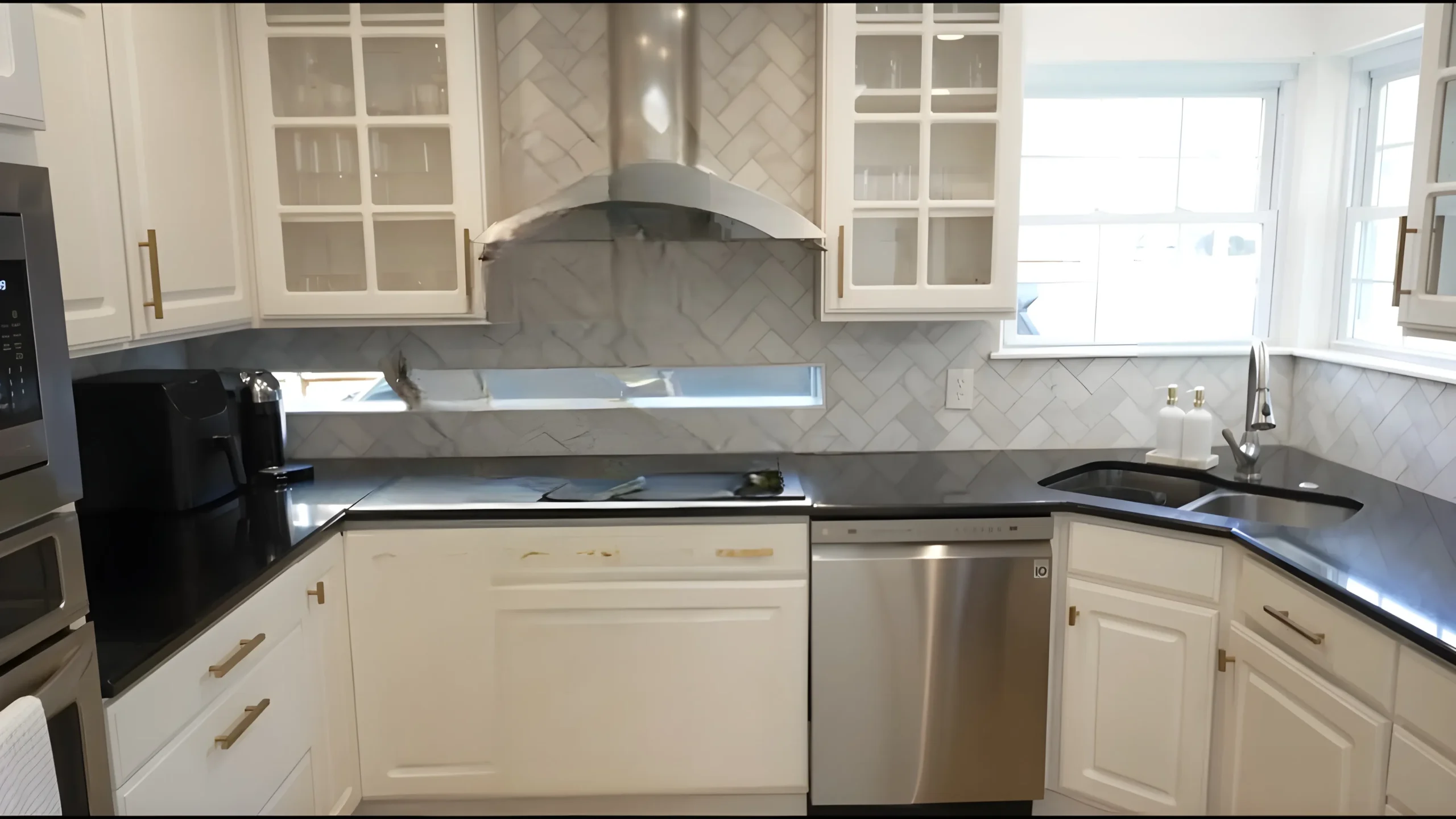
The kitchen itself is a testament to her philosophy: open, inviting, and designed for gathering. Original brickwork and open shelving give the space character, while thoughtful updates ensure it’s as functional as it is beautiful. “We wanted a place where people could linger,” she says, “where conversation flows as easily as the wine.”
Step outside and you’ll find another side of Lexie’s world—a sparkling pool framed by string lights and native grasses, and a patio that comes alive with laughter on summer evenings. “This is where the neighborhood comes together,” she says.
For Lexie, home isn’t just a physical space—it’s a reflection of every part of her life: the engineer, the entrepreneur, the digital creator, and most of all, the ultimate host. “Our door is always open,” she says simply.
Lexie Townsend’s home is a living, breathing example of what happens when you blend hustle with hospitality, and ambition with authenticity. And in her world, there’s always room for one more at the table.