Author: Diana Brown

  • Got an Ugly Backyard? How to Fake Curb Appeal on a Budget

    We’ve all been there, staring out the window at a backyard that’s more meh than a masterpiece. Whether you’re planning to sell or just want to stop cringing every time the neighbors peek over the fence, curb appeal doesn’t stop at the front yard. But here’s the good news: you don’t need to spend thousands or call in a landscaping crew to give your backyard a glow-up.

    Even with a tight budget, some clever and surprisingly easy tricks can make your backyard feel fresh, inviting, and even a little Instagram-worthy. No need to rip everything out or start from scratch. A few strategic changes can fake that high-end look for way less than you’d think.
    Source: unsplash.com

    Hide the Bad, Highlight the Good

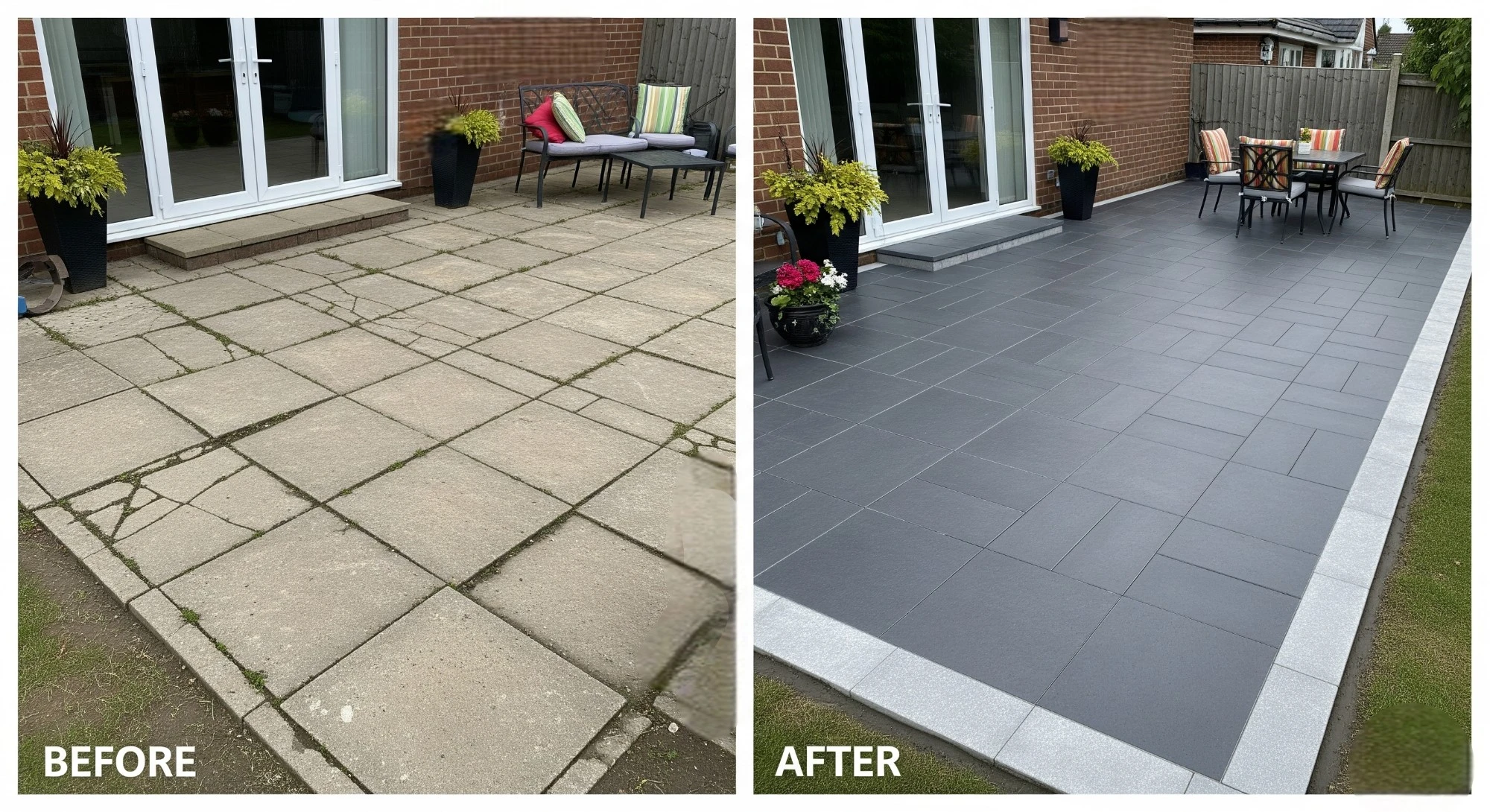
    Sometimes it’s not about changing everything. It’s about hiding what doesn’t work and making the best parts pop. Did you get an old, stained patio slab? Try an outdoor rug or a few strategically placed potted plants to hide those imperfections. Is your chain-link fence bringing down the vibe? Cover it with reed fencing, privacy screens, or even outdoor curtains for a cozy cabana vibe.

    And don’t underestimate lighting. String lights, solar garden spikes, or lanterns can distract the eye from problem areas at night while creating a warm, cozy ambiance.

    If you’ve got an eyesore like an AC unit, garbage bins, or patchy grass, think in terms of disguise. Lattice panels, faux ivy, or even a handmade wood cover can go a long way without draining your wallet. You’re not renovating, you’re cleverly redecorating.

    Budget-Friendly Greenery That Fools the Eye

    Plants are powerful. Even the roughest yard can look polished with the right greenery. But if you’re not a green thumb (or on a strict budget), don’t rush to a nursery for expensive trees and shrubs.

    Start with container plants. Grouped in different sizes and heights, they give a lush look without a permanent commitment. Repurpose old buckets, crates, or even tires with a coat of spray paint to use as planters.

    Don’t forget about fake plants, either. Quality artificial greenery when mixed with real plants can pass for the real thing and add color and fullness year-round. Hang some faux ivy on a blank wall or drape a trellis with artificial vines. It’s a trick that works.

    Grass looking patchy? Inexpensive grass seed and some patience can help, but if you’re after a quick fix, roll out a strip of budget-friendly artificial turf or use mulch and stepping stones to create defined paths and distract from rough patches.

    DIY Decor That Looks Way More Expensive

    You don’t need to splurge on designer outdoor decor. You just need a few smart DIYs. Create a cozy seating area using pallets and cushions. Add outdoor curtains using a tension rod and cheap fabric or drop cloths. Build a fire pit with a few concrete blocks or stackable stones.

    Paint is your best friend here. Spray-paint mismatched furniture in a unifying color. Add a pattern to plain concrete using a stencil and patio paint. Refresh an old fence or shed with a new color to bring the whole space together and make it feel designed.

    Add a personal touch with homemade signs, string lights in jars, or a painted mural. A backyard doesn’t need to be massive to feel charming. It just needs a little personality.

    Smart Layout Tricks That Add Style
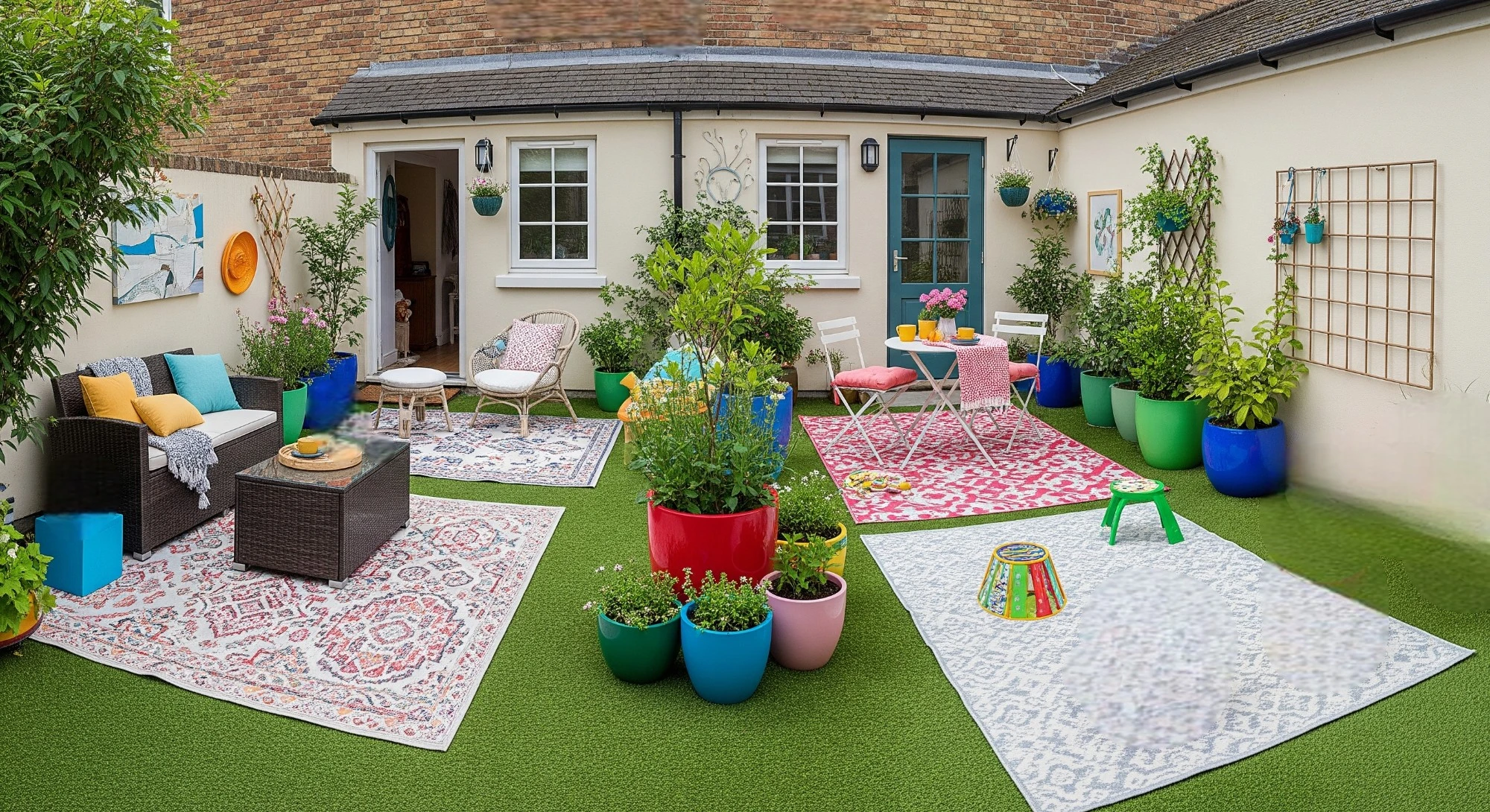
    Even small or awkward backyards can feel pulled together with a little layout magic. Define zones: dining, lounging, gardening, and maybe even a tiny play area if you have kids. You don’t need walls, just visual cues, like rugs, planters, or even a change in ground texture.

    Use vertical space to your advantage. Hanging planters, wall-mounted shelves, or a living plant wall draw the eye upward and away from the flaws at ground level.

    Even the illusion of symmetry can work wonders. Balance out lopsided areas with a few mirrored elements, like two chairs, matching planters, or lanterns. It brings a sense of calm and order that instantly upgrades your yard’s vibe.

    Where to Find the Best Budget Materials
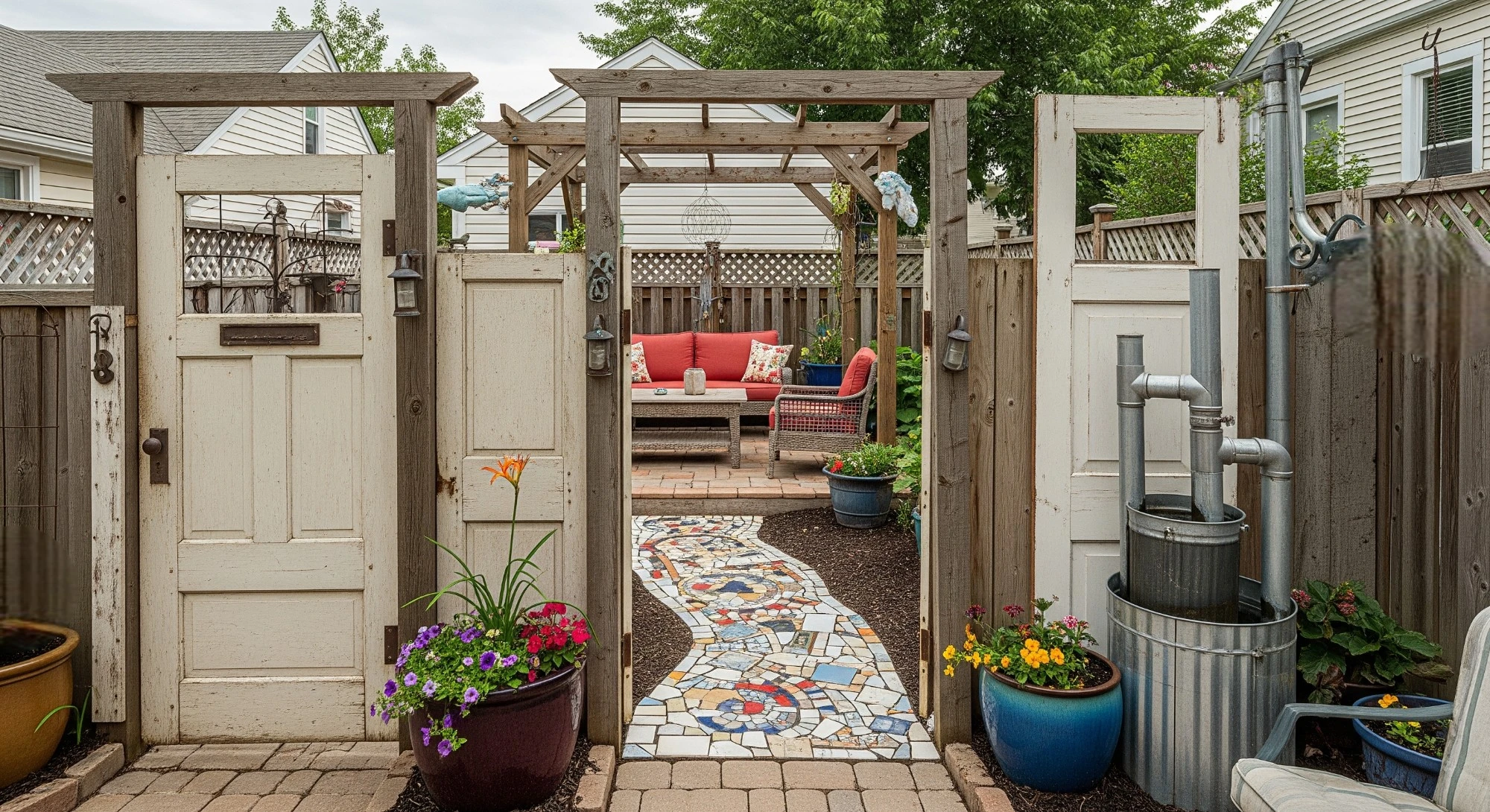
    Thrift stores, flea markets, and garage sales are goldmines for outdoor upgrades. Old furniture can be upcycled into plant stands or seating. Keep an eye out for baskets, pots, and lighting fixtures you can repurpose.

    Don’t overlook online community marketplaces, people often give away bricks, wood, or even patio furniture for free if you’re willing to pick it up. Your city’s bulk trash days can be hidden treasure troves.

    Also, local garden centers sometimes offer discounts on imperfect or end-of-season plants. And for structure, look into reclaimed materials: pallets, old shutters, or leftover tiles. Cheap doesn’t mean cheap-looking if you get creative.

    Plan for the Future Without Spending Today

    Even if you’re doing the bare minimum right now, it helps to think a step ahead. If you’re hoping to eventually sell your home, a well-staged backyard can boost your property’s perceived value without massive renovation costs.

    That’s where working with companies like Stillwater Properties can help you understand which improvements add value. Sometimes a few visual upgrades today are all it takes to change a buyer’s perception tomorrow.

    If you’re not selling, that same long-term thinking helps you avoid wasting money on temporary fixes that won’t last through a single season.

    You Don’t Need a Designer Yard to Impress

    Backyards don’t have to be perfect to feel good. A fresh, clean, and cleverly staged space can be just as impactful as a professionally landscaped one; if your goal is curb appeal on a budget.

    Because curb appeal doesn’t stop at the front yard, and neither should your creativity. And when the potential is packaged in a clean, cozy, and welcoming space, that’s what people remember. So don’t stress about the weeds you haven’t pulled yet or the fence you still want to paint. Focus on what you can do today. A little effort goes a long way, and a few bucks spent the smart way can completely change how you (and others) feel about your backyard.


  • Curb Appeal That Lasts: Outdoor Upgrades That Add Value Year-Round

    First impressions matter, especially when it comes to property value. For homeowners, upgrading outdoor spaces can be a smart way to boost curb appeal and make everyday living more enjoyable. A well-kept exterior doesn’t just look good; it can impact everything from resale value to energy efficiency.

    Practical Enhancements for Lasting Impact

    Some of the best outdoor upgrades are the ones that look good and work hard. Updating siding, repaving driveways, and replacing aging windows can give a home a fresh appearance while also reducing maintenance costs and improving insulation.

    A well-maintained lawn remains a classic feature, but modern trends are leaning toward more sustainable landscaping. Drought-resistant native plants and strategically placed shade trees add texture and depth to your yard while lowering water consumption. Installing drip irrigation systems supports sustainability and can increase the attractiveness of the property to eco-conscious buyers.

    Many Texas homeowners living near greenbelts or open land find their landscapes frequently damaged by wildlife. For those dealing with deer intrusion, installing a heavy-duty deer fence can be a discreet and effective solution that blends into the scenery while preserving gardens and ornamental features.

    Lighting the Way

    Enhancing curb appeal often starts with outdoor lighting. It not only improves safety and extends the usability of your yard after dark, but also creates a warm, inviting atmosphere. Consider adding low-voltage LED lights along walkways, entryways, and landscape features. For an energy-efficient option, solar lights are a great choice in areas that get plenty of sun.

    Smart outdoor lighting doesn’t just look good, it works hard too. It highlights the best parts of your home and helps deter intruders, giving you peace of mind. Many modern systems are easy to control remotely and can be set on timers, making them a sleek and practical feature buyers love.

    Functional Features That Impress

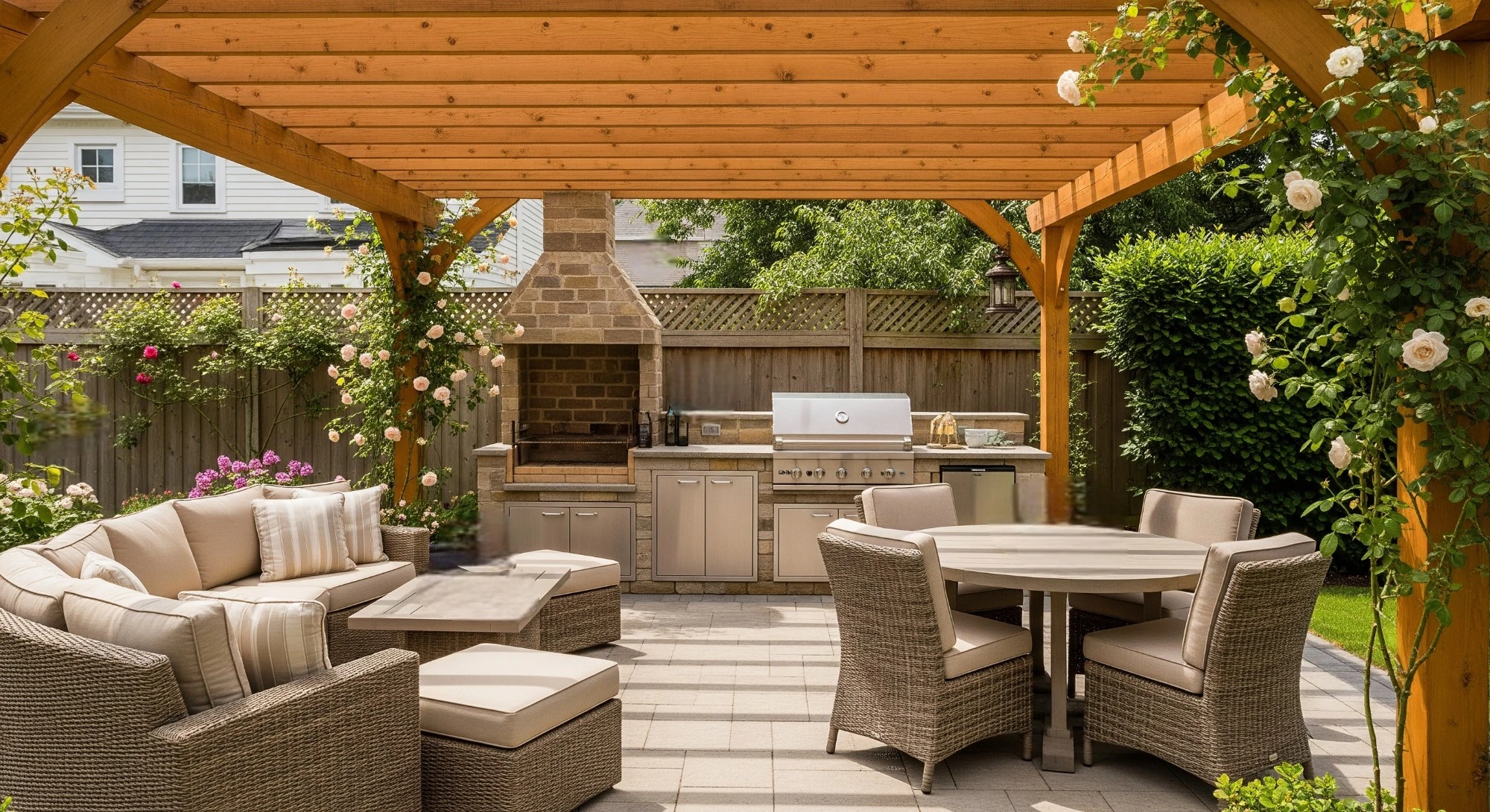
    Outdoor upgrades should do two things: make the space more enjoyable and boost your home’s value. Think about giving your front porch a refresh with new railings, composite decking, or even a porch swing. In the backyard, adding a pergola or an outdoor kitchen can turn it into a go-to spot for relaxing or entertaining, something today’s buyers are definitely looking for.

    Even small touches like new house numbers, a sleek mailbox, or fresh hardware on the front door can elevate the entire facade. Painting the front door in a bold color like navy or red is another high-impact, low-cost way to make a statement.

    Maintenance Matters

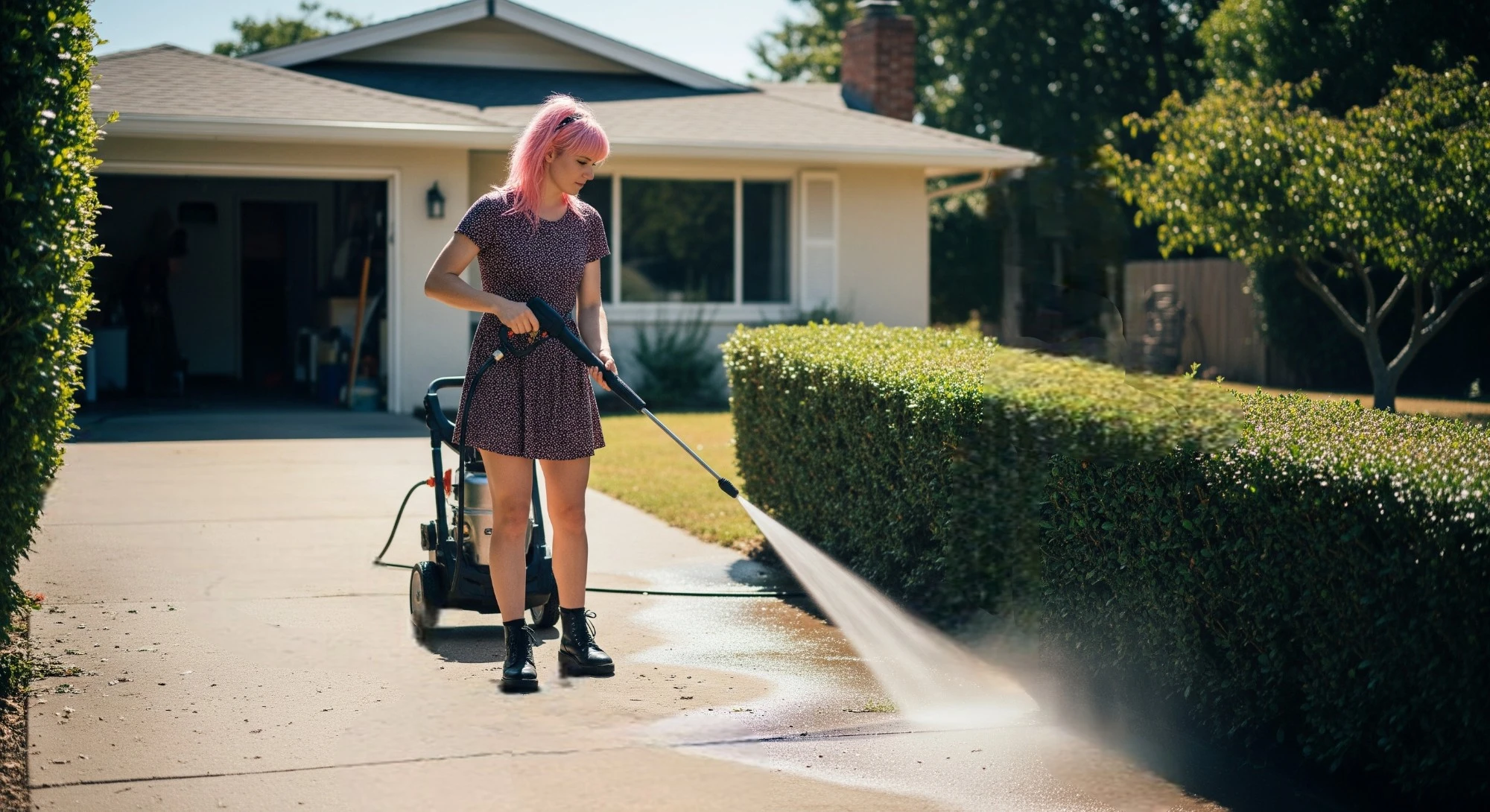
    No upgrade will shine if it’s not maintained. Regularly pressure washing driveways, walkways, and siding can make a home look years younger. Keeping gutters clean, trimming overgrown hedges, and replacing broken pavers can instantly boost your home’s curb appeal.

    Routine maintenance extends the life of your improvements and signals to potential buyers that the home has been well cared for. Consider creating a seasonal checklist to stay on top of these small but crucial tasks.

    Regional Considerations for Texas Homes

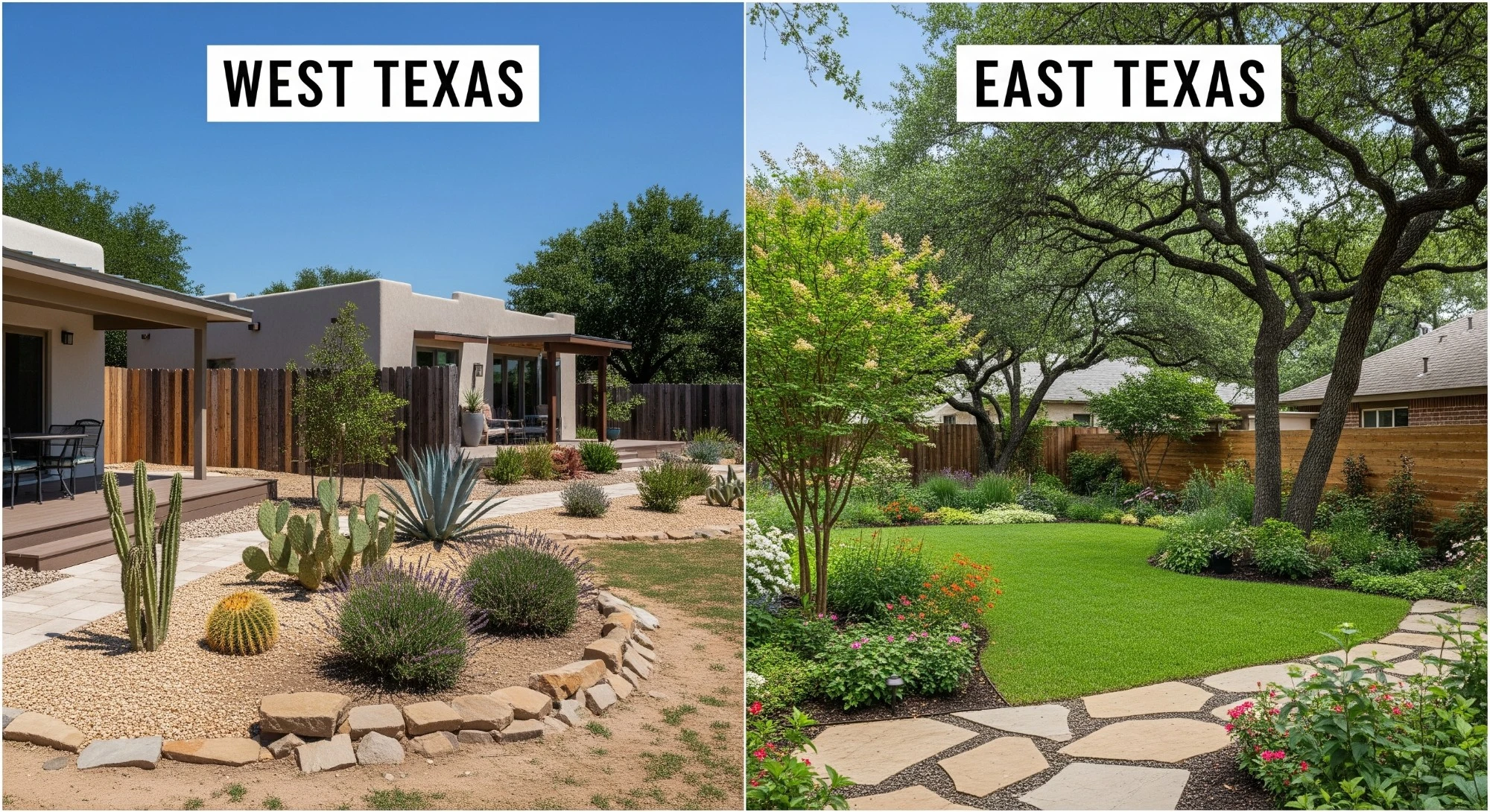
    Texas has a wide range of climates, from humid and sticky in the east to hot and dry out west. So your outdoor upgrades need to match the local conditions. You’ll want materials that can handle intense heat, strong sun, and the occasional surprise storm. Think about using metal roofing, composite decking, and UV-resistant paint to help everything last longer.

    In areas prone to heavy rains, proper drainage is critical. French drains, rain gardens, and strategic grading prevent water damage and preserve your home’s foundation. Adding gravel or permeable pavers can enhance drainage while contributing to a modern aesthetic.

    Boosting Resale Potential

    Every improvement made outdoors can have a direct correlation with resale value. According to real estate industry research, well-designed landscaping can increase property value by as much as 20%. Features like fences, patios, and gardens make a house feel more like a home, which translates to faster sales and better offers.

    Buyers are often swayed by move-in-ready homes. A beautifully landscaped yard with low-maintenance features and modern upgrades removes a mental to-do list from their plate. In today’s competitive housing market, every detail counts.

    Upgrading your outdoor space isn’t just about making it look nice. It’s a smart move if you want to protect and grow your home’s value. Using durable materials and thoughtful design can turn curb appeal into something more, like a space that works better, lasts longer, and makes everyday life a little more enjoyable.

    Whether you’re preparing to sell or simply want to enjoy your home more fully, these enhancements offer both immediate satisfaction and long-term benefits. With the right approach, your home’s exterior can become a standout feature in any neighborhood.

  • The Rise of Multi-Generational Living: What Today’s Grandparents Want in a Forever Home

    Retirement used to mean downsizing into a quiet cottage, taking it easy, and leaving the hustle behind. But today’s grandparents are rethinking what that stage of life should look like. Instead of isolation, they’re craving connection. And rather than simply shrinking their space, they’re making more intentional choices, focused on family and what truly matters.

    This is where multi-generational living comes in. It’s a growing trend where grandparents, their adult children, and grandkids either live under the same roof or nearby. For today’s involved grandparents, the idea of a forever home isn’t just about staying put as they age. It’s about creating a space that brings the family closer, adapts to changing needs, and becomes a place where memories are made together.

    Planning with the Future in Mind

    For many retirees, building or buying their forever home is about more than just location or square footage. It’s a mix of smart financial planning and finding a place that feels right emotionally. One thing that often gets overlooked, though, is how inflation can chip away at retirement income, especially for those who rely on fixed sources like Social Security or a pension.

    As prices keep rising, the cost of keeping up a larger home or remodeling for multi-generational living can quickly go beyond what you planned for. That’s why it’s so important to think about how inflation in retirement can impact long-term affordability. Smart moves like adding energy-efficient upgrades, setting a clear budget for renovations, and thinking ahead about estate planning can help make sure the home you love today doesn’t become a burden later on.

    Features That Support Generational Living

    Grandparents today are thinking beyond just how many bedrooms a house has. They’re reimagining how every space in the home can serve a purpose. Homes built for multi-generational living often include:

    • Separate living suites or converted basements for adult children or caregivers.
    • Accessible design features, such as walk-in showers, wide doorways, and single-floor layouts.
    • Open kitchens and living areas to allow for group meals and celebrations.
    • Ample outdoor space for recreation and family gatherings.

    Many grandparents want their home to be the place their grandkids actually look forward to visiting. That might mean adding a garden, a swing set, or even a mini play zone that encourages imagination and active play. These thoughtful touches help strengthen family bonds and make the home feel like a little getaway, not just another stop on the way home.

    Finding Balance: Independence Meets Family Connection

    One of the biggest concerns for grandparents thinking about multi-generational living is losing their sense of independence. The key is finding the right balance. With thoughtful design, a home can support privacy while still bringing everyone together. That might mean having a quiet space to recharge, like a sunroom, a hobby shed, or a cozy reading corner, right alongside shared areas where the whole family can connect.

    Technology can also help keep that balance. Things like smart home systems, video doorbells, and automatic lighting offer added peace of mind and help retirees feel more in control of their space, even in a busy household.

    More Than Just a Trend

    What we’re seeing isn’t just a short-term shift in how families live together, They’re redefining how they want to live in this next chapter of life. Today’s grandparents are more active, more involved, and more connected than previous generations. They’re helping with childcare, cheering from the sidelines at soccer games, and even jumping in to support virtual learning when needed. And because they’re such a big part of daily family life, they’re looking for homes that support that level of involvement.

    As home design trends continue to evolve, many are reflecting this modern lifestyle. We’re seeing more flexible layouts, features that support aging in place, and outdoor areas that bring everyone together. It’s about building a space that fits the way families live now, with room for connection, comfort, and celebration across generations.

    With the growing popularity of multi-generational living, long-term planning becomes more important than ever. Today’s forever home needs to do more than offer shelter. It should be a space that supports meaningful relationships, provides comfort for every age, and gives everyone a sense of security and belonging.

    Grandparents today aren’t just thinking about retirement for themselves. They’re also asking, “How can this home grow with our family?” Whether they’re welcoming back adult children or making room for the grandkids, adaptability is key. Homes that are easy to adjust for different life stages, like having separate living areas, accessible design, and open spaces for gathering, make it possible for everyone to stay independent while staying close.

    At the end of the day, a true forever home needs to do more than offer shelter. It’s a living, breathing space where memories are made, stories are passed down, and generations grow together. When grandparents design with both today and tomorrow in mind, they build a home that reflects their love for connection and their commitment to family. It’s not just about where they live. It’s about how they live together.

  • Locked Out of Your Apartment in NYC? Dos and Don’ts

    It’s a scene every New Yorker dreads: you step outside your apartment to take out the trash or grab a delivery, and just like that, the door clicks shut behind you. No keys, no phone, no way back in. Being locked out of an apartment NYC style is an all-too-common urban rite of passage. It doesn’t matter if you live in a pre-war walk-up or a luxury high-rise, lockouts can and do happen to anyone, often at the worst possible moment.

    The panic hits quickly. Do you buzz the neighbors? Try the fire escape? Call your super? In the rush to fix it, people often make costly mistakes. But the truth is, getting back into your place doesn’t have to be a disaster, if you handle it wisely. Here’s a clear, step-by-step guide on exactly what to do (and what not to do) when you find yourself locked out in NYC.

    Stay Calm and Assess the Situation

    The first step is deceptively simple: stay calm. When you realize you’re locked out, adrenaline spikes and logic often flies out the window. But panicking won’t help you think clearly or solve the issue faster. Take a deep breath and assess your surroundings. Are you completely locked out, or is there a chance a roommate, doorman, or neighbor might be able to help?

    If you live in a building with a doorman, head there first. Many buildings keep a spare key for emergencies or have access to a master key system. If your super is on-site or lives nearby, they may be able to help you out quickly. For walk-ups or older buildings without staff, think through your connections. Is there someone nearby who has a copy of your key? Sometimes the solution is closer than you think and free.

    Seriously, Don’t Try to Break In

    It may be tempting to channel your inner spy and try to pick the lock or push a credit card between the door and frame. Don’t even try. Those DIY tricks may work in movies, but in real life, they almost always end in damage. You could bend the door, break the frame, or scratch the lock mechanism, leading to repair costs that far exceed what you’d pay a professional. Even worse, someone could mistake you for an intruder, which introduces a whole new set of problems you don’t want to deal with in New York.

    Climbing fire escapes, shimmying through windows, or trying to remove door hardware from the outside can be incredibly dangerous. Besides the physical risk, there’s the legal liability if you cause damage to the building or another unit. Especially in co-ops and condos, any form of forced entry can violate your lease and result in costly penalties.

    Check If You Have Access to a Spare Key

    Many seasoned New Yorkers plan for lockouts by stashing a spare key with someone they trust. If you’ve left a backup with a friend, family member, or neighbor, now’s the time to reach out. Even if it’s late, don’t be shy, most people would rather help than see you stuck outside. If you live with roommates, try calling or messaging them (assuming you still have your phone). They might be able to swing by and let you in, especially if they’re in the neighborhood or haven’t gone to bed yet.

    In buildings with front desk staff, it’s worth asking whether they hold spare keys for tenants or if your landlord or management company keeps one on file. Some buildings require written permission in advance for staff to release a spare key, but others are more flexible. If you’re locked out of your apartment in NYC and don’t already have a plan in place, take this as a learning opportunity.

    Call a Licensed NYC Locksmith, Not Just the First One You Find

    If you’ve exhausted your immediate options, it’s time to call a locksmith. But be careful, NYC is full of fly-by-night operators who overcharge or cause damage in the name of speed. When choosing a locksmith, don’t just Google “locksmith near me” and call the first result. Look for a licensed professional with verifiable reviews, a physical address in the city, and a track record of honest, transparent pricing.

    Expect to pay between $100 and $250 for a standard lockout service in NYC, depending on the time of day, complexity of the lock, and whether any drilling or replacement is required. Be wary of companies advertising “$19 service calls”, this is often a bait-and-switch tactic. They’ll show up and then claim your lock is “special” or “high security” and charge hundreds more to unlock it. A legitimate locksmith will ask you questions about your lock type, give a range of pricing upfront, and arrive with proper identification.

    Verify Ownership or Residency Before Entry

    Once the locksmith arrives, don’t be surprised if they ask for proof that you live in the apartment. While this might feel like an inconvenience, it’s actually a sign you’ve hired a responsible professional. Locksmiths are required to verify that the person requesting access is authorized to enter the property. If you don’t have an ID on you, offer to show a lease, utility bill, or even photos from inside the apartment once you’re let in.

    In some cases, they may ask for a signature or require that you sign a service agreement before proceeding. Cooperate fully it’s standard procedure and another sign you’re dealing with a professional. If a locksmith seems too eager to bypass verification or doesn’t ask for proof at all, that’s a red flag. It could mean they’re operating without a license, which could jeopardize your security or lead to poor-quality service.

    Avoid Drilling Unless Absolutely Necessary

    Some locks can’t be picked or bypassed easily, especially high-security models or smart locks with electronic components. But drilling should always be a last resort. It destroys the existing lock and often requires a full replacement, which increases your cost significantly. A skilled locksmith will try multiple techniques, bypass tools, pick sets, or decoding devices, before drilling becomes necessary.

    If you have a standard residential lock and the locksmith immediately recommends drilling, ask them to explain why and whether there are alternatives. In many cases, a competent locksmith can unlock most doors without resorting to destruction. If you’ve invested in a high-security deadbolt or custom smart lock, make sure the technician is familiar with that specific model. Some locksmiths specialize in modern systems and can troubleshoot without damaging your door.

    Final Thoughts: Lockouts Happen, But They Don’t Have to Derail Your Day

    Being locked out of an apartment in NYC may feel like the end of the world when it happens, but it’s a problem that thousands of residents face every year and there are reliable, professional solutions available around the clock. The key is to stay calm, avoid rash decisions, and know who to call. By taking a smart, strategic approach, you can turn a stressful situation into a minor inconvenience.

    Once you’ve resolved the issue, use it as a chance to improve your routine, upgrade your lock system if needed, and plan ahead. Because in a city that moves as fast as New York, being prepared is essential. And when the inevitable happens again, you’ll be more than ready to handle it like a seasoned New Yorker.

  • From Drab to Sold: How Simple Upgrades Help Homes Fly Off the Market

    Selling a home is about more than just square footage or location. Buyers pay close attention to how a home feels the moment they walk in. The good news is, you don’t have to spend a fortune to make it stand out. A few well-chosen, budget-friendly updates can make an older space feel cleaner, brighter, and far more appealing.

    Whether you’re putting your home on the market or helping someone else do it, small, low-cost updates can make a big difference. In a competitive market, these simple changes might be all it takes to go from ‘almost’ to ‘exactly right.

    Curb Appeal Counts: First Glance, Lasting Impact

    The front of your home is like a book cover. Buyers will judge what’s inside before they step through the door. That’s why curb appeal is one of the most important (and budget-friendly) things you can improve.

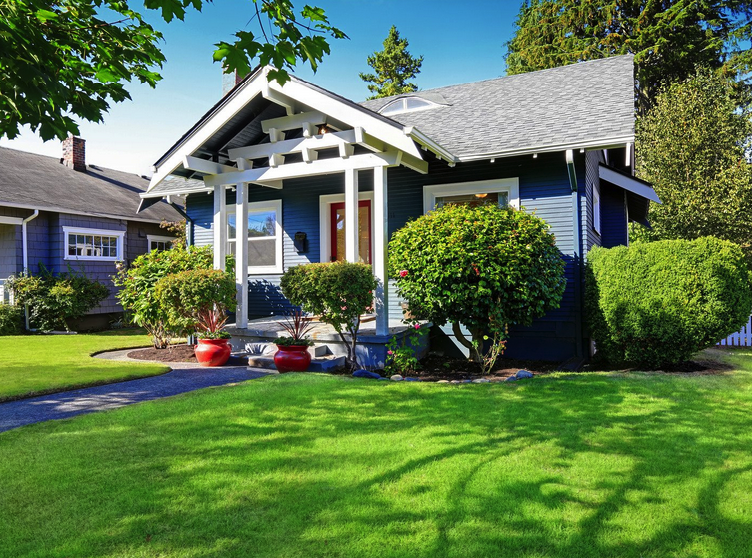
    Start cleaning up by mowing the lawn, trim the hedges, and pull out any weeds in the flower beds. Give the driveway and walkway a quick pressure wash to instantly lift the overall look. A fresh coat of paint on the front door can add real personality. Swap the porch light and house numbers for something more up-to-date, and set a couple of planters near the door to make things feel more welcoming.

    Even small changes can have a big effect. One homeowner swapped out a rusting mailbox and added a welcome mat, and suddenly, the home looked ten years younger. These details signal to buyers that the rest of the house has been cared for.

    Interior Touches: The Power of Quick Fixes

    Once inside, buyers are looking for signs of cleanliness, care, and light. No one expects a showhome, but buyers do want to feel like they can move in without a long to-do list.

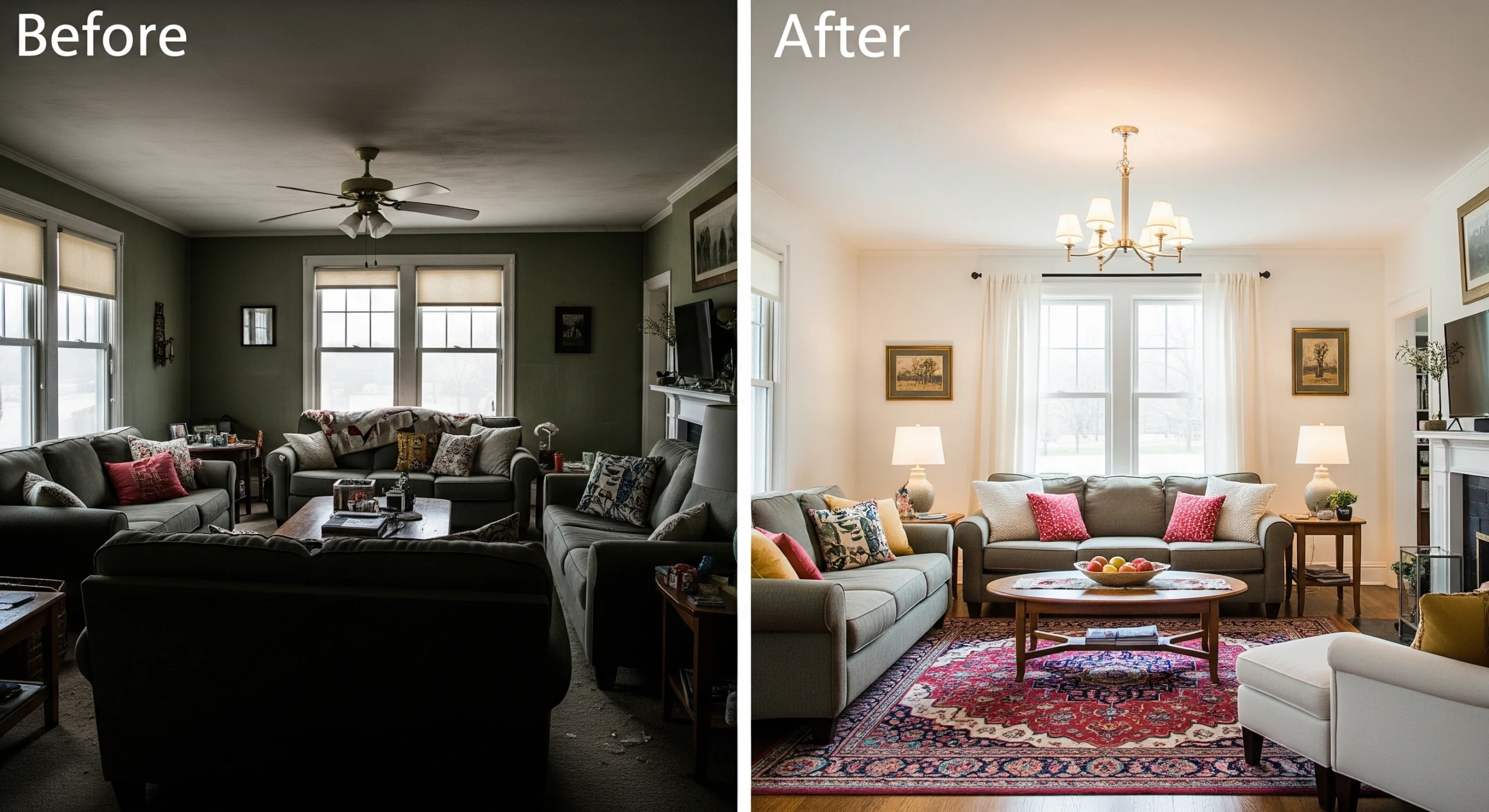
    Paint goes a long way. Stick with warm neutrals like beige, light grey, or soft white. These shades make rooms feel bigger and cleaner. Update light fixtures or at least switch to bright LED bulbs. Replace dated ceiling fans or entry lights with something clean and modern. You’ll find stylish, affordable options at big-box hardware stores.

    A simple way to refresh a room is to update the cabinet handles and doorknobs. Swap out worn or brass finishes for matte black or brushed nickel. These modern touches help the room feel current without any major work.

    One of the easiest ways to elevate your strategy is to work with a top realtor who understands how to position small updates to create maximum buyer interest.

    Kitchen and Bath on a Budget

    You don’t need to renovate the whole kitchen or bathroom to make them look fresh. Small, smart upgrades can change the look a lot.

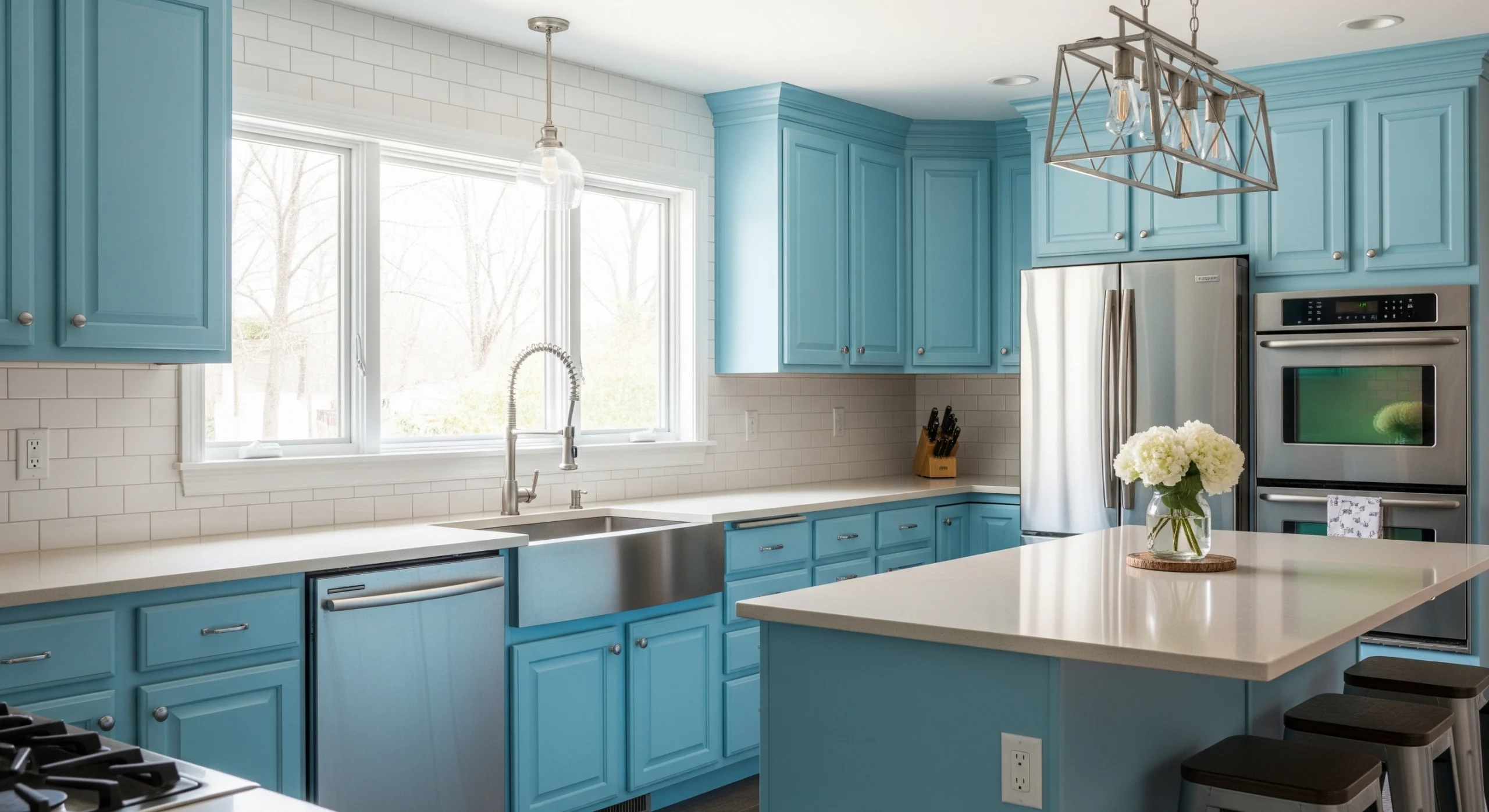
    For the kitchen, start by painting the cabinets if they’re in good condition but look old. Use good paint and add new handles or knobs. You can also add a peel-and-stick backsplash to bring in some texture and a modern touch. Changing the faucet or the light fixture can make the room feel brand new without much work.

    For the bathroom, start by cleaning or replacing the grout and re-caulking the tub. Put in a new mirror or vanity light. If the vanity has scratches but is still sturdy, try repainting it. Add some fluffy white towels and a few spa-like accessories to create a clean and relaxing feel.

    Sellers who make these types of changes often see more offers, quicker sales, and better pricing. Buyers love knowing they won’t need to tackle these updates themselves.

    Small Budget, Big Results: Real Examples

    These changes don’t just look good, they get results. A seller in Toronto refreshed their condo with $2,000 worth of updates: painted walls, changed door hardware, updated the bathroom vanity light, and added neutral decor. The unit sold in five days, with multiple offers.

    Another homeowner in Seattle spent $1,200 to add curb appeal, repaint their kitchen cabinets, and install new faucets. The result? The house sold within a week for 5% above asking.

    These aren’t isolated stories. Across North America, sellers are seeing returns on smart upgrades that make homes more appealing without overspending.

    Make It Shine: Final Touches That Seal the Deal

    Once your updates are done, don’t forget the little things that make your home stand out. Clean everything well—from baseboards to windows. Clear away personal items and extra furniture to make rooms feel open and welcoming.

    Staging really helps, even if you just use what you already have. Add soft throw pillows, a bowl of fresh fruit in the kitchen, and simple, neutral artwork on the walls. Use mirrors to bounce light around and make rooms feel bigger.

    Natural light is key, so open the blinds and curtains during showings. Replace heavy drapes with sheer panels if needed. Turn on all lights, even in closets, to make the home feel bright and inviting.

    The final step is professional photos. Great pictures show off your updates online, where most buyers will first discover your home. This helps your listing stand out and attracts more interest.

  • How to Sell Your Mortgage Note in Texas: A Complete Guide

    Selling a mortgage note means transferring the loan to another party, who takes over collecting the payments. Homeowners and investors often choose to sell their notes to get quick cash, usually a lump sum between 65% and 95% of the note’s value, depending on the risk and market conditions.

    It’s important to have all the right documents ready and to understand what buyers are looking for, such as the borrower’s credit and the property’s location. You can sell the entire note or just a portion of it. It’s also important to consider whether the sale is recourse or non-recourse, since that affects your future financial obligations. In the end, this is a way to access quick cash while transferring the responsibility of collecting payments.

    Understanding Texas Mortgage Notes

    A mortgage note in Texas is a legal agreement between the borrower and the noteholder. The borrower agrees to repay the loan based on specific terms, while the noteholder has the right to collect payments and, if needed, start foreclosure proceedings.

    Texas uses both deeds of trust and traditional mortgages, so your note could be secured by either one. This mainly affects how foreclosure is handled if it ever becomes necessary, but it doesn’t impact your ability to sell the note. Strong real estate markets in Texas, especially in major cities, often lead to higher note values.

    Property values in Dallas suburbs vary by area:

    • Established neighborhoods like Richardson, Garland, and Irving tend to show steady appreciation.
    • High-growth areas such as Frisco, McKinney, and Allen often attract premium offers from note buyers.
    • Emerging markets like Celina and Prosper show strong potential but usually require more specialized evaluation.

    Why Sell Your Mortgage Note?

    Meeting immediate capital needs is one of the main reasons people choose to sell their mortgage notes, whether it’s to grow a business, pursue new investment opportunities, or cover unexpected expenses. Instead of waiting years to receive the full value of the note, you can get cash up front.

    Estate planning is another common reason for selling a mortgage note. Heirs often prefer liquid assets and want to avoid the hassle of managing ongoing payments. For example, a 78-year-old noteholder in Dallas might sell a $200,000 note simply to streamline their finances and spare family members from having to handle payment collections.

    Risk mitigation also motivates sales. Economic uncertainty, borrower employment changes, or property market shifts can make guaranteed cash more attractive than future payment streams. When a Texas mortgage note buyer purchases your note, they assume these risks.

    The Texas Note Selling Process

    Initial Evaluation

    Your note’s value depends on several factors:

    Payment history is the most important factor; consistent and on-time payments are a strong indicator of reliable income. Property value also matters significantly, especially in appreciating markets like Dallas-Fort Worth. Furthermore, interest rates directly affect pricing; notes carrying rates above current market levels often sell at a premium.

    A note originated three years ago at 8% interest holds more value today than one at 4%, simply because buyers receive higher returns. While borrower creditworthiness is less critical than payment history, it still influences the note’s value. Lastly, documentation quality is also crucial; complete files with recorded mortgages, title insurance, and detailed payment records significantly streamline transactions.

    Documentation Requirements

    Texas note sales require specific documentation. The original promissory note and the recorded mortgage or deed of trust form the absolute foundation. Additionally, payment records demonstrating a clear collection history are crucial for accurate pricing.

    Essential documents include:

    • Original promissory note and recorded mortgage/deed of trust
    • Complete payment history with dates and amounts
    • Property appraisal and title insurance policy
    • Borrower credit reports and income verification from origination
    • Property insurance policies and current tax records

    Additional documents might include any modification agreements or significant correspondence with borrowers. Ultimately, well-organized documentation not only accelerates the evaluation process but also frequently leads to better offers.

    Timeline and Closing

    Texas note sales typically close within 15 to 35 days. After submitting complete documentation, you can expect initial offers to arrive within 48 to 72 hours.

    Following this, due diligence commences, which includes a property appraisal and title examination. Appraisals in a major market like Dallas usually complete within one week. However, unique property characteristics in areas such as Southlake or Highland Park might require additional time. Similarly, rural properties located in counties outside major metropolitan areas may necessitate specialized appraisers, slightly extending these timelines.

    Closing for note transfers occurs through experienced title companies or attorneys familiar with these specific transactions. The process closely resembles traditional real estate closings, where all necessary documents are recorded, and funds are disbursed simultaneously.

    Understanding Texas Foreclosure Laws

    Texas’s foreclosure laws significantly impact note values and buyer confidence. The state permits both judicial and non-judicial foreclosures; however, non-judicial procedures overwhelmingly dominate due to their speed and cost efficiency.

    Non-Judicial Foreclosure Process

    The foreclosure process in Texas begins with a 20-day notice to the borrower, providing them an opportunity to cure any defaults. This relatively short cure period is highly beneficial to noteholders when compared to states that require longer notification periods.

    Following the cure period, lenders are required to post a notice of sale 21 days prior to the auction. These sales consistently occur on the first Tuesday of each month, typically between 10 AM and 4 PM, at the county courthouse.

    Key timeline benefits:

    • Total process typically concludes within 27 days
    • Among the fastest foreclosure procedures in the nation
    • Compare to judicial foreclosures in New York or Florida exceeding 18 months

    Foreclosure Costs and Recovery

    Texas foreclosure costs typically range from $1,200 to $3,500, positioning it as one of the most cost-effective states for enforcement. These relatively low costs translate to a higher net recovery for noteholders and, consequently, better pricing for notes secured by Texas properties.

    Furthermore, Texas permits deficiency judgments, which allow for the collection of any remaining balance after foreclosure sales. This right significantly strengthens note security, a particularly crucial aspect for notes with high loan-to-value (LTV) ratios. It’s important to note, however, that Texas provides no redemption rights after foreclosure sales; meaning, once the property is sold at auction, the borrower cannot reclaim it.

    Dallas Market Considerations

    Dallas represents Texas’s largest note market, characterized by diverse property types and strong economic fundamentals. The metroplex’s robust job growth, particularly within the technology and healthcare sectors, consistently supports property values and enhances borrower stability.

    Market characteristics by area:

    Different areas within Dallas County exhibit varying characteristics. For instance, notes secured by properties in established neighborhoods like Highland Park or University Park typically command premium pricing due to their stable values and affluent borrower demographics.

    Suburban markets, on the other hand, present distinct opportunities. Frisco’s rapid growth, for example, attracts note buyers seeking appreciation potential, while established areas like Richardson offer reliable stability. However, notes secured by properties in emerging areas such as Celina or Prosper might receive slightly lower pricing due to limited comparable sales data.

    Commercial notes secured by Dallas properties often outperform those in smaller Texas markets. The city’s diverse economy robustly supports various business types, ranging from small retail establishments in Deep Ellum to major corporate facilities in Las Colinas.

    Regional Comparisons

    While Dallas certainly dominates Texas note trading, other markets definitely offer unique opportunities.

    Houston’s energy-driven economy, for instance, creates distinct note characteristics, especially for commercial properties. Austin’s booming technology sector strongly supports residential note values, though it can also lead to more volatile pricing. San Antonio’s consistent growth provides steady note performance, while smaller markets such as Amarillo or Beaumont might require specialized buyers who are particularly familiar with local conditions.

    Dallas also benefits from having multiple note buyers operating locally, which fosters competitive pricing.

    Maximizing Your Note’s Value

    Several strategies can significantly improve your note’s sale price. First and foremost, maintaining detailed payment records unequivocally demonstrates reliability. Digital records showcasing consistent, on-time payments, especially during periods of economic stress (such as 2020-2021), will substantially boost buyer confidence.

    Property maintenance directly impacts the underlying collateral’s value. While you might not directly control a property’s upkeep, staying well-informed about neighborhood developments can certainly aid your timing decisions.

    Market timing considerations:

    • Rising rates can improve pricing for existing notes carrying higher interest rates
    • Falling rates might compress premiums
    • Consider partial sales for large notes exceeding $500,000
    • Selling a portion while retaining some payments provides immediate cash while maintaining income stream

    Choosing the Right Buyer

    Note buyers vary significantly in terms of their pricing, service, and overall reliability.

    Direct buyers, such as institutional funds, typically offer highly competitive pricing but may require more extensive documentation. Local buyers, conversely, might provide faster service, though potentially at the cost of lower offers. Experience with Texas properties is paramount; buyers familiar with local foreclosure laws, market conditions, and documentation requirements often facilitate smoother transactions and provide more competitive pricing.

    Closing ratios are a strong indicator of buyer reliability. Established buyers commonly close 90-95% of accepted offers, whereas newer entrants might exhibit lower success rates. Failed closings not only waste valuable time but also have the potential to cost money, especially if market conditions shift.

    Key Takeaways

    Selling mortgage notes in Texas offers noteholders efficient access to capital. The state’s favorable foreclosure laws, diverse economy, and robust real estate markets consistently support competitive note pricing.

    Achieving a successful sale, however, hinges on proper documentation, setting realistic expectations, and carefully selecting qualified buyers. Ultimately, Texas’s streamlined legal environment and well-established real estate infrastructure make note sales a relatively straightforward process when compared to many other states.

    For noteholders within the Dallas metroplex, abundant buyer options and strong property fundamentals create truly optimal selling conditions. Whether your note is secured by a suburban home in Plano or a commercial property in downtown Dallas, Texas undeniably offers one of the nation’s most efficient note markets.

    Ultimately, the decision to sell always depends on your individual circumstances. However, Texas noteholders significantly benefit from operating in a mature, highly competitive market that appropriately values their assets.