Author: Dallas Real Estate News

  • Trouble Inside Dallas City Hall: Elevator Fails, Flooded Floors, and a $15 Million Gap

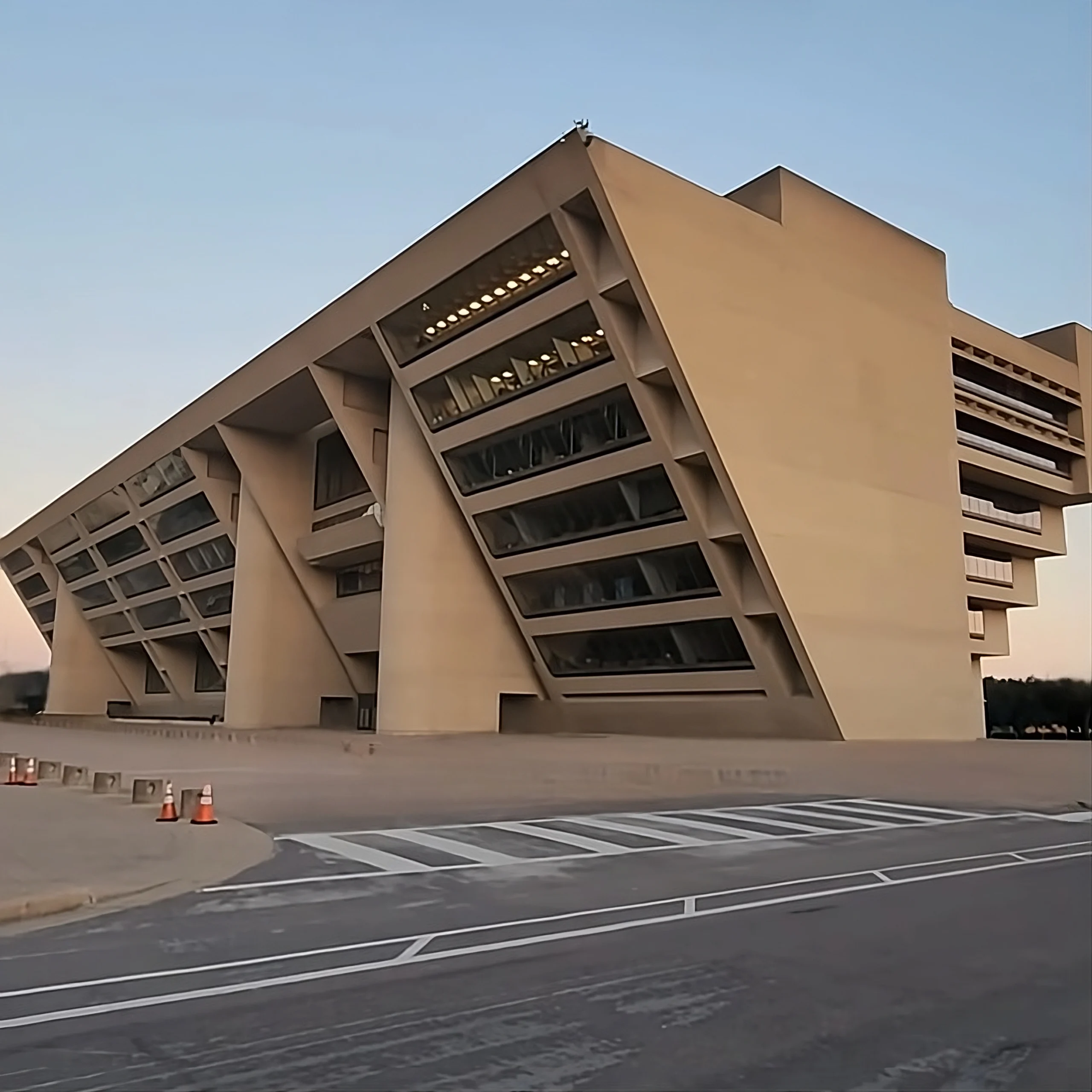
    DALLAS, TX — A faulty restroom valve that flooded Dallas City Hall and a malfunctioning elevator that trapped a councilmember have reignited scrutiny over the city’s aging public infrastructure and the chronic underfunding driving its decline.

    The City of Dallas oversees more than 500 municipal buildings valued at $1.5 billion, many of them aging and poorly maintained. The average age of these properties is 47 years. Yet the city allocates only $14 million annually for their upkeep, less than half the minimum $29 million industry benchmarks recommend for basic maintenance. The result is a growing backlog of repairs and an increasingly fragile set of public assets.

    That funding gap is now front and center in budget discussions. The proposed 2025–2026 budget maintains the $14 million maintenance allocation, leaving a $15 million annual gap. Officials warn that continued deferrals could lead to greater structural failures and higher long-term costs. Council members have urged the issue be prioritized in the next budget cycle, suggesting asset sales or bond funding as possible solutions.

    Still, the issue may run deeper than funding alone. Dallas hasn’t conducted a full facility condition assessment since 2017, and even then, just 220 of more than 500 buildings were evaluated. With incomplete data, the city relies on a reactive model, fixing what breaks instead of planning ahead. That approach has proven more expensive and less safe.

    The consequences are increasingly visible. In one recent incident, a faulty flush valve in a sixth-floor restroom caused water to flood several floors, including the Council Chambers. Repairs are ongoing, and some meetings have been relocated. In August 2024, Councilmember Gay Donnell Willis was stuck inside a City Hall elevator for nearly an hour before firefighters pried the doors open. She later called for a formal review of the building’s elevator maintenance.

    “These are symptoms of years of deferred maintenance,” said Councilwoman Cara Mendelsohn, who described the city’s investment in facilities as “absolutely disgraceful.”

    The city is facing broader financial challenges. A projected $6.5 million shortfall in the next fiscal year, driven by declining property tax revenue, will place further strain on already limited discretionary spending.

    Despite these pressures, Dallas is moving forward with other infrastructure investments. The City Council has approved $129.5 million for streets, sidewalks, and alley improvements for the 2024–2025 fiscal year, targeting 710 lane miles. The broader $5 billion city budget includes the largest public safety investment in over a decade, a $78 million increase that will fund 250 new police recruits and 63 firefighters. It also delivers a modest property tax cut and retains funding for libraries, homelessness initiatives, and park maintenance.

    And while residents may soon benefit from smoother roads and public safety, the condition of the buildings that support city governance remains in limbo. The gap between investment and reality at City Hall has become more than an inconvenience. It’s now a symbol of the city’s budgeting blind spots.

    Without a shift in long-term strategy, Dallas risks paying a much higher price down the road for both repairs and credibility.
  • Two Companies to Invest $49.4 Million in Denton, Create 222 New Jobs

    DENTON, Texas — In a move set to reshape Denton’s economic landscape, two major companies have announced plans to invest a combined $49.4 million in the city, a commitment that could bring more than 200 new jobs to the area.

    At the center of the plan is U.S. Cold Storage, a New Jersey-based company that distributes refrigerated goods for clients like Kraft and Butterball. The company plans to expand its existing facility on Jim Christal Road by 100,000 square feet, bringing its total investment in the area to $34.9 million. According to city records, the expansion would create 172 new jobs, with average salaries of just over $57,000.

    Denton officials are offering significant incentives to make that happen: a property tax abatement of 60 percent over eight years, and a sales tax rebate on construction materials, for a combined value of $1.07 million. In return, the city expects $1.4 million in new revenue, along with additional gains for Denton County and the local school district.

    Just down the road, Mayday Manufacturing, an aerospace parts manufacturer established in 1966, is planning a $14.5 million expansion at 3100 Jim Christal Road. The company, which was acquired by Esco Technologies in 2016 (NYSE: ESE), says the project is expected to create 50 new jobs with an average annual wage of $54,020, bringing its total Denton workforce to 450. Mayday has applied for a 60 percent property tax abatement over 10 years and a Chapter 380 economic development grant of up to $577,944. The Denton Economic Development Corporation Board has recommended approval, and city officials expect the incentives to pay off within four years.

    City analysts project that both investments would pay off in under a decade. But neither company has publicly commented on the plans, raising questions about transparency and public benefit ahead of a June 3 City Council vote.

    For Denton, the stakes go beyond job numbers. The decision reflects a broader challenge: how to attract and retain major employers without overcommitting public funds, and how to ensure that growth reaches the communities that need it most.

  • Housing Demand Holds Steady Where Zoning Rules Tighten

    U.S. home sales declined for a second straight month in May 2025, marking the slowest May for the housing market in 16 years. Yet in pockets of the country, demand remains resilient. In Miami Beach, for instance, developers are lobbying to tear down historic Art Deco buildings, eager to build high-rise towers that match the appetite of a luxury market that refuses to cool. In Dallas, neighborhoods near walkable urban cores and tightly zoned districts are also seeing steady buyer activity, despite broader headwinds

    They’re not alone. Demand continues to buck the national trend in coastal luxury homes, senior living communities, and even in tightly zoned urban enclaves.

    “There’s a perception that the market is uniformly cooling, but that’s not what we’re seeing on the ground,” said Jim Egan, a housing strategist at Morgan Stanley. “Certain segments—especially those with limited supply or unique appeal—are still experiencing strong buyer interest.”

    In Idaho, a newly renovated property recently hit the market at $1.8 million, a price tag that might raise eyebrows elsewhere but reflects strong buyer confidence in select upscale markets. Similar stories are playing out in affluent zip codes, where wealth buffers many buyers from rising rates and broader economic unease.

    At the other end of the spectrum, the country’s senior housing sector faces a different kind of pressure: sheer need. As baby boomers age into retirement, the shortage of accessible, age-friendly homes has grown acute. A recent Wall Street Journal investigation found that older Americans are increasingly caught between homes that no longer suit their needs and the high costs of relocating or worse, falling into homelessness as the affordability gap widens.

    What ties these disparate markets often remain obscured by national averages. Median price drops and declining sales volumes can obscure the real activity happening in certain corners of the map. But for developers and policymakers, these anomalies aren’t just side notes—they’re indicators of where the system is working and where it’s stretched too thin.

    Local zoning restrictions continue to limit development in some of the most in-demand areas, worsening already tight housing supply. The markets that remain strong often share a common feature: limited inventory. Whether in walkable neighborhoods with restrictive zoning or coastal cities with little room to grow, the balance between regulation and demand plays a defining role.

    As the U.S. faces a worsening affordability crisis, some localized patterns are offering a different view of what’s driving housing demand. In many areas, national trends obscure the extent to which supply constraints and zoning rules continue to shape local markets. The findings point to a possible need for more flexible, locally informed policy responses.

    In a market as vast and varied as America’s, the real story isn’t in the average. It’s in the exceptions.

  • Dallas Developer Plans 28-Story Tower in Oak Lawn, Replacing 1960s Condos

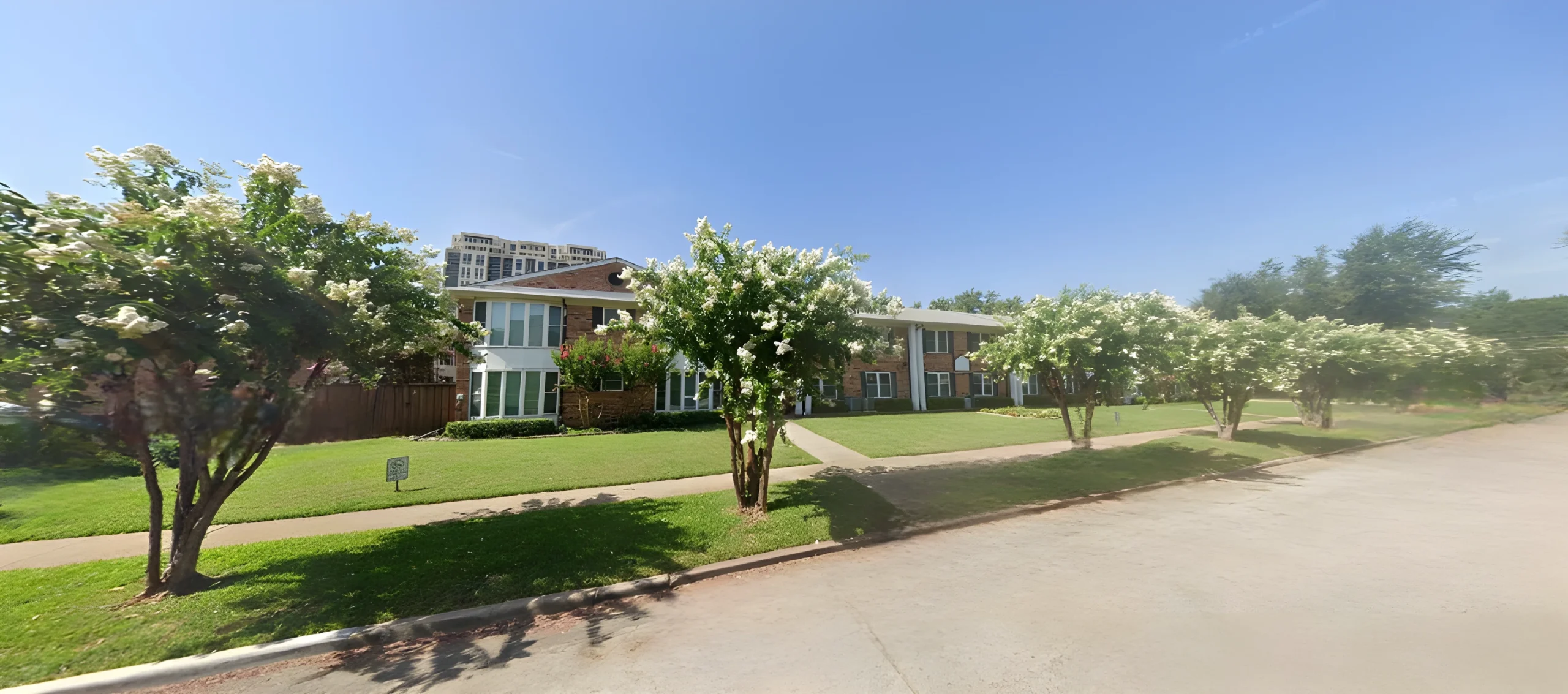
    Newton Avenue in Dallas' Oak Lawn neighborhood

    Dallas, TX—A new 28-story residential tower is being proposed at 4211 Newton Avenue in Dallas’ Oak Lawn neighborhood. Spearheaded by M&A Development, the 325-foot-high structure would total 404,000 square feet and replace the aging Chimney Six Condominiums—a 1960s-era two-story complex with 33 units. The developer is currently in the process of buying the site, which is awaiting rezoning approval due to a current 36-foot height restriction.

    The Dallas developer plans to add density and premium housing to the area, aligning with city initiatives to promote vertical living. The building will provide one- and two-bedroom apartments, along with studio units, to attract more affluent residents, potentially including members of the nearby Equinox fitness club.

    GFF is handling the architectural design, while Studio Outside is leading landscaping plans. The project site is located between Wycliff and Avondale Avenues, just a block off Oak Lawn Avenue, near Turtle Creek Village and The Shops of Highland Park.

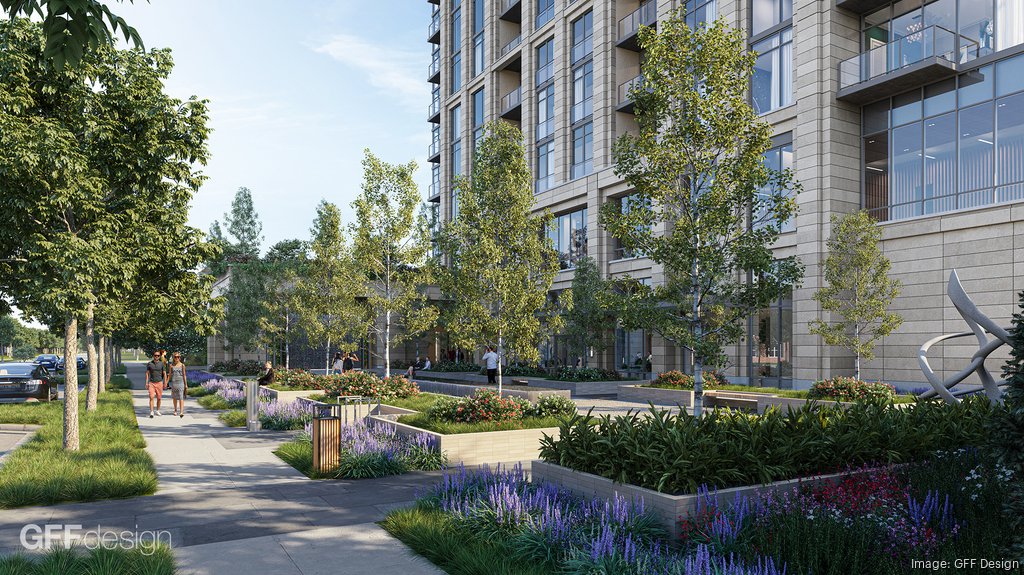
    Rendering of 28-story high-rise replacing condo complex in Dallas Oak Lawn
    Source: gff.com

    Plans include a two-level underground parking garage, a large second-floor pool, and a 9,000-square-foot public pocket park with water features and sculptures. Roughly 40% of the site is planned as publicly accessible space, developers said. The park is designed to serve as a community asset, offering seating, water fountains, and shaded areas.

    CEO Scott Theeringer of M&A Development argues that the tower’s height will transform parking lot views into skyline vistas, while Architect Evan Beattie of GFF supports the height variance, highlighting the livability and design benefits of a taller structure.

    As part of the project, M&A plans to realign the curb eight feet inward on Newton Avenue to improve traffic flow and expand street parking. The development team is currently working through community outreach and zoning discussions, with hopes to break ground by late 2026 or early 2027. Construction is expected to take between 18 and 24 months.

    The new high-rise is one of several developments transforming Oak Lawn. Around the corner, a strip mall is being redeveloped into a pedestrian-oriented, mixed-use destination by the Halperin family. These developments signal ongoing transformation in a nightlife area with a long-standing LGBTQ+ community.


  • Greyhound to Open New Terminal in Northwest Dallas, Integrating With DART

    Dallas, TX – Flix North America, which acquired Greyhound in 2021, announced plans to open a new Greyhound bus terminal in Northwest Dallas by late September 2025. The 5,600-square-foot facility will be located on Harry Hines Boulevard, about eight miles north of downtown, directly across from DART’s Bachman Lake Station.

    During construction, Flix North America said service at the downtown Greyhound terminal will continue uninterrupted. Passengers can expect operations to remain in place until the new facility opens. While the relocation was originally slated for completion by the end of 2024, no definitive move date has been announced. The lease for the current downtown terminal has been extended through April 2025.

    The decision to situate the new terminal on Harry Hines Boulevard underscores Greyhound’s emphasis on connectivity. Located just across from DART’s Bachman Station, the site is intended to streamline transfers between intercity buses and local rail services, notably the Green and Orange Lines. For many commuters, the move promises easier access to a network of Dallas suburbs, including Carrollton, Farmers Branch, Las Colinas, Richardson, and Plano.

    Kai Boysan, chief executive of Flix, said in a statement, “This new terminal offers better connectivity for DFW-area travelers and reflects our commitment to multimodal solutions — linking our services with public transit and other transportation modes to create a more seamless and convenient travel experience.”

    Omar Narvaez, a member of the Dallas City Council, voiced strong support for the project, saying the new Greyhound terminal will broaden public access to affordable and reliable long-distance transportation while helping to ease congestion.

    He described the location as highly strategic, noting its potential to benefit travelers throughout the Dallas-Fort Worth area. Mr. Narvaez called the project “an example of effective public-private partnership in delivering infrastructure that serves the community.”

    Ray Washburne, a Dallas developer who acquired the Greyhound station property last October, has signaled intentions to revitalize or redevelop the site at 205 S. Lamar Street. While the project is expected to play a role in the ongoing transformation of downtown Dallas, Mr. Washburne has not yet released detailed plans for the site.

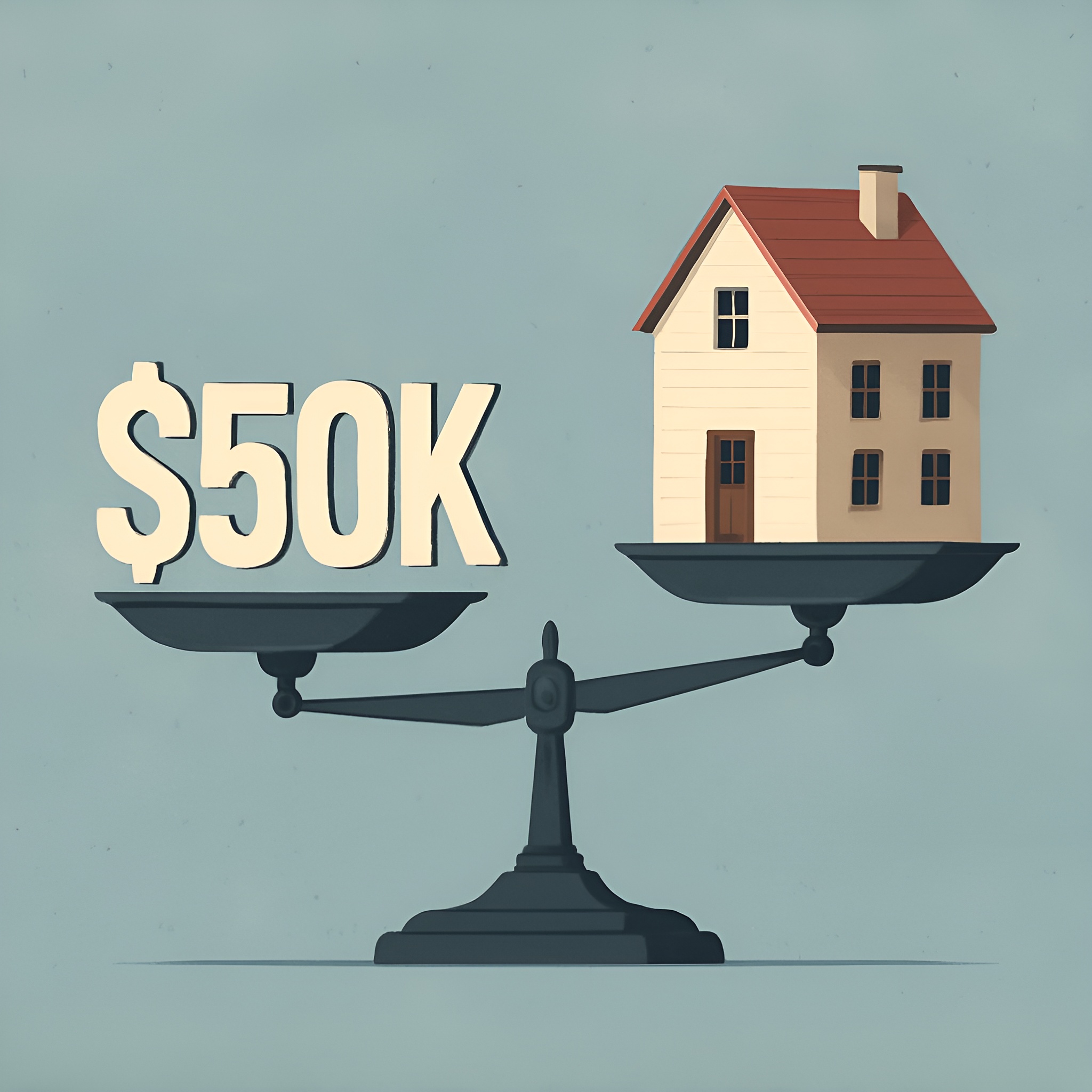
  • Making $50K? You Can’t Even Access 9% of Homes for Sale

    Many Americans still can’t afford to buy a home. Home sales are up nearly 20% from a year ago, but overall sales remain well below pre-pandemic levels—underscoring the nation’s ongoing affordability crisis.

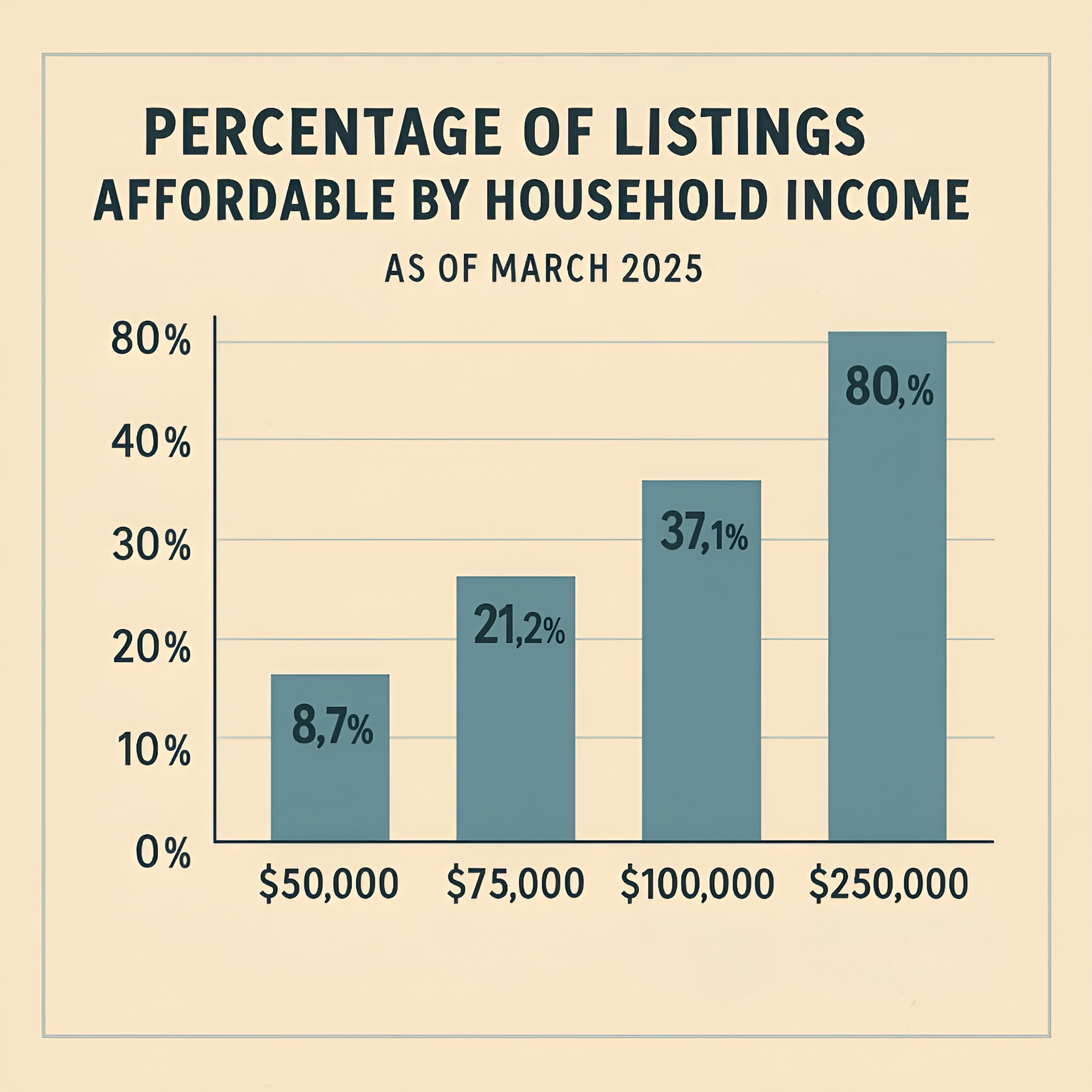
    As of March 2025, lower-income households earning $50,000 annually could afford just 8.7% of available listings—down from 9.4% a year prior. The market would need an additional 367,000 homes priced below $170,000 to achieve a balanced supply.

    Households earning $75,000 a year could afford just 21.2% of homes on the market, up slightly from 20.8% in March 2024. Despite this marginal improvement, the affordability gap continues to widen. Before the pandemic, this group could afford nearly 49% of homes for sale. To reach a balanced market, they would need access to 48.1% of listings, which means about 416,000 more homes priced up to $255,000 are needed.

    Meanwhile, households earning $100,000 or more can afford 37.1% of listings, up slightly from 36.9% a year ago. However, this remains far below the 64.7% they could afford in 2019. Achieving equilibrium would require about 364,000 additional homes priced below $340,000.

    In contrast, households earning $250,000 or more can afford at least 80% of homes for sale, highlighting a sharp disparity in affordability among income groups.

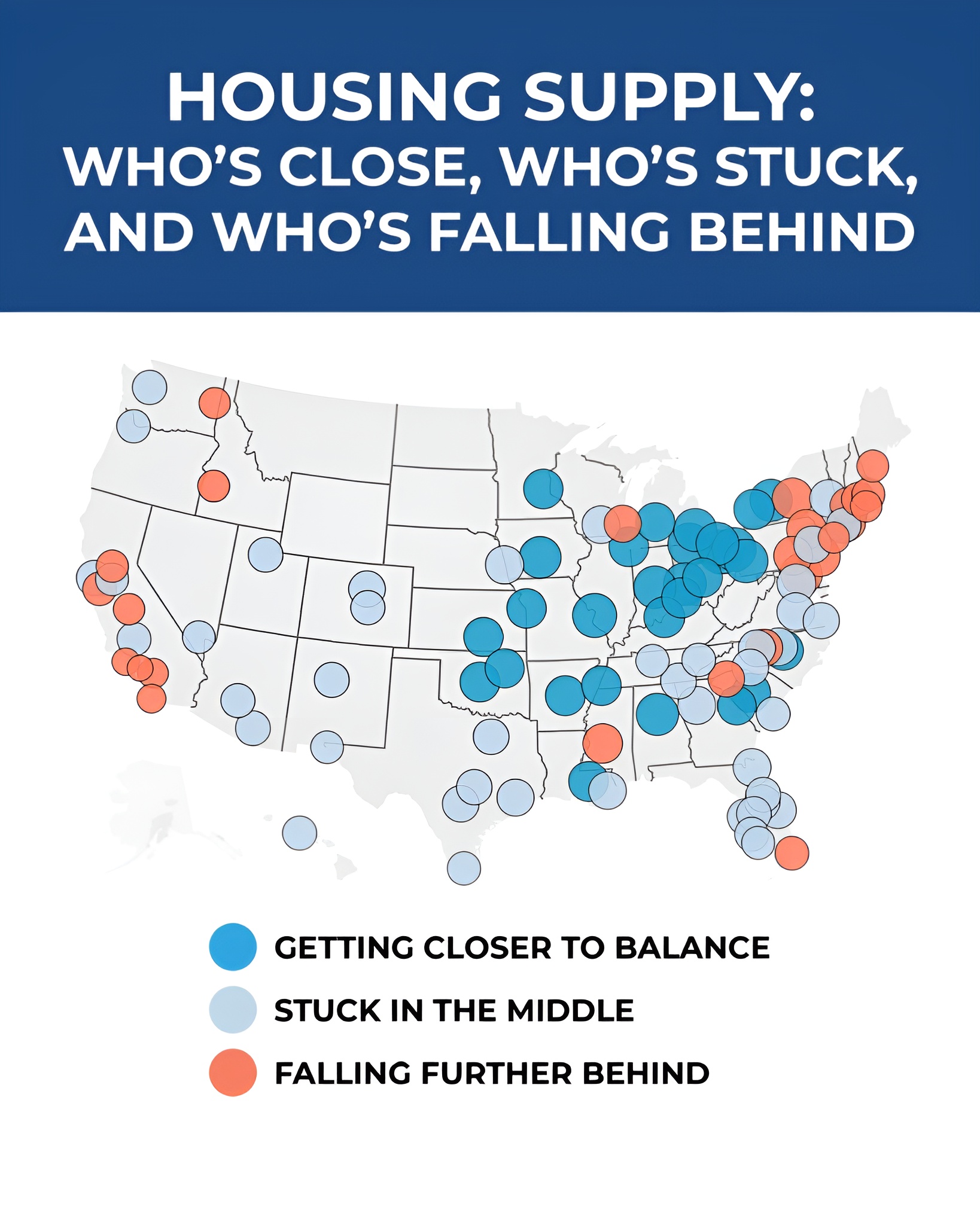
    Nationally, the number of homes for sale increased nearly 20% from March 2024 to March 2025. While this is a positive sign, total inventory remains well below pre-pandemic levels. About 30% of the nation’s 100 largest metropolitan areas now fall into the “Areas Getting Closer to Balance” category, where housing affordability has improved for all income levels. Cities including Akron (Ohio), St. Louis (Missouri), Youngstown (Ohio), Pittsburgh (Pennsylvania), Raleigh (North Carolina), Des Moines (Iowa), and Grand Rapids (Michigan) are beginning to see more balanced markets.

    Meanwhile, 44% of metropolitan areas are categorized as “Areas Stuck in the Middle,” where supply and demand remain out of sync. Some cities, such as Seattle and Washington, D.C., are making progress, with affordability increasing by 4 percentage points, but the gap remains significant.

    Likewise, Austin, Texas; Salt Lake City, Utah; and Denver, Colorado, have all made significant progress, with average affordability gains of 20 percentage points. San Francisco, California, has already surpassed pre-pandemic affordability levels.

    Alarmingly, 26% of metropolitan areas are now classified as “Areas Falling Further Behind,” meaning affordability in these regions is getting worse. Major cities like Los Angeles and San Diego, California; New York, New York; and Spokane, Washington, are among the hardest hit by the shortage of affordable housing.

    Source: NAR.realtor

    At the state level, Iowa, Ohio, Indiana, Illinois, and West Virginia continue to lead in housing market balance. In these states, households earning $75,000 still have access to more than 45% of available homes. By contrast, states such as Montana, Idaho, California, and Massachusetts—despite increasing inventory—still face significant challenges in achieving market balance.

    The housing market is at a turning point, with more homes coming onto the market and middle-income earners beginning to see an increase in supply. However, the gap remains wide—especially for first-time homebuyers. Meanwhile, Danielle Hale, chief economist at Realtor.com, notes that although the number of affordable homes is rising, progress has been uneven and is largely concentrated in the Midwest and South.

    Homeownership is increasingly out of reach for low- and middle-income households. Building smaller, more affordable homes could help narrow the gap. While some regions are showing signs of improvement, the national housing market still needs time to achieve true parity and affordability for all income groups.

  • Forney’s Rapid Growth and the FM 548 Road Improvement Project

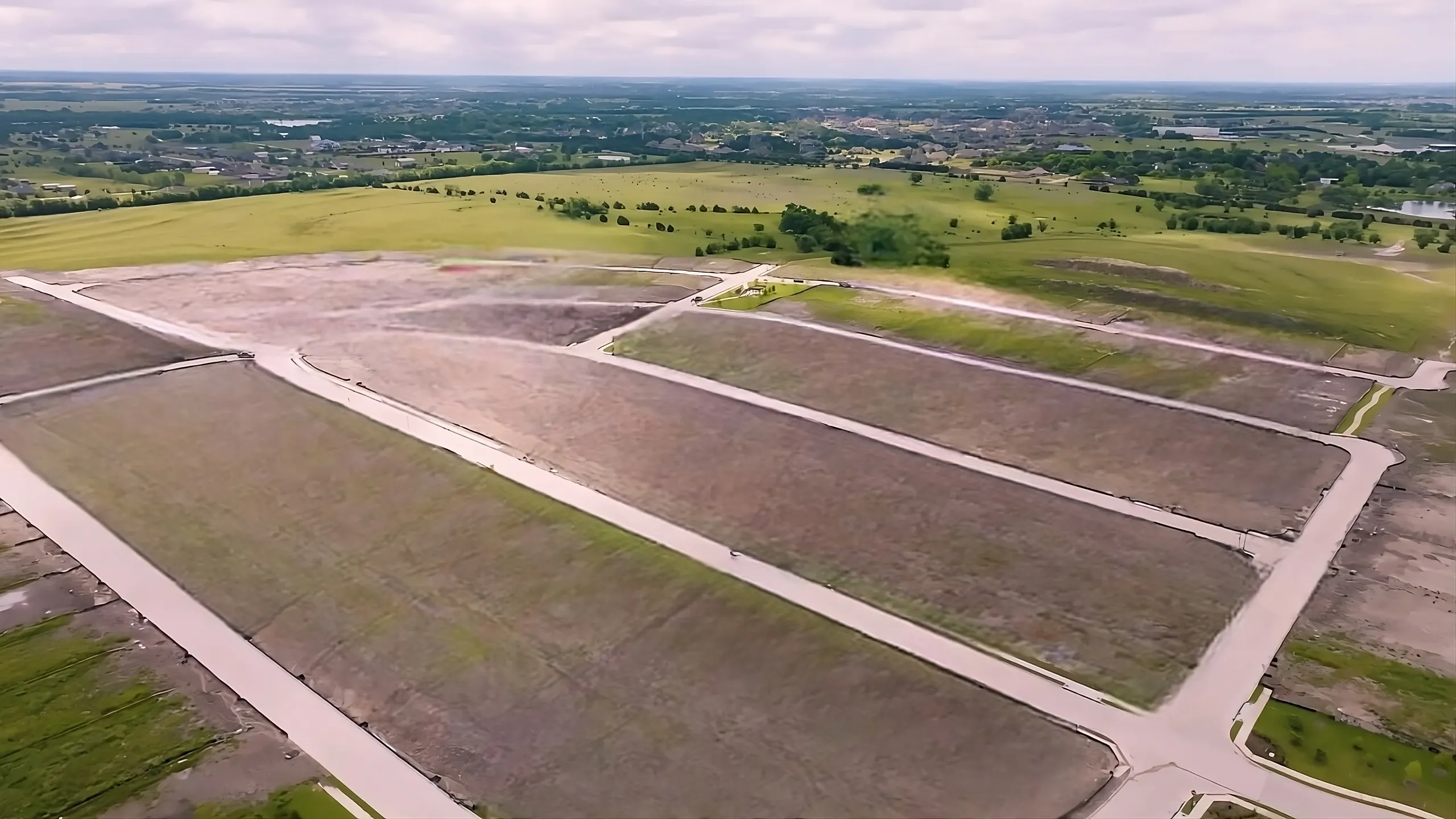
    Forney, Texas – Forney is experiencing significant growth in both housing and business development. More than 25,000 home lots are planned in the area, and the population is expected to exceed 100,000 within the next five years—making Forney an increasingly attractive destination for both residential and commercial developers. Nationally, it ranks among the fastest-growing cities, and when you visit, it’s easy to see why. From new neighborhoods to expanding roads, the city is undergoing a rapid transformation.

    Between July 2022 and July 2023, Forney recorded a population growth rate of 10.4%. By 2025, the population is projected to reach approximately 43,196, with the city currently growing at an annual rate of about 9.82%.

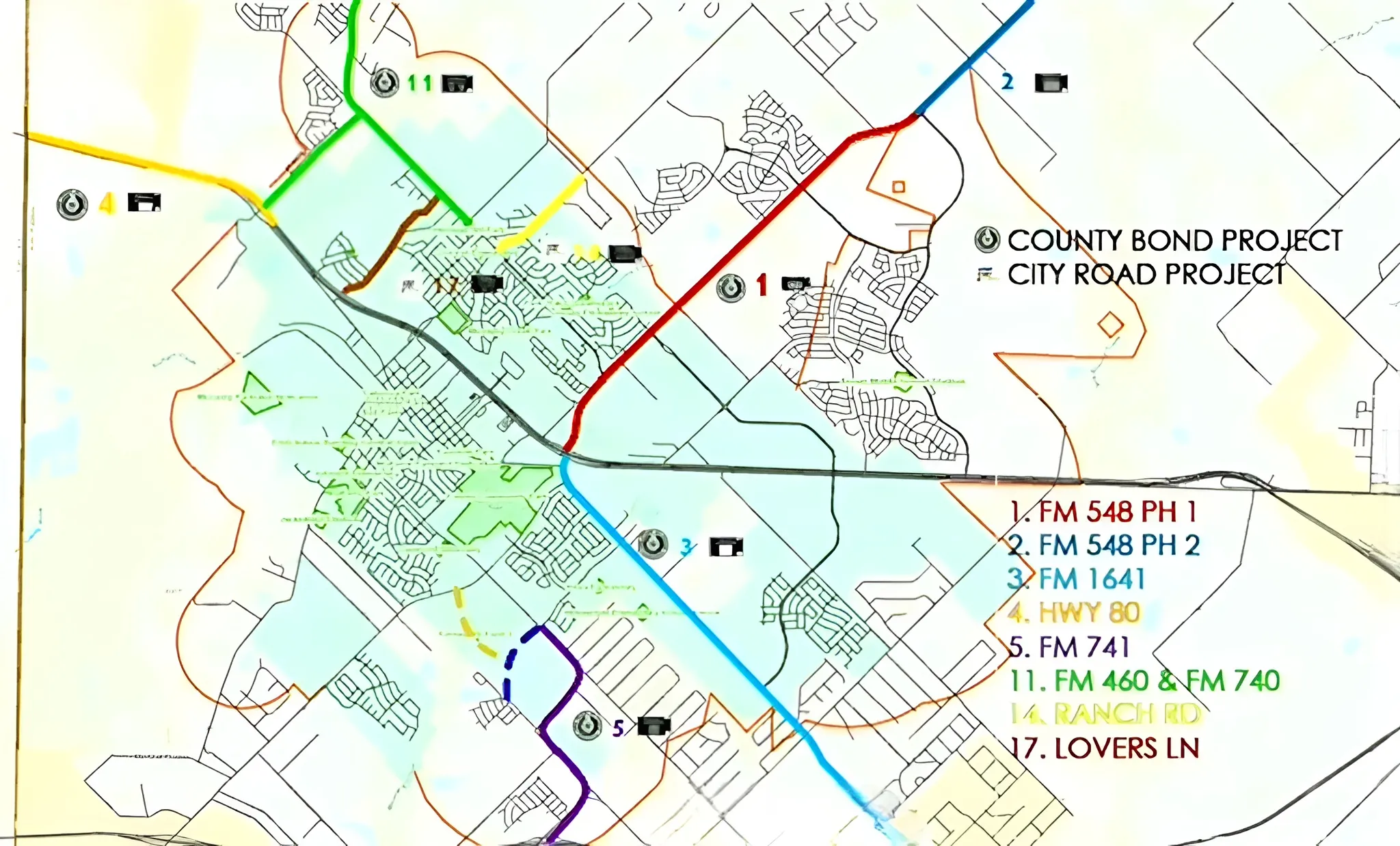
    As part of this growth, Granite Construction has been awarded a major infrastructure project by the Texas Department of Transportation (TxDOT). The scope of work includes reconstructing and widening FM 548—from a two-lane rural road into a six-lane urban thoroughfare—which will significantly improve traffic flow and safety for both residents and commuters. Construction is scheduled to begin in July 2025, with an anticipated completion date in March 2027.

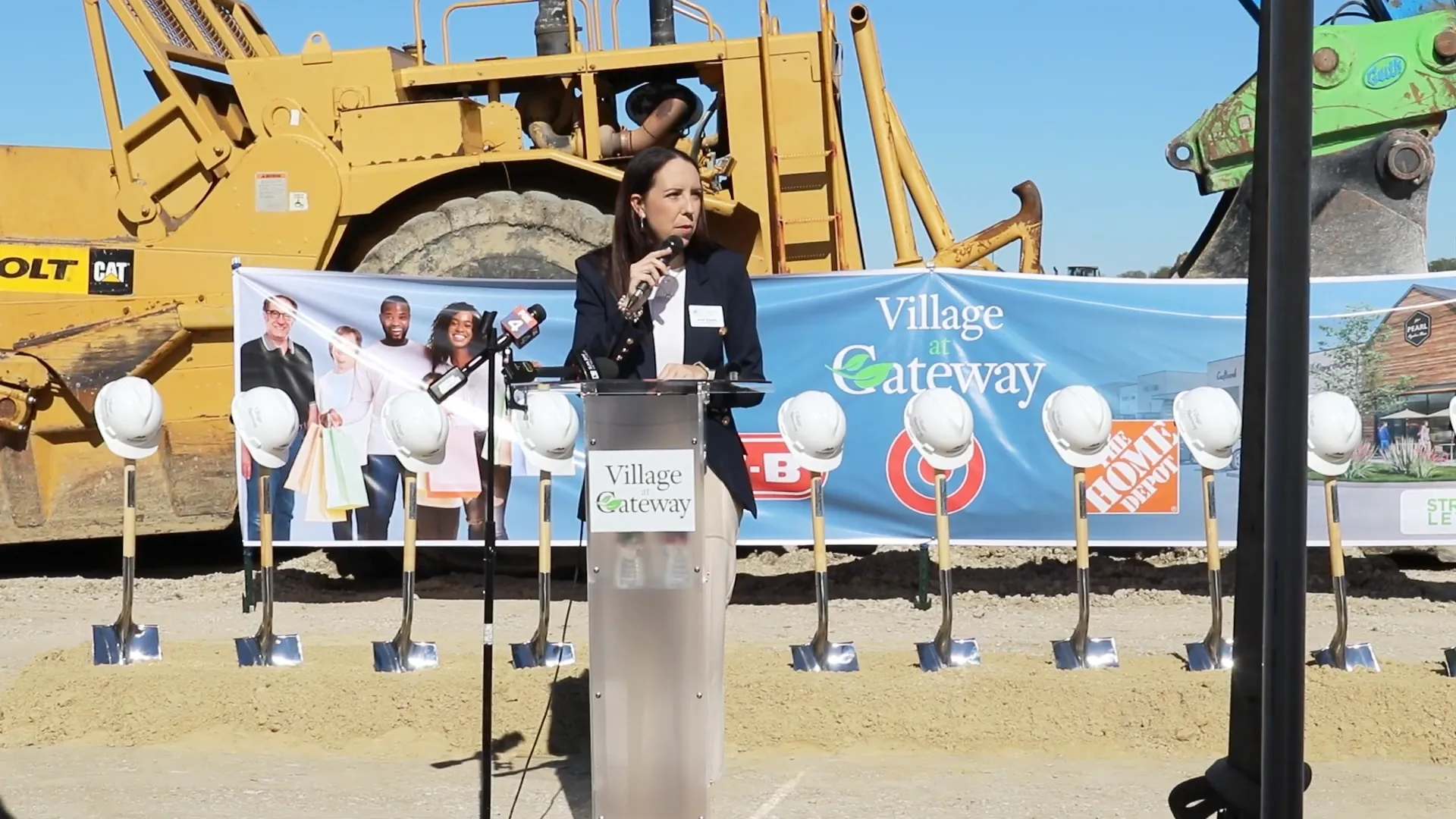
    Interestingly, The Village at Gateway, located in Forney, was recently awarded “Best Retail Development of the Year” by D CEO. The Village at Gateway has been an exciting development since its groundbreaking in 2020. It is a 120-acre residential and retail center that is planned to be a regional destination for shopping, services, and dining. With over 500,000 square feet of retail space, The Village at Gateway is already attracting interest from both residential and corporate tenants looking to expand their businesses in the area. The Village at Gateway is also partnering with major retailers such as Target, Home Depot, and H-E-B. The presence of these well-known brands is a strong indicator of growth in the surrounding area and adds to the appeal for residents seeking improved shopping options.

    One of the major projects currently underway is a community called Meraki, which will bring 2700 new homes by 2035. The development plan also includes a Forney ISD elementary school, a civic center, and a designated commercial area aimed at expanding the community’s infrastructure.

    Additionally, Tractor Supply Company—a retailer specializing in farm, ranch, and pet supplies—is planning to open a new 25,000 square foot store on FM 1641. Construction is expected to begin in May 2025 and be completed by December 2025. This project underscores the significant growth potential in Forney’s retail sector.

    Residents frequently praise Forney’s quiet atmosphere, diversity, and community-oriented lifestyle. Parks such as Forney Community Park, equipped with splash pads, playgrounds, and baseball fields, enhance the city’s family-friendly reputation. Fitness enthusiasts frequent Texas Fitness, a local gym known as a community staple. Additionally, Planet Fitness is expected to open soon, further expanding local recreational offerings.

    However, Forney’s challenge with traffic congestion—particularly during peak commuting hours—has become a significant concern for residents. Without traffic, a trip from Forney to downtown Dallas typically takes around 35 minutes. Yet during rush hour, this commute can extend beyond an hour, highlighting infrastructure gaps that city leaders are actively working to address.

    The interconnectedness between Forney and its neighboring community, Heartland, a smaller town located immediately adjacent to the city, is notable. Residents of Heartland often rely on Forney for shopping and entertainment. Although stores like Target and Tom Thumb are planned to open closer to Heartland, residents currently face longer drives—typically around 10 minutes—to access essential amenities.

    Recently, Forney hosted a community event showcasing city machinery, including bulldozers, excavators, police vehicles, and fire trucks. This event allowed local children and families to engage directly with city workers and equipment, underscoring the city’s efforts to maintain a close-knit community atmosphere.

    Local dining options also reflect the community’s diversity and growth. Popular eateries include Dillas, known for specialty quesadillas; Mix It Up, a newer establishment gaining positive local reviews; and Pizza Milan, a favorite among pizza lovers in the area.

    For those considering relocation to the broader Dallas-Fort Worth (DFW) area but unsure if Forney matches their preferences, We suggests exploring other communities experiencing similar growth. Mansfield, Heath, Rockwall, Royse City, and Celina all offer appealing alternatives, each with unique characteristics and amenities. Rockwall and Heath, located near Lake Ray Hubbard, boast vibrant communities and scenic surroundings. Royse City, just outside Rockwall, similarly enjoys a boom in growth and infrastructure development.

    Ultimately, whether newcomers choose Forney or another thriving suburb, Dallas itself remains a compelling option for those seeking urban conveniences and cultural vibrancy. Dallas offers shopping, city life, culture—whatever you might need. It’s always a solid choice for those interested in those amenities.

    As Forney continues its trajectory of growth, residents and city planners alike face the ongoing challenge of balancing development with quality of life. With careful planning and community engagement, Forney aims to remain a welcoming, diverse, and thriving place to call home.

  • Rockwall Sees Surge in Housing and Commercial Development

    Rockwall, Texas — Once a quiet suburb on the eastern edge of the Dallas-Fort Worth metroplex, Rockwall is now making headlines for its rapid growth and major residential and commercial developments.

    Over the past few months, builders have broken ground on more than a thousand new homes. New communities such as Winding Creek, Quail Hollow, and The Homestead feature everything from cozy three-bedroom homes to spacious luxury models, complete with pools, parks, and trails. Even established neighborhoods such as The Highlands, Nelson Lake, and Somerset Park are adding new phases, as families and young professionals flock here in search of affordable space and good schools.

    It’s not just housing that’s booming. The Rockwall Economic Development Corporation (REDC) has been busy lining up new employers and manufacturing is starting to take off. Xerxes Manufacturing is putting up a brand-new plant, and Ballard Power Systems is eyeing a massive gigafactory in Rockwall Technology Park—moves that speak volumes about the city’s appeal to advanced-tech firms.

    Retailers are also taking note. With its expanding trade area and high purchasing power, Rockwall has attracted the attention of national brands. Recent expansions by grocery giant H-E-B and home furnishings retailer IKEA underscore the city’s growing reputation as a retail destination.

    Behind the scenes, REDC’s strategy has been simple: attract solid investment, support local businesses and make sure growth stays sustainable. City leaders believe that by investing in roads, schools and parks today, Rockwall can handle tomorrow’s population surge without losing the small-town feel people love.

    With new housing and commercial growth accelerating, local leaders and developers are confident that smart planning and steady investment will help the city grow without losing its identity.

  • BREAKING: Tornado Warning Issued for Anderson and Henderson Counties

    Dallas, Texas — Residents across Anderson and Henderson counties found themselves on high alert Tuesday afternoon as the National Weather Service (NWS) issued a tornado warning effective until 2:00 p.m. The warning, prompted by radar-indicated rotation and reports of severe weather moving through North Texas, prompted local officials to urge immediate action.

    The NWS recommends residents in the affected areas remain indoors, avoid windows, and monitor local news or NOAA Weather Radio for updates. Those in mobile homes or temporary structures are advised to seek more substantial shelter immediately.

    As of press time, there have been no confirmed tornado touchdowns, but authorities stress that the situation remains fluid. Emergency crews are standing by to respond to any reports of damage or injury.

    • Area Affected: North Anderson County and southeastern Henderson County.
    • Warning Duration: Until 2 p.m.
    • Source: The National Weather Service in Fort Worth.
    • Severity: The severe thunderstorm is capable of producing a tornado.
    • Location: Near Frankston, 18 miles southeast of Athens.
    • Movement: Moving northeast at 50 mph.
    • Recommendations: Residents are advised to take shelter indoors and avoid windows.
    • Authorities: Local emergency management teams have been mobilized
  • Survey Reveals: TV Shows Have Homebuyers Expecting Open Houses With Popcorn and Plot Twists

    DALLAS, TX — The National Association of REALTORS® (NAR) Research Group just released a new report based on their 2025 survey. It looks at how home staging is affecting real estate deals from both the buyer’s and seller’s point of view. The study also digs into how TV shows are shaping what buyers expect, along with other trends in the home buying process. The findings come from 1,266 REALTORS® who responded out of nearly 50,000 surveyed, giving a response rate of just 2.5% and a margin of error of ±2.75%.

    For years, home staging has been touted as a secret weapon for sellers. Now, hard numbers back up its reputation. According to NAR’s findings, a striking 60% of buyers’ agents said staging affects most buyers’ perceptions of a home “most of the time,” while an additional 26% said it sways buyers, albeit not always. Only a small minority 12% believed staging had no impact at all.

    Staging isn’t just about pretty pillows and fresh flowers,” explained Dr. Jessica Lautz, NAR’s Deputy Chief Economist. “It’s about helping people see themselves living in that space. Our research shows 83% of buyers’ agents agree—it makes it easier for buyers to visualize a property as their future home.”

    Source: nar.realtor

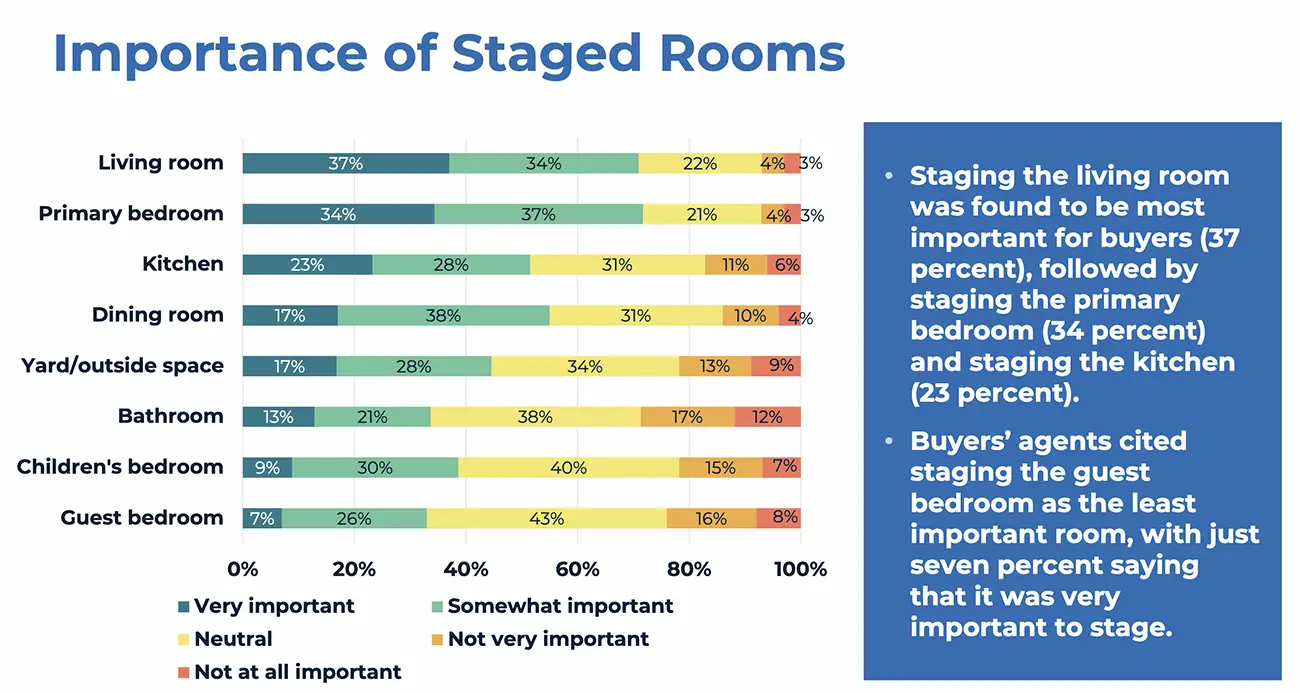
    When it comes to which rooms matter most, the hierarchy is clear. The living room tops the list, with 37% of agents calling it the most important space to stage, followed by the primary bedroom (34%) and the kitchen (23%). Guest bedrooms and children’s rooms, by contrast, barely register.

    The impact is financial too. 17% of buyers’ agents reported that staging nudged offers up by 1–5% compared to similar unstaged homes. While 41% saw no effect on price, the potential upside is enough to keep sellers investing.

    On the seller’s side, the commitment to staging varies. Just 21% of sellers’ agents said they stage every listing, while 10% reserve staging for hard-to-sell homes. A majority—51%—prefer to recommend decluttering or minor repairs rather than full-scale staging. For those who do stage, the median spend is $1,500 with a professional service, but drops to $500 when agents roll up their own sleeves.

    Quality of design and price are the top factors when picking a staging company,” noted Brandi Snowden, NAR’s Director of Member and Consumer Survey Research. “It’s a business decision, not just an aesthetic one.”

    Staging can even help homes sell faster. Thirty percent of sellers’ agents noted a slight decrease in days on market for staged homes, and 19% reported a significant drop. Only a handful (4%) saw staging actually slow down a sale.

    TV Shows and Family: The New Influencers

    But it’s not just fresh paint and throw blankets shaping buyer behavior. The media—especially home-buying TV shows—now wields outsized influence. Nearly half (48%) of agents said their clients expected homes to look “like they were staged on TV,” and 58% reported buyers were disappointed when reality fell short.

    “TV has set a standard that’s often unattainable,” admitted one survey respondent. “Buyers come in with expectations that just don’t match the real world.” In fact, 73% of agents said TV shows had impacted their business by setting unrealistic or heightened expectations.

    Yet, despite the media’s sway, 77% of agents say they aren’t influenced to stage homes exactly as seen on TV. “We have to balance what sells with what’s feasible,” said another agent. “Not every home can—or should—look like a set.”

    Family dynamics also play a growing role. A median of 23% of buyers brought non-purchasing family members to viewings, and 40% consulted family during the process, even if relatives wouldn’t live in the home. “It’s a multigenerational decision for many,” Lautz observed.

    Buyers are also coming to the table with clear ideas—79% know where they want to live, and 76% have an ideal home in mind before starting their search. But the process itself remains daunting: 42% expect it to be difficult, and 38% find it even harder than they imagined.

    Other Noteworthy Findings:

    • 27% of agents report that more buyers are planning to flip homes, and 42% say there’s an increase in those looking to remodel.
    • 61% of buyers don’t have a set number of homes in mind, but for those who do, the median is eight in-person showings and 20 virtual tours.
    • 55% of agents say buyers’ expectations around how many homes they’ll see before buying are aligned with market realities.

    Staging remains a powerful tool—especially for the living room, bedroom, and kitchen—but today’s buyers are also guided by television, family, and a growing desire for customization. For REALTORS®, the challenge is clear: bridge the gap between fantasy and reality, one open house at a time.